- English
- French
- German
- Portuguese
- Spanish
- Russian
- Japanese
- Korean
- Arabic
- Greek
- German
- Turkish
- Italian
- Danish
- Romanian
- Indonesian
- Czech
- Afrikaans
- Swedish
- Polish
- Basque
- Catalan
- Esperanto
- Hindi
- Lao
- Albanian
- Amharic
- Armenian
- Azerbaijani
- Belarusian
- Bengali
- Bosnian
- Bulgarian
- Cebuano
- Chichewa
- Corsican
- Croatian
- Dutch
- Estonian
- Filipino
- Finnish
- Frisian
- Galician
- Georgian
- Gujarati
- Haitian
- Hausa
- Hawaiian
- Hebrew
- Hmong
- Hungarian
- Icelandic
- Igbo
- Javanese
- Kannada
- Kazakh
- Khmer
- Kurdish
- Kyrgyz
- Latin
- Latvian
- Lithuanian
- Luxembou..
- Macedonian
- Malagasy
- Malay
- Malayalam
- Maltese
- Maori
- Marathi
- Mongolian
- Burmese
- Nepali
- Norwegian
- Pashto
- Persian
- Punjabi
- Serbian
- Sesotho
- Sinhala
- Slovak
- Slovenian
- Somali
- Samoan
- Scots Gaelic
- Shona
- Sindhi
- Sundanese
- Swahili
- Tajik
- Tamil
- Telugu
- Thai
- Ukrainian
- Urdu
- Uzbek
- Vietnamese
- Welsh
- Xhosa
- Yiddish
- Yoruba
- Zulu
A Steel Shed for Your Small Garden: Maximize Space & Durability
When your small garden needs reliable storage without sacrificing valuable square footage, a steel structure garden shed provides an engineered solution that combines compact design with industrial-grade durability. Unlike conventional wooden or plastic alternatives that succumb to weather damage and pest infiltration, steel sheds deliver decades of maintenance-free performance while maximizing every inch of available space through intelligent design. Whether you're storing lawn equipment, agricultural supplies, or seasonal tools, these structures offer fire resistance, structural integrity, and customization flexibility that traditional options simply cannot match.

Understanding Steel Structure Garden Sheds: Benefits and Components
What Makes Steel Sheds Superior to Traditional Options
Steel structure garden sheds are a big step forward in the building of outdoor storage. These buildings are made from high-tensile galvanised steel, usually grade G300 to G550. They don't break down biologically as wooden huts do within years. The zinc covering, which is put on using hot-dip galvanisation at 275g/m², forms a strong metal link that stops rust from getting through, even in coastal areas. We've seen wooden sheds that need to be resealed and have their roof felt replaced every year. These are high costs that add up over the life of the building.
Core Structural Components
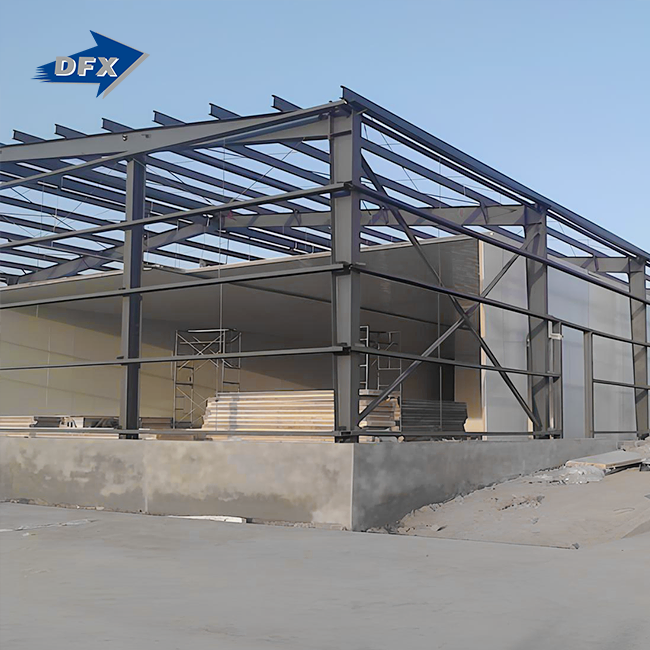
The skeleton is what holds a good steel shed together. The H-section beams and columns can hold a lot of weight, and the C and Z galvanised purlins spread the weight of the roof evenly across the structure. This arrangement makes it possible for clear-span rooms with no support posts in the way, which increases the amount of space that can be used for storage. Wall panels are made from corrugated steel sheets that are between 0.25 mm and 0.6 mm thick. This makes them suitable for both cheap home models and heavy-duty commercial uses.
Surface treatment includes several layers of protection. First, a conversion coating holds the topcoat to the galvanised base. This is followed by a primer and a finish coat made of Silicone Modified Polyester, which doesn't fade or break down in UV light. This multi-layer approach makes installations last longer than 20 years if they are well taken care of.
Ventilation and Condensation Management
Professional-grade steel sheds have ventilation grilles under the roof eaves to keep air moving all the time. High-end models have an anti-condensation fleece coating that is put on the inside roof panels while they are being made. This coating soaks up water before it condenses and falls on stored things. This care with managing moisture is especially helpful for storing equipment in humid places where trapped condensation speeds up the rusting of tools and machinery.
Steel vs. Wooden Garden Sheds: Making the Right Choice for Your Needs
Total Cost of Ownership Analysis
Taking into account the costs that come up over the course of a shed's life, the original price difference between steel and wooden sheds becomes much smaller. Staining wooden buildings every six months is required, and shingles need to be replaced every so often. Eventually, structural boards need to be replaced because water causes them to warp. Based on our estimates, maintaining a wooden shed after the fifth year costs between 15 and 20 percent of the original buying price.
Steel structure garden sheds don't need much maintenance. A once-a-year wash with a mild detergent gets rid of dirt and salt deposits that could trap water. The level of regular upkeep is shown by touch-up paint on any scratches that show the base metal. When you add up the cost of labour and materials for maintenance over 15 years, steel sheds are usually 40% cheaper than wooden sheds.
Fire Safety and Insurance Considerations
Steel buildings get Class A fire ratings, which means they are non-combustible storage options that meet strict fire rules for homes and businesses. This classification is especially helpful for farms that store fertilisers, pesticides, or things that can catch fire. Insurance companies often lower premiums for properties with steel storage buildings because they are less likely to catch fire. This saves money that wooden buildings can't offer.
Security and Structural Integrity
Steel framing is much stronger than wooden buildings, so it fights attempts to break in much better. Real security for valuable equipment is provided by door frames that are reinforced and mechanisms that can be locked. Steel sheds can also stand up to wind speeds of more than 110 km/h and snow loads of 20 to 50 pounds per square foot, based on how the trusses are designed. We make units with stronger triangular roof beams and thicker steel frames for places where snow falls in large amounts.
How to Build and Maintain a Steel Structure Garden Shed for Maximum Efficiency
Installation Planning and Site Preparation
Preparing the foundation is the first step to a successful steel structure garden shed installation. A concrete block with a vapour barrier is the standard in the industry for the longest life, but pressure-treated wood frame foundations also work well as long as they are firmly fixed to stop wind uplift. To make sure the panels line up properly when they are put together, the base must be level within a 6 mm range across the whole footprint.
Precision pre-drilled holes made by CNC cutting are included in prefabricated steel shed kits, and alignment errors are kept to within ±0.5mm. This level of technical accuracy makes it easy to put together with simple hand tools. However, professional installation is recommended to make sure the seals work properly at the roof ridges and corner joints, which are where water usually gets in.
Routine Maintenance Protocols
Taking care of the protective coats on your steel shed will make it last a lot longer. Any damage to the covering should be found every year, especially around the fasteners where panel movement creates friction spots. Scratches that show the base metal need to be fixed right away. Use zinc-rich paint that matches the metal to restore corrosion protection before rust forms.
Once a year, use a mild soap and a soft brush to clean the panels. Pay extra attention to places where dirt and moisture build up. Check the door seals for wear and tear and the ventilation grilles for blockages that stop airflow. These easy steps, which take less than two hours a year, keep the shed looking good and keep its structure strong for decades.
Protective Coatings and Upgrades
You might want to ask for extra protective treatments during manufacturing in addition to standard galvanisation. Galvalume steel, which has an aluminum-zinc alloy covering, is better at resisting rust in seaside areas with a lot of salt. Compared to regular polyester finishes, PVDF topcoats keep colours better and are less likely to chalk. They can look good for 15 years or more without needing to be repainted.
Procurement Insights: Buying and Sourcing Steel Garden Sheds for B2B Clients
Vetting Manufacturers and Certification Requirements
When looking for steel structure garden sheds for business or farming use, the qualifications of the seller have a direct effect on how well the shed works and how well it meets regulations. Give priority to makers who have ISO 9001 quality management certification. This makes sure that production standards are always the same and that quality control methods are written down. CE approval means that a product meets European standards for health, safety, and environmental protection, which is necessary for buying things from other countries.
We suggest getting test reports from a third party that show how resistant the material is to salt spray (at least 500 hours according to ASTM B117 standard), how thick the coating is, and how much weight it can hold. Reputable manufacturers don't make vague claims about performance; instead, they provide clear documentation.
Understanding Pricing Structures and Bulk Negotiations
The price of a steel shed depends on its gauge width, coating standards, and need for structural support. Standard domestic units cost between $800 and $2,250, while commercial-grade buildings with better features cost between $3,000 and $8,000, based on their size and level of customisation. People who want to buy a lot—five or more units—should be able to get 12–18% off the list price.
Shipping costs have a big effect on the total cost of a project, especially for installations that are far away. Shipping is more efficient with containers; a normal 40-foot container can hold several constructed shed kits. Make sure you clearly negotiate the delivery terms, including whether the price includes freight to the site, help unloading, or installation services.
Customization Options for Commercial Applications
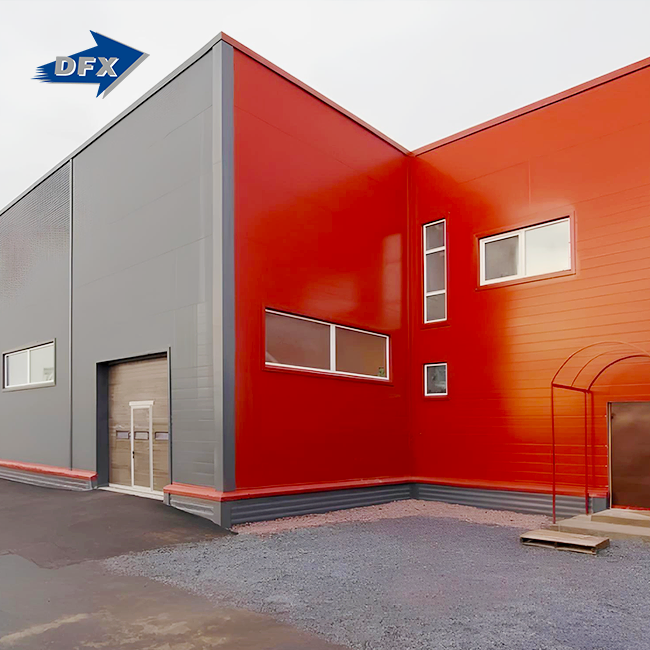
Modern steel shed manufacturing allows for a lot of customisation to meet unique operating needs. Some of the options are oversized doors for easy access by vehicles, built-in paths for electrical conduit, insulated panel upgrades for climate-controlled storage, and custom colour choices that can be used to promote a business. Agricultural clients often ask for open-sided designs to store hay and park equipment. These designs use H-section poles without wall covering to keep airflow going and protect assets from rain.
During the quotation process, ask for specific engineering plans to make sure that the customisations fit with your available space and how you normally do things. As part of their "turnkey" service, experienced manufacturers offer design advice.
Innovative Design Ideas and Space Maximization Strategies for Small Garden Steel Sheds
Vertical Storage Solutions
To store a lot of things in a small steel structure garden shed, you have to get creative. Vertical organization systems increase the number of functions that can be done without making the building bigger. Install wall-mounted track systems that can hold shelves and pieces that can be adjusted. This way, you can change the layout of your storage as your needs change. Putting pegboard panels on the inside walls lets you hang hand tools and keep things that you use often obvious and in order.
Hanging storage racks from the ceiling purlins take advantage of empty space above head height to store seasonal things and tools that aren't used very often. Through smart vertical storage implementation, we've helped clients increase their storage space by 40% without affecting the usability of floor space.
Door Design and Access Optimization
The way the doors are set up has a big effect on how the shed works. Double doors with a minimum opening width of 1.2 meters make it easier for equipment to get in and out, especially riding mowers and wheeled carts. For places that need to be accessed often, roll-up doors are a good option because they don't need the extra room that swing doors do and still allow full-width openings.
Place doors according to the direction of the wind to keep rain from getting in while they're being used. We use heavy-duty hinges that can withstand 10,000 rounds or more to keep doors from sagging, which can cause gaps in the seals over time.
Climate-Specific Insulation and Ventilation
Because steel conducts heat well, it needs to be insulated in places where temperatures change a lot. When applied to internal panels, spray foam insulation makes an R-13 to R-19 thermal barrier that keeps items safe from damage caused by temperature and lowers condensation inside. For moderate climate areas, reflective foil-faced bubble insulation is a cost-effective alternative that provides R-8 thermal resistance at a fraction of the cost of spray foam.
Needs for ventilation change based on shed size and contents. Passive roof vents and ceiling intake vents work together to create natural convection airflow that is good for sheds that are less than 120 square feet. Larger buildings or those that store gasoline-powered equipment can use louvre vents or powered ventilation fans to get rid of fumes and keep the temperature inside stable.
Conclusion
Steel structure garden sheds are the most durable and space-efficient way to store things in a small garden. These buildings are great investments for residential, farming, and business users because they are made of galvanised steel, don't need much upkeep, and can stand up to bad weather. When fully equipped with the right coatings, insulation, and ventilation systems, steel sheds last for decades and don't take up much yard room. Experienced makers offer a wide range of customisation choices so that storage problems can be solved in a way that works best for you, whether you need to protect lawn equipment, farm supplies, or industrial tools.
FAQ
1. How does the thickness of the galvanised coating affect how long it lasts?
The weight of the zinc covering is directly related to how long it protects against rust. Economy sheds use Z80–Z120 coatings (80–120g/m²), which are good for dry conditions. On the other hand, Z275 heavy-duty galvanisation protects against rust for 15–20 years in seaside or high-humidity areas. Electro-galvanization doesn't make the coating as thick or even as hot-dipped galvanisation does.
2. Can steel sheds be installed on uneven terrain?
For steel structure garden sheds to work, the foundations must be level and within the manufacturer's tolerances, which are usually no more than 6 mm. Sites that are sloped need to be dug up and levelled, or a raised platform foundation made of pressure-treated wood or concrete pier systems needs to be built. When you level something correctly, the loads on the structure are spread out evenly across the frame.
3. What distinguishes residential from commercial-grade steel sheds?
Commercial units have walls made of heavy-gauge steel (0.5 to 0.6 mm vs. 0.25-0.35 mm for domestic units), stronger frames that can handle more snow and wind, and better coating systems that come with longer warranties. Commercial-grade specifications are appropriate for uses that need to store heavy equipment, be exposed to harsh environments, or meet regulatory requirements.
Partner with DFX for Professional Steel Structure Garden Shed Solutions
DFX, which does business as Qingdao Director Steel Structure Co., Ltd., has been making steel structures for more than 12 years and brings that experience to every job. Our 40,000-square-meter factory makes steel structure garden sheds using advanced C/Z section steel equipment and automated H-beam production lines. This makes sure that every shed is made with the same level of accuracy and consistency. Our ISO 9001, CE, COC, and PVOC certifications show that we follow international quality standards. For parking cars, storing tools, or use on a farm, our engineering team can provide standard design, fabrication, and installation plans, as well as full support. The sides can be closed or open. We are a reliable steel structure garden shed manufacturer, and for procurement managers looking for reliable suppliers, we offer short production cycles and competitive prices. Get in touch with jason@bigdirector.com right away to talk about your specific needs and get a quote that is tailored to your project.
References
1. American Galvanizers Association. (2019). Hot-Dip Galvanizing for Corrosion Protection of Steel Structures. Centennial, CO: AGA Publications.
2. Steel Construction Institute. (2021). Design Guide for Light Steel Framing in Residential and Small Commercial Buildings. Berkshire, UK: SCI Technical Publications.
3. National Association of Home Builders Research Center. (2018). Comparative Life-Cycle Assessment of Residential Storage Structures. Upper Marlboro, MD: NAHB Research Center.
4. ASTM International. (2020). ASTM A653/A653M Standard Specification for Steel Sheet, Zinc-Coated by the Hot-Dip Process. West Conshohocken, PA: ASTM Standards.
5. Building Research Establishment. (2022). Durability and Maintenance of Steel-Clad Buildings in Diverse Climates. Watford, UK: BRE Publications.
6. Metal Construction Association. (2020). Technical Bulletin: Condensation Control in Metal Buildings. Glenview, IL: MCA Industry Resources.
Learn about our latest products and discounts through SMS or email