- English
- French
- German
- Portuguese
- Spanish
- Russian
- Japanese
- Korean
- Arabic
- Greek
- German
- Turkish
- Italian
- Danish
- Romanian
- Indonesian
- Czech
- Afrikaans
- Swedish
- Polish
- Basque
- Catalan
- Esperanto
- Hindi
- Lao
- Albanian
- Amharic
- Armenian
- Azerbaijani
- Belarusian
- Bengali
- Bosnian
- Bulgarian
- Cebuano
- Chichewa
- Corsican
- Croatian
- Dutch
- Estonian
- Filipino
- Finnish
- Frisian
- Galician
- Georgian
- Gujarati
- Haitian
- Hausa
- Hawaiian
- Hebrew
- Hmong
- Hungarian
- Icelandic
- Igbo
- Javanese
- Kannada
- Kazakh
- Khmer
- Kurdish
- Kyrgyz
- Latin
- Latvian
- Lithuanian
- Luxembou..
- Macedonian
- Malagasy
- Malay
- Malayalam
- Maltese
- Maori
- Marathi
- Mongolian
- Burmese
- Nepali
- Norwegian
- Pashto
- Persian
- Punjabi
- Serbian
- Sesotho
- Sinhala
- Slovak
- Slovenian
- Somali
- Samoan
- Scots Gaelic
- Shona
- Sindhi
- Sundanese
- Swahili
- Tajik
- Tamil
- Telugu
- Thai
- Ukrainian
- Urdu
- Uzbek
- Vietnamese
- Welsh
- Xhosa
- Yiddish
- Yoruba
- Zulu
Steel Structure Smoking Shed: Engineered Smoking Shelter Solutions for Workplaces
When construction managers and procurement directors search for safe, compliant smoking areas, they increasingly turn to steel structure smoking sheds that balance safety regulations with durability. These engineered shelters represent specialized modular facilities built using high-strength structural steel frameworks, delivering designated smoking zones that protect both smokers and non-smokers. Unlike temporary setups or wooden alternatives, these structures withstand severe weather, meet fire safety codes, and provide long-term value through minimal maintenance requirements. Their design accommodates open-sided configurations for airflow or fully enclosed formats depending on regional climate demands and workplace policies.

Understanding Steel Structure Smoking Sheds: Design, Benefits, and Functionality
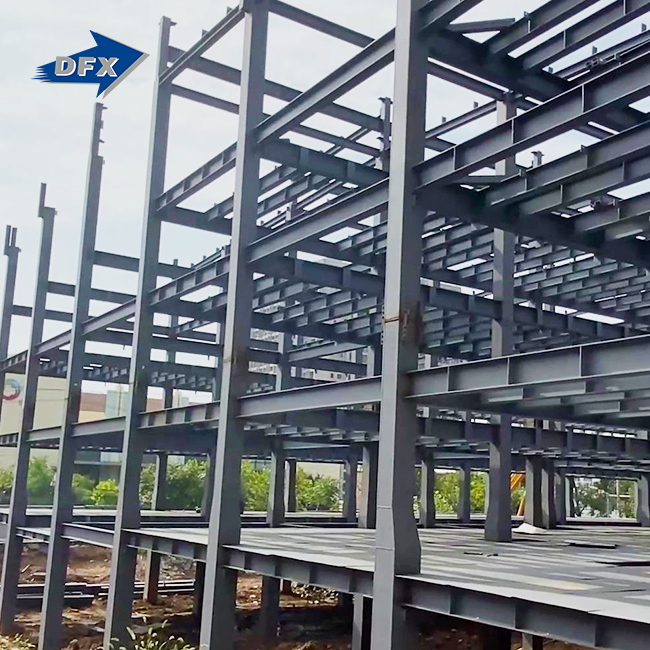
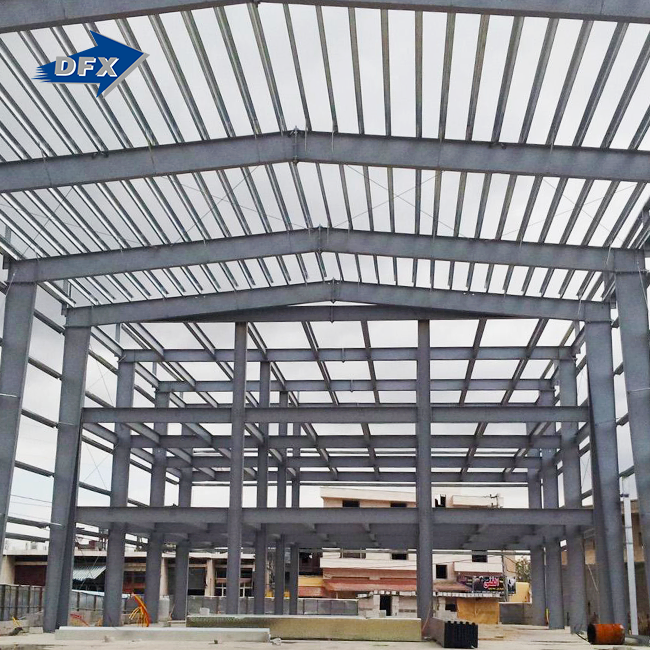
Steel structure smoking sheds combine useful engineering with the needs of the workplace. The steel frames of these shelters are made of long-lasting H-section beams and columns, along with C/Z galvanized purlins. This makes for strong structures that can be used for decades.
Structural Engineering Fundamentals
The main structure is made of carbon structural steel rated Q235B or Q355B, which has a bending strength of 235 to 345 MPa. This engineering method makes sure that the structure stays stable even when wind speeds hit 120 km/h and snow loads are higher than 0.5 KN/m². Automatic welded H-beam production lines are used in factories like Qingdao Director Steel Structure to keep the limits for size within +/- 2 mm. This makes it possible to assemble the parts without any problems on-site using fixed connections. The hot-dip galvanizing process adds zinc coatings that are 60–85μm thick. These coatings protect against corrosion in a wide range of conditions, from the humid coastal environment to chemical exposure in the workplace.
Safety and Regulatory Compliance
Modern smoking shelters meet important safety standards. The non-flammable steel frame meets Class A fire rating standards, which eliminates the risks of fire spreading that come with wooden buildings. When these shelters are put together with toughened glass panels or rock wool sandwich panels, they keep spark sources away from the main buildings and still meet OSHA requirements for smoking places. Controlled ventilation plans keep secondhand smoke from getting into areas next to smokers, protecting people who don't smoke and following environmental health rules.
Customization and Versatility
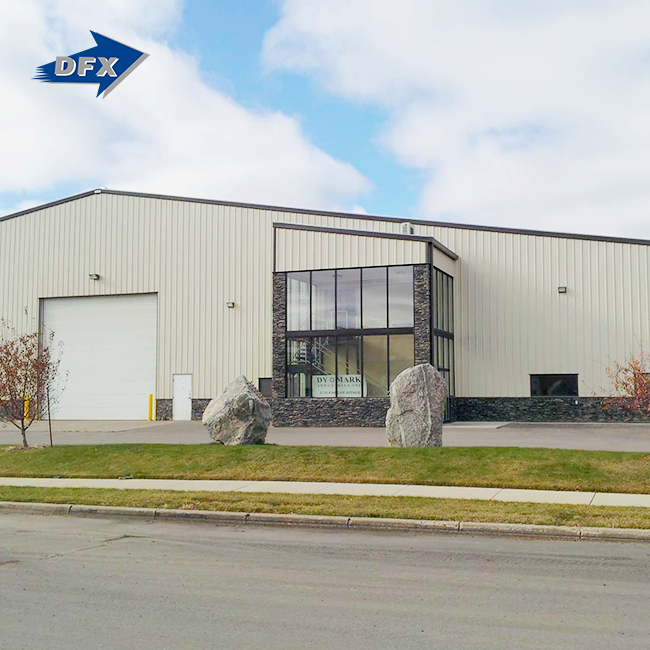
Design flexibility meets the needs of a wide range of workers. For mild climates, open-sided designs allow for better natural airflow. For harsh climates, fully sealed designs with built-in HVAC systems work best. Because they are modular, buying teams can choose sizes that fit the needs of their employees, from small shelters for 10 people to large setups that can hold 50 or more. Powder-coated color options and modern panel choices make architectural finishes that match the look of the current building.
Comparing Steel Structure Smoking Sheds with Alternative Materials and Solutions
Looking at steel structure smoking sheds next to other types of materials and solutions, the choice of material has a huge effect on the total cost of ownership and the useful life of the product. When procurement workers are weighing their choices, it helps to know how different types of materials perform differently.
Steel Versus Wooden Alternatives
At first, wooden smoking shelters may seem like a good deal, but they end up costing a lot to maintain. Wooden buildings need to be treated every year to protect them from rot, pest damage, and the effects of weather. Usually, they last between 8 and 12 years before they need to be replaced. On the other hand, steel structures don't need much maintenance other than regular coating checks, and they can last for 30 years or more. The fire safety gap is just as big—wooden frames have natural risks of burning that steel frames don't have at all. For building companies that are in charge of industrial sites or EPC companies that are in charge of infrastructure projects, steel's high safety rating fits with strict project insurance needs and liability concerns.
Aluminum Compared to Structural Steel
Aluminum is light, which is a benefit, but it weakens structures when they are under stress. Aluminum naturally doesn't rust, but because it has a lower tensile strength, profiles have to be thicker to get the same load ratings, which often cancels out the weight savings. Steel is stronger than it is heavier, so it can be used to make thinner, more elegant designs that can stand up to heavy snowfall in northern manufacturing areas or hurricane-force winds in coastal sites. Steel is a good material for factories that are growing because it can support lighting systems, heating elements, and equipment for ventilation without the need for extra support.
Prefab Versus Custom-Built Considerations
With standard sizes and shorter lead times, prefabricated steel smoking sheds make it easy to set up quickly. Director Steel can make 20,000 tonnes of welded H-beams every year, which makes sure that there is enough material to support quick production runs. These standard units work well for agricultural operations that need to set them up quickly between busy times of the year or for logistics warehouses that need to add smoking areas during times of growth.
Custom-built solutions are made to fit specific space limitations or requirements for aesthetic integration. Airport hangar complexes and business building projects often need custom designs that match the language of the architecture. Our in-house design and detailing services work with project engineers to make sure that smoking shelters fit in with the general planning of the building and meet all structural certification requirements.
Installation, Maintenance, and Cost Insights for Steel Structure Smoking Sheds
Understanding the practical details of steel structure smoking sheds implementation helps you make accurate budget and timetable plans for your project. These ideas are especially helpful for project managers who have to keep track of multiple stages of construction or operations managers who have to decide how to balance making improvements to the building with keeping production going.
Installation Process and Timeline
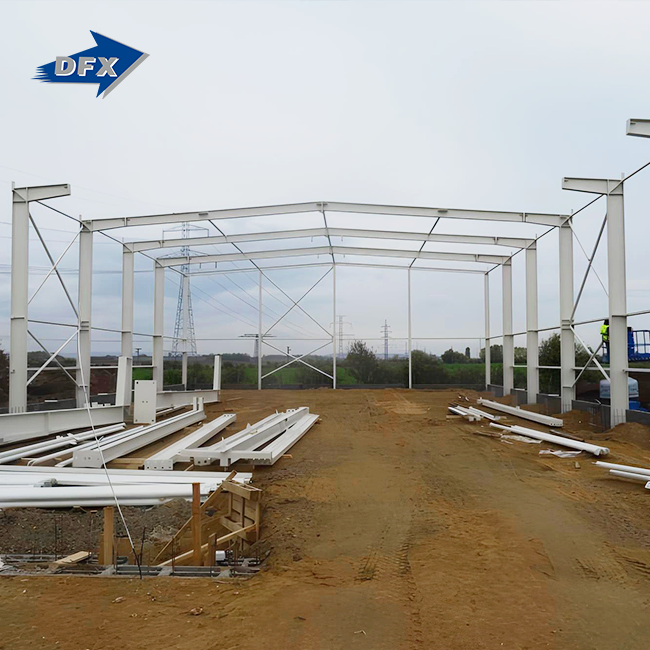
Setting up the foundation with reinforced concrete slabs or pier systems that have anchor bolts built in is the first step in getting the site ready. Ground screw foundations are a non-invasive option that can be used for short installs or places where digging isn't allowed. Systematic bolted assembly is used to put up steel frames, which gets rid of the need for welding, which makes building on-site more difficult. Our way of making things includes testing the fit of parts before they are shipped and lowering the time it takes to make adjustments in the field.
Depending on the size of the shelter and how easy it is to get to, installation usually takes between 3 and 7 days. Smaller units that can fit 15 employees can be put into use in 72 hours, while big systems that can fit 50 or more employees may take a week. These shortened schedules keep workers from having to miss work as much as possible, so factories can keep running during the installation phases.
Maintenance Requirements and Longevity
Unlike other smoking booths, steel ones don't need much upkeep. Three main things are checked during yearly inspections: making sure fixed connections are tight, checking the coating for scratches or wear spots, and clearing out drainage systems of any waste that has built up. Any harm to the coating is fixed right away with a zinc-rich cold galvanizing spray. This stops water from getting in and starting a corrosion cycle.
Duplex finishing systems that combine hot-dip galvanizing with epoxy marine-grade paint work well in harsh environments like chemical processing plants or industrial plants near the coast. This two-layer protection makes the service life longer than 30 years, even when exposed to harsh corrosives. Agricultural businesses that run chicken coops or buildings for livestock like how durable this is because standard protective treatments don't work well in ammonia-rich environments.
Cost Analysis and Budget Planning
Total ownership costs include a lot of different factors that need to be carefully looked at. The price of materials is based on the market price of steel, which is usually between $50 and $90 per square foot, depending on the finish requirements and the level of customization. Depending on where you live, labor costs can be anywhere from 20% to 30% of the total value of the project. Buying in bulk can save you a lot of money. When buying managers order several units for adoption across multiple sites or on a campus, they can often negotiate discounts of 15 to 25 percent off the price of a single unit.
When comparing lifecycle costs, steel clearly wins. Even though the initial cost is 30–40% higher than for wooden alternatives, the higher return on investment is due to the lack of ongoing maintenance costs and longer replacement intervals. When manufacturing companies look at 10-year cost estimates, they usually find that steel buildings are 35–50% cheaper than wood ones, when upkeep labor and material replacement cycles are taken into account.
Procurement Guide: Selecting and Purchasing Your Steel Structure Smoking Shed
For strategic sourcing of a steel structure smoking shed to work, there needs to be a structured way to evaluate suppliers based on their technical standards, their skills, and how they handle risks. This methodical technique makes sure that the solutions bought meet the wants of the business.
Defining Workplace Requirements
Capacity planning starts with looking at the number of employees and the percentage of people who smoke. For industrial companies with 200 workers, booths that can hold 30 to 40 people during peak break times are usually needed, assuming that 20% of workers smoke. Choices of configuration are affected by available space. Narrow site perimeters encourage linear designs, while open yards allow for square footprints that use space more efficiently.
Climate considerations shape ventilation and shelter requirements. Facilities in temperate zones should have open-sided designs that let in as much natural air as possible. On the other hand, operations in very hot or cold places need protected structures with temperature control features. Analysis of wind exposure decides the necessary load ratings for structures. This is especially important for sites near the coast or on high ground.
Supplier Evaluation Criteria
Verification of certification is the basis of evaluating a seller. The ISO 9001 quality management certification shows that production is being controlled in a planned way, and the CE marking shows that the product meets European safety standards. Our building has ISO9013, CE, COC, and PVOC standards, which help with foreign project needs and cross-border purchasing processes.
Reviewing the manufacturing ability keeps deliveries from being late. Large suppliers with a lot of production equipment, like Director Steel's 40,000-square-meter building with six automatic welded H-beam lines, can handle large orders without affecting lead times. Ultrasonic testing and magnetic particle inspection are used in detailed welding inspection methods to make sure the structure is solid and meets AWS D1.1 codes, which are important for limiting responsibility.
Warranty and After-Sales Support
Full warranty protection keeps procurement investments safe from flaws in the manufacturing process and early failures. Standard terms should include at least 10 years of structural integrity for the framework and at least 5 years of coating performance. After-sales service packages that include installation help, teaching on how to do upkeep, and the availability of replacement parts set better sellers apart from commodity providers.
Our services include standard design, manufacturing, packing, and installation drawings. We support turnkey solutions, which are preferred by EPC contractors who have to keep track of tight project schedules. Support for engineering lasts throughout the lifecycle of a project, taking care of changes or additions to the field as working needs change.
Ensuring Workplace Compliance and Sustainability with Steel Structure Smoking Sheds
Following the rules and caring for the environment are becoming more and more important in all kinds of businesses when it comes to procurement choices. Steel structure smoking sheds meet both legal requirements and corporate sustainability goals thanks to the material's natural properties and smart design integration.
Safety Features and Regulatory Standards
Fire safety rules are the most important thing. Because steel doesn't catch fire, it's important to keep smoking areas away from areas where flammable materials are stored, like in transportation stores or manufacturing workshops. Integrated smoke control through smart ventilation placement stops smoke from spreading to nearby areas, protecting workers who don't smoke and meeting indoor air quality standards.
Structural stability under extreme weather protects occupant safety. Engineered load calculations take into account the wind speeds and snowfall rates in the area, making sure that shelters can stand up to conditions that are worse than usual during storms. This level of technical rigor is important for infrastructure companies who are in charge of airport hangars or public buildings where there is a risk of harm and conservative safety margins are needed.
Environmental Sustainability Profile
Because steel can be recycled, these buildings are good for the environment. When a steel framework reaches the end of its useful life, almost all of its materials can be recycled, so it doesn't have to be thrown away in a dump like wood or composite options do. This circularity helps with corporate social responsibility projects and getting LEED credits for green building certifications.
Design elements that save energy cut down on operational footprints. Natural ventilation techniques lower HVAC needs in climate-appropriate setups, and integrating LED lighting, which is backed by steel's ability to hold weight, lowers electricity use compared to standard fixtures. These changes in efficiency are appealing to manufacturing companies that want to cut costs and make their operations more environmentally friendly.
Agricultural businesses like steel because it lasts a long time and doesn't need to be replaced as often. When organic waste breaks down, it creates especially harsh air conditions for poultry farms and animal operations. When steel structures are coated with the right protective materials, they keep working for decades longer than structures made of other materials. This saves resources and reduces the amount of waste that comes from replacing structures too soon.
Conclusion
Steel structure smoking sheds are engineered to meet safety standards in the workplace, follow rules, and provide long-term economic value. Their strong building can handle tough environmental conditions, and they provide comfortable, marked places that meet the needs of employees and company policy. Steel's low upkeep needs, long service life, and built-in fire safety features that lower liability exposure give procurement workers strategic benefits. The material can be recycled and can be designed to use less energy, which helps companies meet their sustainability goals, which are becoming more important in the manufacturing, construction, and farming industries. Carefully choosing a provider based on their certifications, production ability, and wide range of services they provide is the only way to make sure that the project is completed on time and within budget.
FAQ — Addressing Common Questions from Procurement Professionals
1. What steel grades are commonly used in smoking shed construction?
The most common uses for carbon structural steel grades Q235B and Q355B are in smoking shelters. These grades have yield strengths between 235 and 345 MPa. These grades strike a good mix between cost-effectiveness, weldability, and structural performance. According to ISO 1461 standards, hot-dip galvanizing adds safe zinc coatings that stop corrosion in a wide range of temperatures for steel structure smoking sheds.
2. How long does a typical installation require?
Installation times range from 3 to 7 days, depending on the size of the shelter and the conditions of the site. Small units that can house 10 to 15 people can be put into use within 72 hours, while large systems that can house 50 or more people may take a week. With the bolted assembly method, there is no need for field welding, which speeds up the building process compared to traditional methods.
3. What warranty coverage should buyers expect?
Manufacturers with a good reputation will cover manufacturing flaws and early failures with structural framework promises that last 10 years or more. Coating performance warranties usually last for 5 years or more and guarantee the integrity of the corrosion protection. Comprehensive after-sales support, such as installation help and training in maintenance, sets high-quality suppliers apart from commodity vendors.
4. Can shelters be relocated after installation?
Steel smoking sheds have bolted connection systems that make it possible to take them apart and move them while recovering all of the materials. This modularity is useful for short-term installations on sites or for businesses moving their offices because it gives them more options than concrete buildings that need to be torn down.
Partner with DFX for Your Steel Structure Smoking Shed Solutions
Director Steel has more than 12 years of speciality experience making designed smoking shelters that meet the exact needs of building companies, factories, and farms all over the United States. Our steel structure smoking shed solutions offer both certified quality—backed by ISO9013, CE, COC, and PVOC certifications—and open customization to meet the needs of your site and the number of employees you need to house. At our 40,000-square-meter factory, we build structures with H-section beams and C/Z galvanized purlins. Our short production cycles help you keep your projects on track. As an established steel structure smoking shed supplier, we provide comprehensive support from initial design consultation through fabrication, packing, and detailed installation drawings. Contact jason@bigdirector.com right away to talk about your needs for a smoking shelter at work and get a price that fits your unique project needs.
References
1. American Institute of Steel Construction (2021). Steel Construction Manual, 15th Edition. Chicago: AISC Publications.
2. Occupational Safety and Health Administration (2019). Workplace Safety Standards for Designated Smoking Areas. Washington, DC: U.S. Department of Labor.
3. European Committee for Standardization (2020). Eurocode 3: Design of Steel Structures - Part 1-1: General Rules and Rules for Buildings. Brussels: CEN Publications.
4. International Organization for Standardization (2018). ISO 1461: Hot Dip Galvanized Coatings on Fabricated Iron and Steel Articles. Geneva: ISO Standards.
5. Green Building Council (2022). LEED v4.1 Building Design and Construction Guide. Washington, DC: U.S. Green Building Council.
6. National Fire Protection Association (2020). NFPA 101: Life Safety Code Handbook. Quincy, MA: NFPA Publications.
Learn about our latest products and discounts through SMS or email