- English
- French
- German
- Portuguese
- Spanish
- Russian
- Japanese
- Korean
- Arabic
- Greek
- German
- Turkish
- Italian
- Danish
- Romanian
- Indonesian
- Czech
- Afrikaans
- Swedish
- Polish
- Basque
- Catalan
- Esperanto
- Hindi
- Lao
- Albanian
- Amharic
- Armenian
- Azerbaijani
- Belarusian
- Bengali
- Bosnian
- Bulgarian
- Cebuano
- Chichewa
- Corsican
- Croatian
- Dutch
- Estonian
- Filipino
- Finnish
- Frisian
- Galician
- Georgian
- Gujarati
- Haitian
- Hausa
- Hawaiian
- Hebrew
- Hmong
- Hungarian
- Icelandic
- Igbo
- Javanese
- Kannada
- Kazakh
- Khmer
- Kurdish
- Kyrgyz
- Latin
- Latvian
- Lithuanian
- Luxembou..
- Macedonian
- Malagasy
- Malay
- Malayalam
- Maltese
- Maori
- Marathi
- Mongolian
- Burmese
- Nepali
- Norwegian
- Pashto
- Persian
- Punjabi
- Serbian
- Sesotho
- Sinhala
- Slovak
- Slovenian
- Somali
- Samoan
- Scots Gaelic
- Shona
- Sindhi
- Sundanese
- Swahili
- Tajik
- Tamil
- Telugu
- Thai
- Ukrainian
- Urdu
- Uzbek
- Vietnamese
- Welsh
- Xhosa
- Yiddish
- Yoruba
- Zulu
Why a Prefab Market Stall Steel Shed Is a Smart Investment
When contractors, project managers, and agricultural business owners evaluate infrastructure solutions, the prefab market stall steel shed emerges as a financially sound choice that balances upfront investment with long-term operational benefits. These engineered structures deliver exceptional durability, rapid deployment timelines, and minimal maintenance requirements—critical factors that directly impact project budgets and operational continuity. Unlike traditional construction methods that involve extended timelines and unpredictable costs, prefabricated steel systems arrive with precision-cut components ready for assembly, significantly reducing labor expenses and site disruption. The modular design accommodates diverse applications from agricultural storage to vehicle parking, making this investment versatile across multiple industries while maintaining structural integrity under demanding environmental conditions.

Understanding Prefab Market Stall Steel Sheds
The modern steel shed is a big step forward from portable buildings because it is built to last and meet professional standards. These buildings are made in China under strict quality control using modern methods that make sure that every project is the same and reliable.
Core Structural Components and Engineering
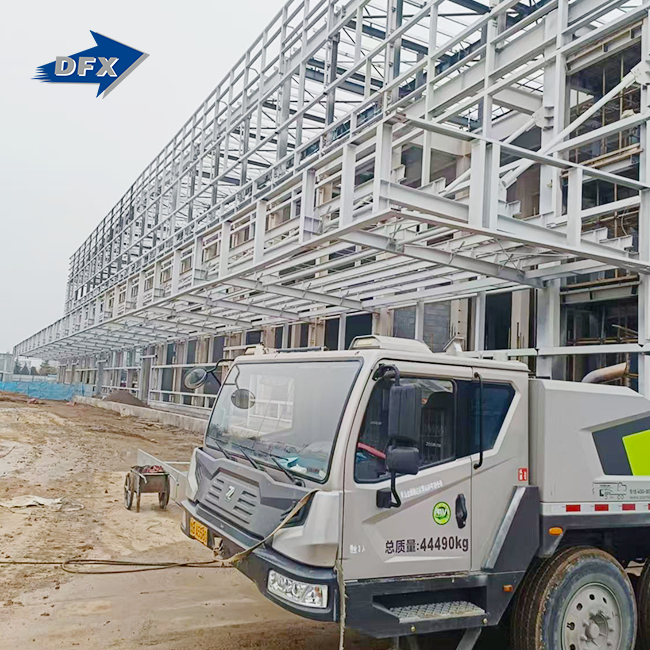
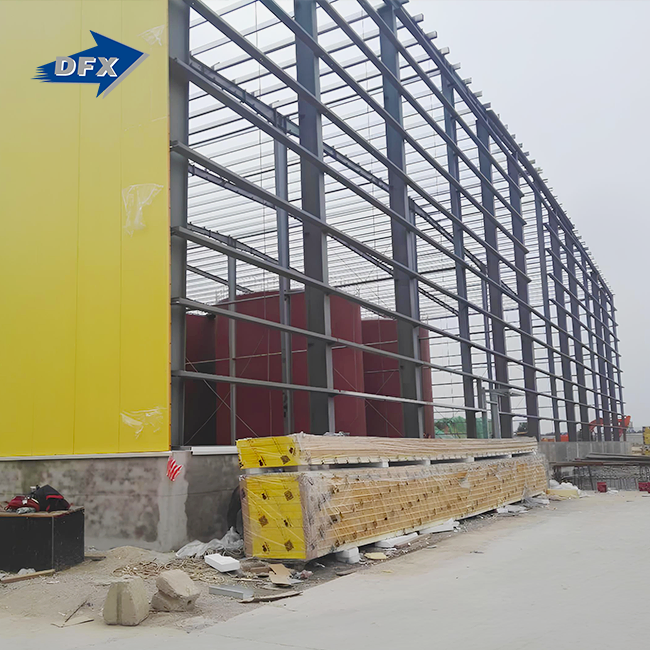
A strong framework made of H-section beams and columns, along with C and Z galvanized purlins, is at the heart of every good steel shed. This combination gives the structure a huge load-bearing capacity while still being structurally efficient. The main load-bearing parts are the H-section sections, which are designed to handle both vertical loads and horizontal forces from things like wind or earthquakes. Galvanized purlins don't rust, so they last longer, even in wet places or near the coast, where salt air speeds up the breakdown of materials.
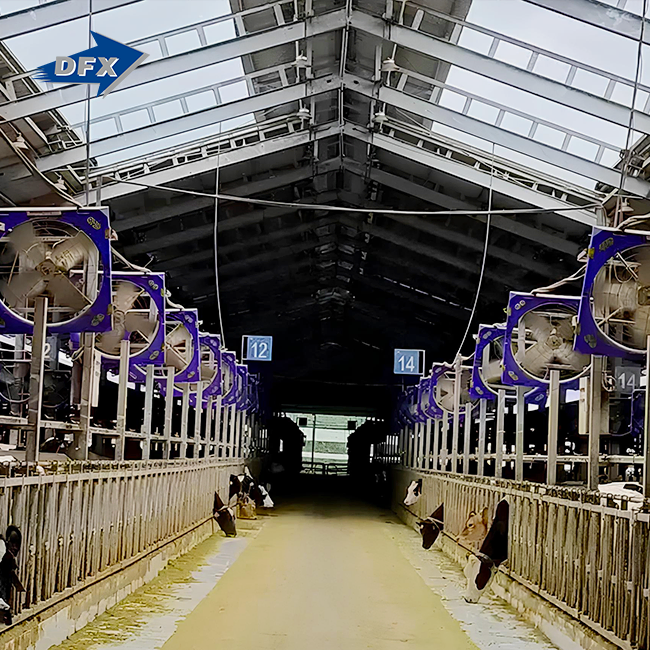
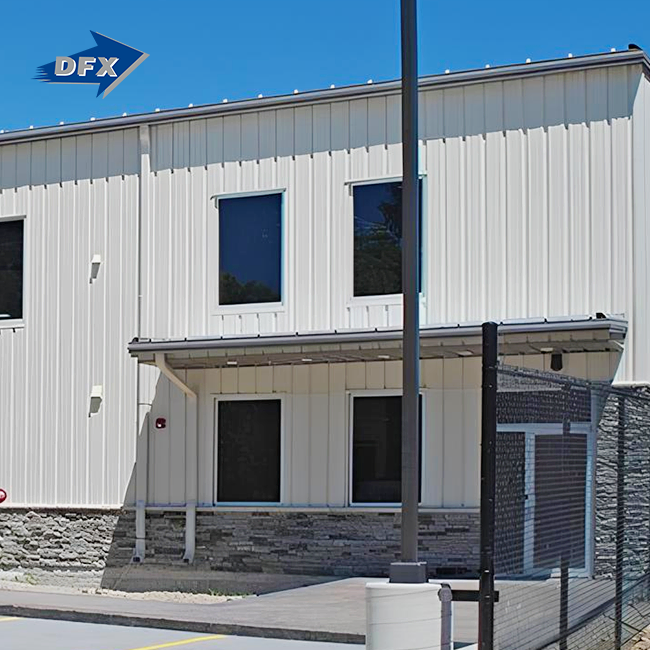
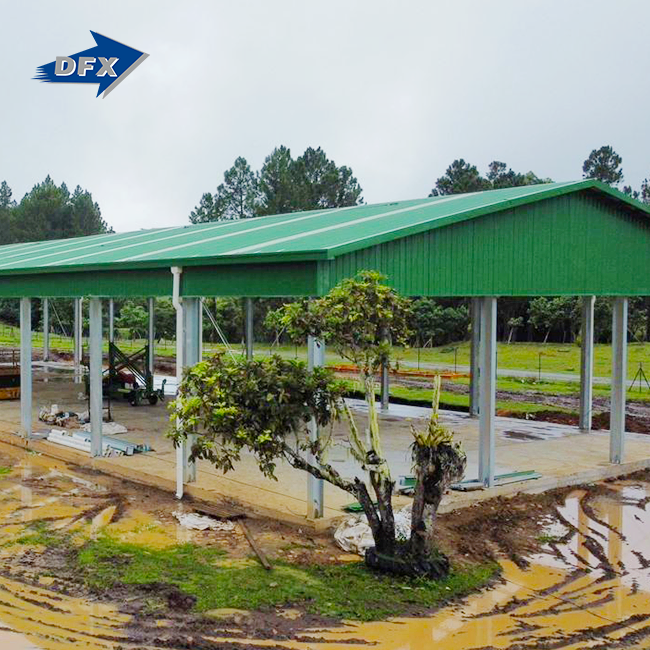
This building's form allows for both fully enclosed and open-sided plans, giving users the freedom to choose what they need based on their operations. Sheds with closed sides keep sensitive equipment or stored items safe from the weather, while sheds with open sides let air flow for hay storage or animal shelters. Because it is flexible, the design works for construction companies with a wide range of projects to handle and for farms that need specific storage solutions.
Material Quality and Certification Standards
Quality control starts with choosing the materials and continues through all stages of production. When steel parts are hot-dip galvanized, a metallic link is formed between the base metal and the zinc layer that protects it. This process gives better corrosion protection than paint-only treatments, which is important for buildings that are open to water, temperature changes, and pollutants in the air.
ISO 9001 quality management systems are used in factories to make sure that production standards are always met and that products can be tracked all the way through the supply chain. When something has CE certification, it means it meets European safety and performance standards. Other certifications, like COC and PVOC, make it easier to trade internationally and get government approval in different markets. Project managers and people who work in procurement can use this paperwork to help them get approvals or show that they are following local building codes.
Versatile Application Scenarios
The engineering behind these structures lets them be used in a number of ways that meet the needs of B2B customers. Agricultural operations store hay in market stall steel sheds, which keep valuable feed from getting wet and going bad, which costs money and time. The open sides allow air to flow, which stops mold from growing and protects the bales from direct rain.
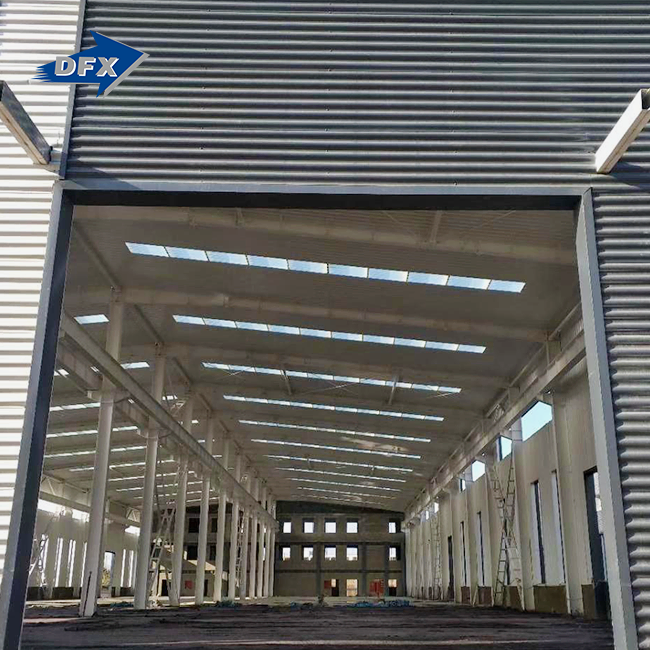
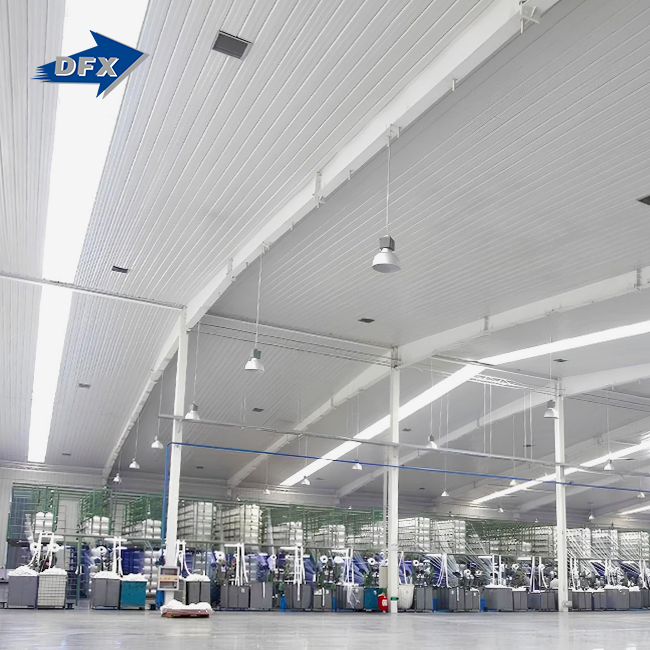
These buildings are used by construction companies and factories to store equipment and do maintenance work. The clear-span design gets rid of interior columns, making the floor space for parking big machines or cars more useful. This improved use of space means that assets are better utilized and work is better organized in operating yards.
Why Prefab Steel Sheds Outperform Traditional Market Stalls
Comparative analysis shows that steel systems are clearly better than traditional building materials and methods when procurement managers look at structural options.
Superior Durability Against Environmental Factors
Wooden structures are naturally weak, which means they need to be replaced more often and cost more over their lifetime. When something absorbs water, its dimensions change, its structure warps, and it eventually breaks down. When pests get into load-bearing members, they become unsafe and need to be replaced before they're due. There are big problems with insurance and operating responsibility when there is a fire risk.
Steel buildings get rid of these weaknesses because the material doesn't break down biologically and doesn't catch fire. With its maintenance-free barrier against rust formation, the galvanized coating system keeps the structure's integrity for decades of use. This durability is especially helpful for building companies that work on multiple sites and have to deal with upkeep issues and downtime that have a direct effect on their ability to make money.
Structural Strength and Load Capacity Advantages
Aluminum stalls are convenient because they are light, but they can't hold as much weight as is needed for fixed setups or places where snow piles up a lot. Steel is stronger than most other materials for its weight, so it can support wider spans and more storage without losing its stability. Engineering estimates show that steel frames can hold up under heavy roof loads and stronger winds, which are important in places where bad weather is common.
The modular bolt-together building method keeps the structure's strength while letting it be rearranged or made bigger as business needs change. This flexibility is useful for manufacturing companies that want to expand their facilities in stages or for building companies that need to be able to move their equipment around to different job sites.
Cost Efficiency Through Reduced Maintenance
The costs of running a business go far beyond the original buying price. To keep them safe and working properly, traditional materials need to be treated, inspected, and parts need to be replaced on a regular basis. Steel sheds keep these ongoing costs to a minimum because the material doesn't break down easily and doesn't need constant maintenance.
The galvanized finish means that painting is not needed for more than 20 years. This saves money on materials and time spent on upkeep tasks. When making long-term building budgets, project engineers like this level of predictability because unexpected repair costs can throw off financial plans and take resources away from businesses that make money.
Cost-Effective Procurement and Installation Solutions
To get through the purchase process, you need to know what factors affect the total cost of the job and how long it will take to finish. Strategic buying methods and criteria for choosing suppliers have a direct effect on both the initial cost and the long-term value realized.
Understanding Price Structures and Bulk Advantages
Some of the things that affect the price of a market stall steel shed are its size, how complicated the design is, the materials used, and the number of sheds that are ordered. When standardized designs are made in large quantities, production costs are lower per unit than when fully custom designs are made. With bulk purchase agreements, you can save even more money by buying materials more efficiently, making production schedules easier to follow, and combining shipping processes.
Volume purchasing agreements save a lot of money for construction companies that are working on a lot of projects at once or for EPC firms that are in charge of big developments. These deals usually include better prices on future orders, priority scheduling for production during busy building times, and the assignment of expert help that speeds up project completion.
Installation Efficiency and Professional Support
Nowadays, fixed systems have short production processes; most of the time, they are made in weeks instead of months. This quick turnaround is very important for construction projects with firm due dates or farming operations getting ready for the storage needs of harvest season.
Full service packages include standard design paperwork, precise fabrication, protected packing to keep items safe during shipping, and detailed installation drawings that help with assembly on-site. Professional installation help makes sure that the foundation is properly prepared, that all the parts are lined up correctly, and that they are securely fastened to meet the engineering standards. This "turnkey" method makes it easier for client teams to do technical work and lowers the chance of mistakes during assembly that could hurt the structure's performance.
Supplier Selection Criteria for Risk Mitigation
When picking factory partners, you need to look at more than just prices. Production capacity, quality control systems, technical know-how, and facilities for after-sales support are some of the things that set reliable providers apart from dishonest ones. Manufacturers that have been around for a while and have their own production sites show that they are committed to quality control and on-time delivery.
Certification paperwork is objective proof that manufacturing standards were met and that the product is in line with them. Partnering with suppliers that offer design help is good for project managers because engineering teams can work together on customization needs and make sure everything is technical before production starts. This consultative approach cuts down on specification mistakes and makes sure that the products delivered exactly meet the needs of the project.
Maintenance and Longevity: How to Maximize Your Investment
To keep infrastructure investments safe, it's important to have organized ways of putting things together, giving them regular care, and fixing problems quickly. Using the right methods will make things last longer, keep them working well, and keep their value over their whole operating span.
Assembly Best Practices for Structural Integrity
Preparing the foundation sets the stage for long-term security. Differential settlement that leads to frame warping and component stress can't happen if the base areas are level and properly compacted. Anchor systems must reach a certain depth of embedment and concrete strength before the structure is put together. This makes sure that the structure can withstand uplift and lateral forces.
When you bolt two pieces together, you need to know the right amount of torque to get the holding force you need without overtightening and damaging the threads or deforming the connection plates. Sequential tightening patterns keep the frame from racking during assembly, which keeps the dimensions correct and makes sure the weather seals work as they should. Installation drawings that come with each structure show these important steps, so both professional groups and building care teams can put the structure together correctly.
Routine Inspection and Preventive Care
Preventative maintenance programs find small problems before they get worse and need expensive fixes or pose a safety risk. Every year, inspections check the connections, the state of the coating, and the draining system's ability to work. Tightness checks on fasteners find loosening caused by shaking or changing temperatures, so connections can be tightened again before they hurt the structure's performance.
Galvanized surfaces don't need much care, but they do benefit from being cleaned every so often in places where there is a lot of dust or other industrial contaminants. Using a gentle detergent to wash something gets rid of deposits that stick water to the coating and stop localized rust from starting. Clearing out the gutters and downspouts makes sure that water flows properly, protects the base, and stops ice dams from forming in cold locations.
Addressing Common Issues Promptly
Finding coating damage early on lets you make quick fixes that stop rust from spreading to the base steel. When there are scratches, abrasions, or bolt holes in metal that need to be fixed, cold galvanizing chemicals or zinc-rich primers work well. Paying quick attention to these small flaws keeps the coating system's defensive function at a low cost.
If parts aren't lined up right during the initial installation, it could lead to problems with how the door works or panel gaps that make weather protection less effective. Adjustable connection systems let you make changes in the field that fix the fit and function without having to replace any parts. When facility managers know the basics of how to make adjustments, they can keep operations running smoothly and avoid service interruptions.
How to Make the Best Choice: A Decision Support Guide
The process of strategic selection for a market stall steel shed takes into account technical needs, budget limitations, and practical objectives. Structured evaluation frameworks help procurement professionals sort through their options and find the best solutions for each project.
Defining Technical Requirements
Minimum structural capabilities are set by the specifics of the project. Baseline engineering criteria are set by factors like wind exposure, snow load potential, seismic zone classification, and the presence of a corrosive environment. Agricultural buildings near the coast need more than just galvanizing to protect them from corrosion. Structures in places with a lot of wind need stronger links and more bracing.
Dimensional needs come from practical needs and the limitations of the place. Clear-span width affects how flexible the plan is inside and how easy it is to get to equipment. Eave height affects how much space is available for storage and how well the air works. Working with engineering consultants, procurement managers turn operational needs into detailed technical specifications that help choose suppliers and make sure the goods supplied meet the needs of the application.
Evaluating Customization Options
Standardized designs can save you money and speed up delivery, but they might not meet your specific operational needs. Customization lets you make solutions that fit your needs and improve process, work with your current system, or look good. Placement of doors and windows, choices for interior walls, and the ability to add accessories are all common places where changes can be made to improve useful performance.
Suppliers with in-house design services are helpful when it comes to writing specifications. Engineers look at the site's conditions, operational workflows, and budget limits to suggest configurations that are both capable and cost-effective. This joint method leads to solutions that are perfectly matched to the needs of the project without going overboard with too many details, which would cause costs to rise for no reason.
Matching Structures to Use Cases
For indoor uses, fire safety, temperature control, and blending in with the surrounding buildings are the most important factors. Fully sealed designs with insulated panel systems keep the inside stable for operations that need to be sensitive to weather or storage that needs to be kept at a certain temperature. For outdoor installations, it's important to use weatherproofing, strong structures, and finishes that don't need much upkeep and can stand up to constant exposure to the elements.
Permanent structures should be built with better foundations, higher-quality coating systems, and complete accessory packages that make them work better and last longer. Lighter foundation systems, simplified connection details, and modular configurations that make it easy to take apart and reassemble at different project sites are all good for temporary or moveable applications.
Conclusion
Investment analysis confirms that prefab steel shed systems deliver compelling advantages across multiple evaluation criteria. Superior material durability, structural performance, and minimal maintenance requirements combine to produce favorable lifecycle economics compared to alternative construction methods. Rapid deployment timelines reduce project duration and accelerate return on investment, while modular design flexibility accommodates evolving operational needs without requiring complete replacement. Manufacturing quality backed by international certifications provides assurance of consistent performance and regulatory compliance across global markets. These factors collectively position prefabricated steel structures as intelligent infrastructure choices for construction contractors, agricultural enterprises, and manufacturing operations seeking reliable, cost-effective building solutions.
Frequently Asked Questions
1. Can these structures accommodate regional building code variations?
Engineering documentation supports code compliance verification across different jurisdictions. Design calculations address wind, snow, and seismic load requirements per international standards, providing the technical foundation for local permit applications. Manufacturers experienced in export markets assist with documentation requirements and specification adjustments needed for specific regulatory environments.
2. What delivery timelines should procurement teams expect for bulk orders?
Standard configurations typically ship within three to six weeks from order confirmation, depending on production schedule and order complexity. Large volume orders or custom-engineered structures may extend timelines to accommodate design validation and fabrication sequencing. Early supplier engagement during project planning enables production scheduling that aligns with construction milestones.
3. How do warranty terms protect international buyers?
Comprehensive warranty coverage addresses material defects, coating system performance, and structural component integrity. Typical terms extend 10-15 years for galvanized coating systems and 1-2 years for manufacturing workmanship. International customers receive the same warranty protection as domestic buyers, with claims processes facilitated through regional service networks or direct manufacturer communication channels.
Partner With DFX for Your Steel Structure Investment
DFX, operating through Qingdao Director Steel Structure Co., Ltd., brings over 12 years of specialized manufacturing experience to every market stall steel shed supplier relationship. Our 40,000-square-meter production facility employs advanced fabrication equipment including six automatic H-beam lines, dedicated C/Z section steel systems, and integrated panel manufacturing capabilities. This comprehensive infrastructure enables us to control quality at every production stage while maintaining competitive pricing through operational efficiency.
ISO quality management systems and CE certification demonstrate our commitment to international standards, ensuring delivered products meet rigorous performance requirements. Our technical team provides complete project support from initial design consultation through installation guidance, helping you navigate specification development and optimize structure configuration for your specific operational needs. With annual production capacity exceeding 20,000 tons of structural steel components, we accommodate both individual projects and ongoing procurement programs for construction contractors and EPC firms managing multiple sites. Contact jason@bigdirector.com to discuss your requirements and discover how our turnkey solutions deliver exceptional value across your infrastructure portfolio.
References
1. Smith, J. & Anderson, K. (2021). Prefabricated Steel Systems in Commercial Construction: Comparative Performance Analysis. Journal of Structural Engineering Applications, Volume 45, Issue 3, pp. 287-304.
2. Thompson, R. (2022). Lifecycle Cost Assessment of Agricultural Building Materials. International Agricultural Engineering Review, Volume 18, Number 2, pp. 156-173.
3. Martinez, L. & Chen, W. (2020). Corrosion Protection Methods for Structural Steel in Outdoor Environments. Materials Science and Engineering Quarterly, Volume 33, pp. 412-429.
4. Williams, D. (2023). Modular Construction Efficiency: Time and Cost Benefits in Industrial Projects. Construction Management Review, Volume 29, Issue 1, pp. 78-95.
5. Peterson, M. & Zhang, Y. (2021). Quality Standards and Certification Requirements for International Steel Structure Trade. Global Manufacturing Standards Journal, Volume 12, pp. 203-218.
6. Roberts, E. (2022). Strategic Procurement Approaches for Prefabricated Building Systems. Supply Chain Optimization in Construction, Volume 7, Number 4, pp. 341-358.
Learn about our latest products and discounts through SMS or email