- English
- French
- German
- Portuguese
- Spanish
- Russian
- Japanese
- Korean
- Arabic
- Greek
- German
- Turkish
- Italian
- Danish
- Romanian
- Indonesian
- Czech
- Afrikaans
- Swedish
- Polish
- Basque
- Catalan
- Esperanto
- Hindi
- Lao
- Albanian
- Amharic
- Armenian
- Azerbaijani
- Belarusian
- Bengali
- Bosnian
- Bulgarian
- Cebuano
- Chichewa
- Corsican
- Croatian
- Dutch
- Estonian
- Filipino
- Finnish
- Frisian
- Galician
- Georgian
- Gujarati
- Haitian
- Hausa
- Hawaiian
- Hebrew
- Hmong
- Hungarian
- Icelandic
- Igbo
- Javanese
- Kannada
- Kazakh
- Khmer
- Kurdish
- Kyrgyz
- Latin
- Latvian
- Lithuanian
- Luxembou..
- Macedonian
- Malagasy
- Malay
- Malayalam
- Maltese
- Maori
- Marathi
- Mongolian
- Burmese
- Nepali
- Norwegian
- Pashto
- Persian
- Punjabi
- Serbian
- Sesotho
- Sinhala
- Slovak
- Slovenian
- Somali
- Samoan
- Scots Gaelic
- Shona
- Sindhi
- Sundanese
- Swahili
- Tajik
- Tamil
- Telugu
- Thai
- Ukrainian
- Urdu
- Uzbek
- Vietnamese
- Welsh
- Xhosa
- Yiddish
- Yoruba
- Zulu
Why Choose an Automotive Assembly Steel Workshop?
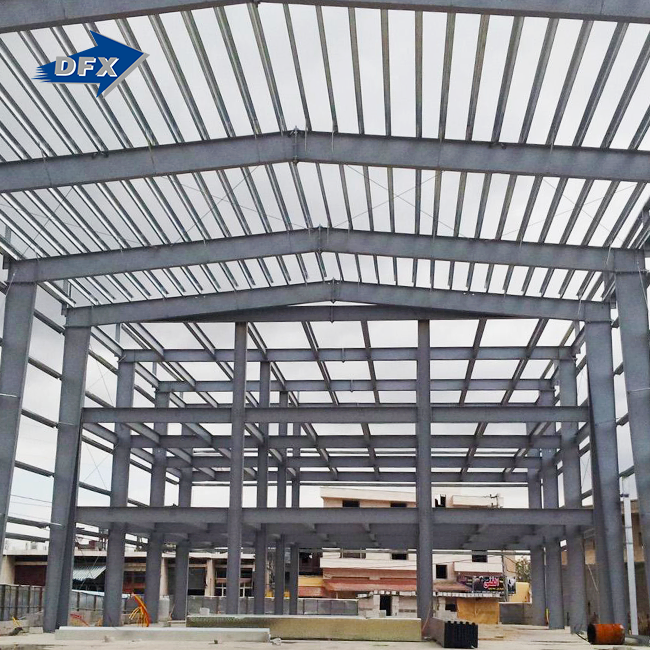
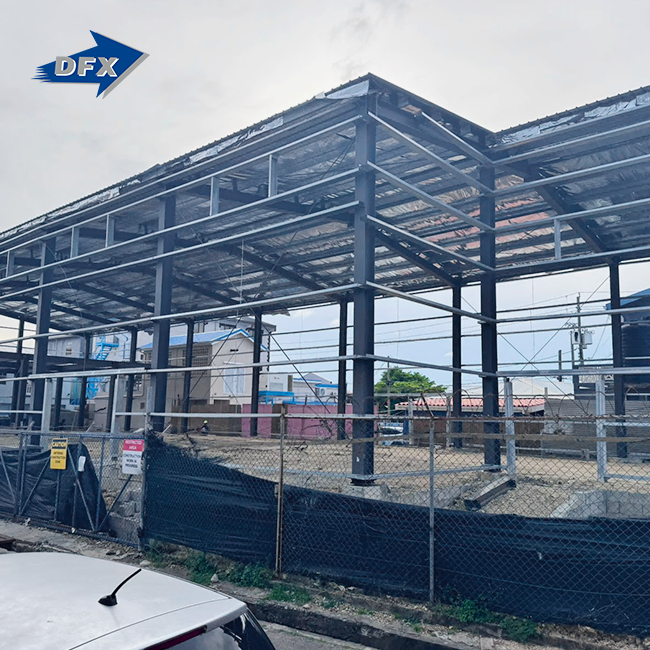
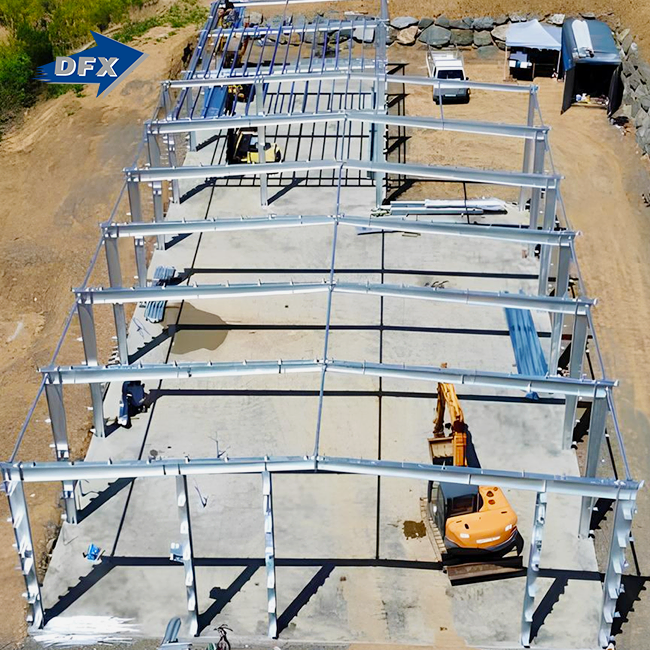
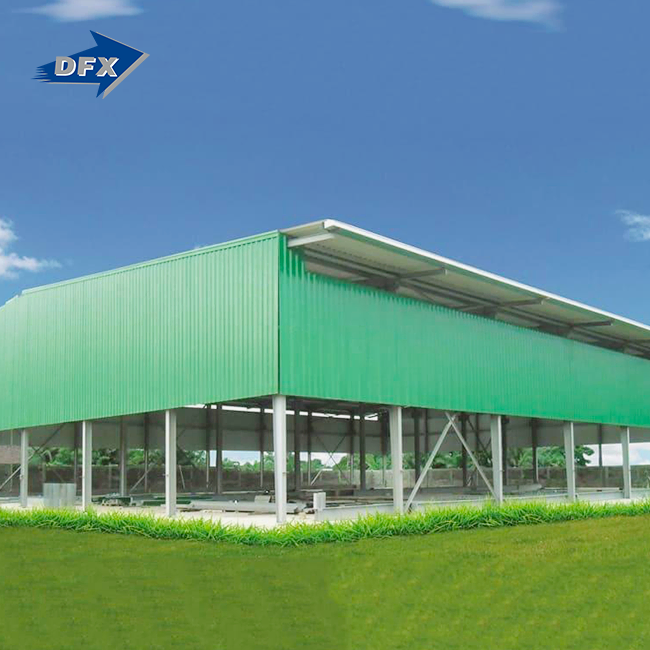
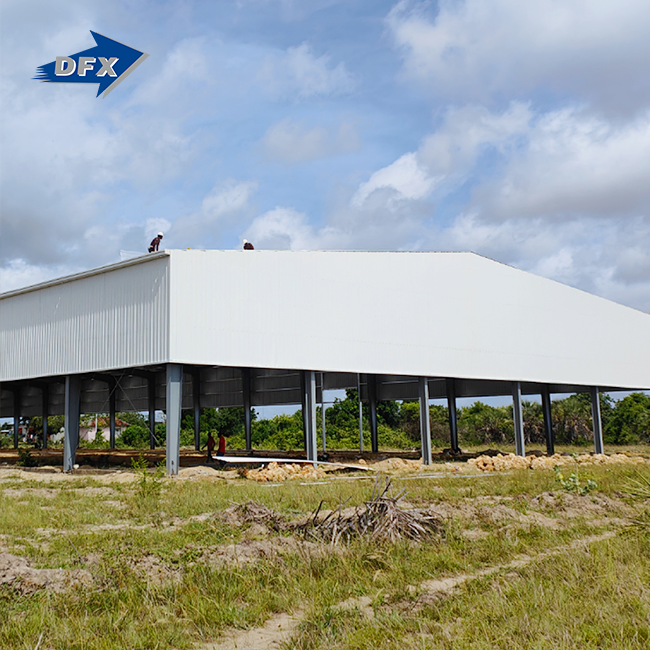
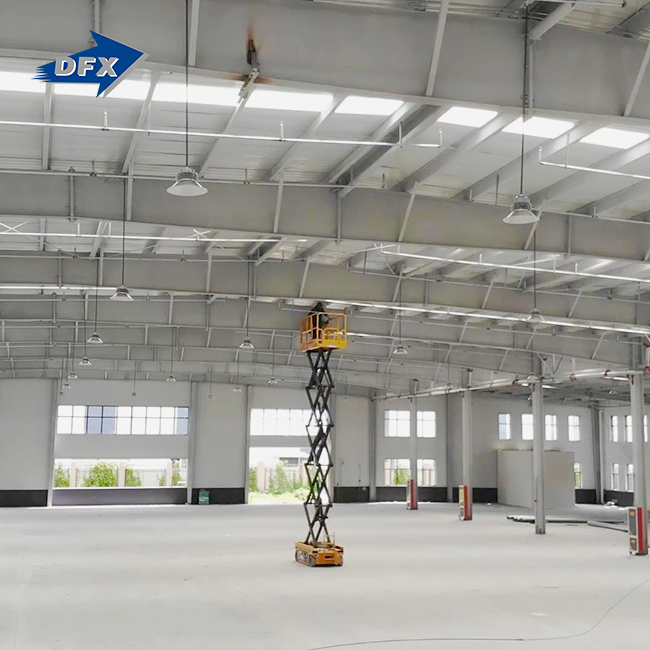
In terms of alternative building options for an automotive assembly steel workshop, an automotive assembly steel workplace is by far the best value for money and the most physically sound solution. These large industrial structures are meant to contain giant cranes, hanging elevators, robotic cells, and stamping presses, all inside a single column-free area. Prefabricated steel assembly facilities may minimize deployment time by 30-50% relative to typical concrete construction. That's a big plus for manufacturers in time-to-production.

Understanding the Importance of Automotive Assembly Steel Workshops
The global car industry needs buildings that can handle changing loads, adapt to new production plans, and meet strict safety standards all at the same time. It's not by accident that steel-framed industrial buildings are the most popular type of structure in this area. This is because they solve real technical problems that concrete can't match at the same cost.
What Makes These Structures Different from Standard Industrial Buildings
An automobile assembly plant has particular structural requirements. Overhead bridge cranes from 10T to 50T+ operate on runway beams that are dedicated to them. Strong truss ties support conveyor systems. Displacement limitations in millimeters are needed for the flooring to operate robotic arms. Normal warehouse frames are not built to take these types of circumstances. Steel structure workshops are constructed using riveted H-section main frames made of Q235 or Q355 grade steel. The yield strength of steel is over 345 MPa, which is needed for precision manufacturing.
Industry Context Worth Knowing
The International Organization of Motor Vehicle Manufacturers (OICA) says that more than 85 million vehicles were made around the world in 2023. There are thousands of manufacturing plants behind those numbers, and most of them use structural steel frames. Moving faster toward pre-engineered building (PEB) technology is because modular steel construction fits with the need for quick expansion and change in the auto business.
Key Factors to Consider When Choosing an Automotive Assembly Steel Workshop
When project engineers and procurement managers look at steel workshop suppliers, they should not just look at price. The structural requirements, certifications, and fabrication skills of a supplier have a direct impact on how long a facility lasts, how well it meets regulations, and how safe it is to use.
Here are the main factors that experienced buying teams use to judge bids:
- Material grade and traceability: Material grade and tracking: Q355B or a similar Grade 50 steel with mill certifications should be used for the main frame. ASTM material compliance gives North American projects a standard that is known all over the world.
- Weld quality assurance: Quality control for welds: 100% Ultrasonic Testing (UT) is needed for full-penetration butt welds. As required by AWS D1.1 or ISO 3834, Magnetic Particle Inspection (MPI) should be done on all fillet welds. Laser scanning checks the accuracy of the dimensions, which stops costly mistakes from happening during the fit-up process.
- Corrosion protection system: In paint-shop or humid settings, preparing the surface to Sa 2.5 and using a C4/C5-M coating system (epoxy zinc-rich primer, epoxy micaceous iron oxide intermediate coat, and polyurethane finish) gives the system a design life of more than 50 years.
- Certifications held: Certifications: ISO 9001 quality management certification and CE structure certification are a must for companies that work with automakers in Europe or North America.
These factors tell the difference between makers who can provide long-term value and those who can only meet the bare minimum. By making sure of every detail before awarding the contract, both the budget and the project timeline are kept safe.
How Automotive Assembly Steel Workshops Enhance Production Efficiency
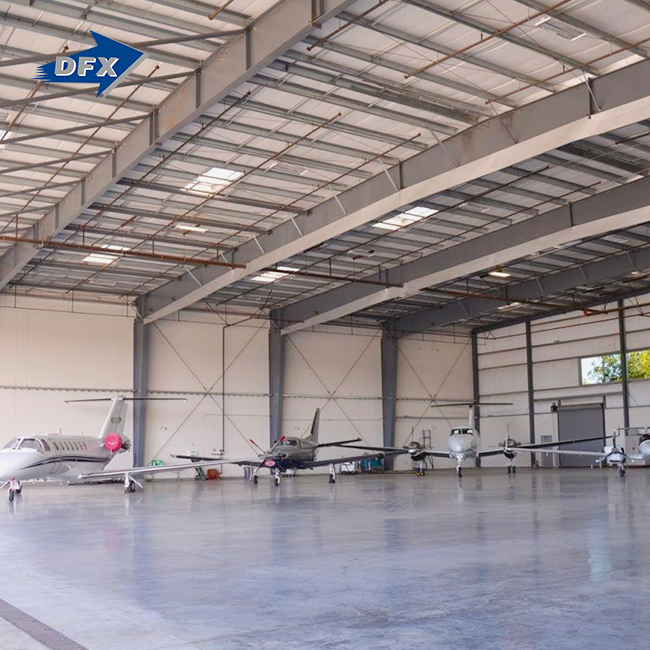
A well-thought-out automotive assembly steel workshop facility does more than just protect machinery; it also speeds up the production process. With column-free spans of more than 30 meters, the open interior layout lets production planners rearrange Body-in-White (BIW) lines, stamping stations, and trim halls without affecting the structure.
Structural Design That Supports Process Flexibility
C/Z steel purlins and bolted secondary framing make a system that can be used to add wall openings, mezzanine floors, and crane runway extensions after the building is built. Modular bay extensions can be bolted on with little damage to running production lines because the end columns have connection points that have already been drilled. This is a design feature that directly supports capacity growth without facility downtime.
Thermal and Acoustic Performance
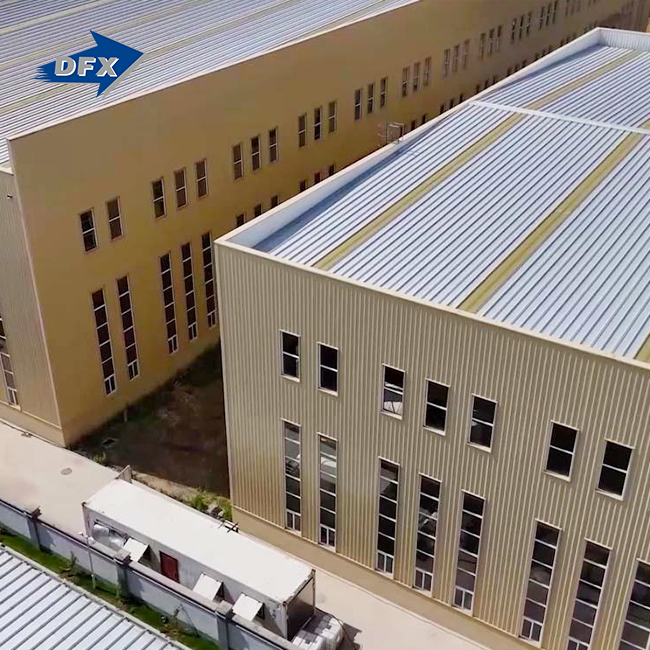
Insulated aluminum panels with rock wool or polyurethane cores have U-values below 0.35 W/m³K. That lowers the demand on HVAC systems in paint shops and other temperature-sensitive assembly locations. Skylights with polycarbonate glass coated for UV protection reduce the requirement for artificial illumination throughout the day. These design decisions result in quantifiable decreases in energy usage each year. This is essential for operations managers who are concerned about the whole cost of ownership, not just the cost of capital.
Comparing Automotive Assembly Steel Workshops with Alternative Solutions
Most of the time, aluminum-framed buildings and reinforced concrete buildings are mentioned as alternatives to structural steel in factories. Each is good for different things, but steel is the best for industrial-scale car building because it can span, hold a lot of weight, and be built quickly.
Even though aluminum structures are lighter and don't rust, they can't hold as much weight as steel structures with the same cross-section. For buildings that need to support 20T+ overhead cranes or heavy stamping press foundations, aluminum framing just doesn't give enough structural depth without costing too much.
Reinforced concrete has great compressive strength and thermal mass, but it takes 12 to 18 months to build a facility with a similar footprint, which doesn't work with the typical 6 to 12-month project schedules used for starting up an automotive plant. Using pre-fabricated automotive assembly steel workshop components with a lead time of 25–48 days from an experienced fabricator shortens the plan a lot and cuts down on the need for on-site work.
Procurement Process: How to Engage with Automotive Assembly Steel Workshop Suppliers
To identify a professional vendor of steel structures, you need a systematic approach. Setting up a custom assembly center normally comprises drawing up technical requirements, pre-qualifying suppliers, coordinating designs, manufacturing, and logistics. Every procedure has a risk factor at each phase.
Pre-qualify a supplier and confirm ISO 9001 clearance, CE marking, and ASTM material compliance documents. Similar automotive or heavy industrial project references indicate the individual can deliver. Request a factory test assembly of critical truss sections prior to shipping to eliminate the most frequent source of schedule delay on site.
Managing lead time is also very crucial. Since manufacturing is made-to-order, the factory timetable is directly influenced by the time it takes to gain design approval. When procurement teams undertake design review early, the whole project generally completes more quickly. Suppliers with in-house structural design services make cooperation simpler and speed up the drawing approval process.
Long-term partnerships are rewarding with vendors that provide installation drawings, assist with on-site setup, and give rapid, skilled after-sales support. These are the elements that differentiate a transaction from a commercial relationship with a provider.
Conclusion
Automotive assembly steel workshops are still the best material for industrial-scale auto assembly plants because it is both technically and economically sound. The technical benefits are well-known and have been shown to work in real life, from the ability to add big cranes to the ability to expand modules. Choosing the right supplier—one with qualified fabrication skills, in-house design services, and an open quality testing process—is what turns those benefits into real project results. When buildings are built to this standard, they last for decades and don't need much maintenance.
FAQ
Q1: How does the steel frame handle vibration from heavy stamping presses?
For press equipment, separate base isolation is used. Heavy-duty H-beams with localized bracing and vibration dampers separate the building structure from process-induced dynamic loads, which keep structural links from wearing out over time.
Q2: Can the facility be expanded without halting production?
Because pre-engineered steel buildings are flexible, they can have knock-out wall panels and connection points on the end posts that have already been drilled. Bay extensions can be put on with little effect on the building work that is already going on.
Q3: What coating system is appropriate for a humid painting environment?
A C5-M marine-grade system, which includes shot blasting to Sa 2.5, an epoxy zinc-rich base, an epoxy micaceous iron oxide intermediate coat, and a polyurethane finish, can withstand salt spray for more than 1,000 hours and has a design life of 50 years or more.
Q4: How are suspended conveyor loads accounted for in the design?
During planning, point loads from conveyor makers are put into the structural analysis model. Stronger truss chords and secondary beams placed at hanger locations handle loads that are concentrated without changing the general deflection of the frame.
Q5: What is the typical project lead time?
From the time the plan is approved, made-to-order fabrication takes 25 to 48 days, based on the size of the job and the complexity of the structure.
Partner with DFX for Your Next Steel Assembly Facility
Since 2011, DFX (Qingdao Director Steel Structure Co., Ltd.) has sold steel buildings around the world that are ISO 9001 and CE-certified. As a reputable automotive assembly steel workshop manufacturer, we offer full turnkey solutions that include structural design, fabrication, surface treatment, installation drawings, and guidance for setting up the parts on-site. Email our team at jason@bigdirector.com right now to talk about the details of your project and get a custom proposal.
References
1. International Organization of Motor Vehicle Manufacturers (OICA). World Motor Vehicle Production Statistics. 2023.
2. American Institute of Steel Construction (AISC). Steel Construction Manual, 16th Edition. 2023.
3. Steel Construction Institute (SCI). Design of Steel Structures for Buildings: Eurocode 3 Application. 2019.
4. National Fire Protection Association (NFPA). NFPA 5000: Building Construction and Safety Code. 2021.
5. AWS (American Welding Society). AWS D1.1/D1.1M: Structural Welding Code — Steel. 2020.
6. McKinsey & Company. The Future of Automotive Manufacturing: Modular Construction and Industrial Infrastructure. 2022.
Learn about our latest products and discounts through SMS or email