- English
- French
- German
- Portuguese
- Spanish
- Russian
- Japanese
- Korean
- Arabic
- Greek
- German
- Turkish
- Italian
- Danish
- Romanian
- Indonesian
- Czech
- Afrikaans
- Swedish
- Polish
- Basque
- Catalan
- Esperanto
- Hindi
- Lao
- Albanian
- Amharic
- Armenian
- Azerbaijani
- Belarusian
- Bengali
- Bosnian
- Bulgarian
- Cebuano
- Chichewa
- Corsican
- Croatian
- Dutch
- Estonian
- Filipino
- Finnish
- Frisian
- Galician
- Georgian
- Gujarati
- Haitian
- Hausa
- Hawaiian
- Hebrew
- Hmong
- Hungarian
- Icelandic
- Igbo
- Javanese
- Kannada
- Kazakh
- Khmer
- Kurdish
- Kyrgyz
- Latin
- Latvian
- Lithuanian
- Luxembou..
- Macedonian
- Malagasy
- Malay
- Malayalam
- Maltese
- Maori
- Marathi
- Mongolian
- Burmese
- Nepali
- Norwegian
- Pashto
- Persian
- Punjabi
- Serbian
- Sesotho
- Sinhala
- Slovak
- Slovenian
- Somali
- Samoan
- Scots Gaelic
- Shona
- Sindhi
- Sundanese
- Swahili
- Tajik
- Tamil
- Telugu
- Thai
- Ukrainian
- Urdu
- Uzbek
- Vietnamese
- Welsh
- Xhosa
- Yiddish
- Yoruba
- Zulu
Steel Cow Shed: Pre-Engineered Metal Barn Construction
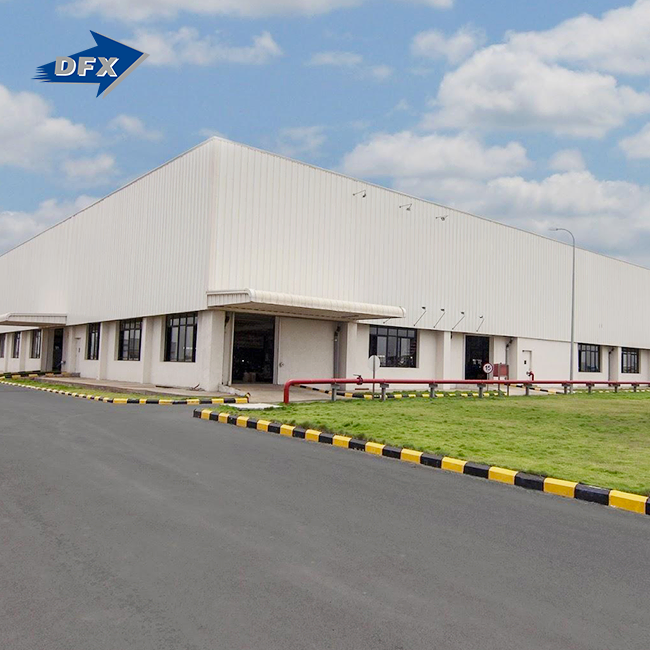
When big dairy farms or cow ranches want to add to their infrastructure, the building material they choose is very important. You can think of a Steel Cow Shed as a pre-engineered metal barn that is made to meet the strict operational needs of modern livestock facilities. Unlike regular wooden or stone buildings, these special buildings combine advanced structural engineering with best practices in agriculture to make housing for cattle that can stand up to harsh weather and still support animal comfort and farm productivity.

Understanding Steel Cow Sheds and Their Advantages
Core Components of Pre-Engineered Metal Barns
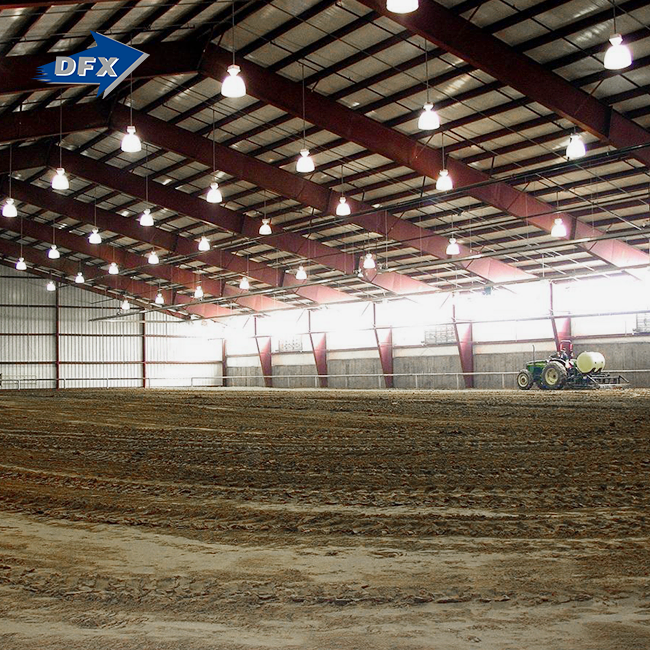
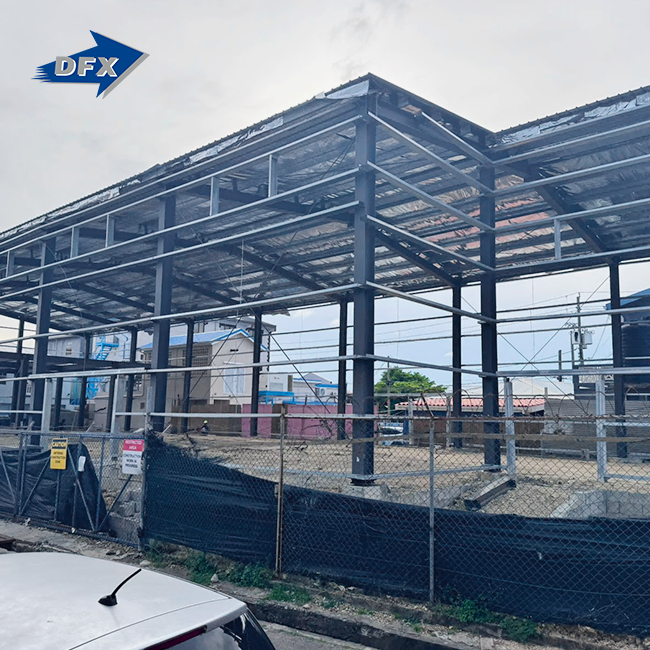
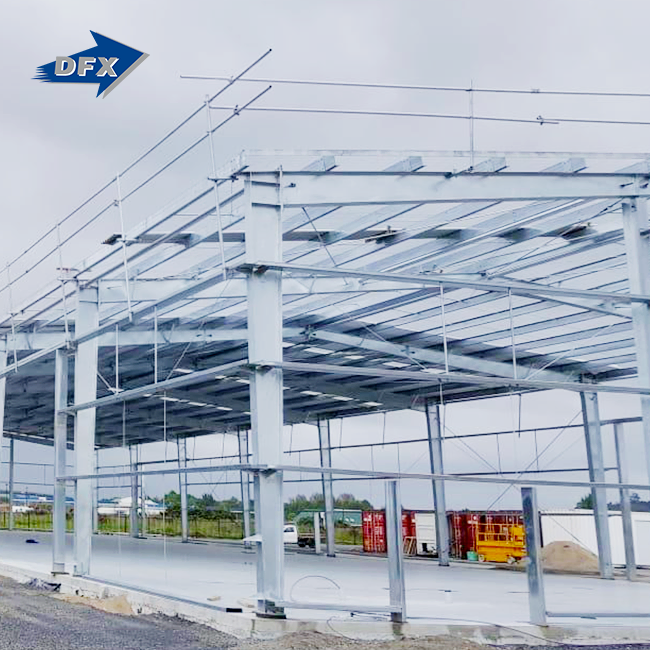
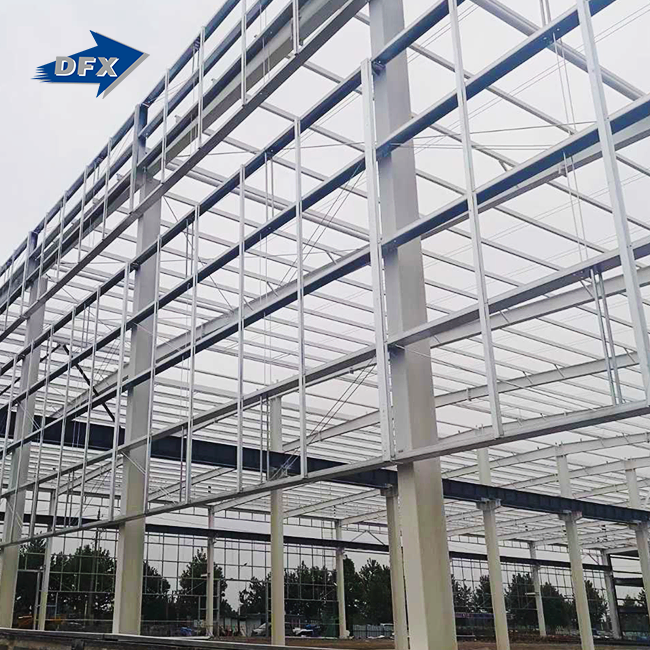
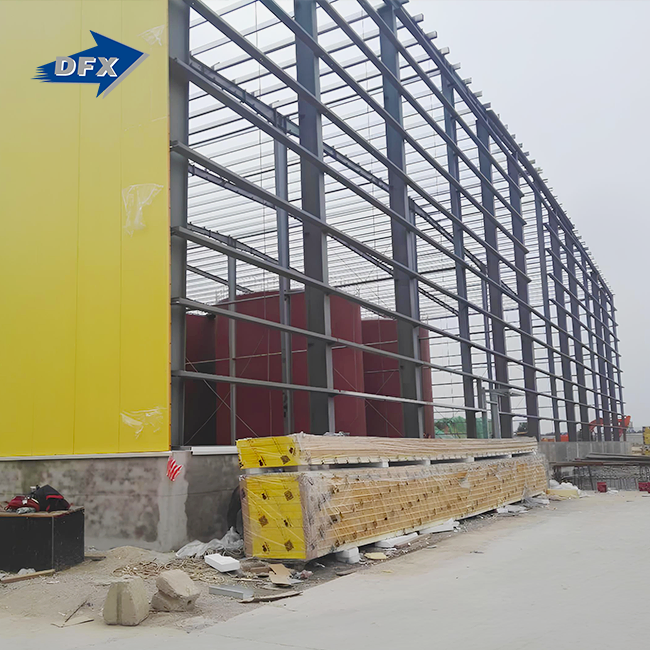
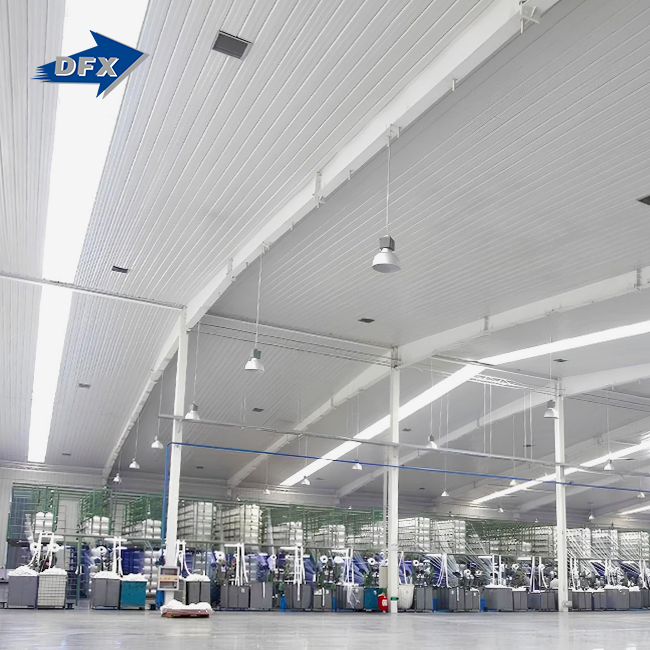
Heavy-duty steel columns and beams made from high-strength structural steel, usually Q235B or Q355B grade, are used in pre-engineered metal barns that are meant to house cattle. The structure is made up of H-section steel parts that are linked by high-strength bolts. This makes a rigid but flexible system that can span 20 to 40 meters without any inner poles. This clear-span design is very useful for modern dairy farms that need clear floor room for automated equipment, feed alleys, and free-stall plans.
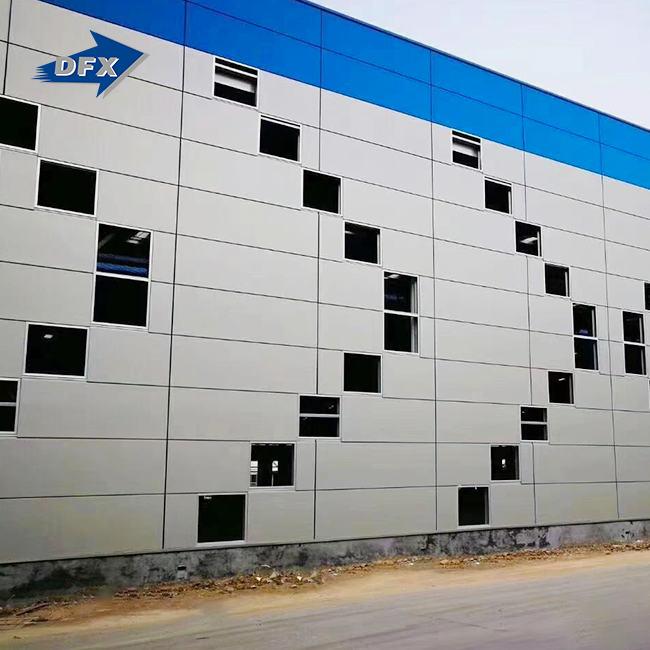
The cladding and roofing systems use either corrugated steel sheets that don't let condensation form or insulated sandwich panels filled with rock wool or polyurethane foam. These materials keep the heat in while dealing with the damp conditions that are common in cow farms. Corrosion-resistant coating systems, such as hot-dip galvanization with zinc coverage of more than 600g/m², protect against the ammonia-filled air that animal waste creates.
Superior Durability Compared to Traditional Barns
Traditional wooden barns break down quickly when they come into contact with ammonia, manure, and water. Within 15 to 20 years, wood buildings will rot, get pests, and become less stable. Even though concrete barns are strong, they can't be changed easily and don't keep heat in well. Steel Cow Sheds that are made with the right corrosion protection will keep their structure for 30 to 50 years with little upkeep.
Another important benefit is that it doesn't catch fire. Buildings made of steel and insulated with rock wool have much better fire ratings than wooden ones. This keeps valuable animals and expensive milking equipment safe. A steel frame is not flammable, which lowers insurance costs and gives farm managers peace of mind.
Design Versatility for Animal Welfare
For cattle housing to work, the environment must be carefully controlled. Pre-engineered metal barns can have a variety of roof styles, from simple gable roofs to monitor-style roofs with clerestory windows. Ridge vents and curtain sides that can be adjusted work together to create natural airflow patterns that get rid of heat, humidity, and dangerous gases without using mechanical systems.
Insulation standards that are special to each area keep people from getting too hot in the summer or too cold in the winter. Facilities that house calves usually choose 50mm to 75mm polyurethane panels to keep temperatures stable, which is important for the health of newborns. Insulation and ventilation are balanced in mature cattle facilities to control the body heat of large animals and stop condensation that can cause respiratory diseases.
Comparing Steel Cow Sheds with Alternative Materials
Structural Performance and Lifecycle Costs
The choice of materials has an effect on long-term operating costs that go beyond the original budgets for building. Steel buildings don't need as much maintenance as wooden barns do. Wooden barns need to be treated regularly to stop rot, keep pests away, and fix structural problems. A lifecycle cost analysis shows that Steel Cow Sheds have lower total ownership costs, even though they cost more to buy up front. This is because they require less maintenance work and last longer.
Another thing that sets them apart is their load-bearing ability. Engineered steel frames can handle wind loads of up to 0.6KN/m² and snow loads of up to 0.5KN/m², so they meet safety standards in a wide range of climates. The structural formulas take into account the extra weight that comes from equipment that is hung, like high-volume, low-speed fans, feeding systems, and utility lines, without affecting the strength of the frame.
Environmental Considerations
Concerns about sustainability affect the buying choices of agricultural businesses that are looking to the future. Making things out of steel leaves a measurable carbon footprint, but the fact that it can be recycled is good for the environment. When their time is up, steel parts still have value and can be recycled without losing any of their quality. Cutting down trees has an effect on forest environments, and making concrete releases a lot of CO2 into the air, and can't be recycled.
Prefabricated Systems versus Custom Construction
Prefabricated steel kits shorten the time it takes to buy materials and build something. When compared to custom-built options, pre-cut, pre-drilled, and ready-to-assemble parts mean 40 to 60 percent less work needs to be done on-site. This standardization helps EPC contractors who are working on multiple projects at the same time because it makes installation schedules more predictable, which means nearby farming operations are less likely to be interrupted.
Custom-engineered solutions are made to fit the specific needs of a site or an operation. Customized designs are helpful for facilities that use robotic milking systems, technologies for managing manure, or certain ways of managing herds. Reputable makers offer mixed methods that change standard building systems to fit the needs of each customer without giving up the benefits of prefabrication.
How to Choose and Procure the Best Steel Cow Shed?
Defining Project Requirements
Procurement managers need to make clear requirements about the size of the herd, how operations will run, and plans for future growth. A dairy with 200 cows needs different space planning than one with 1,000 cows. Layouts need to be different for free-stall barns and bedded pack systems. Including agricultural engineers in the planning stage makes sure that the design of the building supports operational efficiency instead of getting in the way of it.
Material choices are based on climate concerns. In places with a lot of dampness, operations put an emphasis on better corrosion protection and airflow. In places where it snows a lot, buildings need stronger roof frames and steeper pitches to help shed snow. When a Steel Cow Shed is close to the coast and exposed to wind, it needs better anchorage systems and cladding attachments.
Evaluating Supplier Credentials
Quality control starts with choosing the right provider. ISO9001 recognition shows that a company is dedicated to process control and making sure that all of its products are the same. Getting a CE certificate means that a business meets European safety and performance standards. This is important for businesses that want to expand internationally or import equipment. Depending on where the project is located, you may need to get extra certifications like COC or PVOC.
Delivery times are affected by how much can be manufactured. Large orders can be filled on time by suppliers who run specialized production sites with automatic H-beam lines, sandwich panel lines, and coating systems. Looking at past project portfolios can help you figure out how experienced a supplier is with agricultural buildings in particular, since livestock facilities have different problems to solve than other types of industrial buildings.
Understanding Pricing Structures
Pricing models that are clear make it easier to plan a budget and compare values. Cost per square meter is a good way to compare prices, but it needs to take into account the specifics that are included. Quotes for baseline work usually include the main frame, minor members, and standard roofs. Upgrades to the insulation, air systems, doors, windows, and special finishes all add to the cost.
Logistics is a big cost factor, especially when buying things from other countries. Shipping containers, customs fees, and moving goods within a country can add 15 to 25 percent to the price of a good after it leaves the factory. Making Incoterms (FOB, CIF, or DDP) clear stops confusion about who is responsible for shipping arrangements and the costs that come with them.
Installation, Maintenance, and Longevity of Steel Cow Sheds
Site Preparation and Foundation Requirements
The structure will be stable and last a long time if the foundation is designed correctly. Steel columns are securely attached to the ground by concrete footings that are separate from the columns and have anchor bolts embedded in them. In cold places, the foundation base must go below the frost lines to keep the ground from rising. The size of the footing and the amount of reinforcement needed are based on the soil's bearing capacity.
Site grading sets up drainage patterns that keep water from pooling around the edges of buildings. Poor drainage speeds up the rusting of lower structure parts and makes the area unclean for animals. Professional site preparation includes putting down crushed gravel bases for floor systems and draining paths around the outside.
Assembly Methods and Professional Services
Prefabricated systems make building easier, but you still need to know what you're doing. Professional erection crews that know how to put together agricultural buildings do it faster and safer than general contractors. They know what kind of animal facilities are needed, like the right size doors for equipment access, the best places for air holes, and the right way to move things around farms that are already running.
Self-assembly is still a good option for smaller buildings or businesses that have skilled maintenance staff. Installations go smoothly with the help of clear instructions, parts that are already marked, and technical support from suppliers. However, experienced supervision is needed for structural connections, especially attaching columns to foundations and connecting main beams, to make sure the Steel Cow Sheds work as planned.
Proactive Maintenance Strategies
Regular checks find small problems before they get worse. Every year, inspections should check to see if the connection bolts are tight, the coating systems are not damaged, and the roofing panels are properly attached. Places where manure splashes or where water pools need closer inspection for the start of corrosion.
Maintenance on the ventilation system affects both the health of animals and the life span of buildings. Curtain systems need to be adjusted for each season and fixed every so often. The motors in mechanical fans need to be serviced, and the belts need to be changed. Airflow patterns are harmed when ridge vents get clogged or baffles get damaged. This causes condensation damage and bad air quality.
Extending Service Life
Using the right maintenance methods can make a structure last longer than expected. Spot galvanizing or special farm paints can be used right away to fix coating damage and stop rust from spreading. It's much cheaper to replace old parts like damaged panels, broken bolts, or worn-out seals than to ignore small problems until they need major repairs.
Maintenance priorities are affected by factors related to the climate. Corrosion speeds up in marine settings, so checks need to be done more often. In places with a lot of UV light, facilities keep an eye on how roof panels break down and coatings chalk. Operations in the snow area check the structure's stability after heavy snowfalls.
Future Trends and Innovations in Steel Cow Shed Construction
Advanced Materials and Coatings
Improvements in metal formulas and coating technologies made possible by progress in materials science make things less likely to rust. In harsh conditions, zinc-aluminum-magnesium alloy coatings work better than traditional galvanization, protecting things for 50 percent longer or more. These new coatings are especially useful for operations near the coast or places that need to be washed down a lot.
Insulation materials are still getting thinner while having better R-values. In applications with limited space, vacuum insulation panels and aerogel-enhanced products provide better thermal performance. Even though they are very expensive right now, these materials are good for specialized Steel Cow Shed buildings where temperature control is important enough to justify the extra cost.
Smart Technology Integration
Automation changes how livestock facilities are run. Throughout buildings, environmental tracking systems keep an eye on temperature, humidity, and air quality, giving information that can be used to improve airflow control. Instead of being set by hand, automated systems change the curtain openings and fan speeds based on real-time conditions. This makes the animals more comfortable while using less energy.
Remote tests make upkeep possible before it's needed. Sensors that watch for structural movement, moisture buildup, or equipment vibration let managers know about problems before they happen. By stepping in at the right time, this forecast method cuts down on downtime and increases the life of equipment.
Market Growth and Regulatory Drivers
Pre-engineered metal barn adoption is expected to continue growing, according to industry predictions. As their businesses grow, dairy farms look for ways to build that don't interfere too much with their current production. Tougher rules about the environment encourage investments in places that handle garbage and pollution better. More and more, animal care standards require living requirements that are easy to meet with metal buildings because of their flexible design.
Conclusion
Pre-engineered metal barns are a tried-and-true solution for modern cattle operations that need infrastructure that is strong, adaptable, and affordable. The mix of strong structure, resistance to the environment, and design flexibility solves the main problems that dairy and livestock facilities face. Agricultural businesses are set up for long-term success when they make purchasing decisions that balance the initial investment against the costs over the product's lifetime, the need for upkeep, and the ability to change how it works. Steel Cow Sheds will continue to change to meet more complex operating needs as material science and smart technologies improve. They will still have the basic benefits that have led to their broad adoption in the industry.
FAQ
Q1: What lifespan can we expect from a properly maintained steel cattle barn?
With regular upkeep, good-quality pre-engineered metal barns with the right rust protection should last between 30 and 50 years. This durability depends on the quality of the coating, the weather, and how well it is maintained. When facilities have yearly review programs and take care of small problems right away, they often last longer than expected. On the other hand, wooden buildings rarely last 25 years in similar farming settings before they need major repairs or replacement.
Q2: How does maintenance compare between steel and wooden livestock structures?
Buildings made of steel need a lot less upkeep than those made of wood. Wood needs to be treated regularly to keep it from rotting, keep termites away, and keep the structure in good shape. Metal barns need to be checked every so often for damage to the paint and to make sure that the fasteners are tight, but they don't need the extensive treatments that wooden buildings do all the time. Over the course of 20 years, maintaining Steel Cow Sheds costs 60 to 70 percent less than maintaining similar wooden barns.
Q3: Can steel cow sheds be customized for specific operational requirements?
Manufacturers let you make a lot of changes to pre-engineered frameworks. The building's width, eave height, door placement, and ventilation can be changed to fit different herd numbers and management methods. Specialized mounting places for equipment, energy routes, and environmental control systems can all be built into facilities. Because of this, procurement managers can choose buildings that help operational workflows instead of getting in the way of them.
Partner with DFX for Your Steel Cow Shed Project
Contractors and farms that need reliable steel shelters for animals can turn to DFX as a reliable manufacturer. Since 2011, Qingdao Director Steel Structure Co., Ltd. has been a leader in pre-engineered metal buildings, providing strong cow facilities that are certified by ISO9001 and CE. Our 40,000-square-meter production plant has six automated H-beam lines that make 20,000 tonnes of steel every year. This ensures uniform quality and reliable delivery plans for project-based procurement.
DFX offers a wide range of services, from the initial engineering design to fabrication and erection guidance. These services help procurement managers throughout the entire lifecycle of a project. Our expert team knows how to meet the specific needs of dairy and livestock farms by suggesting the right corrosion protection, ventilation systems, and building layouts for different conditions. Get in touch with jason@bigdirector.com to talk about your Steel Cow Shed requirements with experienced suppliers who offer quality, dependability, and quick technical support.
References
1. American Society of Agricultural and Biological Engineers. (2019). "Design of Ventilation Systems for Agricultural Structures." ASABE Standards EP270.6.
2. National Cattlemen's Beef Association. (2021). "Cattle Housing and Equipment Handbook." 8th Edition.
3. Midwest Plan Service. (2020). "Beef Housing and Equipment Handbook." MWPS-6, Iowa State University.
4. Steel Construction Institute. (2018). "Corrosion Protection for Structural Steelwork in Agricultural Buildings." Publication P185.
5. Canadian Farm Building Code. (2020). "Structural Design Requirements for Farm Buildings." National Farm Building Code of Canada.
6. University of Wisconsin Extension. (2022). "Dairy Modernization: Facility Design Considerations for Animal Welfare and Worker Safety." Publication A4185.
Learn about our latest products and discounts through SMS or email