- English
- French
- German
- Portuguese
- Spanish
- Russian
- Japanese
- Korean
- Arabic
- Greek
- German
- Turkish
- Italian
- Danish
- Romanian
- Indonesian
- Czech
- Afrikaans
- Swedish
- Polish
- Basque
- Catalan
- Esperanto
- Hindi
- Lao
- Albanian
- Amharic
- Armenian
- Azerbaijani
- Belarusian
- Bengali
- Bosnian
- Bulgarian
- Cebuano
- Chichewa
- Corsican
- Croatian
- Dutch
- Estonian
- Filipino
- Finnish
- Frisian
- Galician
- Georgian
- Gujarati
- Haitian
- Hausa
- Hawaiian
- Hebrew
- Hmong
- Hungarian
- Icelandic
- Igbo
- Javanese
- Kannada
- Kazakh
- Khmer
- Kurdish
- Kyrgyz
- Latin
- Latvian
- Lithuanian
- Luxembou..
- Macedonian
- Malagasy
- Malay
- Malayalam
- Maltese
- Maori
- Marathi
- Mongolian
- Burmese
- Nepali
- Norwegian
- Pashto
- Persian
- Punjabi
- Serbian
- Sesotho
- Sinhala
- Slovak
- Slovenian
- Somali
- Samoan
- Scots Gaelic
- Shona
- Sindhi
- Sundanese
- Swahili
- Tajik
- Tamil
- Telugu
- Thai
- Ukrainian
- Urdu
- Uzbek
- Vietnamese
- Welsh
- Xhosa
- Yiddish
- Yoruba
- Zulu
Waste Recycling Steel Workshop Equipment and Process
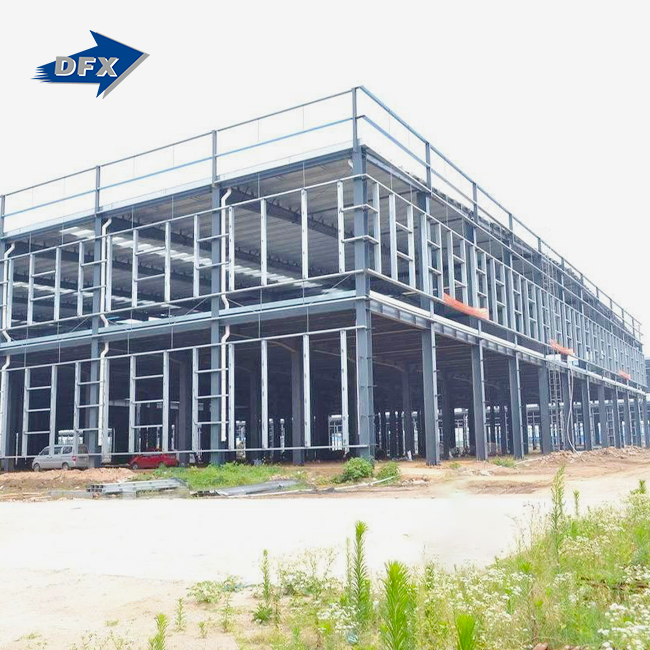
Setting up a waste recycling facility demands more than just good intentions—it requires industrial-grade infrastructure designed to withstand the punishing demands of heavy machinery, corrosive environments, and high-volume material flow. A Waste Recycling Steel Workshop is a specialized Pre-Engineered Building (PEB) or heavy steel structure facility engineered specifically for Material Recovery Facilities (MRFs), scrap metal processing operations, and waste-to-energy conversion plants. Unlike conventional warehouses, these structures incorporate reinforced column-and-beam configurations designed to absorb substantial vibrations from shredders, balers, and overhead granulators while facilitating distinct operational zones to prevent cross-contamination and ensure efficient workflow management.

Understanding Waste Recycling Steel Workshops
Steel recycling plants are very important to our industrial environment because they turn used steel into valuable raw materials that can be used to make new things. There are structured process controls, engineered plans, and adherence to environmental laws that make the difference between a professional recycling workshop and a casual scrap yard.
Environmental and Economic Impact
By keeping thousands of tons of steel out of dumps every year, these specialized workshops make a real difference in meeting green goals. Industry data shows that recycling one ton of steel saves around 2,500 pounds of iron ore, 1,400 pounds of coal, and 120 pounds of limestone. In addition to helping the environment, businesses save a lot of money on raw materials. For example, reclaimed steel costs 20 to 30 percent less than new steel while still having the same structural qualities. This lower cost is especially helpful for construction companies, EPC firms, and manufacturing companies that have to stick to tight project budgets.
Types of Steel Commonly Processed
Recycling shops deal with different types of steel, each of which has its own properties and uses. Mild steel (with a carbon percentage of less than 0.3%) is most commonly used in building because it is easy to shape and weld. Stainless steel is valuable because it doesn't rust. Most of it comes from tools and industrial equipment. Galvanized steel comes from car parts, roofing materials, and HVAC parts. It has a zinc coating that protects it. Knowing these important differences helps procurement managers choose the right tools for processing and quality control.
Essential Equipment for Waste Recycling Steel Workshops
Any recycling center's ability to do its job depends a lot on the tools it has and how it is set up. Modern businesses use a mix of mechanical processing equipment and advanced organizing technology to get the most work done while keeping the quality of the final product high.
Core Processing Machinery
Industrial shears are the earliest steelworking tools. They can cut big plates and building beams into manageable bits. Hydraulic variants can shear objects up to 30 mm thick with over 500 tonnes of shearing power. Balers bundle lighter debris into tight, even bundles for better transport and storage. Perhaps the most intriguing equipment is the shredder. They smash mixed debris, automobile bodies, and appliances into fist-sized fragments in seconds with 400–600 RPM revolving hammers.
Magnetic separators remove ferrous metals from mixed garbage streams 95% of the time using Waste Recycling Steel Workshop's ferromagnetic characteristics and powerful electromagnets or permanent magnet drums. Everything is linked by conveyor systems, which carry goods from one processing step to the next without physical labour. Modern belt conveyors with variable-frequency drivers adjust speeds depending on material qualities and downstream equipment capacity.
Automation and Sensor Technologies
Recent improvements in technology have made sorting more accurate and more efficient. Optical sorters that use near-infrared spectroscopy can tell the difference between carbon steel and stainless steel at speeds of more than two tons per hour. Even though eddy current dividers are made for non-ferrous metals, they are often a part of full sorting lines. Investing in automation usually pays off within 18 to 24 months through higher material purity and lower labor costs, which are important factors for operations managers to consider when deciding whether to spend money on capital projects.
Safety Equipment and Protocols
There are risks that come with heavy industrial recycling that require full safety measures. Steel-toed boots with a compression resistance rating, cut-resistant gloves that meet ANSI Level 4 standards, and hearing protection for noise levels higher than 85 decibels are all required pieces of personal protective equipment. Safety features on machinery like light curtains, emergency stop systems, and lockout-tagout procedures keep people from touching parts that are moving. When compared to methods that only focus on obedience, behavior-based safety programs used in progressive workshops cut the number of accidents by 40 to 60 percent.
Waste Recycling Steel Workshop Process Overview
There is a carefully planned process for recovering steel that turns mixed scrap into specification-grade feedstock that is ready to be put into kilns for making steel. Knowing this routine helps project managers find ways to improve things and places where things are holding up the process.
Collection and Sorting Stage
The site gets materials from a variety of sources, including business demolition projects, factory waste, old cars, and appliances. Steel is first sorted by quality, thickness, and amount of contamination. Sorting things by hand is still a cheap option for small-scale operations or mixes of materials that are hard to understand because people are better at spotting contaminants than machines. When the yearly throughput goes over 10,000 tons, automated systems with sensors placed on conveyors can be used 24 hours a day, seven days a week, and make consistent quality choices.
Processing Phase Operations
Cutting techniques downsize items too large to fit into places suitable for downstream equipment and customer needs. Shredding is next, particularly for mixed scrap including metal and non-metal pieces. Magnets may separate stuck polymers, rubber, and glass due to the hard spinning. Cleaning removes oils, coatings, and other contaminants that degrade steel quality, which is crucial for electric arc furnaces with precise chemical requirements.
The method involves many magnetic separations. After cutting, rough separation eliminates bulk ferrous material, and final cleaning removes tramp iron from non-ferrous concentrates. As contamination decreases, steel mills charge more for supplies purer than 98%.
Quality Control and Dispatch
Compressing and baling make uniform packages that weigh between one and two tons. These packages make the best use of space in containers and keep freight costs low. Handheld X-ray fluorescence analyzers are used for quality control testing to check the chemical makeup and give a quick identification of the alloy. Dimensional checks make sure that the bale's density meets the requirements for transportation. Loose material makes shipping more expensive and makes it harder to handle at receiving facilities. A scrap processor in the Midwest saw a 15% drop in logistics costs after putting in place standard baling methods. This shows that process control directly leads to profit.
Choosing the Right Waste Recycling Steel Workshop Equipment and Services
When choosing providers for workshop infrastructure and equipment, you're making a long-term investment that has a big effect on how well the business runs, so it's important to do a lot of research before making a purchase.
Technical Capacity Assessment
The equipment has to match the properties of the material and the volume goals for processing. The choice of shear depends on the thickest material that can be cut and the speed at which it needs to be cut. Equipment that is too small causes delays, while equipment that is too big wastes money and energy. When recycling abrasive materials, durability is very important. The quality of the hydraulic parts, the life of the blades, and the bearing specifications separate industrial-grade equipment from lighter-duty options. Integration costs are affected by how well new systems work with current ones. Using standard control platforms makes training and keeping track of extra parts easier.
Cost Analysis Beyond Purchase Price
A full financial analysis looks at a lot more than just the original costs of buying something. Different types of equipment have very different maintenance needs. Mechatronic systems with fewer hydraulic circuits are usually easier and cost less to maintain. Lifecycle analysis should predict when parts will need to be replaced over the course of 10 to 15 years of use. Energy efficiency has a direct effect on operating costs. For example, an industrial-rate 200-horsepower shredder that works 4,000 hours a year uses about $60,000 in electricity, so differences in efficiency of 10-15% are important from a financial point of view.
Provider Evaluation Criteria
To choose a supplier, you have to look at many aspects of their ability and dependability. ISO 9001 certification shows that quality management is systematic, and CE marking shows that the product meets European safety standards, which is especially important when buying from other countries. Service options set capable partners apart from transactional vendors. Providers who offer installation help, user training, and quick technical service protect your uptime. It's important to pay close attention to the pricing models. Buying an asset directly gives you ownership and depreciation benefits, while service contracts shift upkeep risk to suppliers and keep capital for core business activities.
Building the Right Steel Structure for Your Recycling Operation
The building of the workshop itself needs engineering that is specifically designed to meet the needs of recycling operations. Standard building structures aren't made to handle the loads, shocks, and environmental conditions that come with handling trash.
Structural Design Requirements
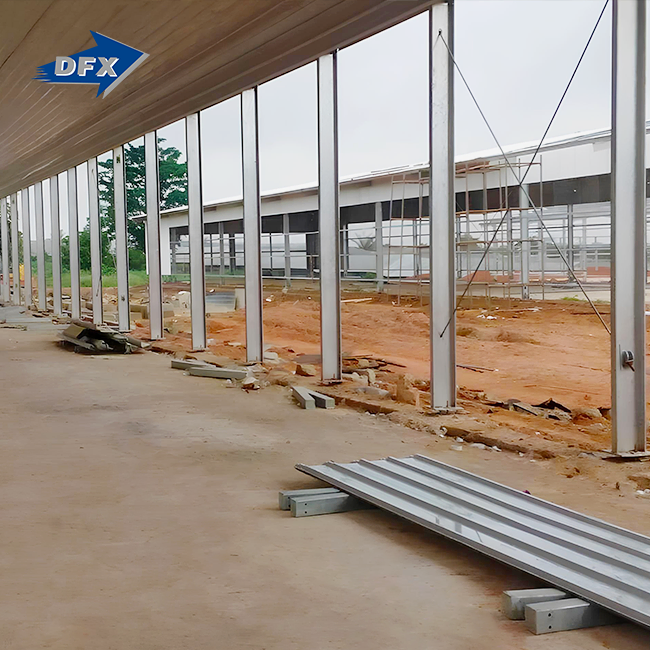
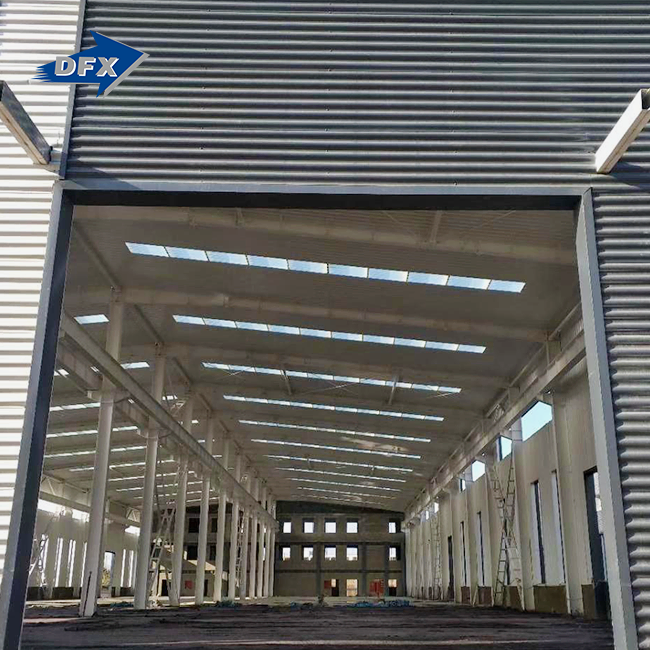
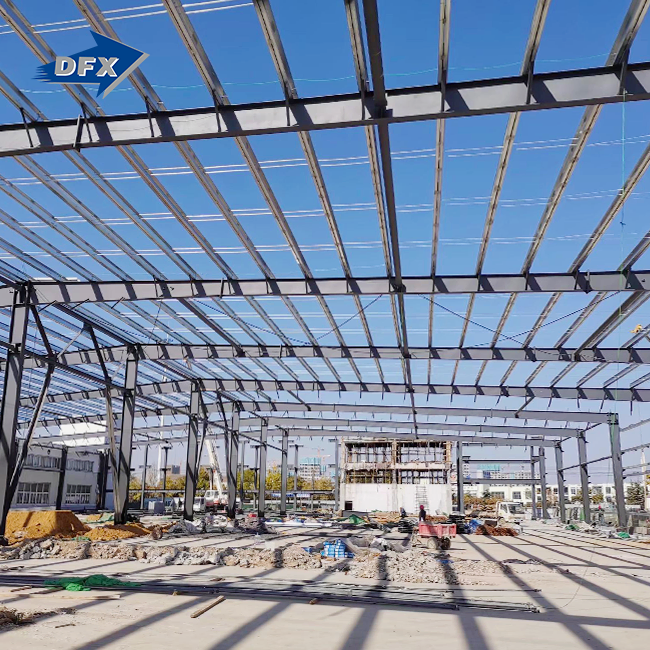
Large-span industrial Waste Recycling Steel Workshop buildings with open interiors give recycling centers the operating freedom they need. Clear spans of 24 to 60 meters get rid of interior columns that would get in the way of moving materials and setting up equipment. High eave heights of 10 to 15 meters make room for vertical equipment like baling presses and give overhead cranes enough room to move. Most of the time, these structures are made with welded H-section steel main frames made from Q235 or Q355 structural steel. Bolted connections make assembly easier in the field. Roof and wall coating systems are held up by C and Z steel purlins.
Load Management Capabilities
Dynamic load management is what makes recycling workshops different from other buildings. Hammermill shredders produce shocks that are absorbed by reinforced column-and-beam structures that can handle impact forces greater than 20 times their own weight. Another important part of the design is the support for the bridge crane. For example, recycling centers often use 20- to 50-ton overhead cranes to move trash cans and feed processing equipment. To keep wheels and rails from wearing out too quickly, crane runway beams need to be perfectly aligned within ±2mm limits.
Environmental Control Features
Noise pollution from crushers and shredders that make noise levels higher than 100 decibels can be reduced with acoustic protection. With rockwool filling and perforated metal liner sheets, outside noise is cut by 20 to 30 decibels, which is good for following the rules and getting along with neighbors. Protecting against corrosion is important in places where chemical leachates and water are present. Hot-dip galvanized structural members and PVDF-coated cladding make the building last in ISO 12944 C4 and C5 corrosive environments. High-volume exhaust systems with dust collection are built into the ventilation design to keep rogue pollution under control and meet air quality standards.
DFX Structural Solutions
For over 12 years, DFX has constructed steel structures for demanding industrial use, including trash recycling. We have six automated welded H-beam factories that manufacture 20,000 tonnes of structural frame grade steel yearly. Planning, constructing, completing, and installing buildings are our services. Our buildings are ISO9001, CE, and ASTM compliant. Custom manufacturing takes 25–52 days.
Previous examples illustrate our recycling plant capabilities. A new Philippine scrap metal facility features a 48-meter overhead crane and equipment setup spans. The foundation connections were reinforced for shredder vibrations. Our architectural design and detailing team worked with the client's equipment manufacturers to verify that structural requirements met anchor bolt patterns and utility needs.
Optimizing Workshop Performance and Safety
Continuous improvement methods help recycling companies get the most out of their tools while also keeping workers safe. These are two goals that work together rather than against each other.
Lean Manufacturing Principles
Finding and fixing process bottlenecks is a way to boost throughput without spending money on new equipment. Time-motion studies often show that moving materials takes 30 to 40 percent of cycle time, which means that logistics can be made more efficient. Flow analysis checks to see if the order of processing reduces the amount of moving of materials. For example, moving equipment to make a sensible progression from getting to sorting, processing, and dispatching can cut handling by 25%. Small changes add up over time. For example, a scrap processor that held kaizen events every month saw an 18% increase in output over two years.
Comprehensive Safety Programs
Training programs are the basis for how well safety works. Before the new user can operate the machine on their own, they should be taught how to recognize hazards, follow equipment-specific methods, and handle emergencies. Safety checks done on a regular basis by both internal teams and outside experts find new risks before they happen. Being ready for an emergency includes having fire suppression systems, clearly marked escape paths, and processes that are organized with the local emergency services. Buildings that work with flammable materials like magnesium or aluminum need special fire protection made for metal fires.
Future Technology Trends
IoT-enabled automation is the way forward for the industry. Sensors will keep an eye on how well equipment is working, predict when it needs repair, and instantly find the best processing settings. Green technologies, like solar panels and electric tools, are good for the environment and save money on running costs. Real-time analytics systems combine data from many sources, showing managers measures like quality, energy use, and productivity that help them make strategic choices. Businesses in the B2B sector that adopt these new ideas will be able to keep up with the changes in their industry over the next ten years.
Conclusion
To make a Waste Recycling Steel Workshop business that works, you need to carefully combine specialized tools, well-designed building structures, and organized methods that all work together as a single system. Putting money into good workshop structures pays off in terms of uptime, worker safety, and following the rules. As the idea of a circular economy spreads around the world, properly designed recycling centers become more valuable assets that help both the economy and the environment. When project managers, procurement specialists, and operations leaders know how these parts work together, they can make smart choices that protect capital investments and provide reliable working capacity.
FAQ
1. How does a specialized recycling workshop differ from a standard warehouse?
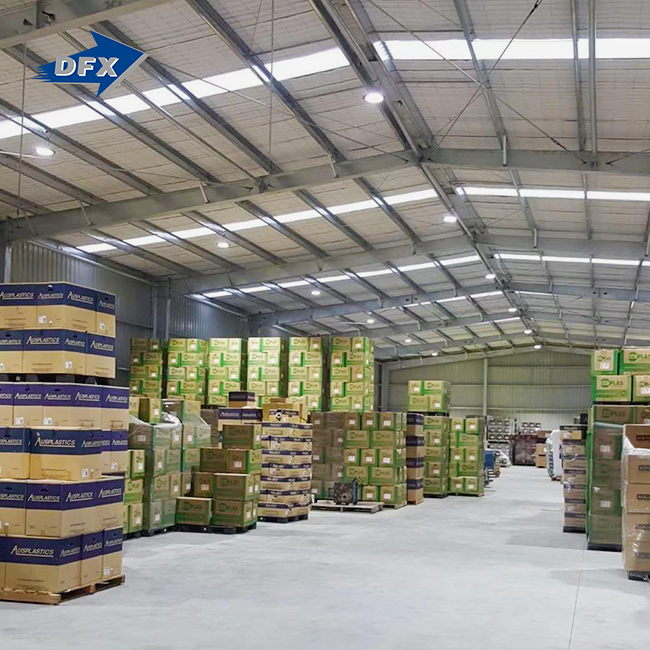
Workshops for recycling need stronger structural engineering to handle the moving loads of heavy processing equipment, 20- to 50-ton overhead cranes, and vibration-dampening foundations that regular warehouses don't have. Environmental control features like soundproofing, corrosion-resistant materials, and high-tech air systems deal with the noise, chemical exposure, and dust that come with handling scrap. In operational layouts, there must be separate areas for receiving, sorting, processing, and dispatching materials so that they don't get mixed up. This is a type of spatial planning that isn't needed in regular storage facilities.
2. What steel grades work best for recycling workshop structures?
Q355B and Q345B high-strength structural steel can hold a lot of weight, which is what recycling companies need, and they are also easy to weld for construction. Hot-dip galvanizing or heavy-duty epoxy zinc-rich primer coatings protect structural parts from the corrosive atmospheres that are typical in garbage processing areas. This makes them last 30 to 40 years longer. High-gauge corrugated steel with PVDF coatings that are resistant to UV damage and chemical exposure is usually used for roof and wall covering. This meets ISO 12944 C4 or C5 longevity standards for industrial uses.
3. How long does it take to design and construct a recycling workshop?
How long a project takes depends on how big and complicated the facility is. For buildings smaller than 5,000 square meters, the preliminary planning and engineering work usually takes 4 to 6 weeks. The lead time for fabrication is between 25 and 52 days for typical designs. Site preparation and foundation work happen at the same time as steel fabrication. The structure is then put together, and the envelope is installed, which takes another 3 to 6 weeks. Depending on how complicated the processing line is, setting up and starting up the equipment takes another 6 to 12 weeks. The whole project usually takes between 6 and 10 months, from the start of planning to the start of operations.
Partner with DFX for Your Waste Recycling Steel Workshop
When you build a steel recycling plant, you're putting a lot of money into specialized equipment that will affect how you do business for decades. DFX has factories that cover 40,000 square meters and a staff of more than 200 trained workers. They build steel structures that are perfect for the tough conditions of scrap processing operations. Our full range of services includes designing the structure, fabricating it, treating the surface, making installation drawings, and providing on-site advice. This means you don't have to worry about coordination issues when working with different contractors.
As a well-known company that has been certified by ISO9001, CE, and ASTM to meet material safety standards, we know the technical needs that make recycling workshops different from regular industrial buildings. Our engineering team can turn your operational needs into structural specifications that support your equipment and workflow, whether you're an EPC contractor looking for a reliable Waste Recycling Steel Workshop structure supplier, a manufacturing company wanting to increase processing capacity, or a project manager looking at turnkey solutions.
Email our engineering team at jason@bigdirector.com to talk about the needs of your project. We give you thorough quotes, structural estimates, and rough plans so you can look at your options before deciding on the final designs.
References
1. American Institute of Steel Construction (AISC). Design Guide 7: Industrial Buildings—Roofs to Anchor Rods. Chicago: AISC, 2020.
2. Bureau of International Recycling. World Steel Recycling in Figures 2019-2023. Brussels: BIR, 2024.
3. Occupational Safety and Health Administration. Safety and Health Topics: Scrap Metal Recycling. Washington: U.S. Department of Labor, 2023.
4. Institute of Scrap Recycling Industries. Scrap Specifications Circular: Guidelines for Ferrous Scrap. Washington: ISRI, 2022.
5. European Committee for Standardization. EN 1090-2: Technical Requirements for Steel Structures. Brussels: CEN, 2018.
6. World Steel Association. Life Cycle Assessment Methodology Report. Brussels: worldsteel, 2021.
Learn about our latest products and discounts through SMS or email