- English
- French
- German
- Portuguese
- Spanish
- Russian
- Japanese
- Korean
- Arabic
- Greek
- German
- Turkish
- Italian
- Danish
- Romanian
- Indonesian
- Czech
- Afrikaans
- Swedish
- Polish
- Basque
- Catalan
- Esperanto
- Hindi
- Lao
- Albanian
- Amharic
- Armenian
- Azerbaijani
- Belarusian
- Bengali
- Bosnian
- Bulgarian
- Cebuano
- Chichewa
- Corsican
- Croatian
- Dutch
- Estonian
- Filipino
- Finnish
- Frisian
- Galician
- Georgian
- Gujarati
- Haitian
- Hausa
- Hawaiian
- Hebrew
- Hmong
- Hungarian
- Icelandic
- Igbo
- Javanese
- Kannada
- Kazakh
- Khmer
- Kurdish
- Kyrgyz
- Latin
- Latvian
- Lithuanian
- Luxembou..
- Macedonian
- Malagasy
- Malay
- Malayalam
- Maltese
- Maori
- Marathi
- Mongolian
- Burmese
- Nepali
- Norwegian
- Pashto
- Persian
- Punjabi
- Serbian
- Sesotho
- Sinhala
- Slovak
- Slovenian
- Somali
- Samoan
- Scots Gaelic
- Shona
- Sindhi
- Sundanese
- Swahili
- Tajik
- Tamil
- Telugu
- Thai
- Ukrainian
- Urdu
- Uzbek
- Vietnamese
- Welsh
- Xhosa
- Yiddish
- Yoruba
- Zulu
Why Use a Professional Raw Material Steel Warehouse?
When managing industrial projects—whether you're overseeing an EPC contract, expanding a manufacturing facility, or coordinating logistics for a large-scale construction job—the quality and availability of your steel supply can make or break your timeline and budget. A Professional Raw Material Steel Warehouse isn't just a storage space; it's a specialized facility engineered to preserve the integrity of heavy steel inputs like coils, plates, beams, and billets while ensuring seamless inventory flow. These warehouses prevent costly material degradation, reduce handling risks, and guarantee that your steel arrives at the job site in optimal condition, ready for immediate use.

Introduction
Making sure that the materials you need for an industrial project are always available is very important. Steel is an important building material that needs to be handled and stored carefully so that it keeps its structural properties and doesn't break down. A professional steel warehouse has become an important option for procurement managers, project engineers, and EPC workers who need to keep costs down and meet tight delivery dates. This article talks about why working with a professional facility made just for storing raw steel can help your project's quality control, operational efficiency, and supply chain continuity, all of which have a direct effect on its profits and reputation.
Understanding Raw Material Steel Warehouses
What Defines a Specialized Steel Storage Facility
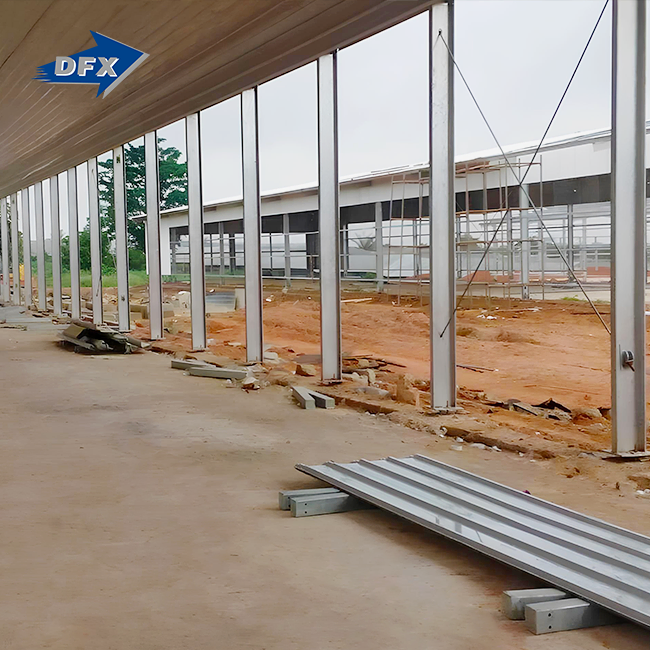
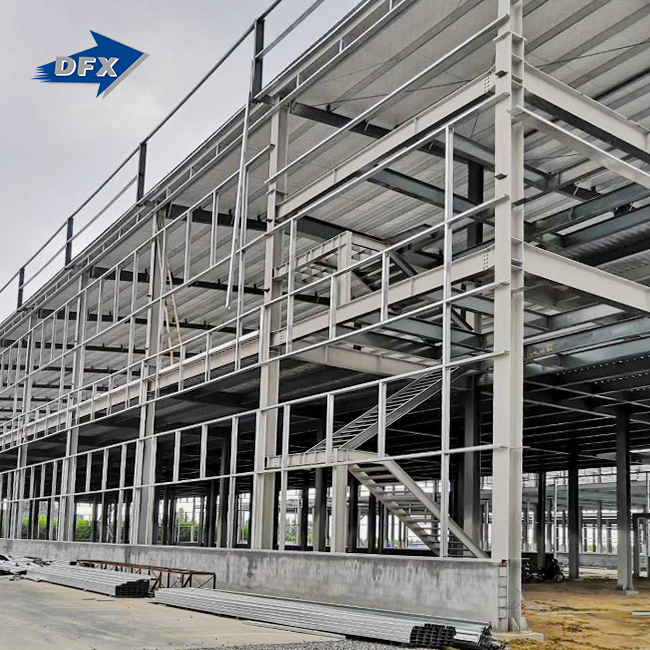
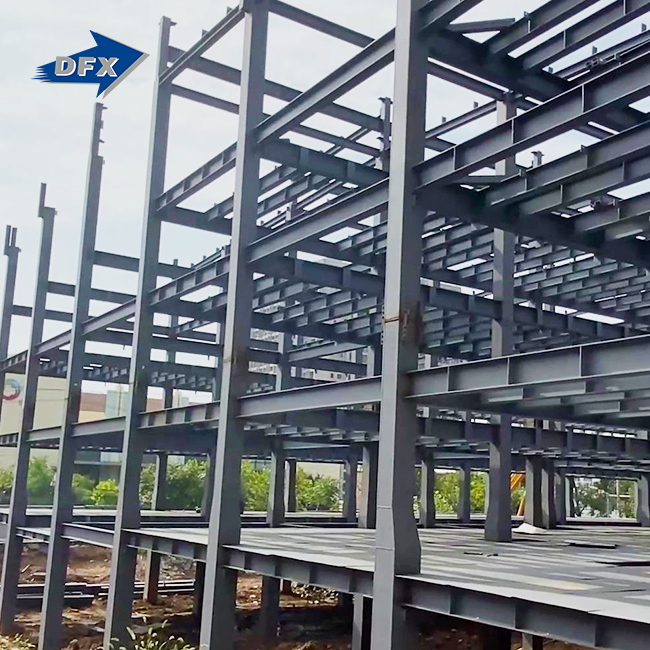
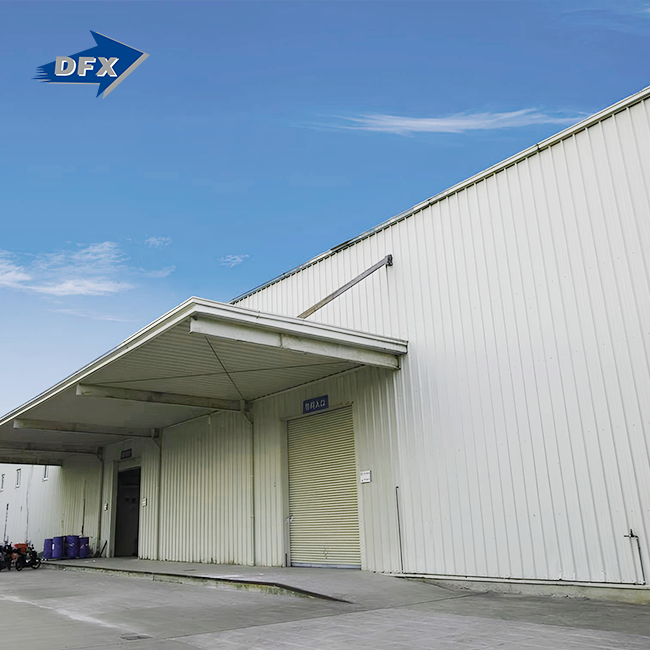
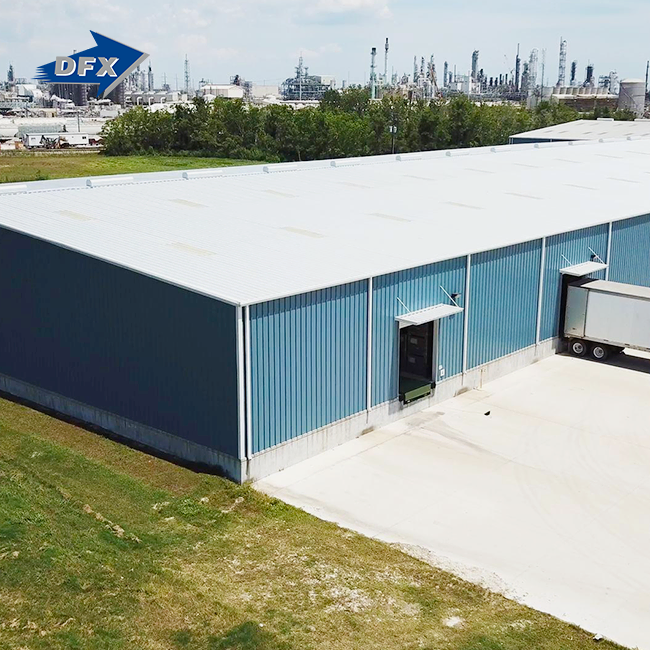
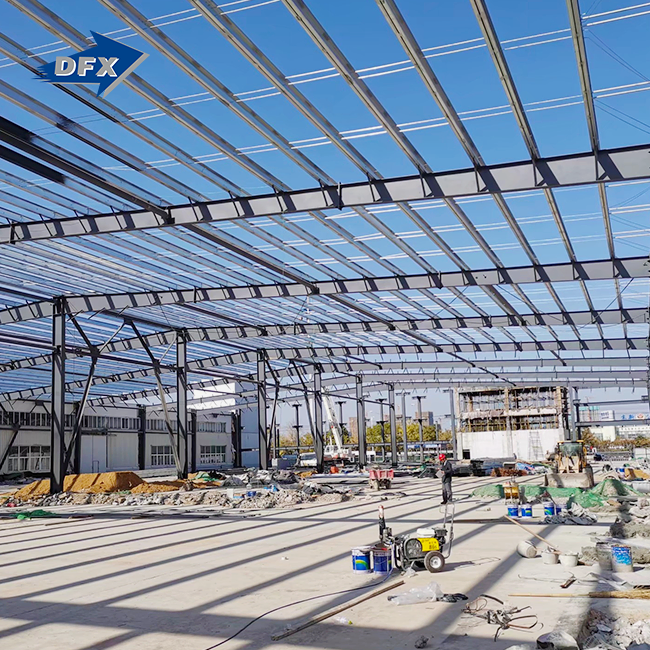
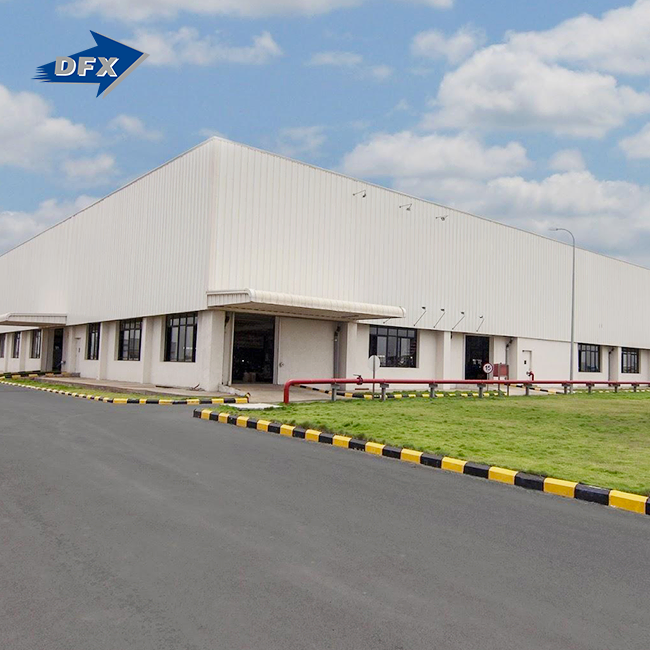
A dedicated steel storage facility works in a different way than regular warehouses. Pre-Engineered Building (PEB) steel structures with reinforced H-beam main frames, galvanized C/Z purlins, and advanced bracing systems are usually used to build these kinds of buildings. To support the huge weight of stacked steel products, the design focuses on high ground-bearing capacity—often more than 50 kN per square meter. Forklifts and overhead cranes can move freely across clear spans of 20 to 60 meters. Depending on the needs of the project, they can carry loads of 10 to 100 tons.
Core Operational Functions
Professional centers take care of all aspects of steel products, from when they arrive to when they are sent out. When staff receive goods, they use digital tracking systems to do quality checks and make an inventory list. The steel goods are then put away by type, grade, and job assignment in the best layouts that make the best use of vertical space while still being easy to get to. Humidity levels below 60% are controlled by climate control systems to stop oxidation, and airflow stops condensation from forming on walls. The controlled environment is very important for storing carbon steel coils that will be sent to plants that stamp cars or marine-grade plates that will be used in shipbuilding.
Strategic Advantages for Industrial Buyers
When you work with a professional storage company, you get a lot of benefits that directly address common buying problems. Automated tracking systems make inventory much more accurate, which cuts down on mistakes that cause project delays. As less material is wasted due to corrosion or damage from handling, it becomes easier to keep costs under control. Risk reduction goes beyond physical security; certified warehouses follow ISO9001 quality management standards and optional EN1106 certifications, which offer liability coverage and insurance benefits. These facilities also allow for just-in-time delivery strategies, which help construction companies cut down on the amount of storage they need on-site while still making sure materials are always available.
Key Factors in Effective Raw Material Steel Warehouse Management
Inventory Control and Organization Best Practices
Strategic layout planning is the first step to good Raw Material Steel Warehouse management. Materials that are moved around a lot are kept close to the loading docks, while specialized steel types that need to be stored for a long time are moved to secondary zones. First-in, first-out (FIFO) rules are used in rotation methods to keep storage from breaking down over time. Modern warehouses have software that lets you see your inventory in real time. This helps procurement teams make smart ordering decisions and avoid running out of stock during key project phases.
Safety Protocols and Industry Certifications
Taking care of heavy steel materials comes with its own risks that require strict safety rules. Professional facilities make sure that crane workers and people who move things around have full training programs, that equipment is inspected regularly, and that there are clear safety zones around areas where things are being stored. As a fire safety measure, structural steel members are covered with intumescent fireproof coatings that give them one- to three-hour fire ratings, depending on the local building code. Third-party checks make sure that safety standards are being followed, which gives clients faith in their supply chain partners.
Addressing Common Storage Challenges
As project needs change, space limitations are always a problem. Professional warehouses use stacked racking systems and other high storage options to get the most out of their space without limiting crane access. When demand changes, capacity needs to be able to adapt. Reliable storage providers offer scalable options that can be changed to fit seasonal project cycles. Disruptions in the supply chain, like delays in shipping or shortages of materials, can be handled with the help of professional stores' planned buffer stock management and vendor diversity plans.
Comparing Warehouse Solutions for Raw Material Steel
Raw Material Versus Finished Goods Storage Requirements
The infrastructure needed to store raw steel inputs is very different from that needed to store finished products. When raw materials arrive in large amounts, they need to be handled with heavy-duty tools. Finished steel parts, on the other hand, may need to be protected and handled with more care. The ground loading capability, crane requirements, and hallway widths must all be able to handle the weight and size of coils, billets, and structural sections. Professional facilities that deal with raw materials plan their layouts to meet these needs. On the other hand, general warehouses that are designed to store finished goods don't have the structural reinforcement or safety equipment needed for handling steel safely.
Manual Systems Versus Automated Technologies
Manual inventory management relies on physical counts and paper records, which are error-prone and restrict visibility. RFID, barcode scanning, and cloud-based inventory solutions allow procurement teams in disparate locations to access rapid stock data. Automation technology reduces labour costs, improves accuracy, and simplifies progress reporting. Though more expensive and difficult to set up, automation is superior for high-volume tasks. Smaller projects may function with manual techniques and adequate recordkeeping.
Local Versus International Warehousing Considerations
Because it's close to project sites and cuts down on delivery times and costs, local warehousing is a good option for domestic projects. When buying steel from foreign makers or overseeing building projects in more than one country, international facilities become important. A Raw Material Steel Warehouse that works with the shipbuilding industry often has special coatings called C5-M grade anti-corrosive coatings that can stand up to salt spray. Whether to store goods locally or internationally depends on how much is being bought, how complicated the supply chain is, and how much the whole project will cost. Experienced warehouse partners can help clients figure out these things based on the needs of each project.
How to Choose the Right Raw Material Steel Warehouse Solution
Assessing Your Storage Requirements
Start by making a list of your buying habits, such as how often you receive deliveries, how much steel you usually buy, and what kinds of steel your projects need. Companies that make things and are building new factories often need long-term storage for consistent material grades. On the other hand, construction companies that are working on multiple projects at once need flexible storage for a wide range of steel products. Write down your peak storage needs and how they change with the seasons so that you can find facilities that are the right size and can adapt to your needs.
Evaluating Facility Capabilities and Technology
A physical check can tell you a lot about how suitable a building is. Check the clear span dimensions to make sure they can fit your biggest steel sections. Make sure the crane's size fits your needs for moving heavy things. Check out the enclosure system. Sandwich panels with polyurethane or rockwool insulation keep the temperature more stable than single-skin cladding. Ask what the inventory management software can do, such as how it can connect to your current purchasing systems and how it can help you make decisions through reporting.
Vetting Suppliers and Service Providers
Certifications objectively demonstrate corporate standards. ISO9001 and CE certifications demonstrate quality management systems and European safety requirements, respectively. Look at case studies and client examples to see whether the supplier has completed similar tasks. Look into after-sales services, including engineering guidance, logistics coordination, and storage unit setup. These services go beyond storage rental. Director Steel, a 12-year-old steel construction manufacturer with 200 qualified staff, exemplifies the technical depth and trustworthiness of professional suppliers.
Maximizing Value from Your Raw Material Steel Warehouse
Integrating Warehouse Data into Supply Chain Operations
Professional stores collect useful information that goes beyond just counting items in stock. Looking at past trends of consumption helps make procurement predictions more accurate, which lowers the risk of running out of stock and the cost of having too much inventory. By connecting warehouse management data to project scheduling tools, it is possible to order materials more accurately and in line with building deadlines. This coordination keeps on-site storage areas from getting too crowded and lowers the chance that weather damage will happen to steel materials that are waiting to be installed.
Emerging Trends Shaping Steel Warehousing
Material handling robots and AI-powered inventory optimization algorithms are two examples of how automation is still getting better. Internet of Things (IoT) devices check the environment in real time and make automatic changes to the temperature control system to keep storage conditions at their best. Solar panels on building roofs and systems that collect rainwater are becoming more popular because of sustainability efforts. These systems lower running costs and help companies meet their environmental obligations. Customers benefit from better service and lower prices thanks to these technological advances.
Real-World Performance Evidence
Agricultural businesses that use professional steel warehouses to build chicken coops report 30% less material waste than when they store it on the farm. Manufacturing investors who are building factory workshops say that the projects are finished faster because professional storage lets structural parts arrive at the same time, which cuts installation delays by two to three weeks on average. EPC companies that are in charge of building projects, such as approved warehouses, benefit because they protect them from risk and provide quality assurance paperwork. This makes it easier to check for compliance during client audits.
Conclusion
Professional storage for steel is more of an investment than an expense. The special equipment, environmental controls, and management know-how at these sites directly help procurement managers with the problems they face every day, like keeping costs low, making sure supplies are reliable, and keeping material quality high. As project complexity rises and supply lines face more unpredictability, working with experienced Raw Material Steel Warehouse providers becomes a more attractive option. For serious industrial buyers who are dedicated to project success, the relationship is worth it because it leads to measured improvements in material condition, delivery accuracy, and inventory access.
FAQ
1. What Safety Measures Should Professional Steel Warehouses Maintain?
Reputable facilities have thorough safety programs that include training for certified crane operators, regular repair plans for equipment, and safety zones that are easy to see. Coatings that are fireproof give structural members fire ratings of one to three hours. Conditions on the ground are monitored to make sure they don't get too crowded, and emergency response plans are in place for any problems that might happen. Third-party safety checks make sure that health and safety rules are being followed, which protects both warehouse workers and clients from harm.
2. How Does Automation Impact Warehouse Efficiency?
Automated inventory systems get rid of mistakes that can happen when counting items by hand and show real-time stock levels in multiple locations. Compared to paper-based systems, barcode reading and RFID technology speed up the receiving and sending of goods by 40 to 60%. Predictive analytics finds material that isn't moving quickly and makes the best use of storage space. Automation requires an initial investment, but facilities that deal with a lot of work usually get their money back within 18 to 24 months thanks to lower labor costs and better accuracy.
3. Should I Lease or Outsource Steel Storage?
The decision will depend on how stable the volume is and how much capital is available. Leasing dedicated space makes sense for long-term projects that know how much storage they will need and have the money to set up the space. Hiring professional warehouse service providers is a good idea for projects with changing numbers because it gets rid of set costs and makes use of already-built infrastructure. Most manufacturers and building companies find that outsourcing is cheaper because they only pay for the room they use and get access to certified handling tools and professional management.
Partner with DFX for Your Steel Storage Solutions
DFX (Director Steel) has been a structural steel manufacturer and warehouse solution provider for more than 12 years. Our enclosed 40,000-square-meter production facility makes modular prefabricated steel storage buildings that are used in industrial settings. Our galvanized C/Z purlins, H-beam primary steel frame structures, and complete bracing systems give your projects the durability and load capacity they need. They are certified by both ISO9001 and CE. Our engineering calculation services, fabrication capabilities, logistics coordination, and erection guidance provide full turnkey support whether you're a construction contractor needing temporary project storage, a manufacturer planning a new facility, or an agricultural business looking for cost-effective livestock building solutions. Get in touch with our team right away at jason@bigdirector.com to talk about your needs with a reliable Raw Material Steel Warehouse supplier who knows how complicated global industrial procurement can be.
References
1. American Institute of Steel Construction. (2022). "Steel Construction Manual: Specifications for Structural Steel Buildings." AISC Publication, 15th Edition.
2. Modern Materials Handling. (2023). "Best Practices in Heavy Materials Warehousing: Industry Benchmark Study." Peerless Media, Annual Industry Report.
3. International Organization for Standardization. (2021). "ISO9001:2015 Quality Management Systems: Requirements and Implementation Guidelines for Steel Fabrication Facilities."
4. Journal of Construction Engineering and Management. (2023). "Impact of Material Storage Conditions on Steel Structure Project Performance." American Society of Civil Engineers, Vol. 149, Issue 3.
5. Warehouse Management International. (2022). "Automation ROI Analysis in Industrial Material Storage: A Comparative Study." Supply Chain Publications, Q4 Industry Review.
6. National Association of Steel Contractors. (2023). "Steel Storage and Handling Safety Guidelines: Comprehensive Industry Standards." NASC Technical Publication Series, 8th Edition.
Learn about our latest products and discounts through SMS or email