- English
- French
- German
- Portuguese
- Spanish
- Russian
- Japanese
- Korean
- Arabic
- Greek
- German
- Turkish
- Italian
- Danish
- Romanian
- Indonesian
- Czech
- Afrikaans
- Swedish
- Polish
- Basque
- Catalan
- Esperanto
- Hindi
- Lao
- Albanian
- Amharic
- Armenian
- Azerbaijani
- Belarusian
- Bengali
- Bosnian
- Bulgarian
- Cebuano
- Chichewa
- Corsican
- Croatian
- Dutch
- Estonian
- Filipino
- Finnish
- Frisian
- Galician
- Georgian
- Gujarati
- Haitian
- Hausa
- Hawaiian
- Hebrew
- Hmong
- Hungarian
- Icelandic
- Igbo
- Javanese
- Kannada
- Kazakh
- Khmer
- Kurdish
- Kyrgyz
- Latin
- Latvian
- Lithuanian
- Luxembou..
- Macedonian
- Malagasy
- Malay
- Malayalam
- Maltese
- Maori
- Marathi
- Mongolian
- Burmese
- Nepali
- Norwegian
- Pashto
- Persian
- Punjabi
- Serbian
- Sesotho
- Sinhala
- Slovak
- Slovenian
- Somali
- Samoan
- Scots Gaelic
- Shona
- Sindhi
- Sundanese
- Swahili
- Tajik
- Tamil
- Telugu
- Thai
- Ukrainian
- Urdu
- Uzbek
- Vietnamese
- Welsh
- Xhosa
- Yiddish
- Yoruba
- Zulu
Chemical Storage Steel Warehouse: Key Safety Requirements
When you're handling hazardous materials, choosing the right storage infrastructure isn't just about space—it's about survival. A chemical storage steel warehouse is a specialized industrial structure engineered from high-strength structural steel to safely store, handle, and manage hazardous chemicals and reactive substances. Unlike conventional warehouses, these facilities integrate rigorous safety protocols, corrosion-resistant materials, and fire suppression systems directly into their design framework. They solve critical industry challenges: preventing catastrophic chemical reactions, containing spills before environmental damage occurs, and protecting personnel from toxic exposure. With proper engineering, these structures transform high-risk storage operations into controlled, compliant environments that meet OSHA, EPA, and international safety standards.

Understanding the Core Safety Challenges in Chemical Storage Steel Warehouses
There are risks that come with storing chemicals that need special attention. Being aware of these risks helps project managers and buying leaders make smart choices when deciding what kind of warehouse their projects need.
Identifying Common Hazards in Chemical Storage Environments
Keeping industrial chemicals in storage comes with a number of risks at the same time. Volatile organic compounds (VOCs) make gas clouds that are easily caught on fire by static electricity or equipment sparks. Corrosive substances, such as acids, alkalis, and oxidizers, attack steel surfaces that aren't protected, weakening the structure over time. Putting chemicals that don't mix together close to each other can cause violent reactions if the containers break or leak. When temperatures change, pressure builds up inside sealed containers, making it more likely that they will break. When storage facilities don't have enough ventilation, spill containment, or material separation systems, these risks get worse.
Regulatory Compliance Requirements Across Major Markets
Legal compliance protects workers and your company. OSHA's Process Safety Management standard (29 CFR 1910.119) requires technical rules for facilities handling dangerous chemicals. Petroleum products and hazardous chemicals must have spill prevention and secondary containment plans under the EPA SPCC regulation. Global markets follow similar norms. European REACH and NFPA rules govern fire separation distances, ventilation rates, and explosion venting. If you break the laws, you might be fined millions, shut down, or even charged with a crime if reckless planning causes an accident.
Real-World Consequences of Inadequate Safety Design
The blast in the Tianjin warehouse in 2015 showed what can happen when rules for storing chemicals are broken. A small problem turned into blasts that killed over 170 people and caused $9 billion in damage because of bad fire control and improper material separation. A 2019 chemical plant fire in Texas raged for days because the chemical storage steel warehouse did not have enough fire-resistant structural protection or containment. These accidents make a hard truth clear: skimping on safety design doesn't save money; it puts the business at risk of going out of business.
Essential Design Standards for Chemical Storage Steel Warehouses
Chemical storage that is safe starts with good planning. Whether your building protects assets or becomes a liability depends on the design phase.
Selecting Corrosion-Resistant Steel Grades and Protective Coatings
When standard structural steel is exposed to chemical fumes, it breaks down very quickly. Steels with a high strength-to-weight ratio, like Q355B or ASTM A572 Grade 50, can hold the weight, but they need to be treated to protect them from chemical conditions. During hot-dip galvanization, a zinc layer of at least 600g/m² is applied. This covering gives up its own life to protect the steel underneath from oxidation. A two-layer covering method with a zinc-aluminum base layer and a high-build epoxy-phenolic topcoat works best in harsh chemical environments, especially those with acidic or alkaline fumes. In accelerated salt spray tests (ASTM B117), this mixture lasts more than 1,000 hours. In real life, this means that it will last for decades.
Structural Load Capacity and Seismic Considerations
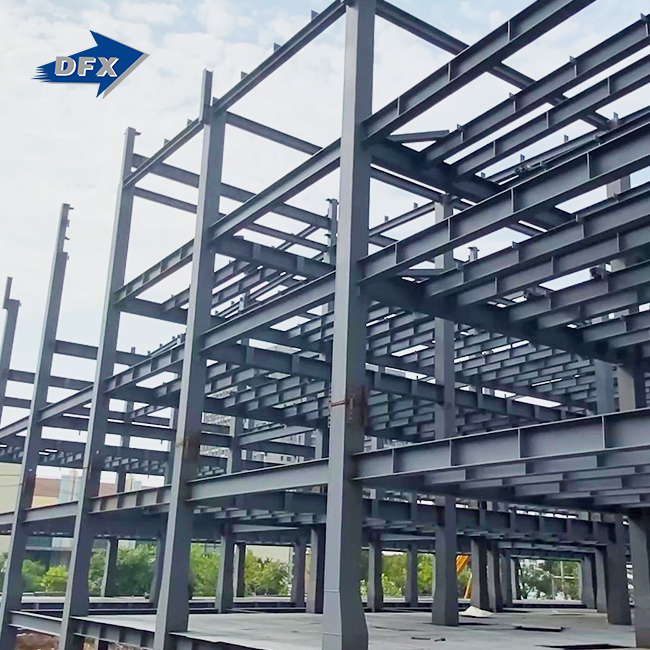
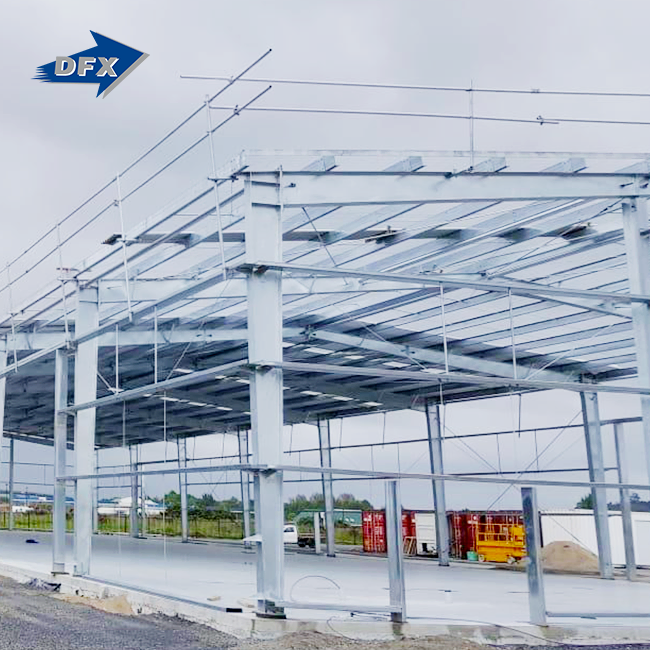
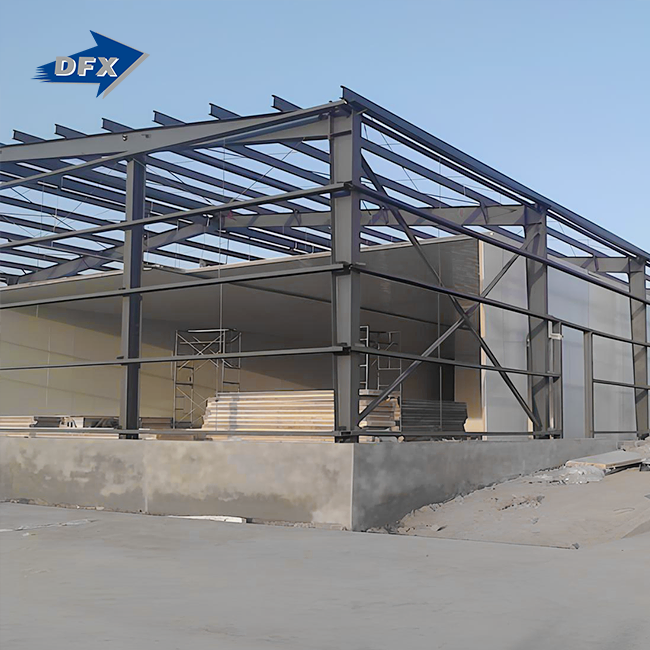
When chemicals are stored, they are usually in drums and intermediate bulk containers (IBCs), which create heavy loads on the floor. When engineers do their math, they have to take into account areas with a lot of loads and a lot of forklift traffic. Clear-span designs with H-beam main frames let materials move freely while keeping the structure's integrity. The modular prefabricated steel storage building method lets you change the plan of the inside without affecting the main structure. When there is ground motion, the building must maintain its structural integrity to avoid spills. This is especially important for seismic design. Using zinc C/Z purlins in bracing systems makes them stable on the sides while still letting them expand when it gets warmer.
Fire Resistance Ratings and Suppression System Integration
Fire is the biggest risk in chemical storage. Multiple synchronised strategies are needed for fire defence. Intumescent coatings on structural steel members expand, generating an insulating char layer that protects the steel during a fire. Your storage may need to meet R60 to R180 fire standards, which indicate one to three hours. Active suppression systems like deluge sprinklers or foam systems must link to the steel frame using construction-planned pipe clamps and ceiling penetrations. Another essential aspect is explosion-relief panels. These light wall pieces enable internal pressure escape during deflagrations, preventing the main structure from collapsing.
Ventilation Systems and Environmental Controls
Managing airflow correctly keeps powerful vapors from building up and keeps workers healthy. For low-risk items, natural ventilation through ridge vents and sidewall louvers works. But for most chemical storage, powered ventilation systems are needed, with air change rates calculated by the chemical's properties. For dangerous environments, high-velocity exhaust fans must meet electrical standards that prevent explosions. Using insulated sandwich panels with a polyurethane or polyisocyanurate core to control the temperature keeps storage conditions stable and stops condensation, which speeds up corrosion. These natural controls make the whole supply chain safer and improve the quality of the products.
Best Practices for Maintaining Safety and Operational Efficiency
Even the best-designed building needs to be watched over all the time. Maintenance rules and being ready for emergencies are what separate legal operations from those that are just waiting for an accident to happen.
Implementing Routine Inspection and Maintenance Protocols
Structured checks that are planned ahead of time find problems before they become issues. Once a month, the coating should be checked for damage like scratches, chips, or changes in color that could mean the coating has failed. Welds and connections are checked for cracks every three months by visual inspection, and critical joints are tested once a year with ultrasonic testing (UT) or magnetic particle inspection (MPI). Measurements of dry film thickness (DFT) show that the protective coating works, and cross-cut bonding tests (ASTM D3359) show that the coating links stay strong. Hydrostatic testing is needed to make sure that containment systems don't let water through. Even tiny cracks in concrete sumps lined with HDPE can let water into the environment. Supplier-supported repair services from experienced makers make sure that these checks are done according to the right technical procedures and not just a list of things to check off.
Emergency Response Planning and Staff Training
Making safety plans is best done before something happens. Comprehensive training for staff includes how to handle spills, how to get out of the building, and how to use personal protective equipment correctly. Every month, the alarms need to be checked; every three months, the sprinklers need to be tested for flow; and once a year, the whole system needs to be inspected. Drills for emergency response show where procedures are lacking and help people get used to making decisions quickly in a crisis. Recording all training and drills shows that you're following the rules and creates institutional knowledge that stays with the company even after employees leave.
Optimizing Chemical Segregation and Capacity Management
Smart layout planning keeps materials that don't work well together from turning into reactive dangers. Acids and bases need to be stored in different areas with their own control systems. Oxidizers should not be near things that can catch fire. During busy arrival times, color-coded floor lines and clearly marked separation zones help keep people from making mistakes. Capacity management makes sure that there are enough aisles to move tools and get to them in an emergency. Overloading storage areas breaks fire codes and raises the risk of an accident happening during normal operations.
Comparing Chemical Storage Steel Warehouses with Other Storage Solutions
Long-term safety, cost, and operational flexibility rely on material choice. Understanding building material pros and cons helps procurement managers choose infrastructure that meets project needs.
Chemical storage steel warehouses have several advantages. Unlike timber buildings used to store agricultural chemicals, steel structures don't catch fire. They resist termites and hold shape at high temperatures. Plastic and cloth frames are unsafe for multi-story shelving and fire. Concrete constructions are more expensive and take longer to build, but their solid flooring prevents fires and spills. The modular nature of steel enables adding or changing structural layouts more easily than concrete.
EPC contractors with tight deadlines need prefabricated steel construction to decrease on-site manpower and speed up projects. Regulated steel part manufacturing guarantees quality consistency that field-made alternatives cannot. Internationally packable steel parts are straightforward to ship. Modern producers use production waste and recycle steel, making it eco-friendly.
Procurement Guide: Choosing and Securing Your Chemical Storage Steel Warehouse
The success of a project depends on choosing the right provider and structure design. When making a procurement choice, you should weigh the current costs against the long-term value and risk reduction.
Evaluating Supplier Certifications and Manufacturing Capabilities
Quality standards demonstrate a company's manufacturing expertise. ISO9001 certification demonstrates an organised quality management system, and the CE mark shows the product satisfies European safety requirements. EN1095 certification verifies that welded structures satisfy execution class norms. In addition to certifications, check the company's technical and manufacturing expertise. Modern manufacturers use automated welded H-beam manufacturing lines to ensure consistent weld quality and dimensions. Sandwich panels and C/Z section steel production impact whether vendors can provide whole building envelopes on schedule. In-house architectural design and detailing services: manufacturers may provide engineering assistance from project inception to production coordination and structure setup.
Understanding Cost Structures and Financing Options
Clear pricing tells the difference between professional suppliers and unreliable ones. When you use project-based fabrication, the prices change depending on the details you give. The size of the building, the type of steel used, the coating system, and the accessories you choose can all affect the final price. Ask for specific breakdowns that show the costs of materials, labor for manufacturing, shipping planning, and erection guidance services. This openness makes it easier to find ways to save money without lowering safety standards. Different types of financing are available depending on the size of the project. For example, some suppliers offer payment terms that are in line with construction milestones, which makes it easier for contractors to manage multiple projects at once.
Assessing Installation Support and After-Sales Service
Technical support doesn't end when the materials get to the job site. Full erection instructions make sure that building teams put together premade parts correctly, keeping the structural integrity that engineers specified. Manufacturers with a lot of experience provide detailed assembly drawings, connection specifications, and supervision on-site during key stages. After-sales support includes teaching facility operators on how to do repair work and making sure that replacement parts are available for as long as the building is in use. When you have good ties with your suppliers, you can be sure that when you ask technical questions, you will get quick, helpful answers.
Conclusion
Chemical storage steel warehouse buildings are a type of specialized infrastructure where the level of technical detail has a direct effect on protecting people and the environment. Corrosion-resistant materials, built-in fire suppression systems, good ventilation design, and strict maintenance rules all work together to make controlled environments for handling dangerous materials. Steel buildings have benefits that options like wood, plastic, and concrete can't match, such as being quick to set up, having a flexible structure, not catching fire, and lasting a long time. To be successful in procurement, you need to choose manufacturers with proven technical skills, quality certifications, and full project support services. When short-term cost minimization isn't as important as safety engineering, you protect workers, make sure you're following the rules, and build infrastructure that will last for decades.
FAQ
1. How does steel construction manage explosion risks in chemical storage?
Damage-limiting building methods are important for managing explosions. Explosion-relief panels are made to be light and can be installed in specific places on a wall or roof. They are intended to release at certain internal pressures. When deflagrations happen, these screens let the air out, which keeps the main H-beam frame from falling down. This method keeps the building's structure while letting controlled pressure build up.
2. Can steel warehouses resist corrosive chemical vapors?
Corrosive conditions are great for steel buildings that are built correctly. The two-layer coating method, with a zinc-aluminum base layer and an epoxy-phenolic finish, makes a chemical shield that lasts longer than 1,000 hours in salt spray tests. This security can stand up to acidic and alkaline air conditions that would quickly break down steel or other building materials that aren't secured.
3. What certifications should I verify when selecting a manufacturer?
When quality management systems get ISO9001 certification, it means they meet international standards. The CE mark shows that European rules have been followed. Check for documentation that shows where the materials came from—mill test certificates show that the grades of steel meet the requirements. Ask for proof that they can do non-destructive tests (like acoustic testing and magnetic particle inspection) to make sure the quality of the weld meets the standards of the structure.
Partner with DFX for Your Chemical Storage Steel Warehouse Project
To protect the buildings that store dangerous materials, you need to hire experts you can trust. It has been over 12 years since DFX (Qingdao Director Steel Structure Co., Ltd.) has been making engineered steel structures for tough industrial uses. Six automatic welded H-beam lines are housed in our 40,000-square-meter production buildings. This ensures that the quality of every structural part is the same. We offer steel storage buildings that are certified by both ISO9001 and CE and meet both OSHA and foreign standards. Our modular premade steel storage building systems are made in a controlled workplace environment and have H-beam main frames, galvanized C/Z purlins, and built-in bracing systems. We help with every part of the project, from engineering estimates and manufacturing to logistics planning and erection direction. This is everything that EPC contractors and project managers need to stay on schedule. As a provider of chemical storage steel warehouses with a lot of experience, we know the technical requirements that separate facilities that are legal from those that are a headache for regulators. Contact jason@bigdirector.com to talk about the details of your project and get detailed technical offers backed by proven manufacturing skills and full help after the sale.
References
1. American Institute of Steel Construction. (2017). Steel Construction Manual, 15th Edition. Chicago: AISC.
2. National Fire Protection Association. (2021). NFPA 30: Flammable and Combustible Liquids Code. Quincy, MA: NFPA.
3. Occupational Safety and Health Administration. (2019). Process Safety Management of Highly Hazardous Chemicals (29 CFR 1910.119). Washington, DC: U.S. Department of Labor.
4. Center for Chemical Process Safety. (2018). Guidelines for Facility Siting and Layout. New York: American Institute of Chemical Engineers.
5. European Committee for Standardization. (2015). EN 1090-2: Technical Requirements for Steel Structures. Brussels: CEN.
6. Chemical Safety Board. (2016). Storage of Reactive Chemicals: Investigation Report. Washington, DC: U.S. Chemical Safety and Hazard Investigation Board.
Learn about our latest products and discounts through SMS or email