- English
- French
- German
- Portuguese
- Spanish
- Russian
- Japanese
- Korean
- Arabic
- Greek
- German
- Turkish
- Italian
- Danish
- Romanian
- Indonesian
- Czech
- Afrikaans
- Swedish
- Polish
- Basque
- Catalan
- Esperanto
- Hindi
- Lao
- Albanian
- Amharic
- Armenian
- Azerbaijani
- Belarusian
- Bengali
- Bosnian
- Bulgarian
- Cebuano
- Chichewa
- Corsican
- Croatian
- Dutch
- Estonian
- Filipino
- Finnish
- Frisian
- Galician
- Georgian
- Gujarati
- Haitian
- Hausa
- Hawaiian
- Hebrew
- Hmong
- Hungarian
- Icelandic
- Igbo
- Javanese
- Kannada
- Kazakh
- Khmer
- Kurdish
- Kyrgyz
- Latin
- Latvian
- Lithuanian
- Luxembou..
- Macedonian
- Malagasy
- Malay
- Malayalam
- Maltese
- Maori
- Marathi
- Mongolian
- Burmese
- Nepali
- Norwegian
- Pashto
- Persian
- Punjabi
- Serbian
- Sesotho
- Sinhala
- Slovak
- Slovenian
- Somali
- Samoan
- Scots Gaelic
- Shona
- Sindhi
- Sundanese
- Swahili
- Tajik
- Tamil
- Telugu
- Thai
- Ukrainian
- Urdu
- Uzbek
- Vietnamese
- Welsh
- Xhosa
- Yiddish
- Yoruba
- Zulu
Prefab Steel Buildings for Power Plants: What Buyers Should Know
If you're sourcing a steel structure building for power plant operations, this guide covers the technical specs, supplier criteria, and cost factors that matter most to procurement professionals and project engineers in the energy sector.

Understanding Prefab Steel Structures for Power Plants
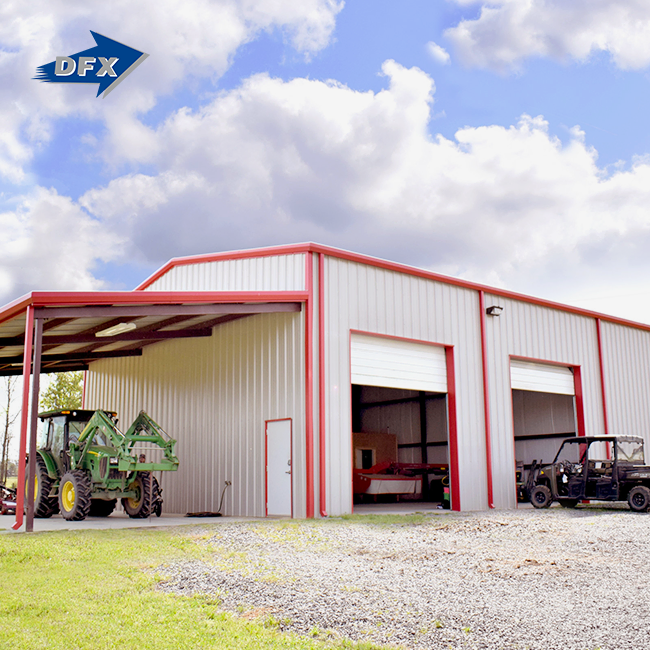
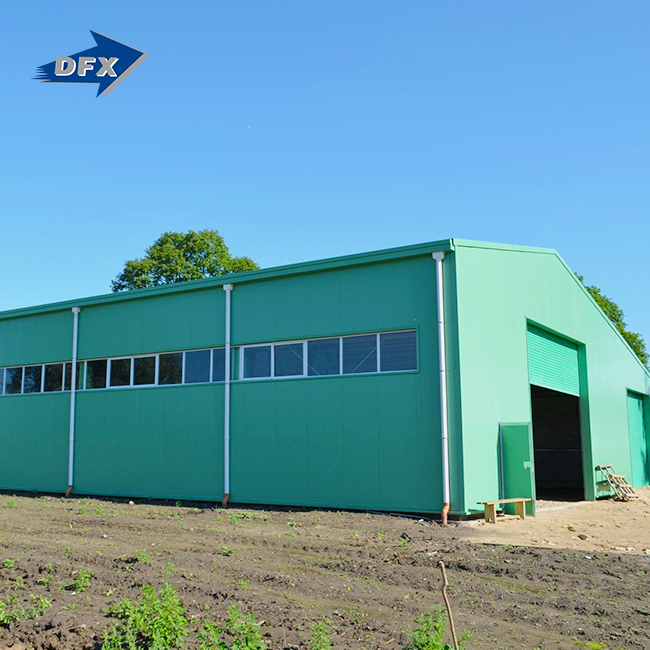
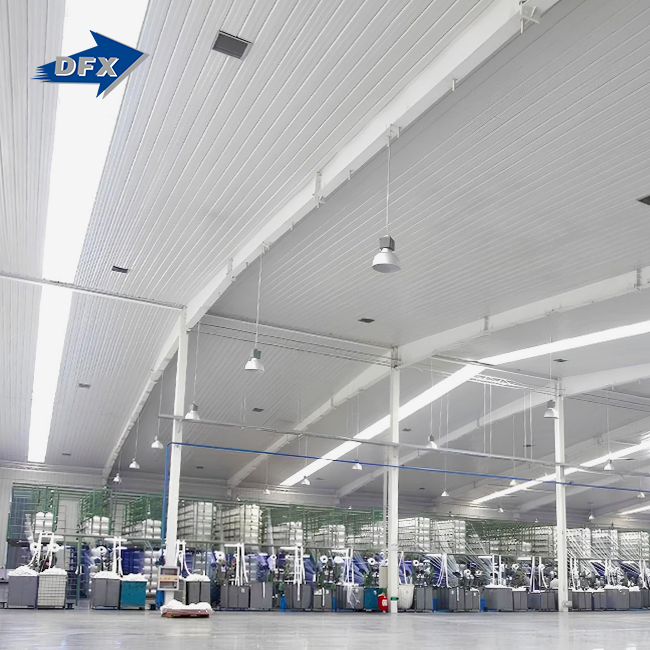
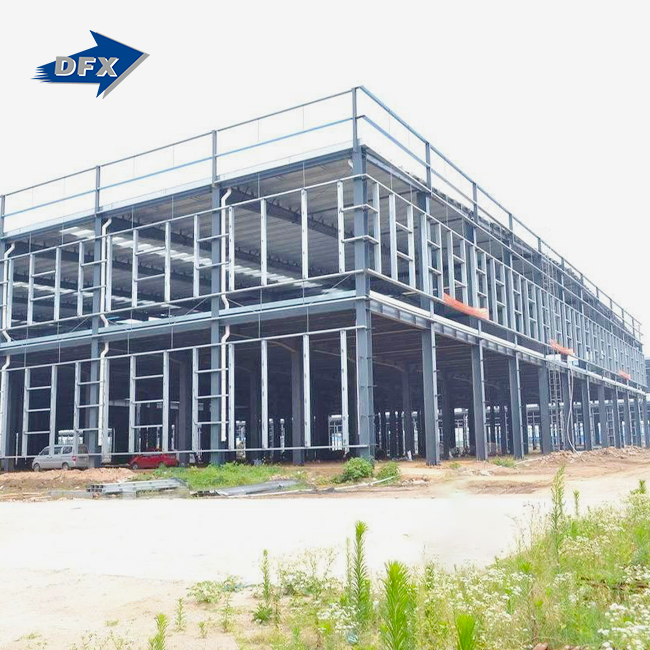
Prefab steel structures are frames, panels, connectors, and purlins that are put together in a factory and are meant to hold important power generation equipment. Some of these are control rooms, turbine halls, boiler support grids, and air-cooled condenser platforms. A steel structure building for a power plant must be able to handle very high static and dynamic loads that are put on it by turbines, generators, and high-pressure pipe systems.
What Makes Power Plant Steel Buildings Different
Structures in power plants have high cranes that can lift more than 100 tons. They also need to be able to fit heavy-duty runway beams and working platforms with more than one level. Standard steel buildings for businesses aren't made to handle these loads.
Key Materials and Structural Components
Most sellers ask for High-Strength Low-Alloy (HSLA) steel with a yield strength of at least 355 MPa, like Q355B or ASTM A572 Gr.50. The main frame is made up of welded H-section beams and box columns. High-Strength Friction Grip (HSFG) nuts used in bolted connections keep them from coming loose when machinery is constantly shaking.
International Standards That Apply
For steel structure building for power plant projects, it is important for procurement teams to make sure that AISC 360 (Structural Steel Buildings), EN 1090 (Execution of Steel Structures), and AWS D1.1 (Structural Welding Code) are all followed. These standards apply to manufacturers in the United States and other countries, and they show that quality is the same throughout the supply chain.
Comparing Steel Structures with Traditional Concrete Buildings in Power Plants
When project managers have to choose between steel and concrete, the choice usually comes down to time, cost over time, and how well the building will hold up in an earthquake. At first glance, concrete may seem less expensive, but the real cost changes when you consider how quickly it needs to be built and how much it will cost to maintain over time.
Construction Timeline Advantages
When compared to pouring concrete, off-site prefabrication of steel parts shortens the time needed on-site by 20–30%. That directly means that the plant can start up earlier and get its operational return on investment faster. That time savings is big for EPC workers who have to meet tight project dates.
Lifecycle Cost and Recyclability
Steel has a good sustainability rating because it can be recycled. When it's no longer needed, structural steel still has value and can be put back into the supply chain. When the right anti-corrosion systems are put in place at the factory, prefab steel power plant buildings also need less corrective maintenance over their lifetime.
Seismic and Environmental Resilience
Because it can be bent, steel has a clear advantage in areas prone to earthquakes. Steel framing can absorb and shift earthquake energy without breaking in a big way like brittle concrete can. This performance trait is a main selection factor for sites in areas that are prone to earthquakes or near the coast where wind speeds are high.
How to Choose the Right Prefab Steel Building Solution for Power Plant Projects?
Price alone is not enough to help you pick the right solution. It requires meeting the technical needs of your project with a supplier's manufacturing skills and quality control methods.
Assess Your Project Requirements First
Before you plan a steel structure building for power plant and call wholesalers, you should know the span width, clear height, crane capacity, environmental exposure group, and fire resistance grade of your building. The load and temperature needs of a turbine hall are very different from those of a secondary machinery room. Add your engineering team to the process of making the specs early on.
Evaluate Supplier Certifications and Capabilities
Look for manufacturers who are certified by ISO 9001, CE, and ASTM to make sure their materials meet the standards. Check to see if their welding methods are approved by WPS/PQR paperwork. For each type of steel you use in your project, ask for Mill Test Certificates (MTC) that show its chemical makeup and mechanical properties.
Prefabricated vs. Custom Fabrication
If you need an extra building, a substation, or an equipment room, standard prefabricated steel building kits are a good choice. Custom engineering is usually needed for buildings that are very complicated, like boiler support frames and turbine rooms. Cost and wait time are the trade-offs. Standard packages ship faster, but custom manufacturing can work around problems at the site. Most people who buy power end up going with a mixed method.
Trusted Suppliers and Innovative Solutions in Prefab Steel Buildings for Power Plants
Choosing the right maker can make or break your project's ability to be finished on time and on budget. Here are the things that set reputable steel building providers for power plants apart from the rest.
Certifications That Carry Weight
ISO 9001 and CE approval show that third parties check the quality of management systems and products to make sure they meet standards. When buying from international suppliers, ASTM material compliance gives buyers a standard to use when looking at different grades of structural steel. These credentials are not just marketing claims; they are legally binding quality standards.
Technology in Fabrication
Automated welded H-beam production lines and 3D structural modeling cut down on mistakes in measurements and improve the accuracy of fit-ups on the job site. When complex link nodes are trial-assembled in the factory, fit-up problems are found before they happen in the field, where they cost a lot more to fix.
Proven Project Experience
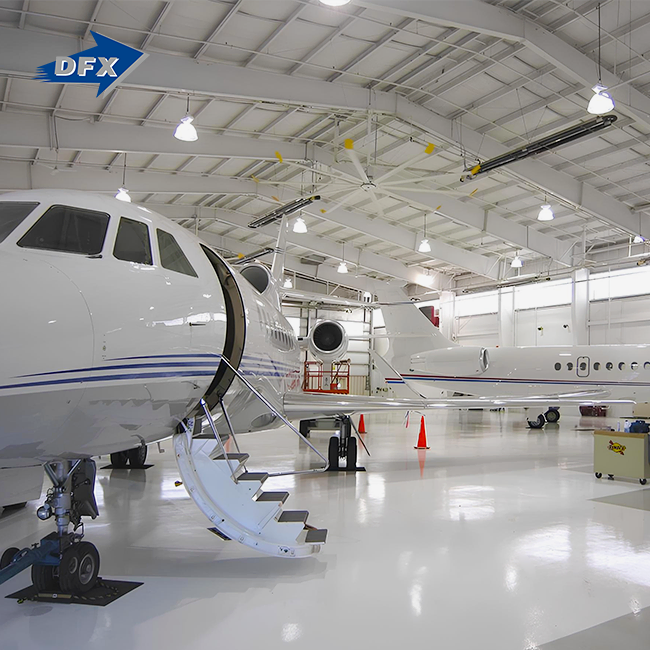
When planning a steel structure building for power plant, talk to your providers about project case studies that are like the one you have in mind. A fabricator who has worked on industrial power structures, hangars, or process plants before is less likely to make mistakes with delivery than a general steel building vendor. Checking references with past clients gives you an independent confirmation of sticking to the plan and doing a good job.
Maintenance and Sustainability of Prefab Steel Buildings in Power Plants
A steel structure building for a power plant is an asset that will last for a long time. A structure can last between 50 and 70 years with regular upkeep and an anti-corrosion device that is properly installed.
Anti-Corrosion Systems for Harsh Environments
A C5-M marine-grade paint system is the right choice for power plant areas near the coast or at sea. Sandblasting to Sa 2.5, an inorganic zinc-rich base, an epoxy MIO intermediate coat, and a polyurethane finish are usually part of this process. In coastal settings, the dry film thickness (DFT) is usually between 250 and 320 microns. The ISO 1461 method of hot-dip galvanizing can be used instead for smaller parts.
Routine Inspection Protocols
Inspections should be done on a regular basis to check for wear and tear on the coating, weld failure at high-stress joints, and bolt torque on the runway beams of the crane. It is much cheaper to catch corrosion or fatigue cracks early on than to fix structures that are already damaged.
Green Steel and Sustainability Certifications
Steel is one of the most recycled building materials in the world. Some suppliers now get their materials from mills that have certified production processes that produce less pollution. This helps with the documentation for LEED project credits. For government infrastructure projects or power companies that are regulated by the government, these sustainability credentials really matter when it comes to getting bids.
Conclusion
For a steel structure building for power plant, prefab steel buildings have proven to be the best way to build the foundations of power plants. When it comes to speed of building, success in earthquakes, and long-term costs, they are better than concrete. The most important thing is to find a fabricator whose credentials have been checked, whose welding methods have been checked, and who has worked on heavy industrial projects before. Make your technical needs clear, check the credentials of the seller carefully, and choose the right anti-corrosion system for your surroundings. These steps give your project the best base, both in terms of how it works and how it looks.
FAQ
Q1: How long do prefab steel buildings last in power plant environments?
A power plant steel frame is supposed to last between 50 and 70 years if it is made of the right materials and treated to prevent rusting. That fits with how long most big pieces of power generation tools are used. The main things that decide how long a building lasts are regular inspections of the coating and care of the bolts.
Q2: How does steel compare to concrete for power plant buildings?
Steel can be built more quickly, can withstand earthquakes better, and needs less long-term upkeep. Even though concrete is cheaper to buy at first, it takes longer to build with and doesn't work as well as steel in places with a lot of pressure and load, like turbine rooms. Steel is the best material for building structures in most EPC power plant projects.
Q3: What certifications should I require from a steel structure supplier?
At the very least, you should demand ISO 9001 for quality management, CE certification for structural compliance, and ASTM or a similar material certification for steel grades. For good welding, ask for WPS/PQR paperwork. To protect against corrosion, you must specify the correct ISO paint grade and ask for DFT test reports prior to shipment.
Q4: Can prefab steel buildings accommodate heavy overhead cranes?
Yes. Steel structures in power plants are made with heavy-duty runway beams and carefully calculated column bases so that they can hold cranes that weigh more than 100 tons. When designing the structure, it's important to think about both the crane's steady weight and its dynamic impact loads during lifts.
Get a Quote for Your Power Plant Steel Building Project — Contact Director Steel
In many different areas since 2011, Director Steel has provided industrial steel structures for projects in energy, industry, and infrastructure. With ISO 9001, CE, and ASTM certifications, the company is a verified steel structure building for power plants supplier. They offer full-service support from designing and building the structures to treating the surfaces, packaging, and helping with the installation on-site. For made-to-order items, the standard wait time is 25 to 55 days. To get a consultation and quote for your project, email the team at jason@bigdirector.com.
References
1. American Institute of Steel Construction (AISC). Steel Construction Manual, 15th Edition. AISC, 2017.
2. European Committee for Standardization. EN 1090-2: Execution of Steel Structures and Aluminium Structures. CEN, 2018.
3. American Welding Society. AWS D1.1/D1.1M: Structural Welding Code — Steel. AWS, 2020.
4. International Organization for Standardization. ISO 12944: Paints and Varnishes — Corrosion Protection of Steel Structures by Protective Paint Systems. ISO, 2018.
5. Gorenc, B., Tinyou, R., & Syam, A. Steel Designers' Handbook, 8th Edition. UNSW Press, 2012.
6. Tamboli, A. R. Handbook of Structural Steel Connection Design and Details, 3rd Edition. McGraw-Hill Education, 2016.
Learn about our latest products and discounts through SMS or email