- English
- French
- German
- Portuguese
- Spanish
- Russian
- Japanese
- Korean
- Arabic
- Greek
- German
- Turkish
- Italian
- Danish
- Romanian
- Indonesian
- Czech
- Afrikaans
- Swedish
- Polish
- Basque
- Catalan
- Esperanto
- Hindi
- Lao
- Albanian
- Amharic
- Armenian
- Azerbaijani
- Belarusian
- Bengali
- Bosnian
- Bulgarian
- Cebuano
- Chichewa
- Corsican
- Croatian
- Dutch
- Estonian
- Filipino
- Finnish
- Frisian
- Galician
- Georgian
- Gujarati
- Haitian
- Hausa
- Hawaiian
- Hebrew
- Hmong
- Hungarian
- Icelandic
- Igbo
- Javanese
- Kannada
- Kazakh
- Khmer
- Kurdish
- Kyrgyz
- Latin
- Latvian
- Lithuanian
- Luxembou..
- Macedonian
- Malagasy
- Malay
- Malayalam
- Maltese
- Maori
- Marathi
- Mongolian
- Burmese
- Nepali
- Norwegian
- Pashto
- Persian
- Punjabi
- Serbian
- Sesotho
- Sinhala
- Slovak
- Slovenian
- Somali
- Samoan
- Scots Gaelic
- Shona
- Sindhi
- Sundanese
- Swahili
- Tajik
- Tamil
- Telugu
- Thai
- Ukrainian
- Urdu
- Uzbek
- Vietnamese
- Welsh
- Xhosa
- Yiddish
- Yoruba
- Zulu
Logistics Loading Shed vs. Loading Dock: Key Differences
When evaluating infrastructure solutions for material handling operations, understanding the distinction between a Logistics Loading Shed and a traditional loading dock becomes essential. A Logistics Loading Shed is a specialized, often modular steel structure designed to create a protected interface between transport vehicles and warehouse facilities, offering weather-resistant coverage for loading and unloading activities. In contrast, a loading dock is typically a permanent, built-in platform integrated into warehouse walls, featuring levelers and seals. The fundamental difference lies in flexibility: loading sheds provide adaptable, semi-permanent solutions suitable for evolving operational needs, while docks represent fixed infrastructure investments. This distinction significantly impacts project timelines, budget considerations, and operational versatility for construction contractors, manufacturing companies, and logistics operators across the United States.

Understanding Logistics Loading Sheds and Loading Docks
What Defines a Logistics Loading Shed
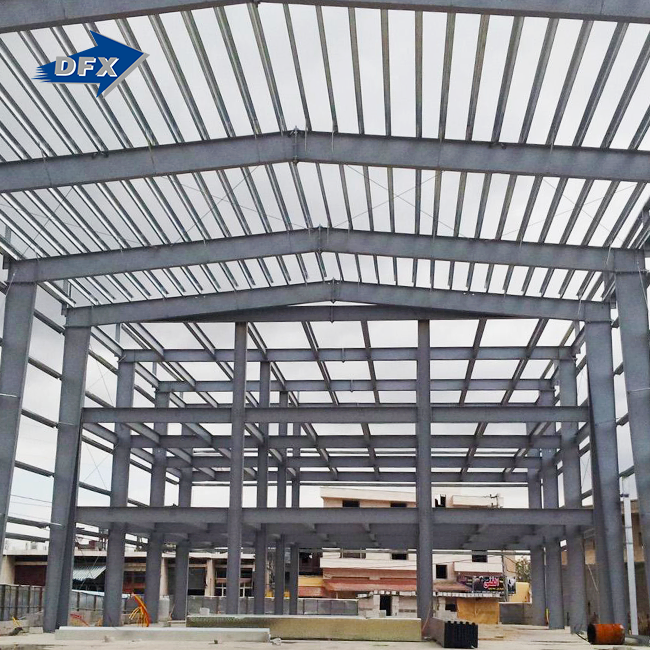
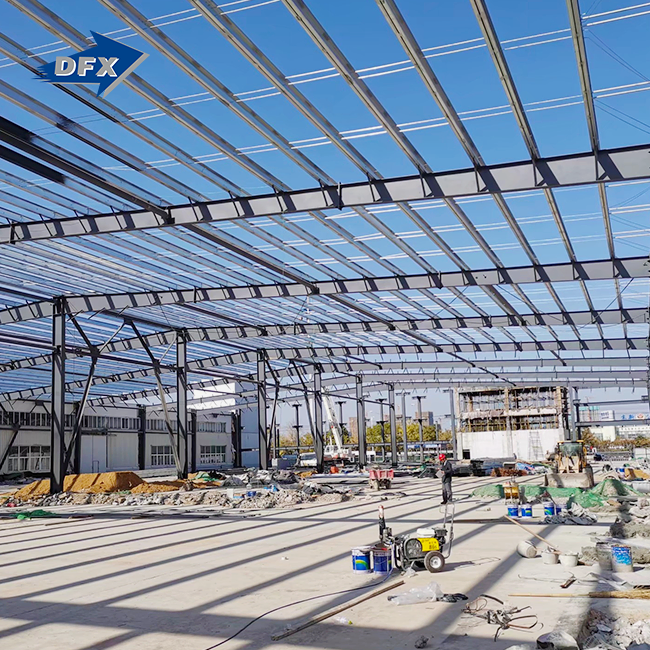
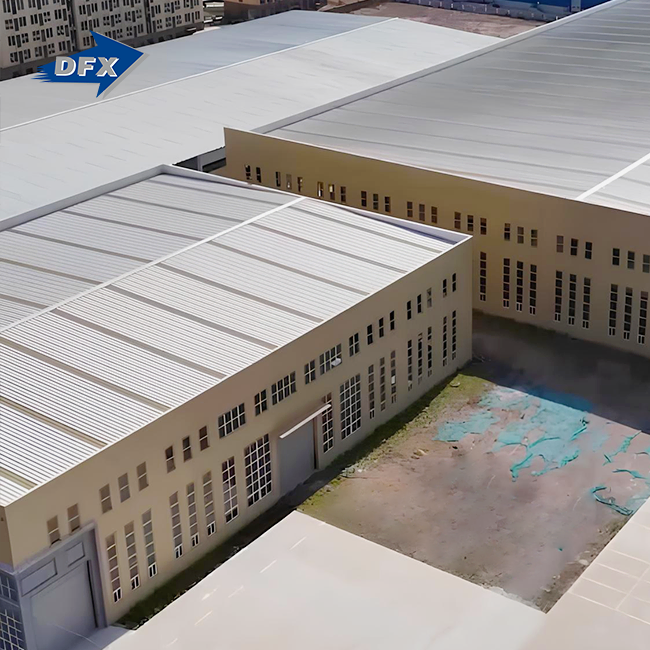
A Logistics Loading Shed is a piece of custom-built infrastructure that addresses important supply chain weaknesses. These buildings are made with H-section beams and posts that have C/Z galvanized purlins. They create protected areas that keep goods safe from damage caused by rain, snow, and changes in temperature during the important transfer window. Unlike temporary tents, these well-designed systems can handle heavy loads and meet building codes. Their flexible design lets them be set up as fully enclosed houses or open-sided canopies, based on the needs of the job.
The structure is strong because it was made with approved materials and skilled techniques. We at DFX use production methods that are ISO9001-certified to make sure that every part of these sheds meets foreign standards, such as CE, COC, and PVOC certifications. Because the galvanized steel frame doesn't rust in harsh conditions, it can be used in seaside sites or farming operations that are always exposed to water.
Traditional Loading Dock Characteristics
Usually, loading docks are used to move things from the warehouse to the truck. The foundations of these permanent structures are made with hydraulic levelers, dock seals, and built-in bumper systems. When the trucks are back in place, the design seals off the area, keeping the temperature inside the building stable. A lot of civil engineering work needs to be done for installation, like pouring concrete supports, changing the structure of walls, and integrating utilities.
Docks work well in distribution centers with a lot of traffic and regular patterns, but they can't be changed to fit different needs. Once built, moving or adding to dock infrastructure requires a lot of demolition and rebuilding, which costs a lot of money. This limitation makes it hard for businesses whose logistics needs change with the seasons or as they grow.
Functional Roles in Supply Chain Operations
Both solutions deal with the main problem, which is how to connect mobile transport with storage that stays in one place. When operations need to be flexible, like at temporary job sites, during harvest times, or during manufacturing expansions where layout changes are likely to happen in the future, loading logistics sheds are the best choice. They keep people who work on tools out of the weather and cut down on claims of product damage during control transfer.
In established delivery networks with steady traffic patterns and must-have climate-controlled spaces, traditional docks are the norm. The enclosed space that integrated dock systems provide is often needed for moving pharmaceuticals, delivering frozen foods, and working with electronics. The choice between these options has a big impact on how well operations can run and how much money investors make.
Key Differences Between Logistics Loading Sheds and Loading Docks
Structural Flexibility and Installation Requirements
The building schedule shows big differences. A premade loading Logistics Loading Shed can be put up in just a few days on asphalt or concrete that is already there, without having to do any deep support work. These buildings can be adjusted to fit uneven ground that is common at industrial sites by using weight plates or chemical ties. Because it is flexible, it is easy to move or add on in the future by just adding more bay parts.
Building a loading dock can take weeks or months, based on how complicated it is. Some of the things that civil engineers do are digging up foundations, strengthening existing walls, rerouting utilities, and putting together mechanical systems. Permanent changes usually need more approvals than semi-permanent shed installs, which are covered by building permits.
Cost Considerations Across Project Lifecycles
The initial capital costs for each option are very different. When you add up the prices of materials, labor, and getting the site ready, a good loading shed system is about 40 to 60 percent less expensive than a similar dock building. Because operations start earlier, the shorter production cycle means a faster return on investment.
But for lifetime cost analysis to work, maintenance trends have to be looked at. If you install your dock system correctly, it can last for 30 years or more with only minor repairs like replacing the seals and servicing the levelers. The steel frame of a loading shed stays strong for decades, but the fabric panels (if they're used) and fasteners need to be checked every so often. These estimates are affected by climate. Places with a lot of snow need roof designs with more support, while places near the coast need better rust protection.
Operational Adaptability and Use Cases
In addition to logistics, loading sheds are great for many other uses as well. During the off-season, agricultural companies store their tools in them. During harvest, they turn them into covered sorting areas. They are used by factories as temporary holding areas for materials while the facilities are being expanded, and then they are moved to different production lines. This adaptability is useful for businesses whose wants change over time.
Traditional docks are only used for specific transportation tasks. Their permanent nature makes them good for businesses with steady traffic flow and throughput rates. When keeping supply chains at a constant temperature or keeping sensitive materials safe from the environment for short periods of time, the sealed environment integration becomes essential.
How Logistics Loading Sheds Improve Operational Efficiency Compared to Loading Docks
Weather Protection Without Operational Constraints
Every year, bad weather disrupts the supply chains of U.S. businesses, costing an estimated $4 billion. Loading sheds make all-weather work areas that keep schedules in place even when it's raining, snowing, or very hot outside. Drivers like being in covered areas that make them safer and cut down on loading times. Forklifts and pallet jacks work better when they are kept out of the rain and snow, which can cause slips and equipment rust.
The open-sided configuration choice protects against the weather and lets you use tools or loads that are too big to fit inside fully enclosed areas. This flexible clearance is helpful for people working in agriculture who are loading hay bales or in construction who are staging steel beams. Traditional docks limit the size of the cargo to the size of the door opening. This means that the cargo has to be moved by hand, which can be dangerous and cost a lot of money.
Rapid Deployment for Project-Based Operations
When working on EPC projects, construction contractors have to meet tight mobilization deadlines. A loading shed comes as a full kit with instructions on how to put it together. This means that covering can be put up in 48 to 72 hours. This quick deployment makes sure that materials are delivered on time from the start of the project. When the job is done, the building can be taken apart and moved to the next spot, making it a mobile piece of infrastructure that moves with the projects.
Companies that make things that are expanding their production often can't afford the months of construction delays that come with installing a permanent dock. A Logistics Loading Shed option lets materials flow right away while long-term plans for the building are made separately. Using a phased approach keeps production schedules and cash flow steady while changes are being made.
Enhanced Safety and Compliance Standards
OSHA rules say that workers who are subject to fall risks, bad weather, and traffic must be protected. Accidents happen less often in loading sheds because they have guardrails, signs that make them easy to see, and marked walking areas. Forklift accidents happen less often during evening shifts when there is better lighting under covered areas. Several clients say that injuries in the loading zone have dropped by 30 to 40 percent since they started using shed covering instead of open-air activities.
The steel framework design lets safety equipment like dock lights, warning systems, and surveillance cameras be built in. When parts are galvanized, they don't have any sharp edges or rust that could be dangerous. The rules for regular inspections are still simple: visual checks of the links between structures and the stability of the roof stop problems before they happen.
Choosing Between a Logistics Loading Shed and a Loading Dock: Procurement Guide
Assessing Your Operational Requirements
Before investing in infrastructure, project managers need to think about a number of things. The amount of work that needs to be done determines whether permanent docks are worth the money. Facilities that handle 50 or more truck movements every day often get a better return on investment from integrated dock systems. Businesses that deal with changing traffic patterns, like seasonal or project-based surges, can benefit from sheds that can be adjusted to fit the needs of the business.
The environment affects the choice of materials. Even though they cost more, cold storage facilities that need to keep temperatures very stable might choose sealed dock systems. Open-sided sheds offer good safety for agricultural areas that handle weather-resistant goods like bulk grains at lower costs. No matter what option is picked, coastal facilities need to be more resistant to corrosion.
Evaluating Supplier Capabilities and Support
Purchasing managers should look at more than just price quotes when evaluating a supplier's credentials. Check to see if the manufacturers have ISO quality certifications and offer product certifications that are recognized around the world, such as CE marking and COC compliance. Ask for examples from people who have worked with similar products or services in the past. For example, agricultural buyers should talk to current farm clients, and building contractors can benefit from hearing about the supplier's experience with temporary project infrastructure.
DFX has been a specialist in building steel structures for twelve years and has over 200 trained workers and 40,000 square meters of space for production. Our integrated design-to-installation service plan gets rid of the problems that come up when you have to work with more than one provider. The in-house engineering team helps with making changes that are specific to the site and making sure that structures meet local building codes and wind load requirements. Short production cycles help keep projects on schedule, and detailed installation plans make it easier for your site teams to build.
Conducting Total Cost of Ownership Analysis
Not only the original buying price, but also the ongoing costs of running the business. Most loading sheds only need to be inspected once a year and have their screws tightened every so often. Unless temperature control is added, energy costs will stay very low. Insurance rates often go down when cargo security and safety records get better.
Hydraulic parts in dock systems need to be serviced regularly, and seals need to be replaced every three to five years. The leveler also needs to be recalibrated. Adding climate control raises the cost of utilities. But the sealed environment cuts down on claims of damaged goods and lets premium services like white-glove delivery for fragile items be offered. Find the real lifecycle value by comparing these factors to your operational model.
Best Practices & Design Ideas for Logistics Loading Sheds
Optimizing Structural Design for Multiple Applications
Modern sheds are made with movable bay systems that let them grow in stages. As output grows, operations can add parts to the building. At first, there are three bays that cover 30 to 40 linear feet of loading room. The H-section beam and column framework evenly spreads weight, allowing clear-span spaces that are up to 50 feet wide and don't have internal support posts that get in the way of forklifts.
Customizations based on climate improve performance all year long. Facilities in the north have higher roof pitches that instantly rid themselves of snow. Operations that work in hot climates include mirrored roof coatings because they cut heat gain inside by 20 to 30 degrees. When you choose insulated panels, you can make thermally efficient enclosures that can be used for temperature-sensitive storage without full climate control systems.
Material Selection for Durability and Maintenance
The corrosion resistance of galvanized steel parts is very high, and they don't need much maintenance. The zinc coating saves the base metal even if there is small damage to the surface. This makes it last longer in harsh settings. Compared to regular lumber, C/Z purlins have better strength-to-weight ratios, which means they need less base and load support.
You can choose from corrugated steel panels for a full enclosure or open designs with roll-up doors as an option for the side cladding. When hay is being stored, agricultural users often prefer open sides that let air flow naturally while keeping bales dry from direct rain. Lockable entry panels keep expensive items safe between project steps in equipment storage sheds.
Implementing Preventive Maintenance Programs
Regular checks make structures last a lot longer. Checking the connection hardware for proper torque, roof panels for secure attachment, and base anchors for settlement should all be done visually every three months. Professional inspections done once a year show that the building is still sound for insurance purposes and find small problems before they get worse.
Form partnerships with providers who can offer upkeep plans and quick help. DFX offers ongoing technical support for the structure's entire useful life, including advice on how to make changes as operating needs change. Our warranty coverage shows that we are confident in the quality of our manufacturing—structures that are properly maintained always last 20 years or more and work well in a wide range of situations.
Conclusion
It's important to think about operational priorities, budget limits, and long-term facility plans when deciding between a Logistics Loading Shed and a traditional loading dock. Loading sheds are a great investment for businesses that need infrastructure that can be changed quickly and cheaply to meet changing business needs. Their ability to be set up quickly, protect against the weather, and be used for more than one thing makes them very useful for building companies, factories, and farms. Traditional docks are still the best choice for distribution sites that handle a lot of goods and need to keep the temperature fixed. Procurement professionals can choose solutions that protect investments through proven supplier partnerships and quality-certified manufacturing processes while increasing material handling efficiency by looking at things like installation times, lifecycle costs, and operational flexibility.
FAQ
1. Can loading sheds completely replace traditional dock systems?
In a lot of situations, loading sheds are just as useful as or more useful than traditional docks. Sheds meet all of the needs of operations that value flexibility, cost-effectiveness, and quick deployment. However, standard dock integration may still be needed for facilities that need completely sealed areas for pharmaceutical compliance or the distribution of frozen goods. For growing businesses, hybrid methods are best because they combine fixed docks for main operations with extra sheds for extra space.
2. What structural specifications suit cold climate applications?
Installations in cold climates need a few changes to the way they are made. The roof pitch shouldn't be less than 4:12 so that snow doesn't build up and add to the structure's loads. To meet the snow load standards for your area (usually 40 to 75 pounds per square foot), specify wider purlin spacing and larger reinforced beam measurements. Insulated panel options do a better job of keeping the inside temperature stable. For sites at ground level, frost heave should be taken into account by using adjustable anchor systems or foundation methods that are higher.
3. How quickly can procurement teams obtain custom quotes?
Good suppliers give you preliminary quotes within 24 to 48 hours based on basic information like the size, location, and purpose of the item. It usually takes 5 to 7 business days to get detailed technical quotes that take into account site-specific needs like wind loads, snow loads, and soil conditions. As part of the quote process, structure drawings, material lists, and assembly schedules should be included to help people make smart decisions.
Partner with DFX for Your Loading Shed Solutions
DFX is ready to help you with your building needs by making Logistics Loading Shed options that are perfectly suited to your needs. Our full service includes structural design, manufacturing, shipping, and installation support, so you don't have to deal with the problems that come with coordinating with different providers. Our goods are certified by CE, ISO9001, COC, and PVOC, which means they meet the top international quality standards that picky buyers look for. As a well-known Logistics Loading Shed supplier that can make more than 20,000 tons of goods a year, we keep a lot of stock on hand and have short lead times that keep your projects on track. Email our technical team at jason@bigdirector.com to talk about your unique application needs and get a quote that includes structure details and installation schedules.
References
1. American Society of Civil Engineers. (2020). Minimum Design Loads and Associated Criteria for Buildings and Other Structures. ASCE/SEI 7-16 Standards.
2. Materials Handling Industry of America. (2019). Loading Dock Safety Guidelines and Best Practices for Industrial Facilities. MHIA Technical Publications.
3. National Institute for Occupational Safety and Health. (2021). Workplace Safety in Warehouse and Distribution Operations: Hazard Assessment and Prevention Strategies. NIOSH Publication Series.
4. Steel Construction Institute. (2018). Design Guide for Pre-Engineered Metal Building Systems: Structural Performance and Application Standards. SCI Technical Report P385.
5. International Code Council. (2021). International Building Code Requirements for Temporary and Semi-Permanent Structures. ICC Building Code Standards.
6. Logistics Management Association. (2022). Supply Chain Infrastructure Investment Analysis: Cost-Benefit Evaluation Methods for Material Handling Facilities. LMA Research Publications.
Learn about our latest products and discounts through SMS or email