- English
- French
- German
- Portuguese
- Spanish
- Russian
- Japanese
- Korean
- Arabic
- Greek
- German
- Turkish
- Italian
- Danish
- Romanian
- Indonesian
- Czech
- Afrikaans
- Swedish
- Polish
- Basque
- Catalan
- Esperanto
- Hindi
- Lao
- Albanian
- Amharic
- Armenian
- Azerbaijani
- Belarusian
- Bengali
- Bosnian
- Bulgarian
- Cebuano
- Chichewa
- Corsican
- Croatian
- Dutch
- Estonian
- Filipino
- Finnish
- Frisian
- Galician
- Georgian
- Gujarati
- Haitian
- Hausa
- Hawaiian
- Hebrew
- Hmong
- Hungarian
- Icelandic
- Igbo
- Javanese
- Kannada
- Kazakh
- Khmer
- Kurdish
- Kyrgyz
- Latin
- Latvian
- Lithuanian
- Luxembou..
- Macedonian
- Malagasy
- Malay
- Malayalam
- Maltese
- Maori
- Marathi
- Mongolian
- Burmese
- Nepali
- Norwegian
- Pashto
- Persian
- Punjabi
- Serbian
- Sesotho
- Sinhala
- Slovak
- Slovenian
- Somali
- Samoan
- Scots Gaelic
- Shona
- Sindhi
- Sundanese
- Swahili
- Tajik
- Tamil
- Telugu
- Thai
- Ukrainian
- Urdu
- Uzbek
- Vietnamese
- Welsh
- Xhosa
- Yiddish
- Yoruba
- Zulu
How to Design a Safer Logistics Loading Shed
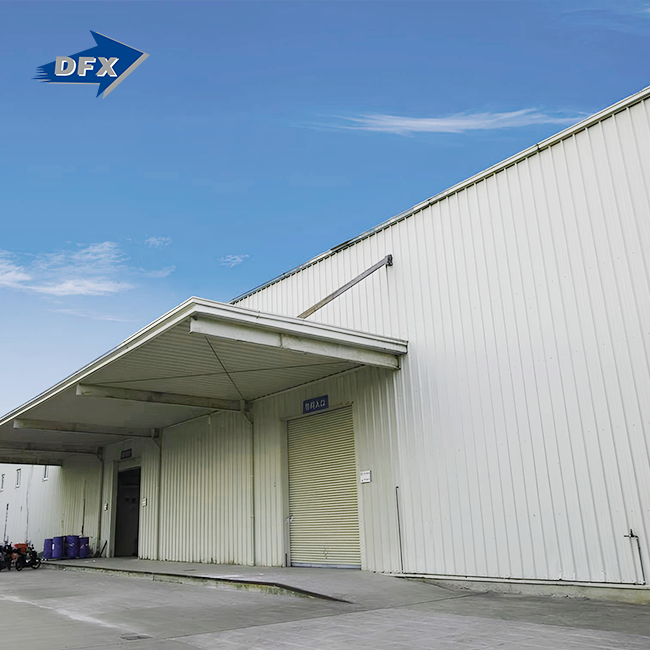
Designing a safer loading environment starts with understanding the critical role these structures play in protecting cargo, personnel, and operational continuity. A Logistics Loading Shed acts as a protective interface between transport vehicles and warehouse facilities, shielding the transfer process from weather exposure, thermal fluctuations, and environmental contaminants. When designed correctly using durable steel components, adequate clearance dimensions, and proper ventilation systems, these structures reduce accident rates, prevent cargo damage claims, and ensure uninterrupted operations. The following guide walks through the essential safety considerations, design features, construction steps, and supplier selection criteria that project managers, procurement officers, and operations engineers need to implement robust loading shed solutions.

Understanding the Safety Challenges in Logistics Loading Sheds
There are different risks in each loading dock setting that need careful engineering solutions. Being aware of these problems is the first step toward better design practices.
Common Structural and Operational Risks
Heavy equipment traffic, changing weather, and frequent loading cycles are all things that happen in loading zones all the time. Failures in structures are often caused by incorrect load estimates, weak links between beams and columns, or rust in galvanized parts. Forklift and pallet jack operators have trouble seeing in the early morning or late evening shifts when natural lighting isn't good enough. Slippery areas from rain or snow make it more likely that someone will fall, and crowded walkways make it more likely that people and machines will collide.
Root Causes of Safety Incidents
Design mistakes often happen during the planning stage, when teams don't think about how much wind or snow will fall at the project site. If you choose the wrong materials, like thin-gauge steel or purlins that aren't certified, the structure won't last as long. If you don't do your maintenance, small problems like broken bolts or small rust spots can get worse and cause major breakdowns. When design engineers and operations staff don't talk to each other well, plans are made that don't take into account how work actually gets done, which leads to bottlenecks and dangerous areas for moving.
Core Safety Principles for Loading Environments
Strong structures start with H-section beams and columns that are properly designed and meet local building rules and wind resistance standards. Ergonomic workflow design makes sure that there are clear lines of sight, enough room for equipment to turn, and clear traffic patterns that separate areas for people and cars. Flame-retardant materials and easily accessible fire extinguisher stations are two ways to avoid fires. Regular inspections catch damage early, and thorough training programs for operators encourage safe practices and make sure they are ready for emergencies.
Core Components and Design Features That Ensure Safety
Choosing the right materials and design parameters for a loading shed has a direct effect on how well it protects people and property over many years of use.
Material Selection for Durability and Fire Resistance
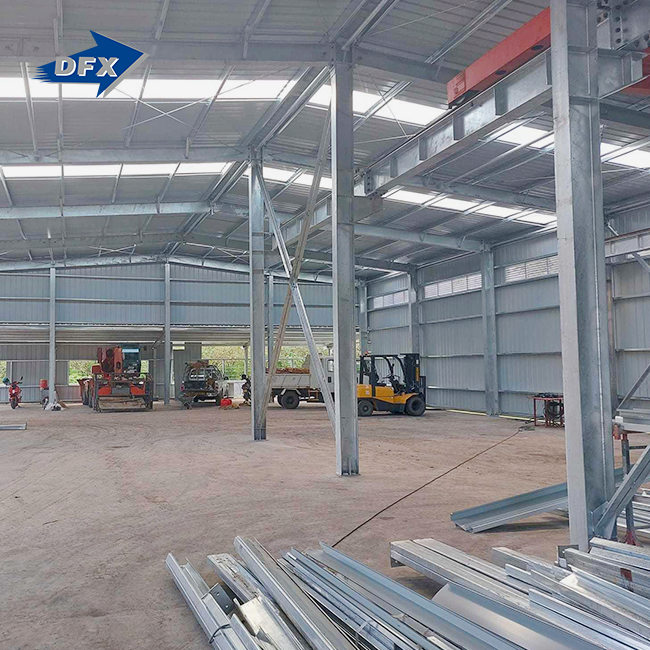
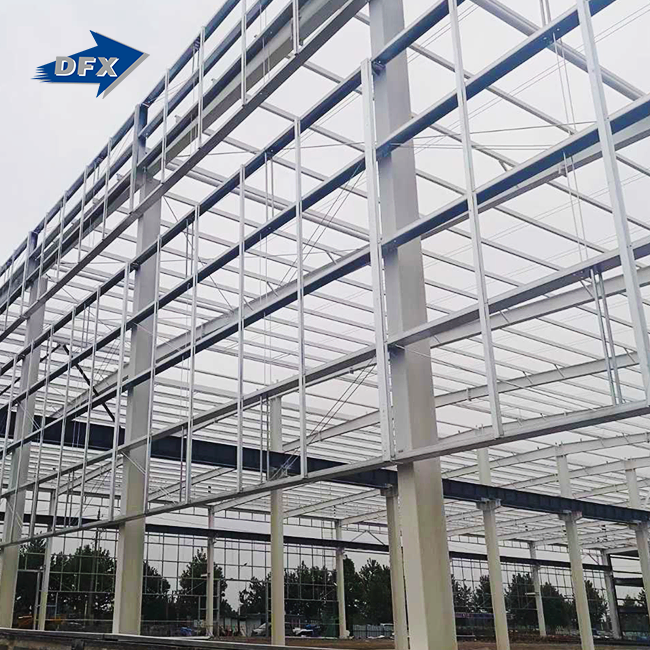
Steel is still the best material for Logistics Loading Shed frames because it has a high strength-to-weight ratio and doesn't easily break when hit. Heavy-duty H-section beams made of high-quality steel support the main weight and spread it out evenly across the base points. C and Z galvanized purlins are used as secondary frame members to hold the roof and wall panels and keep them from rusting when they come in contact with water. Galvanization adds a protective zinc coating that makes things last longer in wet or coastal areas. Alternatives made of aluminum are lighter and can be installed on surfaces that are sensitive to weight, but steel is more rigid and is better for high-traffic industrial settings. Fire-resistant paints and coatings meet approval requirements like ISO 9001 and CE standards that make sure they meet international safety standards. They add another layer of protection.
Critical Design Parameters for Safe Operations
The size of a loading shed needs to be big enough to fit the biggest vehicles and tools that are used every day. When figuring out the clearance height, you should include the height of the trailer plus a safety cushion, which is usually between 4.5 and 6 meters based on the fleet's needs. At peak times, entry and exit points need to be wide enough to allow two-way traffic at the same time, which lowers the risk of crowding and accidents. The forklift's maneuverability is based on the distance between columns in the bay. Clear-span designs get rid of interior obstacles so operators can move freely. A properly pitched roof keeps water and snow from pooling and moves rain and snow away from areas that need it most. Different types of foundations can be used depending on the land. For temporary placements, concrete pads, asphalt anchoring systems, or ballasted bases can be used.
Ventilation, Lighting, and Safety Automation
Enough airflow keeps temperatures from building up in the summer and moves pollution fumes from cars that are just sitting there. Using fewer mechanical systems and spending less on energy by placing louvers and roof vents in the right places lets natural air flow through. Adding extra fans keeps the air moving when the weather is calm. Lighting systems need to provide even lighting in all work areas, and LED lights work well for a long time while using little energy. Motion sensors turn on lights instantly when people enter a room, so there are no dark spots where mistakes can happen. Safety automation is used in modern facilities. For example, proximity sensors let forklift drivers know when there are people close, security cameras watch out for blind spots, and automated dock levelers change the height of trailer beds without any help from a person.
How to Build a Safer Logistics Loading Shed: Step-By-Step Approach
Using a thorough building process makes sure that the finished structure meets safety standards and stays within the time and budget limits.
Planning and Stakeholder Collaboration
To start a project off on the right foot, operations managers, safety officers, and design engineers need to have detailed conversations to set clear functional requirements. Teams write down problems that need to be fixed with the new structure, like delays caused by bad weather, damage claims, or reports of close calls. Site studies record the current state of the infrastructure, the locations of utilities, and natural factors such as the direction of the wind or areas that are likely to flood. Whether an entirely enclosed design or an open-sided configuration is best for operational needs is based on what stakeholders have to say. As the budget is being discussed, the upfront investment is weighed against the long-term costs of maintenance and gains in productivity.
Site Assessment and Engineering Design
Professional site surveys look at how much weight the dirt can hold, how it drains, and how close it is to property lines or utility easements. According to geotechnical reports, foundation recommendations are based on whether shallow footings, deep piles, or other anchoring methods work best in the area. Based on the building rules that apply, engineering teams do structural estimates that take into account environmental loads like wind pressure and snow accumulation, as well as dead loads from the framework and roof system. Modular design methods allow for future growth, so buildings can add bays or lengthen their lengths as their operational volumes rise. Before building licenses are issued, certified drawings are looked over by the local building officials.
Construction Quality Assurance and Coordination
Manufacturing happens in controlled factories with automatic production lines that make sure the dimensions are correct and the quality of the welds stays the same. H-beam production lines at places like the ones DFX runs keep standards very tight and can make up to 20,000 tons of product a year with full paperwork for tracking. Parts are brought to the job site already cut, drilled, and painted, so they can be put together quickly. Installation crews work with warehouse operations that are already going on to keep disruptions to a minimum. They usually do their work on weekends or during off-peak hours. Quality checks make sure that the bolt torque specs are followed, that structural parts are lined up correctly, and that cladding panels are securely attached. Inspection methods keep track of each step, making records that are needed for insurance purposes and for future audits.
Post-Construction Safety Audits and Training
After they are finished, structures are carefully checked to make sure they meet safety standards and regulations. Inspectors check things like opening sizes, lighting levels, escape paths, and where fire safety equipment is placed. Operations teams get a lot of training on how to use equipment correctly in the new setting, including how to deal with emergencies and what the limits of the equipment's load capacity are. Putting up signs shows speed limits, places where pedestrians can cross, and dangerous areas. Formal handover paperwork, such as maintenance instructions, guarantee information, and "as-built" drawings that show any changes that were made in the field during installation, passes responsibility from the building teams to the facility management.
Maintenance and Safety Management for Long-Term Performance
Proactive repair plans protect the large capital investment, keep safety standards high, and extend the useful life of structures.
Routine Inspection Protocols
Inspections are scheduled every three months, and experienced structural engineers do full reviews every year for the Logistics Loading Shed. Checklists for inspections include making sure the foundation is stable and looking for cracks or settlement that could mean the soil is shifting. Visual checks are done on structural members to see if they are corroding, especially at connection points where water can build up. Checking the tightness of the bolts stops them from coming loose from vibrations caused by heavy equipment. Roof systems are checked for harm to the membrane, loose fasteners, or buildup of debris in the drainage ducts. Lighting functioning checks make sure that there is uniform lighting, and broken lamps are replaced before they make it harder to see. Evaluations of ventilation systems make sure that wind paths are clear and fans are working properly.
Strategic Repair and Downtime Management
The repairs that maintenance teams do are ranked by how important they are for safety and how they affect operations. Touch-up finishes are used right away to fix small problems like surface rust before the rusting spreads. Damaged panels or bent purlins need to be replaced right away to keep the structure strong. Repair timing works with building operations to get to work areas when they aren't being used much. Keeping spare parts on hand makes it easy to get replacements for popular items, which cuts down on downtime when things break. Following the manufacturer's instructions for preventive maintenance jobs like recalibrating automatic systems and lubricating moving parts, is important. Documentation systems keep track of all maintenance tasks and create historical records that help with planning replacements over the course of a product's life.
Continuous Safety Culture Development
Safety training that is updated on a regular basis keeps employees up to date on new best practices and reinforces the right way to behave. Workers don't have to worry about getting in trouble for writing down close calls when they use incident reporting systems. This turns close calls into chances to learn. Safety committees made up of operations staff, repair technicians, and management officials get together once a month to look over reports and take corrective actions. Emergency reaction drills act out situations like fires, bad weather, or broken equipment, trying to figure out how to get people out of the building and how to talk to them. Teams and people who show outstanding safety leadership are recognized through programs that encourage a culture of safety-free settings.
Choosing the Right Logistics Loading Shed Supplier: Factors to Consider
The choice of supplier has a big effect on how the project turns out, including quality, meeting deadlines, and long-term performance.
Verification of Manufacturer Credentials
Manufacturers with a good reputation keep certificates that show they follow quality control systems and safety standards for their products. ISO 9001 certification proves that production processes are uniform and that methods for ongoing growth are working. When a product has the CE mark, it means that it meets European health, safety, and environmental protection standards. This is important for foreign tasks. In some markets, extra certifications like COC (Certificate of Conformity) and PVOC (Pre-Export Verification of Conformity) make it easier to get goods through customs. To avoid getting fake documents, you can ask for copies of current certificates and make sure they are real by checking with the organizations that issued them. Factory audits by third-party inspection services give manufacturers and quality control staff independent proof of their skills.
Product Range and Customization Capabilities
Leading sellers have a wide range of products that can be used for a wide range of tasks, from storing hay on farms to moving big industrial goods. For popular setups, standard designs offer low-cost options with quick lead times. Custom engineering services take into account things like issues with the spot, the need for specific tools, or personal tastes in terms of how things look. Fabrication skills determine how complicated the designs a manufacturer can make. Facilities with multiple H-beam lines, rolling equipment for purlins, and panel production systems offer unified solutions from a single source. DFX has 40,000 square meters of production space, six automatic welded H-beam lines, two C/Z section steel lines, and the ability to make all kinds of panels, which lets them take care of the whole project. Design support services help customers with everything from coming up with ideas to planning how to put things by giving them technical drawings and engineering calculations.
Comprehensive Service Packages and Support
Full-service suppliers make it easier to complete projects by combining design, fabrication, logistics coordination, and installation guidance into one package. As standard, we offer structural estimates, manufacturing based on approved plans, application of protective coatings, careful packing for shipping, and clear installation directions. Some companies send field workers to oversee the installation process, making sure that the right steps are taken and that any unexpected problems at the site are dealt with. After-sales support includes things like warranties, spare parts, and technical advice for when changes or additions need to be made in the future. Short production cycles keep project delays to a minimum. Manufacturers keep an inventory of standard parts on hand, and flexible scheduling lets them meet urgent procurement needs. Suppliers with a global reach can help with international projects because they know how to handle cross-border logistics, customs paperwork, and regional codes.
Conclusion
To make Logistics Loading Shed areas safer, building engineers, people who work in the area, and people who plan repairs must all pay close attention. When you combine high-quality materials like galvanized H-section beams and C/Z purlins with thoughtful design elements like the right clearance heights and better ventilation, you get buildings that keep people and goods safe while still running efficiently. Collaboration in planning, strict quality control during construction, and a long-term commitment to maintenance are all necessary for implementation to go well. By choosing providers with a lot of knowledge, proven manufacturing skills, and a wide range of services, projects can be sure to meet safety goals, budget limits, and deadlines. These investments pay off in the long run by lowering the number of accidents, keeping insurance rates low, and keeping processes running smoothly.
FAQ
1. Can loading sheds accommodate irregular site layouts or existing infrastructure?
Custom design options let loading sheds fit into difficult site conditions like uneven edges, sloped ground, or blending in with existing building walls. Modular building methods allow for shapes other than rectangles, different bay spacing, and smart placement of support beams to avoid burying utilities or to protect landscape features. Based on the earth conditions and building codes in the area, engineers come up with custom foundation solutions that can be anything from concrete piers to ballasted systems.
2. How do steel structures perform in extreme weather regions?
When built with the right load factors and protective treatments, steel frames that are properly engineered do well in harsh climates. For areas that get a lot of snow, roof pitch angles need to be raised, and structural members need to be strengthened. Hot-dip galvanization is better at resisting corrosion than regular paint systems, so it works well in coastal or high-humidity areas. Places that get a lot of wind have better anchoring systems and more aerodynamic roof shapes, which lower the lifting forces during storms.
3. What timeline should buyers expect from order to installation completion?
Standard setups usually take between 4 and 6 weeks to make, and then another 2 to 4 weeks to ship internationally. For engineering development and review processes, custom designs take an extra two to three weeks. The time needed for on-site installation varies on the structure's size and complexity. For simple shelters with open sides, it can take a few days, but for big enclosed facilities with integrated systems, it can take two to three weeks. Actual completion dates are affected by how well they work with other operations and the weather.
Partner with DFX for Your Next Loading Shed Project
With more than 12 years of experience, DFX is a reliable Logistics Loading Shed manufacturer that works with construction companies, factories, and infrastructure developers all over the world. We make structural parts in a 40,000-square-meter factory that meets strict ISO 9001 and CE certification standards. This makes sure that every project meets international safety standards. We offer full turnkey solutions that include engineering design, precise fabrication using automated H-beam and purlin production lines, application of protective coatings, careful export packing, and full support during installation. Our technical team works closely with your operations staff to create structures that meet all of your exact size needs and workflow patterns, whether you need open-sided equipment shelters or fully covered climate-controlled facilities. Short production cycles and variable scheduling allow for tight deadlines for projects without lowering the quality. Get in touch with our purchasing experts right away at jason@bigdirector.com to talk about how DFX can provide your business with the safe, long-lasting loading infrastructure it needs.
References
1. American Institute of Steel Construction. (2022). Steel Construction Manual: Design Standards for Industrial Buildings.
2. National Fire Protection Association. (2023). NFPA 80: Standard for Fire Doors and Other Opening Protectives in Industrial Structures.
3. Occupational Safety and Health Administration. (2021). Guidelines for Warehouse Loading Dock Safety and Material Handling Operations.
4. International Code Council. (2023). International Building Code: Structural Design Requirements for Commercial Steel Structures.
5. Steel Construction Institute. (2022). Best Practices for Design and Fabrication of Portal Frame Buildings.
6. American Society of Civil Engineers. (2021). Minimum Design Loads and Associated Criteria for Buildings: Wind and Snow Load Calculations.
Learn about our latest products and discounts through SMS or email