- English
- French
- German
- Portuguese
- Spanish
- Russian
- Japanese
- Korean
- Arabic
- Greek
- German
- Turkish
- Italian
- Danish
- Romanian
- Indonesian
- Czech
- Afrikaans
- Swedish
- Polish
- Basque
- Catalan
- Esperanto
- Hindi
- Lao
- Albanian
- Amharic
- Armenian
- Azerbaijani
- Belarusian
- Bengali
- Bosnian
- Bulgarian
- Cebuano
- Chichewa
- Corsican
- Croatian
- Dutch
- Estonian
- Filipino
- Finnish
- Frisian
- Galician
- Georgian
- Gujarati
- Haitian
- Hausa
- Hawaiian
- Hebrew
- Hmong
- Hungarian
- Icelandic
- Igbo
- Javanese
- Kannada
- Kazakh
- Khmer
- Kurdish
- Kyrgyz
- Latin
- Latvian
- Lithuanian
- Luxembou..
- Macedonian
- Malagasy
- Malay
- Malayalam
- Maltese
- Maori
- Marathi
- Mongolian
- Burmese
- Nepali
- Norwegian
- Pashto
- Persian
- Punjabi
- Serbian
- Sesotho
- Sinhala
- Slovak
- Slovenian
- Somali
- Samoan
- Scots Gaelic
- Shona
- Sindhi
- Sundanese
- Swahili
- Tajik
- Tamil
- Telugu
- Thai
- Ukrainian
- Urdu
- Uzbek
- Vietnamese
- Welsh
- Xhosa
- Yiddish
- Yoruba
- Zulu
Best Agricultural Tool Steel Shed Layouts for Farm Efficiency
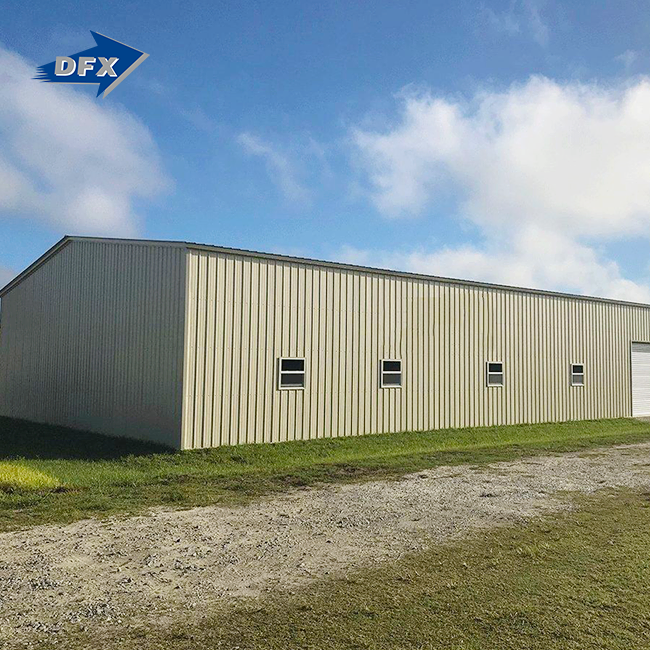
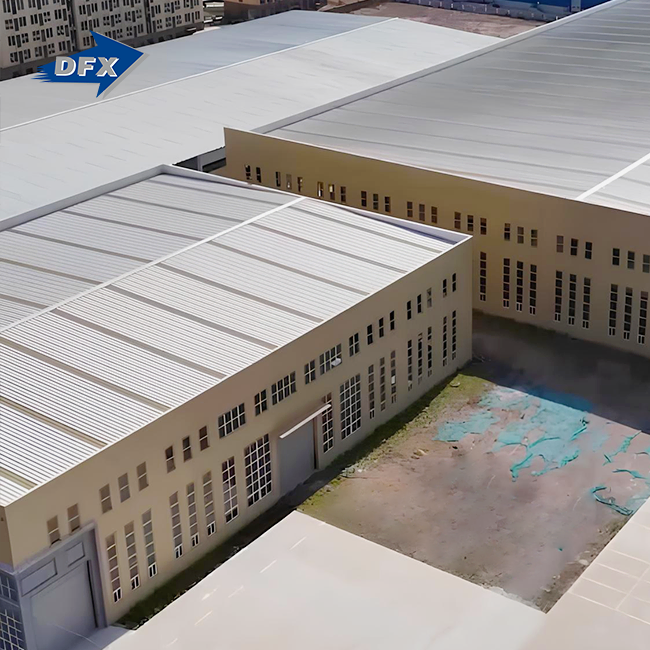
Making smart choices about your farm's equipment is the first step to making it more productive. Modern farms should definitely buy an agricultural tool steel shed because it is one of the best purchases because it is durable, flexible, and affordable all in one. These special steel buildings keep expensive equipment safe and make daily tasks easier by using smart plan design. When set up correctly, these sheds make working areas safer, reduce the wear and tear on equipment, and cut down on the time it takes to retrieve things. This directly leads to higher production efficiency and less downtime across your farming business.

Understanding Agricultural Tool Steel Sheds and Their Benefits
Steel is now the most popular material for farm storage because it works better than traditional wooden buildings in almost every way that can be measured. The real reasons behind this industry shift can be seen by looking at why procurement managers across the US are specifying steel buildings for farm tool storage more and more.
Why Does Steel Outperform Traditional Materials?
The hard conditions of farm settings mean that storage buildings are exposed to big changes in temperature, water, chemicals from pesticides and fertilizers, and physical damage from moving equipment. Structures made of high-grade carbon steel (Q345B or ASTM A572 Grade 50) with strain strengths above 345 MPa are more durable than wooden ones that are the same weight. Using Z275 covering at 275g/m² during the hot-dip galvanization process makes a shield that stops rust and keeps the structure from breaking down for 20 to 50 years. This durability is especially helpful when keeping expensive tractors, harvesters, and precise farming equipment that needs a stable, dry space.
Structural Advantages for Farm Operations
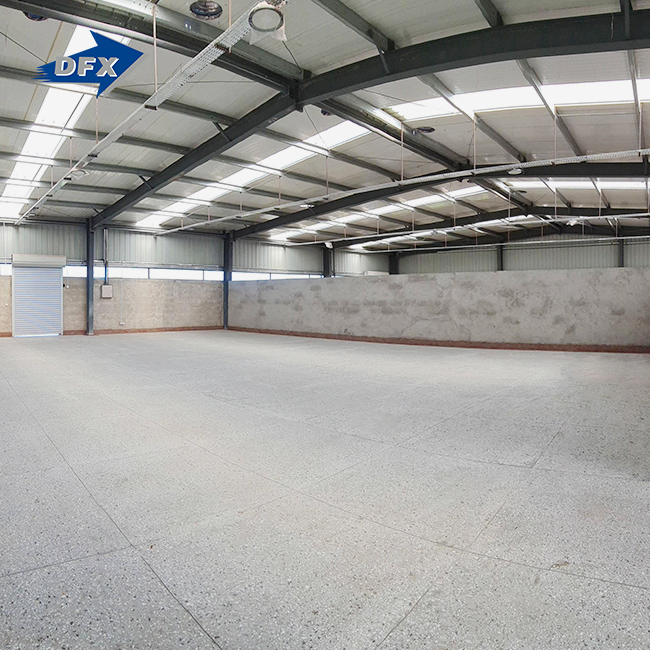
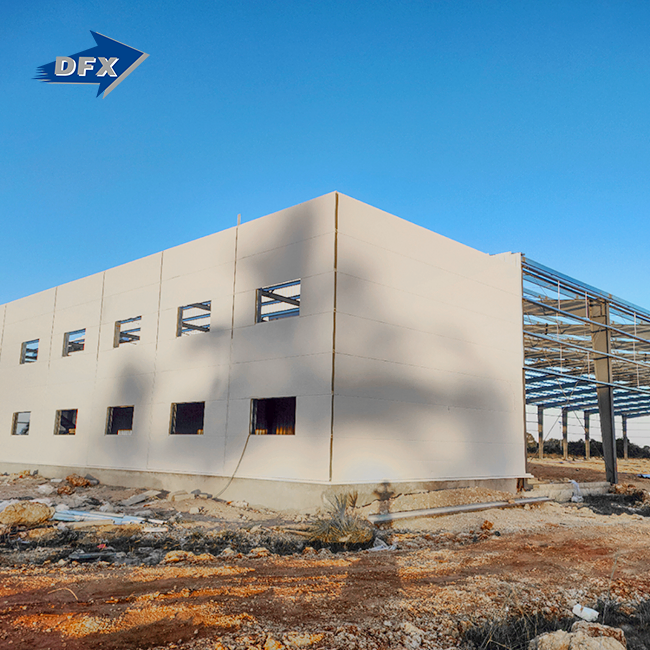
Clear-span designs are one of the best things about steel building from a practical point of view. By getting rid of internal support beams, these buildings make it possible for big pieces of equipment to move around without any problems. Spans between 60 and 100 feet make it possible to store, access, and repair combines, planters, and watering systems without having to deal with the hassle of getting around structural hurdles. Because these systems are pre-engineered, their parts come pre-punched and pre-drilled. This cuts down on-site assembly time by 30–50% compared to traditional building methods, which is very important during planting or harvest seasons when every hour counts.
Fire Resistance and Insurance Considerations
Steel's Class A fire grade has real cash benefits in addition to making things safer. Insurance companies know that non-combustible building cuts down on risk by a lot, especially in places where drilling, cutting, and storing fuel happen all the time. Many farms say that their insurance rates dropped by 15 to 30 percent when they switched from wooden to steel storage buildings. When your shed is also a repair shop with welding gear, grinding wheels, and flammable oils, fire resistance is more than just a legal requirement; it's also a sensible way to protect your most valuable possessions.
Designing the Optimal Agricultural Tool Steel Shed Layout for Your Farm
Functional storage is different from truly improved operating infrastructure when it comes to layout efficiency. A simple shed can be turned into a productivity booster with smart space planning that cuts down on work hours and increases the life of equipment.
Zone-Based Storage Planning
Workflow analysis is the first step in making a good shed plan. Hand tools, irrigation parts, and small items that you use every day should be kept in easy-to-reach areas close to the main entry points. Harvesting tools and other seasonal items can be stored in lower places that can only be reached during certain times of the year. Repairs can be done quickly and easily without having to move equipment outside by setting up maintenance areas with enough lights, electrical outlets, and air flow. Based on the ideas of lean production, this scheduling system cuts down on useless movement and the time workers spend looking for tools or moving equipment.
Ventilation and Climate Control Integration
Managing moisture has a direct effect on how long tools last and how reliable equipment is in an agricultural tool steel shed. Warm, wet air meets cold steel surfaces and condenses, making the perfect conditions for rust to form on kept tools. Ridge vents and air openings at the eaves work together to create passive airflow that keeps condensation from forming without using any energy. When working in wet places or keeping sensitive electronics, insulated panels with polyurethane or rockwool cores serve as thermal breaks that keep the temperature inside stable. The 26-gauge or 24-gauge corrugated steel siding that is usually used in agriculture is much stronger than the 29-gauge choices that are used in homes. It can withstand weather damage and wind lifting and supports insulation systems well.
Modular Design for Future Expansion
Agricultural activities change over time. Over time, businesses change, their equipment needs change, and their stocks grow. Building with a portal frame lets you remove end walls and add bays without affecting the structure's strength. Because it's flexible, your original investment can be changed without becoming useless. Considering future growth possibilities when analyzing plans during the design phase—placing utilities and entry points to allow for more length or width—avoids having to make expensive changes later.
Engineering Precision Through Digital Tools
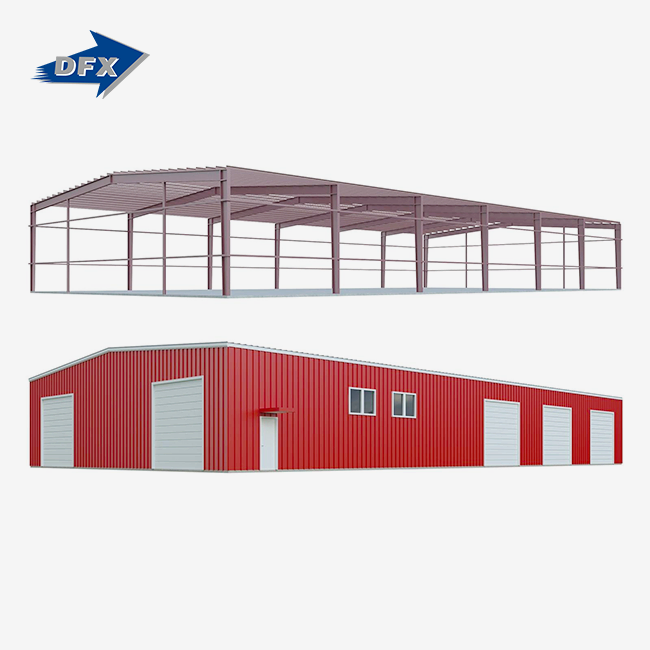
Computer-Aided Design (CAD) and 3D modeling tools make it possible to see what the finished steel shed will look like before it is built. Before steel fabrication starts, these tools let procurement managers and farm workers virtually walk through suggested plans to find possible problems with workflow or storage. Manufacturers like Director Steel Structure offer architectural design services in-house. They take business needs and turn them into designed plans that meet local building rules and wind/snow load requirements that are specific to your area.
Comparing Agricultural Tool Steel Shed Designs and Materials
To make smart purchasing choices, you need to compare options objectively across a number of performance aspects. Knowing how steel stacks up against other materials and shapes can help people understand why an investment is a good idea.
Material Performance Comparison
Wooden sheds are still popular, but they are hard to keep up and can be easily infested with pests. Termites, carpenter ants, and mice damage buildings and pose biosecurity risks near where food and seeds are stored. Plastic and polymer sheds are cheap to buy, but they aren't strong enough to hold big tools or support systems for pulling things overhead. When compared to steel, aluminum buildings are more resistant to rust, but they cost a lot more to build and can't hold as much weight. When the total cost of ownership is estimated over 20 to 30 years of service, steel always gives better value, even though it costs a little more up front.
Climate-Specific Considerations
Material specifications should be based on the local surroundings. Galvalume coats (aluminum-zinc alloy) are useful for operations near the coast where the air is salty. They offer better rust protection than normal galvanization. Areas with a lot of snow need designed roof pitches and structural support that can handle higher loads. These requirements are easily met by pre-built steel systems. Extreme temperatures and a lot of UV light in deserts make steel more stable than materials that bend, crack, or break down when exposed to UV light for a long time.
Insulated Versus Non-Insulated Configurations
The choice of protection depends on how sensitive the stored equipment is and how well the Agricultural Tool Steel Shed workshop works. Basic storage for tools that aren't electronic may work fine without protection, depending only on natural airflow. Insulated sandwich panels work better for businesses that store precision farming equipment with computer parts or use sheds as climate-controlled workshops. The extra cost of insulation (usually 20–35% more than bare steel) pays for itself by preventing rust caused by condensation, making repair work more comfortable, and keeping sensitive equipment safe from temperature changes.
Procurement Strategies for Agricultural Tool Steel Sheds
Navigating the supply market effectively requires understanding available sourcing models, certification requirements, and value-added services that differentiate manufacturers.
Sourcing Models and Customization Options
Standardized, off-the-shelf shed designs offer quick delivery and lower costs for operations with straightforward storage needs. Custom-engineered solutions accommodate unique site conditions, specialized equipment dimensions, or integrated workshop requirements but involve longer lead times and higher engineering costs. Hybrid approaches—selecting standard frame systems with customized door configurations, window placement, or accessory additions—often provide optimal balance between cost, timing, and functionality. When engaging manufacturers, clearly communicating your operational workflow, equipment inventory dimensions, and future growth projections enables designers to recommend appropriate solutions rather than forcing your operations into ill-fitting standard models.
Certification and Quality Verification
Reputable manufacturers maintain ISO 9001 quality management certification and provide CE marking for structural steel components, demonstrating compliance with international safety and performance standards. For operations involved in government programs or institutional contracts, certifications like COC (Certificate of Conformity) and PVOC (Pre-Export Verification of Conformity) may be required. During supplier evaluation, requesting documentation of coating thickness verification, weld inspection protocols (including non-destructive testing methods), and bolt tension testing procedures helps assess manufacturing quality beyond marketing claims. Salt spray testing results (ASTM B117) provide objective evidence of corrosion resistance performance—particularly valuable for operations in challenging environmental conditions.
Value-Added Services and Total Project Support
Manufacturers offering comprehensive project support—from engineering design through fabrication, delivery coordination, and erection guidance—streamline procurement and reduce coordination burdens. Director Steel Structure exemplifies this integrated approach, providing architectural design services, factory-trial assembly to verify dimensional accuracy, and on-site installation support. These services prove particularly valuable for construction contractors and EPC firms managing multiple simultaneous projects, as single-source accountability reduces interface risks and schedule uncertainties. Warranty coverage extending 10-25 years on structural components and 5-15 years on cladding systems protects long-term investment value.
Maintenance and Longevity: Sustaining Your Agricultural Tool Steel Shed
Even highly durable steel structures require periodic attention to achieve their full service life potential. Establishing maintenance protocols prevents minor issues from escalating into costly repairs.
Routine Inspection and Cleaning Protocols
Quarterly visual inspections focusing on fastener tightness, panel alignment, and coating condition identify developing problems early. Agricultural environments generate dust, crop residue, and chemical overspray that accumulate on surfaces. Annual washing with mild detergent and water removes these deposits before they compromise protective coatings. Particular attention should focus on areas where dissimilar metals contact (like aluminum trim against steel panels), as galvanic corrosion can develop at these interfaces without proper isolation.
Addressing Coating Damage Promptly
Despite robust initial protection, impacts from equipment, falling tools, or severe weather can compromise galvanized coatings on an agricultural tool steel shed, exposing base steel to moisture. Touch-up paint containing zinc-rich primers should be applied to damaged areas within weeks of occurrence to prevent rust initiation. Minor surface rust can be addressed with wire brushing and zinc-rich coating application, while deeper corrosion may require professional repair involving metal patching and recoating.
Ventilation System Maintenance
Passive ventilation systems require periodic clearing of debris from ridge vents and eave openings. Bird nesting in ventilation spaces obstructs airflow, negating condensation control benefits. Installing protective screening prevents pest intrusion while maintaining air circulation. Mechanical ventilation systems (fans and louvers) need motor lubrication and belt inspection according to manufacturer specifications.
Conclusion
Strategic infrastructure decisions separate highly efficient agricultural operations from those struggling with operational friction and equipment degradation. Properly designed steel sheds optimize space utilization, protect valuable machinery, and adapt to evolving farm requirements through modular construction approaches. Material selection, layout planning, and manufacturer partnership significantly influence long-term project success. Steel's superior durability, fire resistance, and maintenance characteristics deliver measurable value across multi-decade service lives, justifying initial investment through reduced ownership costs and operational improvements. Procurement managers who prioritize engineering quality, comprehensive project support, and certified manufacturing processes position their operations for sustained competitive advantage.
FAQ
1. What shed size accommodates large harvesting equipment?
Standard combine harvesters measure 25-35 feet in length and 12-18 feet in height when header attachments are removed. Adequate clearance requires buildings with a minimum 40-foot length, 20-foot width, and 16-foot eave height. Wider 50-60 foot structures accommodate side-by-side equipment storage, improving space efficiency for operations with multiple large machines.
2. How does insulation affect stored tool condition?
Insulated structures maintain more stable temperature and humidity levels, reducing condensation formation that causes rust on metal implements and electronic component degradation. The investment in insulation typically recovers within 5-7 years through reduced tool replacement costs and extended equipment service life, particularly for operations storing precision electronics or hydraulic systems sensitive to moisture intrusion.
3. Can existing sheds be expanded or modified?
Steel portal frame construction allows longitudinal expansion by removing end walls and adding structural bays. Lateral expansion proves more complex but remains feasible with proper engineering. Modifications like adding overhead crane systems, installing mezzanine storage platforms, or integrating office spaces can be engineered into existing structures, though planning for these possibilities during initial design proves more cost-effective.
4. What foundation requirements apply?
Soil conditions and wind exposure determine foundation specifications. Well-drained sites with stable soil may accommodate concrete slab foundations, while expansive clay soils require pier-and-grade-beam systems that accommodate soil movement. Coastal or high-wind areas need anchor bolts embedded in concrete footings designed to resist calculated uplift forces. Site-specific soil reports inform appropriate foundation engineering.
Partner With DFX for Your Next Agricultural Tool Steel Shed Project
Maximizing your farm operation's efficiency requires infrastructure that performs reliably for decades. As an Agricultural Tool Steel Shed manufacturer with over 12 years of specialized experience, Director Steel Structure (DFX) delivers engineered solutions tailored to agricultural demands. Our 40,000-square-meter production facility operates six automatic welded H-beam lines producing 20,000 annual tons of structural components, all manufactured under strict ISO 9001 protocols with CE certification confirming European standard compliance. From concept through installation, our in-house design team collaborates with procurement managers, farm operators, and construction contractors to create layouts that enhance workflow efficiency while protecting valuable equipment. Contact jason@bigdirector.com today for detailed consultations, engineering assessments, and comprehensive quotations on steel sheds designed specifically for agricultural applications. Our project-based delivery model and comprehensive erection guidance ensure your investment delivers immediate operational benefits and enduring structural performance.
References
1. American Institute of Steel Construction. (2022). Steel Construction Manual, 15th Edition. Chicago: AISC.
2. Henderson, J.R. & Martin, R.A. (2021). Agricultural Building Structures: Design and Performance Optimization. New York: Agricultural Engineering Press.
3. National Frame Builders Association. (2023). Post-Frame Building Design Manual. Lawrence: NFBA Technical Services.
4. Thompson, S.L. (2020). Corrosion Protection Systems for Agricultural Steel Structures. Journal of Agricultural Engineering Research, 47(3), 234-251.
5. United States Department of Agriculture. (2022). Farm Storage and Equipment Facility Design Guidelines. Washington: USDA Rural Development.
6. Wilson, M.P. & Chen, L. (2023). Life-Cycle Cost Analysis of Agricultural Building Materials. Construction Economics Quarterly, 38(2), 112-129.
Learn about our latest products and discounts through SMS or email