- English
- French
- German
- Portuguese
- Spanish
- Russian
- Japanese
- Korean
- Arabic
- Greek
- German
- Turkish
- Italian
- Danish
- Romanian
- Indonesian
- Czech
- Afrikaans
- Swedish
- Polish
- Basque
- Catalan
- Esperanto
- Hindi
- Lao
- Albanian
- Amharic
- Armenian
- Azerbaijani
- Belarusian
- Bengali
- Bosnian
- Bulgarian
- Cebuano
- Chichewa
- Corsican
- Croatian
- Dutch
- Estonian
- Filipino
- Finnish
- Frisian
- Galician
- Georgian
- Gujarati
- Haitian
- Hausa
- Hawaiian
- Hebrew
- Hmong
- Hungarian
- Icelandic
- Igbo
- Javanese
- Kannada
- Kazakh
- Khmer
- Kurdish
- Kyrgyz
- Latin
- Latvian
- Lithuanian
- Luxembou..
- Macedonian
- Malagasy
- Malay
- Malayalam
- Maltese
- Maori
- Marathi
- Mongolian
- Burmese
- Nepali
- Norwegian
- Pashto
- Persian
- Punjabi
- Serbian
- Sesotho
- Sinhala
- Slovak
- Slovenian
- Somali
- Samoan
- Scots Gaelic
- Shona
- Sindhi
- Sundanese
- Swahili
- Tajik
- Tamil
- Telugu
- Thai
- Ukrainian
- Urdu
- Uzbek
- Vietnamese
- Welsh
- Xhosa
- Yiddish
- Yoruba
- Zulu
Steel Factory Building With Crane: What You Must Know
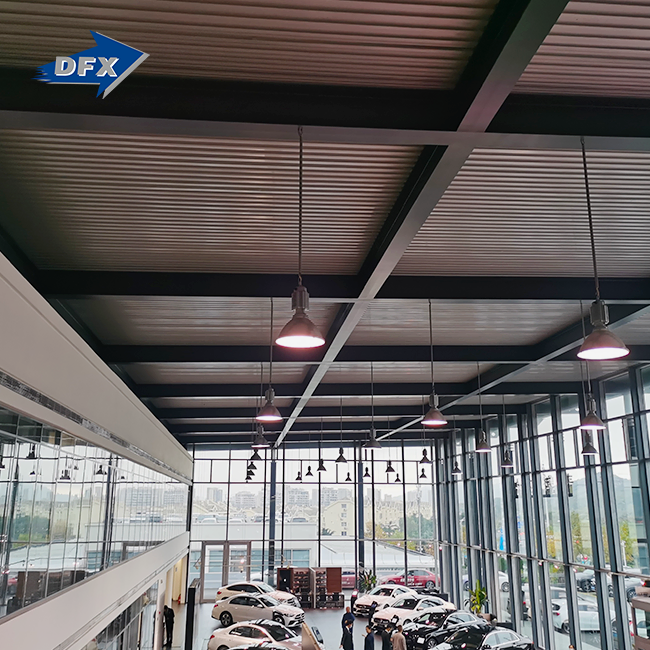
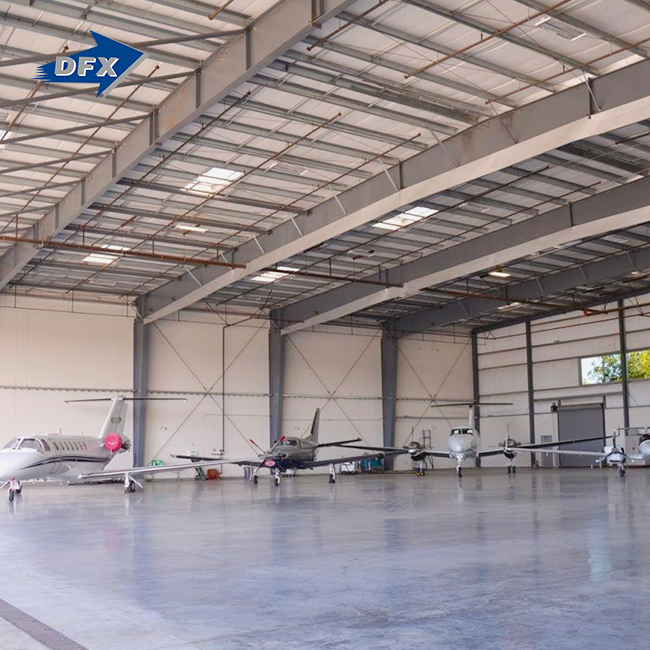
When planning industrial infrastructure, it's important to know how a steel factory building with built-in high cranes works on a basic level. Strong steel frames and crane systems made for moving big things are combined in these specialized structures, which give makers and builders a flexible option for production areas. In contrast to regular buildings, these ones have load-bearing H-section beams and columns that support crane tracks while keeping the big, clear floor space that is necessary for today's industrial processes.

Understanding Steel Factory Buildings with Cranes: A Complete Overview
Structures in industrial buildings need to be able to handle changing loads and allow for efficient moving of materials. This is exactly what steel-framed buildings with high cranes offer, and they change the way factories, assembly lines, and transportation centers work every day.
Core Components That Drive Performance
The skeletal system is the base of any industrial building that is ready for a crane. The main structure that supports weight is made up of H-section beams that are designed to handle both the steady loads of the building and the moving forces caused by cranes. These beams are attached to the vertical poles with high-strength bolts, making a hard frame that evenly spreads the weight of the whole building.
Another important part is the crane tracks. These carefully made beams are attached along the length of the building and make a path for overhead bridge cranes to follow. To keep tools from wearing out and to make sure the crane works smoothly for decades, the runway system needs to be perfectly aligned (within 2 mm of error is normal).
C and Z zinc purlins support the roof and wall covering and finish off the structure's frame. These secondary parts go between the main frames and support the weight of insulated panels, curved steel sheets, and loads from the outside, like snow or wind.
Types and Configurations for Different Industries
Companies that make things usually choose one-story buildings with clear spans of 15 to 60 meters. This way, they can get rid of any interior beams that could get in the way of production lines or truck traffic. In car assembly plants, where cranes move vehicle frames between desks without blocking the view, this open structure is very useful.
Multi-bay plans work well for businesses that need different areas for production. One bay might be used to store raw materials, another for fabrication, and the third for finished goods. Each would be served by its own separate crane system, which would run on parallel tracks. This set-up improves processing while keeping managerial freedom.
EPC workers who work on infrastructure projects often ask for buildings with over-12-meter-high eaves. For tall equipment, this vertical room works well, and the crane hooks can easily reach parts that need to be lifted into place during installation or repair work.
Integration with Crane Systems Creates Operational Advantages
Depending on the need, bridge cranes that are attached to the framework of a building can lift anywhere from 5 to 100 tons. For moving machinery parts, light manufacturing might only need systems that can hold 10 tons, but steel mills need systems that can hold 80 tons of hot metal ladles.
When the building is being designed, these moving loads must be taken into account in the planning part. Standard building structures can't handle the impact forces, horizontal push, and repetitive loads that come from crane motions. When steel factory buildings are properly designed, they have stronger links, deeper beams, and special grounding systems that keep these loads safe over the building's lifetime.
Color-coated steel covering covers the outside and protects it from the weather while letting you make it your own by choosing from different panel shapes and finishes. Natural airflow systems on the roof, like ridge vents and clear panels, keep the air clean and lower cooling costs without having to spend money on mechanical HVAC.
Designing Steel Factory Buildings with Cranes: Essential Considerations
During the planning process, many technical factors must be taken into account in order for the project to be completed successfully. If procurement managers and project engineers know about these things, they can escape having to make expensive changes after building starts.
Structural Load Calculations Define Safety Margins
Wind resistance estimates need to take into account the factors at the spot. Coastal locations are more likely to be hit by wind than inland locations, so structures need to be either heavy or have more protecting elements. In areas where earthquakes are likely to happen, buildings have flexible link details that let them move in a controlled way during quakes. This keeps expensive equipment inside safe and prevents catastrophic failure.
When it comes to displacement limits, crane runway beams need extra care. When beams sag too much, crane wheels get stuck, which speeds up wear and creates safety risks. Crane support beams must usually meet bending ratios of L/400 or higher, which means that a 20-meter beam can't bend more than 50 mm when it's fully loaded.
In northern areas, snow buildup adds a lot of weight to the roof. Based on local weather data, design teams figure out how deep the snow will likely be and then make the roof purlins and major frames to match. Pitched roofs naturally shed snow, which makes them easier on the structure than flat roofs.
Material Selection Balances Performance Against Budget
For key structural parts, Q355B steel types have great strength-to-weight ratios. They have a yield strength of 355 MPa and are still affordable for most industry uses. This choice of material works well enough for buildings to hold cranes up to 50 tons without using expensive specialty steels.
In humid work settings, galvanized purlins are much more resistant to rust than painted ones. The zinc covering thickness—usually 275 g/m² for industrial use—protects the steel underneath for 20 years or more, even in places like factories that are prone to wetness.
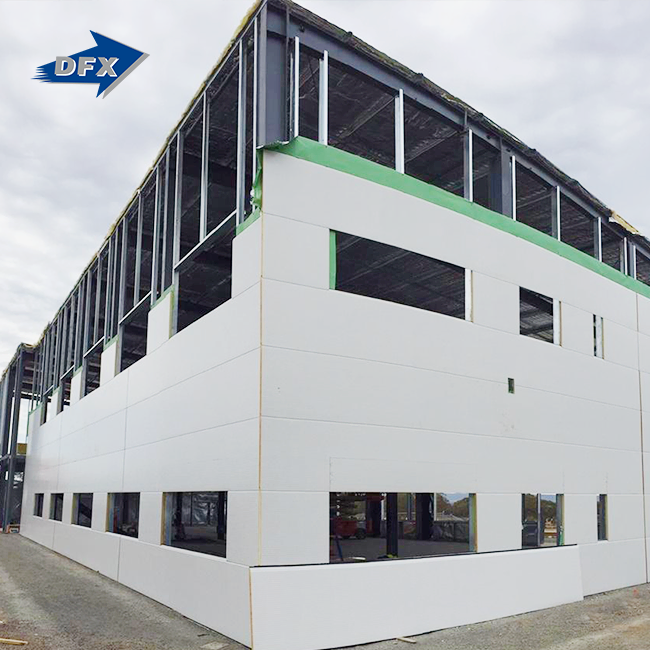
Walls made of sandwich panels hold the building up and keep the heat inside. These pieces are already made. The outside is made of steel, and the inside is made of polyurethane or mineral wool. The R-value can be anywhere from 15 to 30 depending on how thick the core is. It's good for the environment, and for the manufacturers who make things, that good soundproofing keeps the workplace comfortable all year.
Maintenance Planning Extends Operational Lifespan
Coats that stop rust keep steel from breaking down in hard conditions. Zinc-rich bases and resin topcoats are used to make quality systems that protect against water, chemicals, and airborne pollutants. Once-a-year inspections find damage to the covering early, so small fixes can be made before rust makes the structure weak.
Crane systems in a steel factory building need regular upkeep that is different from the building itself. Heavy-duty equipment should have its runway beams aligned, wheel bearings oiled, and brakes tested every three months. These preventative steps keep machines from breaking down without warning, which would mess up output plans and cost a lot more than the repair costs.
Roof drainage systems need to be taken care of according to repair rules. When drains are blocked, water pools, which puts too much stress on structural parts and speeds up rust around where fasteners go through. Cleaning the building every three months gets rid of trash before problems happen, which keeps the building and its contents safe from water damage.
Comparing Steel Factory Buildings with Other Construction Types
Budget-conscious decision-makers naturally evaluate multiple construction approaches before committing capital. Understanding how steel-framed solutions compare against alternatives helps justify investment choices to stakeholders.
Durability and Maintenance Requirements
Concrete structures offer impressive compressive strength but struggle with tensile forces created by crane operations. Reinforced concrete buildings require significantly thicker columns and beams to achieve the same clear spans possible with steel frameworks, consuming valuable floor space and increasing material costs.
Steel's high strength-to-weight ratio means less material accomplishes structural goals, reducing foundation requirements and excavation expenses. A steel building might need simple pad footings while an equivalent concrete structure demands extensive strip footings or even pile foundations, particularly on marginal soils.
Wooden structures lack the load capacity and span capabilities necessary for crane-equipped facilities. Wood's susceptibility to moisture damage, insect infestation, and fire makes it unsuitable for most manufacturing environments despite lower initial material costs.
Construction Speed Impacts Project Economics
Prefabricated steel components arrive on-site ready for assembly. Experienced erection crews can complete structural framing in weeks rather than the months required for concrete curing cycles. This accelerated timeline reduces financing costs, allows earlier production startup, and minimizes weather-related delays.
Manufacturing the building components in controlled factory conditions ensures dimensional accuracy impossible with field-built alternatives. Computer-controlled cutting and welding equipment produces consistent quality across thousands of connections, eliminating fit-up problems during site assembly.
Installation drawings provided with prefabricated packages guide local contractors through erection sequences, reducing errors and rework. This documentation proves particularly valuable when projects occur in remote locations where specialized steel erection expertise may be limited.
Cost Analysis Reveals Long-Term Value
Initial construction costs for
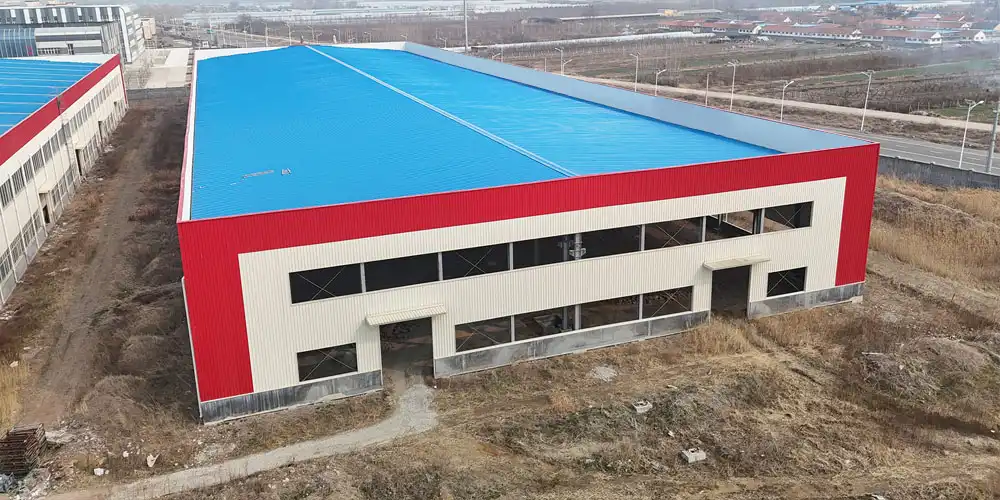
typically range from $45 to $85 per square foot depending on specifications, crane capacity, and finish level. This compares favorably with concrete alternatives costing $60 to $110 per square foot for equivalent clear-span capabilities.
Operational savings accumulate over the building's lifespan through reduced maintenance expenses and lower energy consumption. Steel structures accommodate upgrades easily—adding insulation, installing solar panels, or expanding production capacity—without major structural modifications that concrete buildings require.
Sustainability considerations increasingly influence procurement decisions. Steel's complete recyclability appeals to companies pursuing environmental certifications. When a facility eventually reaches end-of-life, the structural steel retains substantial salvage value and can be reprocessed into new products without quality degradation, unlike concrete, which typically becomes landfill.
Conclusion
Steel factory buildings equipped with overhead cranes deliver the performance, flexibility, and value that modern manufacturing operations demand. Understanding structural requirements, material options, and procurement processes enables project managers to specify solutions matching exact operational needs while staying within budget constraints. The construction speed, long-term durability, and sustainability credentials of prefabricated steel systems offer compelling advantages over concrete or wooden alternatives. Partnering with experienced manufacturers who provide comprehensive design support, quality fabrication, and installation guidance ensures projects progress smoothly from concept through commissioning, delivering facilities that support productive operations for decades.
FAQ
1. What's the typical lifespan of a steel factory building with an integrated crane system?
The structural framework typically performs well beyond 30 years with proper maintenance, often reaching 50-year operational lifespans when corrosion protection remains intact. Crane equipment generally requires overhaul or replacement after 20-25 years of regular use, though this varies based on duty cycle and maintenance quality. Building envelope components like roof panels and wall cladding may need attention after 15-20 years depending on environmental exposure.
2. Can overhead cranes be retrofitted into existing steel buildings not originally designed for them?
Retrofitting remains possible but requires careful structural analysis. Existing columns and roof beams may need reinforcement to handle dynamic crane loads and the additional dead load of runway systems. A structural engineer must evaluate the building's load capacity, connection adequacy, and foundation strength before proceeding. Buildings with adequate original design margins sometimes accommodate light crane systems without major modifications, while others require substantial strengthening that may not prove cost-effective compared to new construction.
3. What factors most significantly impact the total investment cost?
Building size and clear span dimensions drive material quantities, directly affecting costs. Crane capacity requirements influence structural member sizing throughout the building. Site-specific factors including soil conditions, seismic activity, and extreme weather loads necessitate engineering adjustments that impact pricing. Customization features—insulated panels, specialized doors, integrated office spaces—add incremental costs. Finally, project location affects freight expenses and erection labor rates, sometimes substantially for remote sites.
Partner with DFX for Your Steel Factory Building Needs
Qingdao Director Steel Structure Co., Ltd. brings over 12 years of specialized experience as a steel factory building manufacturer serving construction contractors, manufacturing companies, and infrastructure developers across the United States. Our 40,000-square-meter production facility houses advanced automated equipment producing 20,000 tons of welded H-beams annually alongside complete building envelope systems, including sandwich panels and corrugated steel sheets. ISO9001 and CE-certified manufacturing processes ensure every component meets rigorous international quality standards. We provide comprehensive turnkey solutions from initial design through fabrication, shipping coordination, and installation support—all backed by technical expertise that helps procurement teams optimize specifications before production begins. Contact jason@bigdirector.com today to discuss your project requirements and receive a detailed proposal tailored to your operational needs and timeline objectives.
References
1. American Institute of Steel Construction. (2016). Steel Construction Manual (15th Edition). Chicago: AISC.
2. Newman, Alexander. (2019). Pre-Engineered Metal Buildings: Design and Construction Principles for Industrial Applications. New York: McGraw-Hill Professional.
3. Owens, Geoffrey & Knowles, Philip. (2018). Steel Structures: Practical Design Studies (4th Edition). London: ICE Publishing.
4. Salmon, Charles G. & Johnson, John E. (2020). Steel Structures: Design and Behavior (6th Edition). Upper Saddle River: Pearson.
5. Trahair, Nicholas S. & Bradford, Mark A. (2017). The Behaviour and Design of Steel Structures to AS 4100 (5th Edition). Boca Raton: CRC Press.
6. International Organization for Standardization. (2015). ISO 9001:2015 Quality Management Systems—Requirements. Geneva: ISO.
Learn about our latest products and discounts through SMS or email