- English
- French
- German
- Portuguese
- Spanish
- Russian
- Japanese
- Korean
- Arabic
- Greek
- German
- Turkish
- Italian
- Danish
- Romanian
- Indonesian
- Czech
- Afrikaans
- Swedish
- Polish
- Basque
- Catalan
- Esperanto
- Hindi
- Lao
- Albanian
- Amharic
- Armenian
- Azerbaijani
- Belarusian
- Bengali
- Bosnian
- Bulgarian
- Cebuano
- Chichewa
- Corsican
- Croatian
- Dutch
- Estonian
- Filipino
- Finnish
- Frisian
- Galician
- Georgian
- Gujarati
- Haitian
- Hausa
- Hawaiian
- Hebrew
- Hmong
- Hungarian
- Icelandic
- Igbo
- Javanese
- Kannada
- Kazakh
- Khmer
- Kurdish
- Kyrgyz
- Latin
- Latvian
- Lithuanian
- Luxembou..
- Macedonian
- Malagasy
- Malay
- Malayalam
- Maltese
- Maori
- Marathi
- Mongolian
- Burmese
- Nepali
- Norwegian
- Pashto
- Persian
- Punjabi
- Serbian
- Sesotho
- Sinhala
- Slovak
- Slovenian
- Somali
- Samoan
- Scots Gaelic
- Shona
- Sindhi
- Sundanese
- Swahili
- Tajik
- Tamil
- Telugu
- Thai
- Ukrainian
- Urdu
- Uzbek
- Vietnamese
- Welsh
- Xhosa
- Yiddish
- Yoruba
- Zulu
Are Steel Horse Barns Durable for Every Climate?
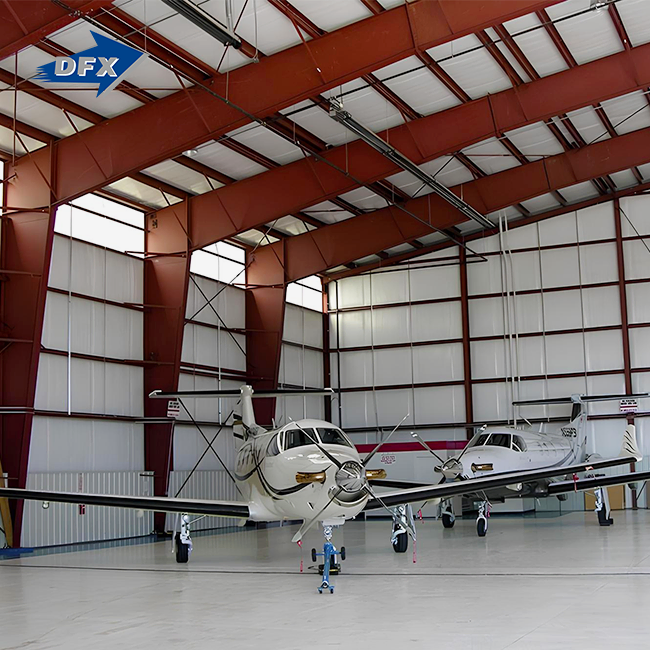
Steel horse barns can stay durable in cold, hot, wet, and coastal regions, but only when the design fits the site. Steel resists rot, termites, and warping. Even so, a barn still needs the right snow and wind ratings, corrosion protection, ventilation, and drainage. In this guide, I explain what drives durability, how climate changes the specification, and how to compare suppliers. I also describe how DFX builds steel horse barns, so you can judge your options with clear facts before you request a quote.

What Decides Durability Across Climates
Frame, Steel Grade, and Coatings
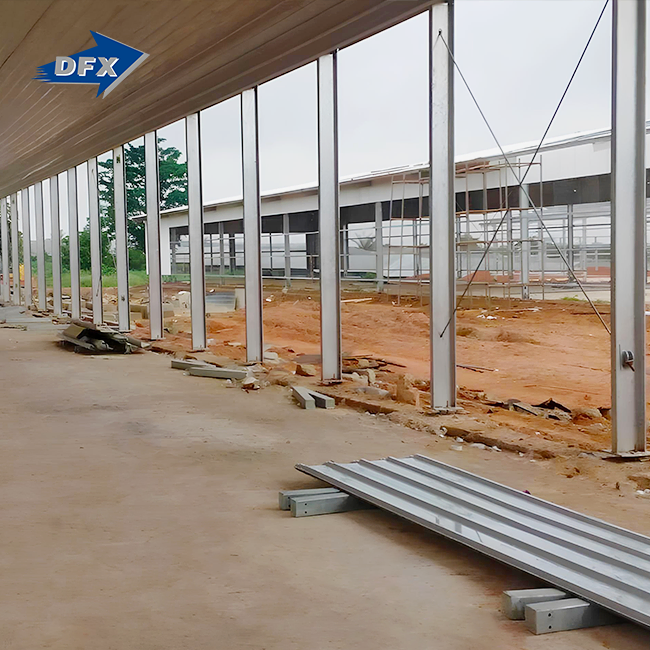
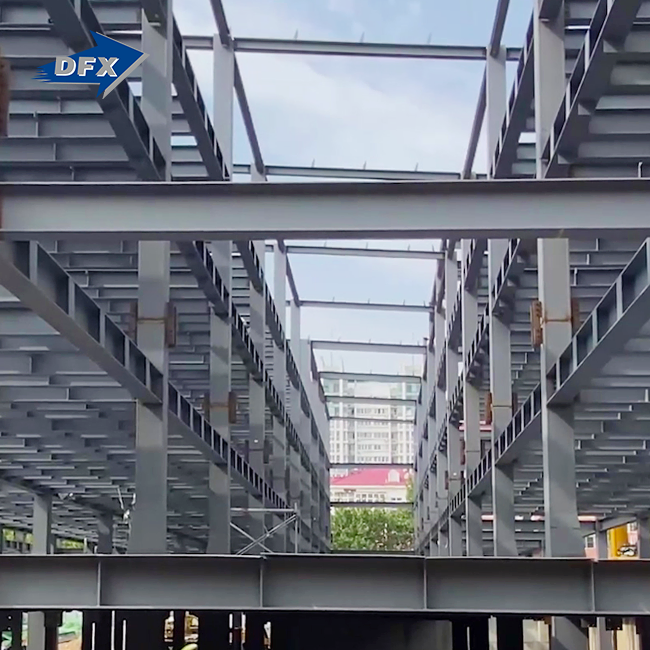
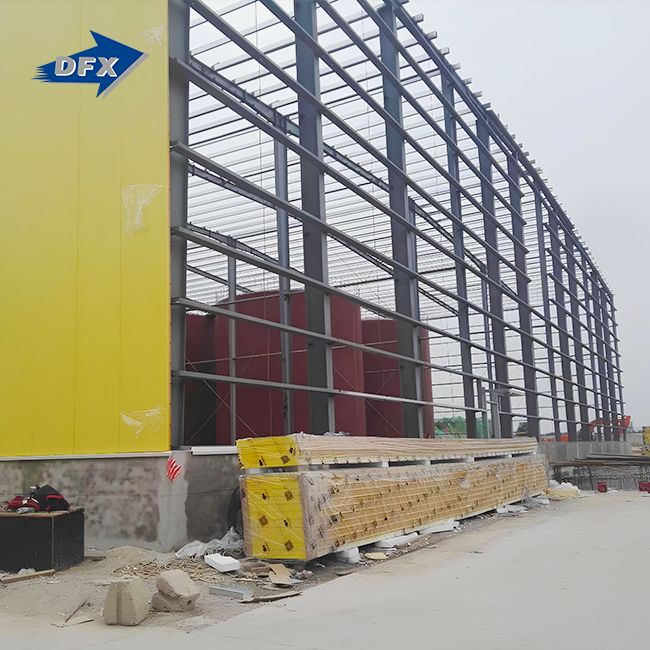
What makes a barn last is the part that doesn't hold up well. The type of steel and part size are very important because the frame holds the weight. Most of the time, building codes require zinc- or galvalume-coated panels and structural steel with a yield strength of more than 50,000 PSI. At level G90, heavy galvanizing needs 0.90 oz of zinc per square foot. Even though coatings may slow down rust, you should still fix any scratched or broken parts. DFX can add walls to our steel horse barns that close them off when the weather is bad. The frames are made from wrought steel.
Foundations, Drainage, and Local Codes
Each county has its own weather loads, so I always start with the code. When there is snow, wind, or an earthquake, the International Building Code and ASCE 7 tell us what to do. The local government decides which edition to use. Set up the supports so that the base plates fit. This is important to make sure that they can hold the weight. Also, drainage is very important because water that pools near the base can rust and make the ground soft. Before you place your order, talk to someone in the area about the rules for snow, wind, shocks, fires, zoning, and permits. If the company is honest, they will give you drawings and load calculations to look over.
Steel Horse Barn Benefits and Limits
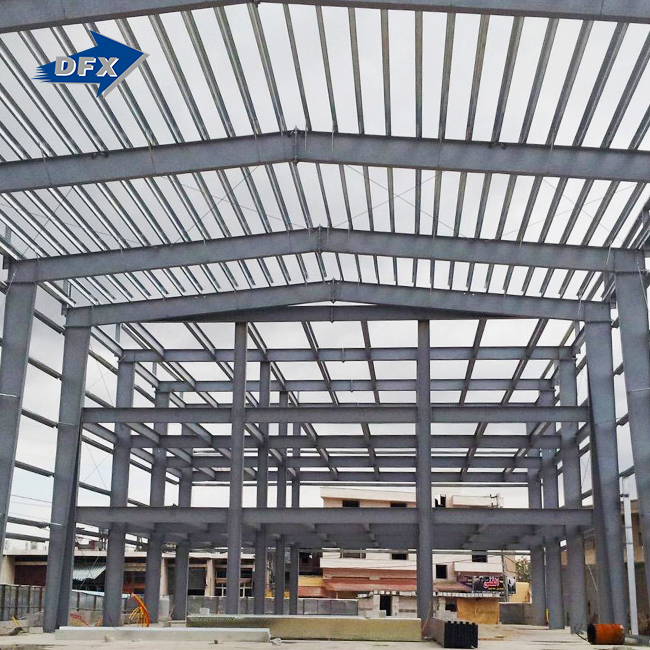
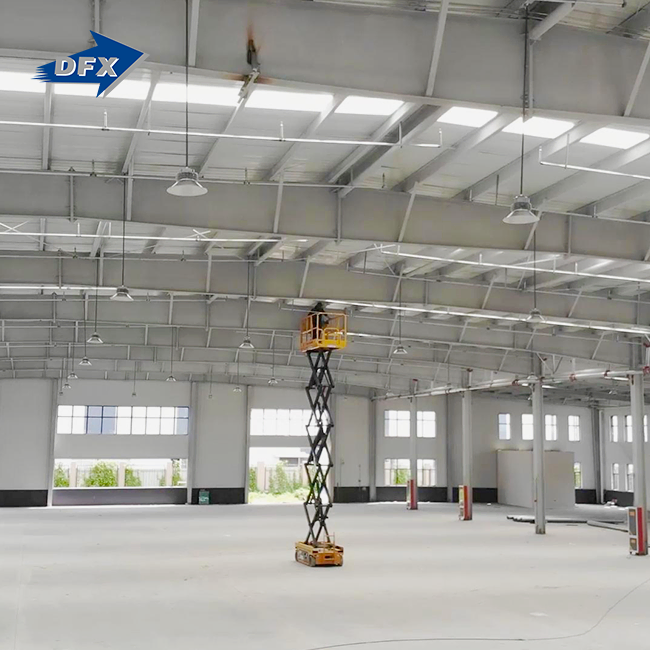
Steel horse barns last a long time, don't catch fire, and don't need much maintenance. Termites can't get into steel because it doesn't rust or rot. Also, horses shouldn't chew on it like they do wood. There are no columns in the halls and hallways because they have wide clear spans. But you need to take care of steel too. If you don't insulate well, condensation can form, and edges that aren't covered can rust. As important as the frame itself is, it has to have good airflow, covers, and be put together with care. People who want to buy should look at more than just the building's steel.
How Steel Horse Barns Perform in Different Climates
Steel Horse Barns for Cold Climates
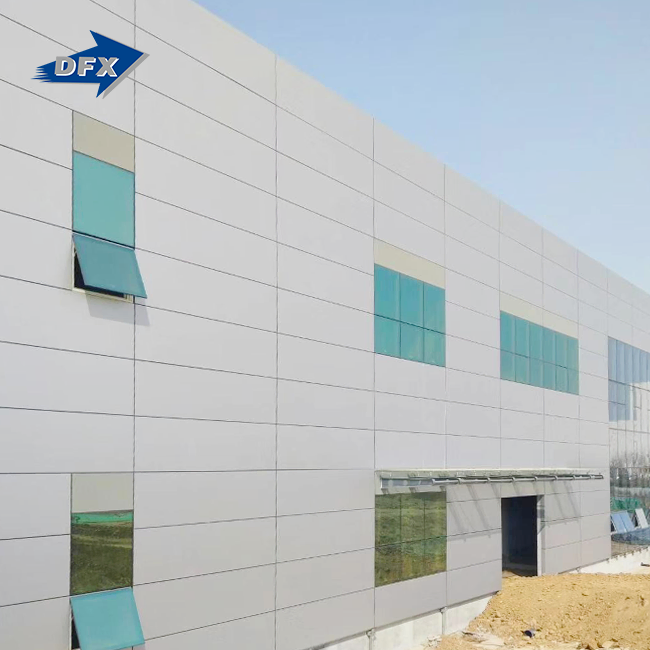
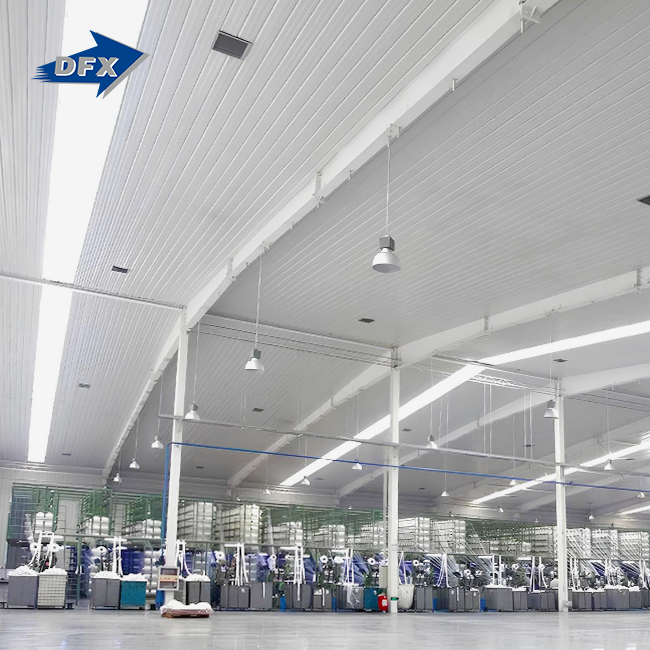
Steel horse barns for cold climates need to be able to hold snow, keep water out, and stay warm. Since snow loads vary from place to place, a roof that works in Texas might not be strong enough in Minnesota. Dew forms when warm, damp air in a barn meets cold metal. The walls and roof are insulated, so this doesn't happen. Beds and water lines stay dry when pipes and doors are kept out of the frost and sealed. How deep the foundation should be should be based on the frost rules in the area. Cold and warm cycles can also be hard on concrete. For these kinds of projects, we have an insulated wall system that you can choose to use or not. They can make sure that the members are the right size for the weight you put on them.
Hot and Humid Regions
There is a better way to test wind than the building itself. Heat and humidity are worse. Roofs with reflective coatings, wide eaves, and big openings that can be moved around can help move hot air out of the house. It keeps the rooms from getting smelly and wet by letting air flow back and forth in the aisle. When it's hot where you live, good drains and raised floors keep water away from the base. Steel is safe because it has protective coatings on it. Putting insulation under the roof also keeps the sun's heat out. As a horse owner, I see wind as an important part of their health, not just something extra.
Coastal and High-Wind Sites
Being close to the coast means that barns need better coatings, the right fixings, and to be washed a lot. ASTM B117 salt spray is a simple way to see how well coatings do their job. Extra rules need to be put in place in places that get storms, like bracing, grounding, lifting resistance, and stronger doors. It will depend on how windy where you live how big the frame is and how far apart the trusses are. If a number is backed up by estimates for your area, then you should only believe it. People who sell these things say that some styles can handle winds of more than 170 miles per hour. Before you sign, ask for that information.
Design Features That Improve Climate Performance Best Roof Design for a Steel Horse Barn
Not every roof works well everywhere. Hip roofs cost more than gable roofs, but there are more of them. The middle part of most monitor roofs is raised to let more light and air in. This works well for longer halls. On lean-tos, single-slope roofs help water drain better, and gambrel roofs make the loft bigger so you can store more hay. In snowy places, steeper pitches help melt the snow, and more ridges with vents on top of them keep places cool. When we plan the roof, we talk with you about what kind of steel horse barn roof will work best for your barn, your budget, and the weather.
Steel Horse Barn Ventilation Ideas
When there is enough airflow, things stay dry, and the air stays clean. A steel horse barn can get airflow through Dutch doors, roof louvers, ridge vents, and eave holes. They work together to make a way for air to flow between them. This lets cool air come in through the bottom and warm air rise. The air in steel horse barns doesn't move around much, which is bad for your health. When it rains, the metal roof tiles don't drip because there is insulation or anti-condensation wool under them. Adding rooms after the building is done usually costs more, so plan them early on.
Are Steel Horse Barns Safe for Horses?
This time, the answer is "yes," as long as the inside is made to fit the way horses behave. It's good that steel doesn't catch fire where there is a lot of hay. Because horses like to kick, many builders add heavy kick walls made of HDPE or wood that are 4 feet high inside the steel shell. It is less likely that someone will get hurt if there are wide hallways, smooth fasteners, and clear ways to get out. The NFPA 150 rules for fire and life safety in animal quarters should be read. Do not store hay near the cages. Install the correct lights and wires. Not only is the frame safe, but so is everything else.
Choosing, Comparing, and Maintaining Your Barn
Steel vs. Wood vs. Pole Barns
Steel doesn't rust, rot, or bend, but wood does, and it's easy to find. At first, pole barns may look like a good deal. But because the posts are buried, watch out for water and rot. Another difference is that steel frames can be clear-span, which means they can cover big areas without having to have internal poles. "Metal barn" is a broad term, so make sure you get written proof of the type of steel used, the walls' thickness, the coats, and the terms of the warranty. For normal plans and faster schedules, steel that has already been made works well, but for odd sites, custom designs are needed.
Choosing a Supplier and Setting a Budget
Write down how many horses you have, how many barns you have, how much storage space you have, how many tack rooms you have, how big your field is, and how you plan to grow. Next, compare what each supplier gives you in terms of drawings, load calculations, coating data, help with installation, warranties, and so on. A price per square foot is just a guess because it depends on things like the size, the complexity of the roof, the insulation, the doors, the foundations, the freight, and when it is put together. The cheapest rate could mean that the coverings aren't as thick or that they can't handle as much weight. Since 2011, DFX has been making things in Qingdao. That building is 40,000 square meters and has six robotic H-beam lines. More than 200 people work there. Our steel horse barns are made to order and have an ISO9001, CE, COC, or PVOC mark on them.
Maintenance for Long Service Life
The roof's screws, bolts, drains, doors, vents, coats, and locks should all be checked every season. After storms, heavy snow, or floods, look for damage and signs that the building has moved. Some places need to be washed more often to get rid of salt, manure, and dust. These places are near the coast and are hot. If you follow the directions that came with the coating, you can fix any scratches or steel that shows. It's helpful to keep written records of reviews, especially for business buildings, so that you can check for safety and keep track of your things. A simple plan can be used every year on horse farms, training grounds, and breeding grounds.
Conclusion
Not all steel horse barns are resistant to cold, heat, wet, wind, and seaside weather. Supports and drains that work well, airflow and moisture control, proper installation, and regular maintenance are all signs of things that will last. Building things that last requires structural engineering that takes into account snow and wind loads in the area. Based on what the horses need and the weather, the roof should be made in a way that keeps the horses warm and safe. Steel doesn't rot, attract bugs, or bend as wood and poles do, and it can be used to build things that are far apart without any problems. Still, it needs to be taken care of when it gets wet. When shopping, people should look at more than just price. They should compare file types, data loads, and the total cost.
FAQ
1. Are steel horse barns suitable for cold climates?
As long as the shape takes into account how much snow there is and there is enough shelter for the ice not to form, the answer is yes. Also, buildings that can withstand frost and equipment that works well are important.
2. How long does a steel horse barn last?
It relies on the weather, how well you take care of it, and the stuff it's made of. Write down what you want the service to protect you from and how it will hold you accountable.
3. Do steel horse barns need insulation?
Most of the time, yes. When you insulate, water and changes in temperature stay out as much as possible, especially in hot or mixed places. You can pick from a wall system at DFX that keeps you warm.
4. Is there one best roof design?
There's no right or wrong way to build a roof. Each one works well in a range of weather conditions, price ranges, and snow loads.
5. How do I compare manufacturers?
You should get a list of things that need to be done: load calculations, structural drawings, coating specifications, and certificates. There are more things than just price that make something valuable.
Request Steel Horse Barns Quotes from DFX
Are you building steel horse barns for a horse farm, a place to train horses, or a place to breed horses? You can only get steel horse barn designs, builds, and installations from DFX. They have ISO9001, CE, COC, and PVOC certificates to prove it. To email Jason at bigdirector.com, tell him where you are, what the weather is like, how many stalls you have, and what size they are.
References
1. International Building Code, International Code Council, 2021
2. Minimum Design Loads and Associated Criteria for Buildings and Other Structures (ASCE/SEI 7-22), American Society of Civil Engineers, 2022
3. Metal Building Systems Manual, Metal Building Manufacturers Association, 2018
4. NFPA 150: Standard on Fire and Life Safety in Animal Housing Facilities, National Fire Protection Association, 2022
5. ASTM B117: Standard Practice for Operating Salt Spray (Fog) Apparatus, ASTM International, 2019
6. AWS D1.1/D1.1M: Structural Welding Code – Steel, American Welding Society, 2020
Learn about our latest products and discounts through SMS or email