- English
- French
- German
- Portuguese
- Spanish
- Russian
- Japanese
- Korean
- Arabic
- Greek
- German
- Turkish
- Italian
- Danish
- Romanian
- Indonesian
- Czech
- Afrikaans
- Swedish
- Polish
- Basque
- Catalan
- Esperanto
- Hindi
- Lao
- Albanian
- Amharic
- Armenian
- Azerbaijani
- Belarusian
- Bengali
- Bosnian
- Bulgarian
- Cebuano
- Chichewa
- Corsican
- Croatian
- Dutch
- Estonian
- Filipino
- Finnish
- Frisian
- Galician
- Georgian
- Gujarati
- Haitian
- Hausa
- Hawaiian
- Hebrew
- Hmong
- Hungarian
- Icelandic
- Igbo
- Javanese
- Kannada
- Kazakh
- Khmer
- Kurdish
- Kyrgyz
- Latin
- Latvian
- Lithuanian
- Luxembou..
- Macedonian
- Malagasy
- Malay
- Malayalam
- Maltese
- Maori
- Marathi
- Mongolian
- Burmese
- Nepali
- Norwegian
- Pashto
- Persian
- Punjabi
- Serbian
- Sesotho
- Sinhala
- Slovak
- Slovenian
- Somali
- Samoan
- Scots Gaelic
- Shona
- Sindhi
- Sundanese
- Swahili
- Tajik
- Tamil
- Telugu
- Thai
- Ukrainian
- Urdu
- Uzbek
- Vietnamese
- Welsh
- Xhosa
- Yiddish
- Yoruba
- Zulu
Steel Structure Bank Building Design for Secure Commercial Projects
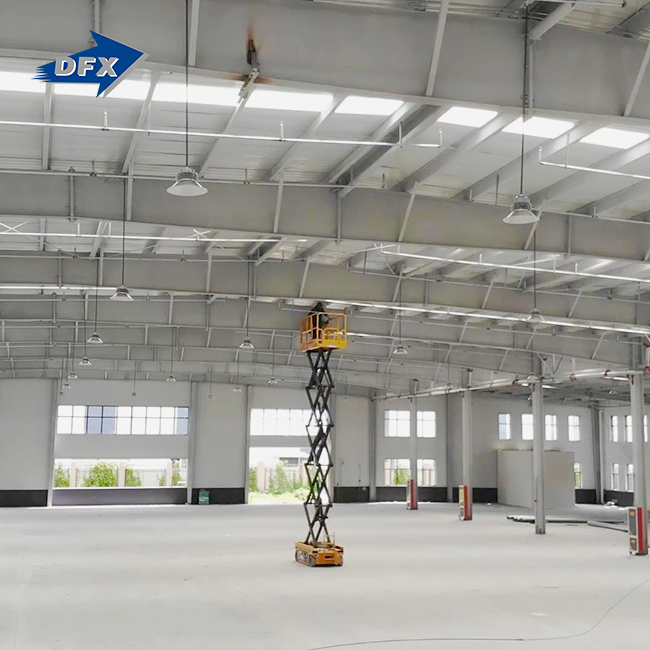
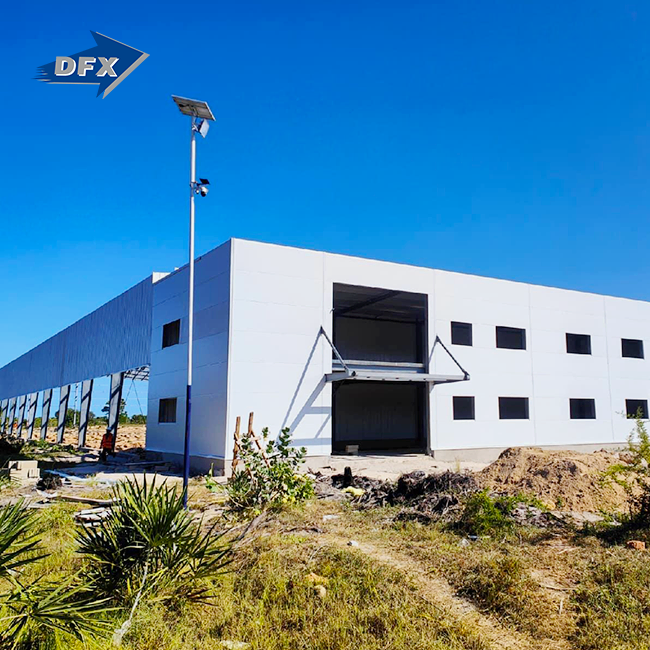
When you think about protecting millions of dollars in assets and ensuring customer safety, the choice of construction method matters immensely. A steel structure bank building delivers unmatched security, structural resilience, and design flexibility that traditional construction simply cannot match. These engineered facilities use prefabricated steel frameworks—typically H-beams, columns, and trusses made from high-strength grades like Q355—creating robust load-bearing systems integrated with modern security features. Unlike conventional concrete buildings, steel-framed financial institutions offer faster construction timelines, superior seismic performance, and the adaptability needed for evolving banking technologies.

Understanding Steel Structure Bank Building Design
Modern financial institutions face unique challenges requiring specialized construction approaches. These needs are met by steel structure bank buildings thanks to smart engineering and material science.
Superior Strength and Security Features
Steel structure bank building construction can hold a lot of weight, which is important for keeping heavy vault systems and other security equipment. The tensile strength of the material is usually between 345 MPa and 460 MPa, which means it can hold heavy dead loads without breaking. This feature lets builders make open lobby layouts with few inner columns, which improves both customer experience and security visibility.
The framework easily fits reinforced concrete vaults while keeping the building stable. Engineers plan double load paths to make sure that the building will still stand even if one structural member fails in extreme conditions. This is a very important feature called progressive collapse resistance.
Enhanced Seismic Stability and Fire Resistance
Banking facilities need to be able to handle emergencies and natural disasters. Steel is naturally flexible, which means that buildings can withstand earthquakes stronger than magnitude 8.0. The energy is absorbed and released through controlled flexing instead of catastrophic failure. This trait is very useful in parts of the United States that are prone to earthquakes.
Equal attention is paid to fire safety with intumescent coats that grow when heated and insulate the steel frame. These passive systems have fire ratings of two to four hours, which means they meet the strict safety standards for public banks. Additionally, cementitious sprays act as thermal barriers, ensuring that structural elements stay strong during emergencies.
Environmental and Energy Efficiency Advantages
Sustainability is becoming a bigger factor in business building choices. Steel structure bank buildings can be recycled over and over again, which helps meet LEED or BREEAM certification standards. The material's long-lasting nature lowers its lifetime environmental effect compared to alternatives that need to be replaced or fixed more often.
Energy efficiency comes from exact engineering that lets the best insulation be built in. Advanced curtain wall facades and composite floor systems keep thermal bridging to a minimum, which cuts heating and cooling costs by a large amount. These design choices help the company reach its green goals while also cutting costs over many years of use.
Comparative Analysis: Steel Structure vs Traditional Bank Buildings
Knowing the important differences between products helps procurement managers make smart choices that meet the needs of the project and stay within the budget.
Construction Timeline and Cost Efficiency
Steel parts are made in a controlled workshop setting and then brought to the job site ready to be put together quickly. Compared to traditional concrete methods, this method cuts down on building times by 30 to 50 percent. This speeds up the return on investment for financial institutions that are eager to start doing business.
Labour costs go down a lot because installation methods are simplified. The manufacturing process ensures that the dimensions are accurate to within millimetres, which gets rid of the need for field changes that are a problem with traditional building. Most of the assembly happens when the weather is good, so delays are less likely, and the building shell closes quickly to protect the work inside.
Long-term financial research shows that steel is good for the economy. Even though the initial costs of the materials may seem about the same, they save a lot of money in the long run because they don't need as much maintenance and last longer—often over 50 to 75 years with proper care. Because it can be recycled, the construction has higher residual value, which is something that standard buildings can't say.
Structural Integrity Across Extreme Conditions
Banks have to be able to handle hurricanes, tornadoes, floods, and other bad weather that happens all over the United States. When faced with these problems, steel-structure bank building frames perform better than options made of stone or wood, keeping the structure stable.
Advanced galvanisation and zinc-rich epoxy primers protect against corrosion, so things last a long time in both humid coastal areas and harsh industrial settings. These treatments meet ISO 12944 C3–C5 standards and effectively deal with specific climate problems in the region.
Being resistant to pests is also useful in real life. Unlike wood, which can be damaged by termites and rot, biological risks can't affect steel. This means that it doesn't need expensive fixes and cleanups like traditional building does.
Design Flexibility and Future Adaptability
As new technologies are added and customer needs change, modern banking changes quickly. Because the steel-structure bank building is modular, it is easy to change the layout inside without affecting the structure's strength. Partitions that don't hold weight can be moved or taken down to make room for new automated teller layouts, server infrastructure, or digital banking stations.
With clear-span features, trading floors and senior suites can be very large, which isn't possible with load-bearing wall systems. This design freedom lets banks have their own brands while keeping all of their operations, from retail stores to corporate offices, running smoothly.
Key Technical Specifications for Secure Steel Bank Buildings
Meeting strict engineering standards makes sure that banking facilities work reliably for the duration of their useful lives, protecting people and valuable things.
Foundation Engineering and Structural Standards
The right way to design a foundation takes into account the soil conditions in the area and the weight of the vault. Using bigger steel girders in high-stress areas, reinforced foundation pads spread the weight out well. Structural engineers figure out exact load transfers that keep buildings stable even when the ground conditions change.
For the steel column-beam frame, the grade of the steel used is usually Q235 or Q355, which is chosen based on the load needs and span lengths. Composite floor systems combine steel frames and concrete decking to make strong diaphragms that make the structure more stable during earthquakes.
Fire Safety and Corrosion Protection Standards
Commercial financial buildings have to meet certain fire rates set by building rules. To meet these standards, intumescent paints or cementitious sprays must be applied to steel structure bank building parts that are visible. These layers of protection are put through a lot of tests to make sure they follow local laws and international standards like ASTM E119.
Preparing the surface according to SSPC standards during fabrication is the first step in stopping corrosion. Multi-layer coating systems, which usually include zinc-rich primers, epoxy intermediates, and polyurethane topcoats, protect against environmental degradation for a long time. This safety will last as long as the building does because it is inspected and maintained regularly.
Seismic Design and International Code Compliance
When engineers create steel-structure bank buildings, they have to follow the rules in ASCE 7 and the International Building Code. Based on a study of the seismic risk at the site, one of three types of bracing systems—concentrically braced frames, eccentrically braced frames, or moment-resisting frames—is chosen.
Certifications like ISO 9001, CE marking, COC, and PVOC show that the product is made well and follows the rules. These credentials reassure purchasing managers that the materials and workmanship meet strict international standards. This lowers the risk and liability concerns for the project.
Procurement and Construction Process for Steel Structure Bank Buildings
To complete a job successfully, you need to carefully choose your suppliers and plan every step of the building process.
Selecting Reputable Manufacturers and Suppliers
Doing a lot of research on possible steel structure bank building suppliers is important. By looking over Mill Test Certificates, you can be sure that the chemical make-up and mechanical qualities of the material are correct and that the grades you specify meet the design requirements. Manufacturers should provide detailed records that show how products were made and where they were delivered.
The factory's skills are very important. Automatic welded H-beam production lines, C/Z section steel equipment, and sandwich panel making make sure that quality and output volume are always the same. A manufacturer with more than 200 trained workers and 40,000 square meters of enclosed production space shows the scale that commercial banking projects need.
Certifications give you objective proof of quality. Quality management systems like ISO 9001, CE marking to show that they meet European standards, and design skills that meet local building rules all show a strong dedication to excellence. Asking for references from banking or business projects that have already been finished is a useful way to find out how well and how reliably a supplier works.
Cost Components and Project Financing
Knowing how much the whole job will cost helps with budgeting and planning finances. Materials, assembly, protective coatings, shipping, and installation labour are some of the main costs. The price of steel changes with the world market, so buying materials early when conditions are good is a good idea.
Prefabricated options cut down on the cost of labour on-site by a large amount. Assembling important parts in the factory cuts down on the amount of welding and fitting that needs to be done on-site, which saves money for contractors and cuts down on schedules. Most of the time, these savings cancel out any extra cost for prefabrication services.
Commercial construction projects can be financed in a number of ways. There are different ways to get money for different types of businesses and cash flow situations. These include traditional construction loans, financing for modular units' equipment, and public-private partnerships. Hiring financial advisors who know about business real estate development is the best way to make sure you get the money you need.
Installation Best Practices and Project Coordination
A thorough schedule that coordinates the arrival of steel, the readiness of the foundation, and the availability of contractors is the first step to good project management. Preparations for the site must be made before the steel arrives to avoid costly delays and storage problems.
Installation teams need to be trained in specific safety rules and how to put up structural steel. Using the right tools, like cranes, welding machines, and alignment tools, makes sure that the assembly is accurate and meets technical standards. As part of quality control during installation, the bolt torque, weld integrity, and dimensional accuracy must be checked before moving on to the next step.
Communication between owners, engineers, general builders, and speciality trades keeps disagreements from happening and makes sure that the mechanical, electrical, and security systems fit together perfectly within the steel structure bank building framework. Holding regular progress meetings and keeping records helps people be accountable and deal with new problems right away.
Best Practices and Maintenance Tips for Long-lasting Steel Structure Bank Buildings
To keep your investment safe, you need to set up proactive repair programs and regular changes that keep up with changing performance standards and technology.
Routine Inspection Protocols
Every year, inspections should look at weak spots like structural connections, protective coatings, and holes in the roof. Inspectors who have been trained look for early signs of rust, coating wear, or structural movement that could mean the base is sinking or there is damage from an earthquake.
Ultrasonic, magnetic particle, and radiography tests are all non-destructive ways to check the quality of a weld and find internal flaws that can't be seen with the naked eye. These methods work especially well for important links that support vault systems or bracing against earthquakes.
Recording the results of inspections creates a maintenance log that helps set goals for repairs and make budgets. Dealing with small problems right away keeps you from having to do expensive repairs later on and also extends the life of the structure overall.
Fire Resistance and Corrosion Prevention Strategies
Fireproofing materials break down over time because they are exposed to the environment and are damaged by machines. Every 3 to 5 years, the coating should be inspected to see how it's holding up. If necessary, it should be touched up or completely reapplied. When you renovate, switching to newer intumescent technologies can improve performance and shorten the time between maintenance visits.
Protective coatings must be kept in good shape to stop corrosion. Steel surfaces can get wet through damage caused by collisions, weathering, or chemical contact. Preparing the surface, applying a base, and then applying a topcoat that matches the original specs are all parts of repair. Facilities near the coast may need more frequent maintenance because salty air speeds up the wear and tear.
Energy Efficiency Retrofits and Smart Technology Integration
Strategic upgrades can make a building work better even years after it was first built. Modern HVAC systems, better insulation, and high-performance glass all make a big difference in how much energy a building uses. The steel structure bank building framework can handle these changes without needing to be changed structurally, unlike load-bearing masonry, which limits the types of retrofits that can be done.
Smart building technologies, like automatic lighting, climate control, and security integration, make buildings run more efficiently and make people feel better. Steel structure bank buildings have an open structure that makes it easier to install technology infrastructure. This lets banks use new technologies that improve customer service and operational security.
Conclusion
Steel structure bank buildings are the smart choice for safe commercial financial facilities that need to be flexible, strong, and have long-term value. Better seismic performance, shorter building times, and design freedom all work together to meet the important needs of banks in a wide range of markets. These structures will protect assets and serve communities effectively for generations thanks to careful material selection, strict quality control, and regular upkeep. As banking technology changes and concerns about the environment grow, steel-structure bank buildings offer a flexible base that can support new ideas while upholding strict security standards that are necessary for public trust.
Frequently Asked Questions About Steel Bank Buildings
1. How do construction timelines compare between steel and traditional methods?
When compared to concrete construction, steel-structure bank buildings usually cut project times by 30 to 50 percent. The prefabricated parts come ready to be put together, so there are no delays in drying like there are with cast-in-place concrete. This speeding up lets banks start doing business sooner, which greatly increases the return on investment.
2. What are the long-term cost benefits of steel structures?
Even though the starting prices are about the same, steel structure bank buildings save a lot of money over their lifetime because they require less maintenance, last longer, and use less energy. The buildings need fewer repairs, keep their value better, and are easier to update with new technology than traditional buildings. This has long-term economic benefits.
3. How do steel buildings achieve fire resistance comparable to concrete?
When steel structure bank buildings are properly designed and have intumescent coats or cementitious spray fireproofing, they can withstand fires for two to four hours, which is the same as or better than concrete. These safety systems keep building parts from melting during fires, keeping the building whole until everyone has left safely and help arrives.
Partner with DFX for Your Steel Structure Bank Building Project
When it comes to making safe commercial buildings for banks and businesses around the world, Qingdao Director Steel Structure Co., Ltd. has more than 12 years of experience. Our 40,000-square-meter production facility has high-tech automated machinery that makes 20,000 tonnes of welded H-beams every year. This ensures consistent quality and on-time deliveries.
We offer full turnkey services, from designing the architectural plan and doing the structural math to helping with manufacturing and installation. We'll be there for you from the idea stage to the finished product. Our methods are ISO 9001-certified, and our goods are CE-marked to show that they meet international standards. Additionally, our in-house engineering team makes sure that designs meet local building codes in a wide range of markets.
Our steel structure bank building solutions give your commercial project the security, efficiency, and flexibility it needs, whether you need a single retail branch or the headquarters of a large company. Get in touch with our team at jason@bigdirector.com to talk about your needs with experienced steel structure bank building suppliers who want you to succeed.
References
1. American Institute of Steel Construction. (2022). "Seismic Design Manual, 3rd Edition." Chicago: AISC Publications.
2. Bjorhovde, R. (2021). "Development and Use of High Performance Steel in Structural Engineering." Journal of Constructional Steel Research, Vol. 154, pp. 115-128.
3. Carter, J.W. & Thompson, L.E. (2020). "Sustainable Steel Construction Practices for Commercial Buildings." International Journal of Sustainable Built Environment, Vol. 9, No. 2, pp. 201-215.
4. Fire Protection Research Foundation. (2019). "Performance-Based Fire Protection Design for Steel Structures." Quincy: National Fire Protection Association.
5. Mahendran, M. & Zhang, L. (2023). "Advanced Corrosion Protection POTENTIAL Systems for Structural Steel in Harsh Environments." Construction and Building Materials, Vol. 367, Article 130294.
6. Structural Engineering Institute. (2021). "Prefabricated Steel Structures: Design Guidelines and Case Studies for Commercial Applications." Reston: American Society of Civil Engineers.
Learn about our latest products and discounts through SMS or email