- English
- French
- German
- Portuguese
- Spanish
- Russian
- Japanese
- Korean
- Arabic
- Greek
- German
- Turkish
- Italian
- Danish
- Romanian
- Indonesian
- Czech
- Afrikaans
- Swedish
- Polish
- Basque
- Catalan
- Esperanto
- Hindi
- Lao
- Albanian
- Amharic
- Armenian
- Azerbaijani
- Belarusian
- Bengali
- Bosnian
- Bulgarian
- Cebuano
- Chichewa
- Corsican
- Croatian
- Dutch
- Estonian
- Filipino
- Finnish
- Frisian
- Galician
- Georgian
- Gujarati
- Haitian
- Hausa
- Hawaiian
- Hebrew
- Hmong
- Hungarian
- Icelandic
- Igbo
- Javanese
- Kannada
- Kazakh
- Khmer
- Kurdish
- Kyrgyz
- Latin
- Latvian
- Lithuanian
- Luxembou..
- Macedonian
- Malagasy
- Malay
- Malayalam
- Maltese
- Maori
- Marathi
- Mongolian
- Burmese
- Nepali
- Norwegian
- Pashto
- Persian
- Punjabi
- Serbian
- Sesotho
- Sinhala
- Slovak
- Slovenian
- Somali
- Samoan
- Scots Gaelic
- Shona
- Sindhi
- Sundanese
- Swahili
- Tajik
- Tamil
- Telugu
- Thai
- Ukrainian
- Urdu
- Uzbek
- Vietnamese
- Welsh
- Xhosa
- Yiddish
- Yoruba
- Zulu
Pro Guide to Chemical Storage Steel Warehouse: Acids, Bases, Solvents & Safety
Standard storage solutions are not enough to keep dangerous chemicals safe. Acids, bases, liquids, and other volatile materials can be stored in a chemical storage steel warehouse, which is a special type of industrial infrastructure. These buildings use strong steel frames and high-tech safety features like spill containment systems, corrosion-resistant coatings, explosion-relief panels, and atmospheric controls to keep people, property, and the environment safe from disasters while still following international rules.

Understanding Chemical Storage Steel Warehouses: Fundamentals and Regulations
Core Functions and Safety Integration
Modern steel warehouses for storing chemicals are very different from regular buildings. These facilities use structural engineering and active safety measures to solve three important issues: keeping structures from breaking down in acidic environments, making sure strict compliance with regulations, and reducing the risk of polluting the environment.
Monolithic concrete bunding systems, which are often lined with high-density polyethylene, are built into the foundations of these warehouses. They create secondary containment that stops spills before they reach the ground. Putting steel grating floors on top of these sumps makes it possible to find leaks right away and keeps material handling equipment safe. This two-layer protection meets EPA rules and stops expensive cleanups of the environment.
International Compliance Standards
Any place that handles dangerous materials has to make sure they meet the law. Warehouses have to follow OSHA rules for dealing with dangerous products, EPA rules for protecting the environment, and stricter foreign rules all the time. REACH rules apply to businesses in Europe and require a lot of paperwork about registering chemicals and figuring out their risks.
Fire separation lengths, explosion release estimates, and emergency escape routes all need to be done with great accuracy. Minimum distances between chemical classes that are not compatible are set by NFPA codes. These distances have a direct effect on the layout and separation strategies inside the facility. When project managers work with EPC contractors, they need suppliers who can show they know about compliance and give them engineered drawings that have been signed by licensed professionals.
Structural Integrity and Material Selection
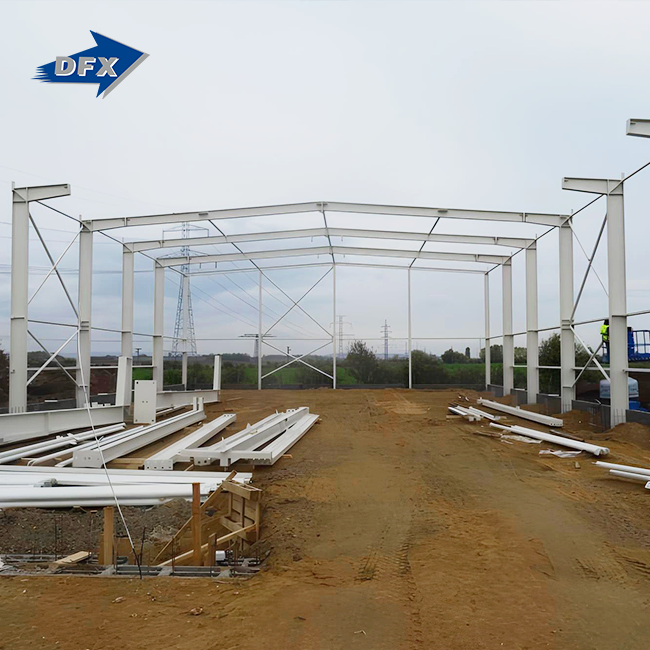
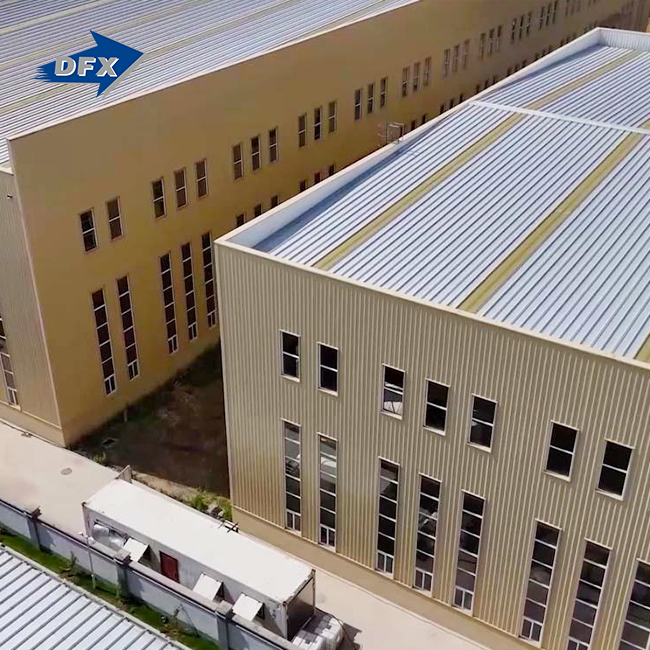
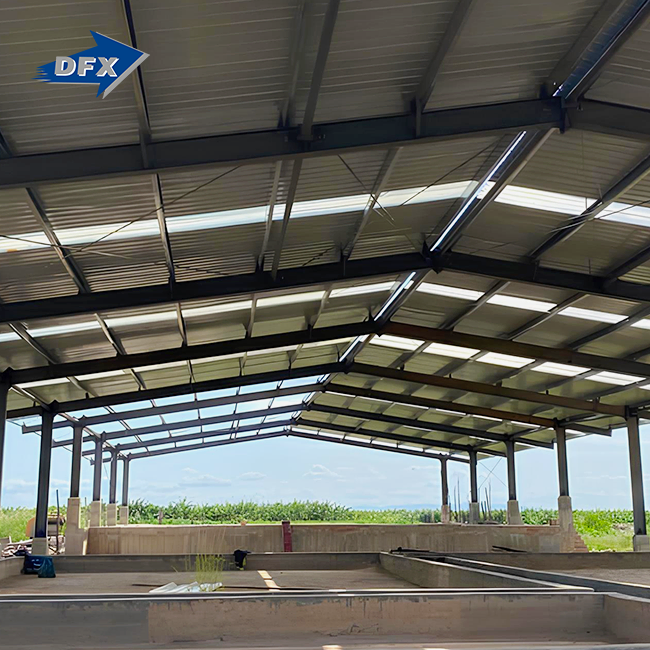
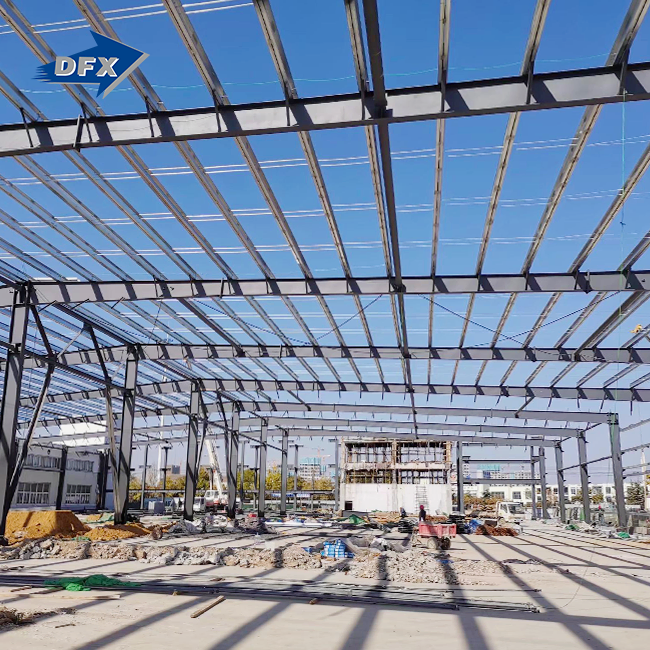
The main frame is made of high-strength low-alloy steel, usually Q355B or ASTM A572 Grade 50. These materials are very good at holding weight even when they are under a lot of heat stress, and they keep their shape even when the temperature changes. The H-beam main steel frame has a clear span of more than 30 meters, which means there are no internal columns that would get in the way of forklift operations or IBC tote storage.
Galvanised C/Z purlins and complete bracing systems keep the building stable on the sides against wind loads and earthquake forces. The first layer of defence against rust is made by hot-dip galvanisation with a zinc covering density of at least 600g/m². These steps have been improved by manufacturing facilities so that they can consistently deliver high quality while keeping costs low for project-based procurement.
Comparative Analysis: Chemical Storage Steel Warehouses vs. Alternatives
Evaluating Material Performance
When buying managers look at different storage choices for a chemical storage steel warehouse, they need to be able to compare materials. While concrete buildings are naturally fireproof, they aren't very adaptable to future growth. When operational needs change, the costs of making changes to concrete buildings often go over 40% of the original construction budget. Plastic and composite materials aren't strong enough to handle the mechanical impact of material handling equipment, and they also don't have the right fire ratings for storing flammable solvents.
Chemical storage steel buildings have clear benefits in a number of areas of performance. The modular building method lets building happen in stages, which lets manufacturing companies increase their capacity without stopping their current operations. A normal 2,000-square-meter building can be put up in 8–12 weeks, while the same building made of concrete would take 6–9 months. This sped-up schedule has a direct effect on project ROI, especially for contractors who are managing multiple builds at the same time.
Different types of materials have very different maintenance needs. Steel buildings with protection coats that are put on correctly need very little maintenance over their 20-year lifetimes. When tested with ASTM B117 salt spray for more than 1,000 hours, epoxy phenolic barrier systems show better protection to both acidic and basic environments. These coatings stop stress corrosion cracking, which happens to steel that hasn't been treated in ammonia-rich places like agrochemical storage.
Cost-Effectiveness and Scalability
In the initial investment analysis, the total costs of ownership must be taken into account, not just the cost of construction. About 35% less on-site labour is needed with prefabricated steel systems, which is very important in places where skilled workers are in short supply. Accurate measurements are guaranteed by factory-controlled fabrication, which gets rid of the need for expensive changes in the field that come up with site-built alternatives.
Another clear benefit is that it can be expanded. Agricultural businesses that want to grow or manufacturing businesses that want to add more production lines can easily add more bays to existing steel frames. Standardised connection details and modular panel systems make it possible to increase capacity without having to reinforce the structure. This protects the initial capital investments while still allowing for growth.
Best Practices for Maintaining Chemical Storage Steel Warehouses
Proactive Inspection Protocols
Chemical storage steel buildings need systematic repair plans to make sure they last as long as possible. Inspections should be done every three months to make sure the coating is still in good shape and look for signs of wear and tear, such as delamination or chalking. You can use ultrasound and magnetic particle screening to check the quality of the welds on main frame connections without damaging them. This is especially important in high-stress areas like near column bases and beam-to-column joints.
Corrosion monitoring focuses on places that are exposed to the air, like roof penetrations, door frames, and ventilation louvres, where water builds up and speeds up the oxidation process. Early discovery lets small problems be fixed before the coating fails all over and needs to be replaced. Operations managers should set up digital maintenance logs to keep track of what was found during inspections. This will help them make predictive maintenance models that make the best use of resources.
Ventilation and Environmental Controls
Keeping chemical vapours under control requires designed ventilation that changes the air at least six times an hour. Higher rates are needed for storing volatile organic compounds. When entry louvres are placed in the right places, and ridge ventilation systems are used together, they create natural airflow patterns that stop vapour condensation. During times of high load, intrinsically safe fans rated for Class I Division 1 environments help the air flow that is already there.
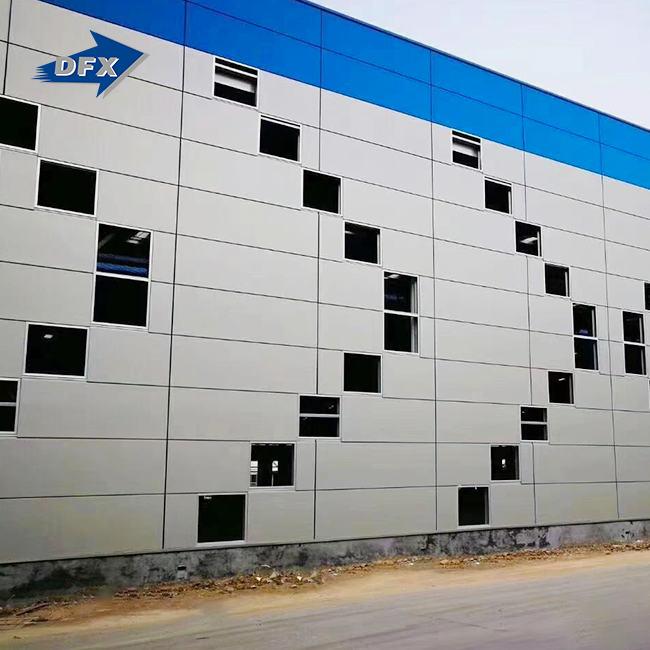
Controlling temperature has an impact on both the stability of a product and the performance of a structure. Insulated sandwich panels with polyurethane or polyisocyanurate cores keep thermal casings in place. This stops condensation, which speeds up rusting, and keeps chemical goods within the temperature ranges that are allowed for storage. Good Manufacturing Practice says that this temperature control is necessary for storing medicinal precursors.
Fire Prevention and Emergency Readiness
Standard sprinkler systems aren't the only way to put out fires in a chemical storage steel warehouse. When applied to structural members, intumescent coatings achieve R120 fire resistance ratings, which means they protect for two hours, giving people time to leave the building and for emergency services to arrive. When there is a deflagration, explosion-relief panels built into wall systems let go of internal pressure, which keeps the main structure from falling apart completely.
Regular emergency drills test communication systems and make sure that escape plans are working. These drills should include a variety of situations, such as chemical spills, vapour leaks, and fires. Documenting how the drill worked and what was done to fix problems shows that you did your research during regulatory audits and insurance reviews, which can help lower your risk premiums.
Procurement Guide: How to Choose and Acquire Chemical Storage Steel Warehouses
Defining Project Requirements
A careful needs assessment is the first step in successfully buying a chemical storage steel building. When figuring out how much space something can hold, you have to take into account when inventory is at its highest, when material handling equipment needs to be cleared, and when different types of chemicals need to be kept separate. When a building stores both oxidisers and flammable solvents, it needs fire-rated separation walls, which change the size of the clear-span and the overall footprint.
Chemical compatibility testing decides the requirements for coatings and the choice of building materials. Keeping hydrochloric acid in storage needs different safety measures than keeping caustic soda in storage. By giving complete lists of chemicals, along with their concentrations, storage temperatures, and vapour pressures, suppliers can come up with the best solutions instead of just giving out generic structures that need to be changed after delivery, which can be expensive.
Evaluating Supplier Capabilities
Verification of certification establishes the trustworthiness of the seller. The ISO9001 quality management system approval means that the whole manufacturing process is controlled in a planned way. The CE mark shows that a product meets European safety standards, which is important for multinational companies that want to standardise their facilities across different markets. Optional EN1090 approval gives you extra peace of mind about meeting the standards for structural steel performance class.
The supplier's service scope has a huge effect on the success of the project. Integrated companies that give technical calculations, manufacturing, transportation planning, and help with building make it easier to complete a job. This "turnkey" method lowers the risks that come up when the design, manufacturing, and construction phases meet. Engineering leaders should request case studies showing finished projects similar in scale and chemical makeup to their needs.
Manufacturing ability deserves close inspection. Facilities operating 40,000 square meters of enclosed production space with dedicated H-beam lines, sandwich panel production, and C/Z section steel capability demonstrate industrial-scale operation. Annual production numbers reaching 20,000 tons of welded structural parts suggest established supply chains and worker reliability, lowering delivery unpredictability.
Cost Structure and Value Analysis
Transparent price models split original building investment from long-term running costs. Purchasing managers should ask for detailed quotes that separate structural steel, protective coats, roofing systems, doors, windows, and extra features. With this level of detail, value engineering can be used to improve standards without putting safety at risk.
With project-based fabrication models, production schedules are aligned with construction schedules. This gets rid of the need for storage space and capital that is stuck in inventory. Logistics coordination services—including containerization, port handling, and inland transportation—require careful evaluation, particularly for international procurement. When suppliers offer delivered-in-place pricing, they lower financial and administrative risks.
Installation help runs from thorough erection instructions to on-site guidance by expert techs. Construction workers with limited steel structure experience benefit greatly from supplier-provided advice, shortening learning curves and avoiding costly installation mistakes. This help is particularly useful during complicated links and tolerance-sensitive building processes.
Enhancing Safety and Efficiency: Future Trends and Innovations
Advanced Material Technologies
Corrosion protection for chemical storage steel warehouse units is still changing, going beyond simple coating systems. Combining metallised zinc-aluminum layers with high-build epoxy phenolic topcoats makes duplex systems last longer in harsh chemical conditions. These high-tech shields stay strong even when exposed to changes in temperature and wear and tear that normally wear down regular paints in five years.
Modular building methods are changing the way projects are completed. When they get to the job site, fully built wall panels that include structural support, insulation, vapour barriers, and external cladding have already been put together in the factory. This prefabrication cuts down on field work by 50% and improves quality control by creating climate-controlled factories. Installation times are cut down to 4–6 weeks for standard facilities, which speeds up the start of a project.
Smart Technology Integration
IoT-enabled safety sensors turn buildings that aren't smart into ones that are. Continuous tracking of the atmosphere finds levels of chemical vapour below what is considered dangerous. This sets off automatic increases in air before an emergency happens. Wireless leak detection wires placed inside storage sumps send instant alerts, allowing quick action that reduces product loss and damage to the environment.
Automated fire suppression systems use advanced recognition methods to tell the difference between real risks and fake warnings. This cuts down on unnecessary shutdowns while keeping the integrity of the security. Facility managers can keep an eye on multiple locations from a central operations center thanks to remote monitoring. This makes the best use of resources across distributed storage networks.
Sustainability and Environmental Responsibility
Green building standards are becoming more and more important in purchasing decisions. To get LEED certification, you have to show proof of the amount of recycled steel used, the amount of construction waste that is diverted, and an energy performance model. Steel is naturally recyclable, which means it can be used over and over again without losing its qualities. This makes it a more sustainable material than other materials that break down during recycling.
When renewable energy is added to buildings, they go from using energy to possibly making power. Structured roof systems made for photovoltaic panel loads allow for solar installations that balance out the electricity used for operations. When combined with solar panels, battery storage systems provide backup power for important tracking and cooling systems, making them more reliable when the power goes out.
Conclusion
In conclusion, choosing the right infrastructure for a chemical storage steel building means matching the need for safety, following the rules, being efficient, and staying within budget. Steel warehouse systems have been shown to work well in these areas thanks to their design, high-tech materials, and flexible building methods. Because of their strong structures, resistance to corrosion, and adaptability, these facilities are the best choice for industries that work with dangerous materials. To be successful, you need to clearly define your needs, carefully evaluate potential suppliers, and work with seasoned makers who offer complete design and installation services.
Frequently Asked Questions
1. How does steel construction handle explosion risks in chemical storage?
Engineered explosion-relief panels integrate into wall assemblies, releasing at predetermined internal pressures during deflagration events. These panels vent explosive forces outward, protecting the main structural frame from collapse. Calculations based on stored chemical properties and building volume determine required relief area, ensuring code compliance while maintaining building envelope integrity during normal operations.
2. Can steel warehouses resist prolonged acid vapor exposure?
Specialized coating systems provide long-term protection for a chemical storage steel warehouse against acidic atmospheres. Duplex treatments—metallic zinc-aluminum base layers topped with epoxy phenolic barriers—create impermeable shields tested via accelerated corrosion protocols. Regular maintenance inspections identify localized degradation early, permitting spot repairs that prevent widespread failure and extend structural service life beyond 25 years.
3. What distinguishes chemical storage facilities from standard warehouses?
Chemical-specific warehouses incorporate secondary containment systems, segregated storage zones preventing incompatible material contact, enhanced ventilation achieving specified air change rates, fire-rated separation assemblies, and explosion-proof electrical systems. These features address hazardous material properties—reactivity, flammability, toxicity—through engineered controls rather than administrative procedures alone, providing inherent safety layers.
Partner with DFX for Your Chemical Storage Steel Warehouse Solution
Industrial chemical storage demands precision engineering and manufacturing excellence that DFX delivers through 12 years of specialized experience. As an established chemical storage steel warehouse manufacturer, we provide complete project support—from initial engineering calculations through fabrication, logistics coordination, and on-site erection guidance—ensuring your facility meets stringent safety standards while optimizing construction timelines and budgets.
Our ISO9001-certified manufacturing operations produce modular prefabricated steel storage buildings featuring robust H-beam primary frames, galvanized C/Z purlins, and comprehensive bracing systems. With 40,000 square meters of production capacity and over 200 skilled workers, we deliver reliable quality backed by CE certification. Whether your project involves petrochemical logistics, agrochemical distribution, or pharmaceutical manufacturing, our technical team engineers solutions tailored to your specific chemical storage requirements. Contact jason@bigdirector.com to discuss how DFX can support your next chemical storage steel warehouse project with proven expertise and competitive pricing.
References
1. National Fire Protection Association. (2021). NFPA 30: Flammable and Combustible Liquids Code. Quincy, MA: NFPA Publications.
2. Occupational Safety and Health Administration. (2020). Hazardous Materials Storage: OSHA Standards and Compliance Guidelines. Washington, DC: U.S. Department of Labor.
3. American Institute of Steel Construction. (2022). Steel Construction Manual, 15th Edition. Chicago, IL: AISC Publications.
4. Environmental Protection Agency. (2019). Secondary Containment Requirements for Chemical Storage Facilities. Washington, DC: EPA Office of Solid Waste and Emergency Response.
5. European Chemicals Agency. (2023). REACH Regulation: Guidance on Safe Storage of Hazardous Substances. Helsinki, Finland: ECHA Publications.
6. Society of Fire Protection Engineers. (2020). Engineering Guide to Fire Safety in Chemical Process Facilities. Bethesda, MD: SFPE Technical Publications.
Learn about our latest products and discounts through SMS or email