- English
- French
- German
- Portuguese
- Spanish
- Russian
- Japanese
- Korean
- Arabic
- Greek
- German
- Turkish
- Italian
- Danish
- Romanian
- Indonesian
- Czech
- Afrikaans
- Swedish
- Polish
- Basque
- Catalan
- Esperanto
- Hindi
- Lao
- Albanian
- Amharic
- Armenian
- Azerbaijani
- Belarusian
- Bengali
- Bosnian
- Bulgarian
- Cebuano
- Chichewa
- Corsican
- Croatian
- Dutch
- Estonian
- Filipino
- Finnish
- Frisian
- Galician
- Georgian
- Gujarati
- Haitian
- Hausa
- Hawaiian
- Hebrew
- Hmong
- Hungarian
- Icelandic
- Igbo
- Javanese
- Kannada
- Kazakh
- Khmer
- Kurdish
- Kyrgyz
- Latin
- Latvian
- Lithuanian
- Luxembou..
- Macedonian
- Malagasy
- Malay
- Malayalam
- Maltese
- Maori
- Marathi
- Mongolian
- Burmese
- Nepali
- Norwegian
- Pashto
- Persian
- Punjabi
- Serbian
- Sesotho
- Sinhala
- Slovak
- Slovenian
- Somali
- Samoan
- Scots Gaelic
- Shona
- Sindhi
- Sundanese
- Swahili
- Tajik
- Tamil
- Telugu
- Thai
- Ukrainian
- Urdu
- Uzbek
- Vietnamese
- Welsh
- Xhosa
- Yiddish
- Yoruba
- Zulu
Aircraft Paint Hangar Design: Key Features and Best Practices
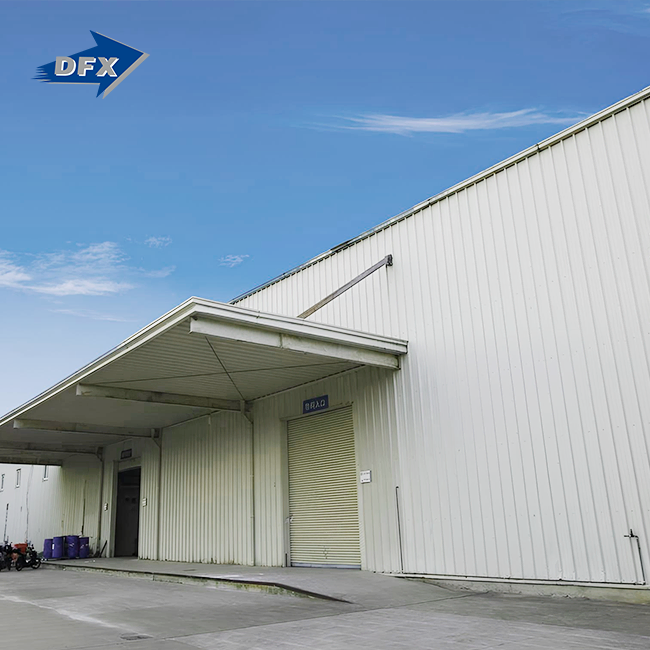
An aircraft paint hangar is a large, enclosed facility where crews prepare, coat, cure, and inspect aircraft under controlled conditions. Good design starts with the aircraft envelope. It then adds airflow, filtration, temperature control, lighting, fire protection, and a clear workflow. The steel shell must provide clear span and height first, because every other system depends on it. In this guide, I explain the main features of an aircraft paint hangar, the standards that shape it, and the steps that help buyers avoid costly mistakes. I also describe what we at DFX supply for the structure.

Aircraft Paint Hangar Fundamentals and Core Design Requirements
How an Aircraft Paint Hangar Works
Planes that need to be fixed are kept safe in a normal hangar. An aircraft paint hangar can do more because it has one system for heat, lights, exhaust, airflow, and fire safety. Setting up the plane, making marks, getting the surface ready, coating, flash-off and drying, checking, and letting go are the steps that are always done in this order. The steps are the same for a paint booth, but they work better for bigger pieces or planes. It costs more and takes up more room to build a hangar. It can, however, handle bigger planes and do more kinds of work. Teams that buy these tools separately often mess up projects, based on what I've seen.
Sizing the Space and Planning Workflow
The length and width of an airplane are not the only things that make it an airplane. I always check to see if there is enough space for stairs, lifts, lines, workers to move around, and doors that lead to safety. Often, they leave extra space for lines to come after. Next, turn all of the zones so they face the same way: clean, paint, cure, check, store, and run. Because the flow is only going one way, dust and extra paint don't get on painted surfaces. NFPA 409 tells us how to group hangars together. Group I includes hangars with doors that are higher than 28 feet or a single fire area that is more than 40,000 square feet. Right away, talk to your fire station, as this kind of place is often a large aircraft paint hangar.
Steel Structure and Material Choices
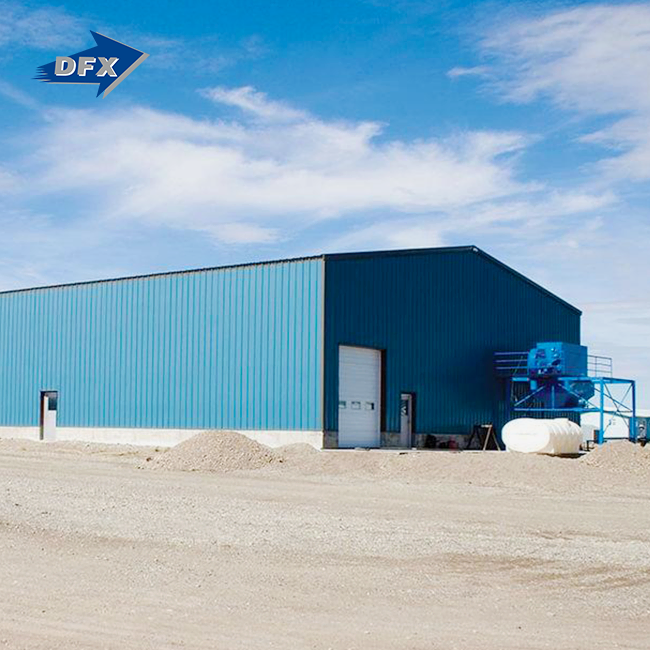
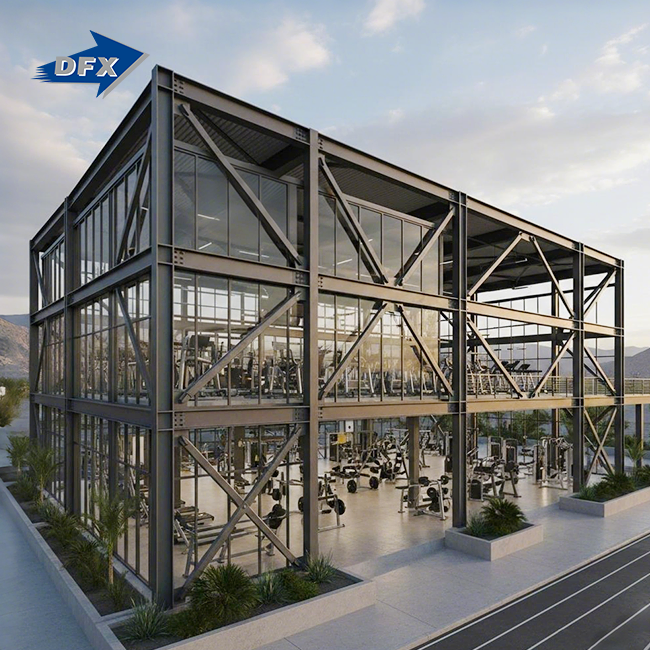
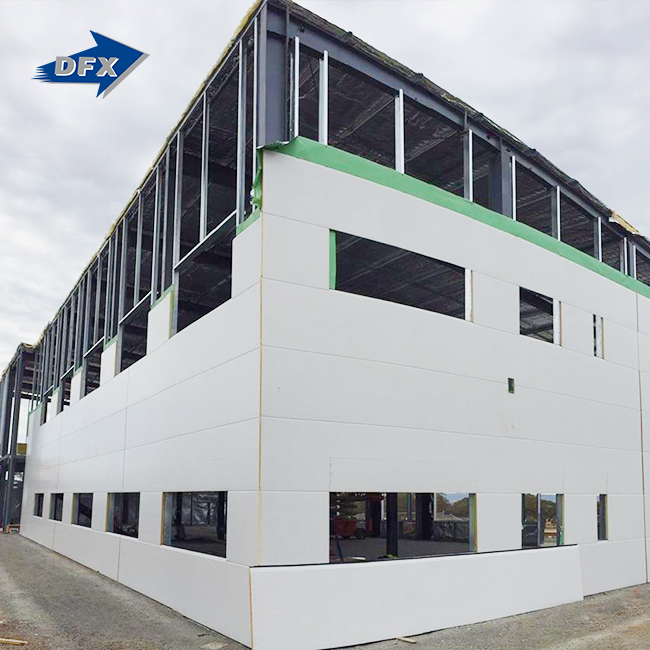
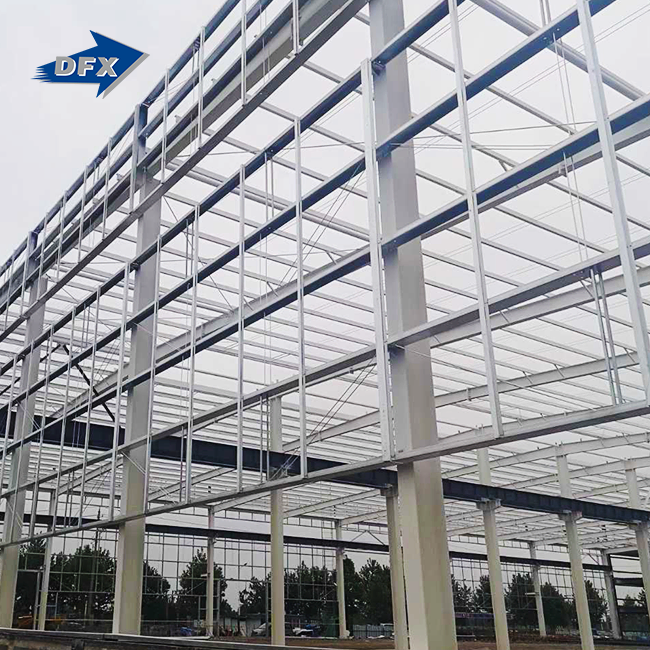
Everything inside the shell is told what it can and can't do by the shell. Our long-span steel building with lots of space between the beams is mostly made up of H-sections that have been welded together and a stronger set of bracing. These parts make the inside clear. The wings and tails can move around freely because of this. We figure out how things are put together, make them, and give you instructions on how to do it. We have CE, COC, and PVOC certificates that show our goods were made with ISO quality control methods. People buy insulated panels, corrosion-resistant liners, fire-rated systems, and special flooring for the inside of the shell based on the coatings they want and the building codes in their area. The loads on a job should be fair, according to the building codes in your area and ASCE 7. We use the planning factors you give us to figure out the numbers.
Ventilation, Climate, and Lighting for Coating Quality
Airflow, Make-Up Air, and Filtration
Exhaust air, supply air, and make-up air should all always have the same amount. Too much spray stays in dead zones or goes around the body if they don't hit. There are five styles that designers can pick from: crossdraft, downdraft, side-draft, semi-downdraft, and mixed. With downdraft, too much spray moves away from the plane. It needs pits and more work on the ground, though. Crossdraft works best on a slab that is already there, but attention must be paid to how the air flows along the plane's length. The ACGIH ventilation manual and other sources in the field are used to come up with design speeds. 60 to 100 feet per minute is what most projects aim for. Several steps of screens keep the finish and the workers safe. Fans with different speeds and airflow that goes back and forth while healing use less power. Make a plan for when to change the filters so that the airflow stays steady.
Temperature, Humidity, and Coating Control
What makes paint work is the air's temperature and humidity. They change the flaws like blushing, the sparkle, the time it takes to harden, the thickness, and the shine. Paints that are water-based, solvent-based, primers, basecoats, and topcoats all have their own rules. No matter what number someone picks, if they want to buy coatings, they should always start with the technical data sheet from the manufacturer. It's also important to know how hot the surface is. If the metal skin is too cold, it can drop below the dew point. Things are less likely to stay together now. Checks, alarms, process records, and monitoring tools all showed that each job stayed within the allowed range.
Lighting and Inspection
People who paint and look for flaws need light that can show the color as it really is. Light bulbs with a high color rendering index make the light spread out more evenly and reduce glare. At work height, many rules say that the CRI should be at least 90 to 100. Almost everything in spray zones has to be safe for that area. This means that the tools have to be Class I, Division 1. Smooth, light-colored walls keep dust from gathering and let light shine all over. Before the plane takes off, these all help the team find mistakes and match colors.
Fire Safety and Environmental Compliance Hazardous Areas and Ignition Control
Paint fumes, overspray, solvents, and static electricity are just a few of the things that can start fires and explosions. Of course, planners use NFPA 33 and the National Electrical Code to show where the danger zones are. After that, they choose fans and power tools that won't blow up in those places. To get rid of the static charge, you can connect the plane's parts and ground them. In the event that the airflow stops and the power and any sources of ignition are turned off, the spraying stops. 29 CFR 1910.107 is another rule for the workplace. It comes from OSHA. So, when you're coming up with ideas, make sure you think about what the fire and building officials in your area will say.
Fire Protection and Worker Safety
A safety plan has more than one level. Fire safety requires clear escape routes, fire alarms, sprinkler or deluge systems, foam when needed, and fire-rated buildings. Aircraft paint hangars can be used for many things, according to NFPA 409. People are more important than tools. People who work there need to know how to handle chemicals, protect their breathing, avoid falling tails and wings, and what to do in an emergency. Doing those drills a lot will help you remember them. Before the building is used, I think these tasks should be written down in the running instructions.
VOC Control and Permits
Volatile organic compounds and other harmful air pollutants are released when an airplane is being painted or coated. A lot of places have to follow an EPA rule called 40 CFR Part 63 Subpart GG. State or city air permits may also add more rules. When you're still coming up with ideas, not when the building is done, should you look at these rules? Activated carbon adsorption, heat oxidation, catalytic oxidation, and coatings with lower emissions are some of the things that can be used to solve the problem. The cost over its whole life, the amount of pollution it makes, the number of hours it runs, and the rules about pollution all play a part. Don't mix paints and chemicals in the same room. Also, be careful with used filters and keep good records of emissions. It's easy to write checks with these.
Choosing a Solution and Managing Procurement
Permanent, Portable, and Inflatable Options
Permanent facilities are the best way to get a lot of MRO and OEM work done. Things that are portable and adaptable work well in the country, off-season, for military jobs, or for short-term needs. It will help you choose the best option if you compare how quickly it can be put in place, how much work it needs, how much weather it will be exposed to, how long it will last, how useful it is, how easy it is to maintain, and how well it fits the code. A steel shell that has already been made and special painting systems added to it is the best way to build something that will last and get the job done faster. Check out the whole price, not just the building. Building engineering, airflow, filtering, temperature control, fire safety, controls, setup, testing, energy, supplies, and downtime should all have their own space.
Specification and Supplier Evaluation
Before you ask for prices, write down everything you need tech-wise. Talk about the plane's size, how it works, the doors, the airflow, the filtering, the level of comfort, the lights, the fire safety, the type of power, and the rules in your area. Once you're done with that, you should look at a supplier's compliance papers, references, technical skills, how well they can connect systems, installation, training, and service after the sale. There is a chart that shows the hangar supplier, the construction contractor, the local advisers, and the owner who is in charge of which tasks. More than 200 people work in a 40,000-square-meter space where DFX makes things. Our six automatic welded H-beam lines can make about 20,000 tons of welded H-beams and columns each year. The people who design and finish our projects are there from the first idea to the last piece being put in place.
Common Mistakes and Quick Checklist
In many projects, things go wrong. Based on the length and width of the wings, the house is the right size. The way they handle air is the same as any other home unit. Only the purchase price is what they think about. They don't think about how much makeup air and seasonal energy will cost or how easy it will be to get service. One way to avoid most of these issues is to get engineers to work together early on, do a lifetime cost analysis, and write down acceptance criteria. You need to know how big the plane is and how many people it can hold before you sign. It's also important to know about the exits, work areas, wind balance, temperature controls, being in a dangerous area, fire safety, starting tests, and training. As part of the acceptance tests, there should be checks on the fire system, handing over of papers, and balancing of the air.
Conclusion
To work well, an aircraft paint hangar needs picks to be made quickly and in a neat way. The plane's steel shell, its envelope, and its workspace all set limits. Monitoring the temperature and humidity, making sure there is even airflow, and using high-CRI lighting on a regular basis can all help protect the coating. Before starting to work on a plan, teams should make sure they follow the rules set by the NFPA, OSHA, and EPA for fire safety, electrical safety, and VOC control. The prices, speeds, and lengths of time for permanent, portable, and inflatable options are not all the same. Cost over time is a better way to compare options than price. When jobs are clear, requirements are clear, and written tests are given, people are less likely to wait, do extra work, or break the rules.
FAQ
1. What is the difference between an aircraft paint hangar and a paint booth?
A paint booth is a little room where you can keep small planes or parts. It's made to hold bigger planes and has systems for building, safety, cooling, and cleaning all in one.
2. Do I need explosion-protected equipment?
Possible, but only if you know where you are and how dangerous it is. You need to follow the National Electrical Code (NFPA 33) and the rules set by your city or town.
3. How do I set temperature and humidity?
To set limits for each product, you should use the technical data sheet that came with the coating. Then you should make a plan for the checks and balances that will keep those limits.
4. How much does an aircraft paint hangar cost?
The type of plane, its size, where it is, how fast it goes, how it is screened, and how safe it is in case of fire all play a role. Do not ask how much it costs per square meter. You should instead ask for a price that is made just for your job.
Start Your Aircraft Paint Hangar Project with DFX
Are you going to build a shed to paint airplanes? The aircraft paint hangar's steel shell is made by Qingdao Director Steel Structure Co., Ltd. DFX is their brand name. We can help you with long-span H-section frames, structural calculations, unique design, manufacturing, and installation. You can email jason@bigdirector.com to tell them what kind of plane, how big, where, and what code you need. We'll get back to you with a rough plan or a price quote.
References
1. NFPA 409, Standard on Aircraft Hangars, 2022
2. NFPA 33, Standard for Spray Application Using Flammable or Combustible Materials, 2021
3. NFPA 70, National Electrical Code, 2023
4. ACGIH, Industrial Ventilation: A Manual of Recommended Practice for Design, 2019
5. U.S. EPA, National Emission Standards for Hazardous Air Pollutants: Aerospace Manufacturing and Rework Facilities (40 CFR Part 63, Subpart GG), 1995
6. ASCE, ASCE/SEI 7 Minimum Design Loads and Associated Criteria for Buildings and Other Structures, 2022
Learn about our latest products and discounts through SMS or email