- English
- French
- German
- Portuguese
- Spanish
- Russian
- Japanese
- Korean
- Arabic
- Greek
- German
- Turkish
- Italian
- Danish
- Romanian
- Indonesian
- Czech
- Afrikaans
- Swedish
- Polish
- Basque
- Catalan
- Esperanto
- Hindi
- Lao
- Albanian
- Amharic
- Armenian
- Azerbaijani
- Belarusian
- Bengali
- Bosnian
- Bulgarian
- Cebuano
- Chichewa
- Corsican
- Croatian
- Dutch
- Estonian
- Filipino
- Finnish
- Frisian
- Galician
- Georgian
- Gujarati
- Haitian
- Hausa
- Hawaiian
- Hebrew
- Hmong
- Hungarian
- Icelandic
- Igbo
- Javanese
- Kannada
- Kazakh
- Khmer
- Kurdish
- Kyrgyz
- Latin
- Latvian
- Lithuanian
- Luxembou..
- Macedonian
- Malagasy
- Malay
- Malayalam
- Maltese
- Maori
- Marathi
- Mongolian
- Burmese
- Nepali
- Norwegian
- Pashto
- Persian
- Punjabi
- Serbian
- Sesotho
- Sinhala
- Slovak
- Slovenian
- Somali
- Samoan
- Scots Gaelic
- Shona
- Sindhi
- Sundanese
- Swahili
- Tajik
- Tamil
- Telugu
- Thai
- Ukrainian
- Urdu
- Uzbek
- Vietnamese
- Welsh
- Xhosa
- Yiddish
- Yoruba
- Zulu
Aircraft paint hangar structure Design: Key Engineering Factors
Designing an aircraft paint hangar structure demands precision across multiple engineering disciplines. The structure must deliver a contamination-free environment while maintaining structural integrity under diverse operational loads. Critical engineering factors include clear-span design to eliminate internal obstructions, advanced ventilation systems achieving 60-100 feet per minute airflow velocity, and explosion-proof electrical installations compliant with NFPA 409 standards. Material selection focuses on solvent-resistant, non-combustible coatings that withstand aggressive chemical stripping agents, while the structural framework—typically pre-engineered steel—must accommodate wide-body aircraft wingspans and tail heights without compromising safety or finish quality.

Understanding Aircraft Paint Hangar Structures: Core Components and Functions
Aviation painting facilities are very specialized pieces of infrastructure that do a lot more than just provide cover. We have seen how these structures, which combine huge steel frames with laboratory-grade climate controls, can change the way aircraft are finished when they are built correctly.
The Structural Framework Foundation
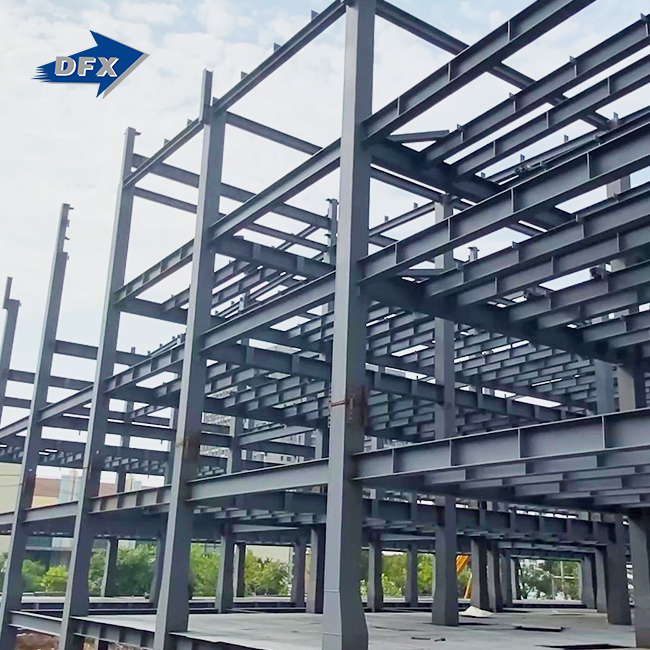
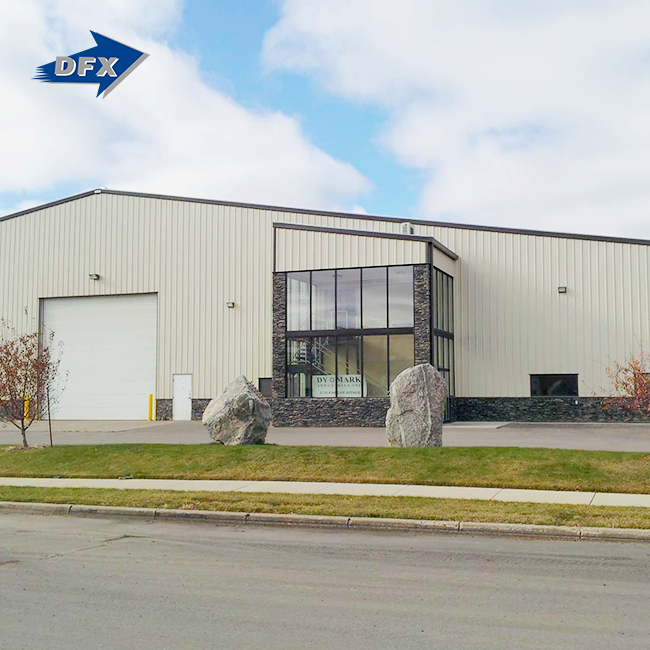
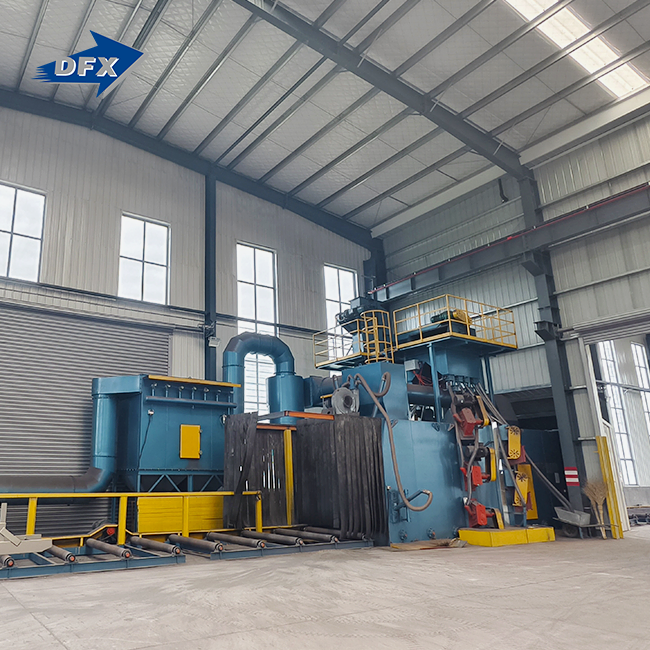
The clear-span steel framework is what holds a painting hangar together. Unlike most hangars, which have internal beams that make it hard to move, our welded H-section steel main frame makes a 40- to 80-meter-long workspace that is free of obstructions. This design lets the plane land anywhere it wants and stops dust from building up on the inside supports, which could be a source of contamination. The reinforced bracing system spreads out the side loads caused by wind and earthquakes, keeping the building stable during important painting tasks. ISO-certified manufacturing processes guarantee accurate measurements, which have a direct effect on how well doors close and how well environmental controls work.
Environmental Control Integration
The most important part of painting hangars is their sophisticated HVAC systems. For these facilities, there need to be three stages of filters that catch particles as small as 0.3 microns. This keeps foreign object trash from getting on wet paint surfaces. Controlling the temperature within a range of ±2°F helps the curing process go smoothly, and keeping the humidity between 40 and 60% relative humidity stops problems with solvent flash-off. Variable Frequency Drives are necessary for controlling operational costs because the mechanical systems use a lot of power—often more than 500 kilowatts.
Specialized Interior Surfaces
Paint hangars are different from other flight buildings because of how the inside is finished. We cover all of the steel inside with a smooth, solvent-resistant epoxy covering. This makes a shield that doesn't let chemicals through and stops static electricity from building up. Chemical-resistant toppings are put on top of reinforced concrete slabs in floor systems that are made to hold over 50 tons of concentrated airplane gear. Ceiling and wall panels have surfaces that can be cleaned and won't let particles into the controlled airstream. This keeps the contamination-free area needed for aerospace-quality finishes.
Engineering Considerations for Aircraft Paint Hangar Design
Aviation cleaning facilities that work well are built on solid engineering. Through hundreds of installs, we've learned that there are certain technical needs that separate buildings that work from those that don't.
Structural Load Analysis and Design Standards
Wind load estimates determine the size of the main aircraft paint hangar structure members. Coastal airports have to deal with steady winds of more than 140 mph, which means that vertical surfaces must be able to handle 45 pounds per square foot of pressure. The amount of snow adds another factor to the planning process. Northern facilities need roofs that can hold 40 to 60 pounds of live weight per square foot. Different places need different seismic design factors. For example, buildings in busy zones need ductile moment frame links and base isolation systems. Our structural modeling services use finite element analysis to model these combined loading scenarios. This makes sure that every link and member fits international building rules and makes the best use of materials.
Ventilation System Engineering Principles
The quality of the paint and the safety of the workers depend on how the air flows. Downdraft systems, which is the design we suggest, pull dirty air downward through exhaust plenums that are placed on the floor. This gets rid of overspray before it can settle on aircraft surfaces again. Cross-draft options are good for retrofitting situations where digging up the floor isn't an option. However, they need careful velocity modeling to keep the airflow smooth around the aircraft's edges. The air supply goes through three stages of filtration: pre-filters catch big particles, bag filters get rid of fine dust, and HEPA filters make sure the air is completely clean. Exhaust streams go through regenerative thermal oxidizers or activated carbon devices, which get rid of volatile organic compounds before they are released into the air. This meets EPA standards for emissions of dangerous air pollutants.
Thermal Performance and Energy Efficiency
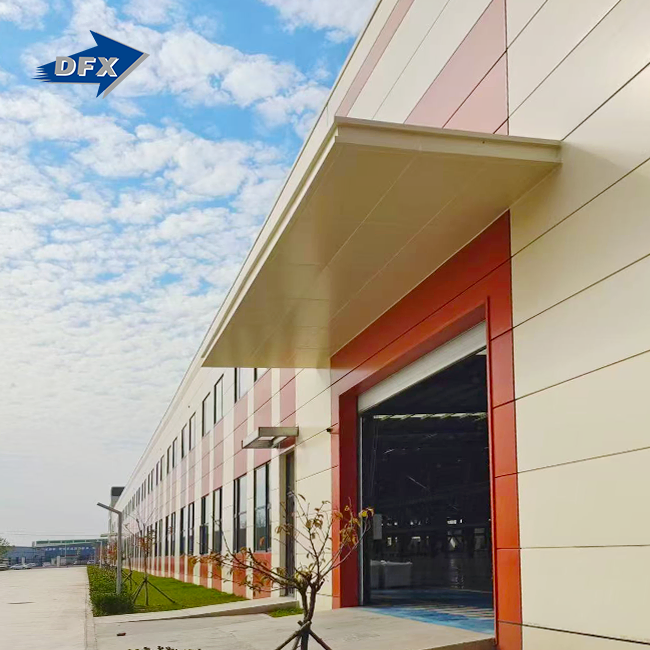
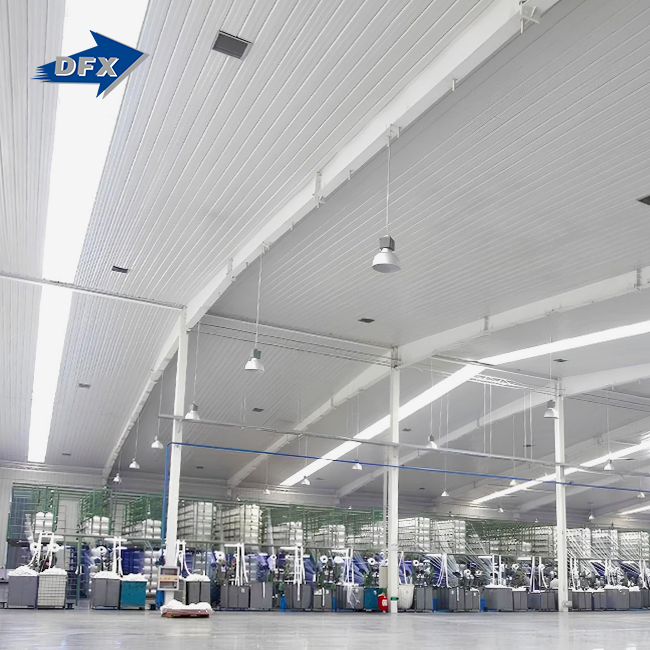
Insulation techniques have a huge effect on the economics of operations. We ask for metal-faced sandwich panels with polyurethane cores that have R-values between 25 and 35. This keeps heat from moving through the building shell as little as possible. This thermal barrier makes it easier on climate control systems, which have to keep temperatures within certain ranges no matter what the weather is like outside. Large door systems have temperature weak spots. To fix this, we use multi-layer closing systems and quickly acting insulated doors that cut down on the time that the doors are open while the plane is moving. LED lighting systems that give off 100+ foot-candles at upkeep height render colors very well (CRI >90) and use 40% less energy than old metal halide lights.
Comparing Aircraft Paint Hangar Structure Types and Solutions
The choice of facility type has a big impact on the project's costs and its ability to adapt to changing circumstances. Each structural approach has its own benefits that are based on the needs of the operation.
Permanent Steel Structures vs. Modular Systems
Permanent pre-engineered steel buildings are the most durable and last more than 30 years. We use welded H-beams made from Q345 structural steel in our manufacturing process. These have better strength-to-weight ratios than traditional I-beam construction. Customized design can work with different types of foundations on different sites, ranging from thin spread footings in good soil to deep pile systems in bad soil. Usually, it takes 8 to 12 months from signing the contract to handing over the keys for operations. This time includes foundation work, steel erection, envelope installation, and commissioning of the MEP system.
By making whole structure bays off-site, modular solutions cut down building times to 4 to 6 months. These systems work great for short-term tasks or places where quick deployment is more important than long-term reliability. The trade-off is less freedom to customize and maybe limits in places with unusual weather where changing temperatures put stress on modular links.
Steel Framework vs. Alternative Materials
Steel is used a lot in aircraft cleaning facilities for good reasons. The material is very strong and can span long distances—our standard designs can reach 60 meters without any supports in the middle. Non-combustible properties meet aviation safety standards, and dimensional stability under thermal cycling keeps doors from getting out of alignment, which could compromise their ability to seal against the environment. While aluminum frames are lighter than steel ones, they are not as stiff, so they bend too much when the wind blows. Fabric structures are the least expensive at first, but they need to be replaced every 15 to 20 years and are hard to keep up with the strict weather controls that painting jobs need.
Integrated Paint Booths vs. Full Hangar Conversion
Paint booth inserts are an additional method that can be used to make controlled painting areas inside existing hangars. These steel structures can stand on their own and fit inside regular hangars. They provide filtered airflow and environmental control without having to replace the whole hangar. The method works well when current buildings have enough space between them but don't have enough airflow. Full hangar conversions give businesses more options because they can house more than one plane at once and support maintenance tasks that don't involve painting inside the same building. Some of the things that go into making a decision are the available capital budget, the operational throughput needs, and the limitations of the current facility.
Procurement Insights: How to Choose and Buy the Right Aircraft Paint Hangar Structure
Strategic choices about buying weigh the needs of the job at hand against the facts of long-term operations. Our connections with clients show that successful aviation site managers often make the same kinds of choices.
Supplier Qualification and Certification Requirements
When choosing a vendor, manufacturers with proven experience in the aviation industry should be given top priority. CE certification shows that the building meets European building standards, and ISO 9001 certification shows that the quality control systems are used throughout the whole production process. For the African market, we keep our COC and PVOC licenses up to date. This makes the customs processing and local approval processes easier. Ask for specific reference projects that include the size, location, and length of time that the facility was operating. This will show you if the provider can handle projects of a similar size and level of difficulty. Manufacturing capacity is very important. Our 40,000-square-meter production facility and 20,000-ton annual welded beam capacity make sure that we can meet our delivery dates without having to take on the risks of subcontracting.
Cost Structure and Budget Planning
Suppliers who are professional and those who aren't can be told apart by clear pricing for aircraft paint hangar structures. Cost breakdowns will be provided for structural steel supply, sandwich panel cladding systems, door parts, and base engineering. Some of our competitors charge extra for services like fabrication drawings, structural calculations, and installation advice, but our quotes include all of these for free. Depending on the complexity of the specifications and how easy it is to get to the site, most projects cost between $250 and $450 per square meter of enclosed space. Installation costs 15 to 25 percent of the total project cost, based on the cost of labor in the area and the state of the foundation. Ten to fifteen percent of the budget is set aside in case of unplanned changes to the site or requests from the owner during construction.
Sustainable Design Features
Energy-efficient systems save money over time, which makes the small startup costs worth it. Compared to lights that are always on, LED lighting systems with occupancy monitors use 35 to 40 percent less electricity. Variable frequency drives on ventilation fans let you change the flow of air when you're not painting, which can save up to 50% on HVAC energy use. In the right conditions, installing solar panels on large roof surfaces can meet 20 to 30 percent of a building's electricity needs. Aircraft cleaning runoff is collected and treated by water recovery systems, which lower the amount of freshwater used and garbage released. These environmentally friendly features are in line with what companies say they will do for the environment and also help the project's bottom line by lowering utility costs.
Maintenance and Safety Standards for Long-Term Reliability
Longevity depends on following strict maintenance procedures and always following safety rules. We've learned these lessons over many years of monitoring facilities after they were installed.
Structural Inspection Protocols
Every year, structural studies find new problems before they get in the way of activities. The main focus of inspections is on the soundness of the connections, especially moment frame nuts that can handle lateral loads. Monitoring corrosion is very important near the coast, where salty air damages protective layers. We suggest testing the thickness of main structural members with ultrasonic waves every five years and keeping track of any section loss due to corrosion. Roof drainage systems need to be cleaned every three months to keep water from building up and speeding up the rusting of metal parts. Using precision scanning to keep an eye on foundation settlement finds differences in movement that could throw off door systems or put stress on structural links.
Ventilation System Maintenance Requirements
When to replace filters has a direct effect on both the quality of the air and how much energy is used. Pre-filters need to be checked every month and replaced when the pressure drop goes beyond what was intended, which is usually every two to three months. Bag filters should last between 6 and 9 months with normal use, while HEPA filters should last between 12 and 18 months. Fan bearings are oiled at intervals specified by the manufacturer. This keeps these important parts from breaking down too soon. Every two years, ductwork inspections find buildups that block airflow. This is especially important for exhaust systems that deal with paint overspray. Programming for a variable frequency drive should be checked once a year to make sure it works at its best across the entire operational range.
Regulatory Compliance and Safety Standards
OSHA rules say how workers can be exposed to chemical cleaners and paint fumes. Facilities must show that they have enough ventilation by sampling the air on a regular basis to make sure that the levels of volatile organic compounds stay below the limits for safe exposure. NFPA 33 standards require certain fire control methods, which are usually foam-and-water flood systems that are set off by heat or smoke detection. Under 40 CFR Part 63 Subpart GG of the EPA's rules, coating operations for aircraft must keep track of their emissions and show that their control equipment gets rid of or catches 90% or more of harmful air pollutants. Inspections by the aviation authority make sure that the building meets the requirements for site approval and that it continues to operate within the acceptable limits. Not following the rules can lead to lawsuits and the shutting down of operations; avoiding problems costs a lot less than fixing them.
Conclusion
Aircraft paint hangar structure building, environmental control systems, and practical needs must all be carefully combined in order for aircraft painting facilities to work well. Clear-span steel construction gives pilots the clear room they need to move their planes, and high-tech ventilation systems keep the clean environment that aerospace-quality finishes require. Long-term operational success is based on the choice of materials, how well they perform in heat, and how well they follow the rules. When making purchases, companies should give more weight to suppliers who can prove they have experience in the aviation industry, clear pricing, and a wide range of certifications. Maintenance discipline and following safety rules protect workers and keep operations running smoothly. When you invest in properly designed painting infrastructure, you get measured returns in the form of shorter turnaround times for airplanes, better finish quality, and increased business efficiency that builds up over the decades that the facility is in use.
FAQ
1. What distinguishes paint hangars from standard aircraft maintenance facilities?
Paint hangars are more like precise weather rooms than simple shelters. They have electrical systems that can't explode in Class I, Division 1 dangerous areas, smooth liners inside to keep dust from building up, and huge HVAC systems that move filtered air at controlled speeds. Standard maintenance hangars don't have these specialized systems, so they can't be used for coating jobs that need to keep contaminants under control.
2. Can existing hangars be converted into painting facilities?
"Booth-in-a-box" methods, in which self-supporting steel structures are installed inside existing shells, make retrofit conversions possible. This method works when the roots are strong enough to support the extra weight of the mechanical system, and there is enough space for the filtering plenums. Costs of conversion are usually between 60 and 70% of the cost of building something new. It only makes economic sense to do this when existing buildings have a lot of value left over.
3. How long do custom hangar fabrication and installation take?
From signing the contract to handing over the building for use, customized steel structure projects take 8 to 12 months. It takes six to eight weeks for structural design and engineering, twelve to sixteen weeks for fabrication in ISO-certified facilities, four to eight weeks for shipping (depending on destination), and twelve to sixteen weeks for on-site assembly with MEP integration. Timelines for modular systems are cut down to 4 to 6 months by using parallel fabrication and easier field assembly methods.
Partner With a Trusted Aircraft Paint Hangar Structure Manufacturer
DFX has been making specialized steel structures for more than 12 years and works on flight building projects all over the world. Our solutions for aircraft paint hangar structures include tried-and-true pre-engineered steel designs along with a full range of support services, from structural calculations and custom engineering to fabrication, shipping logistics, and installation advice. Our 40,000-square-meter building follows strict ISO 9001 guidelines for production, which guarantees consistent quality. CE, COC, and PVOC standards make it easier for foreign projects to get approved. We know how hard it is for procurement managers and project engineers to choose the right aircraft infrastructure providers. Our expert team gives thorough reviews of projects, clear cost figures, and attainable deadlines for completion that help people make smart choices. When investing in aviation facilities, you need partners who can provide both excellent engineering and reliable execution. Email our team at jason@bigdirector.com to talk about your specific needs for an aviation painting facility. You'll get custom solutions with project references that you can check and a lot of technical information.
References
1. National Fire Protection Association. NFPA 409: Standard on Aircraft Hangars. 2021 Edition. Quincy, MA: NFPA.
2. American Conference of Governmental Industrial Hygienists. Industrial Ventilation: A Manual of Recommended Practice for Design, 30th Edition. Cincinnati, OH: ACGIH, 2019.
3. Occupational Safety and Health Administration. OSHA Technical Manual, Section III: Chapter 1 – Ventilation Investigation. Washington, DC: U.S. Department of Labor, 2018.
4. American Institute of Steel Construction. Steel Construction Manual, 15th Edition. Chicago, IL: AISC, 2017.
5. Environmental Protection Agency. National Emission Standards for Hazardous Air Pollutants for Aerospace Manufacturing and Rework Facilities (40 CFR Part 63, Subpart GG). Washington, DC: EPA, 2020.
6. Pre-Engineered Building Systems Council. Best Practices for the Design and Construction of Metal Building Systems. Metal Building Manufacturers Association, 2019.
Learn about our latest products and discounts through SMS or email