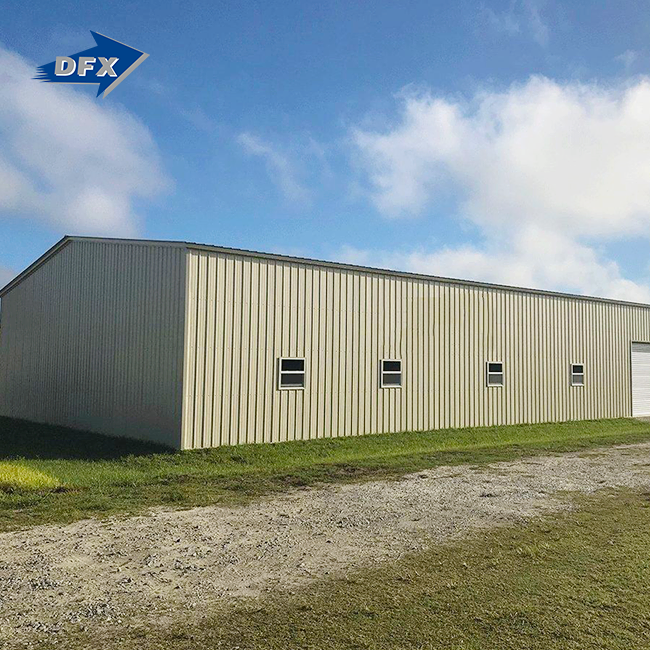
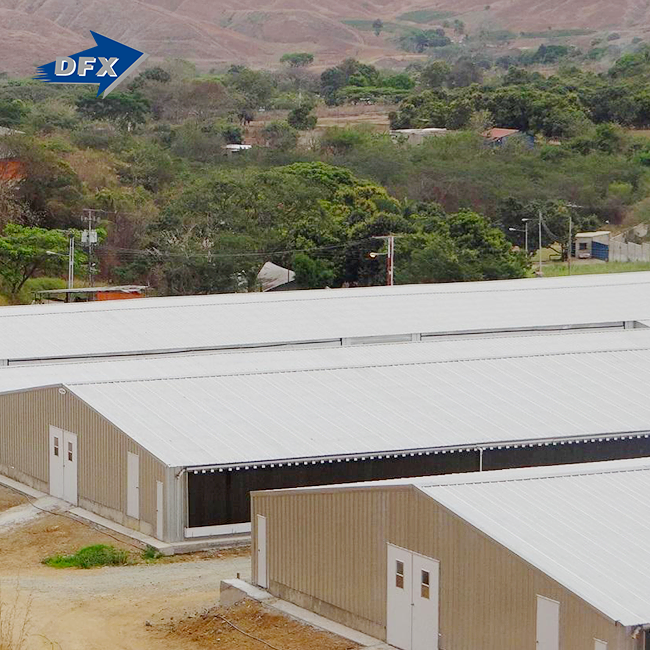
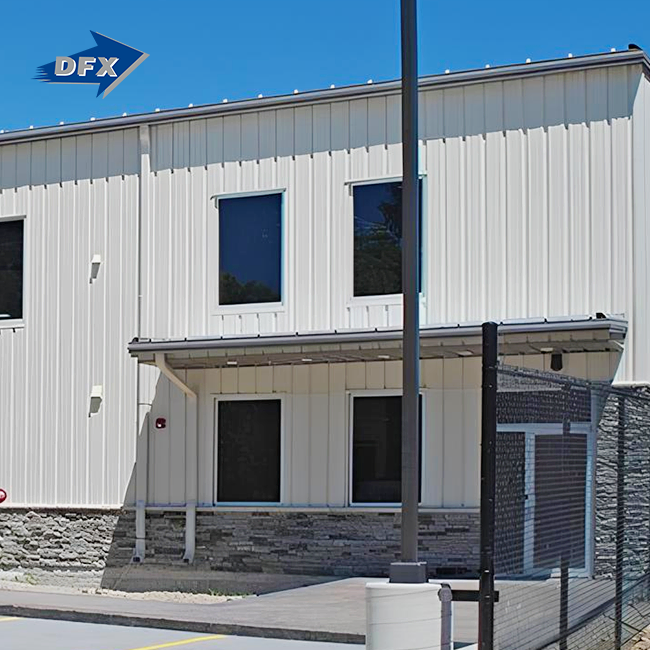
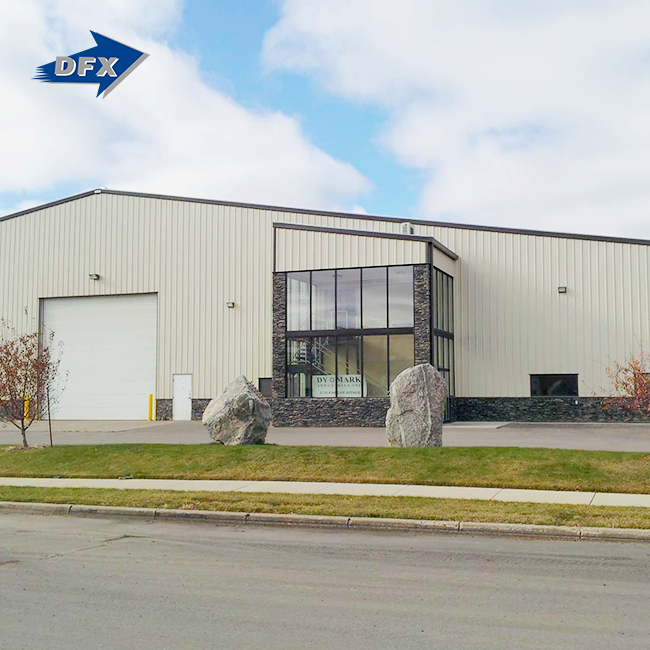
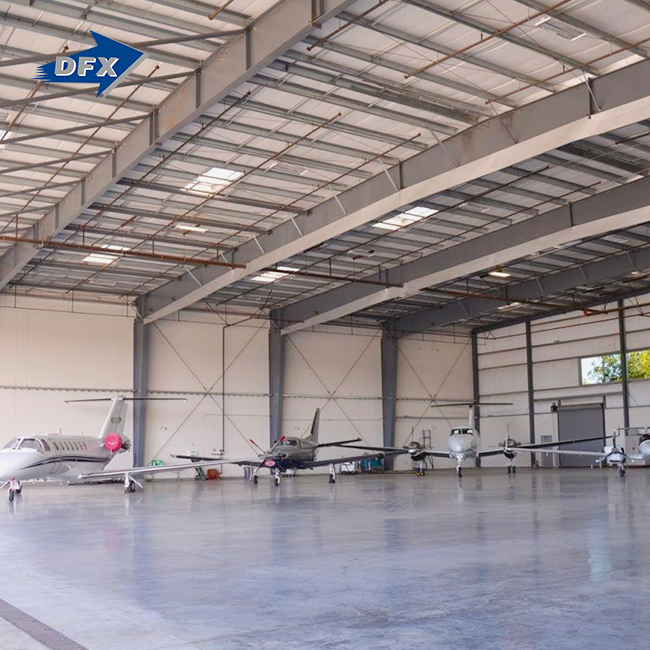
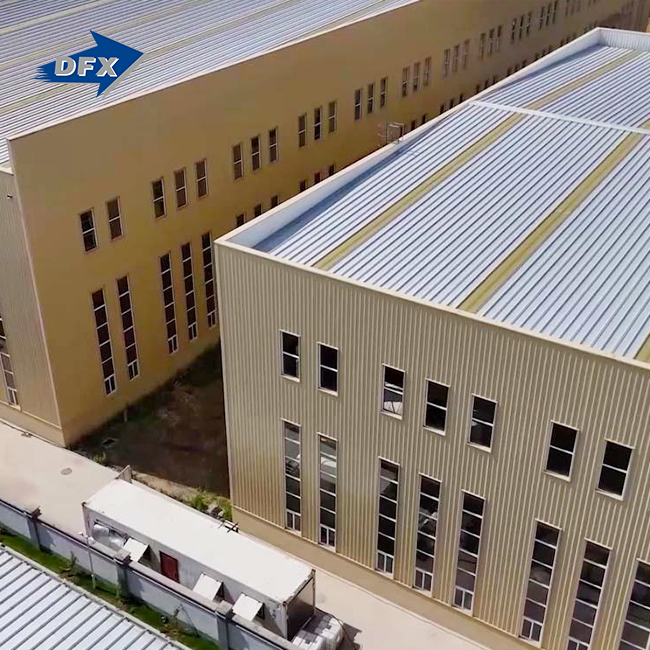
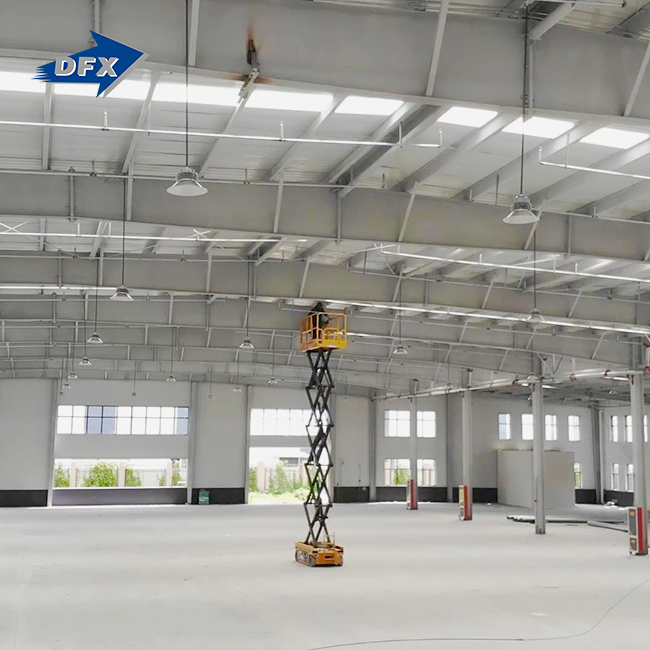
This thermal performance of the Textile Raw Material Warehouse reduces temperature control energy by 35–45% compared to single-wythe masonry. Stores must operate HVAC systems 24/7 to maintain distinct humidity zones for natural and synthetic fibers; therefore, reduced operating costs are crucial.
English
- English
- French
- German
- Portuguese
- Spanish
- Russian
- Japanese
- Korean
- Arabic
- Greek
- German
- Turkish
- Italian
- Danish
- Romanian
- Indonesian
- Czech
- Afrikaans
- Swedish
- Polish
- Basque
- Catalan
- Esperanto
- Hindi
- Lao
- Albanian
- Amharic
- Armenian
- Azerbaijani
- Belarusian
- Bengali
- Bosnian
- Bulgarian
- Cebuano
- Chichewa
- Corsican
- Croatian
- Dutch
- Estonian
- Filipino
- Finnish
- Frisian
- Galician
- Georgian
- Gujarati
- Haitian
- Hausa
- Hawaiian
- Hebrew
- Hmong
- Hungarian
- Icelandic
- Igbo
- Javanese
- Kannada
- Kazakh
- Khmer
- Kurdish
- Kyrgyz
- Latin
- Latvian
- Lithuanian
- Luxembou..
- Macedonian
- Malagasy
- Malay
- Malayalam
- Maltese
- Maori
- Marathi
- Mongolian
- Burmese
- Nepali
- Norwegian
- Pashto
- Persian
- Punjabi
- Serbian
- Sesotho
- Sinhala
- Slovak
- Slovenian
- Somali
- Samoan
- Scots Gaelic
- Shona
- Sindhi
- Sundanese
- Swahili
- Tajik
- Tamil
- Telugu
- Thai
- Ukrainian
- Urdu
- Uzbek
- Vietnamese
- Welsh
- Xhosa
- Yiddish
- Yoruba
- Zulu
Why Use Steel Buildings for Textile Raw Material Storage?
share:
July 22,2026
Steel buildings are the best choice for Textile Raw Material Warehouses because they can handle the unique needs of storing cotton, synthetic fibres, yarns, and dyeing supplies. A Textile Raw Material Warehouse needs more than just a place to store things. It needs to be able to control humidity, be resistant to fire and pests, and have flexible layouts so that it can handle a lot of different SKUs. These features are made possible by steel structures, which have frames that don't rust, modular designs, and better climate control integration. These features protect valuable inventory and lower long-term operational costs. This makes them perfect for manufacturers, EPC contractors, and logistics companies that need storage solutions that are reliable and can be expanded.
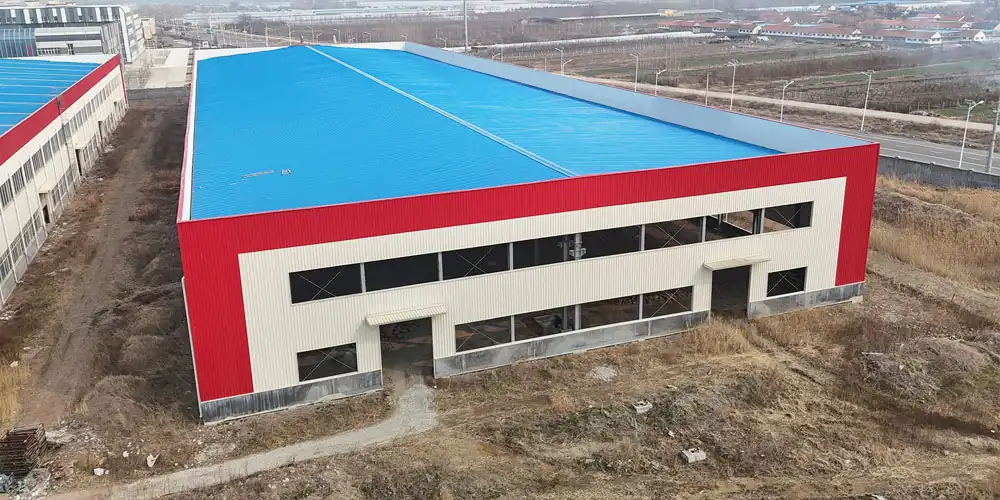
Advantages of Steel Buildings in Textile Raw Material Storage
When it comes to textile storage, steel buildings are clearly better than standard warehouse construction because they can meet both short-term operating needs and long-term asset protection needs.
Superior Durability and Material Protection
Compared to wood or brick frames, steel frames are better at resisting rust, pests, and fire spread. Galvanised C/Z purlins and H-beam primary frames can stand up to bad weather without warping or breaking down, so the structure stays strong for decades. This longevity directly saves textile inventory—steel buildings don't attract termites that taint raw materials, and fire insurance rates are 20–30% lower for steel buildings than for wood-frame buildings.
Steel is great for textile uses because of the following:
- Fire Resistance: Steel framing has higher fire ratings with little extra work, so it meets NFPA standards for storing textile goods without the expensive fireproofing that is needed for wood structures.
- Moisture Barrier Integration: Modern insulation systems and vapour barriers can be used with steel framing to keep specific humidity levels. This stops condensation that grows mould on natural fibres.
- Structural Stability: H-beam construction lets you have clear spans of up to 100 feet without interior columns. This makes the most of the floor space for high-density shelving systems that store fabric rolls without damaging or crushing them.
These protective qualities mean that you will lose less inventory and have fewer problems with your operations, which will directly affect your bottom line.
Cost-Effectiveness and Flexible Expansion
Modular prefabricated steel storage structures cost 30–40% less than on-site concrete warehouses. Factory fabrication improves precision, reduces waste, and accelerates installation—most steel textile shops acquire a weathertight shell in 8–12 weeks, compared to 6–9 months for conventional construction. This speed is crucial when manufacturing plans rely on raw material availability.
Because steel is modular, it may be enlarged incrementally without substantial structural adjustments. If your textile company expands, you may add mezzanine floors for tiny sections, lengthen the building, or install automated retrieval systems without modifying the structure. This lets you secure your capital investment as your company's demands evolve.
Less maintenance is needed, which makes it even more cost-effective. Instead of every 15 years, steel structures' roof panels are changed every 25–30 years and don't require painting or pest control. Compared to alternative choices, steel buildings cost 40–50% less to own for 20 years.
Enhanced Environmental Control and Operational Efficiency
Steel structures are superior at integrating insulation and HVAC systems, making textile raw material environmental management simpler. Sandwich panel systems with stiff insulation and weatherproof cladding may attain R-values of 20–30 with a steel structure. This maintains the inside temperature regardless of the outside temperature.
Modern warehouse management tools operate with steel structures. - Ceilings are at least 40 feet high, maximizing vertical storage density and product capacity per square foot. Highland-cost markets profit greatly from this.
How to Effectively Manage Textile Raw Material Warehouses Using Steel Buildings?
Warehouse management that works well uses physical infrastructure, operational rules, and technology systems that all work together to keep inventory quality and compliance high.
Implementing Specialized Warehouse Management Software
Modern warehouse management systems (WMS) can monitor textile inventory with batch tracking, lot management, and automated FIFO enforcement. These systems label material with dye lot and roll numbers. Shade variation issues that cause garment rejections are eliminated. WMS platforms in steel structures with barcode scanning stations and RFID readers reduce picking errors by 80% and increase inventory accuracy to 99.5% or higher.The
IT infrastructure for these systems is in steel structures. Structured cabling zones, conduit pathways incorporated into the building, and climate-controlled equipment rooms protect PCs and network gear from storage area humidity variations.
Optimizing Space Through Modular Design and Automation
Steel architecture allows storage in ways that ordinary buildings can't. Cantilever racks for cloth rolls are attached directly to steel beams, and mezzanine platforms make the floor space twice as big for small parts like buttons and zippers. H-beam framework maximizes cubic capacity with 35-foot high-bay shelving.
Automatability is another perk. In steel structures, overhead monorails carry fabric rolls, AGVs move pallets, and robotic picking stations operate. Building management systems monitor equipment performance and maintenance plans for all these systems.
Fire Safety Systems and Compliance Protocols
Nonflammable materials, the initial line of defense, make steel structures simpler to fireproof. Steel frames make ESFR sprinkler systems easier to install since the pipes are hanging from purlins at the proper distances to protect textiles. HVAC ducting has spark-detecting devices that cut off fans when combustion is possible.
In steel facilities, regular safety audits are easier to do because structural parts are still visible and easy to get to. Inspectors may verify the firewall, sprinklers, and escape routes without removing the inside finishes that disguise brick building issues. Being transparent reduces compliance expenses and audit timeframes.
Staff training programs benefit from steel buildings' clear layouts, which make fire exits, material regions, and humidity targets simpler to communicate.
Comparing Steel Buildings to Other Warehouse Types for Textile Storage
Procurement managers can make decisions that are in line with project timelines, budgets, and long-term operational goals when they know how steel structures compare to other options.
Steel Versus Traditional Masonry Construction
Masonry stores give the impression of stability, but they aren't very good for storing textiles. Building projects take 6–12 months longer than expected due to weather delays and trade coordination. Interior beams that support roof loads reduce floor space by 15–20%, making racking less efficient. -
Factory-made steel structures with clear-span designs and superior moisture barriers avoid these issues. In 10-14 weeks, a 50,000-square-foot steel textile warehouse may be utilized, whereas a masonry structure takes 9-12 months. When manufacturing schedules rely on raw material availability and late occupancy costs thousands of dollars every day, this speed is crucial.
In terms of maintenance, steel wins. Masonry walls require tuck-pointing every 10–15 years, drainage maintenance, and foundation repairs because they sink. Steel buildings cover these expenditures, reducing overall ownership costs by 40–50% over 25 years.
Centralized Versus Decentralized Storage Strategies
Steel structures are inexpensive, thus centralised storage may work for geographically dispersed organizations. Larger facilities may consolidate inventory, eliminate unneeded stock, and have stronger purchasing power via volume discounts due to reduced cost per square foot. One 100,000-square-foot steel warehouse that supports many manufacturing locations is cheaper than four 25,000-square-foot brick buildings, particularly when transportation costs are below $0.15 per pound-mile.
However, decentralized storage in smaller steel structures near manufacturing lines works well for certain textile companies operating the Textile Raw Material Warehouse. Fast-fashion firms with 20,000-square-foot steel warehouses within 50 miles of cutting operations react rapidly to fashion changes. It reduces lead times from 72 to 24 hours. Steel is flexible, so this works. Multiple-site utilization of the same building designs simplifies administration and reduces engineering expenses.
Manual Operations Versus Automated Processes
Steel structures may be utilized for manual and automated warehouse jobs, but their design simplifies technology. Vertical lift modules (VLMs) and carousels may increase picking speed by 300–400% in bays with significant gaps. Automatic guided vehicles (AGVs) may travel freely on clear spans. -
Automation ROI is better in steel factories since construction expenses are lower. When constructing a warehouse using steel costs 30% instead of 55% (masonry), more money is left over to acquire moving gear, which improves operations. Because of this economic reality, 70% of automated textile warehouses developed after 2020 are steel.
Selecting and Setting Up a Steel Building for Textile Raw Material Storage
Getting the right provider and planning your facility correctly will determine whether your steel warehouse does what it's supposed to do or becomes a constant source of stress.
Evaluating Steel Building Suppliers
A trusted supplier needs technical expertise, high-quality production, and complete support. Make sure prospective partners have qualified professional engineers who can calculate your project site's snow loading, seismic resistance, and structural loads. Request ISO9001 and CE marking for items to demonstrate your quality management system commitment.
Manufacturing skills are crucial. Protected manufacturing facilities with automated H-beam welding lines, powder coating systems, and CNC punching equipment may maintain quality better than on-site structures. Suppliers that make 20,000 tonnes or more of structural steel each year can handle project volumes that smaller fabricators find hard to meet on time.
Good vendors stand out with after-sales support. Find partners that can install equipment, provide skilled technical support, and provide replacement parts. Suppliers can see issues early on during installation before they become costly. Qingdao Director Steel Structure, a 12-year-old company with 40,000 square meters of manufacturing capacity, takes this all-around strategy.
Strategic Location Selection and Regulatory Compliance
Textile Raw Material Warehouse site choices combine multiple factors: closeness to production facilities, transportation access, labour supply, and utility infrastructure. Sites that are less than 15 miles from spinning or weaving mills cut down on the time it takes to transport raw materials and the damage that can happen during handling. Access to rail is important for shipping large amounts of fibre. For numbers over 500 tonnes per year, it is cheaper to ship cotton bales and polymer chips by train than by truck.
Site selection is affected by local zoning and environmental laws. Industrial zoning that allows the keeping of dangerous materials is needed for textile shops that store dyestuffs and chemicals. Costs of building on a site are affected by rules about managing stormwater. For example, limits on the amount of permeable surfaces may mean that holding ponds have to be built, which take up useful land. Before deciding to buy a property, you should hire environmental consultants to help you evaluate the site and find out what permits are needed.
Utility infrastructure needs to be carefully looked at. For HVAC systems, lighting, and material handling equipment, textile warehouses need 400 to 600 amps of electricity. When climate control systems use gas-fired heating, the cost of running them goes down because natural gas is easy to get. High-speed internet access allows for the integration of WMS and remote monitoring. Instead of assuming that fibre optic service is available, check to see if it actually reaches the site.
Planning, Design, Installation, and Commissioning Steps
Structured processes that coordinate design, fabrication, logistics, and construction activities are used to make steel warehouse projects work well. The first step is for engineers to figure out how much weight the equipment needs to hold, how much the racks can hold, and what the seismic requirements are for storing textiles. Turnkey solution providers take care of structure design, base engineering, and MEP (mechanical, electrical, and plumbing) coordination, making the owner's job easier.
For textile warehouse projects smaller than 75,000 square feet, the manufacturing process usually takes 6 to 10 weeks. During construction, foundation workers get the site ready, pour slab-on-grade floors with fibre reinforcement, and put in anchor bolts that are placed to match the connection points on the steel frame. It's important to be precise—anchor bolt placement limits of 1/4 inch stop changes in the field that would delay building.
Once the parts get to the site, steel erection moves quickly. Every day, skilled workers put up 3,000 to 5,000 square feet of main frames, secondary purlins, and roof and wall panels. Installing mechanical systems, fire protection, and electrical service all at the same time shortens the overall project timeline. Most projects to build a textile warehouse are mostly done 12 to 16 weeks after the contract is signed.
During commissioning activities for the Textile Raw Material Warehouse, checks are conducted to verify system performance before occupancy. HVAC contractors inspect humidity control zones to confirm setpoints align with textile storage requirements. Fire protection personnel test sprinkler flow rates and ensure alarm systems function properly. Building shell inspections identify air leaks that could compromise temperature control. Full commissioning prevents operational issues and ensures warranty coverage for any identified problems.
Conclusion
When it comes to storing textile raw materials, steel buildings are the best value because they are long-lasting, cost-effective, and easy to use. Because they don't catch fire, don't attract pests, and are structurally stable, they protect valuable inventory and lower insurance costs. When compared to traditional building methods, modular prefabricated construction cuts project timelines by 60–70%. This means that warehouses can be used when production schedules require raw materials to be available. Steel structures offer clear-span designs, climate control integration, and automation compatibility that make storage more efficient and improve inventory management. Because of these performance benefits, procurement managers, project engineers, and textile makers are choosing steel building for warehouse projects more and more.
FAQ
Q1: What makes steel buildings better than traditional warehouses for textile storage?
Steel buildings are better than masonry or wood-frame stores because they are more resistant to fire, pests, and water damage. NFPA standards for storing textiles can be met by non-combustible steel framing, which doesn't need expensive fireproofing processes. Clear-span designs make the best use of floor space by getting rid of support columns inside that get in the way of racking layouts. Time-to-operation is cut by 60% when construction schedules are sped up, which is very important when production schedules depend on having enough raw materials.
Q2: How do steel warehouses facilitate enhanced inventory management?
Warehouse management systems can work in steel buildings with flexible plans and an integrated IT infrastructure. Clear-span interiors let automated systems for storage and retrieval, conveyor networks, and robotic picking stations work without any problems with the building's structure. Vertical storage density can reach 35 feet with high bay construction, which maximises inventory capacity per square foot. As product mixes change, modular designs make it easy to rearrange, which protects long-term working freedom.
Q3: What environmental regulations affect textile warehouses?
The EPA has rules about how to store dangerous materials, and textile facilities that store dyestuffs and chemical auxiliaries must follow them. These rules include having secondary containment systems and spill response plans in place. Facilities that work with loose fibres that release particles into the air may need to get air quality permits. Stormwater discharge permits control the flow of water from loading areas where accidents could happen. Steel buildings are easier to comply with because they are designed with separate areas for chemical storage and the equipment needed to keep them safe.
Partner with DFX for Your Textile Raw Material Warehouse Needs
Textile manufacturers and EPC contractors looking for reliable steel warehouse solutions can get a lot out of working with experienced suppliers who know how to meet the storage needs of their industry. Qingdao Director Steel Structure has been an expert in prefabricated steel buildings for more than 12 years and runs 40,000 square meters of ISO9001-certified advanced manufacturing facilities. Our modular-built Textile Raw Material Warehouse systems are made up of H-beam main frames, galvanised C/Z purlins, and designed bracing that give your operations the structural performance and climate control integration they need.
We offer full turnkey services that include engineering estimates that are specific to the loads that textile storage facilities carry, precise fabrication using automated production lines, transportation planning to your project site, and installation help that makes sure the job is done right. Our textile warehouse solutions are used by manufacturers, storage facilities, and distribution hubs all over the United States. They are backed by CE certification and, if desired, EN1098 compliance documentation. Whether you're a Textile Raw Material Warehouse supplier looking at building options or a project manager looking for a cheap way to add more storage, our team can help you find unique solutions that keep your inventory safe, make the best use of space, and lower your total cost of ownership.
Contact jason@bigdirector.com today to discuss your textile warehouse project requirements and request full technical specifications, case studies from similar projects, and fair prices based on your unique storage capacity needs.
References
1. Newman, A.J. & Patel, D. (2021). Industrial Steel Structures: Design and Applications for Modern Warehousing. Construction Engineering Press.
2. Thompson, R.K. (2020). Fire Protection Systems in Textile Manufacturing Facilities: Compliance and Best Practices. National Fire Safety Institute.
3. Chen, L. & Rodriguez, M. (2022). Prefabricated Building Systems: Cost Analysis and Performance Metrics. Journal of Construction Economics, 18(3), 234-251.
4. Williams, S.T. (2019). Climate Control in Textile Raw Material Storage: Engineering Solutions for Quality Preservation. Textile Industry Technical Foundation.
5. Baker, J.L. & Kumar, P. (2023). Warehouse Management Systems Integration with Steel Building Infrastructure. Supply Chain Technology Review, 12(2), 89-106.
6. Morrison, E.H. (2021). Comparative Life-Cycle Analysis of Industrial Warehouse Construction Methods. Sustainable Building Research Quarterly, 9(4), 412-429.
Online Message
Learn about our latest products and discounts through SMS or email
YOU MAY LIKE