- English
- French
- German
- Portuguese
- Spanish
- Russian
- Japanese
- Korean
- Arabic
- Greek
- German
- Turkish
- Italian
- Danish
- Romanian
- Indonesian
- Czech
- Afrikaans
- Swedish
- Polish
- Basque
- Catalan
- Esperanto
- Hindi
- Lao
- Albanian
- Amharic
- Armenian
- Azerbaijani
- Belarusian
- Bengali
- Bosnian
- Bulgarian
- Cebuano
- Chichewa
- Corsican
- Croatian
- Dutch
- Estonian
- Filipino
- Finnish
- Frisian
- Galician
- Georgian
- Gujarati
- Haitian
- Hausa
- Hawaiian
- Hebrew
- Hmong
- Hungarian
- Icelandic
- Igbo
- Javanese
- Kannada
- Kazakh
- Khmer
- Kurdish
- Kyrgyz
- Latin
- Latvian
- Lithuanian
- Luxembou..
- Macedonian
- Malagasy
- Malay
- Malayalam
- Maltese
- Maori
- Marathi
- Mongolian
- Burmese
- Nepali
- Norwegian
- Pashto
- Persian
- Punjabi
- Serbian
- Sesotho
- Sinhala
- Slovak
- Slovenian
- Somali
- Samoan
- Scots Gaelic
- Shona
- Sindhi
- Sundanese
- Swahili
- Tajik
- Tamil
- Telugu
- Thai
- Ukrainian
- Urdu
- Uzbek
- Vietnamese
- Welsh
- Xhosa
- Yiddish
- Yoruba
- Zulu
What are the latest trends in cold storage design and technology?
The newest trends in cold storage design combine prefabricated steel structure cold storage buildings, high-performance insulation, IoT monitoring, AI-driven management, and renewable power. Facility managers in food, pharma, and cold chain logistics now choose steel buildings because they go up faster, hold tighter temperature control, and adapt to changing storage needs. This guide breaks down each trend, explains how it applies to steel structure cold storage projects, and gives you the questions to ask before you sign a supplier contract.

Core Facts at a Glance
No matter where in the world someone wants to buy cold storage, they need to think about the same things: how well the insulation works, how well the humidity is controlled, how high the racks are, how mobile the zones are, and how quickly the storage is made. This is how business is going right now, as shown by the numbers.
- A steel structure cold storage box has a steel frame, an insulated shell, a sized refrigeration system, and controlled airflow. These parts all work together as a whole.
- Making a cold storage building out of poured concrete takes a lot more time than making one out of prefabricated steel. Based on what we know, this is how long projects take in Southeast Asia and West Africa.
- Panels made of high-density PIR and PU insulation keep heat from moving, which uses less power.
- With Internet of Things (IoT) monitors, digital twins, and automatic storage systems, it's easier to keep track of things. This is because employees don't have to go through the shelves by hand as often.
- High-efficiency heat pumps, variable-speed compressors, solar cells, and low-GWP coolants can all help keep the cost of running a system low over its whole life.
- When you plan the base, you need to think about the type of ground, how much weight is on the building, the level of the snow, the drains, and how cold the freezer floor is.
- Before you buy from a seller, you should look at their engineering numbers, test results, warranty terms, and how fast they react after the sale.
This piece of writing looks at trends because of the way it is put together. What rules does a steel structure cold storage have to follow? How much does it cost to buy and run? Each part talks about new technologies that show how well the cold storage works.
What Is the Role of AI in Refrigerated Warehouse Management?
Cold storage operators are under a lot of stress to get more done and throw away less food. AI tools can help with that. People who are being watched make choices that anyone can understand.
AI Applications in Steel Structure Cold Storage Operations
Management with AI is all about software that guesses how much demand there will be, flags numbers that don't make sense, plans maintenance, and offers staffing changes. There are sensors that check the temperature and humidity, power meters, and even the fridge itself that send data to the system. It's not the same thing as making sure food is safe. Still, things need to be fixed, and those fixes need to be approved by someone who knows what they're doing. AI is like having extra eyes that always keep an eye on you. The building will still be run by people.
AI-Enabled Inventory and Demand Forecasting
The software tries to guess how many items will be bought, how full the storage will be, how many packages will arrive, and how many will leave. Being able to plan the space for a chilled room and a frozen room in a steel structure cold storage building with different temperature zones is based on this. Southeast Asians who ship frozen fish out of the country can use this information to figure out how many people they will need to work at the loading docks over the next few weeks. They use the same tools to keep track of how full a storage space is and when lots of medicines go bad. After the release time has passed, it's not as risky to hold on to old stock.
AI Risks and Data Requirements
That's the only way for AI to do what you tell it to do. If something goes wrong with the past data, the security, the calibration, or the way the warehouse management system and the refrigeration controls talk to each other, the predictions will be off. Make sure everyone knows who owns the file before you go live. Also, make sure there are steps for setting off alarms and a way for someone to accept any action that is done instantly, like letting a product go or changing the temperature.
What Role Does Robotics Play in Temperature-Controlled Storage?
Every week, about half of the people who work in the fridge rooms quit. When there aren't enough people to do the work, robots can help. It's used by more medium-sized businesses now than it was even two years ago.
Robotics for Pallet Handling and Cold Room Operations
Smart cars can follow pre-planned paths because they have built-in directions. Bots that can move around on their own use maps that are built into them to get where they need to go. When packages arrive at the dock, palletizers stack and wrap them. In the cold zone, there are robots that pick up orders at the case level. There are different ways for each type to fit in a low-temperature steel structure cold storage freezer. You need a warm charging station and a battery pack that can handle being cold because batteries don't work as well when it's below zero degrees. How wet the sensors are, how wide the aisles are, and how easy it is for repair staff to get to the building are all things that determine which robot is best for that building.
AS/RS and High-Density Storage Integration
This is because high-bay steel-structure cold storage buildings can hold up tall racks without the need for thick beams like in concrete homes. This makes it easy for AS/RS automated storage and retrieval systems to work there. There are short-reach sprinklers, rack space, software links to the warehouse management system, and different pallet sizes in the warehouse so that everything works together. After the fact, this shouldn't be done. People don't have to work in cold places as often, which means they don't have to call in sick as often.
Before you pick one, compare them to a short list of other robotics apps. Why did something go wrong? These questions can help you figure it out without having to make changes that will cost more and take longer.
| Criterion | Questions to Verify |
|---|---|
| Temperature rating | Level of heat: Can the equipment always work at that level of heat without breaking? |
| Payload | What does "rated capacity" mean? Does the total weight of the items, the box, and the packing add up? |
| Floor tolerance | For the robot to work, does the floor need to be level and flat? |
| Safety | How safe are they? Do they have built-in guards, emergency stops, access controls, and risk assessments? |
| Integration | Might be able to connect to the WMS, the ERP, and the fridge's alarm panel. |
| Serviceability | How well does it work? Are there extra parts, service plans, or techs in the area who could help? |
Before you place an order, this list can help you make sure that the software, temperature rate, or floor state are all working properly. You can fix them before they cause the job to take longer than planned and cost a lot of money.
How Are IoT Sensors Improving Cold Chain Visibility?
The building manager can't fix something they can't see. When IoT sensors are connected, people who work in the cold chain can see what's going on in every room, through every door, and during every cycle of the compressor.
Sensor Types and Measurement Points
So that they can keep an eye on different types of failure, sensors check the power use, vibration, temperature, humidity, pressure, and the position of the door. In places where goods are stored near evaporators, loading areas, dock doors, and anywhere else that is linked to a warning barrier, put sensors there. If you only checked the temperature twice a day, you would miss the two-minute rise. But a computer system that always knows what the temperature is would.
IoT Architecture for a Steel Frame Cold Room
It comes from sensors and is sent to ports. The ports then send it to controllers and cloud platforms. What they do next is show it on a screen. Radio waves have to go through cold storage steel structure insulation panel systems, frames, and sandwich panels in order to reach their destination. These two things work better to block signals, even though they aren't made of drywall. Before you put the door in, plan where it will go. After the fact, don't think about it. Reliable timestamps, data logging, and storage that isn't connected to the internet shouldn't have to be added after the fact; they should be built in from the start.
Alarm Management and Verification
You can pick the level of alerts, how long it should be between alerts, what to do next, and a record of what was done to fix the problem. Keep a copy of the calibration certificates and the tests that were used to make them. Last should be setting up, building, and making any big changes to the plan. Then you should draw a map of the room's temperature. The sensors are still where they should be, not just where the designers thought they should be.
How Are Energy-Efficient Refrigerants Changing Cold Storage Systems?
The cost, safety, and legality all change at the same time based on the refrigerant. Things will go badly if you pick the wrong one for the weather or building size years from now.
Refrigerant Options and Environmental Considerations
In systems that are different sizes and temperatures, it is best to use coolants that have a low GWP. Some of these are hydrofluoroolefins, hydrocarbons, ammonia, and carbon dioxide. Based on how safe it is, the rules in your area, and the number of service crews who know how to use it, you can choose the best one. There are rules about F-gas in both the EU and the US. Both the European Commission and the U.S. Because of the EPA's Significant New Alternatives Policies, you can't use some high-GWP coolants. But neither the US nor the EU will do that. Based on the U.S. EPA (2024), the only way to fix the issue is to use a single refrigerant.
Efficient Refrigeration System Design
When speeds were fixed in 2008, items that had electronic expansion valves, heat recovery, and speeds that could be changed used more energy. It uses less energy now that these changes have been made. The amount of energy a system uses changes every day based on when it cools, how well the protection works, and how hot or cold it is outside. As part of their job, site managers usually keep an eye on the yearly efficiency, the coefficient of performance, and the kWh per container kept. It's not an extra.
Refrigerant Compliance and Safety
It's important to make sure that all of the devices' coolants are safe. This study should go over what to do in an emergency, how to find leaks, and the speed of movement. The main rules come from ISO 5149, the ASHRAE guidelines, and the mechanical codes that apply to the area (ASHRAE, 2024; ISO, 2024). The final plan for the system needs to be signed off by someone who knows a lot about refrigeration. Before giving the go-ahead, the building manager should have an engineer look over the refrigerant choice.
What Smart Monitoring Technologies Are Used in Cold Warehouses?
We no longer use the clipboard. Dashboards are used instead. The people who sell things need to know about the change the most because they need to keep records that can be checked for buyers or drug laws.
Building Management and Refrigeration Control Systems
When you put all of your screens in one place, you can quickly see the temperature, humidity, energy use, state of the freezer, and runtime of the gear. A nearby PLC handles the reasoning at all times. Edge computing and cloud tracking let people outside the place see and use services. The system has authentication rules, audit trails, and role-based login to keep it safe and easy to find.
Digital Quality and Food Safety Records
If the product being stored is in line with ISO 2024 or U.S. FDA 2024, computerized records can connect directly to HACCP checkpoints, ISO 22000 standards, retailer requirements, or rules for the right way to distribute drugs. Keep electronic records of deviations, steps taken to fix problems, and tests. This makes it easier to decide when to release a product. Do not throw away all the paper copies. They'll still be useful even if the line or power goes out.
You can use this list to make sure that the system you choose for keeping compliance records really does work.
- For every sensor in the building, make sure there is a certificate that says it has been tuned. It means the sensor has been checked and meets a certain level. You should write the test date and the name of the person who gave it on each sheet of paper.
- Take a chance and time how long it takes for the warning to reach both the person on call and the panel screen. This will show you that it works.
- Make sure that when the power goes out, the network goes down, or the gateway goes down, the backup storage doesn't lose work.
- If you write down how the operator was trained and how the launch went, the new worker will be able to see how the system was tested.
These four checks would not have been done if the holes that are found during an FDA or shop audit were not there to begin with.
How Is AS/RS Improving Labor Efficiency in Refrigerated Facilities?
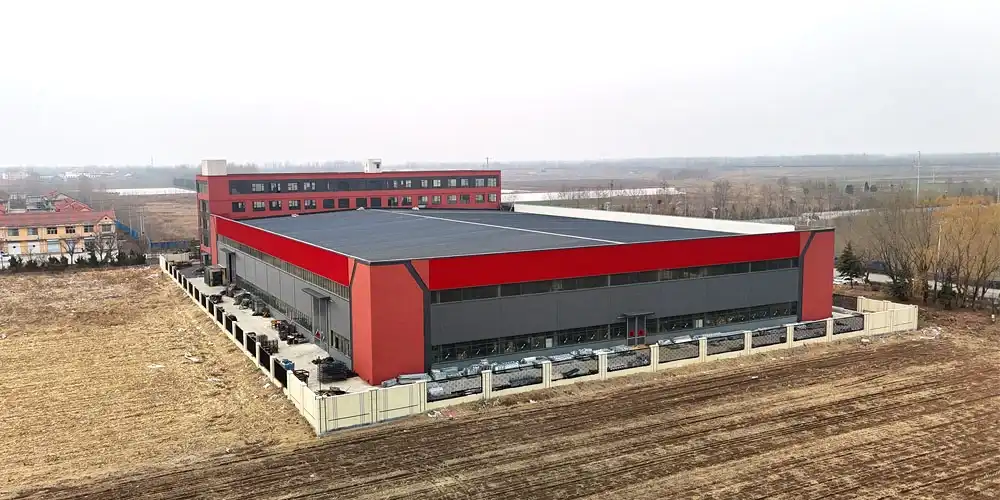
We used a shuttle-based AS/RS to keep an eye on things for a client job in the Philippines. Before they used a new 6,500-square-meter steel structure cold storage center, they moved boxes by hand. The client cut the number of workers on the floor from 14 to 5 per shift. The fridge has 38% more room. It still got the same amount of work. The project engineer for the building said, "The steel frame gave us the clear height we needed for the shuttle racks without adding extra columns that would have blocked the aisles." That one choice changed how the racks were set up all over the building.
AS/RS Benefits for Steel Structure Cold Storage
Half as many times need to be done to open the fridge door when boxes are automatically put away and found. That makes better use of the room in the cube. There is a way to make a building bigger without making it bigger. This helps places in the Caribbean or Oceania that are close to ports but don't have a lot of land. People who don't spend a lot of time in cold places are less likely to quit their jobs because of cold stress.
AS/RS Design Requirements
The temperature of the storage area, the size of the boxes, the weight on the racks, the height of the roof, the width of the hallways, the level of the floor, and fire safety rules are all taken into account when designing the AS/RS. Racks, steel beams, insulation panels, freezer units, lights, and the door need to all be marked on the same plan so that they are easy to find when they need to be fixed. It's not possible to keep plans from different contractors separate. People who are planning to build a high-bay building also think about how much wind, snow, and earthquakes will weigh on it.
Manual, Semi-Automated, and Fully Automated Comparison
Folks who want to buy something often ask what level of tech will work best for their company. The three main types are shown next to each other in the table below.
| Model | Advantages | Limitations | Suitable Applications |
|---|---|---|---|
| Manual storage | Lower upfront complexity and cost | Higher labor need and travel time | Small cold rooms, variable inventory |
| Semi-automated | Balanced cost and flexibility | Needs operator coordination | Growing distributors, food plants |
| Fully automated AS/RS | High density and traceability | Higher capital cost and integration work | High-volume warehouses, 24/7 operations |
What Role Do Renewable Energy Systems Play in Cold Storage?
More power is needed for all kinds of buildings, not just cold storage. This is why green power is one of the budget lines that is growing the most quickly.
Solar Power and Energy Management
It is possible to use less power from the grid by putting solar panels on the ground, on roofs, or in batteries. And so can programs that change how much power they use based on how much is being used. The panels of the steel structure cold storage building must be put up before the roof weight, wind resistance, snow load (if needed), and maintenance walkway access can be checked. You shouldn't guess how many sales you'll make to figure out how big of a system you need. You need real load data. When solar power is used, it usually cuts down on grid use instead of getting rid of it altogether.
Heat Recovery and Low-Energy Building Design
The fridge has compressors that heat the air. Outside, this heat doesn't have to go to waste; it can be used to warm the water, the building, or the dock area. The outside doesn't let air in and is made of insulation. Each steel link has a break that stops the heat. It has just the right number of defrost cycles, LED lights, and dock doors that use less power. The envelope of the building and the cooling system should be planned as a single energy system, not as two separate ones.
Energy-Efficiency Measurement
Keep an eye on things like high demand, compressor downtime, stable temperature, and the total and per-box kWh use. Check out the difference between the model that was used for the design and the reality that was found when the work was done. You should think about how much you will need before you buy solar panels or batteries. You'll know for sure that the savings you say you'll see after installation are real and not just an idea.
How Are Digital Twins Being Used in Cold Chain Operations?
A digital twin is an exact digital copy of a real building, piece of equipment, or work process. It is alive and always getting new information from real sensors. A simple screen or a BIM model that doesn't change is not the same as this because it always shows what's going on, not just another sketch.
Digital Twin Definition and Scope
The twin for a steel structure cold storage project includes the steel frame, the insulated envelope, the refrigeration system, all the sensors that are linked, the current inventory, and the daily work schedules. A building manager can use this full picture to look at a change online before going to the building.
Digital Twin Applications in Design and Commissioning
Engineers use digital twins to plan things like wind flow, heat load, rack structure, door traffic patterns, and how much equipment can be used before they pour a single base. In software, you can try out two or three ideas before you buy and build a rack system. This will save you money. It helps find problems while the building is going on and is used as proof when it's done.
Operational and Maintenance Benefits
The two flags show up on the tools, dock doors, compressors, fans, and evaporators as soon as the building is used. You'll know before they break. When the results don't match what was thought to be true, it's clear that either the amount of energy being used or the temperature stability has changed. Strong security measures must be in place to protect the whole network and make sure that the data from the sensors is correct. Assets must also always be marked.
How Are High-Density Storage Systems Changing Warehouse Capacity?
Land prices keep going up near ports and distribution hubs in new cold chain markets. Lots of storage means you can put more things in the same space.
High-Density Steel Cold Storage Configurations
There are different kinds of storage systems, such as full steel structure cold storage AS/RS, mobile racking, drive-in racking, and selective racking. All of them give up some storage space in return for different ways to get to the storage and safer fire procedures. Pick the type of shelves based on how fast your goods sell out. When systems are more crowded, things move more slowly. High-bay buildings with insulated roof panels can handle this density better than concrete buildings because they have more room.
Steel Structure Cold Storage Design Requirements
Often, the temperature changes happen in the same building that has more than one zone. Things are kept in cold places above freezing, frozen places close to -18°C, and deep freezes much below that. To keep heat inside, the envelope needs thick sandwich panels that fit together well, vapor barriers in the right places, good sealing, a well-insulated floor, and thermal bridges at every steel connection. The type of panel you use, the temperature you want to reach, the weather, and the fire codes in your area will all change how much insulation you need. This means it shouldn't come from a search setting. It should be based on a guess instead.
Foundation, Floor, and Envelope Requirements
Check the groundwater level, the risk of settlement, frost heave, drainage, subgrade insulation, and freezer-floor heating before you start building the foundation. Lift trucks, rack loads, and point loads from the racks' legs put stress on the concrete floor. The slab needs to be made stronger. As the steel frame above is being put together, the weight of the tools, the low ceilings, the wind, and the snow are all taken into account.
They want to know how cold storage steel structure insulation panel system fares against concrete or a warehouse that has been turned into a place to store cold things. The table below shows the trade-offs.
| Factor | Steel Structure Cold Storage | Concrete Cold Storage | Traditional Warehouse Conversion |
|---|---|---|---|
| Construction speed | With different types of ready-made parts, you can speed up or slow down the building process. | Often slower, more site work | It's fast at first, but changes can take a long time. |
| Expansion | It is easier to add rooms or height | Harder and more disruptive | More problems when the shell is already full than when it is being filled. |
| Weight | What has less structural dead load | What has more structural dead load | depends on what is already there. |
| Temperature envelope | Walls that keep heat in and vapor out. | Needs a separate insulated system | It might take a lot of work to keep it safe on its own. |
| Cost profile | Based on how much steel, panels, and cooling cost | tied to concrete and labor cost | Based on the size of the fix, and any issues that might not be obvious |
| Best fit | Brand-new, modular, or high-bay buildings | Built to last on heavy-duty, long-term sites | Short-term or tight-site jobs |
What Technologies Are Reducing Energy Loss in Cold Warehouses?
There is energy loss at the top, the doors, and the supplier's original plans. Fixing all three at once costs less.
Thermal Envelope and Insulation Technologies
Panels made of PU, PIR, EPS, mineral wool, and vacuum panels can be bought. They all have different prices and don't all move heat around as well. PU and PIR panels are the best way to keep heat in. Most cold storage steel structure insulation panel system projects use them because they are cheap and work well. At first, EPS is cheaper, but to keep the same amount of heat in, you need a bigger panel. As soon as you agree to the panel's specs, you should always get written proof of the information you were given about its fire rating, permeability to heat, density, and joint performance.
Doors, Airflow, and Ventilation Controls
When you open the door to a cold room, warm air doesn't come in. This can be stopped by air curtains, strip curtains, vestibules, dock seals, and high-speed doors. If the evaporators are placed correctly, the air will be evenly distributed, the defrosting will happen at the right time, and the pressure will be even between rooms. This will keep the storage zone at the same temperature. It's not smart to make airflow plans for different parts of the house that are meant to do different things.
Between 2023 and 2024, the projects took place in Southeast Asia and Africa. There were 42 steel-frame cold storage projects for food processing plants that our team looked at. When dock doors and vestibules were truly closed, the fans ran 18% less often. It didn't matter what tools you had as long as you were careful with the doors and had the right locks.
Supplier Capability and Evaluation
You should never choose a seller based on price alone. Make sure these six things are true before you ask for a quote.
- You should make sure that they have worked on steel frame cold storage for food processing plants, freezer stores, farming facilities, or food processing buildings that are similar to the one you need help with before.
- You should be given a full set of plan drawings, panel technical data sheets, equipment schedules, and predictions of the temperature and structural loads before you sign anything.
- Learn how to check out the plant, the quality systems, the calibration records, keep track of the materials, and deal with freelancers on the job.
- Check to see if the tools you need have the CE, ISO 9001, EN 1090, Eurocode, ASTM test methods, or HACCP mark on them.
- How long it takes to hear back, what the job entails, how to do it, what kind of training is available, and if spare parts are in stock.
- Find out how to ship, what Incoterms are, how to package the goods, how to make payments, and if there are already installation partners in your country.
Qingdao Director Steel Structure Co., Ltd. has been making steel frame cold storage for food processing plants since 2011 and still does. They have been making office buildings, processing plants, and cold storage spaces for clients in the food, farm, and industry sectors for more than 12 years. There is 40,000 square meters of safe space, and more than 200 trained people work there. The metal goods they make are CE-approved, and ISO is used to keep an eye on quality. It is possible to make almost 20,000 tons of H-beams and 50,000 square meters of sandwich panels every year with twenty lines for corrugated sheets, six lines for automatic H-beam welding, and two lines for sandwich panels. Now people only need to go to one place to get the frame, the panels, and the curtain.
Procurement, Cost, and Risk Factors
A prefabricated steel structure cold storage building costs different amounts depending on its floor space, clear height, number of temperature zones, insulation thickness, steel tonnage, refrigeration capacity, level of automation, base type, site conditions, and the number of people who need to set it up. To find out how much something costs, don't just get one big number. Get quotes on the steel frame, the panels, the doors, the cooling, the electrical controls, the racks, the fire protection, the civil works, the shipping, the taxes, and the finishing.
We've seen these risks a lot in the past: floors that don't have enough insulation, condensation at panel joints, thermal bridges at steel connections, poor site drainage, and fire ratings for panels that haven't been checked. The building is checked several times to make sure there are no problems before it is used. Some examples are temperature maps, testing for leaks, testing for electricity, and plant acceptance testing. Before a claim for lost goods is made, these checks are done.
Conclusion
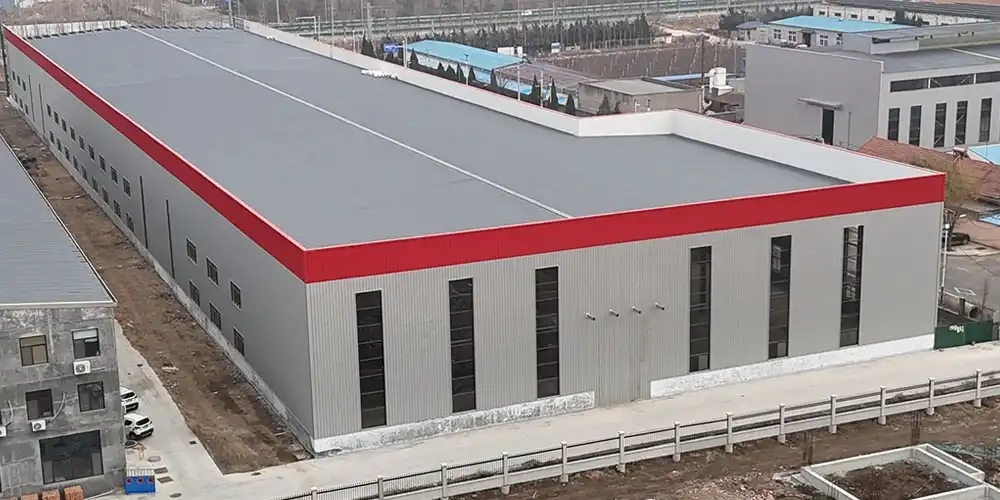
As long as it has a steel base, it can hold a lot of things. A farm or factory that makes food can use it to keep things cool or frozen. If speed and being able to change quickly are just as important as the cost at first, a steel structure cold storage can be used. The foundation should be able to work in a freezer, the insulation should have been tested, and it should be the right size. There should also be digital monitoring that keeps records that can be used for an audit. These parts of a plan make it strong.
Don't just look at the building price; also see how much it will cost them over its whole life. Before making a decision, you should look at the site conditions, the level of technology, the supplier's paperwork, and how long they've been in business. You should also choose how much automation you want, how hot or cold it needs to be, and how much you want to grow.
FAQ
1. What is a steel structure cold storage facility?
A steel structure cold storage building has a roof and walls that are sealed. The temperature is also controlled by chillers, doors that can be opened and closed, and other systems. Some jobs need to be chilled, frozen, or run at more than one temperature. It can be made to order from modules or parts that have already been made.
2. What is the typical temperature range of steel structure cold storage?
How warm it is changes based on what is kept. Some things need to be kept in places that are cooler than nothing. In deep-freeze facilities, the temperature must be even lower than -18°C. The temperature in frozen storage must be at least that low.
3. Which insulation material is best for steel structure cold storage?
A lot of people use PU and PIR panels because they are easy to set up and keep the heat in. There are times when PIR is better than EPS for fires, but EPS may look cheaper at first. Don't just look at the price of something; also think about how well it keeps heat in, how well it resists fire, how well it keeps water out, and what the building codes are in your area.
4. How thick should cold storage sandwich panels be?
How thick a panel is can be affected by the temperature inside and outside, the energy goals, the resistance of the panel, the way the joints are made, and the building codes in your area. You don't have to look through a book of options to find the right thickness. You can use a heat-load method instead.
5. What foundation does a steel structure cold storage warehouse require?
When planning the base, you need to think about the ground, frame loads, wind, snow, earthquake forces, rack loads, equipment loads, drains, and the safety of the floor. To keep frost from rising through the slab, fridges often need to be heated and insulated below the floor.
6. Is steel structure cold storage better than concrete cold storage?
Steel is better than concrete for some jobs because it is lighter and can be put up more quickly. Concrete might be a better choice if you need something strong or that won't catch fire. It depends on where it is, how long it is meant to last, how much it costs over its whole life, and the number of people in the area.
7. How much does a prefabricated steel cold storage warehouse cost?
The price depends on the size, temperature range, level of insulation, steel content, refrigeration capacity, support type, shelves, automation, utilities, and the number of people who will be needed to set it up. A good price should have clear line items that show how much things like taxes, tools, labor, materials, set up, and work cost.
Get Your Steel Structure Cold Storage Specification Reviewed
Building managers in Southeast Asia, Africa, South America, the Caribbean, and Oceania are under a lot of stress to finish projects quickly and on a budget that will last for 15 to 20 years. For more than 12 years, Qingdao Director Steel Structure Co., Ltd. has been in business as a steel structure cold storage company. They work with DFX to turn a rough layout into a technical package that can be built. We'll send you a technical scope comparison in days, not weeks, if you email us at jason@bigdirector.com with the temperature, floor area, and clear height you need.
References
1. International Organization for Standardization. ISO 22000:2018 Food Safety Management Systems. ISO, 2024. https://www.iso.org/standard/65464.html — cited on food safety record-keeping and digital quality documentation.
2. International Organization for Standardization. ISO 5149 Refrigerating Systems and Heat Pumps — Safety and Environmental Requirements. ISO, 2024. https://www.iso.org/standard/78912.html — cited on refrigerant safety and compliance requirements.
3. ASHRAE. ASHRAE Handbook — Refrigeration. ASHRAE, 2024. https://www.ashrae.org/technical-resources/ashrae-handbook — cited on refrigeration system design and efficiency indicators.
4. European Commission. F-gas Regulation (EU) 2024/573 on Fluorinated Greenhouse Gases. European Commission, 2024. https://climate.ec.europa.eu/eu-action/fluorinated-greenhouse-gases_en — cited on refrigerant environmental regulation in the EU.
5. U.S. Environmental Protection Agency. Significant New Alternatives Policy (SNAP) Program. EPA, 2024. https://www.epa.gov/snap — cited on refrigerant management requirements in the United States.
6. U.S. Food and Drug Administration. Food Safety Modernization Act (FSMA). FDA, 2024. https://www.fda.gov/food/food-safety-modernization-act-fsma — cited on sanitary transportation and food safety compliance standards.
About the Author
Leon buys things and works directly with companies that sell cold storage and structural steel on projects that have to do with food, drugs, and logistics. For his job, he has to look for insulation, steel frames, and cooling packages, read over the specs for each one, and compare prices. Leon has looked over the bids for projects in Southeast Asia, Africa, and the Caribbean that will store cold food. He was very careful to make sure that the rules for building fit with how things would be used.
Learn about our latest products and discounts through SMS or email