- English
- French
- German
- Portuguese
- Spanish
- Russian
- Japanese
- Korean
- Arabic
- Greek
- German
- Turkish
- Italian
- Danish
- Romanian
- Indonesian
- Czech
- Afrikaans
- Swedish
- Polish
- Basque
- Catalan
- Esperanto
- Hindi
- Lao
- Albanian
- Amharic
- Armenian
- Azerbaijani
- Belarusian
- Bengali
- Bosnian
- Bulgarian
- Cebuano
- Chichewa
- Corsican
- Croatian
- Dutch
- Estonian
- Filipino
- Finnish
- Frisian
- Galician
- Georgian
- Gujarati
- Haitian
- Hausa
- Hawaiian
- Hebrew
- Hmong
- Hungarian
- Icelandic
- Igbo
- Javanese
- Kannada
- Kazakh
- Khmer
- Kurdish
- Kyrgyz
- Latin
- Latvian
- Lithuanian
- Luxembou..
- Macedonian
- Malagasy
- Malay
- Malayalam
- Maltese
- Maori
- Marathi
- Mongolian
- Burmese
- Nepali
- Norwegian
- Pashto
- Persian
- Punjabi
- Serbian
- Sesotho
- Sinhala
- Slovak
- Slovenian
- Somali
- Samoan
- Scots Gaelic
- Shona
- Sindhi
- Sundanese
- Swahili
- Tajik
- Tamil
- Telugu
- Thai
- Ukrainian
- Urdu
- Uzbek
- Vietnamese
- Welsh
- Xhosa
- Yiddish
- Yoruba
- Zulu
Steel Structure Exhibition Solutions for Large Span Venues
When it comes to large-span venue construction, a steel structure exhibition is where the industry's most critical conversations happen. These events bring together procurement managers, project engineers, EPC contractors, and structural designers under one roof to evaluate pre-engineered steel systems capable of spanning 60 to 150 meters without interior columns. Whether you're sourcing solutions for a convention center, airport hangar, or industrial exposition hall, understanding how to navigate these exhibitions — and what technologies they showcase — can directly shape your project's cost, timeline, and structural performance.

Understanding Steel Structure Exhibitions in the Context of Large Span Venues
Why These Events Matter for Procurement Professionals
Building a large-span location is very difficult technically. A single mistake in the buying process, like picking the wrong steel grade, not noting how the connections will work, or guessing the load, can lead to problems with the structure or expensive delays in the project. Steel structure exhibitions bring together pre-screened suppliers, live product demos, and expert seminars in one easy-to-reach location, making it easier for procurement teams to compare options.
The Steel Construction Institute says that using prefabricated steel frame systems instead of traditional reinforced concrete methods can cut down on on-site work by as much as 40%. These kinds of proven performance metrics are shown off at steel structure exhibitions, which gives engineers and project managers the confidence to choose a supplier before the RFP stage.
These places are also used to keep an eye on global supply chains. Since steel prices change all the time and shipping times get shorter in foreign markets, talking to fabricators directly at steel structure exhibitions speeds up the buying process and makes wait times clear before contracts are signed.
Key Challenges in Large Span Venue Projects and How Exhibition Solutions Address Them
Engineering Pain Points That Drive Buyers to Exhibitions
There are some problems that come up with building large-span steel buildings that are not present in normal commercial construction. To spread the weight over spans longer than 60 meters, you need to use complex truss or space frame engineering. Wind uplift resistance, seismic ductility, and thermal bridging through the building envelope are all very specific issues that can't be solved with off-the-shelf solutions.
Here are the core structural challenges that exhibition solutions directly address:
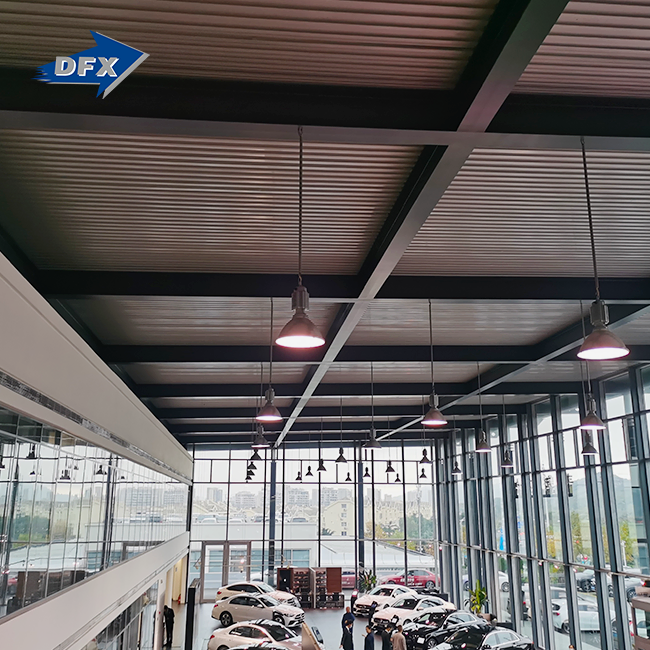
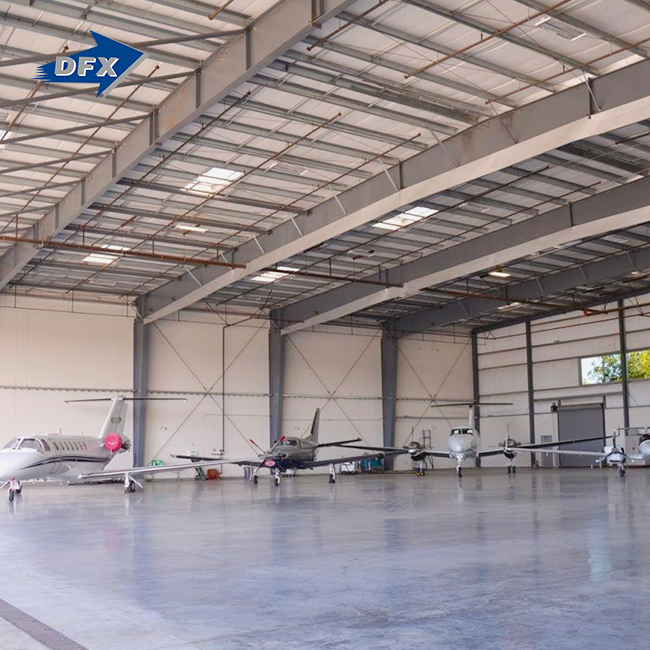
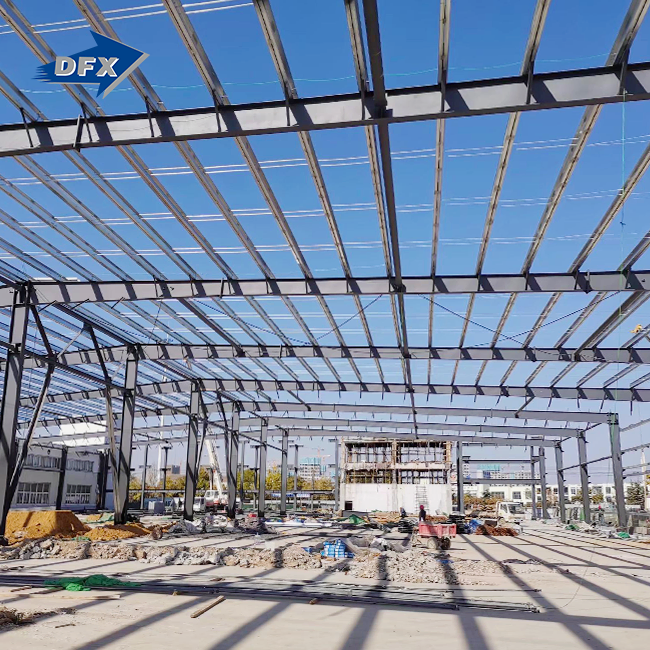
- Column-free clear spans: Space frame and truss systems shown at steel structure exhibitions can often reach 60–100 meters without any support in the middle. This is important for exhibition halls that need to hold heavy machinery displays or large crowd gatherings.
- Fire resistance compliance: Intumescent fireproof coatings, which are often shown at steel structure exhibitions, make it possible for structural steel to get 2–4-hour fire ratings (F120/F240), which meet local building codes without lowering the span capacity.
- Anti-corrosion performance: For projects located near water or in wet areas, exhibitors show off hot-dip galvanizing and three-layer marine-grade paint systems that last 25 to 50 years without needing any upkeep.
- Hanging load capacity: Roof trusses designed to incorporate secondary steel can handle changing loads from lighting rigs, HVAC systems, and hung display screens, which is an absolute must in professional show spaces.
All of these solutions take vague engineering problems and turn them into certified products that can be bought and compared by procurement managers. At steel structure exhibitions, buyers look at demonstration structures and technical data sheets to get clear, comparable benchmarks that help them choose a vendor more quickly.
How to Select the Best Steel Structure Exhibitions for Your Procurement Needs
Dedicated Events vs. General Construction Trade Shows
Not every building trade show is the same when it comes to buying things. A generalist building show might have one or two steel manufacturers among hundreds of unrelated vendors. This would make it less useful for a project manager who is only interested in big-span structural systems to find suppliers. Dedicated steel structure exhibitions, on the other hand, bring together space frame designers, H-beam fabricators, sandwich panel manufacturers, and structural engineering consultants in a single, well-organized space.
When choosing which events to go to, you should think about how the local supply chain fits in. Fabricators with shorter shipping paths to project sites in the Philippines or Australia may be at a steel structure exhibition in Southeast Asia. On the other hand, European-certified exhibitors will have CE and ISO paperwork that is important to government-tendered infrastructure projects. When looking for suppliers for business projects in the U.S., purchasing managers should give more weight to exhibitors who can show they follow AISC guidelines and local building codes.
The best ways to make the most of your time are still to pre-register and schedule your booth ahead of time. Before the event, choose three to five potential exhibitors. Then, make a structured questionnaire that covers things like delivery times, structural certification, and installation support after the sale. Finally, use live demonstrations to check the quality of the fabrication for yourself.
Exploring Cutting-Edge Innovations Featured at Large Span Venue Exhibitions in 2024 Technologies Reshaping Steel Structure Design and Fabrication
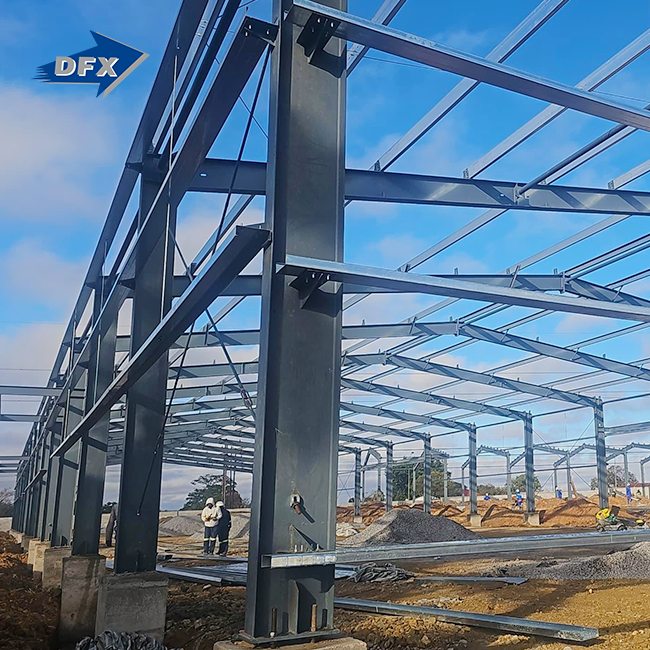
Digital manufacturing and smart structural systems have gotten a lot of attention at the 2024 steel structure exhibition cycle. Now that BIM is part of design routines, procurement teams can get fully organized 3D structure models before the building process starts. This cuts down on the number of RFIs that need to be sent out during construction. Automatic welded H-beam production lines, which can now handle six lines at once in major Chinese fabricators, meet ISO 13920 standards for size tolerances.
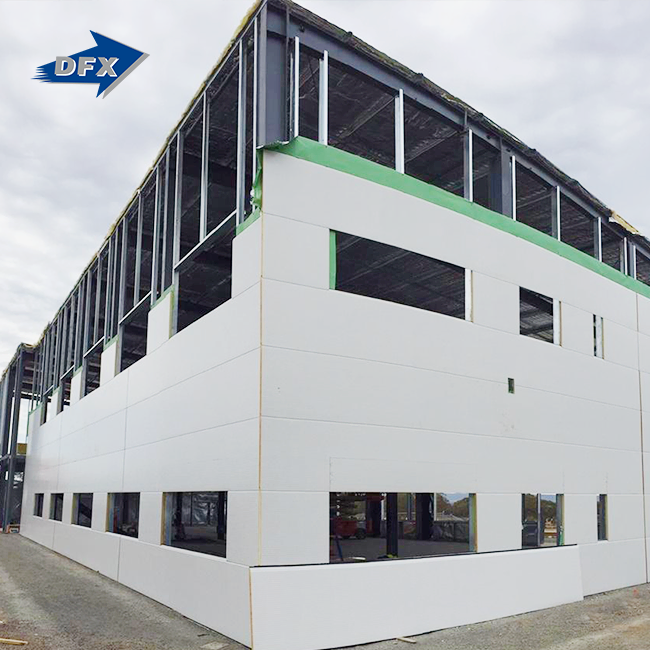
Material innovation is also very important. High-strength Q355 steel, along with composite floor systems and curtain wall or metal panel facades, can support exhibition buildings with more than one floor that are both structurally sound and aesthetically pleasing. Several top makers have built AI-powered load analysis tools into their design platforms. These tools cut the time it takes to calculate the structure from weeks to days.
Digital twin technology is becoming a useful tool after construction is done. It lets venue owners check on the health of structures in real time and plan upkeep work before they break down. For procurement managers looking at lifecycle cost, this feature directly means lower total cost of ownership, which is a metric that drives buying decisions more and more beyond initial unit price.
Maximizing Your ROI from Steel Structure Exhibition Attendance
Turning Exhibition Insights into Procurement Action
If there isn't a structured follow-up plan, attendance doesn't usually lead to procurement value. The method with the best return sees a visit to a steel structure exhibition as the start of a sourcing process, not the end. During the event, get material test certificates (MTCs) from the shortlisted fabricators, ask for sample weld inspection reports, and make sure that you have records of non-destructive testing (NDT) methods like ultrasonic testing (UT) and magnetic particle testing (MT).
After the event, add the standards you collected to the paperwork for your RFP. When suppliers answer the requirements you made through direct exhibition involvement, their answers are more accurate. By talking to the same supplier over and over again at a steel structure exhibition, you can build long-term relationships that give you more negotiating power and make the supply chain more resilient across multiple project cycles.
Conclusion
Building a large span venue requires precise structural design, a reliable supply chain, and technical reputation that can't be checked by a quick search for vendors. Steel structure exhibitions condense years of evaluating suppliers into a focused, useful interaction. This helps buyers, EPC contractors, and manufacturing investors understand everything they need to know to make a confident commitment. The solutions shown at these steel structure exhibitions are the cutting edge of how well fabricated steel can be used right now, whether your next project is an industrial exposition center, a business steel building, or an infrastructure facility.
FAQ
1. What structural system achieves the longest clear span in exhibition hall construction?
Space frame and truss systems are the best choices because they can usually span 60 to 100 meters without any columns. Specialized designed systems can go over 150 meters for heavy-duty uses like airplane hangars or mega-expo centers showcased at a steel structure exhibition.
2. How does pre-engineered steel construction compare to concrete for large venues?
Pre-engineered steel systems cut down on building time on-site by 30–50%, need lighter base loads, and have a high scrap value when they're no longer needed. Even though the original prices of the materials may be different, the overall cost of ownership is usually less than for similar concrete construction.
3. What certifications should I require from a steel structure fabricator?
Check for CE certification, ISO 9001 or ISO 9004 compliance, and mill test certificates (MTCs) that show where the materials came from. Local regulatory officials may also need COC and PVOC certifications for some areas.
4. Can large span steel structures be adapted for multi-storey exhibition buildings?
Yes. With a composite floor system and curtain wall or metal panel facade, along with a steel column-beam frame made of Q235 or Q355 steel, you can build both single-story and multi-story buildings that are good for company offices, business centers, and executive buildings.
Partner with DFX for Your Next Large Span Steel Structure Project
Since 2011, CE-certified and ISO-compliant steel structures made by DFX (Qingdao Director Steel Structure Co., Ltd.) have been used in industrial, commercial, and infrastructure settings. As a reliable steel structure exhibition supplier with six automated H-beam lines and 40,000 m² of production space, we offer full support from architectural design to fabrication and installation. Send the details of your project to jason@bigdirector.com, and our engineers will make a solution that fits your needs.
References
1. Steel Construction Institute — Steel Designer's Manual, 8th Edition, 2019.
2. American Institute of Steel Construction (AISC) — Steel Construction Manual, 15th Edition, 2017.
3. Eurocode 3 (EN 1993) — Design of Steel Structures, European Committee for Standardization, 2005.
4. World Steel Association — Steel in Buildings and Infrastructure Report, 2022.
5. BuildingSMART International — BIM for Steel Construction: Implementation Guide, 2021.
6. International Journal of Steel Structures — Advances in Large-Span Steel Frame Design and Prefabrication, Volume 23, 2023.
Learn about our latest products and discounts through SMS or email