- English
- French
- German
- Portuguese
- Spanish
- Russian
- Japanese
- Korean
- Arabic
- Greek
- German
- Turkish
- Italian
- Danish
- Romanian
- Indonesian
- Czech
- Afrikaans
- Swedish
- Polish
- Basque
- Catalan
- Esperanto
- Hindi
- Lao
- Albanian
- Amharic
- Armenian
- Azerbaijani
- Belarusian
- Bengali
- Bosnian
- Bulgarian
- Cebuano
- Chichewa
- Corsican
- Croatian
- Dutch
- Estonian
- Filipino
- Finnish
- Frisian
- Galician
- Georgian
- Gujarati
- Haitian
- Hausa
- Hawaiian
- Hebrew
- Hmong
- Hungarian
- Icelandic
- Igbo
- Javanese
- Kannada
- Kazakh
- Khmer
- Kurdish
- Kyrgyz
- Latin
- Latvian
- Lithuanian
- Luxembou..
- Macedonian
- Malagasy
- Malay
- Malayalam
- Maltese
- Maori
- Marathi
- Mongolian
- Burmese
- Nepali
- Norwegian
- Pashto
- Persian
- Punjabi
- Serbian
- Sesotho
- Sinhala
- Slovak
- Slovenian
- Somali
- Samoan
- Scots Gaelic
- Shona
- Sindhi
- Sundanese
- Swahili
- Tajik
- Tamil
- Telugu
- Thai
- Ukrainian
- Urdu
- Uzbek
- Vietnamese
- Welsh
- Xhosa
- Yiddish
- Yoruba
- Zulu
Bonded Zone Storage Structural Steel: A Buyer’s Guide
Bonded zone storage structural steel is the primary frame, secondary framing, and bracing that carry a customs-controlled warehouse. A good purchase starts with your cargo, local code, and security needs. It then moves to loads, fire protection, corrosion control, cost, and supplier capability. I wrote this guide for contractors, EPC teams, and warehouse owners who must compare quotes with confidence. We explain what to specify, what to ask, and where projects usually slip, so your bonded building meets code and keeps a realistic schedule.

Define Requirements and Specifications Before You Request Quotes
Start With Your Operating Profile
A bonded warehouse can hold freight for online stores, items that need to be kept cold, and things that need to be cared for before they can be sent abroad. For each use, the clear height, dock count, insulation, and fire systems are different. Before you ask for prices, write down the building's size, the column grid, the racks' layout, the forklift routes, the site's condition, and your plans for growth. A lot of business owners in the US also make sure that the plan follows the rules set by Customs and Border Protection in 19 CFR Part 19. This is done to make sure that everyone can get in easily and keep track of their stock. If the task is clear, changes don't have to be made over and over again. After that, every builder can give a price for the same building.
What the Steel Specification Should Cover
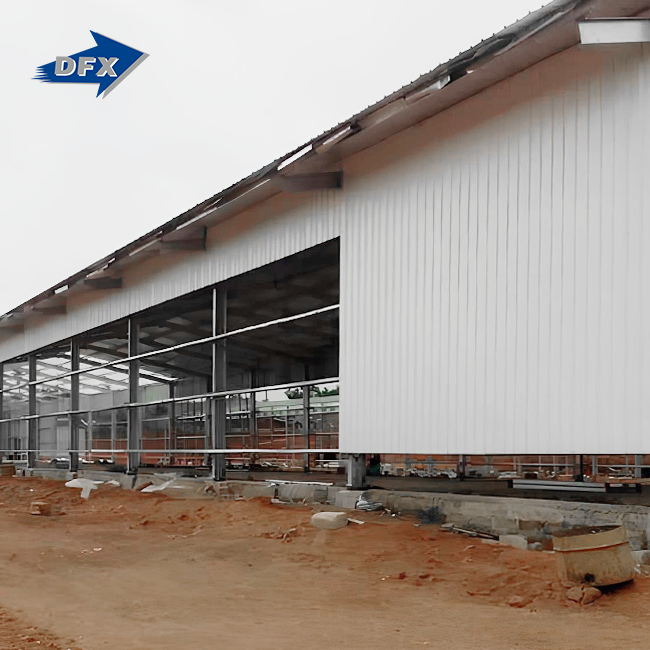
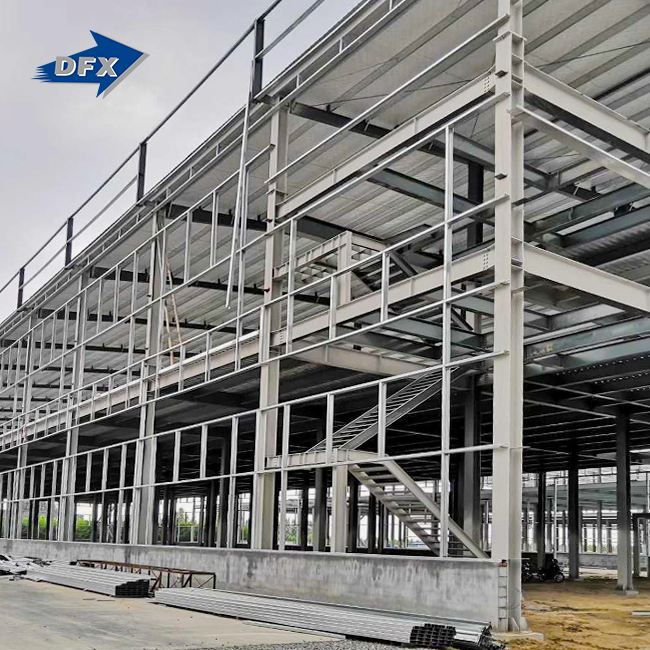
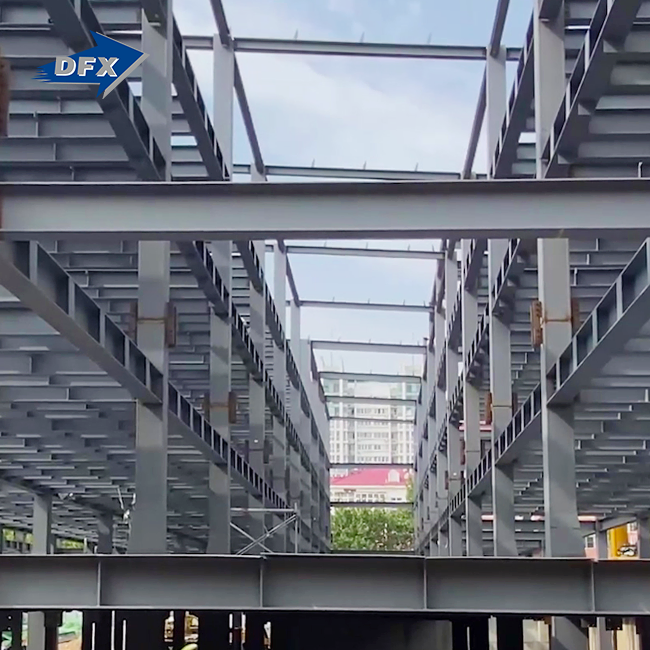
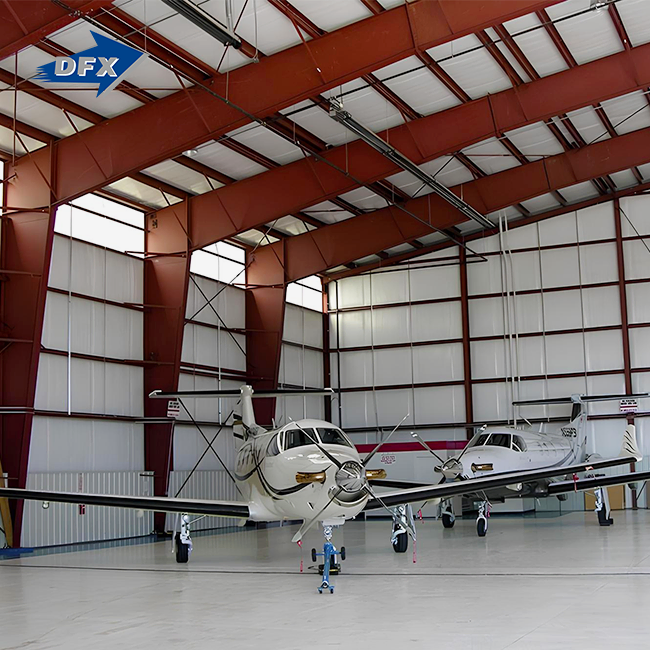
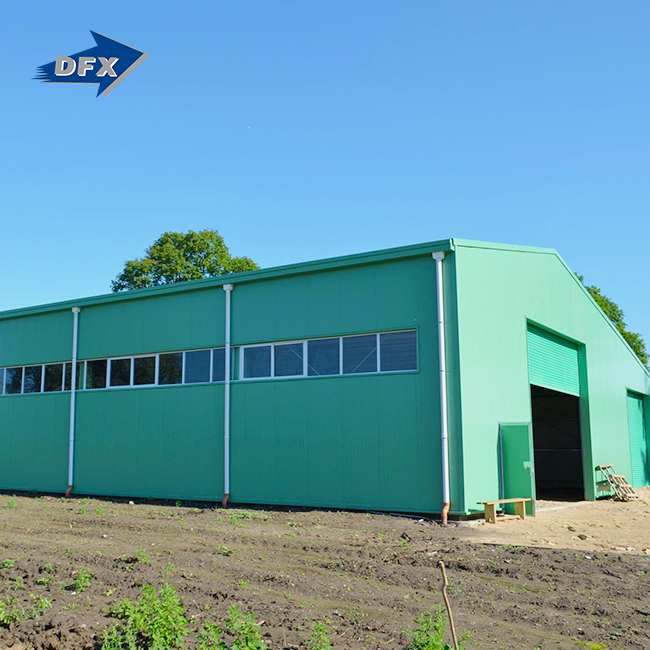
There is more than just the main frame in the solid standard. It also comes with the whole steel package. This list includes all the things that hold the roof up, like beams, rafters, bracing, purlins, girts, base plates, anchor bolts, and any equipment or loft. Also on the list are the different kinds of materials, how they need to be joined, the surface finish, the steps for testing, and certificates for the materials. Our modular prefabricated steel storage building is mostly made up of an H-beam steel frame and a system for bracing. It works well in shipping hubs, storage areas, and traffic hubs. For each bidder, write down whether the price includes math, making plans, and directions on how to put the building together. After that, you can look at deals that cover the same things.
Codes, Documents, and U.S. Approvals
Building steel is governed by AISC 360, and loads are governed by ASCE 7. These rules are used for most projects in the US. A lot of places need drawings to be signed by an engineer who is licensed to work in that state. Make sure you know who will sign off on the pictures before you do so. We do math for engineers at DFX, and our products can have ISO9001, CE, or EN1100 certificates. Only certificates should be used to show that a method works. People shouldn't use them instead of a city or town pass. The code that works in your area should be shared right away. This tells the building department how much weight they can move and what papers they need.
Check Load, Fire, and Corrosion Performance Calculate Loads for Real Operations
In the United States, ASCE 7 sets the standard for these kinds of things. You have to think about wind, snow, earthquakes, dead loads, and live loads when you build something. Forklifts, sprinklers, bin racks, and solar panels on the roof are just a few of the extra safety features that a warehouse needs. By automating storage, you can set strict limits on shocks and bends. Early on, let your supplier know if you want to keep bonded zone storage structural steel bars or plates. When heavy stacks and crane tracks are used, they can change how the frame and slab are put together. An engineer should check the load combinations, links, anchor forces, roof lifting, and base responses all before the building starts.
Plan Fire Protection at the Design Stage
Fire safety should be talked about in the first review. Steel doesn't burn, but when it gets hot, it gets weaker. The International Building Code tells us what rating for fire safety we need for each type of building and each number of people who live in it. ASTM E119 is the standard for the fire test. You can choose from boards that are rated for fire, coatings that don't catch fire, and fireproofing that is applied. These options change the size of the part, the thickness of the finish, the price, and the time it takes to get approval. NFPA 13 tells you how to build sprinklers, so first make sure you understand what you're having. There will be extra work to do on members you've already made if you change the grade after the plans are out. So, decide on the rating before the plans are made public.
Match Corrosion Protection to the Environment
And it's dry here in the middle of the country. A building near the water or the coast needs a heavier cover. You can contrast shop-applied paint, hot-dip galvanizing, and duplex systems by how they rust, how long they last, and how simple they are to maintain. Steel items that have been hot-dip galvanized in the US must meet ASTM A123. The zinc in our C/Z purlins should not change how we prepare the surface, how thick the layer should be, or how to fix any damage to the site or welds. If the roof can drain well and air can flow through it, condensation can form behind roof parts and connections. This could cause rust.
Compare Structural Systems, Cost, and Lead Time
Choose the Right Structural System
It's usually simple to plan and cheap to build a single floor in a pre-engineered or modular steel building. We can size the members to the load when we use welded H-beam main frames instead of taking a single set of catalog sections. Strong concrete or a hybrid solution might be best if you need a floor with more than one level, big equipment, or strict fire rules. Think about your choices based on their length, width, height, storage space, equipment loads, building speed, the number of people who can work there, and their expanded space. Check out both how much steel they have and how much they'll be worth in the future.
Read the Whole Price
It's not just about how much a ton of steel costs. Engineers, manufacturers, coverings, packing, shipping by land or sea, import taxes, foundations, installation, tests, and more all have costs that are part of a full budget. What kind of steel you bring in and where it comes from affects the duty rates you pay on it. Talk to your customs broker to get the most up-to-date rates. To make sure that all the quotes are the same, write down the design standards, material grades, what's included and what's not, shipping terms, warranty, and work scope. You can't always get the best deal, and the deal that seems the cheapest might not include things that end up costing you more.
Plan Lead Time and Build Sequence
Wait time varies on the size of the building, how long it takes to get approvals, and the resources that are available. This is because we work on projects as they come up. First, the needs are checked out, and the site is examined. After that, it's time to plan, make, export pack, ship, and set up. The steps we use for making are written down as part of our ISO quality system. We also pack parts so that they will be put together in the same order. Before the Bonded zone storage structural steel comes, check the supports and anchor bolts are in place. Losing an anchor bolt can make work take days longer than usual. A quick survey doesn't cost much.
Select a Supplier and Build a Procurement Checklist
Judge Supplier Capability With Facts
Ask to see proof that they are good at engineering, how big their factory is, and that they can keep track of quality. Since 2011, a business called Qingdao Director Steel Structure Co., Ltd. (DFX) has been building steel structures. A 40,000-square-meter enclosed working area is home to more than 200 people. Every year, six automatic lines for welding H-beams and two lines for welding C/Z sections make about 20,000 tons of welded H-beams and columns and 8,000 tons of welded C and Z sections. Our own team of designers and builders works on projects from the time they are first thought out until they are all put up. You should get the same project references and phone numbers from all of the sellers you're considering.
Use a Procurement Checklist
Your goals become the rules of a deal when you have a plan. This is the formal part: write down the site's size, clear height, racking loads, fire grade, rust category, and growth room. You need to talk about the goals, the goods, the Incoterms, the packing, the payment terms, the warranty, the change orders, and the ways to fix delays on the business side. Make sure you check the supplier's credentials, factory skills, and references. You could also offer to help them set up the product. This way, gaps in the scope can be found before the work starts, instead of when it's already done. The list is signed by both sides. When plans change, this habit will keep your schedule and money safe.
Make the Final Decision
It will do the rest if you tell it what to do. The fastest and least expensive way to put things on one level is in a prefab or pre-engineered building. Wedge-built frames are best for long spans and heavy loads. If you don't have a lot of land or need to protect against fire and vibration, you might want to use something made of mixed steel and concrete. All of you should think about safety, following the rules, storage space, time, cost over the product's life, and getting help from the supplier. Then you should ask for a single technical and business plan that is well connected. When gaps in the plan show up, it costs more to hire a service based only on price per ton.
Conclusion
People who want to buy bonded zone storage structural steel should know how it works, what codes it is based on, and what it covers before they look at prices. Following this guide, the whole steel package had to meet the needs. The test also showed that it meets U.S. standards for loads, fire safety, and stopping rust, as well as ASCE 7, the International Building Code, and ASTM A123. It's not just the price of steel per ton. Frames that are already made and can be bent are the best way to quickly store things on one level. Mixed or welded systems, on the other hand, work better for buildings that are heavier or have more parts that move. To avoid extra work and delays, get a list that everyone signs, proof from the seller, and quote limits that are the same. They also keep a secured building safe and let it do what it needs to do.
FAQ
1. What does bonded zone storage structural steel include?
Why is bonded zone storage structural steel made the way it is? It includes the base plates, anchor bolts, columns, beams, braces, purlins, girts, bracing, the upper supports, and any other supports. We have an H-beam and a support system that make up the main frame of our building.
2. Does DFX provide installation?
We help with setting up, making things, using technical formulas, and making sure everything works well.
3. Which certificates do your products carry?
You can pick EN1100, CE, or ISO9001. Get the papers and the price all at the same time.
4. How long does delivery take?
Projects are what make things. Plan changes based on the size of the building, the time it takes to get permits, and the materials that can be used. The schedule is set after we look over your models.
5. What should I send for a quote?
Send the address of the site, the code version, the size, the clear height, the weight it can hold, its fire rating, the rusting environment, and the due date.
Request a Bonded Zone Storage Structural Steel Quote From DFX
Are you going to build a warehouse that will be safe? The DFX team can take a look at your ideas and give you a price based on the work. It's been a long time since our business sold bonded zone storage structural steel. These modular prefabricated steel storage buildings are made in China and are certified by ISO9001 and CE. We can help you with engineering estimates, fabrication, shipping management, and putting them together. Tell jason@bigdirector.com about your site, how big your building is, and what your plan is.
References
1. American Institute of Steel Construction, Specification for Structural Steel Buildings (ANSI/AISC 360-22), 2022
2. American Society of Civil Engineers, Minimum Design Loads and Associated Criteria for Buildings and Other Structures (ASCE/SEI 7-22), 2022
3. International Code Council, International Building Code, 2021
4. National Fire Protection Association, NFPA 13: Standard for the Installation of Sprinkler Systems, 2022
5. ASTM International, ASTM A123/A123M: Standard Specification for Zinc (Hot-Dip Galvanized) Coatings on Iron and Steel Products, 2017
6. U.S. Government Publishing Office, Code of Federal Regulations Title 19, Part 19: Customs Warehouses, Container Stations, and Control of Merchandise Therein, 2023
Learn about our latest products and discounts through SMS or email