- English
- French
- German
- Portuguese
- Spanish
- Russian
- Japanese
- Korean
- Arabic
- Greek
- German
- Turkish
- Italian
- Danish
- Romanian
- Indonesian
- Czech
- Afrikaans
- Swedish
- Polish
- Basque
- Catalan
- Esperanto
- Hindi
- Lao
- Albanian
- Amharic
- Armenian
- Azerbaijani
- Belarusian
- Bengali
- Bosnian
- Bulgarian
- Cebuano
- Chichewa
- Corsican
- Croatian
- Dutch
- Estonian
- Filipino
- Finnish
- Frisian
- Galician
- Georgian
- Gujarati
- Haitian
- Hausa
- Hawaiian
- Hebrew
- Hmong
- Hungarian
- Icelandic
- Igbo
- Javanese
- Kannada
- Kazakh
- Khmer
- Kurdish
- Kyrgyz
- Latin
- Latvian
- Lithuanian
- Luxembou..
- Macedonian
- Malagasy
- Malay
- Malayalam
- Maltese
- Maori
- Marathi
- Mongolian
- Burmese
- Nepali
- Norwegian
- Pashto
- Persian
- Punjabi
- Serbian
- Sesotho
- Sinhala
- Slovak
- Slovenian
- Somali
- Samoan
- Scots Gaelic
- Shona
- Sindhi
- Sundanese
- Swahili
- Tajik
- Tamil
- Telugu
- Thai
- Ukrainian
- Urdu
- Uzbek
- Vietnamese
- Welsh
- Xhosa
- Yiddish
- Yoruba
- Zulu
Steel Structure Garden Shed Design and Installation Tips
When your operation demands reliable, weather-resistant storage that won't buckle under pressure, a steel structure garden shed emerges as the pragmatic choice. These engineered solutions combine H-section beam frames with C/Z galvanized purlins to deliver versatile structures—available with fully clad sides or open configurations—suited for farm hay storage, vehicle parking, equipment protection, and maintenance operations. With ISO9001, CE, COC, and PVOC certifications, manufacturers in China now offer short production cycles that help construction contractors, agricultural enterprises, and manufacturing facilities meet tight project timelines without compromising structural integrity or budgetary discipline.

Understanding Steel Structure Garden Sheds: Benefits and Core Features
Metal garden buildings have changed from simple storage sheds for the backyard to high-tech industrial assets. High-tensile steel grades, like G300 to G550, are used in the steel structure garden shed. These grades perform better than traditional wood or resin alternatives in a number of ways. For procurement managers looking at long-term infrastructure investments, this technical benefit means less downtime and a lower total cost of ownership.
Superior Durability and Fire Resistance
Steel frames don't break down biologically like wooden frames do. Galvanized steel parts can't be damaged by termites, fungal rot, or bending caused by water. Steel has a class. A fire rating, which meets strict insurance requirements for sites that store dangerous materials or are close to main buildings. This makes fire safety compliance easy. This non-combustible property is especially helpful for farms that store pesticides or fertilizers because it lowers their legal risk and protects their valuable goods.
Customization and Structural Flexibility
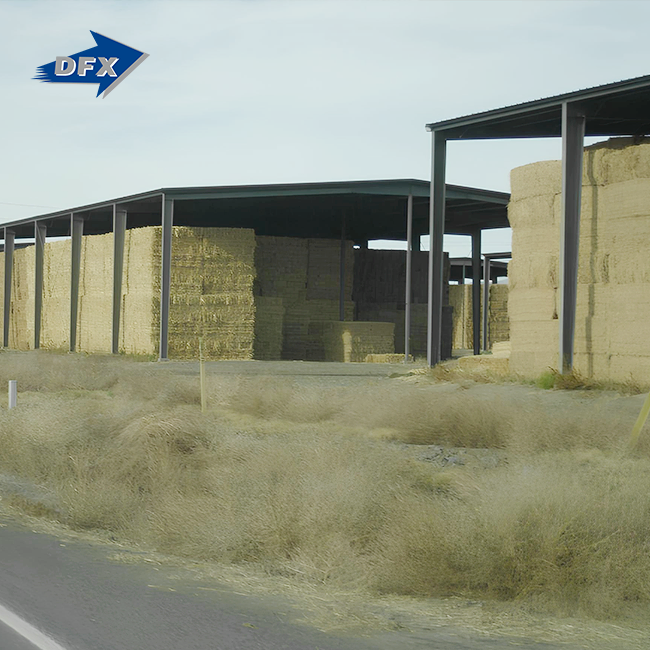
Modular design principles allow modern steel sheds to meet a wide range of operational needs. H-section beams and columns can hold a lot of weight, and C/Z purlins let you span roofs and walls in a variety of ways. Open-sided designs are good for storing hay because they let air flow through and stop mold from growing. On the other hand, fully clad designs keep dust and rain out of sensitive equipment. Because it's flexible, project engineers can choose exact sizes and features without being limited by the limitations of prefabricated wooden kits.
Low Maintenance and Environmental Resilience
Hot-dipped galvanized finishes that meet ASTM A653 standards and have a zinc weight of Z275 protect against corrosion and make things last longer than 20 years in mild areas. AZ150 Galvalume treatments are good for coastal installations because they protect against salt spray without having to be sealed and painted every year like wooden structures do. The working temperature range of -40°C to +80°C keeps the structure stable in all kinds of continental climates, from the cold winters of Minnesota to the hot summers of Arizona, without deforming or losing its performance.
Design Principles and Best Practices for Steel Garden Shed Construction
To build a good steel structure garden shed, you must first know what the site limitations and government rules are. It is the job of project managers to make sure that local building codes are followed when it comes to setbacks, height limits, and snow load requirements. They also have to balance structural engineering with cost-effectiveness.
Site Assessment and Foundation Planning
The long-term success of a structure depends on the choice of base. A concrete slab with a built-in vapor shield is still the best way to hold something and keep water out. Pressure-treated wood frame supports can be used for projects on a budget as long as they have ground anchors to stop wind uplift forces. The slope of the site should help water run off of the building, and entry points for utilities need to be planned out before the foundation work starts. Agricultural projects in areas that are prone to flooding may need raised platforms or better drainage systems.
Material Selection and Coating Systems
Choosing the right steel grade affects both the strength of the structure and the long-term costs of a steel structure garden shed. 0.4mm to 0.6mm corrugated wall panels are fine for standard storage needs, but 1.2mm frame components are better for heavy equipment shelters. When exposed to strong UV light, multi-layered covering systems with primers, topcoats, and conversion processes of silicone-modified polyester keep the paint from chalking and fading. Instead of relying only on what suppliers say, procurement managers should check the coating thickness specifications (usually a topcoat of 15-20 microns) with reports from independent testing labs.
Ventilation and Climate Control Integration
The danger that internal humidity hides is that it can damage kept goods and equipment. Professional installs include ventilation grilles under the roof eaves, which create passive airflow that keeps wetness from building up. Anti-condensation fleece coatings are often used in high-end agricultural applications. These are applied to the interior roof panels during fabrication and soak up extra humidity before it condenses into harmful droplets. When keeping things that need to be kept at a certain temperature, insulated panel systems keep the inside fixed and lower energy costs in climate-controlled versions.
Modular Design for Future Expansion
Growth is due to procurement strategies that look to the future. Modular steel construction lets buildings grow in stages without tearing down existing ones. When connection points and bolt designs are standardized, it's easy to add bays or make the length longer as practical needs change. When bidding on multi-phase projects, construction contractors like this scalability because it makes logistics easier and lowers the cost of mobilization compared to building brand-new facilities.
Step-by-Step Guide to Steel Garden Shed Installation
The success of an installation depends on how well the parts are prepared and how well the measurements are kept. Steel structure garden sheds can be built faster than brick or wood sheds, but if you take shortcuts when putting them together, you could damage the structure or lose the warranty.
Pre-Installation Preparation
Site preparation starts weeks before the steel parts show up. Get rid of all the plants and other things that are in the footprint, which goes three feet beyond the original measurements. Use laser levels to make sure the foundation is level within ±5 mm. This is important for keeping the walls straight and making sure the roof panels fit properly. Make sure that the positions of the anchor bolts match the shop drawings that were given. Making changes in the field is expensive and takes a lot of time. Sort parts by how they need to be put together and compare them to packing lists to find missing parts before the teams get there.
Frame Assembly and Alignment
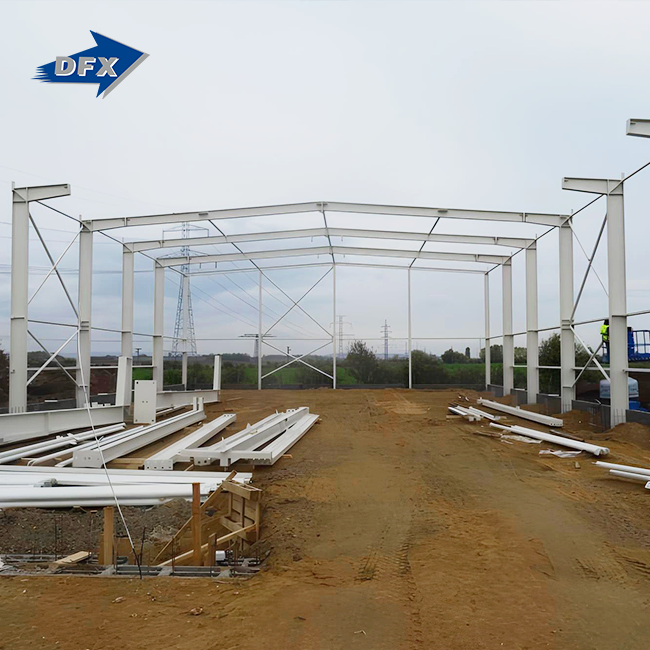
First, put up the corner poles by briefly holding them straight with adjustable supports. Columns are connected to H-section beams by bolt holes that have already been drilled. Precise CNC cutting ensures limits of ±0.5mm, which makes alignment easier. Before the final tightening, make sure that the diagonal measurements match. This square check stops errors from adding up and causing the roof to be out of alignment. Install horizontal purlins one at a time, working from the base to the roofline. Use calibrated tools to tighten all the fasteners to the manufacturer's specifications. When bolts are tightened too quickly, the link slips and the structure moves when wind blows on it.
Panel Installation and Weatherproofing
Self-drilling screws with neoprene washcloths are used to connect wall and roof panels to purlins. To make sure the roof drains water properly, keep the overlap patterns the same. For wall panels, this means 1.5 corrugations, and for roofs, it depends on the manufacturer. Apply sealant tape to the joints between panels before you attach them. This will make the seams weathertight and stop wind-driven rain from getting in. Ridge caps and trim pieces are the last things you install. They cover fastener holes, give the job a finished look, and do important lighting jobs.
Common Installation Challenges
Misaligned bolt holes are annoying for even the most experienced crews. Usually, this is because the foundation anchor bolts were put in the wrong place or the columns were twisted while they were being temporarily supported. To avoid mistakes, it's better to check the sizes at each step of the building process than to find them all at the end when the panels are all put together. During building, wind can be dangerous and make it hard to move panels. Plan the erection of a steel structure garden shed for times when the weather is calm, and use automatic lifts to place roof panels instead of lifting them by hand for large sheets.
Post-Installation Maintenance Protocols
Galvanized coatings don't need much care, but they should be washed once a year with a mild detergent to get rid of dirt that builds up and traps water. Every six months, check the screws and tighten any that are loose from the thermal cycle. Use zinc-rich touch-up paint right away on scratches that show the base metal to stop rust from spreading. Coastal installations need to be inspected every three months because salt deposits speed up corrosion if they are not removed. By taking this proactive step, you can extend the service life and keep your guarantee coverage, which usually requires regular maintenance as a condition.
Choosing the Right Steel Garden Shed Supplier: Criteria and Market Solutions
Choose the right supplier to avoid problems that cost a lot of money and time. In addition to reviewing prices, procurement managers need to look at the company's manufacturing skills, certifications, and facilities for assistance after delivery for each steel structure garden shed project.
Evaluating Manufacturing Capacity and Quality Systems
Serious sellers have production buildings that are locked up and have quality control systems that are written down. ISO9001 approval means that the process is controlled in a planned way, and CE marking means that the product meets European export regulations. Instead of believing what the company says on the marketing, ask for factory audit reports or third-party inspection certifications. When it comes to big orders, production capacity is important. Facilities with multiple automated H-beam lines and sandwich panel production can meet bulk needs in 6–8 week cycles, but smaller operations may need 12 weeks or more.
Certification and Warranty Considerations
Product certificates back up claims of performance with tests done by a third party. To get CE certification, structural calculations and material lists must meet European standards. This gives international projects peace of mind. PVOC and COC licenses make it easier to get goods through customs in African markets. Manufacturers should be confident in their products by offering warranties that cover rust perforation for 10 to 20 years on hot-dipped galvanized steel and 2 to 5 years on electro-galvanized steel. Check the warranty's exclusions carefully. For example, some warranties won't cover things that are put in coastal areas or whose owners don't do the upkeep that the manufacturer says they should.
Preassembled Kits Versus Custom Engineering
Off-the-shelf shed kits are good for simple storage needs where standard sizes and features are enough. These packages come with all the parts and installation instructions, which makes buying easier and cuts down on lead times. Custom-engineered solutions are needed when sites have unusual problems, like sloped ground, high winds, or having to work with structures that are already there. Custom projects cost more to build and take longer to make, but they provide better answers than stock kits. To make buying easier, construction workers who are in charge of multiple projects often arrange frame deals that cover both standard and custom units.
Technical Support and Installation Services
Suppliers that offer "turnkey" services, which include planning, manufacturing, delivery, and installation, make it easier for operations managers to coordinate. When problems happen, this unified approach makes it clear who is responsible, unlike projects with separate designers, manufacturers, and installers, where pointing fingers takes longer to solve the problem. Check sample installation plans for clarity and detail; unclear directions lead to confusion in the field and raise the cost of labor. When crews run into unexpected site conditions that need real-time engineering input, responsive technical support during installation is very helpful.
Conclusion
There are clear benefits to using steel structure garden sheds for farms, factories, and construction companies that need long-lasting storage solutions. When you put together H-section structure frames, galvanized parts, and different design choices, you get buildings that are more useful and safer than those made of traditional materials in terms of service life, upkeep needs, and safety compliance. Projects that go well are the result of carefully choosing the supplier, properly preparing the spot, and installing things in a way that follows the technical specs. By balancing the initial investment with the total cost of ownership, strategic procurement methods make these buildings good investments that will support operating efficiency for decades.
FAQ
1. How does galvanized steel coating prevent rust in humid climates?
During hot-dipped galvanizing, zinc and base steel are bonded together through a diffusion process that happens at around 450°C. The zinc-iron metal layers that form act as a barrier and, more importantly, as cathodic protection, which means that zinc corrodes more slowly than steel, protecting the steel below. When it's humid, zinc patina forms a stable layer of protection that stops zinc from being used up even more. If you apply Z275 coatings correctly to a steel structure garden shed, they should last 20 years or more in moderate humidity. However, coastal salt air speeds up zinc loss, so you may need to check on them and touch them up every so often.
2. Can steel sheds accommodate insulation for climate-controlled storage?
Modern metal buildings can easily use insulation systems that are specially made to meet their thermal performance needs. When applied to inside surfaces, spray foam insulation gets R-values higher than 20 while closing air gaps that lower efficiency. Installing rigid foam board panels between purlins is a cheap way to achieve reasonable temperature control. In hot places, reflective radiant barriers under the roof cut down on summer heat gain by a large amount. When custom-engineered sheds are made, insulated sandwich panels can be used. These panels combine structural covering and insulation into a single piece, making installation easier and preventing thermal bridging through screws.
3. What needs do different types of dirt have for foundations?
Soils that are sandy or well-drained can usually support concrete slab-on-grade foundations with only some preparation, like packing the soil down and putting down a gravel bed. Soils that are mostly clay and tend to expand need footings that are deeper and go below the frost lines. Reinforced grade beams may also help spread the weight. Coastal areas or areas with high water tables need pier foundations that are raised above the level of a possible flood. In seismic zones, foundations must be designed to have better stability that can withstand lateral forces. If you're building something bigger than a shed, you should always check the local building rules and think about getting a geotechnical study. This is because the soil's bearing ability directly affects the design and cost of the base.
Partner with DFX for Reliable Steel Structure Solutions
Your garden shed projects will be taken care of by Qingdao Director Steel Structure Co., Ltd. (DFX), which has over 12 years of experience making structures out of steel. Our 40,000-square-meter factory has six automated welded H-beam lines and specialized C/Z section steel tools that make sure the quality of every part is the same. If you email our team at jason@bigdirector.com, you can get access to a wide range of services, including architectural planning, precise manufacturing, and full installation support. We offer turnkey solutions with shorter production processes that keep your projects on plan and on budget. We are a qualified steel structure garden shed maker with ISO9001, CE, COC, and PVOC credentials. Our engineering team creates unique designs that fit the needs of each site, and our low volume pricing makes DFX your ideal partner for both single installations and multi-phase expansion plans.
References
1. American Institute of Steel Construction. (2022). Steel Construction Manual, 15th Edition. Chicago: AISC.
2. European Committee for Standardization. (2021). EN 1090-2: Technical Requirements for Steel Structures. Brussels: CEN.
3. Baddoo, N.R. (2020). Durability of Galvanized Steel in Agricultural Buildings. Journal of Constructional Steel Research, 176, 106-118.
4. National Frame Builders Association. (2023). Post-Frame Building Design Manual. Lawrence: NFBA.
5. Corus Construction Centre. (2019). Fire Resistance of Steel-Framed Buildings. Scunthorpe: Tata Steel Europe.
6. Australian Steel Institute. (2021). Design Capacity Tables for Structural Steel – Volume 1: Open Sections. Sydney: ASI.
Learn about our latest products and discounts through SMS or email