- English
- French
- German
- Portuguese
- Spanish
- Russian
- Japanese
- Korean
- Arabic
- Greek
- German
- Turkish
- Italian
- Danish
- Romanian
- Indonesian
- Czech
- Afrikaans
- Swedish
- Polish
- Basque
- Catalan
- Esperanto
- Hindi
- Lao
- Albanian
- Amharic
- Armenian
- Azerbaijani
- Belarusian
- Bengali
- Bosnian
- Bulgarian
- Cebuano
- Chichewa
- Corsican
- Croatian
- Dutch
- Estonian
- Filipino
- Finnish
- Frisian
- Galician
- Georgian
- Gujarati
- Haitian
- Hausa
- Hawaiian
- Hebrew
- Hmong
- Hungarian
- Icelandic
- Igbo
- Javanese
- Kannada
- Kazakh
- Khmer
- Kurdish
- Kyrgyz
- Latin
- Latvian
- Lithuanian
- Luxembou..
- Macedonian
- Malagasy
- Malay
- Malayalam
- Maltese
- Maori
- Marathi
- Mongolian
- Burmese
- Nepali
- Norwegian
- Pashto
- Persian
- Punjabi
- Serbian
- Sesotho
- Sinhala
- Slovak
- Slovenian
- Somali
- Samoan
- Scots Gaelic
- Shona
- Sindhi
- Sundanese
- Swahili
- Tajik
- Tamil
- Telugu
- Thai
- Ukrainian
- Urdu
- Uzbek
- Vietnamese
- Welsh
- Xhosa
- Yiddish
- Yoruba
- Zulu
sheep steel shed vs. Traditional Barn: Which Is Better?
When evaluating housing solutions for sheep farming operations, the choice often comes down to modern steel structures versus conventional wooden buildings. After analyzing operational data across multiple commercial livestock facilities, the evidence clearly favors sheep steel sheds for large-scale agricultural projects. Steel structures deliver superior durability, lower maintenance requirements, and enhanced biosecurity measures that directly impact herd health and operational profitability. Traditional barns, while aesthetically familiar, struggle with corrosion from ammonia exposure, pest infiltration, and structural degradation that demand constant repair investments. For procurement managers prioritizing long-term asset value and animal welfare standards, engineered steel shelters represent the more strategic infrastructure choice.

Introduction
Choosing the right home for cattle has a direct effect on how productive the farm is, how healthy the animals are, and how much it costs to run the farm. The housing choice affects everything from how well ventilation works and how diseases are prevented to how long it takes to build and how much it costs to maintain. Procurement managers who are in charge of making the best investments in farm infrastructure need to know the technical and financial differences between modern steel building and traditional timber-based barns.
Considerations for comparison include how long the structure will last, how much it will cost over its lifetime, how well it will adapt to different environments, how efficiently it can be built, and how it can be customized. These insights help businesses in agriculture, EPC contractors in charge of livestock facility projects, and farm owners in the United States who want to increase production capacity make smart decisions that are in line with their practical goals.
Defining Sheep Steel Sheds and Traditional Barns
Understanding Modern Steel Livestock Structures
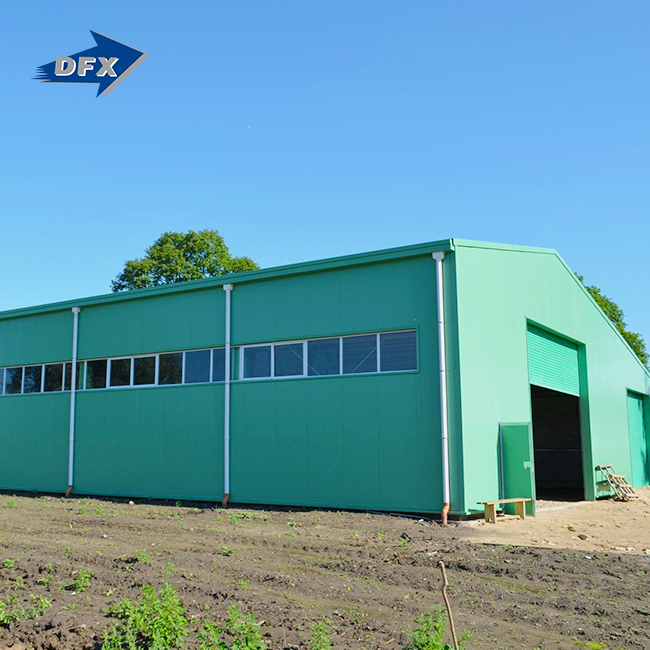
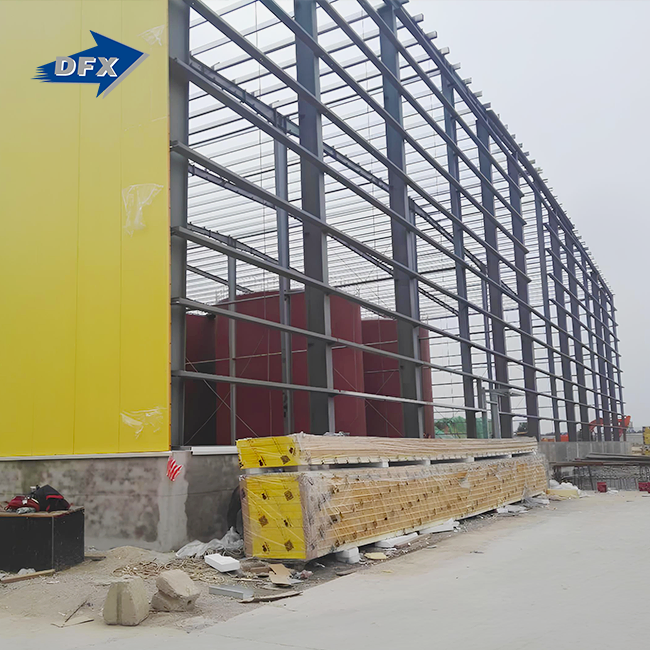
For example, a sheep steel shed is a pre-engineered farm building made with hot-dip galvanized H-section or square tube steel frames, usually made from Q235B or Q355B grade steel. These buildings have coatings that are resistant to rust that were made to survive the highly corrosive ammonia and humidity that come from cattle activities. The open or partially enclosed designs use high-tech ventilation systems, like ridge vents and automated curtain mechanisms, to deal with the biosecurity and air quality problems that come with managing a lot of sheep.
Characteristics of Traditional Barn Construction
Traditional barns are mostly made of timber frame, wooden siding, and sometimes bricks. This is because of how farming has changed over the years and how building techniques have changed over time. Often, these buildings are made of natural wood, which is good for insulation, and they have familiar design elements that look good in rural areas. On-site woodworking, traditional roofing materials, and base systems made for wooden post support are some of the building methods used. Even though organic materials can help with insulation in some ways, they are naturally more likely to be damaged by water, pests, and wear and tear over time.
Key Physical Attribute Differences
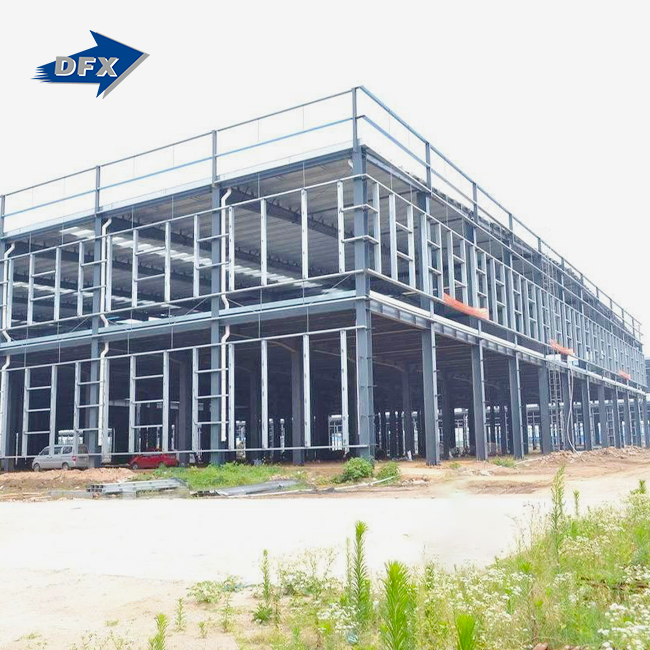
Steel structures can support clear spans of up to 30 meters without the need for interior support columns. This makes pen layouts more flexible and makes it easier for equipment to move around. The flexible bolt-connected system makes it easy to set up quickly in the field and allows for future growth. Traditional barns need load-bearing walls or posts on the inside, which makes it harder to change the layout of the space. Steel siding has surfaces that aren't porous, so they can be cleaned with high-pressure water and disinfected thoroughly. On the other hand, wooden surfaces soak up water and keep germs on them even after cleaning.
Key Comparison Criteria Between Sheep Steel Sheds and Traditional Barns
Durability and Structural Longevity
When steel frames are hot-dip galvanized according to ASTM A123 guidelines, they can last for 40 to 50 years if they are properly maintained. The structure parts have an average zinc covering thickness of 85 microns, which makes them very resistant to acidic manure and corrosion from the air. Wind load capabilities designed to handle speeds of 100 to 140 km/h and snow loads ranging from 0.5 to 2.0 KN/m² protect the structure in a variety of climates.
Usually, traditional wooden barns need major repairs or replacement every 20 to 30 years. Wood rots when it is exposed to changes in moisture, especially where it meets the ground and the roof. Damage from termites, carpenter ants, and wood-boring beetles can weaken structures, and this is usually not noticed until a lot of damage has already been done.
Maintenance Requirements and Operational Costs
Steel buildings don't need much regular upkeep besides cleaning the gutters once a year and checking that the fasteners are tight from time to time. A sheep steel shed provides a durable and low-maintenance shelter solution for livestock, while its fire-resistant structure can help reduce insurance rates for agricultural goods, saving money over time. Anti-condensation felt that is already attached to roof panels stops water from dripping without having to be fixed often.
Wooden barns need constant upkeep, like fresh paint, wood protection treatments, bug control, and strengthening the structure as the joints wear down. Replacing roof shingles, fixing wall boards, and stabilizing the base are all things that cost money over and over again. Maintenance work on barns requires a lot more workers than maintenance work on steel buildings, which slows down operations.
Cost Analysis: Initial Investment vs. Lifecycle Value
Building a sheep steel shed costs more in materials up front than building a simple wooden house. Usually, the initial capital investment for a commercial-scale steel building is 15–25% higher. Lifecycle cost analysis, on the other hand, shows that there are big savings in the long run. Over 20-year evaluation times, steel building has a much lower total cost of ownership because it requires less upkeep, lower insurance rates, longer replacement intervals, and less downtime for repairs.
At first glance, traditional barns seem cheaper, especially if the wood is found locally. However, higher insurance rates, longer-term upkeep costs, and the need for replacements more often all work against this benefit. When making decisions about infrastructure, procurement managers should look at the total project costs and put lifetime value above the original purchase price.
Environmental Adaptability and Climate Performance
Through modular panel systems, steel buildings can be insulated in a number of different ways. In colder climates, polyurethane sandwich panels have high R-values and work well for temperature-controlled lambing sheds. In warmer areas, single-skin designs with better air flow work better. The stiffness of the structure can handle extra dead loads from insulation materials and snow buildup without affecting how well it works.
Because the design is flexible, the ventilation rates can be changed by using natural wind principles or mechanical systems that are based on the weather trends in the area. Cross-ventilation features in clear-span designs get rid of methane and ammonia effectively while keeping the inside temperature stable throughout the year.
Construction Speed and Procurement Logistics
When steel parts that were made in a controlled factory setting get to the job site, they are already put together and ready to go. Bolt-connected systems make installation 30–50% faster than traditional building methods. This cuts down on project timelines and the costs of labor. Standardized parts make transportation planning and inventory management easier for buying teams that are in charge of handling multiple building projects.
Traditional barn building requires a lot of work to be done on-site, timelines that depend on the weather, and the coordination of many different trade specialists. Variable material sources, especially for good wood, add uncertainty to the supply chain. Compared to steel options, construction takes a lot longer, which delays starting operations and making money.
Benefits of Choosing Sheep Steel Sheds Over Traditional Barns
Enhanced Structural Resilience
Engineered steel has a high tensile strength-to-weight ratio, which means it can hold a lot of weight while still being easy to build. Structures are much better at withstanding wind shear forces, earthquakes, and contact harm than wooden ones. Steel building is fire-resistant, which protects cattle assets and lowers the risk of catastrophic loss. This is an important factor for farm insurance underwriting and risk management strategies.
Superior Biosecurity and Hygiene Standards
Modern management of livestock focuses on keeping animals healthy by following strict sanitation rules. The smooth, non-porous steel surfaces make it easier to clean thoroughly between production cycles, stopping the spread of pathogens more effectively than wood. Getting rid of cracks in buildings where parasites can live lowers the risk of disease and the need for pharmaceutical intervention. This supports standards for animal welfare and organic certification.
Customization Capabilities for Operational Efficiency
Specific operating processes, such as automated feeding systems, manure management equipment, and separate pen layouts, can be accommodated by modular sheep steel shed structures. The clear-span interiors make it easy to move and rearrange equipment as management needs change. Ventilation systems work perfectly with building plans because they let you precisely control the environment for each stage of production, from lambing to ending.
Reduced Operational Downtime
Steel buildings last a long time and don't need much upkeep, so they don't require as much facility downtime for fixes. Continuous operation capabilities boost production rates and make the best use of assets. Predictable operational costs are good for procurement managers because they don't have to deal with repair situations that happen out of the blue and put a strain on budgets and production plans.
Manufacturer Support and Installation Services
Reputable steel structure makers offer full project support, including engineering design, manufacturing to international standards, and advice on how to put the structure together. Companies like DFX, which has been in business since 2011 and has ISO9002 and CE certifications, offer complete solutions that include designing the structure, making the parts, and coordinating the installation on-site. For buyers who are in charge of building more than one facility, this integrated service model makes the buying process easier and lowers the risks of completing the project.
Use Cases and Industry Applications for Sheep Steel Sheds
Commercial Feedlot Operations
Large-scale sheep fattening operations use steel structures as high-density feedlots, and it's important that the logistics inside the structures work well. The open-sided designs let natural air flow through, which gets rid of methane and ammonia while keeping the temperature and humidity comfortable. Wide clear spans make it easier for Total Mixed Ration mixers and automated feeding equipment to get their jobs done every day. Facilities that handle 500 to 2000 head show measurable improvements in feed conversion, which can be attributed to better environmental control compared to regular barns.
Controlled Environment Lambing Facilities
Temperature-sensitive lambing operations need careful control of the surroundings to lower the death rate of newborns. During the winter lambing season, buildings with steel frames and polyurethane layer panels keep their interior temperatures fixed. A business operation in Montana said that the death rate for lambs dropped by 18% after switching from a traditional wooden barn to an insulated steel lambing facility. They said that the gains were due to better temperature control and ventilation.
Integrated Wool Production Facilities
Shearing is done in special steel buildings with raised grating floors for moving wool and storage areas set aside just for that purpose. Overhead shearing equipment is supported by the rigidity of the structure, and clear-span designs make sure that there are no obstructions to sightlines and safe work patterns. A Wyoming wool production company merged their shearing operations into a specially built steel building. This made 23% more efficient use of labor by optimizing space, which wasn't possible in their old timber barn setup.
Multi-Species Livestock Operations
Agricultural businesses that take care of a wide range of animals appreciate how flexible steel building is. Instead of having different buildings for each purpose, the same structural platform can be used for keeping cattle, dairy farms, and sheep operations by changing how the inside is set up. This makes it easier to handle facilities across mixed farming businesses and lowers the amount of money needed to buy animals.
Conclusion
When comparing modern steel structures to traditional barns, it's clear that the steel structures are better for industrial sheep farming. Sheep steel sheds are the best choice for procurement managers who want to get the most out of their agricultural investments because they last longer, require less maintenance, improve biosecurity, and have lower lifecycle costs. Traditional barns are still useful for some uses, like when you want to focus on looks or when you're running a small business. However, engineered steel construction is better for commercial livestock production because it saves time and money. The final choice depends on specific operational factors, but there is strong proof that steel infrastructure is a good choice for businesses that value long-term asset value and operating efficiency.
FAQ
1. What lifespan differences exist between steel sheds and wooden barns?
When steel structures are properly maintained and hot-dip galvanized, the main structural parts will last 40 to 50 years, but the cladding will need to be replaced every 20 to 25 years. Due to damage from water, pests, and wear and tear on the materials, traditional wooden barns usually need major structure repairs or replacement within 20 to 30 years. Steel buildings last longer, which means that an object will be worth more in the long run.
2. Can steel sheds maintain adequate insulation in cold climates?
Through sandwich panel methods, steel buildings can be insulated in a number of different ways. Polyurethane core panels have great thermal performance and can be used in northern regions to keep lambing facilities at a comfortable temperature. The structure's design can handle extra dead loads from insulation materials without losing its strength. This means that steel building can be used in a wide range of climates, even hard winter climates.
3. What routine maintenance do steel sheep sheds require?
Cleaning the gutters, checking the tightness of the fasteners, and removing manure from the base of the columns are all part of the yearly upkeep. The galvanized surfaces don't need to be painted or treated to keep them in good shape. Coastal areas may need marine-grade coating inspections, but other than that, they don't need much maintenance compared to wooden structures that need to be treated, painted, and strengthened all the time.
Partner with a Trusted Sheep Steel Shed Manufacturer
Businesses that raise animals for profit should be able to get infrastructure solutions that last and work reliably. DFX specializes in engineering pre-fabricated steel structures that are made to be used in agriculture, such as buildings for housing sheep. We can make hot-dip galvanized structure parts that meet foreign standards. ISO9002 and CE certifications make sure that the quality meets standards.
We offer full project support, from engineering design to manufacturing and assembly help. Our production facilities cover 40,000 square meters and can handle more than 20,000 tons of material each year. Our team knows the specific needs for ventilation, biosecurity, and structure that come with housing livestock, including the requirements of a reliable sheep steel shed. This lets us make solutions that are tailored to your business's needs.
We encourage procurement managers and farming project developers to look into how purpose-engineered steel cattle shelters can improve the performance and efficiency of their facilities. Email our technical sales team at jason@bigdirector.com to talk about the specifics of your project and get detailed engineering proposals.
References
1. American Society of Agricultural and Biological Engineers. (2018). Design of Ventilation Systems for Livestock Housing Facilities. ASABE Standards, 12th Edition.
2. National Research Council. (2019). Nutrient Requirements and Environmental Management in Sheep Production Systems. National Academies Press.
3. Midwest Plan Service. (2020). Structures and Environment Handbook: Agricultural Engineering Design Standards. Iowa State University Extension.
4. International Code Council. (2021). International Building Code Requirements for Agricultural Structures. ICC Publications.
5. Morrison, J. & Stevens, R. (2019). "Comparative Lifecycle Cost Analysis of Steel versus Wood Construction in Agricultural Buildings." Journal of Agricultural Engineering Research, 67(3), 245-262.
6. United States Department of Agriculture. (2022). Best Management Practices for Small Ruminant Housing and Biosecurity. USDA Agricultural Research Service Technical Bulletin.
Learn about our latest products and discounts through SMS or email