- English
- French
- German
- Portuguese
- Spanish
- Russian
- Japanese
- Korean
- Arabic
- Greek
- German
- Turkish
- Italian
- Danish
- Romanian
- Indonesian
- Czech
- Afrikaans
- Swedish
- Polish
- Basque
- Catalan
- Esperanto
- Hindi
- Lao
- Albanian
- Amharic
- Armenian
- Azerbaijani
- Belarusian
- Bengali
- Bosnian
- Bulgarian
- Cebuano
- Chichewa
- Corsican
- Croatian
- Dutch
- Estonian
- Filipino
- Finnish
- Frisian
- Galician
- Georgian
- Gujarati
- Haitian
- Hausa
- Hawaiian
- Hebrew
- Hmong
- Hungarian
- Icelandic
- Igbo
- Javanese
- Kannada
- Kazakh
- Khmer
- Kurdish
- Kyrgyz
- Latin
- Latvian
- Lithuanian
- Luxembou..
- Macedonian
- Malagasy
- Malay
- Malayalam
- Maltese
- Maori
- Marathi
- Mongolian
- Burmese
- Nepali
- Norwegian
- Pashto
- Persian
- Punjabi
- Serbian
- Sesotho
- Sinhala
- Slovak
- Slovenian
- Somali
- Samoan
- Scots Gaelic
- Shona
- Sindhi
- Sundanese
- Swahili
- Tajik
- Tamil
- Telugu
- Thai
- Ukrainian
- Urdu
- Uzbek
- Vietnamese
- Welsh
- Xhosa
- Yiddish
- Yoruba
- Zulu
Petrochemical Warehousing Solutions for Hazardous Materials
Petrochemical warehousing represents a specialized domain where safety intersects with logistical efficiency. This sector focuses on the secure storage of volatile substances derived from petroleum and natural gas—materials like benzene, ethylene glycol, and various solvents that demand precision handling. These facilities serve as critical nodes in the supply chain, protecting both human health and environmental integrity while ensuring uninterrupted access to essential industrial materials. Regulatory frameworks established by OSHA, EPA, and international standards bodies mandate rigorous protocols, making proper infrastructure selection not merely a business decision but a compliance imperative. For construction contractors, EPC firms, and manufacturing operations planning hazardous material storage projects, understanding these specialized requirements forms the foundation of successful project execution.

Understanding Petrochemical Warehousing for Hazardous Materials
Defining the Scope of Chemical Storage Infrastructure
There is a lot more to storing dangerous materials than just keeping them inside. We are talking about buildings that are designed to handle a variety of dangerous substances, such as flammable liquids with flash points below 100°F, corrosive agents that break down common building materials, and reactive chemicals that need air controls. Each group needs a different kind of architectural response. Explosion-relief screens and spark-resistant electrical systems are needed for flammable liquids, and corrosive chemicals need special coats on structural steel parts to protect them. This difference affects the planning of the whole building, from the foundations up, and has an effect on everything from water systems to how the air flows.
Regulatory Compliance as Operational Foundation
Meeting regulatory standards is a must—it's the foundation for legal operations. Facilities that store certain amounts of listed substances are subject to the EPA's Risk Management Program rules, which demand thorough risk assessments and emergency response plans. OSHA's Process Safety Management standard requires safety procedures to be written down, records of employee training, and regular checks to make sure they are being followed. There are extra rules for international activities, like the EU ATEX directives for areas with explosive atmospheres and the SEVESO III standards for places where there is a high risk of big accidents. These rules affect how buildings are designed, how they are run, and what kinds of paperwork are needed. When purchasing storage solutions, buying managers need to make sure they meet all of these requirements.
Material-Specific Storage Demands
Keeping different petrochemicals in storage poses different problems that have a direct effect on the requirements for the infrastructure. Aromatic oils, like toluene, need settings with stable temperatures to keep vapor pressure from building up. On the other hand, hygroscopic chemicals, like glycols, need controlled humidity to keep their integrity. To keep dangerous reactions from happening, oxidizers need to be kept physically separate from explosive materials. This means that facilities need to have separated storage areas. By knowing these material-specific needs, engineering directors can choose the right building features during the planning stages of a project, making sure that the stored materials will work with the building's capabilities.
Best Practices for Safe and Efficient Petrochemical Warehousing
Strategic Facility Design Principles
Smart space planning is the first step to storing dangerous materials effectively. Safety zones set minimum distances between chemical classes that don't mix. This creates physical barriers that stop cross-contamination during accidents. Clear access paths make it easier for rescue cars and tools to get to where they need to go faster. Ventilation systems made just for chemical storage keep the air moving at a rate that keeps vapors from building up. They have explosion-proof fans and ductwork that meets Class I, Division 2 electrical area classifications. Multiple exit places are placed along emergency egress paths so that people can leave quickly, no matter where the emergency is happening in the building.
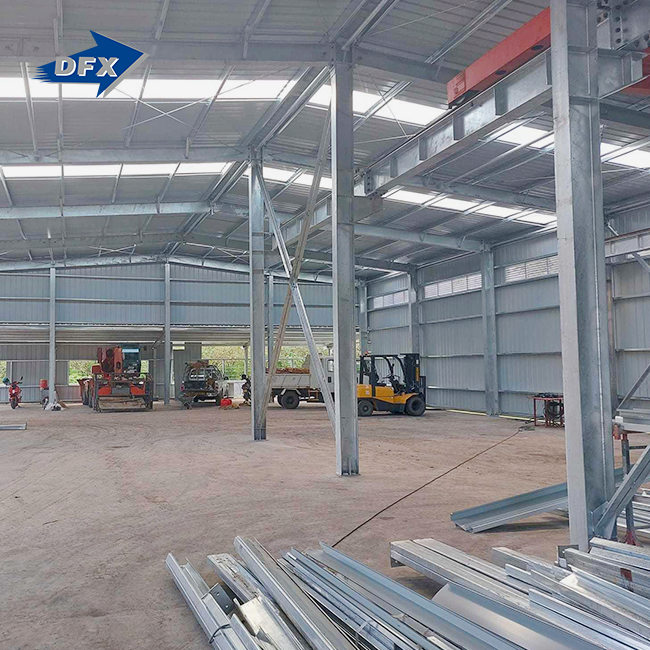
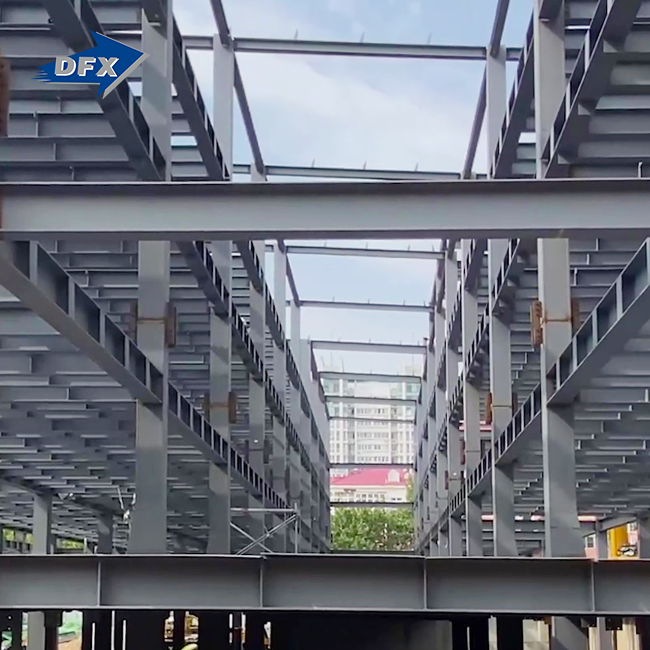
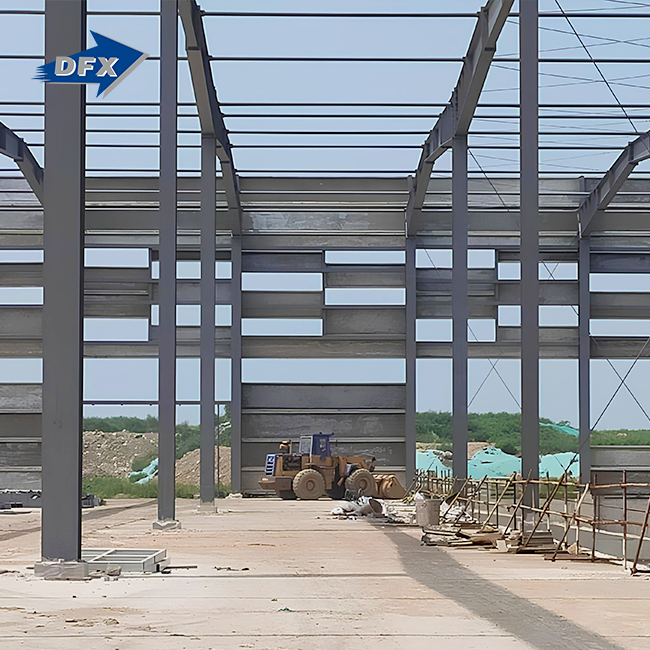
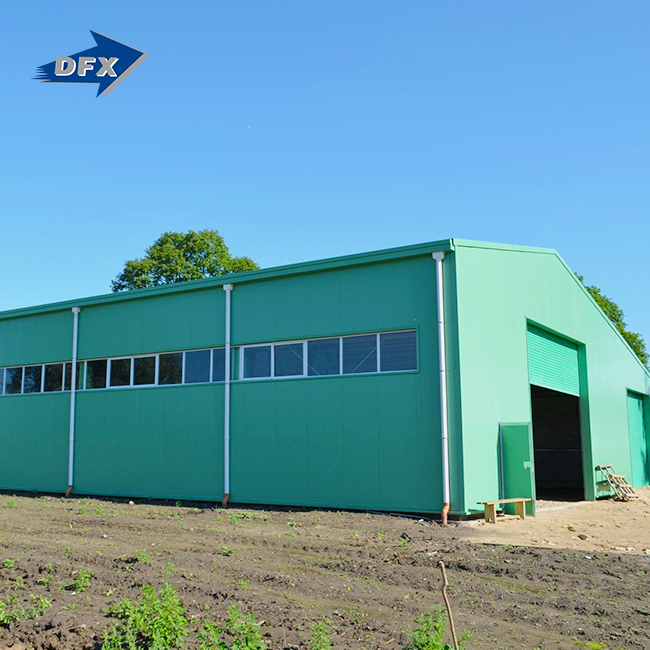
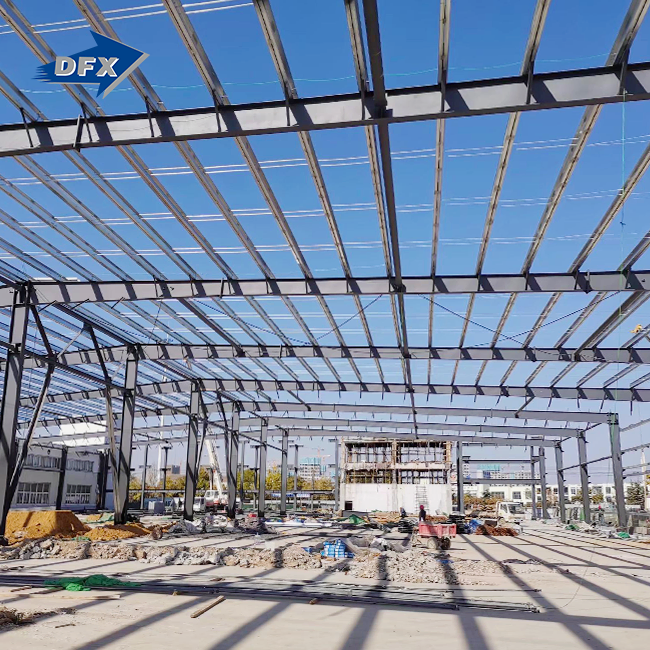
These design requirements are easily met by modern steel structures that are prefabricated. The flexible layout lets you divide the space into sections by placing fire-rated walls in key places. This makes separate areas for various types of danger. H-beam primary frames give buildings the strength they need to support heavy-duty mechanical systems like fire suppression systems and HVAC equipment. They also keep big clear-span areas that make moving things around easier. Galvanized C/Z purlins are better at resisting corrosion from chemical vapors than regular steel parts, which means they last longer in harsh weather.
Equipment Selection and Configuration
The choices you make about storage tools have a direct effect on both safety and how well they work in petrochemical warehousing. For corrosives, bulk storage tanks must be made of stainless steel, and for hydrocarbons, they must be made of carbon steel with special linings. The tanks must be the right size to hold the required amount of material and still have secondary containment capabilities. Racks for storing drums that are designed with seismic bracing keep them from falling over during ground motion events. Spill containment pallets catch leaks before they get to the building's drainage systems. Intermediate Bulk Containers (IBCs) have a range of different capacities, but they need special storage frames that keep them from falling over when they're stacked.
Proactive Risk Management Protocols
Risk assessment methods that look at the big picture find possible failure modes before they happen. Process hazard analysis methods, such as HAZOP (Hazard and Operability Study), carefully look at how storage works to find situations where releases could happen because of broken equipment, human error, or events outside of storage. These studies led to the development of mitigation strategies such as multiple tracking systems, automatic shutdown processes, and response equipment that is already in place. These steps help make emergency response plans that operations managers can use. This makes it easier for them to make decisions during high-stress situations like incidents.
Comparing Petrochemical Warehousing Solutions: Making the Right Choice
Onsite Versus Offsite Storage Considerations
Choosing a location has huge effects on how operations are managed and how risks are spread. On-site storage facilities that are part of manufacturing complexes cut down on transportation distances, which protects public roads and makes just-in-time inventory management easier. Because they are close to each other, production and storage can work together in real time, making handling for things that are important to the process easier. But onsite placement puts most of the risk at the production facilities, which could lead to domino effects where storage problems stop production.
Off-site storage options spread risk across a wider area, but they make movement more complicated. Specialized operators run dedicated storage parks for dangerous materials that give people access to shared emergency response resources and a streamlined compliance infrastructure. These centralized sites often get discounts on safety gear and trained staff that would be too expensive for individual makers. There is a trade-off between better risk separation and more frequent transportation and reliance on external logistics networks. Procurement managers must weigh these factors against each other.
Temperature Control Requirements
Ambient storage options are good for many petrochemicals that don't change much in temperature, and they save money on capital costs by making mechanical systems simpler. Diesel fuel, rubbing oils, and some solvents can be kept in good conditions with basic temperature control and standard insulated sandwich panels. Most of the time, these systems can keep things between 50°F and 90°F without using complex cooling equipment. This means that they cost less to buy and run in the long run.
Temperature-sensitive chemicals that break down, polymerize, or have problems with gas pressure at room temperature need to be stored in a refrigerator. Some monomers, specialty chemicals, and liquefied petroleum gases need very carefully controlled environments that are usually kept between 35°F and 45°F. As a result, there are more demands on infrastructure like insulated panels that keep heat in better, industrial refrigeration systems with backup power supplies, and equipment for constant monitoring. When project engineers look at these choices, they have to weigh the need to keep things safe against the big difference in cost—refrigerated buildings usually have 40–60% higher capital costs.
Provider Evaluation Criteria
Picking storage partners requires careful consideration of many factors. Compliance is the most important thing, and this can be checked by looking at current permits, audit records, and insurance certificates that show enough coverage for operations with dangerous materials. When a business is growing, capacity scalability is very important. Providers are judged on how well they can handle higher volumes without lowering service quality or making facilities too crowded.
Modern managers are different from traditional storage services because they use technology together in petrochemical warehousing. Modern inventory management systems let you see stock levels, environmental conditions, and the status of compliance documents in real time. Automated warning systems let people know when temperatures change, when leak detectors go off, or when it's time to update a permit. When storage vendors offer logistics support services like coordinated transportation, customs handling for international moves, and emergency response coordination, they become strategic supply chain partners instead of just transactional service providers.
Innovative Solutions and Technologies Enhancing Petrochemical Warehousing
Digital Management Systems Transforming Operations
Warehouse management systems that are designed to handle dangerous products do more than just keep track of supplies. Chemical compatibility databases built into these platforms show possibly dangerous co-location situations when storage is being assigned. Material Safety Data Sheet (MSDS) libraries that are automated connect important safety information to every item that is kept so that it can be accessed right away in an emergency. Regulatory reporting modules automatically put together the necessary paperwork, so you don't have to. They make entries for EPA Tier II reports, OSHA logs, and local emergency planning committee notices.
Traceability features built into these systems keep full records of the chain of custody, including checks at the point of delivery, storage conditions during waiting times, and confirmations of dispatch. During compliance checks and product quality investigations, this audit trail is very helpful because it shows clearly how things should be handled.
Safety Monitoring Technologies
When compared to regular manual inspections, real-time detection systems are light years ahead. Electrochemical, infrared, and photoionization sensors are used in continuous gas tracking networks to find leaks at concentration levels that are many times lower than the levels of exposure that are considered dangerous. When these systems connect to facility control networks, they set off automatic responses like increasing the rate of ventilation, turning off equipment, and sending out emergency alerts. The ability to identify problems right away cuts reaction times from hours to minutes, making it much less likely that an incident will get worse.
Environmental control systems keep the air quality, temperature, and humidity at their best by managing all three at the same time. Smart programs change how the mechanical system works based on readings taken in real time. This saves the most energy and makes sure that storage requirements are always met. Alarm management hierarchies put alerts in order of how important they are. This keeps people from getting too many notifications and makes sure that operations staff can handle critical issues right away.
Sustainable Practices Integration
Environmental responsibility is having a bigger impact on how storage facilities are built and run. Closed-loop waste management systems collect and reuse the water used to clean containers. This lowers the cost of dumping and the amount of waste that is dumped into the environment. Vapor recovery units that are put on tank vents collect fumes that used to escape into the air. This cleans the air and gets back useful product at the same time. Most of the time, these systems pay for themselves in less than three years just by recovering the products they make, without any environmental benefits.
Efforts to lower carbon emissions focus on making all parts of a building more energy efficient. When compared to regular fixtures, LED lighting retrofits use 60–70% less electricity and make it easier to see for safety checks. Installing solar panels can help offset the cost of buying electricity from the grid. This is especially helpful for businesses in sunny areas with high utility rates. Combined heat and power systems take the heat that is wasted by cooling equipment and use it to heat a room or run a process. These steps, taken together, make forward-thinking operators look like environmental leaders while lowering operational costs in a way that can be measured.
Conclusion
Petrochemical warehousing for dangerous materials necessitates specialized infrastructure with strong structural systems and safety-engineered features that address particular chemical storage challenges. Achieving success in this area means finding a good balance between following the rules, running the business efficiently, and managing risks. This can be done by carefully choosing facilities and working with providers. Modern prefabricated steel structures are long-lasting, resistant to corrosion, and flexible enough to be used for long-term chemical storage operations. They also allow for faster construction times that shorten project schedules. As businesses continue to put safety and caring for the environment first, investing in well-designed storage infrastructure is both required by law and gives them a competitive edge. If decision-makers know a lot about the technical needs, evaluation criteria, and solutions that are out there, they can set up their companies for successful management of dangerous materials that meets practical goals and legal requirements.
FAQ
1. What distinguishes petrochemical warehousing from standard industrial storage?
Petrochemical storage facilities have special safety features like explosion-relief systems, chemical-resistant structural coatings, atmospheric monitoring equipment, and layouts that separate materials so they don't mix. Regulatory requirements demand better fire suppression, secondary containment, and emergency reaction capabilities than what are normally required in a building.
2. How do I determine whether onsite or offsite storage suits my operation?
Frequency of transportation, inventory turnover rates, and levels of risk tolerance should all be looked at. For operations that use a lot of materials every day, onsite storage is usually best because it makes handling easier. On the other hand, lower-volume users usually prefer offsite sites because they spread risk and give them access to shared safety infrastructure. Do a full cost study of both choices, taking into account things like transportation, insurance, and managing compliance.
3. What certifications should I verify when selecting chemical storage providers?
Give top priority to ISO 9001 quality management and ISO 14001 environmental management certifications that show you can control processes in a planned way. Check for up-to-date working permits, OSHA compliance records, EPA test results, and insurance certificates that say the business has enough coverage. Ask for client references from businesses in the same line of work, and look over event history records that show safety performance track records.
Partner with DFX for Your Chemical Storage Infrastructure
To build safe petrochemical warehousing and storage facilities, you need a manufacturer with both technical knowledge and proven manufacturing skills. DFX has been designing and building structural steel buildings for tough industrial uses for 12 years. These include chemical storage facilities that have to meet strict safety and compliance standards. Our ISO 9001-certified production methods and CE-certified goods guarantee high quality at all stages of a project, from the initial engineering calculations to the final instructions for assembly. With over 200 skilled workers working in enclosed production buildings spanning 40,000 square meters, we have the ability and technical know-how to support projects of all sizes and levels of difficulty. Our wide range of services covers all project needs, whether you're a construction company looking for a dependable steel structure supplier for projects storing dangerous materials or an EPC company that needs design, fabrication, and installation all in one package. Email our team at jason@bigdirector.com to talk about your unique petrochemical storage needs and find out how DFX's modular prefabricated steel systems can help your project with durability, safety, and speed of building.
References
1. Anderson, R.K. (2021). Hazardous Materials Storage: Engineering and Regulatory Compliance. Industrial Safety Press.
2. Chen, M. & Williams, T.P. (2020). Structural Steel Systems for Chemical Processing Facilities. American Institute of Steel Construction.
3. Environmental Protection Agency (2022). Risk Management Program Guidance for Chemical Storage Facilities. EPA Publication 550-B-22-001.
4. National Fire Protection Association (2021). NFPA 30: Flammable and Combustible Liquids Code, 2021 Edition. NFPA Standards Council.
5. Occupational Safety and Health Administration (2020). Process Safety Management of Highly Hazardous Chemicals: Compliance Guidelines. OSHA Publication 3132.
6. Richardson, J.M. (2019). Petrochemical Logistics and Storage Infrastructure: Design Principles and Best Practices. Chemical Engineering Publications.
Learn about our latest products and discounts through SMS or email