- English
- French
- German
- Portuguese
- Spanish
- Russian
- Japanese
- Korean
- Arabic
- Greek
- German
- Turkish
- Italian
- Danish
- Romanian
- Indonesian
- Czech
- Afrikaans
- Swedish
- Polish
- Basque
- Catalan
- Esperanto
- Hindi
- Lao
- Albanian
- Amharic
- Armenian
- Azerbaijani
- Belarusian
- Bengali
- Bosnian
- Bulgarian
- Cebuano
- Chichewa
- Corsican
- Croatian
- Dutch
- Estonian
- Filipino
- Finnish
- Frisian
- Galician
- Georgian
- Gujarati
- Haitian
- Hausa
- Hawaiian
- Hebrew
- Hmong
- Hungarian
- Icelandic
- Igbo
- Javanese
- Kannada
- Kazakh
- Khmer
- Kurdish
- Kyrgyz
- Latin
- Latvian
- Lithuanian
- Luxembou..
- Macedonian
- Malagasy
- Malay
- Malayalam
- Maltese
- Maori
- Marathi
- Mongolian
- Burmese
- Nepali
- Norwegian
- Pashto
- Persian
- Punjabi
- Serbian
- Sesotho
- Sinhala
- Slovak
- Slovenian
- Somali
- Samoan
- Scots Gaelic
- Shona
- Sindhi
- Sundanese
- Swahili
- Tajik
- Tamil
- Telugu
- Thai
- Ukrainian
- Urdu
- Uzbek
- Vietnamese
- Welsh
- Xhosa
- Yiddish
- Yoruba
- Zulu
The Benefits of Using Steel Prefab Aircraft Hangar Buildings
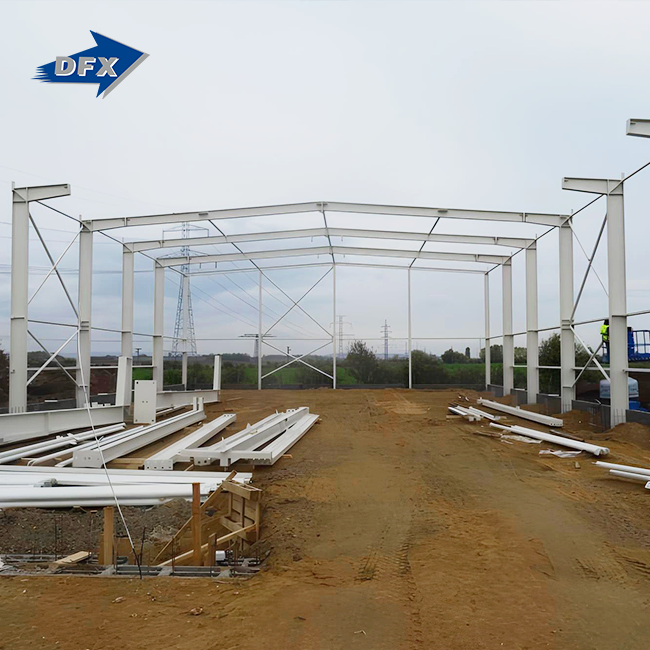
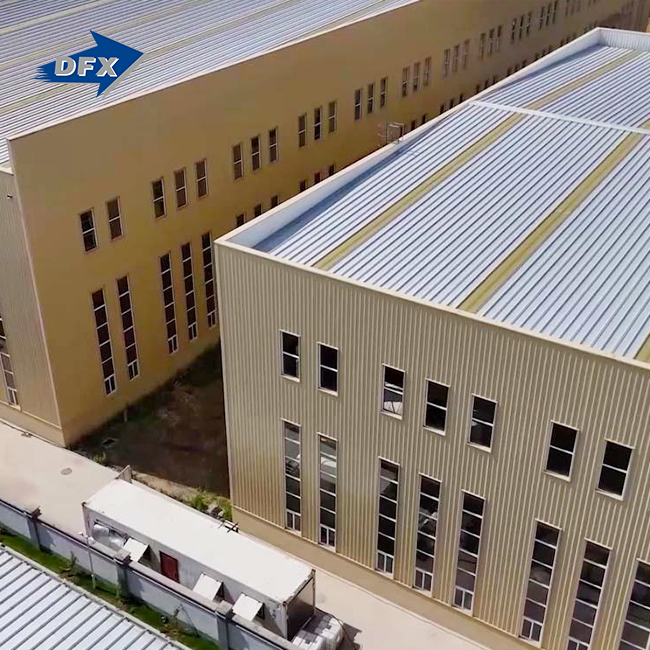
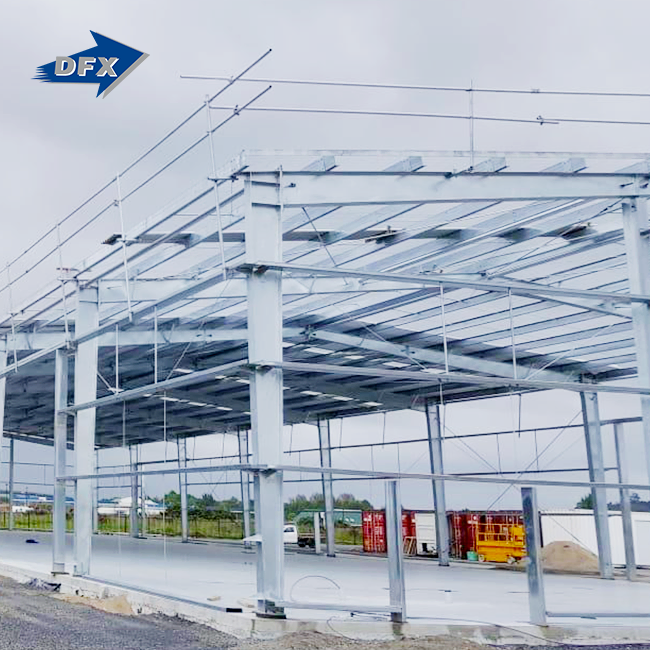
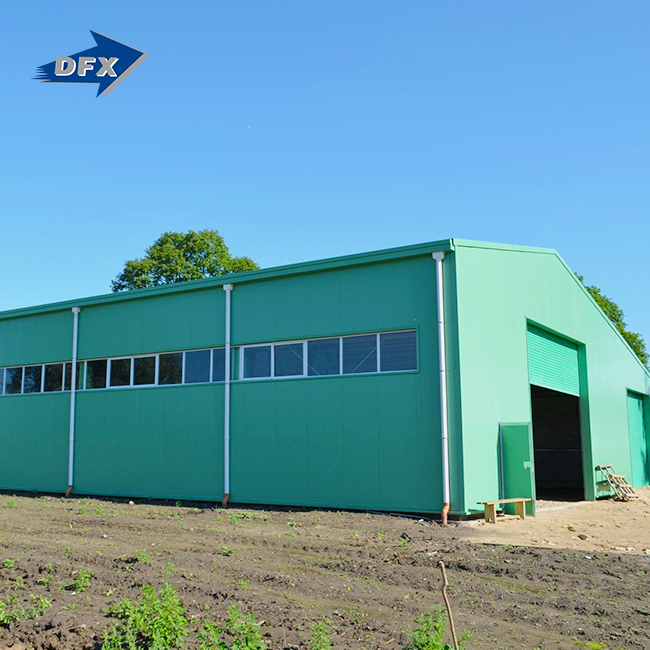
When it comes to keeping important flight assets safe, steel prefab aeroplane hangar buildings are the best. A military aircraft steel hangar is the best example of structural engineering because it can be built quickly and lasts a very long time while also being very cost-effective. These manufactured steel buildings have clear-span spaces, better weather protection, and a range of design choices that can be used for a variety of purposes. From commercial flight companies to defence firms, steel hangars solve important problems in storing and maintaining planes while cutting building time and costs by a large amount.

Why Do Steel Structures Lead the Aviation Facility Market?
In the last ten years, steel manufacturing options have become a huge part of flight infrastructure. This trend isn't happening by chance; it's caused by real benefits in performance.
Steel-frame buildings are the most common type of infrastructure for air bases because they can fix many problems at once. Using traditional building methods often makes projects take 18 to 24 months longer. On the other hand, steel buildings can be built in 6 to 8 months, which means that facilities can be used more quickly. When project delays directly lead to lost income or lessened business readiness, this speed is very important.
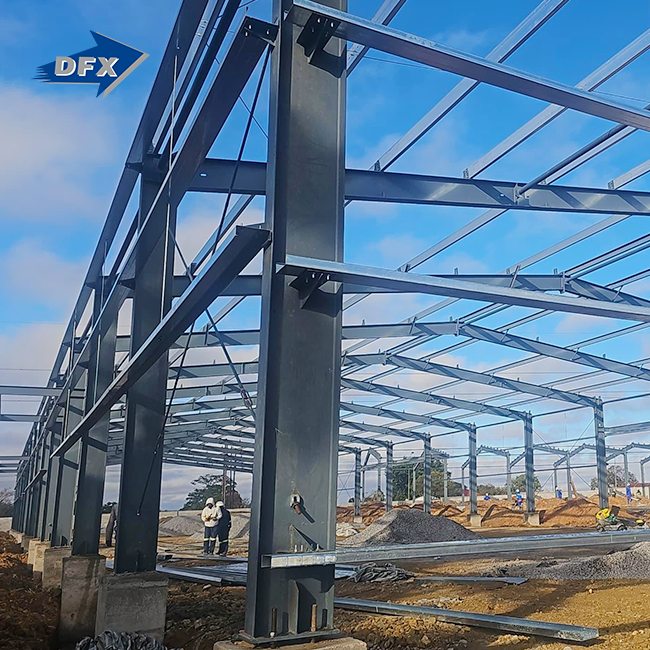
High-tensile steel types like ASTM A572 Grade 50 are used in the structural engineering of current aeroplane shelters. Because these materials are so strong for how light they are, architects can make huge clear spans without using any middle columns. We've seen good applications with lengths ranging from 30 metres for regional planes to 100 metres for big military carriers or multiple wide-body jets.
Steel hangars that can withstand bad weather work better in harsh settings than other materials. Military sites along the coast are constantly being damaged by salt spray. Temperature changes of more than 50°C happen in desert sites. The Arctic has to deal with a lot of snow and cycles of freezing and thawing. Steel buildings that are properly designed and have modern covering systems can handle these problems for more than 50 years with little upkeep.
Core Advantages That Matter to Decision Makers
Project managers and procurement directors look at airports with a realistic eye, focusing on things like time, money, and results. All three of these criteria are met by a steel building.
Speed of Construction
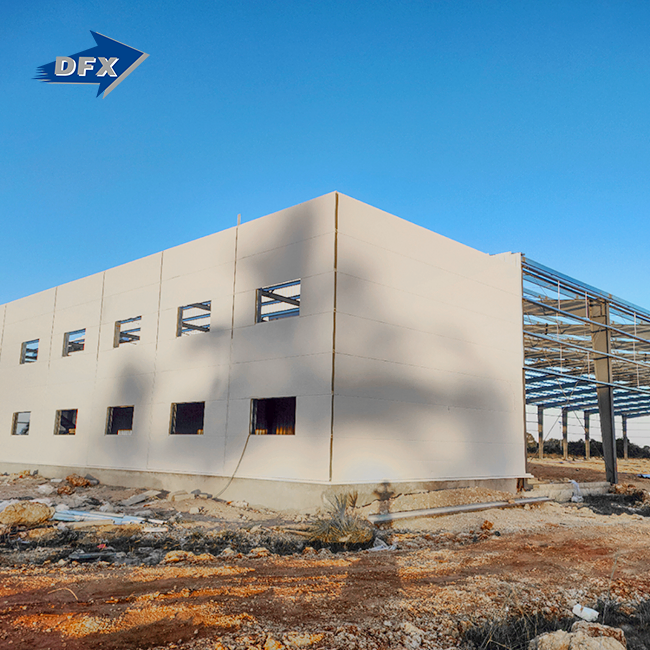
The parts of a modular steel hanger are already made when they get to the job site and are ready to be put together. This method gets rid of delays caused by bad weather during important parts of the building process. In our production plants, parts are made in controlled environments while the site is being prepared at the same time. When the materials come, the construction teams follow detailed technical plans to bolt the links together. Compared to traditional methods, this joint process cuts the total time needed for the job by 40 to 50 per cent.
Cost Predictability
Steel building materials have stable prices that are easy to plan for in your budget. Factory manufacturing cuts down on the need for on-site labour, which is the most variable cost part of building projects. Detailed shop plans keep you from wasting materials and making expensive changes in the field. When EPC companies manage fixed-price contracts, this certainty helps them keep their profit margins and lowers their financial risk.
Design Flexibility
As companies change, so do the storage needs for aeroplanes. Modular bay improvements can be added to steel buildings to make them bigger in the future. To make a building longer without weakening its structure, non-load-bearing end walls can be taken down. This ability to change saves the value of long-term investments, which is a very important thing for infrastructure planning groups to think about.
Structural Performance
Modern hangars have to be able to handle huge forces, including for military aircraft steel hangars. In places that are prone to hurricanes, wind speeds can go over 180 km/h. In seismic zones, buildings need flexible frame systems that let earthquake energy escape. Bridge cranes that can lift 10 to 25 tonnes need to be supported by strengthened roof structures when heavy equipment is being stored. Because steel is naturally strong and can be bent in many ways, these strict requirements can be met without having to pay too much for the materials.
Technical Specifications That Drive Performance
Understanding key parameters helps buyers evaluate competing proposals effectively. The technical foundation of quality aircraft maintenance facilities rests on specific material choices and design approaches.
High-strength structural steel forms the backbone of superior hangars. Material specifications typically reference ASTM A572 Grade 50 or the European equivalent EN S355JR steel. These grades provide minimum yield strengths of 345 MPa, enabling lighter frame weights and reduced foundation loads.
Corrosion protection systems separate temporary structures from long-lasting assets. Hot-dip galvanising applies a minimum 600 g/m² zinc coating that protects steel from oxidation. Advanced systems combine epoxy zinc-rich primers with polyurethane topcoats, creating barriers against jet fuel spills, hydraulic fluids, and environmental contaminants.
Thermal performance impacts operational costs significantly. Sandwich panel systems incorporating rock wool or polyurethane cores achieve R-values exceeding 20. This insulation maintains stable interior temperatures for sensitive avionics work while reducing HVAC expenses. Acoustic performance matters equally—engine run-up operations generate noise requiring sound-dampening panels that protect surrounding areas.
Clear-span technology represents perhaps the most critical specification. Portal frame and truss configurations eliminate interior columns across widths from 30 to 100+ metres. This column-free space allows unrestricted aircraft manoeuvring, towing operations, and maintenance equipment positioning. For military aviation operations, this flexibility proves operationally essential.
Comparing DFX Solutions to Standard Offerings
Not all steel structure suppliers deliver equivalent value. Director Steel brings specific advantages developed through 12 years of specialised aviation facility experience.
Our manufacturing capacity supports large-scale projects without subcontracting delays. Six automatically welded H-beam production lines generate 20,000 tonnes annually of primary structural members. This in-house capacity means we control quality and timing throughout fabrication. Competitors relying on third-party suppliers introduce additional coordination points where delays and quality issues emerge.
Engineering support distinguishes project success from mediocrity. Our architectural design and detailing service works directly with clients from concept through installation. This integrated approach ensures structural calculations, customised designs, and fabrication drawings align seamlessly. When challenges arise during erection, our team provides immediate technical guidance rather than finger-pointing between disconnected vendors.
Quality management systems provide documented assurance. ISO 9001 certification and CE marking demonstrate compliance with international standards. Third-party inspection protocols include mill test reports verifying material chemistry and non-destructive testing of critical welds. This documentation satisfies rigorous procurement requirements common in government and military contracts.
Coating application requires specialised equipment and expertise. Our facilities apply multi-layer protective systems in controlled environments, ensuring proper surface preparation and coating thickness. Field-applied coatings rarely achieve equivalent quality, leading to premature corrosion and maintenance headaches.
Strategic Applications Across Military and Commercial Aviation
Real-world deployment scenarios illustrate how steel structures solve operational challenges across diverse environments.
Maintenance, repair, and overhaul facilities, including those from a Chinese modular steel aircraft hangar factory, demand heavy-duty infrastructure. These centralised hangars feature reinforced roof structures supporting underhung bridge cranes for engine removals and major component replacements. Floor loading specifications accommodate ground support equipment, tooling carts, and parts staging. Adequate electrical distribution and compressed air systems are integrated into the structural design from the beginning.
Rapid deployment shelters serve forward operating bases requiring immediate aircraft protection. These tactical hangars utilise bolted connection systems and lightweight components that transport efficiently and erect quickly with minimal equipment. Modular design allows configurations matching available footprints while providing essential weather protection in harsh desert or arctic conditions.
Naval coastal air stations face uniquely challenging environments. Salt-laden air accelerates corrosion on improperly protected steel. These installations require C5-M marine-grade coatings and hermetic sealing systems. Dehumidification equipment integrates into the building envelope, maintaining controlled interior conditions that prevent airframe corrosion on valuable maritime patrol aircraft.

Maximising Your Investment Through Smart Procurement
Successful aviation facility projects begin with informed purchasing decisions. Several strategic considerations optimise outcomes.
Define Clear Requirements Early
Detailed specifications prevent costly changes during fabrication. Document aircraft dimensions, door opening requirements, crane loads, environmental conditions, and future expansion possibilities. This upfront investment in planning pays dividends through accurate proposals and smoother execution.
Evaluate Suppliers Comprehensively
Price alone doesn't predict project success. Assess manufacturing capacity, engineering capabilities, quality certifications, and reference projects. Request mill test reports and coating specifications. Verify the supplier controls critical fabrication processes rather than relying entirely on subcontractors.
Plan for Installation Support
Steel structure erection requires experienced crews and proper equipment. Suppliers offering installation guidance or turnkey solutions reduce coordination burdens and schedule risks. Clear communication channels between fabrication and erection teams prevent field problems stemming from misinterpreted drawings.
Consider Life-Cycle Costs
Initial construction costs represent only one element of total ownership expense. Maintenance requirements, energy consumption, and operational flexibility affect decades of future costs. Higher-quality materials and superior engineering often deliver better long-term value despite a modestly higher initial investment.
Important Considerations for Long-Term Success
Several factors deserve attention throughout the project planning and execution phases.
Foundation design must account for site-specific soil conditions. Large clear-span structures generate significant column reactions. Geotechnical investigations inform foundation engineering, preventing differential settlement that could damage the steel frame. This preliminary investment protects the entire structure.
Fire suppression integration requires coordination during structural design. NFPA 409 standards govern aviation hangar fire protection systems. Deluge piping, foam generators, and water monitors add dead loads that structural calculations must accommodate. Early coordination between fire protection engineers and structural designers prevents expensive retrofits.
Door systems represent a substantial portion of the total project cost. Hydraulic bi-fold doors, vertical lift systems, and fabric doors each suit different operational requirements. Door selection impacts building width, height, and structural reinforcement needs. This decision deserves careful evaluation early in design development.
Expansion capabilities protect future investment. Designing end bays as expandable modules, sourced from a China modular steel aircraft hangar factory, allows adding length when fleet sizes grow. This foresight costs little during initial construction but delivers enormous value when expansion becomes necessary years later.
Conclusion
Steel prefab aircraft hangar buildings offer compelling advantages that address the core concerns of project managers, procurement directors, and facility planners. Rapid construction timelines, predictable costs, superior structural performance, and long-term durability make steel the logical choice for aviation infrastructure investments. Whether protecting fighter jets at military bases or sheltering commercial fleets, properly engineered steel structures deliver decades of reliable service with minimal maintenance. The key lies in partnering with experienced manufacturers who control fabrication quality, provide comprehensive engineering support, and understand the specialised requirements of aircraft storage and maintenance facilities.
FAQ
1. Can steel aircraft hangars resist blast loads from accidental explosions?
Yes, advanced structural analysis allows engineers to design reinforced framing systems with blast-relief panels. These features mitigate damage from accidental detonations or external threats while maintaining overall structural stability. Military specifications often require this capability for ammunition-adjacent facilities.
2. What typical lifespan should we expect in corrosive coastal environments?
Properly protected steel structures with C5-M grade coating systems and hot-dip galvanising typically exceed 50-year service lives in marine environments. This longevity requires specified maintenance protocols, including periodic inspections and touch-up coating of damaged areas.
3. How do steel hangars accommodate future fleet changes?
Modular portal frame designs feature non-structural end walls that permit lengthwise expansion by adding bays. This inherent flexibility allows facilities to grow with operational needs without major reconstruction. Planning for expansion during initial design maximises this benefit.
4. What foundation requirements do large-span hangars need?
High column reactions from wide spans and crane loads typically require deep reinforced concrete footings or pile foundations. Specific designs depend on geotechnical soil reports evaluating bearing capacity and settlement characteristics. Professional foundation engineering prevents structural problems.
Partner With a Proven Military Aircraft Steel Hangar Manufacturer
Director Steel delivers turnkey aviation facility solutions backed by ISO 9001 and CE certification. Our 40,000-square-meter production facility and 200+ skilled craftsmen ensure quality and reliability throughout every project phase. From structural calculation through installation guidance, we support clients across construction, manufacturing, and infrastructure sectors. Contact jason@bigdirector.com today to discuss your Military Aircraft Steel Hangar requirements with experienced engineers who understand the unique demands of aviation facilities and defence applications.
References
1. Department of Defense Unified Facilities Criteria. (2019). UFC 4-211-01: Aircraft Maintenance Hangars. Washington, DC: U.S. Army Corps of Engineers.
2. American Institute of Steel Construction. (2020). Steel Design Guide 25: Frame Design Using Web-Tapered Members. Chicago, IL: AISC.
3. National Fire Protection Association. (2021). NFPA 409: Standard on Aircraft Hangars. Quincy, MA: NFPA.
4. American Society of Civil Engineers. (2022). Minimum Design Loads and Associated Criteria for Buildings and Other Structures (ASCE 7-22). Reston, VA: ASCE.
5. International Organization for Standardization. (2018). ISO 12944: Paints and Varnishes—Corrosion Protection of Steel Structures by Protective Paint Systems. Geneva: ISO.
6. Steel Construction Institute. (2021). Design of Steel Portal Frame Buildings to Eurocode 3. Berkshire, UK: SCI Publication P399.
Learn about our latest products and discounts through SMS or email