- English
- French
- German
- Portuguese
- Spanish
- Russian
- Japanese
- Korean
- Arabic
- Greek
- German
- Turkish
- Italian
- Danish
- Romanian
- Indonesian
- Czech
- Afrikaans
- Swedish
- Polish
- Basque
- Catalan
- Esperanto
- Hindi
- Lao
- Albanian
- Amharic
- Armenian
- Azerbaijani
- Belarusian
- Bengali
- Bosnian
- Bulgarian
- Cebuano
- Chichewa
- Corsican
- Croatian
- Dutch
- Estonian
- Filipino
- Finnish
- Frisian
- Galician
- Georgian
- Gujarati
- Haitian
- Hausa
- Hawaiian
- Hebrew
- Hmong
- Hungarian
- Icelandic
- Igbo
- Javanese
- Kannada
- Kazakh
- Khmer
- Kurdish
- Kyrgyz
- Latin
- Latvian
- Lithuanian
- Luxembou..
- Macedonian
- Malagasy
- Malay
- Malayalam
- Maltese
- Maori
- Marathi
- Mongolian
- Burmese
- Nepali
- Norwegian
- Pashto
- Persian
- Punjabi
- Serbian
- Sesotho
- Sinhala
- Slovak
- Slovenian
- Somali
- Samoan
- Scots Gaelic
- Shona
- Sindhi
- Sundanese
- Swahili
- Tajik
- Tamil
- Telugu
- Thai
- Ukrainian
- Urdu
- Uzbek
- Vietnamese
- Welsh
- Xhosa
- Yiddish
- Yoruba
- Zulu
Is construction of industrial cold storage warehouses Profitable?
The construction of industrial cold storage warehouses can be profitable, but only when the numbers support it. Profit depends on steady customer demand, a good location, high occupancy, and controlled energy costs. A freezer built without signed customers can sit half empty and still burn electricity. A well-planned facility can earn income from pallet storage, blast freezing, and order picking. In this guide, I cover demand, costs, design, refrigeration, risks, and supplier choice, so you can judge your own project with clear eyes.

Market Demand and Revenue Opportunities for Industrial Cold Storage Warehouses
I start with demand because that's the first thing that makes money.
What Drives Demand for Cold Storage
Demand goes up when a lot of goods that go bad quickly or depend on temperature move. The temperature must stay the same on the way from the plant to the store for groceries, meat, fish, dairy, produce, medicines, and frozen food. This need is even stronger because of rules. The FDA's Sanitary Transportation rule under FSMA was made official in 2016. It told trucks how to keep food at the right temperature while it's being moved. This made it stricter to handle cold chains. A lot of biologic medicines and vaccines also need to be kept at temperatures between +2°C and +8°C. This means that pharmaceutical logistics creates a different stream of demand with longer contracts. Before you begin building, ask nearby competitors about their capacity, how easy it is for trucks to get to them, and what they promise their customers.
Where the Revenue Comes From
A cold warehouse can make money in a number of different ways. Pallets that have been stored for a long time give you a stable base. It can be helpful to rent space for a season during busy times like the holidays or harvest. As an added bonus, cross-docking, blast freezing, order picking, and repacking can all help you make more money. Some business owners build a special area just for one big customer as part of a deal that lasts for several years. One or two anchor users and a range of flexible services to fill in the rest are what make a business case great. When one client cuts back on business, that mix saves money. Buyers should look at the rental rates for both busy and slow months, not just the biggest ones.
Profitability by Application
There is a different amount for each part. Having raw materials, finished goods, and freezers all in one place is helpful for people who make food. Places that deal with meat and seafood need surfaces that are easy to clean, areas that drain water, and different temperature ranges. These rules raise the price, but they make it possible for more specialized service. It's possible that fruit and vegetable shops need to be able to control the humidity and let air move. How frozen food is supplied depends on where the pallets are moved and how fast they are moved. Pharmaceutical storage can get better rates, but it needs to have proven temperature control, alarms, backup power, and be watched all the time. When it comes to pharmaceuticals that need to be kept at a certain temperature or time, the WHO stresses how important written control is, so start planning for that work early on.
Construction Cost and Investment Structure
Then I look into where the money goes.
What Goes into the Budget
The cash isn't just for the building. Things that are thought about include the building site, the base, the steel structure, the insulated panels, the vapor barriers, the floors, the freezer equipment, the loading docks, the electrical systems, the fire protection, the monitoring, and the testing involved in construction of industrial cold storage warehouses. The size is set by the heat. For a freezer to stay cool, you need more space, better insulation, and more energy than for a chilled room. One or more control, confirmation, and backup tools are added to a pharmaceutical or multi-temperature site. It would change too much if I gave you a general cost number because of things like the cost of land, the cost of labor, and the building rules in your area. A quote from the site itself is a good place to begin.
Prefabricated vs. Traditional Construction
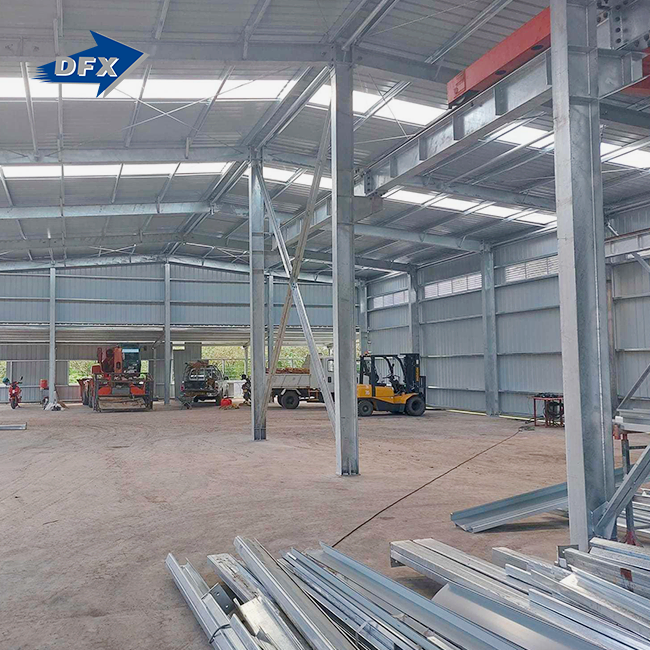
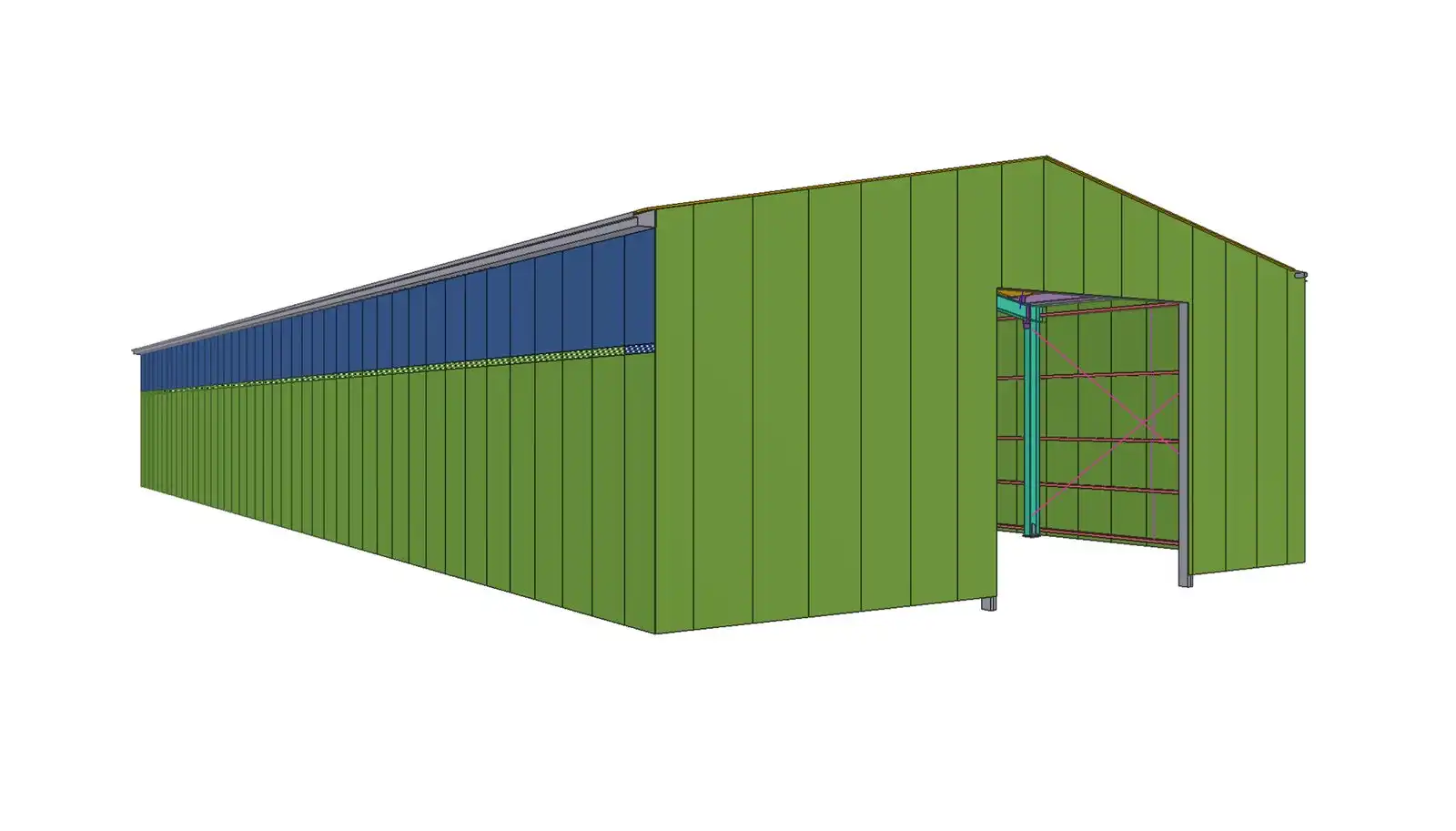
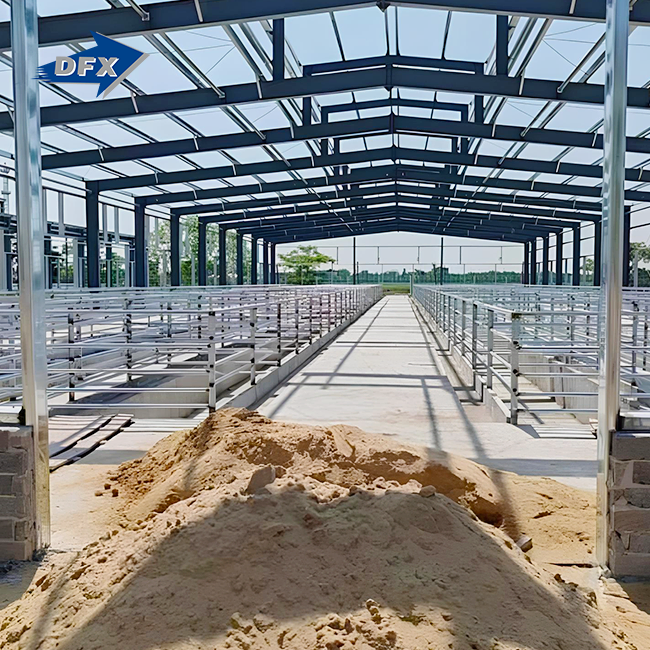
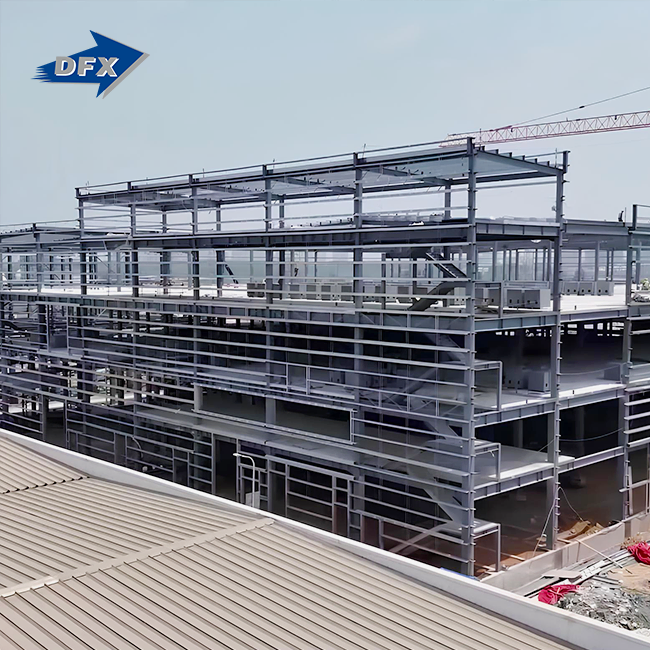
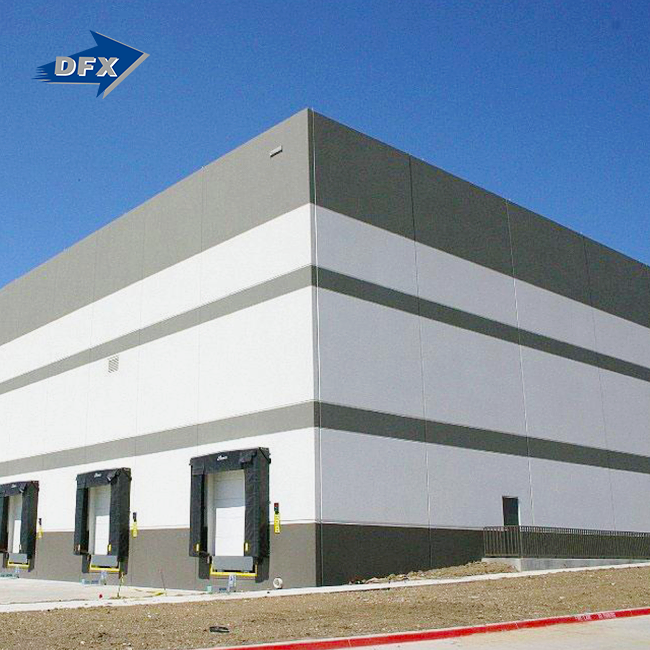
There are many ways to use steel that has already been made. When parts are made in a plant, they are already put together. This keeps the quality high and keeps the job site running smoothly. Based on our product data, building a prefabricated cold storage steel warehouse can be done 30–50% faster than building one out of bricks and mortar. You can also grow in stages with modular design, which is helpful for small distribution sites and needs that change with the seasons. Fixed buildings might work well in places where there is a lot of technology, traffic, or heavy loads. Choose based on your budget, whether you own land, the length of time the service will last, any permits you need, and your plans to grow. Not just the first quote, but also the cost over time.
Building the Payback Model
This tool helps you decide if you want to go with a plan or not. Add the amount you paid to the amount you expect to make from storage fees, rent, and services. Take away the costs of money for fixes, energy, labor, insurance, and loans. Also, add in the cost of getting a new one. Good PIR/PUR sandwich panels can last 25–30 years if they are well taken care of. The solid steel frame, on the other hand, is made to last at least 50 years, so the covering might need to be changed before the frame. Try the idea in a house with fewer people living in it and higher electricity costs. The plan is still good as long as the project makes money.
Design, Refrigeration, and Energy Factors That Shape ROI
If you have a good plan, your profit will stay safe every month after you start up.
Layout, Flooring, and Insulation
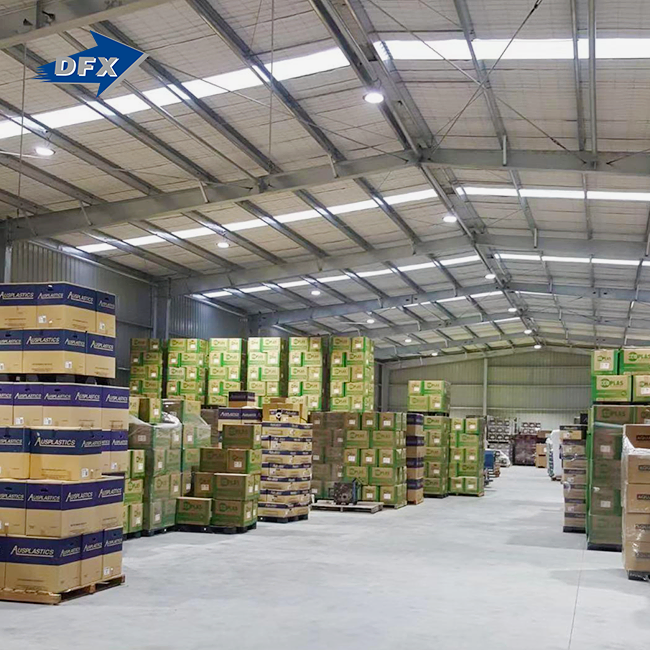
It changes the quality of the output, the cost of work, and how much energy is used. The joints, doors, vapor shields, and insulation panels must all work together to keep the temperature stable. This is because weak joints can let water and frost form. It talks about how to make insulation and air retarders for cold places in the ASHRAE Handbook on Refrigeration. It's important for floors to be strong in cold weather, drain well, and stay clean. Frozen ground can cause the slab under coolers to crack. Electric or glycol under-floor heating stops this. A good plan separates places for getting things in, storing them, picking them up, and moving them out, so that trips and door openings are kept to a minimum. When the hallway is wide, there are racks, and the flow is FIFO or FEFO, throughput goes up.
Refrigeration Systems
A lot of the time, refrigeration costs the most to run and takes up the most room. Both ammonia and fluorinated refrigerants work differently, are bigger, are safer, and don't work with all building codes. OSHA's Process Safety Management rule says that a building with 10,000 pounds or more of anhydrous ammonia must follow it. The different parts of a full system are the compressors, condensers, evaporators, pipes, sensors, controls, freezing equipment, alarms, backup power, and equipment for finding leaks. The coolers and evaporators on the roof make the steel design take that into account right away. We find the dead loads in engineering and make the ceilings and purlins stronger so they can hold the things that are hung from them.
Energy Efficiency That Protects Margin
A lot of the time, electricity determines how much money a site makes. There are many things that should be used together: the best insulation, the most efficient compressors, variable-speed drives, timed defrost processes, LED lights, heat recovery, and central tracking. Don't forget to record the length, downtime, energy used per pallet, and temperature consistency. Numbers like these show that the gear really does work better than it costs. Also, make sure the envelope doesn't let air in. Air can't leak through a prefabricated steel envelope with sealed panel joints, so the refrigeration load is lessened. This is an important consideration in the construction of industrial cold storage warehouses. Detailing with thermal breaks also stops heat from going through the steel parts. This keeps the frame from getting wet.
Risks, Supplier Choice, and a Decision Checklist
Even a strong market can fail if it's not executed well, so I'll end with risk and supplier choice.
Common Risks That Cut Profit
That's right, most projects that don't do well share a few traits. If there are too many people, room is lost. When you don't think about how much energy costs, you lose money. Buying things based on price alone will cost you more in the long run. It takes longer and gets hotter for forklifts to move when the layout isn't right. Frost and building damage can happen when insulation holes or door locks aren't strong. For stress cracks to stay away, engineers use expansion joints and connection holes with slots. This is because steel shrinks when it freezes. Rules and laws are also important. NFPA 13 is about fire safety, FSMA is about food safety, and refrigerant rules can delay starting if they are not followed. These risks can be lowered by having anchor customers, building in stages, modeling energy use, and doing regular maintenance.
Choosing a Manufacturer or Contractor
Product, time, and return on investment (ROI) are all affected by the provider you pick. Ask about their experience with cold storage, get a quote that includes panels, flooring, controls, installation, testing, warranties, and what isn't covered. Also, make sure you understand the terms for spare parts and response. Since it opened in 2011, Qingdao Director Steel Structure Co., Ltd. (DFX) has hired more than 200 people. It has 40,000 square meters of space for making things. The main frame of our modular manufactured steel storage building is made up of H-beams, zinc C/Z purlins, and a way to brace them. To help logistics warehouses, storage centers, and distribution hubs get set up, we do engineering estimates, make things, and help with logistics planning. The things we make are based on projects, and they are all approved by ISO9001 and CE. When it comes to refrigeration equipment, we don't work with steel, so you can choose another provider.
A Practical Decision Checklist
You should do this check before you settle down. Do contracts or named customers show that there is demand? Is the site close to markets, places where things are made, or transportation hubs? It's important to make sure everyone knows the rules, capacity, and product flow. What does the financial model consider when it comes to things like interest rates, labor, maintenance, financing, payback time, internal rate of return, and what happens if the price of power goes up? It might be better to lease or build slowly than to start right away if demand isn't clear, capacity is too high, or rules about permits and refrigerants are still not clear.
Conclusion
The construction of industrial cold storage warehouses is a good idea when there is a clear need, a good site, enough room, good insulation, and good refrigeration. There is money to be made from seasonal rentals, pallet storage, and value-added services. The amount made varies by segment, though, since food and drug sites have different compliance needs. Building itself isn't the only thing that costs money, so a payback plan needs to include things like work, energy, repairs, financing, and new panels. Every month, choices made during design, such as sealed joints, good floors, protection against frost heave, and a useful structure, have an impact on ROI. Steel that has already been made can speed up the building process. The cost of the building over its entire life should help you decide whether to use modular or fixed choices. The biggest risks are going too big, using too much energy, and not having enough rules. With phased plans and careful source choice, these can go down.
FAQ
1. How much does it cost to build an industrial cold storage warehouse?
There's no one right answer. The costs depend on the land, the size, the range of temperatures, the insulation, the cooling, and the local rules. A quote and feasibility study for the site will give you an exact number.
2. Is frozen storage more profitable than chilled storage?
Not all the time. Building and running a frozen place costs more because it needs better insulation and more cooling. When you get enough people to cover the extra cost, it pays off.
3. Can a prefabricated steel building work for cold storage?
Yes. An insulated steel frame can be used to make the cold storage envelope. Compared to building with stone, prefabrication can cut the time it takes to build by 30–50%. Insulation, flooring, and protection against frost heave still need to be planned by experts.
4. How can I lower energy costs?
Use drives with varying speeds and seals on the panel and door joints. Also, get the heat back and keep track of how much energy each box uses.
Request a Custom Industrial Cold Storage Warehouse Assessment
Want to hire a company that knows a lot about construction of industrial cold storage warehouses and can build industrial cold storage warehouses? DFX can create a modular prefabricated steel solution for you based on your site, storage needs, temperature requirements, and target date. This solution will come with engineering calculations, fabrication instructions, and instructions on how to set it up. You can email jason@bigdirector.com to ask for a suggestion that is tailored to your project.
References
1. ASHRAE Handbook—Refrigeration, 2022
2. NFPA 13: Standard for the Installation of Sprinkler Systems, 2022
3. OSHA Process Safety Management of Highly Hazardous Chemicals (29 CFR 1910.119), 1992
4. FDA Final Rule on Sanitary Transportation of Human and Animal Food, 2016
5. WHO Technical Report Series No. 961, Annex 9: Model Guidance for the Storage and Transport of Time- and Temperature-Sensitive Pharmaceutical Products, 2011
6. FDA Final Rule on Current Good Manufacturing Practice, Hazard Analysis, and Risk-Based Preventive Controls for Human Food, 2015
Learn about our latest products and discounts through SMS or email