- English
- French
- German
- Portuguese
- Spanish
- Russian
- Japanese
- Korean
- Arabic
- Greek
- German
- Turkish
- Italian
- Danish
- Romanian
- Indonesian
- Czech
- Afrikaans
- Swedish
- Polish
- Basque
- Catalan
- Esperanto
- Hindi
- Lao
- Albanian
- Amharic
- Armenian
- Azerbaijani
- Belarusian
- Bengali
- Bosnian
- Bulgarian
- Cebuano
- Chichewa
- Corsican
- Croatian
- Dutch
- Estonian
- Filipino
- Finnish
- Frisian
- Galician
- Georgian
- Gujarati
- Haitian
- Hausa
- Hawaiian
- Hebrew
- Hmong
- Hungarian
- Icelandic
- Igbo
- Javanese
- Kannada
- Kazakh
- Khmer
- Kurdish
- Kyrgyz
- Latin
- Latvian
- Lithuanian
- Luxembou..
- Macedonian
- Malagasy
- Malay
- Malayalam
- Maltese
- Maori
- Marathi
- Mongolian
- Burmese
- Nepali
- Norwegian
- Pashto
- Persian
- Punjabi
- Serbian
- Sesotho
- Sinhala
- Slovak
- Slovenian
- Somali
- Samoan
- Scots Gaelic
- Shona
- Sindhi
- Sundanese
- Swahili
- Tajik
- Tamil
- Telugu
- Thai
- Ukrainian
- Urdu
- Uzbek
- Vietnamese
- Welsh
- Xhosa
- Yiddish
- Yoruba
- Zulu
What Makes an Inland Fishery Steel Shed Resistant to Humidity?
A method, not a coating, keeps inland fishery steel sheds dry. Coated or hot-dip galvanised steel inhibits corrosion. Sloped roofs and gutters drain water. To reduce condensation, ventilation and insulated panels warm inner surfaces. Water-collecting columns and fasteners are protected by sealed detailing, raised foundations, and drainage. This guide helps consumers evaluate these characteristics before ordering.

How Material and Coating Choices Protect Steel in Humid Air?
Match the Steel Grade to the Load and the Environment
Build the main frame with span, wind, snow, seismic stresses, and the weight of pipelines and feeders in mind. Good steel is stronger but rusts. Corrosion varies by coating and location. ISO 12944 divides settings by corrosivity. C1–C5 and CX exist. Ask the writer about their group. A dry warehouse needs less protection than one with damp floors, cleaning agents, and fish waste ammonia. First, inform the engineer what's in the water, how it's treated, and the weather.
Understand Galvanizing, Paint, and Duplex Systems
Finished steel is dipped in molten zinc. Zinc in the steel underneath protects tiny scratches and rusts first. But ASTM A123 contains zinc coating rules you can check. For areas where chemicals or splashes can damage bare zinc, epoxy primers with protective topcoats work well. Split systems persist longer than individual layers. Chloride is present in brackish water or seawater. Contact the supplier for improved protection and stainless steel or coated fasteners.
Protect Welds, Fasteners, and Edges
Most rust starts on welds, bolt holes, cut edges, and pin bases, not flat surfaces. Weld dust doesn't attach to lighter coatings on sharp edges. Remove oil, dust, and mill scale, grind sharp edges, and finish. Strong wrapping is needed for the frame and bolts and nuts. As long as these microscopic bits are protected, the inland fishery steel shed will last. Our open or partially enclosed steel cow shelter has rust-resistant steel poles and beams. Our professionals devote extra attention to connecting details for damp projects.
Roof, Wall, and Ventilation Features That Keep Moisture Out
Roof Slope, Gutters, and Flashing
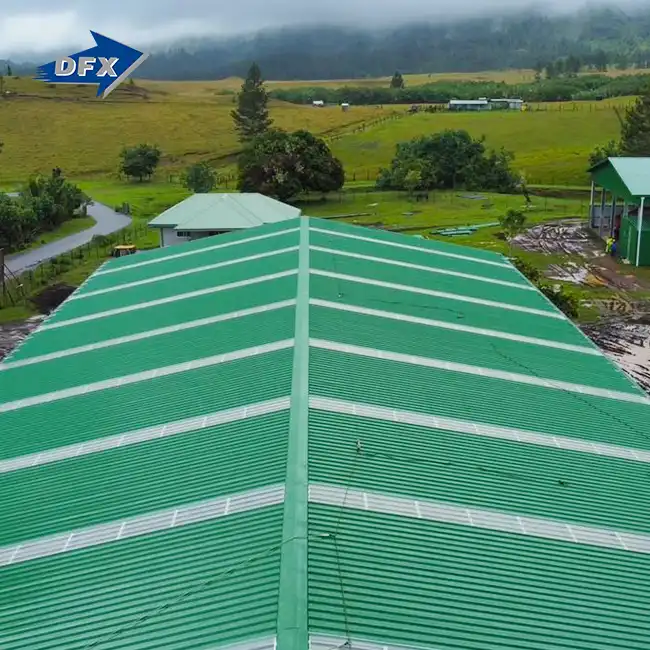
Water gets into the cracks when it sits on a roof or at the base of a wall. Drains, flaps at gaps and hills, and a steady slope of the roof keep rainwater away from walls and ponds. The longer parts of the roof keep water off the lower wall panels. When the steel beams are at ground level, splash guards and high concrete bases keep them out of the water. Anchor plates also need space from wet floors. Many problems with humidity are caused by the drainage plan, not the steel itself. This is something that should be looked at along with the frame.
Ventilation and Condensation Control
When warm, wet air hits a surface that is cooler than its dew point, condensation takes place, according to the ASHRAE Handbook—Fundamentals. Inland fishery steel sheds need a way to get rid of the water that ponds and tanks add all day. In open-sided and semi-enclosed layouts, ridge vents, louvers, and openings that can be adjusted are used. It's possible that enclosed hatcheries and systems that circulate air will need exhaust fans, supply air, and dehumidification. What kind of fish live in the spaces, how they will be made, the weather, and how they plan to heat or cool the spaces are all things the engineer needs to know. To save money, it is better to plan how air flows than to have to change an old system.
Insulated Sandwich Panels and Vapor Control
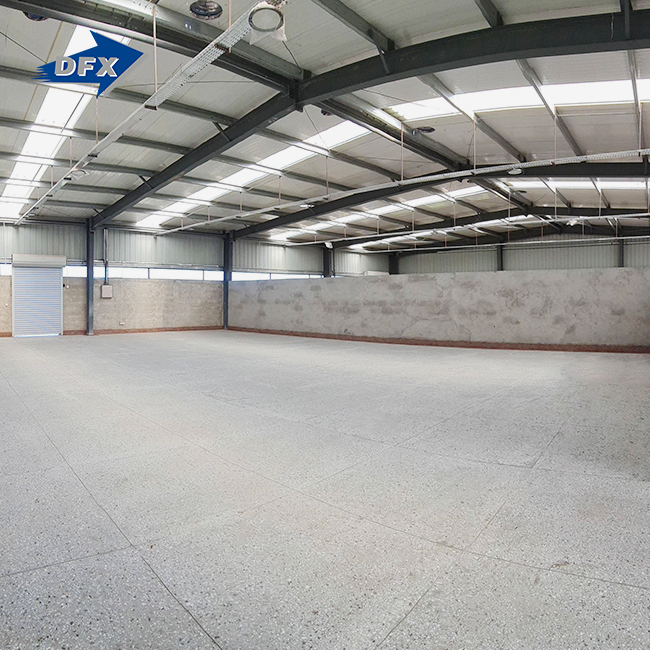
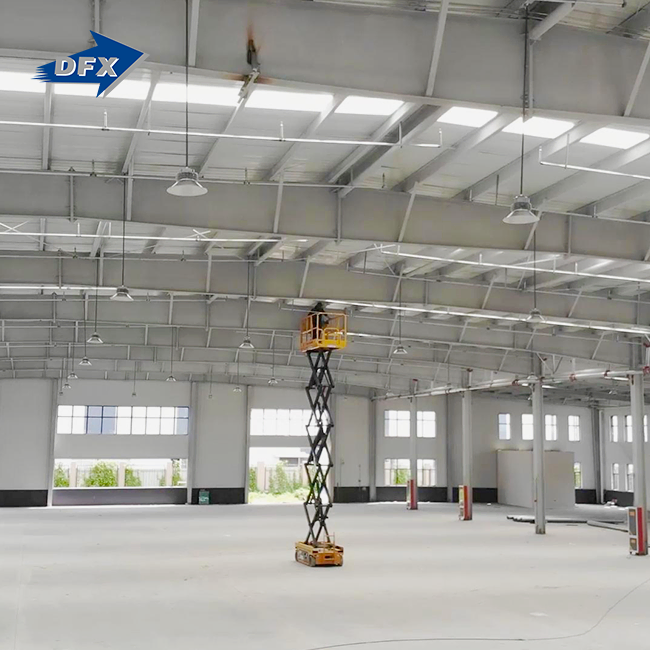
It is less likely for condensation to form when the inside of the walls and roof are warmer because of insulation. It has an outer skin, an insulation core, and an inner skin that are all joined together. The joints are tight, so the steel frame doesn't get wet. The name of the company is DFX, and it is in Qingdao. It has two lines for making sandwich panels that can each make about 50,000 square meters of panels a year. This means the same company makes both the panels and the frames. When the weather is right, single-layer sheets can still be used in buildings with open sides, but they need airflow to get rid of any wetness.
Comparing Steel, Concrete, and Aluminum, and Checking Suppliers Steel Compared With Concrete
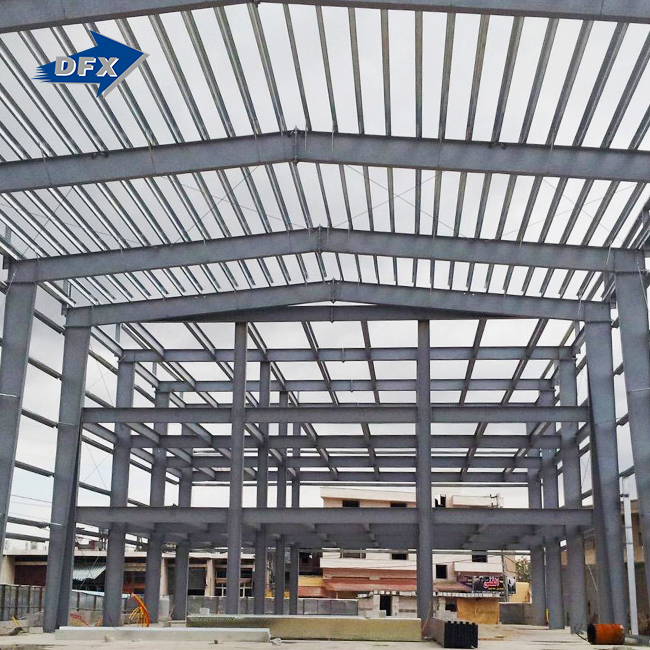
Inland fishery steel sheds are easy to put together quickly since the parts are made in a workshop and then bolted together on-site. Plus, you can add bays to make them bigger. They have big, clear gaps that let you set up tanks. Cracks in concrete let water get to the reinforcing bars, which can break the concrete around it. Concrete is strong and can last for a long time. It takes time for concrete to harden too. In every case, neither side comes out on top. Never just look at the price of the materials. If you want to make the best choice, you should look at the whole building system and how much it costs altogether.
Where Aluminum Fits
Because it is naturally oxide-layered, it is lighter than steel and doesn't rust in many ways. Having those traits helps with trimming and little things. It is less stiff and strong than structural steel, though, when it comes to long spans. They can get bigger because of this, and the material typically costs more per kilogram. When you connect and fix it, you need to be extra careful, and chloride and some cleaning chemicals can hurt it. The louvers and other small parts are made of aluminum, and the main structure is made of steel that has been coated.
Technical Documents to Request From a Supplier
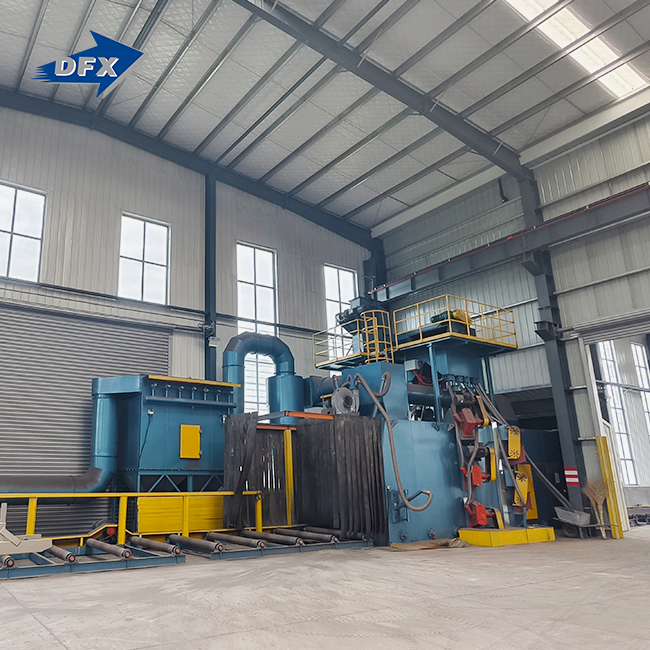
Check the paperwork, not the photographs, to compare services. Request base designs, steel grades, coating thickness records, weld treatment, fastening materials, drainage and ventilation, and structural formulas. Request proof of materials, checks, building instructions, and maintenance advice. Cladding, ventilation, transport, installation, engineering, warranty, and more should be clearly stated in a solid price. Six automatic welded H-beam lines serve our 40,000-square-meter plant. Over 200 people work there. ISO9004, CE, COC, and PVOC approve our cattle shelter steel. Open or partially covered.
Building, Maintaining, and Buying With Humidity in Mind
Installation Details That Extend Service Life
A well-designed inland fishery steel shed won't help if the worker is rushed. Before installing, check the anchor bolts and floor size. Keep covered portions off the ground and away from sharp objects. As you assemble the panels, seal the flashing and joints and place the air holes as described. Field weld, trim edges, and drill holes to repair scratched paint or galvanise. Water traps, unevenness, and safety issues are unfixable by covering. DFX helps engineers build and assemble. Each step is outlined and explained to your group.
A Simple Maintenance Schedule
Quick routines discover bugs quickly. Check for leaks, malfunctioning fans, clogged drains, and water that won't drain daily or weekly. Check doors, louvres, dampers, fasteners, welds, sheet joints, coatings, beams, supports, and panels monthly or quarterly. Clean gutters and drains and inspect foundations, column bases, flashing, sealants, and vapour barriers annually. Touch up damaged coatings. If you observe rust around welds or bolts, broken ceiling panels, leaks that won't go away, base movement, or coating failure throughout the house, call a specialist.
Choosing Open, Semi-Enclosed, or Enclosed Layouts
Hot places benefit from open-sided buildings that allow airflow. Semi-enclosed dwellings provide shelter and airflow. Completely sealed buildings are useful for hatcheries, cold storage, and carefully regulated systems. China-made steel livestock shelters can be open or partially closed. They are utilised on dairy and livestock farms with high washdown moisture. Our work is project-based. Make sure your pricing quote covers the frame, cladding, insulation, ventilation, drains, doors, engineering, logistics, installation, insurance, and more.
Conclusion
An inland fishery steel shed gets damp from several factors, not one. Its base steel and finish match the corrosivity group. Welds, edges, bolts, and supports require extra care. Steel stays dry because bases are high and roofs slope. Insulation screens and ventilation prevent condensation. Steel can build quickly and far, but it's better for little bits. Coating records and material certificates help customers compare providers based on facts. After being given, the plan is carefully implemented and regularly verified for validity. Thus, the construction structure determines how well an inland fishery steel shed handles humidity.
FAQ
Q1: Is galvanized steel enough for a humid fish shed?
It's often a good start. Paint or a duplex system should be used to protect the welds and fasteners in places that get wet or have chemicals.
Q2: How do I control condensation?
It's important to make sure that the panels are insulated, that the joints are tight, and that there is enough airflow for the water surface area, temperature, and production system.
Q3: What details does a supplier need for a quote?
Where the site is, how big it is, what the plan is, how high the enclosure is, the temperature, the base conditions, and what the installation covers.
Q4: How often should I inspect the shed?
Check the building every three months, the drains and leaks every week, and the small things once a year. Sites that get a lot of water, chemicals, or washing may need to be checked more often.
Request an Inland Fishery Steel Shed Quote From DFX
Qingdao Director Steel Structure Co., Ltd. has supported DFX since 2011 and helped with engineering design, building, and setting up. We can get you an inland fishery steel shed if you tell us about the size, temperature, and plan of your tanks, as well as where you want the shed sent. We'll look over your project and send you models and a full proposal once we're done. 1. The International Organization for Standardization (ISO) published a guide in 2017 called Paints and Varnishes — Corrosion Protection of Steel Structures by Protective Paint Systems — Classification of Environments. You can email jason@bigdirector.com for more information.
References
1. International Organization for Standardization, ISO 12944-2: Paints and Varnishes — Corrosion Protection of Steel Structures by Protective Paint Systems — Classification of Environments, 2017
2. ASTM International, ASTM A123/A123M: Standard Specification for Zinc (Hot-Dip Galvanized) Coatings on Iron and Steel Products, 2017
3. ASTM International, ASTM B117: Standard Practice for Operating Salt Spray (Fog) Apparatus, 2019
4. ASHRAE, ASHRAE Handbook—Fundamentals, 2021
5. American Galvanizers Association, Hot-Dip Galvanizing for Corrosion Protection: A Specifier's Guide, 2016
6. Timmons and Ebeling, Recirculating Aquaculture, Cayuga Aqua Ventures, 2013
Learn about our latest products and discounts through SMS or email