- English
- French
- German
- Portuguese
- Spanish
- Russian
- Japanese
- Korean
- Arabic
- Greek
- German
- Turkish
- Italian
- Danish
- Romanian
- Indonesian
- Czech
- Afrikaans
- Swedish
- Polish
- Basque
- Catalan
- Esperanto
- Hindi
- Lao
- Albanian
- Amharic
- Armenian
- Azerbaijani
- Belarusian
- Bengali
- Bosnian
- Bulgarian
- Cebuano
- Chichewa
- Corsican
- Croatian
- Dutch
- Estonian
- Filipino
- Finnish
- Frisian
- Galician
- Georgian
- Gujarati
- Haitian
- Hausa
- Hawaiian
- Hebrew
- Hmong
- Hungarian
- Icelandic
- Igbo
- Javanese
- Kannada
- Kazakh
- Khmer
- Kurdish
- Kyrgyz
- Latin
- Latvian
- Lithuanian
- Luxembou..
- Macedonian
- Malagasy
- Malay
- Malayalam
- Maltese
- Maori
- Marathi
- Mongolian
- Burmese
- Nepali
- Norwegian
- Pashto
- Persian
- Punjabi
- Serbian
- Sesotho
- Sinhala
- Slovak
- Slovenian
- Somali
- Samoan
- Scots Gaelic
- Shona
- Sindhi
- Sundanese
- Swahili
- Tajik
- Tamil
- Telugu
- Thai
- Ukrainian
- Urdu
- Uzbek
- Vietnamese
- Welsh
- Xhosa
- Yiddish
- Yoruba
- Zulu
What Makes a Reliable Steel Structure Exhibition Hall Supplier?
When sourcing a steel structure exhibition hall supplier, the decision carries real consequences for your project timeline, budget, and structural safety. A dependable supplier does more than ship steel — they bring certified engineering, precise fabrication, and end-to-end project support. Whether you are managing an EPC contract, expanding a manufacturing facility, or planning a large public venue, the right partner can mean the difference between a project that finishes on schedule and one that stalls mid-construction.

Understanding the Steel Structure Exhibition Hall Market
Concrete buildings have been replaced by steel-framed display halls in many fields, and the change can be backed up by numbers. MarketsandMarkets says that the market for prefabricated steel buildings was worth USD 13.6 billion in 2022 and will grow to USD 19.8 billion by 2027. This demand is being driven by procurement managers in the infrastructure, manufacturing, and construction industries.
What Is a Steel Structure Exhibition Hall?
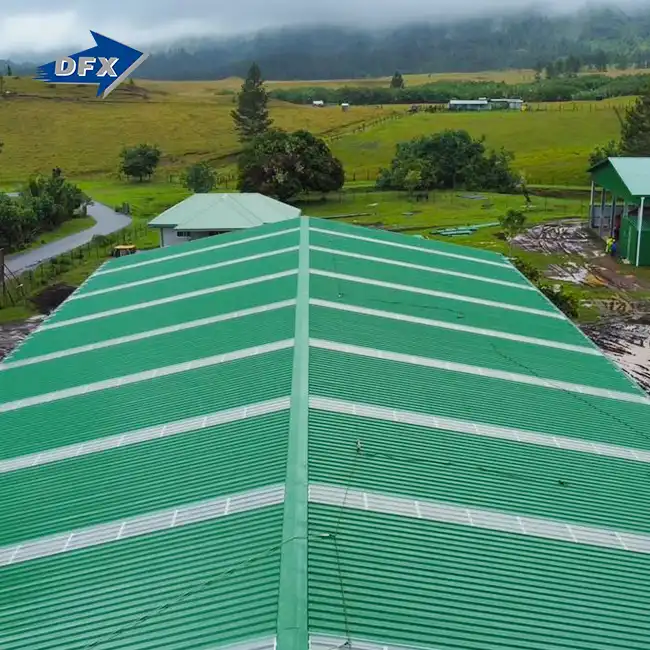
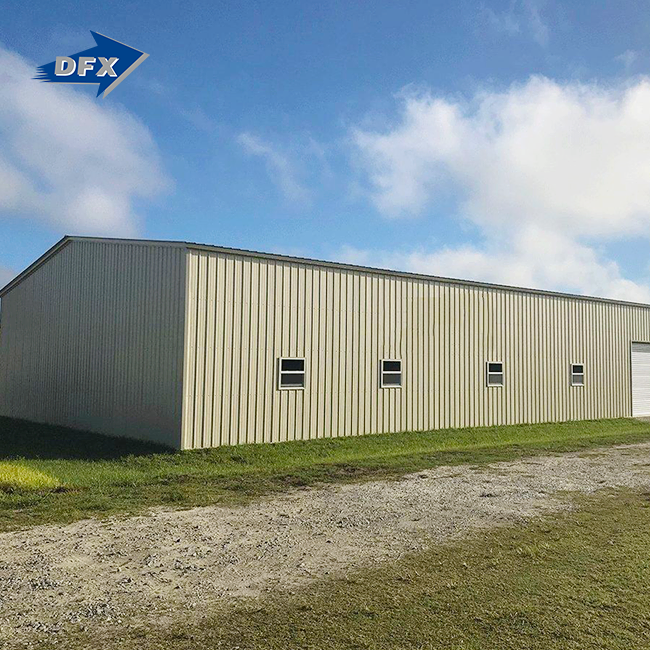
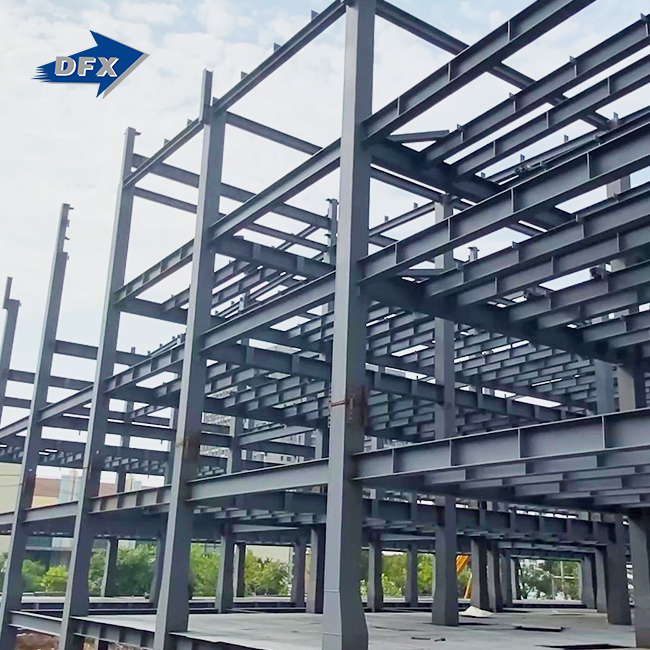
High-strength H-beams, space frames, or trusses are used as the main load-bearing system in a steel-structured exhibition hall. This makes the interior spaces large and free of columns. The Q235B or Q355B grade steel used in these buildings is the same as ASTM A36/A572 steel. This gives them a high strength-to-weight ratio and lowers the cost of the base.
Why B2B Buyers Prefer Steel Over Concrete
Steel assembly is 30–50% faster than concrete construction, so the building can be moved into sooner and the money back faster. Steel buildings also offer earthquake resistance up to Grade 8+, fire resistance through intumescent coatings, and corrosion protection from C3 to C5-M levels. These performance standards are important for project managers who have to meet strict safety standards and tight deadlines.
Key Markets and Growth Drivers
As a steel structure exhibition hall supplier, North America, Europe, and Southeast Asia have the most demand. Trade fair structures, car showrooms, technology expos, and government public buildings all contribute to this. The agricultural and logistics industries are also using steel-framed buildings more. This is especially true in Australia, Nigeria, and the Philippines, where saving money and time are very important.
Key Criteria to Evaluate a Steel Structure Exhibition Hall Supplier
There are different standards that different fabricators follow. Before signing a contract, buying teams should make sure that the sellers meet a number of non-negotiable criteria that tell them apart from those that aren't reliable.
Certifications and Quality Standards
Look for suppliers that have ISO 9001 or ISO 9004 certification, the CE mark, and any other regional approvals like COC or PVOC. These aren't just badges; they prove that the maker follows written production controls, that materials can be tracked through Mill Test Certificates (MTC), and that the quality of the welds is checked by Non-Destructive Testing (UT and MT methods).
Verified Experience and Project Track Record
The past of a provider says a lot. Check to see if they have worked on projects of a similar size and purpose in the past, like business buildings, hangars, show centers, or factories. Verified case studies, client comments, and reviews from a third party show that the provider is qualified to handle your project type without any problems.
Product Range and Customization Depth
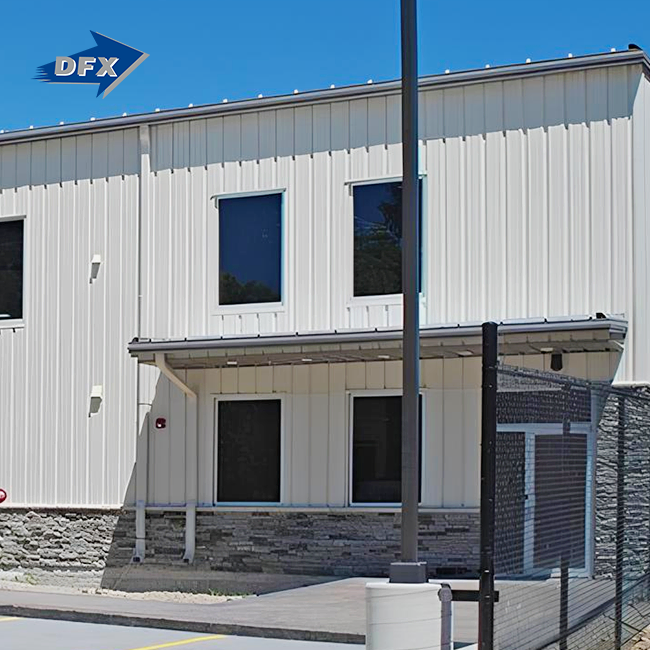
Strong suppliers offer steel-framed buildings with sealed facades, composite floor systems, curtain wall or metal panel cladding, and structural bracing. These buildings can be one or more stories tall. Customization is important because every project has a different width, load requirement, and building code in its own area. A skilled provider will change the structural calculations and architectural plans to work with the way your place is set up.
Comparing Steel Structure Suppliers: What to Look For
Once you have a short list, it's time to compare the details. Most of the time, three things set a good supplier apart from a bad one: clear pricing, short lead times, and help after delivery.
Before choosing a supplier, you should carefully look at these main points of comparison:
- Price transparency: A trustworthy supplier breaks down the quotation by material grade, fabrication scope, surface treatment, and logistics. Hidden costs in steel procurement can inflate a budget by 15–25%, so request itemized quotes.
- Lead times and logistics: Project-based fabrication requires clear production schedules. Ask for factory capacity data and confirm whether the supplier can meet your delivery window, especially for international shipments.
- Installation guidance and site support: Many EPC contractors and overseas project managers need more than just delivered steel — they need erection drawings, on-site guidance, and technical support to complete the build safely and correctly.
- Warranty and after-sales service: A design lifespan exceeding 50 years is standard with C3-level anti-corrosion treatment, but the supplier should back this with a written warranty covering fabrication defects and coating performance.
For a steel structure exhibition hall supplier, these points are not just things to check off a list. They tell you if a seller can help you with your job from the first drawing to the last torque check on the bolts.
How to Choose the Right Steel Structure Exhibition Hall Supplier for Your Project?
It is a matter of due diligence to make sure that the supplier's skills match the size of the job. Even though a small fabricator might have lower unit prices, they don't have the production volume or engineering depth to build an exhibition hall that is 10,000 square meters.
Pre-Project Consultation and Design Support
Ask for a meeting with the seller before the project starts to see if they can help with architectural layout design, structural math, and making sure the project follows all local building codes. If a supplier has its own design team, it makes it easier for everyone to work together and lowers the chance of mistakes happening during the production process.
Contract Terms and Risk Mitigation
Service-level agreements, clear payment schedules, and set delivery milestones protect both parties. Contracts that include inspection rights, third-party quality checks, and "force majeure" clauses are helpful for procurement managers who work in foreign markets, especially in Nigeria, Australia, and the Philippines.
Sustainability and Material Efficiency
As a steel structure exhibition hall supplier, steel can be recycled over and over again, and responsible suppliers use production methods that reduce the amount of waste from off-cuts. When looking at offers, you should find out how much energy is used in production, how much material is yielded, and if the plant has environmental management paperwork. Buying things in an eco-friendly way is becoming more and more normal in businesses, especially for contracts with the government and for building things.
Practical Steps to Initiate and Manage Procurement Effectively
It's less expensive to make changes later if procurement is done right from the start. Structured methods keep your project on track and on budget.
Submit a Detailed RFQ
A good Request for Quotation includes the size of the building, what it will be used for, the area wind and snow load needs, the seismic zone, the type of material you want, and where you want it delivered. If you are very specific in your RFQ, the responses you get will also be very specific and similar.
Evaluate Proposals Against Technical Criteria
Do not just look at the price of a plan when judging it. Look at the suggested material grades, surface coating specs, production schedules, and structural math results all at the same time. When suppliers include specific technical paperwork in their bids, they tend to be more open and ready for projects that are more complicated.
Manage Installation and Post-Delivery Coordination
After the fabrication is done, the project moves on to site coordination. Choose providers who offer installation guides, clearly marked parts packages, and easy access to expert support during installation. This is especially important for buyers from other countries who hire local workers who don't know how the supplier's system works.
Conclusion
As a steel structure exhibition hall supplier, choose the right partner for your steel-framed exhibition project. This choice will affect every step of the building process. The providers you should work with offer certified fabrication, in-house engineering, clear pricing, and real help after the sale. They don't just make steel; they also manage risk for you by using documented quality systems, compliant design, and quick communication. Your project will have the best chance of succeeding if you take the time to check certifications, look over past projects, and carefully compare proposals.
FAQ
Q1: How long does a steel structure exhibition hall typically last?
With regular upkeep and a normal anti-corrosion treatment at the C3 level, the design life is more than 50 years. When used in marine or industrial settings, higher-grade finishes like C5-M make things last longer.
Q2: How does steel compare to concrete for exhibition buildings?
If you compare steel construction to concrete, you'll notice that steel construction usually cuts on-site work by about 40% and total project time by 30–50%. When you take into account shorter occupancy times and less base work, the total cost of the job is often lower.
Q3: What certifications should a qualified fabricator hold?
Check for ISO 9001 or ISO 9004, the CE mark, and approvals that are specific to your area, like COC or PVOC. These show that the building meets foreign standards for safety, structure, and the environment.
Q4: Can steel exhibition halls be insulated for climate control?
Yes, common choices include high-density glass wool or PIR sandwich panels, which work best for both hot and cold climates and keep HVAC costs low.
Get a Direct Quote from DFX — Trusted Steel Structure Exhibition Hall Manufacturer
Since 2011, DFX (Qingdao Director Steel Structure Co., Ltd.) has been making steel structures. They have 40,000 m² of production space, more than 200 employees, and six automatic H-beam lines. Our goods are certified by ISO 9004, CE, COC, and PVOC. We give planning, fabrication, and assembly help under one contract as a verified steel structure exhibition hall supplier for sale around the world. Send us an email at jason@bigdirector.com right now to get a quote on your project.
References
1. MarketsandMarkets. Prefabricated Buildings Market — Global Forecast to 2027. MarketsandMarkets Research, 2022.
2. American Institute of Steel Construction (AISC). Steel Construction Manual, 16th Edition. AISC, 2023.
3. British Standards Institution. Eurocode 3: Design of Steel Structures (EN 1993-1-1). BSI, 2022.
4. International Organization for Standardization. ISO 9001:2015 Quality Management Systems — Requirements. ISO, 2015.
5. World Steel Association. Steel in Buildings and Infrastructure: Sustainability Facts. World Steel Association, 2021.
6. Federation Internationale du Beton (fib). Comparative Life-Cycle Analysis of Steel and Concrete Structural Systems. fib Bulletin, 2020.
Learn about our latest products and discounts through SMS or email