- English
- French
- German
- Portuguese
- Spanish
- Russian
- Japanese
- Korean
- Arabic
- Greek
- German
- Turkish
- Italian
- Danish
- Romanian
- Indonesian
- Czech
- Afrikaans
- Swedish
- Polish
- Basque
- Catalan
- Esperanto
- Hindi
- Lao
- Albanian
- Amharic
- Armenian
- Azerbaijani
- Belarusian
- Bengali
- Bosnian
- Bulgarian
- Cebuano
- Chichewa
- Corsican
- Croatian
- Dutch
- Estonian
- Filipino
- Finnish
- Frisian
- Galician
- Georgian
- Gujarati
- Haitian
- Hausa
- Hawaiian
- Hebrew
- Hmong
- Hungarian
- Icelandic
- Igbo
- Javanese
- Kannada
- Kazakh
- Khmer
- Kurdish
- Kyrgyz
- Latin
- Latvian
- Lithuanian
- Luxembou..
- Macedonian
- Malagasy
- Malay
- Malayalam
- Maltese
- Maori
- Marathi
- Mongolian
- Burmese
- Nepali
- Norwegian
- Pashto
- Persian
- Punjabi
- Serbian
- Sesotho
- Sinhala
- Slovak
- Slovenian
- Somali
- Samoan
- Scots Gaelic
- Shona
- Sindhi
- Sundanese
- Swahili
- Tajik
- Tamil
- Telugu
- Thai
- Ukrainian
- Urdu
- Uzbek
- Vietnamese
- Welsh
- Xhosa
- Yiddish
- Yoruba
- Zulu
How to Choose an Industrial Fuel Storage Shed for Your Site?
Choosing the right fuel storage solution for your industrial site requires careful consideration of safety, compliance, and operational needs. An Industrial Fuel Storage Shed is a specialized steel structure engineered to house flammable liquids safely while meeting stringent environmental and fire safety regulations. Whether you're managing a construction project, manufacturing facility, or agricultural operation, selecting the proper storage enclosure protects your workforce, assets, and environment while ensuring uninterrupted operations. This guide provides practical insights to help procurement managers, project engineers, and facility owners make informed decisions that balance cost, safety, and regulatory requirements.

Understanding Industrial Fuel Storage Sheds: Basics and Key Considerations
What Defines a Quality Fuel Storage Structure?
When built right, a fuel storage shed is more than just a roof over tanks. These buildings create controlled conditions that solve important problems in the industry, like reducing environmental risk, lowering the risk of fire, and keeping dangerous materials safe. Fuel storage buildings are different from regular warehouses because they have extra safety features like fire-resistant parts, secondary control systems, and air systems that are made to work with flammable hydrocarbons like diesel, gasoline, and aviation fuel.
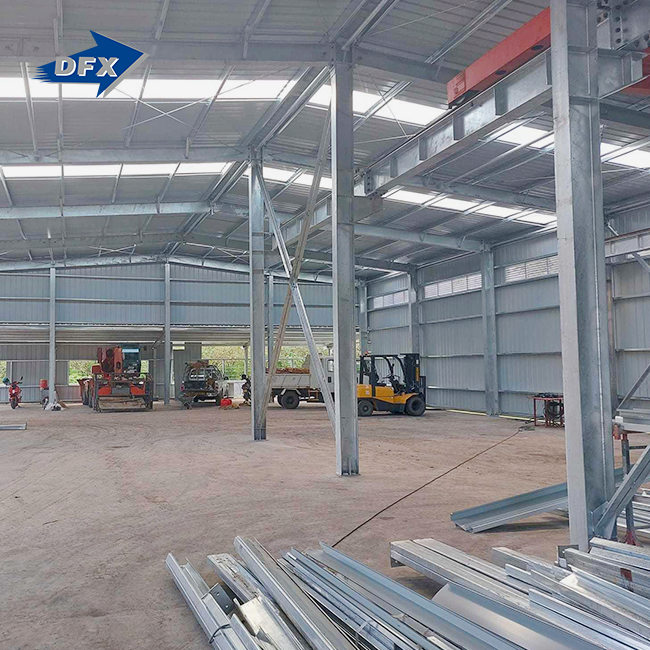
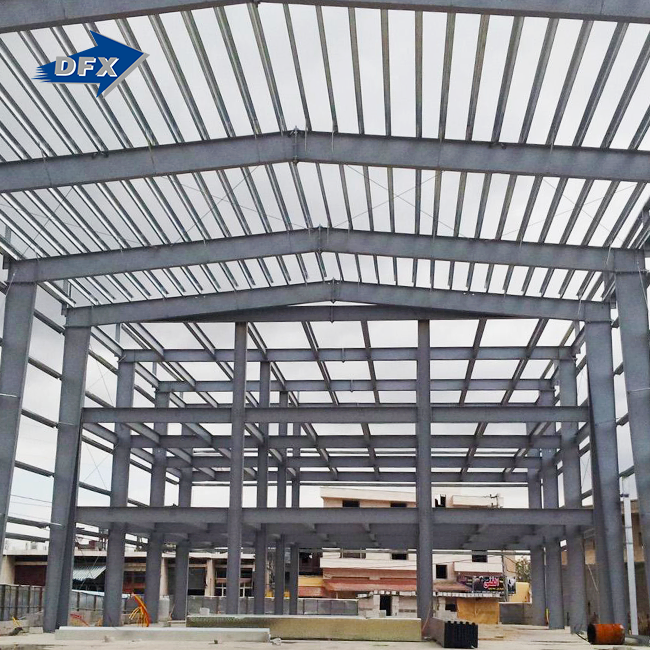
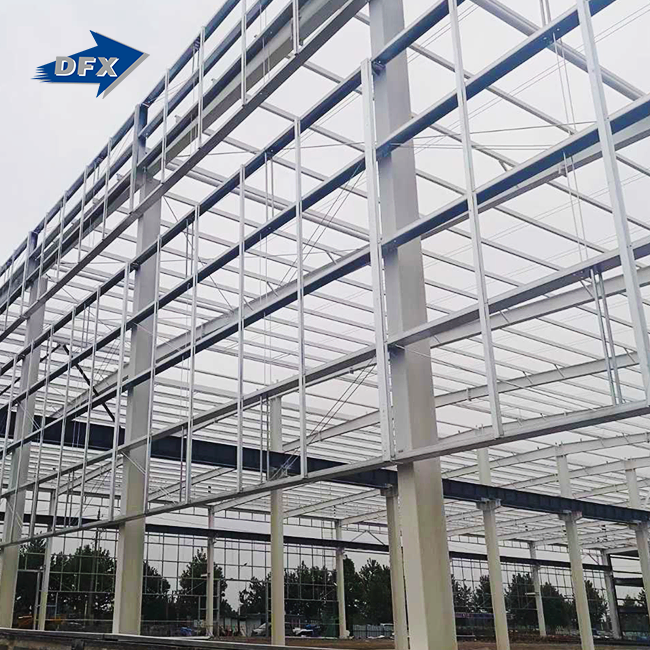
Heavy-gauge steel buildings with H-section beams and columns are common in modern designs. This type of steel is stronger than lighter options. The strong framework can stand up to wind loads, snow buildup, and the rough conditions of industrial settings, and it will keep its shape over time. C/Z zinc purlins protect against rusting, which is important in places where chemicals are present.
Configuration Options to Match Your Site Needs
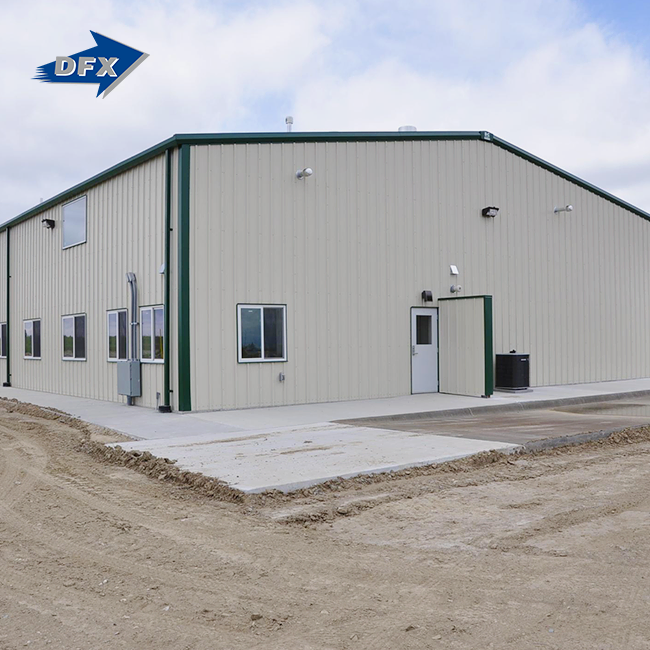
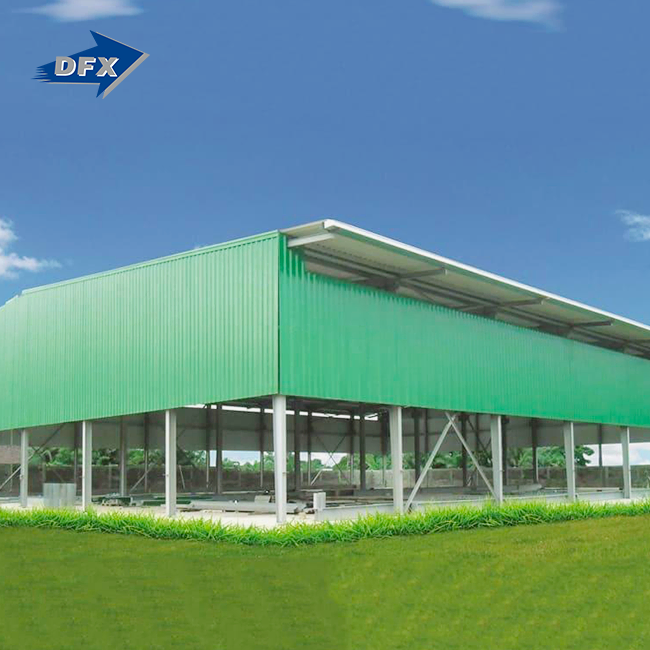
There are two main types of buildings used to store fuel: sheds with full walls and platforms with open sides. Enclosed designs protect the environment and people the most, keeping stored items safe from the weather and people who aren't supposed to be there. Open-sided versions let in a lot of natural air and still protect the roof, so they're good for places that need to prioritize movement and easy access to equipment.
Whether you choose a closed or open arrangement relies on the type of fuel you use, the weather where you live, and the rules that apply. Sites that store highly volatile Class 1A flammable liquids usually need enclosed buildings with automatic ventilation systems. On the other hand, sites that handle stable combustibles like diesel may find that open-sided designs are cheaper and easier to access.
Regulatory Compliance as a Foundation
Following the rules set by NFPA 30, OSHA, and the EPA is an important part of storing fuel responsibly. Specific separation lengths, additional containment capacities, and fire resistance scores are required by these guidelines. Structures made to ISO 9001 standards and certified by CE, COC, or PVOC show that they meet international safety standards. This lowers the risk of liability and makes sure that the structures can be sold in all global markets.
Key Factors to Consider When Choosing an Industrial Fuel Storage Shed
Assessing Your Site's Unique Requirements
Do a thorough analysis of the site before choosing a structure for storing fuel. Think about what kinds of fuel you'll store, how much of it you'll store, how fast you expect to move it, and how close it is to occupied buildings or property lines. Extreme temperatures, humidity levels, and exposure to harmful elements are some of the environmental factors that affect the choice of materials and the needs for their design.
Figuring out the best entry points, loading setups, and internal layout requires knowing how your operations work. For factories that need a steady flow of fuel, designs with built-in dispensing systems work best. On the other hand, remote building sites may value portability and the ability to quickly set up.
Material Selection: The Steel Advantage
Steel is the most fire-resistant and long-lasting fuel storage material. Galvanized steel parts survive longer since gasoline fumes and airborne water don't corrode them. Natural strength allows welded H-beam frames to have large clear-span interiors without center supports. This maximizes storage space.
Modern coatings offer layers of protection. Marine-grade epoxy coatings that satisfy C5-M specifications protect wet or coastal steel surfaces. These mechanisms prevent corrosion and chemical degradation, keeping the structure robust for decades.
Steel's fire resistance is crucial to safety. Although no material can stop a fire, a steel structure reduces thermal breakdown during ignition events, allowing first responders time to arrive. Steel assemblies that meet FM Global or UL requirements might have 2- or 4-hour fire resistance ratings.
Design Features That Enhance Safety and Performance
Effective air systems prevent harmful gases. Mechanical ventilation of at least 1 cubic foot per minute per square foot is required for Class 1A flammable liquid storage buildings. Passive gravity-flow vents may fulfill code requirements and save operational expenses for stable fuels.
Secondary protection is also crucial to the design. Bunded floors that don't leak and containment sumps that can store 110% of the largest vessel's capacity are excellent structures. This feature fulfills EPA regulations and reduces environmental risk by preventing groundwater contamination from spills or tank failures.
Explosion-relief panels deflect explosion energy away from humans. These designed weak areas always break during pressure events, safeguarding people and equipment while maintaining structural strength.
Prefabricated versus Custom Solutions
In ordinary cases, prefabricated constructions are useful. Director Steel's 40,000-square-meter manufacturing facility can provide whole-building systems weeks quicker than on-site choices. Standardized designs are superior because of proven engineering, factory quality control, and simpler installation.
Custom solutions meet a place's demands or constraints. Projects with specialized sizes, access arrangements, or infrastructure benefit from customized engineering. Many companies provide architectural design and detailing services from concept to manufacture and installation.
Modern steel buildings are modular and may use both methods. Base designs can tolerate site-specific modifications without much re-engineering. This combines uniformity with customization. EPC contractors that manage many contracts at various locations benefit from this flexibility.
Comparing Industrial Fuel Storage Sheds: Making an Informed Decision
Structural Advantages Over Alternative Solutions
Using a gasoline storage Industrial Fuel Storage Shed instead of a tank offers benefits. Covered tanks prevent UV damage, water penetration, and temperature variations that accelerate corrosion and degrade gasoline quality. The regulated environment extends equipment life and reduces maintenance costs.
Sheds protect goods against theft and damage, particularly in rural areas or during construction. Lockable entrance points and security systems preserve fuel stockpiles and decrease insurance costs.
Well-built shelters simplify legal paperwork. Authorities and insurers will notice that the structure is physically isolated from inhabited buildings and has strategic risk management controls and fire-resistant measures.
Evaluating Total Cost of Ownership
The upfront expense of anything is only one of the long-term expenditures. High-quality galvanized steel and superior paint structures need little maintenance over many years. A yearly inspection and cleaning is cheaper than painting and mending items that aren't perfect.
Energy efficiency affects corporate operating expenses. Insulated designs provide steady temperatures, decreasing fuel evaporation and optimizing storage. Over time, these little savings pile up.
Installation prices depend on building complexity and site preparation. Prefabricated systems with clear instructions and installation assistance reduce field labor expenses. Suppliers' turnkey foundation design, fabrication, delivery, and installation solutions streamline projects and make procurement teams' jobs simpler.
Portable versus Permanent Installation Considerations
Mobile fuel storage is ideal for short-term construction, emergency response, and seasonal farming. Built-in lifting points and forklift pockets make these units simple to transfer as company requirements change. The versatility allows assets to migrate across projects, increasing ROI.
Permanent systems can manage more and are more robust for long-term business. Engineered foundations distribute loads across soil types and secure buildings during harsh weather. Fixed installations are best for large fuel storage and integrated fuel management systems that service several consumption points.
Temporary and permanent structures have distinct regulatory labeling, which might affect permit and compliance times. Talking to local officials during planning simplifies regulations and streamlines approval.
Procurement Strategies: How and Where to Buy Industrial Fuel Storage Sheds
Identifying Qualified Suppliers and Manufacturers
Successful procurement begins with supplier verification. Look for ISO 9001-certified manufacturers that manage quality systematically. The CE mark indicates that the product satisfies European health, safety, and environmental regulations. This matters for international initiatives. COC and PVOC certifications make it simpler to cross borders and enter global markets.
Established manufacturers with high manufacturing capacity provide consistent quality and dependable lead times. Companies with several automated H-beam, purlin, and cladding manufacturing lines are better at inventory management and scheduling than smaller ones that use outside suppliers.
Experience matters when choosing a partner. Companies that serve builders, manufacturers, and farmers are well-versed in their demands. Check project portfolios for application experience. In your sector, industrial warehouses, equipment storage facilities, and Industrial Fuel Storage Shed repair shops demonstrate their expertise.
Understanding the Ordering and Delivery Process
Being explicit while drafting specs prevents costly misunderstandings. Good vendors provide thorough quotations that include materials, sizes, wind and snow load ratings, accessories, and what's not. Request structural formulae, production designs, and assembly manuals.
Production lead times vary on product customization and quantity. Well-equipped businesses like Director Steel can supply standard designs in weeks. Customized projects take longer to design and manufacture. When ordering from abroad, be sure delivery timeframes include international shipping and customs clearance.
Many manufacturers provide design, production, packaging, and installation. Packaged solutions simplify procurement and provide accountability. With installation plans and professional support, field assembly is faster and less error-prone.
Logistics and After-Sales Considerations
Reliable logistics partners ensure damage-free deliveries. Good packaging protects steel parts during overseas shipping, and professional freight forwarders manage paperwork and discover the optimum routes. Check whether shipping and insurance are separate line items or part of the overall price.
Warranties and after-sales service distinguish good merchants. Contracts that cover construction, coating, and part issues provide peace of mind. Expert support teams assist with installation and operation issues throughout the structure's lifespan.
Consider maintenance packages and replacement parts when selecting a provider. Large part stockpiles allow manufacturers to swiftly satisfy future panel, fastener, and accessory demands. This reduces repair and growth downtime.
Maintaining Your Industrial Fuel Storage Shed for Long-Term Performance
Routine Inspection and Cleaning Protocols
Regular maintenance ensures buildings comply with regulations. Broken panels, loose fasteners, and dust accumulation are found during weekly visual inspections. Technical examinations every three months examine the coating, fastener torque, and structural linkages more thoroughly.
Good cleaning practices prevent corrosion and look good. Remove dirt, leaves, and other organic matter from steel surfaces to prevent wetting. Pressure washing building exteriors once a year removes dirt and grime and checks for durability.
Extra attention is needed for containment sump maintenance. Remove any debris obstructing the drain and check for coating damage or fissures that might compromise leakproofness. Fuel shouldn't break down protective layers or penetrate into surfaces; therefore, spills must be cleaned up immediately.
Corrosion Control and Protective Measures
Galvanized coatings provide long-term protection, but impacts and wear expose the underlying steel. Touch-up painting with compatible coatings prevents corrosion at these vulnerable places. Repairs should be prioritized, and the covering evaluated annually.
Proper ventilation system maintenance prevents wetness and mist by ensuring airflow. Clean vent screens, check the motorized fan, and leave room around passive vents periodically. With proper ventilation, the coating will last longer and be safe.
The environment impacts repair frequency. Salt spray-prone coastal locations require more inspections and repairs than rural ones. Industrial environments may necessitate high-end coating systems and quicker maintenance plans due to airborne chemicals.
Upgrading for Enhanced Safety and Efficiency
Retrofitting older structures with new technology improves them. IoT-enabled monitoring systems monitor temperature, humidity, and vapor concentrations and inform users of issues in real time. These systems use facility management technologies to plan repairs.
Fire suppression system upgrades improve safety. Existing buildings may be upgraded with foam reduction and tracking systems. This saves insurance costs and meets evolving safety regulations.
Low-energy lighting and temperature control reduce operational expenses. LED lights utilize less electricity and need less maintenance while providing superior illumination. Sealing designs with higher insulation protects stored items from extreme temperatures and dampness.
Conclusion
When choosing the right structure for storing fuel, you have to think about safety requirements, operational needs, and your budget. Quality steel construction is the best way to protect people, property, and the environment because it is long-lasting, doesn't catch fire, and meets all safety standards. Knowing about the properties of the materials, the different configuration options, and the credibility of the supplier helps you make smart purchasing decisions.
Proper care increases the life of a building and keeps it in line with regulations. Working with skilled manufacturers who offer full support from the initial planning stage to long-term service makes the project easier to carry out and protects your investment. The right fuel storage option improves safety and operational efficiency, no matter if you're in charge of building, Industrial Fuel Storage Shed expansion, or agricultural sites.
FAQ
1. What certifications should I verify when sourcing fuel storage structures internationally?
Priority certifications include ISO 9001, which shows that quality control systems are in place, CE marking, which shows that products meet European standards, and country-specific needs, such as COC or PVOC for customs processing. These credentials make sure that the products made meet established safety and performance standards. They also make it easier to ship and install products across international borders.
2. How do I determine appropriate fire resistance ratings for my application?
The distance needed for a fire rating is mostly determined by how far away it is from active buildings and land lines. Places within 10 feet usually need 4-hour ratings, and places 10 to 50 feet apart usually need 2-hour protection. Local governments that have authority set clear requirements, and expert providers help choose the right assemblies that meet the rules.
3. Can steel structures accommodate future capacity expansion?
Simple expansion is made possible by modular steel construction. Standard connection details let new bays connect to existing structures, and foundation systems can plan for future growth when they are first designed. This adaptability is especially useful for businesses that are growing or for developing projects in stages, which is common in the farming and manufacturing industries.
4. What maintenance frequency maintains optimal performance?
Visual reviews done once a week look for clear problems, and expert evaluations done every three months check the connections between structures, the quality of the coating, and the safety systems. Deep cleaning and full inspections done once a year keep track of changes in condition. Sites that are exposed to tough environments or get a lot of use may need repair plans that are more frequent and are based on how the materials are wearing down.
Partner with DFX for Your Industrial Fuel Storage Solutions
The company DFX (Director Steel) has been making high-performance steel structures for tough industrial uses for more than 12 years. Our 40,000-square-meter factory has automated H-beam lines, C/Z purlin systems, and advanced cladding tools that allow us to make fuel storage sheds that meet international safety standards at prices that are competitive.
Our all-inclusive service approach helps you with your project from the beginning to the end. Our in-house building design teams come up with the best plans for your fuel types, volumes, and site limitations. Manufacturing that is ISO 9001 approved guarantees uniform quality, and CE, COC, and PVOC certifications make it easier to use products all over the world. Short production processes and reliable transportation cut down on project timelines, so you can quickly start using your storage infrastructure.
DFX can help you with everything, from standard designs to custom solutions. They do structural engineering, fabrication, full documentation, and installation guidance. To talk about your fuel storage needs, email our technical team at jason@bigdirector.com. As a reliable maker of Industrial Fuel Storage Sheds, we protect your activities for decades with safety, compliance, and value.
References
1. National Fire Protection Association. NFPA 30: Flammable and Combustible Liquids Code. 2021 Edition.
2. Occupational Safety and Health Administration. Hazardous Materials Storage and Handling Requirements. U.S. Department of Labor, 2020.
3. American Institute of Steel Construction. Steel Construction Manual. 15th Edition, 2017.
4. Environmental Protection Agency. Spill Prevention, Control, and Countermeasure Rule. 40 CFR Part 112, 2019.
5. FM Global. Property Loss Prevention Data Sheets: Flammable Liquid Storage. 2022.
6. International Organization for Standardization. ISO 9001:2015 Quality Management Systems—Requirements. Geneva, Switzerland, 2015.
Learn about our latest products and discounts through SMS or email