- English
- French
- German
- Portuguese
- Spanish
- Russian
- Japanese
- Korean
- Arabic
- Greek
- German
- Turkish
- Italian
- Danish
- Romanian
- Indonesian
- Czech
- Afrikaans
- Swedish
- Polish
- Basque
- Catalan
- Esperanto
- Hindi
- Lao
- Albanian
- Amharic
- Armenian
- Azerbaijani
- Belarusian
- Bengali
- Bosnian
- Bulgarian
- Cebuano
- Chichewa
- Corsican
- Croatian
- Dutch
- Estonian
- Filipino
- Finnish
- Frisian
- Galician
- Georgian
- Gujarati
- Haitian
- Hausa
- Hawaiian
- Hebrew
- Hmong
- Hungarian
- Icelandic
- Igbo
- Javanese
- Kannada
- Kazakh
- Khmer
- Kurdish
- Kyrgyz
- Latin
- Latvian
- Lithuanian
- Luxembou..
- Macedonian
- Malagasy
- Malay
- Malayalam
- Maltese
- Maori
- Marathi
- Mongolian
- Burmese
- Nepali
- Norwegian
- Pashto
- Persian
- Punjabi
- Serbian
- Sesotho
- Sinhala
- Slovak
- Slovenian
- Somali
- Samoan
- Scots Gaelic
- Shona
- Sindhi
- Sundanese
- Swahili
- Tajik
- Tamil
- Telugu
- Thai
- Ukrainian
- Urdu
- Uzbek
- Vietnamese
- Welsh
- Xhosa
- Yiddish
- Yoruba
- Zulu
Why Choose a steel structure smoking shed for Your Site?
Choosing a steel structure smoking shed for your site delivers immediate safety, compliance, and operational advantages that protect both workers and facility assets. Much like the robust construction principles applied to an aircraft paint hangar structure—where durability, controlled environments, and fire resistance are non-negotiable—steel smoking sheds provide weather-resistant, corrosion-proof designated smoking areas that meet stringent OSHA and fire safety codes. These structures eliminate makeshift smoking zones that pose fire hazards and liability risks, offering customizable, long-span enclosures manufactured in China with welded H-section steel frames, reinforced bracing systems, and turnkey installation guidance tailored to industrial, commercial, and construction sites.

What Are Steel Structure Smoking Sheds?
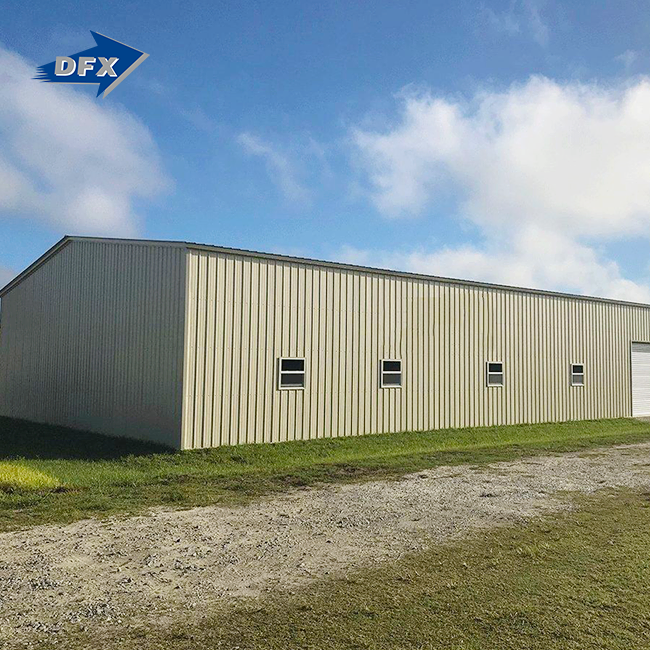
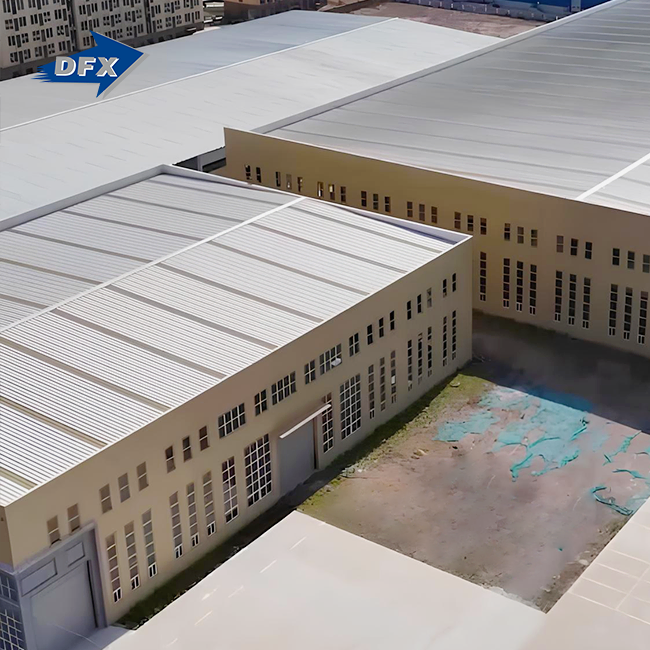
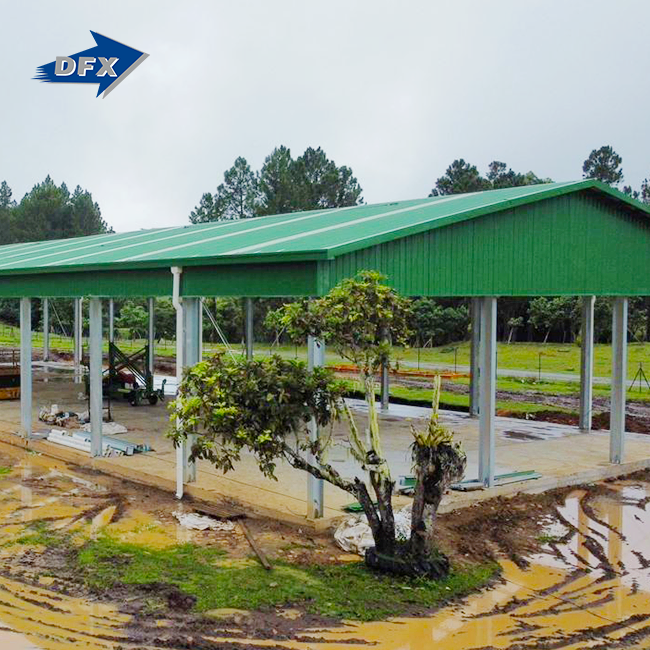
Steel structure smoking sheds are custom-built shelters made mostly of long-lasting steel parts that are meant to provide safe, weatherproof, and legal places to smoke on industrial and business sites. The frames of these sheds are usually made of strong steel, and their sizes and shapes can be changed to fit different site needs. Steel's natural strength, resistance to corrosion, and fire safety benefits make these structures stand out from those made of wood, plastic, or aluminum. Steel sheds are a great investment for businesses that want to last and work reliably in harsh or controlled settings because they don't need much upkeep and last for a long time.
Key Structural Components and Materials
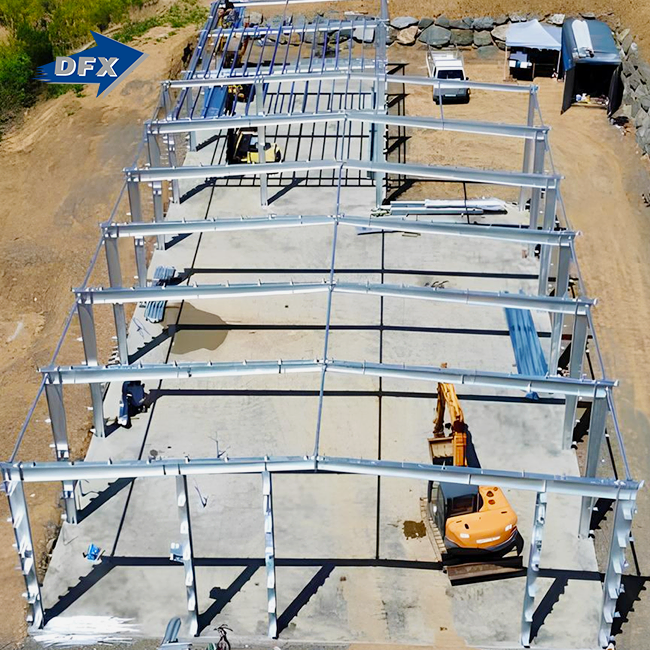
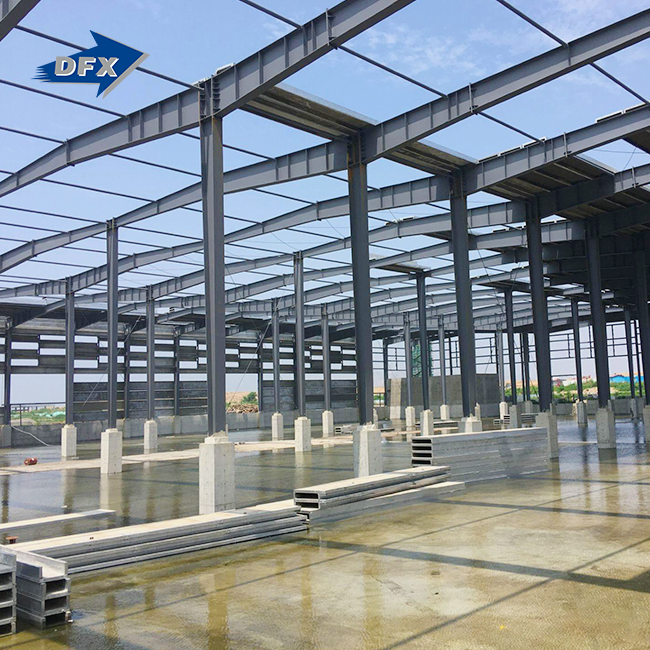
Modern steel smoking sheds are made with welded H-section steel as the main structural frame. This gives them great strength and stability, even in harsh weather. The strengthened bracing system makes the structure stiffer, so it won't bend over decades of use. Coatings and treatments made of galvanized steel and powder coating protect against rust and damage from the environment, making the service life 30 years or more with little maintenance. Roof and wall coverings use corrugated steel sheets or sandwich panels, which insulate and waterproof, keeping people comfortable all year and cutting down on heating and cooling costs.
How Steel Outperforms Alternative Materials
Wood structures break down quickly when they are exposed to water, smoke residue, and changes in temperature, so they need to be fixed and replaced often. Plastic and aluminum options aren't strong enough for high-traffic industrial areas; they bend or crack when snow or wind hits them. Steel is noncombustible, which meets fire safety standards that are important for dangerous areas, and it can be recycled, which fits with companies' goals for sustainability. Steel smoking sheds don't warp, fade, or become brittle as temporary options do. They keep their look and function, protecting your investment and business image.
Why Steel Structure Smoking Sheds Are Ideal for Industrial and Commercial Sites
Steel structure smoking sheds solve important problems that industrial and business places have, like keeping people safe in dangerous areas and making sure that environmental and health standards are met. These sheds provide custom smoke containment and ventilation solutions that improve both worker safety and the aesthetics of the site, drawing comparisons to buildings like an aircraft paint hangar structure, which are known for their durability and controlled environments. Their modular and customizable designs make it easy to integrate with company logos and allow for future growth, so they can adapt to changing operational needs with little trouble.
Addressing Safety and Regulatory Compliance
There are strict rules about where people can smoke in factories, warehouses, and construction sites to keep fires from starting and to protect people who don't smoke from being exposed to secondhand smoke. Steel smoking sheds create clear zones with the right air systems, fire-resistant materials, and the right signs. This cautious method lowers the risk of liability, keeps expensive fines from happening, and shows that the company cares about worker health. Facilities that work with flammable materials or are close to fuel storage benefit from the same level of technical scrutiny that goes into storing heavy equipment and building big industrial sheds, where keeping fires out and keeping the structure strong are the most important things.
Enhancing Worker Satisfaction and Productivity
Giving employees designated, comfortable smoking areas shows that you care about their needs while still upholding business order. Workers don't have to leave the building as often, which cuts down on downtime and boosts productivity. Well-designed steel sheds with weather protection, lighting, and seating make people more likely to follow smoking laws, which cuts down on illegal smoking in dangerous places. This good effect on the culture of the workplace encourages loyalty and retention, which is especially helpful for construction contractors, EPC firms, and manufacturing companies that have to manage large teams of workers across multiple shifts.
Scalability and Customization for Growing Operations
Steel's flexible design lets companies add more smoking areas as their staff grows or as their site layouts change. Manufacturers like Director Steel, who have been in business for more than 12 years and have ISO-certified factories, offer unique design services that can be tailored to fit the needs of the site, the number of users, and the customer's personal style. It doesn't matter if you need a small shelter for 10 people or a big one for 50 workers—steel frameworks can be built to exact measurements without affecting the safety or security of the building.
Key Design and Construction Considerations
When it comes to corrosion protection, structural stability, and long-term cost-effectiveness, steel is the best material for smoking sheds. To reduce the risks that come with smoking places, good design must put air systems that meet fire safety codes and OSHA rules at the top of the list. Customers can choose between movable and permanent steel buildings based on how quickly they can be put together, how flexible they are, and how easy they are to maintain. Because of these well-thought-out design choices, steel smoking sheds are both safe and useful, meeting the specific needs of industrial settings.
Ventilation and Environmental Control
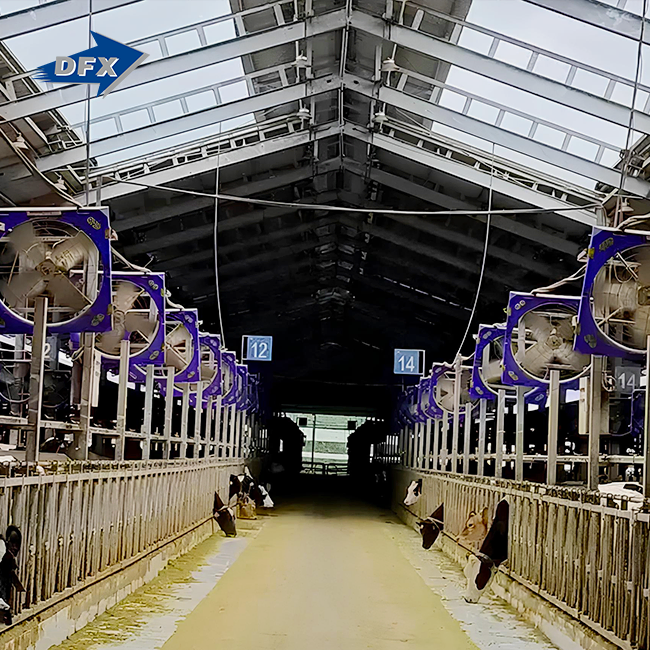
Managing airflow correctly keeps smoke from building up and makes sure that fresh air flows through, which protects both people inside and work areas nearby. Steel smoking sheds can have either mechanical systems with exhaust fans for tight spaces or natural ventilation through louvers and vents that are put in the right places. This controlled ventilation works a lot like how it's used in places like paint hangars where clean air and getting rid of contaminants are very important. Companies need to make sure that the ventilation plans they use are in line with OSHA and local fire codes. If they aren't, they could be breaking the law.
Modular vs. Permanent Steel Structures
Modular steel smoking sheds can be set up quickly; the pre-fabricated parts are usually sent from factories in China and are put together within days. These buildings are good for workers who are in charge of temporary job sites or businesses that are getting ready to move their sites. Permanent installations offer better durability and customization, and the foundations are built to last for decades. Director Steel offers complete turnkey solutions that include structural calculations, custom designs, manufacturing, and installation instructions. Both of these choices are certified by CE, ISO 9001, and COC. When choosing between modular and permanent configurations, project managers and procurement directors should think about how long the equipment will be used, how much money they have, and their plans to grow in the future.
Fire Safety and Material Certification
Non-combustible steel framing gets rid of the risk of fires that come with wood or plastic options. This meets NFPA fire safety standards for smoking places. Roofing materials, wall panels, and interior finishes must also have the right fire ratings, especially for places that work with dangerous materials or are close to fuel storage. Verified certifications, such as the CE mark and ISO 9001 compliance, show that manufacturers follow international quality standards. This gives engineering directors and operations managers who are in charge of facility safety peace of mind. By asking for proof during the buying process, you can avoid getting low-quality goods that put safety and legal standing at risk.
How to Choose the Right Steel Structure Smoking Shed for Your Site
Before choosing the right steel smoking shed, it's important to carefully consider the site-specific factors, such as the number of people who will be using it, the plan limitations, and the environmental factors that might affect it, especially in sensitive areas like aircraft repair zones. There are many makers on the market that make designs that can be customized, use less energy, and are better for the earth. When making B2B purchasing decisions, people should think about things like price, installation fees, warranty coverage, and delivery times, as well as whether renting or buying is better for their business's goals and budget.
Assessing User Capacity and Site Layout
Figure out your peak occupancy by looking at shift numbers, break times, and how many people in your staff smoke. When an industrial site has more than 200 employees, it may need several smaller sheds spread out across the property instead of one large structure. This way, workers don't have to walk as far, and productivity stays high. Check out the room that's available, making sure there are enough clearances for emergency vehicles, power connections, and plans for future site development. Place smoking sheds downwind and at a safe distance from areas that are close to sensitive operations, like chemical processing areas or aircraft hangars, to keep them from contaminating or starting fires.
Evaluating Manufacturers and Suppliers
Established steel structure suppliers like Director Steel offer a wide range of services, such as architectural design, detailing, and quality control at multiple stages. Their 40,000 square meters of protected production space and high-tech welding lines make sure that all of their projects are made to the same high standards. When looking at different aircraft paint hangar structure providers or smoking shed makers, make sure you check their production capacity, certifications, project portfolios, and customer reviews. Ask for technical details that list the types of steel, coatings, load ratings, and warranty terms. Reliable suppliers offer clear pricing, reasonable delivery times, and quick support after the installation.
Budget Considerations and Total Cost of Ownership
The initial buy prices range from modest investments for standard modular units to higher costs for permanent installations that are fully customized. Prices depend on the size, level of customization, and quality of the finish. Delivery fees from foreign factories, base preparation costs, electrical links for lights and airflow, and installation labor should all be taken into account. Steel's long life makes its total cost of ownership much lower than that of alternatives that need to be fixed or replaced more often. Over the course of 20 years, steel smoking sheds save money because they require little upkeep, don't get fined by the government, and have lower insurance rates because they have better safety records.
Maintenance Tips and Long-Term Value of Steel Structure Smoking Sheds
Steel smoking sheds need to be properly maintained to last as long as possible and keep people safe. Regular checks that focus on stopping rust, making sure the structure is sound, and maintaining the air system help keep operations running smoothly. Real-life case studies from tough industry sites and facilities that take care of aircraft paint hangar structures show that steel structures are very strong and reliable in harsh conditions. Giving people designated, well-designed smoking places has a positive effect on employee compliance, safety culture, and general job happiness, which shows that these installations will be useful for a long time.
Routine Inspection and Corrosion Prevention
Welded joints, fastener connections, and surface coatings should be checked every three months for signs of wear, rust, or damage to the structure. Corrosion happens faster in coastal or high-humidity areas, so they need to be checked and coated more often. Clean the roof's drainage and air systems so that water doesn't build up and garbage doesn't get stuck in them, which can weaken the structure. Director Steel's welded H-beam production and galvanized finishes can withstand decades of exposure. However, regular maintenance can make them last even longer while keeping their good looks and safety standards.
Ventilation System Maintenance
To keep working well, mechanical ventilation systems need to have their filters changed, their fan motors oiled, and their airflow checked on a regular basis. For natural ventilation systems to work, the louvers and vents need to be cleared out regularly so that leaves, snow, and other industrial debris don't block them. Keep records of maintenance tasks to show that you are following the rules during safety checks and audits. Ventilation that is kept up to date protects people's health, stops smoke from spreading to nearby work areas, and upholds the controlled environment standards that make steel smoking sheds just as reliable as specialized facilities that handle dangerous operations.
Case Studies Demonstrating Durability
Companies that use steel smoking sheds in tough industrial settings say that the structures don't break down much after 15 years or more of constant use, with only minor coating touch-ups and cleanings needed every so often. Agricultural businesses that take care of animals like steel because it can stand up to ammonia and water, two things that quickly destroy wood options. Construction companies use modular steel sheds on multiple job sites because of how easy they are to move and reassemble, and how well they work in all kinds of weather. These real-life results show that steel is better and make the investment worth it for companies that care about long-term value, safety, and operational reliability.
Conclusion
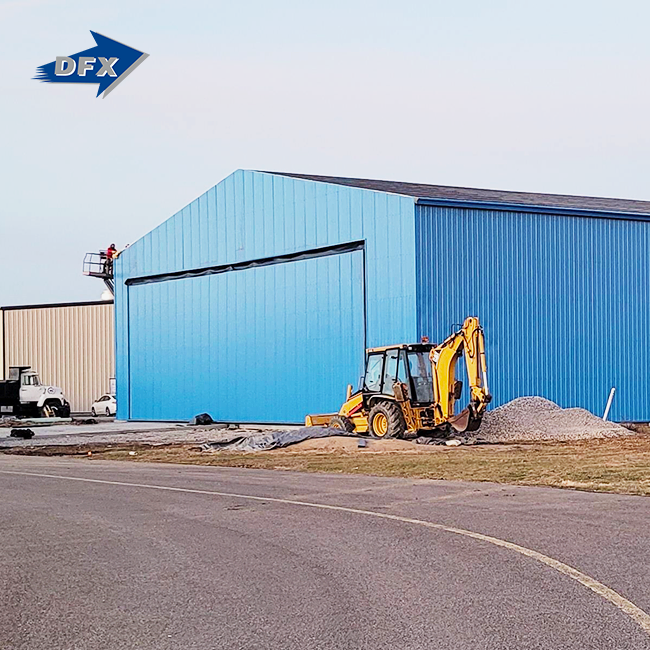
Steel-framed smoking sheds are a smart investment that takes into account safety rules, worker well-being, and long-term operational efficiency. They are strong, their designs can be changed, and they don't need much maintenance, so they are useful in industrial, commercial, and construction settings. Businesses get buildings that are resistant to fire and bad weather, as well as buildings that meet building codes and improve workplace culture and productivity. Steel smoking sheds are made to the same precise standards that are used for aircraft hangars and for storing heavy equipment. They can withstand decades of hard use without breaking down as other materials do. If project managers, procurement directors, and operations leaders want reliable, low-cost solutions, they should look for aircraft paint hangar structures that are ISO certified, come with full design support, and have been made before.
FAQ
1. What are the typical dimensions available for steel structure smoking sheds?
Standard modular units range from small shelters that are 10 feet by 10 feet and can fit 5 to 8 people to large buildings that are more than 30 feet by 40 feet and can hold a lot of people. Custom sizes are easy to get from manufacturers who offer structural design and calculation services. Clearance heights are usually between 8 and 12 feet, which gives people enough room to stand and breathe.
2. How long does installation take for a steel smoking shed?
Once the base is ready, modular pre-fabricated pieces can be put in place in two to five days, which keeps operations running as smoothly as possible. Permanent structures that need special foundations and utility hookups may need two to three weeks from the time the site is prepared to the time the structure is fully operational. This process is made a lot easier by suppliers who offer fitting help or "turnkey" services.
3. Can steel smoking sheds withstand extreme weather conditions?
When properly designed, steel buildings do well in harsh settings because they can handle wind loads, snow buildup, and temperature extremes better than other materials. Coatings and finishes that don't rust or resist rust protect against water, salt, and industrial pollution. During the design phase, facilities in areas that are likely to have hurricanes or other extreme weather should ask for higher structural ratings.
4. What certifications should I verify when purchasing a steel smoking shed?
Check to see if the makers have ISO 9001 quality management certification, CE labels to show that they meet European standards, and any other regional certifications that are needed, such as COC or PVOC. Documents about fire safety, structural engineering stamps, and material test results give more proof that the product is of good quality and follows the rules.
Request a Custom Steel Structure Smoking Shed Quote from DFX Today
Our team at DFX has more than 12 years of experience making welded H-section steel aircraft paint hangar structures for tough industrial uses, such as paint hangars for airplanes and smoking shelters that are made just for you. As a reliable steel frame provider, we run ISO-certified production sites that are 40,000 square meters and have automated welding lines and cutting-edge fabrication technology. Get in touch with jason@bigdirector.com to talk about your project needs, get detailed structural estimates, get competitive prices, and get clear delivery dates. We offer full support, from the initial design advice to installation help, to make sure that your investment meets all safety and compliance requirements and gives you long-term value that fits your business goals.
References
1. American Society of Heating, Refrigerating and Air-Conditioning Engineers (ASHRAE). "Ventilation for Acceptable Indoor Air Quality in Commercial and Industrial Buildings." Standards Publication, 2022.
2. National Fire Protection Association (NFPA). "Standard for Spray Application Using Flammable or Combustible Materials." NFPA 33, 2021 Edition.
3. Occupational Safety and Health Administration (OSHA). "Guidelines for Designated Smoking Areas in Industrial Workplaces." Technical Manual Section IV, 2020.
4. Steel Construction Institute. "Design Guide for Steel-Framed Modular Buildings and Temporary Structures." Technical Report SCI P427, 2021.
5. International Organization for Standardization. "Quality Management Systems for Steel Fabrication Facilities." ISO 9001:2015 Certification Standards.
6. American Institute of Steel Construction. "Specification for Structural Steel Buildings: Load and Resistance Factor Design." AISC 360-22, 2022 Edition.
Learn about our latest products and discounts through SMS or email