- English
- French
- German
- Portuguese
- Spanish
- Russian
- Japanese
- Korean
- Arabic
- Greek
- German
- Turkish
- Italian
- Danish
- Romanian
- Indonesian
- Czech
- Afrikaans
- Swedish
- Polish
- Basque
- Catalan
- Esperanto
- Hindi
- Lao
- Albanian
- Amharic
- Armenian
- Azerbaijani
- Belarusian
- Bengali
- Bosnian
- Bulgarian
- Cebuano
- Chichewa
- Corsican
- Croatian
- Dutch
- Estonian
- Filipino
- Finnish
- Frisian
- Galician
- Georgian
- Gujarati
- Haitian
- Hausa
- Hawaiian
- Hebrew
- Hmong
- Hungarian
- Icelandic
- Igbo
- Javanese
- Kannada
- Kazakh
- Khmer
- Kurdish
- Kyrgyz
- Latin
- Latvian
- Lithuanian
- Luxembou..
- Macedonian
- Malagasy
- Malay
- Malayalam
- Maltese
- Maori
- Marathi
- Mongolian
- Burmese
- Nepali
- Norwegian
- Pashto
- Persian
- Punjabi
- Serbian
- Sesotho
- Sinhala
- Slovak
- Slovenian
- Somali
- Samoan
- Scots Gaelic
- Shona
- Sindhi
- Sundanese
- Swahili
- Tajik
- Tamil
- Telugu
- Thai
- Ukrainian
- Urdu
- Uzbek
- Vietnamese
- Welsh
- Xhosa
- Yiddish
- Yoruba
- Zulu
How to Choose an Aircraft Paint Hangar Structure for Your Fleet
To choose an aircraft paint hangar structure, start with your largest aircraft and measure its full working envelope, including wingtips, tail, and work platforms. Next, match airflow, temperature control, fire protection, and lighting to your coating process and local codes. Then compare steel, fabric, and modular options by service life, throughput, and expansion needs. Finally, price the whole project, not only the building shell, and pick a supplier who can document design calculations and support installation. I wrote this guide for U.S. contractors, MRO owners, and project managers who want a clear path from first sketch to signed purchase order.

Set the Foundation: Size, Airflow, and Safety
Step 1: Define Aircraft Paint Hangar Dimensions and Clearance
Start with the whole area you can work with, not just the size of the plane you saw. The building must be big enough to hold a Boeing 737-800 that's about 117 feet long and a 777-300ER that's about 213 feet long. People must also be able to leave. It will be safer for the team to move around if there is more space around the wingtips, tail, and motors. For tow-in, tow-out, and taxi-through plans, the doors need to open in different ways. It's also important how the doors move and how big they are. Before the steel is cut, plans made in 2D or 3D show what the problems are. If the gap is good, people will be safer, work will get done faster, and in the future, a bigger plane will be able to fit. Find out how long your tail is too.
Step 2: Establish Ventilation and Environmental Control
The flow of air has nothing to do with power costs, worker safety, or the quality of the work. To choose between downdraft, semi-downdraft, crossdraft, and side-draft schemes, you should think about the size of the plane, how it will be finished, and the building rules in your area. To make sure the design works, the pressure, temperature, humidity, VOC control, air intake, and exhaust must all be equal. Check to see if the cooling, heating, and dehumidification systems are the right size for your space and the paint maker's process sheet. An easy way to plan how air will flow is to use the ACGIH Industrial Ventilation guidebook. Electricity costs can be kept low as long as the building is being used. Features like variable-frequency drives, heat recovery, and automatic rest modes can help with this. People who work in booths and MEP sell these systems, so the steel shell needs to be strong enough to hold their weight and the holes.
Step 3: Verify Fire, Explosion, and Safety Requirements
Fire and blast safety should be the first thing you think about when you start planning. This is because aircraft paint hangar structures have coatings that can catch fire, chemical fumes, and extra paint. You should have ways to find and put out fires, shut down in an emergency, plan for evacuations, use building materials that won't catch on fire, keep static in check, and work in dangerous places with the right tools. Teams that work in the U.S. usually look at NFPA 409 for airplane hangars, NFPA 33 for spray application, the International Building Code, OSHA spray finishing rules, as well as airport and insurance standards. 40 CFR Part 63 Subpart GG rules from the EPA may also address pollution. Have a professional look it over, get permission to use it, and get permission from the right person to make sure everything is right. Because of early reviews, changes can't be made to the steel once it's been made.
Compare Interiors, Structure Types, and Fleet Fit
Step 4: Select Lighting and Interior Finishes
A good light source helps artists find flaws like sags, runs, uneven filling, and changes in color. All of the taps should be the same, show colors well, be sealed to keep paint from running, and be easy to clean. The inside walls and ceilings should be clean, chemical-resistant, and not likely to rust so that dust and waste don't have as many places to settle. When the floor doesn't slip, it's safer for people to move tools and clean up. It is cleaner, more thoroughly checked, and costs less to fix in the long run with these options. Since the metal and fixtures are connected to the structure, you need to show your steel source as soon as possible your ideas for the finish and lighting. They can then check that the space between the mounting points and the purlins is right. Find out about light-based plans.
Step 5: Compare Aircraft Paint Hangar Structure Options
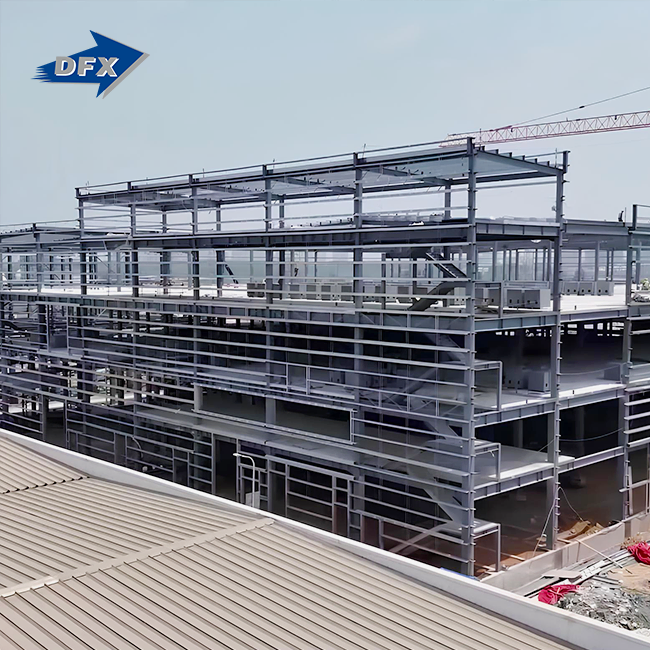
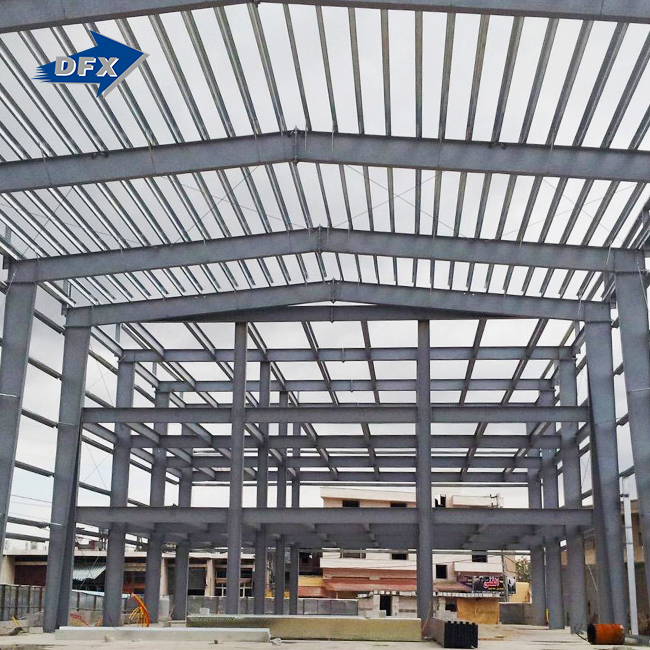
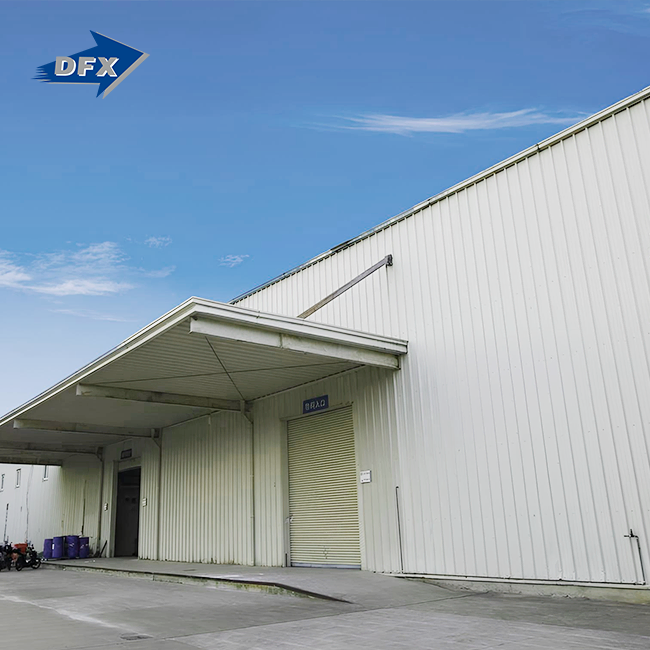
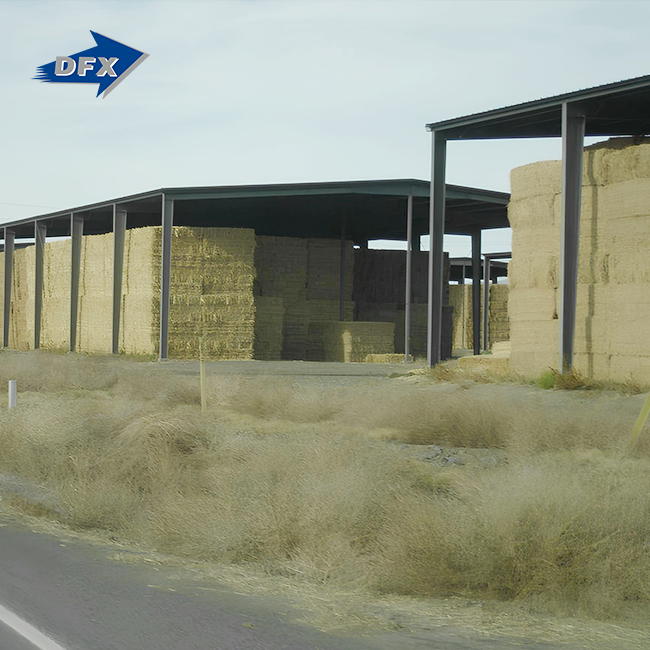
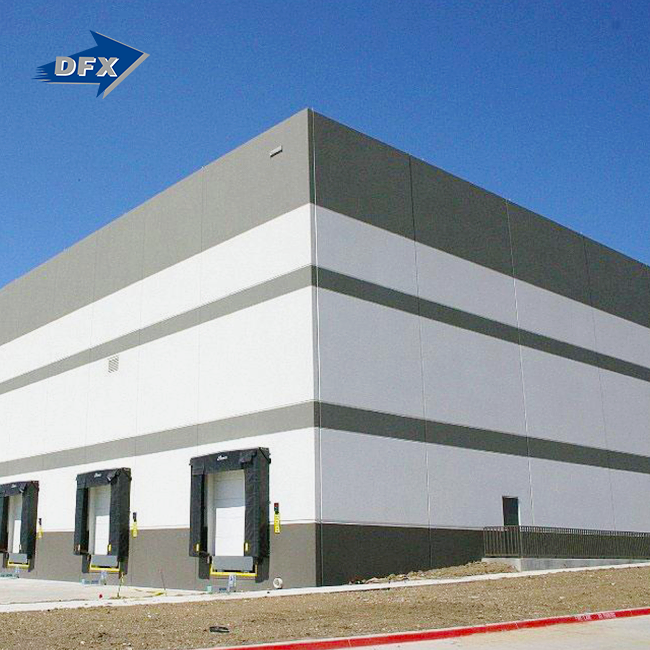
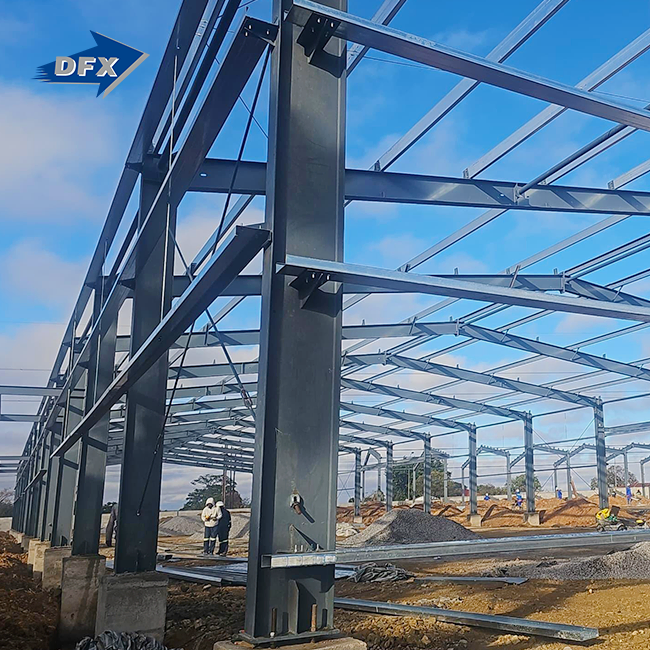
There are a lot of good things about permanent steel buildings: they last a long time, are strong, and are easy to add to busy sites. Frames made of fabric or membrane can be used for short-term, easy, or cheap jobs as long as they follow the fire and environmental rules of the job. This can speed up the building process and make room for growth. You should think about more than just price. You should also think about how long it will last, how it will be used, and whether it meets code requirements. The steel building at DFX has a long span and a high ceiling. There is better bracing around the main frame, which is made of welded H-section steel. This style looks good on big factories, aircraft paint hangar structures, and places to store heavy equipment. It also makes the inside of your paint booths and work areas feel bigger and airier.
Step 6: Match the Structure to Your Fleet
What kind of aircraft paint hangar structure you need will depend on the planes you own. Being the right size, letting in just the right amount of airflow, and having room to grow are all things that narrow-body buildings try to achieve. For wide-body work, you need longer gaps, more filtering, and better airflow. There are many types of planes, and it is easy to get extra parts. Airlines and MROs should think about how long it takes to fix planes. For military, business jet, and helicopter jobs, you need to think about safety, rotor clearance, high-end finishes, and special paints, among other things. It costs more to add span after the fact than to plan it ahead of time, so you should size for the biggest plane you think you'll be working with in ten years. Write these down so that everyone can agree on how much the scope costs.
Plan the Budget, Procurement, and Supplier Choice
Step 7: Calculate Construction Cost and Lifecycle Value
The steel box costs some money. Building the foundations, doors, airflow, filters, heating and cooling, dehumidification, fire safety, electrical work, lights, controls, installation, finishing, getting permits, and testing are all things that still need to be done. Price per square foot can be wrong if the job is not the same size. Get prices that spell out exactly what is and isn't covered. Next, look at how much it will cost in total over its whole life. This includes the cost of fuel, filter changes, regular maintenance, downtime, finishing work that needs to be redone, growth, and other things. You might want to pay more up front if it makes things easier to get and makes the finish better. Ask each buyer to write down the price of the building and the price of the tools separately. It will be simple to compare. The landed cost should include duty and freight.
Step 8: Follow a Structured Procurement Process
What kind of plans do you need? How much painting is there? How long will it take? You should also know the weather, the utilities, the building rules, your budget, and your plans for growth before you ask for prices. Then you can choose whether you want the tools only, full, design-build, or a group of contractors to do the work. A "turnkey" project is run by one person. But the government or an airport may need different contracts for big jobs. A lot of makers like it when someone else does the math, design, building, and fitting rules for them. DFX's steel package takes care of all of these things. You should pick one boss to be in charge of both the paint room and the MEPs. That way, before the building starts, the plans, loads, and spaces will all be the same. You should also find out what kind of help the provider offers with planning, making, installing, training, paperwork, and warranties.
Step 9: Build a Supplier Evaluation Matrix
All of your team's ideas get the same score on a scale. It should be able to work with different types of airplanes, have good ventilation, be safe around fire, use little energy, meet regulations, be on time, be priced fairly, have a warranty, come with help with installation, and have quick service response. You shouldn't just think about price. Also, safety, dependability, and the finish should be very important. Once you have a short list of bids, you should compare them to goals that can be measured, such as response time, growth capacity, even airflow, and installation time. Finally, get the owner, engineers, safety, insurance, and government officials to sign off on it. Once you find a steel provider you like, ask them for structural estimates, quality certificates, and how much they can make. In the U.S., AISC 360 is most often used for designing with structural steel, so make sure you know how to do the math right.
Avoid Mistakes and Check Every Detail Common Mistakes When Buying an Aircraft Paint Hangar Structure
People who are buying always do the same things wrong: they only measure the building around the plane, they pick the cheapest option, they don't separate the building from the aircraft paint hangar structure equipment, and they don't think about how to keep it in good shape. Because of these options, there aren't many spaces, airflow is bad, energy costs are high, the coating isn't perfect, and it takes longer to start up. To stay away from these issues, get structural and MEP drawings that match, performance estimates that have been checked, clear compliance papers, filters that can be reached, standard replacement parts, and service tasks that are simple to understand. It's just as important to know how much something costs as it is to use it and fix it. This is because an aircraft paint hangar structure is used for a long time and will still need help when it is given to someone else. Plan these things out before you sign.
Aircraft Paint Hangar Project Checklist
Write down your goals on a list to make a clear brief. Get to know the site's environment, rules, budget, schedule, and what kind of planes will be painted during pre-design. Also, find out how long the painting will take and what coatings will be used. You should think about the space between things, the lights, the finishes, the fire safety, the ease of repair, the storage for extra parts, the airflow, the filters, and the ability to manage the temperature and humidity. When you get something and start using it, you should look over detailed prices, drawings, figures, installation steps, testing steps, training, guarantees, directions, and records of what was made. When you write down bids and compare them, you're less likely to miss something. Also, this makes it easier to get back to daily tasks. Give them the list to make sure that all of the bids answer the same questions.
Why Work with DFX on the Steel Package
DFX (Qingdao Director Steel Structure Co., Ltd.) was established in 2011 and has been making steel structures for stadiums, processing plants, aircraft paint hangar structures, and large business buildings for over 12 years. It has 40,000 square meters, and there are six automatic H-beam lines in our plant. Every year, we can weld 20,000 tons of H beams and columns. We have more than 200 trained workers. These systems help us make sure that our steel buildings are safe and meet standards set by CE, COC, and PVOC. We help with estimating the cost of structures, coming up with unique designs, making them, and putting them up. To finish things off, we also have a group of people who work on roofs, walls, windows, and doors. Steel is made in China.
Conclusion
When picking out an aircraft paint hangar structure, the biggest plane and its widest work area should be your main concerns. The airflow, safety from fire, lights, and the finishes inside are also things to think about. Different jobs can be done with steel, fabric, or modular pieces. It depends on how big your business is, what you do with it, and how you want it to grow; what you need. There should be enough money in the budget to pay for everything, from the doors and systems to getting the permits and starting the work. It looks at how much it costs to buy and how much it will cost over time. A seller grid with weights, a written list, and a well-organized buying process can all help cut down on gaps and extra work. Laws and the way things are in the area can change the final plans, so each building still needs a review by engineers and government officials that is unique to the project.
FAQ
Q1: How does a paint hangar differ from a standard hangar?
A lot of hangars are used to store and fix planes. In an aircraft paint hangar structure, the HVAC and airflow can be controlled, and the electrical parts can handle blasts. The walls on the inside are smooth, and the fire protection is made so that coating work can be done. Because of this, structure and prices are now different.
Q2: Which ventilation layout should I choose?
Downdraft, semi-downdraft, crossdraft, and side-draft are the four styles that are shown on this page. Each has good and bad points. What does the end mean? How much energy does it need? How hard is it to build? How often does it need to be fixed? You may have to work below the floor for downdraft plans, so check the area first. Make them figure out the flows for each bid. The final choice will depend on the rules in your area and how you treat the items.
Q3: Does DFX supply the whole paint system?
DFX is in charge of the long-span steel frame. They also do the math, design, production, and installation of each one. Most of the time, closet, filtering, and MEP systems are handled by professionals. We made a steel shape that fits their holes and loads.
Q4: What should I send to get a quote?
Give the size of the plane, the area that needs painting, the best way to let air move, any numbers that go with it, and the start date. It helps to have a site plan or sketch as well. Now that we know what the structure will be, we can make plans, and we can make a price list with all the parts.
Contact DFX About Your Aircraft Paint Hangar Structure
Are you going to build an aircraft paint hangar structure? DFX can look at the sizes of your planes, the location, and your schedule to make a building plan and a one-of-a-kind steel design. We make welded H-section frames with extra support and directions on how to put them together as part of a business that builds shapes for aircraft paint hangar structures. To find out more, email Jason at jason@bigdirector.com. Right now, send us your question. Someone from our team will let you know what to do next.
References
1. National Fire Protection Association, NFPA 409: Standard on Aircraft Hangars, 2022.
2. National Fire Protection Association, NFPA 33: Standard for Spray Application Using Flammable or Combustible Materials, 2021.
3. International Code Council, International Building Code, 2021.
4. ACGIH, Industrial Ventilation: A Manual of Recommended Practice for Design, 2019.
5. U.S. Environmental Protection Agency, National Emission Standards for Hazardous Air Pollutants: Aerospace Manufacturing and Rework Facilities (40 CFR Part 63, Subpart GG), 1995.
6. American Institute of Steel Construction, Specification for Structural Steel Buildings (ANSI/AISC 360-22), 2022.
Learn about our latest products and discounts through SMS or email