- English
- French
- German
- Portuguese
- Spanish
- Russian
- Japanese
- Korean
- Arabic
- Greek
- German
- Turkish
- Italian
- Danish
- Romanian
- Indonesian
- Czech
- Afrikaans
- Swedish
- Polish
- Basque
- Catalan
- Esperanto
- Hindi
- Lao
- Albanian
- Amharic
- Armenian
- Azerbaijani
- Belarusian
- Bengali
- Bosnian
- Bulgarian
- Cebuano
- Chichewa
- Corsican
- Croatian
- Dutch
- Estonian
- Filipino
- Finnish
- Frisian
- Galician
- Georgian
- Gujarati
- Haitian
- Hausa
- Hawaiian
- Hebrew
- Hmong
- Hungarian
- Icelandic
- Igbo
- Javanese
- Kannada
- Kazakh
- Khmer
- Kurdish
- Kyrgyz
- Latin
- Latvian
- Lithuanian
- Luxembou..
- Macedonian
- Malagasy
- Malay
- Malayalam
- Maltese
- Maori
- Marathi
- Mongolian
- Burmese
- Nepali
- Norwegian
- Pashto
- Persian
- Punjabi
- Serbian
- Sesotho
- Sinhala
- Slovak
- Slovenian
- Somali
- Samoan
- Scots Gaelic
- Shona
- Sindhi
- Sundanese
- Swahili
- Tajik
- Tamil
- Telugu
- Thai
- Ukrainian
- Urdu
- Uzbek
- Vietnamese
- Welsh
- Xhosa
- Yiddish
- Yoruba
- Zulu
Auto Repair Steel Garage for Your Auto Business
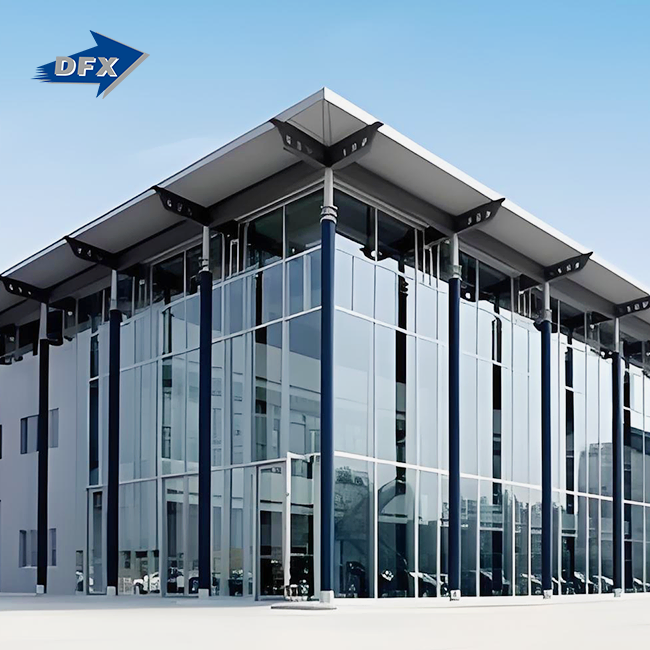
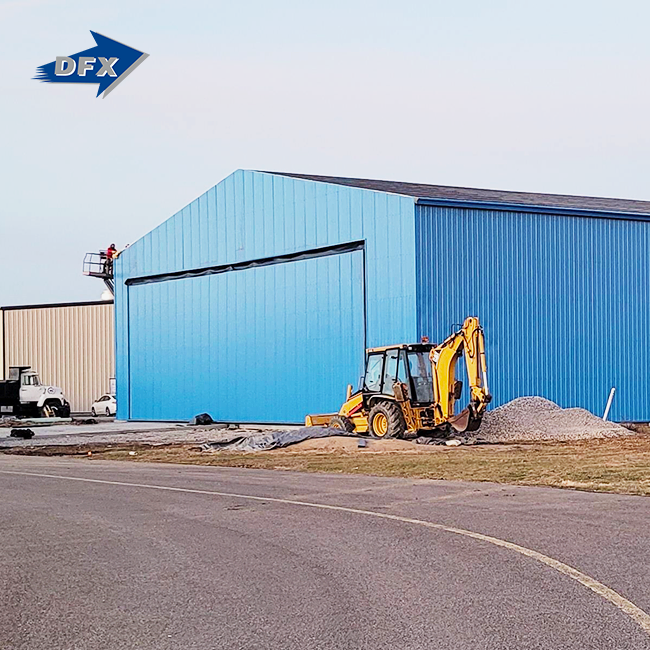
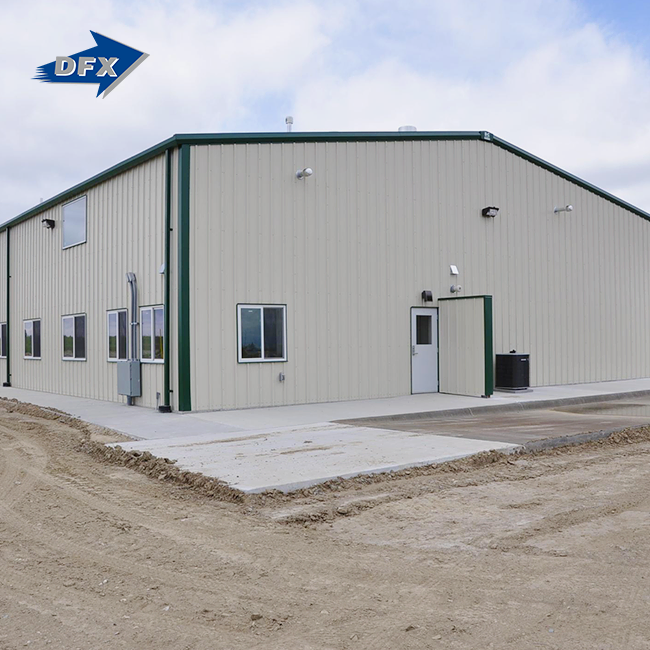
An Auto Repair Steel Garage is a specialized pre-engineered metal building system crafted explicitly for automotive maintenance and repair operations. Unlike conventional wood-framed structures, these garages utilize high-tensile structural steel frames—typically light H-section or square tube configurations with galvanized purlins—to deliver column-free interiors essential for vehicle maneuvering and equipment positioning. This compact steel-framed building with enclosed structure addresses critical industry challenges including fire hazards from welding operations, structural demands for overhead cranes, and degradation from automotive fluids exposure, making it an optimal choice for business owners seeking reliable, scalable workshop solutions.

Understanding Auto Repair Steel Garages: Features and Benefits
Building auto repair steel garages is a big step forward from using standard building materials. We have observed how these structures make workshops more efficient by virtue of their unique design and ability to be used in a variety of ways.
Superior Structural Integrity and Safety
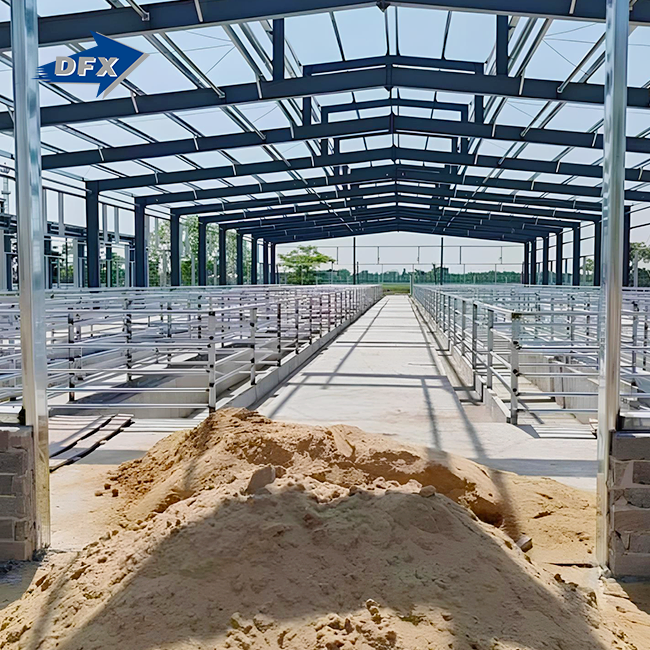
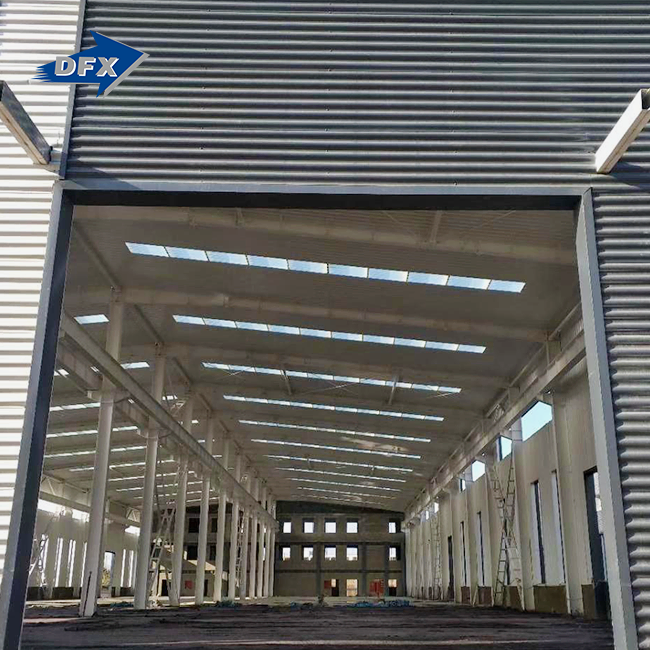
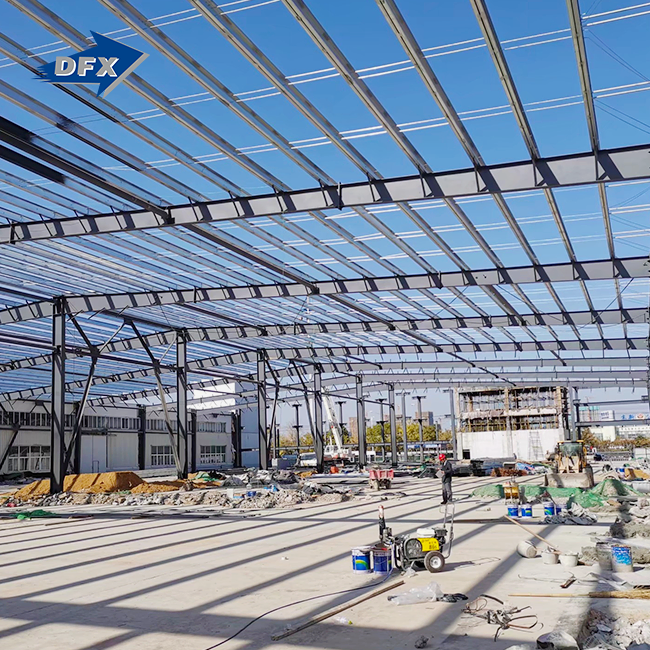
Steel-framed garages with light H-section or square tube steel frames can hold a lot of weight and still have clear spans of up to 100 feet without any interior columns. This open layout makes the most of the floor space for work bays, vehicle lifts, and diagnostic equipment. The stainless purlins and non-combustible steel materials get rid of the fire risks that come with welding, cutting, and painting, which are always a problem with wood-frame buildings. Certifications like ISO 9001, CE, COC, and PVOC show that a structure meets international safety standards. This gives purchasing managers faith in their investment.
Galvanized steel parts don't rust when they come into contact with hydraulic fluids, brake cleaners, and other automotive solvents that are common in repair shops. We've seen buildings keep their structural stability for decades with little maintenance. This means that they have lower lifecycle costs than wooden buildings that need to repair rotting parts on a regular basis.
Cost Efficiency and Rapid Deployment
The fact that the products are made in China allows for competitive pricing without sacrificing quality. This is especially helpful for building contractors and EPC firms that are in charge of handling multiple project sites. When compared to site-built options, short production cycles—usually 4 to 6 weeks from order confirmation—speed up project timelines. Standard design, fabrication, packing, and assembly plans speed up the buying process and make it easier for project managers to coordinate multiple tasks that need to be done at the same time.
Because these systems are flexible, they can be expanded in stages as a business grows. By taking down end walls and adding new frames, workshop owners can add bays or make the building longer without having to deal with the practical issues that come with traditional construction projects.
Versatile Applications Beyond Basic Repair
Even though these buildings were mainly made for parking cars, storing equipment, and maintenance sheds, they can be used for a variety of automotive business models. Integrated paint booth installations with pre-engineered ventilation cutouts are helpful for body shops. High-bay layouts with 20-foot eave heights are used in fleet maintenance operations to fit commercial trucks and buses. Quick-lube shops like the weather-resistant shelters that keep customers safe while they are being serviced. Because they are flexible, Auto Repair Steel Garages are appealing to manufacturing companies that want to start making parts for cars or to farming businesses that need to keep their fleets of equipment in good shape.
How to Build and Maintain a Steel Garage for Auto Repair Shops?
For implementation to go smoothly, it needs to be carefully planned so that it meets operational needs and follows all regulations. We help our clients make important choices that will affect how happy they are with their facilities in the long term.
Planning Phase Considerations
Workflow research is the first step in finding the best size. A typical auto repair shop with one bay needs at least 20x20 feet of space, but most professional shops need 30x40 feet or more to fit all of their vehicles and tools. For hydraulic lift installations that need separate reinforced concrete foundations from the building's structural footings, project engineers should plan for this. Pay close attention to the doors. Overhead doors that are 14x14 feet work well for passenger cars, but large businesses need doors that are 16 feet wide for trucks.
When assessing suppliers, procurement managers should make sure that the suppliers can provide design help for projects such as an auto repair steel garage. Reliable makers do structure estimates that take into account the snow loads, wind speeds, and seismic needs of your area. Installation drawings that show the patterns of anchor bolts and the order in which parts are put together save time and money on labor costs for contractors.
Material Selection and Customization
Picking out materials and making changes. For spans less than 60 feet, light H-section frames have the best strength-to-weight ratios. For smaller buildings, square tube steel is a cheaper option. Condensation can rust galvanized purlins, which happens a lot when warm exhaust hits cold roof panels. Galvalume coatings are often used on wall and roof cladding because they are more resistant to corrosion than standard galvanized finishes. This means that the coatings will last longer in places where exhaust fumes and chemical vapors are present.
The choice of insulation affects both the cost of energy and the comfort of workers. Depending on the temperature zone, vinyl-backed fiberglass insulation has an R-value of 10 to 19 and works as a vapor barrier to keep condensation from dripping onto customer cars. For lower heating costs in the winter, operations managers in northern climates should ask for thicker insulation.
Maintenance Protocols for Longevity
Regular maintenance keeps structures looking good and keeps them in good shape. Fasteners should be checked for looseness once a year, especially around door tracks and panel links that are likely to shake. Using a zinc-rich primer to fix scratched galvanized surfaces stops rust from starting. Keeping gutters clear allows water to drain properly and stops water from building up, which speeds up rust at the eave joints.
Seasonal upkeep is different in each area. Facilities in the snow belt should have their roofs inspected before winter to make sure they are ready for snow loads. Facilities near the coast should rinse off salt layers every three months to protect metal surfaces. With these simple rules, the service life of your building will be extended beyond 30 years, protecting your investment for decades of useful use.

Steel Garages vs. Alternatives: Making the Right Choice for Your Auto Business
Different Types of Auto Repair Steel Garages and How to Choose the Best One for Your Auto Business. The choice of material has a big impact on running costs, safety compliance, and the long-term value of an object. We give you objective comparisons that help you make smart decisions about procurement.
Performance Metrics Comparison
In many important ways, steel structures are better than alternatives made of wood or aluminum. In terms of fire resistance, the fact that steel doesn't burn meets strict insurance requirements for buildings that handle flammable materials. Compared to wood buildings, this often means lower premium costs by 15 to 25 percent. Comparing structural strengths shows that steel can support overhead cranes and engine hoists without extra support, while a wood frame needs expensive header beams and extra posts that take up floor room.
Over the life of a building, the maintenance needs change a lot. Wood structures need to be treated regularly to keep them safe from rot, termites, and water damage, and most of the time, major parts need to be replaced every 15 to 20 years. Aluminum frames don't rust, but they're not as rigid as steel frames, so they need to be put together more closely, which costs more in materials and work. When properly galvanized, auto repair steel garages don't need much upkeep besides regular checks, and they save more than 40% over the life of the building compared to wood options.
Environmental concerns are becoming more and more important in buying choices. Companies that care about sustainability like steel because it can be recycled, and buildings at the end of their useful lives have material return rates of 90% or more. Proper insulation saves energy and lowers operational carbon footprints, which helps companies meet their environmental goals and lowers their utility costs.
Supplier Selection Criteria
A project will be successful if it works with manufacturers who have a lot of experience in providing solutions, such as an auto repair steel garage. Teams in charge of buying things should check the credentials of suppliers, such as ISO certifications that show they have quality management systems and CE certifications that show they follow European standards. By looking at past project portfolios, you can see that you can handle projects with similar scale and difficulty. Strong warranties—usually 10 to 15 years for structural parts and 20 years or more for roof panels—show that the company behind the product is sure it will last.
Technical help is what sets great sellers apart from average ones. When a manufacturer offers in-house building design services, it makes project planning easier because there are no delays caused by third-party engineers. Installation support through thorough drawings and helpful technical hotlines lowers contractors' doubts, which speeds up the project finish while keeping quality standards high.
Purchasing and Procuring Steel Garages for Auto Repair Businesses
Getting auto-repair steel garages for auto repair shops and buying them. Strategic approaches to procurement maximize value while making sure that specifications are met and deliveries are made on time. We share what we've learned from successful projects with a wide range of customers.
Sourcing Strategies and Supplier Engagement
Strategies for sourcing and working with suppliers. The steel building industry is characterized by project-based procurement, where customers buy only what they need for a facility rather than placing regular orders. This buying pattern favors suppliers who offer full turnkey solutions that include design, fabrication, material supply, and installation help. Construction companies in charge of industrial warehouse projects like having a single point of accountability because it makes scheduling and quality control easier.
Pricing competitiveness varies a lot between suppliers because of how much they can make, where they get their materials, and how much their overhead costs are. Asking for specific quotes that list steel types, coating systems, fastener quality, and any extras that come with the product lets you make accurate comparisons. Volume savings are possible for jobs with more than one building or for EPC companies who set up preferred supplier relationships. Buyers have more negotiating power when they offer flexible shipping dates that let producers plan their production more efficiently.
Online purchasing platforms give you more choices for suppliers than just local markets, but it takes some work to check out their production skills. Looking at plant certifications, lists of production tools, and customer examples can help you figure out how reliable a supplier is. Video tours of factories are becoming more and more common in addition to site visits. This lets purchasing teams check claimed capacities without having to pay for expensive international travel.
Financial Considerations and Contract Structures
Thoughts on money and contract structures. When making a budget, you should include all of the costs that go into installing the building, such as preparing the base, putting up the building, wiring, and finishing the inside. Steel building packages usually make up 40 to 50 percent of the total cost of a project. The rest of the budget goes to site work and connecting utilities. Knowing how these costs are distributed will keep you from having budget shocks as you work on the project.
There are different financing choices to fit different cases where capital is needed. Companies that have cash on hand and want to capitalize assets for depreciation benefits should buy them outright. Leasing plans help businesses keep their working cash and keep their monthly costs fixed. Small businesses can better handle their cash flow when they pay their suppliers in installments based on project goals. For example, a deposit is due when the order is placed, a progress payment is due when the goods are shipped, and the final payment is due when the goods are delivered.
Delivery times depend on how complicated the job is and how long it takes the seller to make the parts. Standard setups with short production processes ship in 4 to 6 weeks, but 8 to 10 weeks for unique designs that need to be reviewed by engineers. During the quote process, procurement managers should let suppliers know when they need to deliver the goods. This way, suppliers can agree to realistic schedules, and the project won't be held up.
Conclusion
In conclusion, when compared to standard building options, investing in an auto repair steel garage has clear benefits in terms of durability, operating efficiency, and lifecycle economics. An auto repair steel garage designed with steel structures made with galvanized purlins, light H-section or square tube frames, and approved quality systems provides demanding car service areas with the structural integrity, fire resistance, and chemical longevity they need. Strategic procurement that looks at the skills of suppliers, full technical support, and total cost analysis makes sure that projects are successful and help the business grow. Facilities that support operational excellence for decades are the result of careful design that takes into account things like improving workflow, saving energy, and planning for future growth.
FAQ
1. How long will a steel garage last under heavy automotive repair usage?
Auto repair steel garages that are well taken care of usually last longer than 30 to 40 years in automotive settings. The Auto Repair Steel Garage frame is much more resistant to rust from engine oil and exhaust fumes than wood structures, which are more likely to rot. Galvalume roof and wall panels usually come with 20–25-year promises against holes, and they last for 30 years or more in real life. Regular care, like checking the fasteners once a year and fixing up areas that have been scratched, keeps the structure strong for long periods of time.
2. Can steel garages be customized for specific automotive workflows?
There are many customization choices that can be used to meet specific operating needs. Manufacturers change the size of buildings, where doors go, how windows are set up, and the height of the ceilings to fit specific work patterns. Changes to the structure make it easier to install an overhead crane for engine removal work. The electrical plans include 220V lines for air compressors and welding tools. Installations of paint booths include ventilation holes that have already been designed and electricity requirements that are safe from explosions. During the design phase, experienced suppliers work together to make sure that the final structures perfectly meet the needs of operations.
3. What fire safety advantages do steel garages offer over wood structures?
Compared to wood construction, auto repair steel garage construction is much safer because it doesn't catch fire. The frame of the building won't catch fire or add to the fire, which will keep the incident under control and limit the damage to property. Because these buildings are safer, insurance companies offer lower rates, usually 15 to 25 percent less than for wood buildings. Auto Repair Steel Garages are easier to meet fire code requirements for buildings that store flammable materials like paint, solvents, and fuel, which makes the permit approval process easier.
4. How effective is insulation in controlling energy costs for heated workshops?
When properly installed, insulation cuts heating and cooling costs in auto shops by a huge amount. When R-19 insulation is added to the walls and roof, energy use can be cut by 40 to 50 percent compared to buildings that aren't insulated. Insulation systems with vinyl backing stop water from forming, which damages finishes inside and drips onto cars. Investing in good insulation usually pays for itself within three to five years through lower utility bills, making it a smart financial move in all climates.
Partner with DFX for Your Next Steel Garage Project
Work with DFX on your next Auto Repair Steel Garage project. Adding a professionally designed Auto Repair Steel Garage from DFX to your auto repair shop will give your business the sturdiness, efficiency, and low cost that it needs. As a specialist Auto Repair Steel Garage maker with more than 12 years of experience in structural steel forging, DFX has an enclosed production space of 40,000 square meters and more than 200 skilled workers using cutting-edge manufacturing equipment. Our CE-certified products and ISO-certified quality management systems make sure that they meet international standards. Our full range of services, which includes design, fabrication, and installation support, make the whole process of working on your project easier, from the first idea to the finished product. Short production processes cut down on project timelines, which means your plant can start up faster. Get in touch with our knowledgeable staff at jason@bigdirector.com to talk about unique solutions made to fit your needs, get a full quote, or find out more about how DFX Auto Repair Steel Garage systems can help your business grow.
References
1. Metal Building Manufacturers Association. "Design Guide for Pre-Engineered Metal Building Systems." 2021 Edition.
2. American Institute of Steel Construction. "Steel Construction Manual: Design Standards for Structural Steel Buildings." 15th Edition, 2022.
3. National Fire Protection Association. "NFPA 30: Flammable and Combustible Liquids Code - Requirements for Automotive Repair Garages." 2021.
4. U.S. Department of Energy. "Energy Efficiency Design Guidelines for Metal Building Systems." Building Technologies Office, 2020.
5. Construction Specifications Institute. "MasterFormat Division 13: Special Construction - Pre-Engineered Metal Buildings." 2023 Edition.
6. International Code Council. "International Building Code: Chapter 3 - Use and Occupancy Classification for Automotive Service Facilities." 2021 Edition.
Learn about our latest products and discounts through SMS or email