- English
- French
- German
- Portuguese
- Spanish
- Russian
- Japanese
- Korean
- Arabic
- Greek
- German
- Turkish
- Italian
- Danish
- Romanian
- Indonesian
- Czech
- Afrikaans
- Swedish
- Polish
- Basque
- Catalan
- Esperanto
- Hindi
- Lao
- Albanian
- Amharic
- Armenian
- Azerbaijani
- Belarusian
- Bengali
- Bosnian
- Bulgarian
- Cebuano
- Chichewa
- Corsican
- Croatian
- Dutch
- Estonian
- Filipino
- Finnish
- Frisian
- Galician
- Georgian
- Gujarati
- Haitian
- Hausa
- Hawaiian
- Hebrew
- Hmong
- Hungarian
- Icelandic
- Igbo
- Javanese
- Kannada
- Kazakh
- Khmer
- Kurdish
- Kyrgyz
- Latin
- Latvian
- Lithuanian
- Luxembou..
- Macedonian
- Malagasy
- Malay
- Malayalam
- Maltese
- Maori
- Marathi
- Mongolian
- Burmese
- Nepali
- Norwegian
- Pashto
- Persian
- Punjabi
- Serbian
- Sesotho
- Sinhala
- Slovak
- Slovenian
- Somali
- Samoan
- Scots Gaelic
- Shona
- Sindhi
- Sundanese
- Swahili
- Tajik
- Tamil
- Telugu
- Thai
- Ukrainian
- Urdu
- Uzbek
- Vietnamese
- Welsh
- Xhosa
- Yiddish
- Yoruba
- Zulu
What Drives Steel Structure Equipment Shed Cost for Mining Operations?
The price of a steel structure equipment shed changes based on the length, weight, type of foundation, corrosion protection, crane loads, and distance from the factory to your site. There were dozens of mining and oil and gas projects in Africa, South America, and Southeast Asia that I looked at to write this guide. My simple goal is to help site managers and maintenance directors make a budget that will last until the first supplier quote comes in, not one that falls apart after that.

Quick-Reference Cost Summary
Before we get into the specifics, let's look at what changes the price of a steel structure equipment shed.
- Steel weight goes up quickly with span and height. For example, rafters and columns that support a 30-meter clear span are heavier than those that support a 15-meter span. This extra weight adds cost at every step, from making the steel to transporting it.
- According to project data I've looked at from sites in landlocked African regions, freight, fuel, and labor costs often add 15% to 30% to the total cost of a project when the site is far away.
- In humid or coastal mining areas, galvanized coatings can cut the number of times they need to be reapplied by half.
- Foundation conditions like wet or soft ground can change the cost of the foundation by 20% or more after the geotechnical report is done.
- When you integrate a crane, the column spacing, connection design, and fatigue details change. This has an impact on the steel weight long before the price of the crane itself is set.
The scene is set by these numbers. Let us now take a closer look at each driver, starting with how to describe the building itself.
How Should Mining Companies Define a Steel Structure Equipment Shed?
What Is a Steel Structure Equipment Shed?
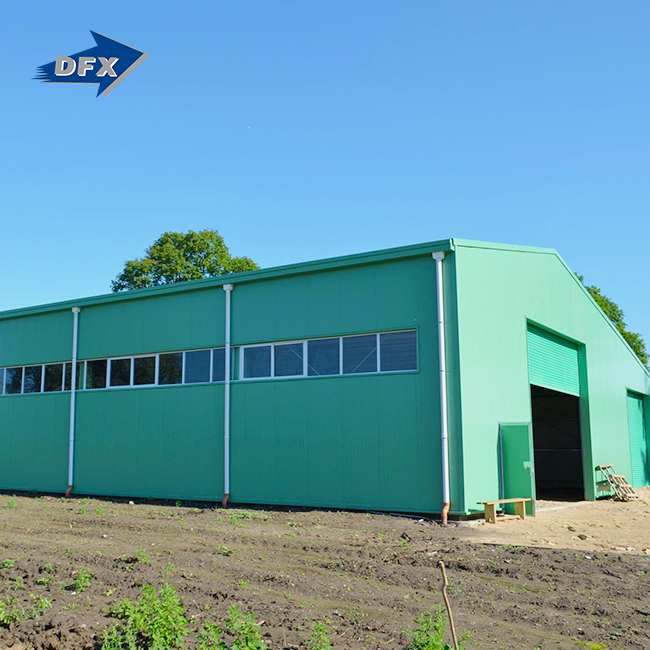
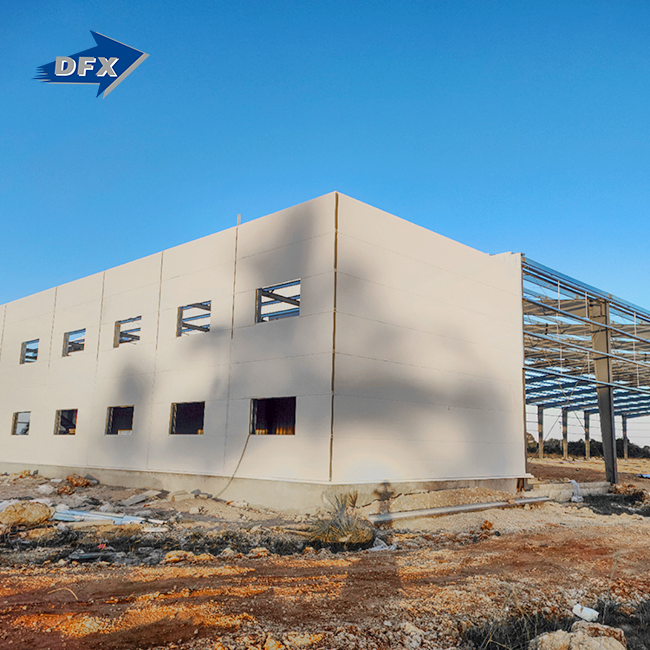
A steel structure equipment shed is a pre-engineered building used to store, fix, maintain, or protect heavy equipment like excavators, haul trucks, loaders, drills, and conveyors. It usually has a steel frame, cladding on the roof and walls, doors big enough for equipment to fit through, lighting, airflow, and sometimes an overhead crane. This is not the same as a temporary fabric shelter or a simple open-sided canopy, which don't offer much protection from the weather and don't guarantee a certain length of structural service life.
When estimating the steel equipment shed cost for mining operations, there have been times when site managers got a modular steel equipment shed kit and a fully engineered building mixed up. Even though the kit might ship faster, it doesn't usually come with the wind and snow load certifications that a permanent mining site needs. Making this difference clear from the start keeps budget expectations and actual building needs from not matching up.
What Is Included in the Project Cost?
Lack of a clear breakdown of costs leads to disagreements later on in the project. In most quotes, engineering, structural steel, the building envelope, the foundation, systems, logistics, installation, and documentation are all broken down into separate line items.
| Cost category | Typical inclusions |
|---|---|
| Engineering | Site survey, structural calculations, drawings, permits |
| Steel structure | Columns, rafters, bracing, purlins, connections |
| Building envelope | Roof sheets, wall panels, insulation, gutters, doors |
| Foundation | Excavation, concrete, reinforcement, anchor bolts |
| Systems | Cranes, lighting, ventilation, fire protection, drainage |
| Logistics | Packaging, freight, customs, inland transport |
| Installation | Erection crew, lifting equipment, supervision, commissioning |
| Documentation | Inspection records, certificates, manuals, as-built drawings |
What Is Not Included Unless Specified?
For a steel structure equipment shed, a lot of mining procurement teams think that a quote from a supplier covers everything on the job site. It doesn't happen very often. Confirming exclusions early on keeps construction costs from going over budget.
- Preparing the land and digging out a lot of rock are often not included in the base quote. This is especially true for new mining sites with rough ground or buried rock formations that need to be blasted or graded heavily before foundation work can begin.
- Prices for utility connections, transformer stations, and power distribution to the shed are usually given separately because the electrical scope depends on how easy it is to connect to the local grid and what voltage levels are needed at the site.
- Fire-water tanks, external process pipes, and specialized mining maintenance equipment are often left out because they are not part of the supplier's main area of expertise or engineering.
- Almost never are local permits, import duties, and value-added taxes included in the price of a base steel package. These costs depend on the country.
Which Steel Grades Are Best for Harsh Mining Environments? Structural Steel Grades for Equipment Sheds
When considering steel equipment shed cost for mining operations, how strong, easy to weld, and expensive steel is depends on the grade you choose. In Europe, projects often ask for EN 10025 grades like S275 or S355, while in the US, designs often call for ASTM A36 or ASTM A572 Grade 50. The American Institute of Steel Construction (AISC 360, 2022) says that the governing design code sets the limits for stress that can be used, the details of connections, and the materials that must be tested. Cold-weather mining operations in the Andes or the high plateau in southern Africa should ask for Charpy-tested grades to make sure the steel doesn't break easily at low temperatures.
Galvanized Steel Versus Painted Steel
People in charge of maintenance often ask me if the extra cost of galvanizing is worth it. That depends on how much corrosion you're exposed to and how easy it is for you to get touch-up work done.
| Factor | Hot-dip galvanized steel | Painted or coated steel |
|---|---|---|
| Corrosion resistance | Strong sacrificial protection | Depends on surface prep and coating system |
| Initial cost | Often 10% to 20% higher | Often lower upfront |
| Field repair | Needs zinc-rich repair compound | Needs coating repair and color match |
| Remote maintenance | Reduces recoating frequency | May need scheduled inspections |
| Best use | Exposed, corrosive, hard-to-reach areas | Controlled environments with color specs |
The minimum zinc coating thickness for structural steel is set by ASTM A123/A123M (2017). In markets that follow European standards, ISO 1461 is used. I think that galvanizing should be the default for mines in Southeast Asian or Caribbean ports, not the upgrade.
How Steel Grade Influences Cost and Risk
For a steel structure equipment shed, higher-yield steel grades make members lighter, which saves money on freight costs for projects that are far away. But being available is important. In some parts of Africa or Oceania, special mill orders may be needed for a grade that is standard in Europe. This can add weeks to the lead time. The final price of steel depends on things like welding consumables, mill certificates, and how well members hold up under heavy loads from cranes. That's why I always ask suppliers to confirm that a grade is available in my area before locking in a price.
How Do Equipment Dimensions Affect Structural Span Requirements?
Steel Structure Equipment Shed Dimensions
The most common and expensive mistake I see when buying a mining shed is getting the equipment's size wrong. Make a list of the clear internal length, width, and height, as well as the door opening size, turning radius, maintenance bay clearances, and crane hook height, before you ask for a quote. Also, since haul trucks and excavators tend to get bigger with each generation, I suggest adding at least 10% more clearance for future models.
Single-Span Versus Multi-Span Steel Sheds
The cost and ease of use change when you choose between a single clear span and a multi-span layout. The two most common choices are shown below in a table.
| Design option | Advantages | Cost or planning considerations |
|---|---|---|
| Single span | Open movement, simple equipment access | Heavier rafters, columns, and foundations |
| Multi-span | Efficient material use for wide buildings | Interior columns may block cranes or vehicles |
| Modular expansion | Supports phased capacity growth | Needs planned expansion joints and foundation tie-ins |
Based on data I've looked at from several projects, a single-span building with a 25-meter clearance costs 15% to 25% more per square meter than a multi-span design with the same floor area. When crane coverage or truck turning radius needs clear floor space, the trade-off is worth it.
Equipment Layout and Future Capacity
For steel equipment shed cost for mining operations, a quick look over the layout can save a lot of time and money in the long run. Before you sign off on the final floor plan, you should go over the current and planned equipment envelopes, the maintenance workflow from entry to exit, and how to separate the routes for people and vehicles.
- The shed should be designed to hold the biggest machine that will ever be used, not just the fleet that is on site right now. This is because adding bigger machines later is much more expensive than planning for them now.
- The flow of maintenance workers from entry to exit affects where doors go, how much space there is between bays, and how well cranes are used. If the flow isn't planned well, it can add extra minutes to every repair job that is done in the building.
- It is best to plan ahead for ventilation, lighting, fire systems, and parts storage, as adding these systems after the steel is up is more likely to cost more than adding them from the beginning.
What Foundation Conditions Should Mining Projects Evaluate?
Soil and Site Investigation Requirements
For a steel structure equipment shed, the cost of the foundation changes more than almost any other item on the bill, and it all depends on how the ground is. The final plan takes into account the slope's stability, the groundwater level, the frost depth, the risk of earthquakes, and the soil's ability to hold weight. Get a geotechnical report before you price the foundation, not after. That's what I always tell my clients. A quote based on what you think the soil is like is just a guess, not a budget.
Common Foundation Solutions
The type of foundation used depends on the load, the soil, and the way things are done in the area. When the ground is stable, reinforced concrete pad footings work well. When the ground is soft or expands, pile-supported foundations work better. Thick slabs work well for heavy tracked equipment, and raft foundations spread the weight over several layers of weak soil. According to the International Building Code (International Code Council, 2021), a licensed local engineer has to check that the foundation design meets the requirements for earthquakes and loads.
Foundation Cost Risks and Mitigation
Foundation costs are higher than planned because of a number of mistakes that keep happening. The biggest mistake I've seen mining projects in different parts of the world make is pricing foundations before getting soil data.
- Not estimating how much rock needs to be removed or how much water needs to be removed can cause weeks of delays and extra costs for renting equipment, especially in areas with high groundwater that are common in coastal mining regions.
- When anchor bolts are placed incorrectly, they have to be fixed in the field, which costs a lot of money and can delay the whole steel installation schedule by several days.
- If the slab isn't thick enough for tracked equipment, it cracks within the first year of use, which means repairs have to be made during maintenance bay hours.
How Does Corrosion Protection Extend Steel Building Service Life?
Mining Corrosion Exposure Categories
Mining sites are eroded from more than one angle at once. In a steel structure equipment shed, steel may be impacted by many factors and in diverse ways, such as excessive humidity, salty air from the ocean, acidic mine drainage, heavy dust, and water used to clean equipment. I've visited somewhere where dust accumulated and held water on the roof, causing corrosion that wasn't discovered until two years later on a normal inspection.
Coating and Protection Systems
ISO 12944 (2017) rates air corrosivity from C1 (extremely low) to CX (extreme). Most mining sites are C4 or C5 and need multi-coat systems. For the finest protection in the most hostile regions, you may choose hot-dip galvanising, zinc-rich primers with epoxy and polyurethane top coats, and duplex systems that combine galvanising and paint.
Inspection and Maintenance Plan
Regular inspections may help put in place a plan to prevent corrosion before it harms the building. I believe the roof and wall coatings, water traps, welded and bolted connections, and galvanised areas damaged during transit or assembly should be inspected at least twice a year in exposed mining locations.
What Roofing Materials Resist Mining Dust and Harsh Weather?
Roof and Wall Cladding Options
For steel equipment shed cost for mining operations, the type of roof you choose affects both the initial cost and the upkeep needed over time. Painted profiled steel sheet is cheap, but it can break down more quickly if it is exposed to chemicals or aggressive dust. Insulated sandwich panels help keep heat in and out and are easy to put up, which is important on construction sites with limited time.
| Material | Strengths | Limitations |
|---|---|---|
| Painted profiled steel sheet | Economical, widely available | Coating degrades in aggressive exposure |
| Galvanized steel sheet | Good base corrosion resistance | May need extra coating in severe zones |
| Aluminum sheet | Lightweight, corrosion resistant | Lower stiffness, galvanic compatibility concerns |
| Insulated sandwich panel | Thermal control, fast install | Needs impact, fire, joint detailing |
Insulated Versus Non-Insulated Equipment Sheds
When choosing insulation for a steel structure equipment shed, you should think about how comfortable the workers will be, how to stop condensation, and whether you are storing electronics or lubricants that are sensitive to temperature. In mild climates, a shed that isn't insulated is fine for basic weather protection. But in humid tropical areas like Southeast Asia and the Caribbean, where the metal roof isn't insulated, condensation can form inside and drip directly onto equipment overnight.
Roofing Design for Dust, Snow, Wind, and Rain
The slope of the roof, its ability to drain water, and its ability to resist wind uplift must all match local weather data, not general assumptions. At open-pit mines, dust that stays on low-slope roofs is a real problem. Over time, the ore dust adds unplanned structural load that should be taken into account from the beginning of the design process.
How Can Crane Systems Be Integrated Into Mining Facilities?
Crane Types for Equipment Maintenance
Different types of maintenance can be done with overhead bridge cranes, gantry cranes, and jib cranes. Most routine equipment lifts can be done with a single-girder bridge crane. However, heavier maintenance bays for haul trucks usually need double-girder systems that are rated for higher capacity and longer service life.
Structural and Layout Requirements
Adding a crane to a structure changes more than just the crane itself. When the main frame is being calculated, the crane's runway beam spacing, wheel loads, and fatigue details at connections must also be worked out. Adding the crane as an extra after the building is already designed will almost always require expensive rework.
Crane Compliance and Verification
Compliance with crane safety rules varies by region, but the basic ideas stay the same. In the US, OSHA 1910.179 (U.S. Occupational Safety and Health Administration, 2023) sets the rules for overhead and gantry cranes. In Europe, EN 15011 sets the rules for bridge and gantry cranes. I always tell my clients the same thing: make sure that the building standards and the crane standards are in sync with each other. This is because load testing and inspection records only make sense when both sets of standards are the same.
What Logistics and Installation Factors Affect Remote Mining Projects?
Transport Planning for Steel Shed Components
Transport problems for a steel structure equipment shed really happen at remote mining sites that don't happen at flat-ground construction sites. Weight limits on the roads, bridge capacity, and seasonal access windows can all cause shipments to be late by weeks if they are not planned ahead of time. When I worked for a copper mining company in Zambia, their access road would flood for six weeks during the rainy season. We had to plan when to deliver steel around that time every year.
Modular and Prefabricated Delivery Options
Modular delivery can cut down on work that needs to be done on-site, but it adds to the cost of packaging and connections. Fully assembled frames ship more quickly and are easier to put together, while containerized sets of parts keep steel safe during long sea trips to mining operations on islands or along the coasts of Oceania and the Caribbean.
Logistics Cost Controls
Costs often go over budget on mining steel projects because the freight quote isn't clear. Quotes should make it clear where the goods will be delivered, what Incoterms will be used, and what will happen if there are delays at customs.
- If you want to know if the freight ends at a port, a regional hub, or right at the mine gate, you need to be clear about the delivery point and transport assumptions. This is because inland transport in remote areas can be more expensive than ocean freight.
- Incoterms like EXW, FOB, CIF, or DAP spell out who is responsible for risk and cost at each stage. Misunderstanding this one term has led to real budget disputes on projects I've looked at.
- During long trips, packaging standards and moisture protection are most important. For example, steel that sits in a damp shipping container for six weeks can start to rust on the outside before it even gets to your site.
Site Productivity and Schedule Drivers
The rate of installation depends on how skilled the crew is, how available the crane is, and when the weather is good. Putting together big frame sections on the ground before lifting them can cut the time it takes to put up by 20% to 30% compared to bolting each piece separately, according to project timelines I've kept track of at several sites.
Which Maintenance Practices Reduce Industrial Facility Downtime?
Preventive Maintenance Checklist
For a steel structure equipment shed, routine maintenance preserves the value of the facility and keeps the equipment bays available for use year-round. I'd propose monitoring structural connections, crane runway beams, roof sealants, and ventilation filters quarterly, instead of waiting until damage occurs.
Mining-Specific Failure Risks
For steel equipment shed cost for mining operations, the most common ignored danger I encounter is rust coated in dust. Abrasive ore particles accumulate on the roofs and trap water beneath, disguising corrosion until a breakdown in the coating can be noticed from within the structure. Frame damage on busy mining sites most often occurs from moisture within insulated buildings, frame damage from moving equipment, and blocked drainage around entrances.
Lifecycle Cost Comparison
Total cost of ownership often favors steel over concrete for mining equipment buildings, mostly because it can be built faster and changed more easily in the future.
| Factor | Steel equipment shed | Concrete shed |
|---|---|---|
| Initial structure | Faster, lighter | Higher formwork and curing demand |
| Construction time | Usually shorter | Often longer due to concrete works |
| Modification | Easier to extend or alter | More disruptive and costly |
| Corrosion exposure | Needs coating management | Needs reinforcement protection |
| Remote-site suitability | Efficient with planned transport | May need more local materials |
What Should Mining Companies Include in a Supplier Contract?
Supplier Capability and Evaluation
Selecting the proper steel structure equipment shed manufacturer is as crucial as selecting the right design. “My judgement is based on their past performance on mining projects, their engineering capability, how they source the steel and mill certificates, their welding skill, and their ability to coat or galvanise. Qingdao Director Steel Structure Co., Ltd. is one firm that has been created on this basis. The firm was founded in 2011 and has a manufacturing area of 40,000 square meters. There are six automated welded H-beam lines, around 200 skilled personnel, and an annual capacity close to 20,000 tonnes of welded beams and columns. In our manufacturing, we employ ISO quality management systems, and our goods have CE certification, confirming their compliance with international requirements.
Technical and Commercial Contract Terms
The authorised designs, design codes, steel grades, and connection tolerances should be placed into a contract prior to the commencement of the fabrication. It should also include the size of the crane, extent of the testing, payment timeline, delivery conditions and warranty duration. This way everyone may compare the written contract with the final edifice.
Quality Documentation and Acceptance Criteria
Make sure you have the material test certifications, welding method requirements, dimensional inspection reports, and coating or galvanising certificates before you accept delivery. These documents will safeguard your budget if later there is a dispute regarding the quality of the materials or how well the construction operates.
Procurement Decision Checklist
Before you sign a contract, ensure sure the following items are in place and in writing.
- The foundation cost is based on real soil conditions, not assumptions established before ground research, with a site survey and geotechnical information in hand.
- The provider has a good idea of the sizes of the equipment and how it will develop in the future, so they can build the doors and clearances without guessing how large your fleet will become.
- The assumptions about logistics specify a particular place of delivery and an Incoterm. This shows who pays for delays in goods, customs and inland transit.
Use-Case Scenarios
There are three categories of purchasers who commonly make this transaction, and they have varied goals. A firm manufacturing original equipment normally requires a regulated maintenance and display facility with clear crane capacity and specs that can be reused again and again. A distributor of mining equipment may generally choose a modular steel equipment shed that can be relocated or expanded as inventory requirements alter. What a mine owner or plant operator often considers are heavy-duty foundations, corrosion protection, and the expense of long-term maintenance throughout the whole service life of the facility.
Conclusion
The price of a steel structure equipment shed depends on a few real factors, such as the size of the building, the clear span, the crane loads, the condition of the foundation, the roof's corrosion exposure, the distance it has to be transported, and how hard it is to set up. You shouldn't guess any of these. When mining companies get site-specific data first and then ask for itemized quotes, they get accurate budgets.
When you get information from engineers, geologists, and logistics people before you call the first supplier, you can keep your project on budget. Those that go over budget almost always didn't do that step.
FAQ
Q1: What is a steel structure equipment shed?
A steel structure equipment shed is a carefully planned building used to keep mining and industrial machinery and tools safe and in good shape. It usually has foundations, doors, ventilation, lighting, steel frames, cladding, and optional crane systems that are built to local building codes.
Q2: How much does a steel equipment storage shed cost?
The price is based on the size, span, grade of steel, condition of the foundation, cladding, insulation, corrosion protection, cranes, transport, and installation. A real quote needs to include the location of the site, the size and weight of the equipment, as well as a clear description of what is being supplied.
Q3: Is steel better than concrete for an equipment storage shed?
Steel is usually easier to work with, move, put up, and change later. For the best choice, you should look at both the initial cost and the lifecycle maintenance cost of concrete. This is because different types of concrete may meet different fire, impact, or local material requirements.
Q4: What foundation does a steel equipment shed need?
For the base, you can use pads, strip footings, a raft, piles, or a slab that has been reinforced. It depends on how much weight the soil can hold, the level of the groundwater, the depth of the frost, the frequency of earthquakes, and the loads of any cranes or other equipment on the floor.
Get a Quote Built Around Your Site Conditions
My name is Leon, and every week I work with mining and construction teams that need a quote for a steel structure equipment shed that fits their needs in terms of the ground and the weight of their equipment. At DFX, we put buyers in touch with a reliable steel structure equipment shed supplier with experience making mining-grade structures. This way, your budget is based on real site data instead of generic prices. Email jason@bigdirector.com with the size of your equipment, where the job site is, and how much of a crane you need, and we'll help you make a specification that's worth quoting.
References
1. American Institute of Steel Construction. ANSI/AISC 360-22: Specification for Structural Steel Buildings (2022). Referenced in the steel grade and design code discussion.
2. International Organization for Standardization. ISO 12944-2:2017: Paints and Varnishes — Corrosion Protection of Steel Structures by Protective Paint Systems — Part 2: Classification of Environments (2017). Referenced in the corrosion protection section.
3. ASTM International. ASTM A123/A123M-17: Standard Specification for Zinc (Hot-Dip Galvanized) Coatings on Iron and Steel Products (2017). Referenced in the galvanized versus painted steel comparison.
4. U.S. Occupational Safety and Health Administration. 29 CFR 1910.179 — Overhead and Gantry Cranes (2023). Referenced in the crane compliance section.
5. International Code Council. 2021 International Building Code (2021). Referenced in the foundation and design code section.
6. European Committee for Standardization. EN 15011:2020 — Cranes: Bridge and Gantry Cranes (2020). Referenced in the crane compliance section.
About the Author
Maggie is a content contributor at DFX, focusing on steel structure buildings and industrial project applications. Her articles cover steel structure equipment sheds, mining facilities, structural design considerations, corrosion protection, fabrication, and project procurement. She aims to help project owners, contractors, and procurement teams understand key specifications and make better-informed decisions when planning steel building projects.
Learn about our latest products and discounts through SMS or email