- English
- French
- German
- Portuguese
- Spanish
- Russian
- Japanese
- Korean
- Arabic
- Greek
- German
- Turkish
- Italian
- Danish
- Romanian
- Indonesian
- Czech
- Afrikaans
- Swedish
- Polish
- Basque
- Catalan
- Esperanto
- Hindi
- Lao
- Albanian
- Amharic
- Armenian
- Azerbaijani
- Belarusian
- Bengali
- Bosnian
- Bulgarian
- Cebuano
- Chichewa
- Corsican
- Croatian
- Dutch
- Estonian
- Filipino
- Finnish
- Frisian
- Galician
- Georgian
- Gujarati
- Haitian
- Hausa
- Hawaiian
- Hebrew
- Hmong
- Hungarian
- Icelandic
- Igbo
- Javanese
- Kannada
- Kazakh
- Khmer
- Kurdish
- Kyrgyz
- Latin
- Latvian
- Lithuanian
- Luxembou..
- Macedonian
- Malagasy
- Malay
- Malayalam
- Maltese
- Maori
- Marathi
- Mongolian
- Burmese
- Nepali
- Norwegian
- Pashto
- Persian
- Punjabi
- Serbian
- Sesotho
- Sinhala
- Slovak
- Slovenian
- Somali
- Samoan
- Scots Gaelic
- Shona
- Sindhi
- Sundanese
- Swahili
- Tajik
- Tamil
- Telugu
- Thai
- Ukrainian
- Urdu
- Uzbek
- Vietnamese
- Welsh
- Xhosa
- Yiddish
- Yoruba
- Zulu
Steel-Framed Buildings for Sports Performance Facility Design
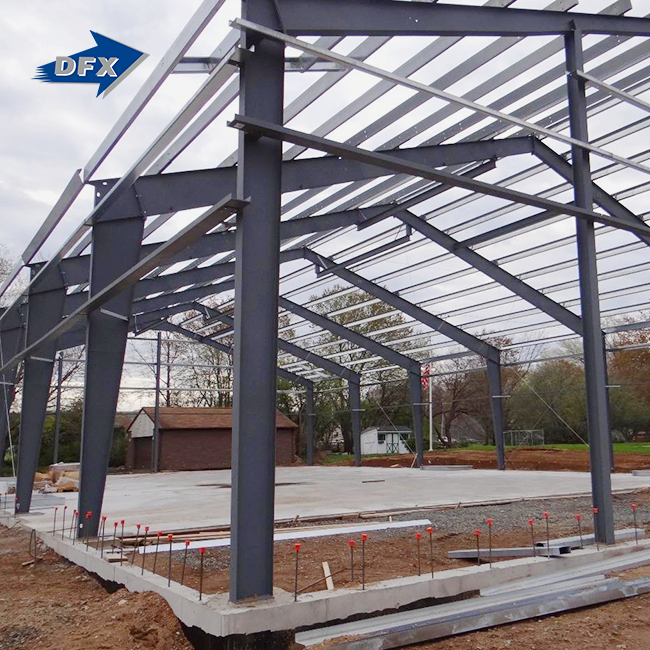
Pre-engineered metal building solutions in steel-framed sports performance facility design meet sporting settings' demanding demands. High-tensile portal frames or beam-column assemblies enable spacious, column-free interiors for athletic activity in steel sports facilities. These structures address industrial issues such as speedy project delivery, extreme load-bearing capability for suspended equipment, and climate flexibility. These structures, mostly made in China, exceed international compliance requirements for commercial and competitive sports facilities with ISO9004, CE, COC, and PVOC certifications for concept design, fabrication, surface treatment, and installation assistance.

Understanding Steel Sports Facilities and Their Advantages
Modern sports facilities need solutions that strike a balance between how well they work structurally and how well they use money. Steel frames for athletic buildings last longer and can be used in more ways than traditional building materials. This is why procurement managers in charge of big projects choose steel frames for their buildings.
Superior Structural Performance and Longevity
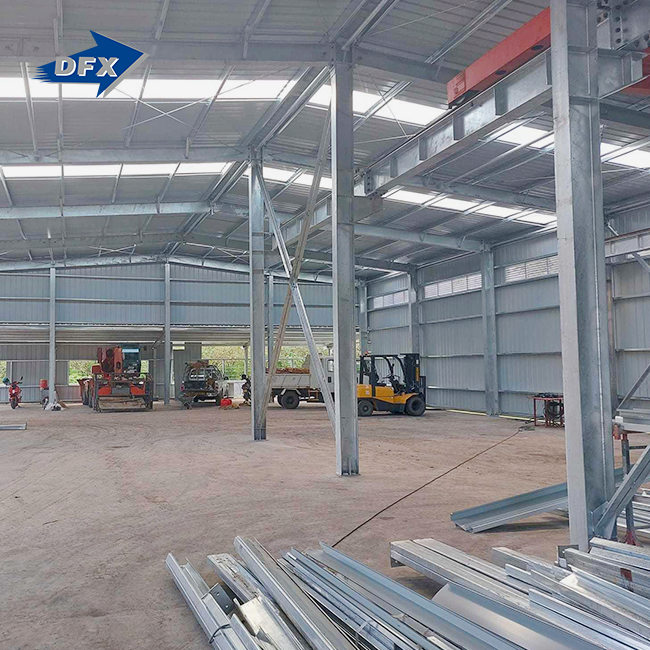
Steel naturally has a high strength-to-weight ratio, which lets architects make clear spans longer than 40 meters without using middle columns. This open-space commercial steel building design with large openings on the sides creates training areas that aren't interrupted, which is important for basketball courts, indoor soccer fields, and multi-use athletic halls. The reinforced roof system can hold heavy mechanical loads like HVAC units, lighting rigs, and scoreboard installations. It also keeps its shape when snow and wind are blowing. Unlike wooden buildings that can be damaged by water or concrete buildings that can crack, steel portal frames are very strong and don't break down much over decades of use.
Cost Efficiency and Return on Investment
Professionals in business-to-business buying know that the original cost of materials is only one part of the total cost of ownership. When you build a steel sports facility, you can save money because the construction process goes 30 to 40 percent faster than with regular methods. This shorter schedule means that commercial sports centers and training schools can start making money sooner. Maintenance costs stay much cheaper over the life of the building because steel doesn't need to be treated for pests and doesn't break down biologically at all. When combined with modern insulation systems, energy performance is also better than that of masonry alternatives. This lowers the costs of maintaining a comfortable temperature in training areas that need it.
Environmental Sustainability and Certification Compliance
Sustainability criteria are influencing equipment purchases across all sectors. RECYCLABLE steel building systems meet green building criteria. Structural steel retains its strength after infinite recycling procedures. Certified facilities follow ISO quality management criteria for production. This ensures material criteria are fulfilled and reduces waste. Steel pieces require less foundation since they're light. This reduces concrete consumption and site preparation carbon emissions. These environmental benefits aid with LEED certification and city green construction incentives that boost project success.
Key Design Principles for Steel-Framed Sports Performance Facilities
A good sports facility plan must find a balance between how the facility can be used for sports and how it can be built structurally. When working with architects and engineers, procurement teams must think about sport-specific needs that affect how the frame is configured, how much space there is inside, and how the support systems are integrated.
Sport-Specific Structural Requirements
Building infrastructure is put to different tests by different types of sports. For timing systems to work correctly, indoor track facilities need floors that don't shake too much. This means that frame spacing and base design have to be carefully thought out. Gymnastics gyms need strong roof attachment points that can handle dynamic loads from hanging equipment. This means that the beams need to be stronger than those used in a normal building. Swimming pools are toxic places because of the chlorine, so all steel sports facility surfaces need special coatings to protect them. When procurement managers understand these complex needs, they can come up with the right structural solutions that keep projects from having to be changed in the middle, which can be very expensive.
Integration of Natural Lighting and Ventilation Systems
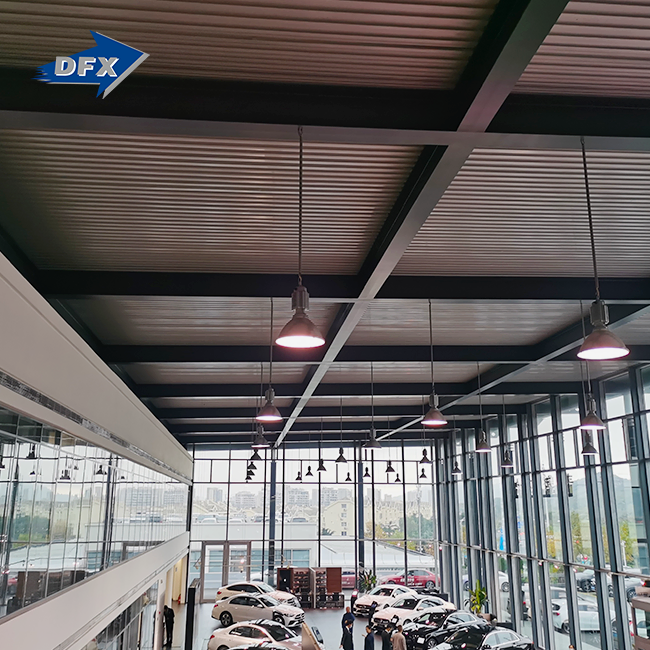
Athletes' performance is directly linked to the conditions in their training areas. Modern steel sports buildings have carefully planned spaces on the outside that let in the most light while keeping the heat from the sun at bay by choosing the right direction and glazing. This method lowers the need for artificial lights during the day, which significantly lowers energy use. Ventilation design is especially important in sports facilities with a lot of people because the quality of the air directly affects how well people can breathe. Steel frames can easily support big mechanical systems or natural ventilation methods that use high-level operable windows, so they can be adjusted to fit the temperature in a variety of places.
Prefabricated Modular Construction Advantages
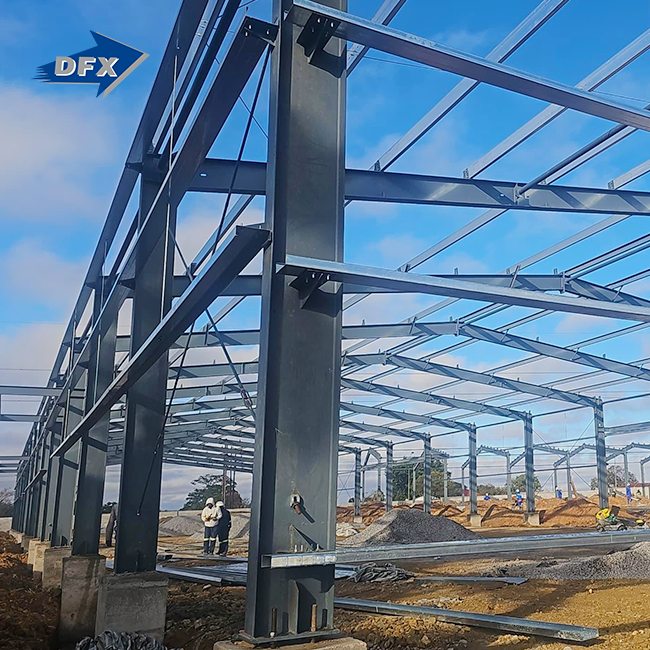
Factory-controlled fabrication is used in made-to-order steel building systems to make sure measurements are exact, which is not possible with construction that is put together on-site. When parts get to job sites, they already have connections drilled and protective coatings applied at the factory. This makes it possible for smaller crews with less skill to put things together quickly. This way of making things works especially well for projects in remote areas where it can be hard to find skilled workers. Modular design also makes it easier to add on in the future—additional bays can be added without any problems to existing buildings as program needs change. This protects the long-term value of investments for businesses and schools that are planning phased growth strategies.
How to Procure and Build Steel Sports Facilities: A Step-by-Step Guide
Structured procurement methods that find qualified providers and set clear performance standards are necessary for a project to be carried out successfully. To reduce the risks that come with complicated building projects, business-to-business buyers who deal with foreign supply lines need to use systematic evaluation methods.
Identifying Qualified Steel Structure Manufacturers
The choice of supplier is the most important procurement decision because it has a direct effect on the product, schedule, and price of the project. Qualified manufacturers show that they can actually make things. For example, facilities with dedicated welding lines, coating systems, and quality control labs show that they are serious about their business and not just acting as brokers. DFX has an enclosed production space of 40,000 square meters with six automatic welded H-beam lines and a wide range of fabrication tools. This lets us make 20,000 tons of structural steel components every year. Objective proof of quality management systems can be found in certification portfolios. ISO9004, CE, COC, and PVOC badges show that foreign standards are met. Teams in charge of buying things can check the information a supplier gives them by talking to past clients who worked on similar projects.
Evaluating Custom Versus Prefabricated Solutions
The best balance between standard prefabricated parts and custom-engineered parts depends on the needs of the project. By using standard designs from the manufacturer that are changed to fit the needs of the project, prefabricated systems save money and cut down on delivery times. This method works well for indoor courts with standard span needs and rectangular layouts. When there are unique architectural designs, unusual site constraints, or special loading conditions, you need custom solutions. Lead time effects should be taken into account in the decision matrix. Standard systems ship within 6–8 weeks, but custom engineering adds 3–4 weeks to the time it takes for design development and approval. This gap can be filled by experienced suppliers who offer building design and finishing services that offer semi-custom solutions that meet both time and cost goals.
Installation Coordination and Quality Assurance
Erection help from steel makers makes sure that the right methods are used for assembly, which protects the structural integrity that was built into the parts. Field mistakes that hurt the performance of buildings are avoided by installation teams that know about specific connection systems and scheduling needs. Quality assurance procedures should include checking the foundations before the steel arrives, checking the dimensions while the frame is being put together, and making sure the protective coating is still intact after the assembly is finished. Documentation requirements, such as mill certificates, weld inspection reports, and coating thickness measurements, keep permanent records that show building officials and insurance companies that the code was followed.
Choosing the Right Steel Sports Facilities Solution for Your Business Needs
For purchasing decisions to be made, many things other than the initial purchase price need to be carefully considered. Project managers and engineering leaders need to come up with thorough evaluation systems that match the skills of suppliers with the needs of the project and the company's risk tolerance.
Technical Certification and Quality Standards
The properties of the materials directly affect how well the structure works and how long it lasts. High-quality sports arenas use G450 or G550 grade high-tensile steel sports facilities with a minimum yield strength of 450 to 550 MPa. This provides safety gaps that allow for changing loads from sports and people watching. Corrosion protection systems need extra care. Aluminum-zinc alloy paints (Galvalume/Zincalume) ranging from AZ150 to AZ275 (150–275g/m²) that meet ASTM A792/A792M standards will keep things rust-free for decades, even in coastal or high-humidity places. Instead of making broad marketing claims, suppliers should back up these specifications with detailed material test reports.
Comprehensive Service Scope Evaluation
Turnkey solutions that include planning, manufacturing, and installation help make it easier for procurement teams to coordinate with all the different people involved in a project. Before finalizing procurement contracts, manufacturers that offer concept design services can make sure that building layouts are best for the site and the program. This keeps expensive change orders from happening during the construction phase. When surface treatment is done in a controlled workplace setting, the coating quality is better than when safety systems are applied in the field. This is especially true for complicated connection shapes where it's hard to get consistent coverage. Erection support, which can come from manufacturer-employed teams or networks of trained contractors, makes sure that the right methods are used for assembly, which protects the engineered performance characteristics.
Delivery Reliability and After-Sales Support
Schedule reliability is one of the most important things for building project managers who have to meet contractual milestones and move-in dates. When you work with suppliers who have a history of on-time deliveries and clear production schedules, you can be sure that your project will go smoothly. Support after the sale goes beyond the warranty period and includes expert advice on how to do upkeep, find replacement parts, and plan for growth. These long-term service relationships are especially helpful for facility managers who are in charge of several buildings or who are planning future phases of development, where having a supplier who knows how existing structures work can speed up the engineering process.
Future Trends and Innovations in Steel Sports Facilities Design
As technology keeps getting better, construction methods and building performance standards are always changing. Procurement professionals who are forward-thinking keep an eye on new trends to make sure that their companies stay competitive over the long term and are in line with changing rules that govern sports infrastructure.
Advanced Protective Coating Technologies
Next-generation corrosion protection systems last longer between maintenance visits and cost less over their entire life. Fluoropolymer coats are better at protecting against UV light and keeping colors than regular polyester finishes. They can keep the look of buildings for more than 30 years without needing to be refinished. Nano-ceramic additives in protective coats help keep outdoor surfaces clean by preventing dirt buildup. This is especially helpful for buildings in cities with a lot of pollution. These new materials come with higher initial costs, but they save a lot of money in the long run by putting off maintenance costs and making things last longer.
Smart Building Integration and Climate Control
When digital technology is integrated into sports centers, they become data-rich places that improve both user experience and operating efficiency. Building management systems that keep an eye on temperature, humidity, and air quality in real time make it possible to precisely control the climate so that training conditions are always perfect while using as little energy as possible. Automatic occupancy monitors change the lighting and airflow based on how the space is being used. This cuts down on operational waste during times when few people are using the space. These smart systems collect information about how well things are working so that maintenance schedules can be improved and inefficient equipment can be found before they break down. This helps proactive facility management strategies.
Sustainable Manufacturing and Circular Economy Principles
As more companies make business sustainability promises, environmental duty plays a bigger role in how they buy things. The embodied carbon footprint of building components is lower in steel factories that use closed-loop water recycling systems and renewable energy sources for production. Material tracking systems that keep track of the percentages of recycled materials help meet the standards for green building approval and companies' environmental reporting duties. Because of these environmentally friendly practices, steel is now the best building material for businesses that care about both usefulness and the environment.
Conclusion
Steel sports facilities buildings offer complete solutions for designing sports performance facilities because they are structurally efficient, can be built quickly, and are cost-effective over their entire lifecycle. When procurement professionals look at investments in athletic infrastructure, steel's ability to span large areas, low upkeep needs, and ability to change to different program needs are all advantages. A project's success depends on systematically evaluating suppliers, making quality standards clear, and working together with manufacturers who have a lot of experience. Steel sports centers are becoming more competitive against other building methods for tough athletic conditions as new technologies improve protective coatings, smart building systems, and environmentally friendly ways to make steel.
FAQ
1. What are typical lead times for steel sports facility delivery and installation?
After the plan is approved, it takes 6–8 weeks to make a standard prefabricated steel sports building, and another 2–4 weeks for foreign shipping to destinations in the United States. Custom-engineered buildings add three to four weeks to the time it takes to develop a plan. The length of time needed for on-site installation depends on the size and complexity of the building. For example, an indoor court facility that is 2,000 to 5,000 square meters usually needs 4 to 6 weeks to be fully constructed and sealed off from the weather. Complete project timelines from signing the contract to being ready for occupancy usually take 4-6 months. This is 30–40% less time than traditional building methods.
2. How do maintenance costs compare between steel and alternative building materials?
Over the course of their working lifetimes, steel sports facilities have significantly lower maintenance costs. Unlike wooden structures that need to be treated on a regular basis to keep out wetness and pests, steel structures only need to be inspected regularly and have their protective coats touched up every 10 to 15 years. Frequent freeze-thaw cycles break down concrete buildings over time and require costly repairs to fix cracks and restore the surface. According to independent lifecycle cost analyzes, steel athletic facilities have 40–50% lower total upkeep costs over 30 years of use. These savings grow because they don't need as many big repairs as other materials do.
3. Can steel sports facilities accommodate specific sports requirements and climate conditions?
Modern steel building systems can be changed in a lot of ways to fit the needs of different sports programs. Column-free gaps make it possible to have fields that are the right size for basketball, volleyball, and indoor soccer without sacrificing space. Ceiling heights can be changed to meet the needs of sports that use vertical ball paths or equipment that is high up. Climate adaptation includes a range of insulation kits, from the bare necessities for mild climates to high-performance thermal coverings for very cold places. Facility designers often add sport-specific features to steel frameworks, such as wall padding attachment systems, equipment storage solutions, and specialized flooring support structures. This shows that designers are very flexible when it comes to how they can make buildings.
Partner with a Trusted Steel Sports Facilities Manufacturer
DFX has been designing and building high-quality steel sports facilities that meet strict performance standards for athletic settings for more than 12 years. As an ISO-certified company with advanced production facilities in China, we offer complete turnkey solutions that include design, precise manufacturing, protective surface treatment, and full support during installation. Because sports performance spaces have special structural needs, our engineering team comes up with custom solutions that make sure athletes are safe, operations run smoothly, and the space is worth money in the long run. Whether you're planning a training center, an indoor court complex, or a multi-sport facility, our technical know-how and dedication to quality will make sure the project goes smoothly from the first meeting to the final handover. Email our procurement experts at jason@bigdirector.com to talk about your needs for steel sports facilities and get thorough project ideas that are made just for you.
References
1. American Institute of Steel Construction. (2022). Design Guide 25: Frame Design Using Web-Tapered Members. Chicago: AISC.
2. Smith, J.K. & Chen, W.F. (2021). Structural Steel Design: LRFD Approach for Sports and Recreation Facilities. New York: McGraw-Hill Engineering.
3. International Building Code. (2021). Chapter 30: Special Requirements for Pre-Engineered Metal Buildings. Washington, DC: International Code Council.
4. Newman, A. (2020). Sustainable Steel Construction in Athletic Facilities: A Lifecycle Assessment. Journal of Construction Engineering and Management, 146(8), 04020095.
5. Metal Building Manufacturers Association. (2021). Common Industry Practices for Metal Building Systems. Cleveland: MBMA Technical Publications.
6. Zhang, L., & Roberts, T.M. (2023). Advanced Protective Coatings for Steel Structures in Corrosive Environments. Materials Performance and Characterization, 12(1), 187-204.
Learn about our latest products and discounts through SMS or email