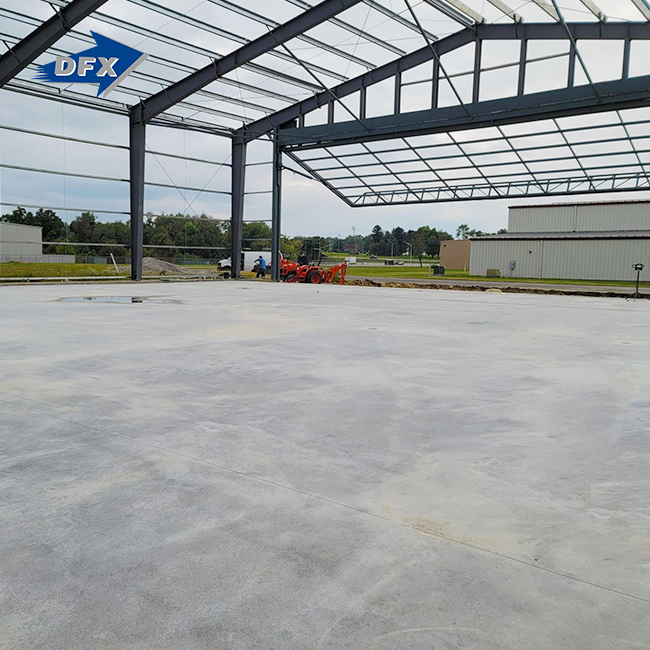
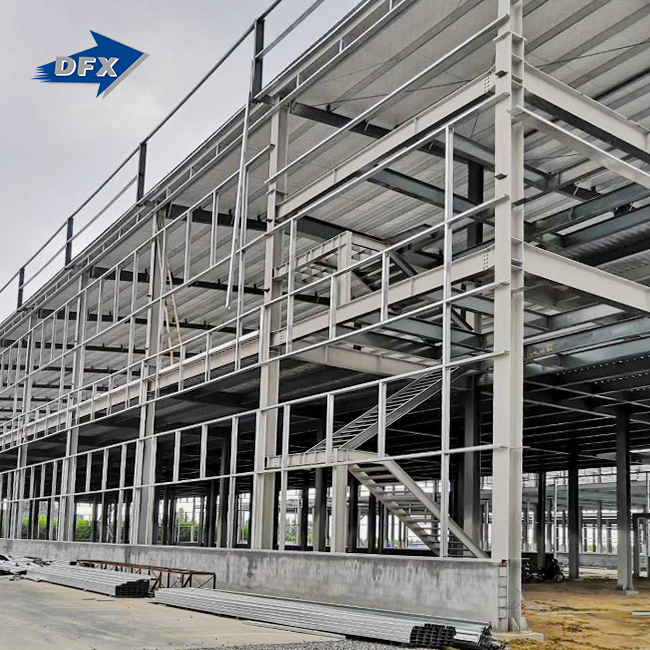
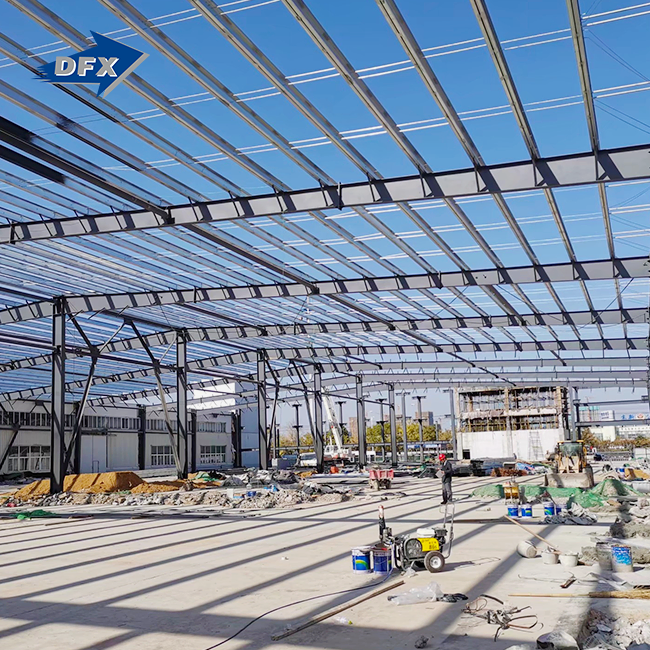
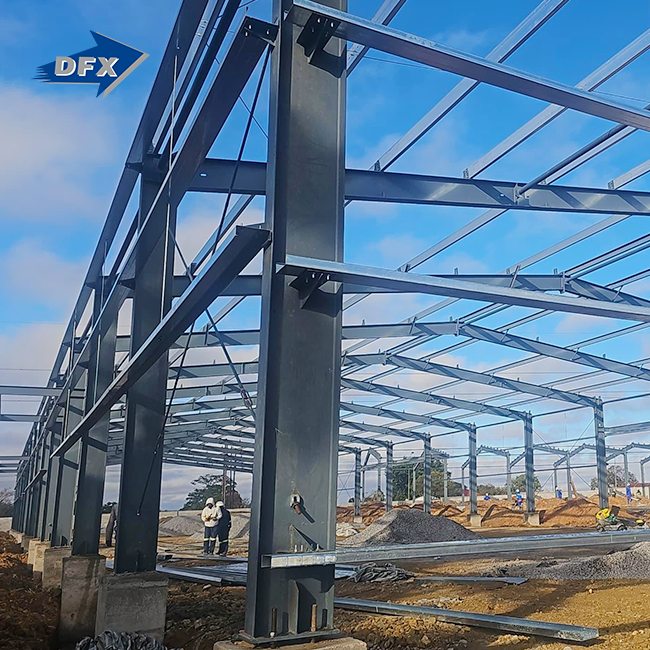
Five things to examine for the correct Steel Structure Sports Hall contractor: proven sports facility expertise, in-house technical capabilities, documented quality control, transparent estimates, and dependable logistics and installation assistance. One false move on any of them converts a simple construction into a delayed, over-budget project with a roof that was never constructed for the loads it really needs to hold. In this document, we lead procurement managers, EPC contractors, and facility owners through the precise checklist before signing a contract, including genuine assessment data and a project example from our own factory floor.
Nigerian, Philippine, and Australian procurement departments commonly price a sports hall order like a warehouse quotation and then find out mid-project that sports facilities have structural and code requirements that a regular industrial shed does not. Qingdao Director Steel makes both, and this guide details precisely where the two differ so you can appropriately assess a steel structure sports hall provider before you sign on the dotted line. Email your span, height, and seating requirements to jason@bigdirector.com, and our engineering team will respond with a preliminary design evaluation within three working days.
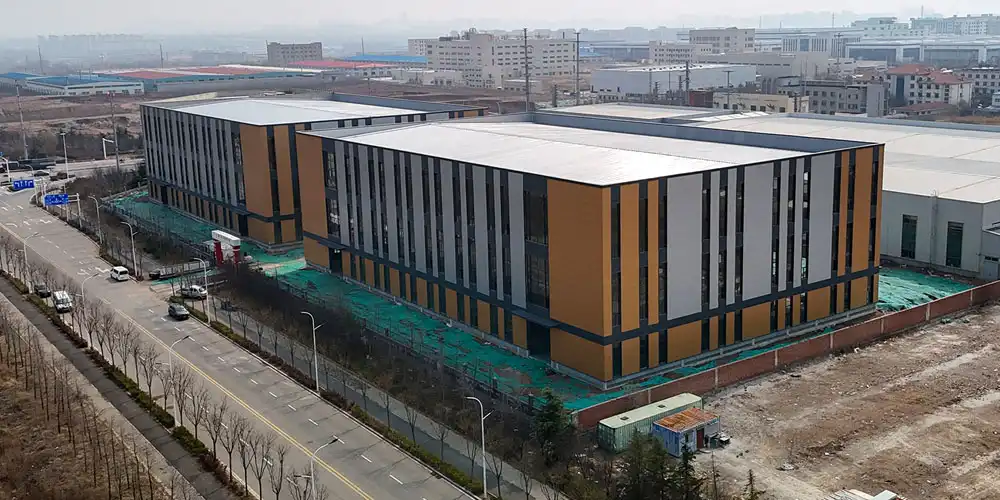
What Services Should a Steel Sports Hall Partner Provide?
Buyers without experience in evaluating steel structures, Sports Hall suppliers often think that any steel fabricator can take on the project, only to find discrepancies in scope once the fabrication process is underway. A sports hall is more than a hut with a roof.
Structural Engineering for a Steel Structure Sports Hall is required to provide clear spans, secondary load capacity for scoreboards and lighting grids, and a building envelope that is conducive to spectator comfort. This entails more than just construction from the supplier.
Concept Design Through Erection
Buyers who have worked with a steel structure sports hall provider that covers concept design, fabrication, surface treatment, and erection assistance under one contract have found the outcomes most consistent. The division of these roles among suppliers produces coordination gaps where the design intent is lost in translation between the engineering company and the manufacturing facility, frequently resulting in a mismatch that is not found until on-site assembly.
Open-Space Design for Spectator and Display Use
Sports halls have similar architectural imperatives to showrooms and exhibition halls; that is, a big clear-span interior, high ceiling clearance, and extensive façade openings for natural light and sightlines. This open-space character is achieved by means of a steel portal frame or beam-column construction with a reinforced roof system, which provides the secondary loads required for a functional sports facility.
How Can You Verify a Contractor's Experience and Credentials?
As clearance height, acoustics, and load requirements are different between normal industrial buildings and sports facility construction, a supplier’s warehouse portfolio does not necessarily make it a suitable candidate for a steel structure sports hall project.
Look Past General Industrial Experience
Don’t just take a steel structure portfolio as evidence of relevant capabilities; ask explicitly for indoor sports facility references, whether they be basketball courts, multi-use arenas, or gymnasiums. General warehouse design does not often provide for special clearance heights and big clear spans with no internal support columns required for sports venues.
Confirm Certification and Compliance Credentials
Certificates of the execution of the structural steel, such as EN 1090 for the European market, confirm that the fabricator has a documented factory production control system for the welding, the handling of the materials, and the assembly quality (DNV). “Buyers looking for projects with international financing or European-linked standards should really check this certification directly with the supplier, rather than assume a generic ISO badge covers the same ground.
What Manufacturing Capabilities Should You Evaluate Before Ordering?
A supplier’s production capacity and equipment for a steel structure sports hall will indicate whether they can truly deliver your project on time and not simply quote it competitively.
| Capability | Why It Matters for Sports Halls |
|---|---|
| Automatic H-beam welding lines | Produces the primary columns and beams for long clear-span frames |
| Sandwich panel production | Supplies insulated roof and wall cladding for spectator comfort |
| C/Z section steel lines | Fabricates purlins and girts that support the roof and wall system |
| Corrugated steel sheet lines | Produces roofing and cladding sheets at project volume |
| In-house architectural design service | Keeps design intent consistent from concept through fabrication |
The facility has 6 automated welded H-beam production lines, 2 sandwich panel lines, 2 C/Z section steel lines, and 20 corrugated steel sheet lines in a 40,000-square-meter enclosed manufacturing area, manned by over 200 skilled people. That combination means a single steel structure sports hall order may go from raw steel to completed, coated components without waiting on a subcontractor for any significant production stage, which shortens the timetable purchasers actually experience.
How Do You Compare Steel Structure Supplier Quotations Effectively?
In the case of a steel structure sports hall quotation, comparing by price per ton is rather misleading. Two estimates with the same headline price may have quite different scopes, corrosion protection, and installation assistance.
Request Itemized Bids
Require each bidder to split the fabrication, corrosion protection, shipping logistics, and on-site assembly scope for a steel structure sports hall into individual line items, not one bundled number. This breakdown highlights where a cheaper estimate may be making shortcuts such as thinner galvanizing or omitting erection supervision that would otherwise only come to light after the signing of the contract.
Confirm Corrosion Protection Specifications
The thickness of hot-dip galvanizing strongly impacts the longevity of a steel frame against corrosion in coastal or high-humidity environments often seen across Southeast Asia and the Caribbean. ASTM A123 establishes minimum coating thickness criteria per material category. Buyers should seek the particular coating thickness being offered rather than accept a general reference to galvanizing without a number attached (American Galvanizers Association).
Here are a few line items worth asking for on every itemized offer before you compare providers side-by-side. The cost of fabrication should individually itemize the main steel, secondary members, and roofing or cladding materials. If they are bundled together, it is difficult to see where one supplier is utilizing lighter-gauge material than another. Buyers may check that the amount of protection is appropriate for their environment. Corrosion protection requires a declared coating thickness and standard reference, not simply the phrase "galvanized." And make clear if the estimate includes supervision only or a complete labor crew, since this one line item sometimes accounts for a big price disparity between two otherwise identical bids. Shipping and erection scope
This level of information in a bid comparison for a steel structure sports hall takes longer upfront but always avoids the modification orders and disagreements that occur from different assumptions of scope between customer and supplier. A supplier that is confident in their work would seldom balk at this level of itemization, and resistance to a breakdown of the quotation is a valuable indicator in itself.
A Sample Itemized Bid Structure
| Line Item | What to Request |
|---|---|
| Primary steel frame | Tonnage, steel grade, and unit price are separate from secondary members |
| Roofing and cladding | Material type, gauge, and insulation value if sandwich panels are used |
| Corrosion protection | Coating type, thickness in microns, and applicable standard reference |
| Shipping and logistics | Incoterm, estimated transit time, and port or customs documentation included |
| Erection support | Supervision only versus full labor crew, with a stated day count |
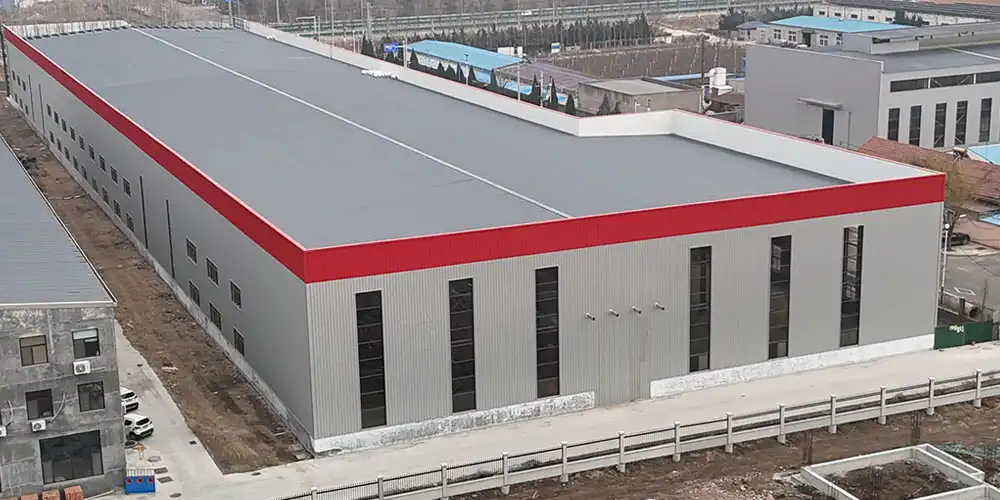
Why Is In-House Engineering Capability Important for Sports Halls?
Sports arenas have structural needs of more than just the basic frame, and a supplier without in-house technical expertise frequently fails to recognize these requirements until it is too late and too expensive to fix.
Dynamic and Secondary Load Design
A sports hall structure must carry not just the dead weight of the roof and façade but also hanging scoreboards, lighting grids, HVAC ducts, and, sometimes, retractable separators. Engineers consider these secondary loads in the frame’s design from the outset. Retrofitting a structure to bear unforeseen hanging equipment after it has been built is significantly more costly than building for it up front.
Wind, Snow, and Seismic Load Compliance
The sizing of a steel structure sports hall frame is influenced by regional wind speed maps, snow load zones, and seismic classifications, and these needs vary widely throughout Africa, South America, the Caribbean, Oceania, and Southeast Asia. The ductile connection design required for earthquake-prone areas is defined by seismic detailing standards like AISC 341, while new wind and tornado load requirements in ASCE 7-22 provide engineers more accurate tools for storm-exposed locations (AISC, 2022; NIST, 2023). Before finishing a design, the supplier’s in-house engineering staff should verify whether the code framework corresponds to your particular site.
What Quality Control Standards Should a Reliable Supplier Follow?
Quality control in the production phase of a steel structure sports hall is about checking that the structure that gets on-site is the same as the calculations authorized months before.
Documented Management Systems
ISO 9001 certification verifies that a supplier has an established, documented quality management system, including process control, inspection, and continuous improvement, rather than relying on informal or inconsistent internal practices (ISO, 2015). Buyers should seek to examine the certificate themselves and clarify that it is for the exact manufacturing site that will be producing their order, since certification occasionally applies to a parent business but not all of its regional plants.
Weld and Material Inspection
All major welds and structural connections in a steel structure sports hall should be verified prior to shipping. Mill certifications should validate that the steel grade is as indicated in the calculations. This is one of the most typical ways a supplier lowers cost surreptitiously, since a customer who gets completed components has no practical method to evaluate weld quality after the fact without this evidence.
How Can You Assess a Contractor's Previous Sports Hall Projects?
In a portfolio assessment, you differentiate providers who really grasp Steel Structure Sports Hall's needs from those who are learning on your project.
Request Specific Case Studies, Not General Photos
Could you please provide the clear-span width, internal height clearance, and completion schedule of past steel-structure sports hall projects and, if possible, a contact at the customer organization? If a provider can just provide external images and not these details, they probably have little direct expertise with the structural requirements that sports facilities have.
Watch for Red Flags in Portfolio Presentation
When a supplier is stretched tight on expertise, they may provide renderings or concept drawings with a few finished warehouses, shot to appear like steel gymnasium building construction, without saying it outright. Buyers should ask a straightforward query as to whether the photographs presented are finished, inhabited facilities or unbuilt concept designs, as the response alone frequently distinguishes actual sports hall experience from neighboring industrial activity being shifted to match the request.
Case Study: A Multi-Use Sports Hall in Kenya
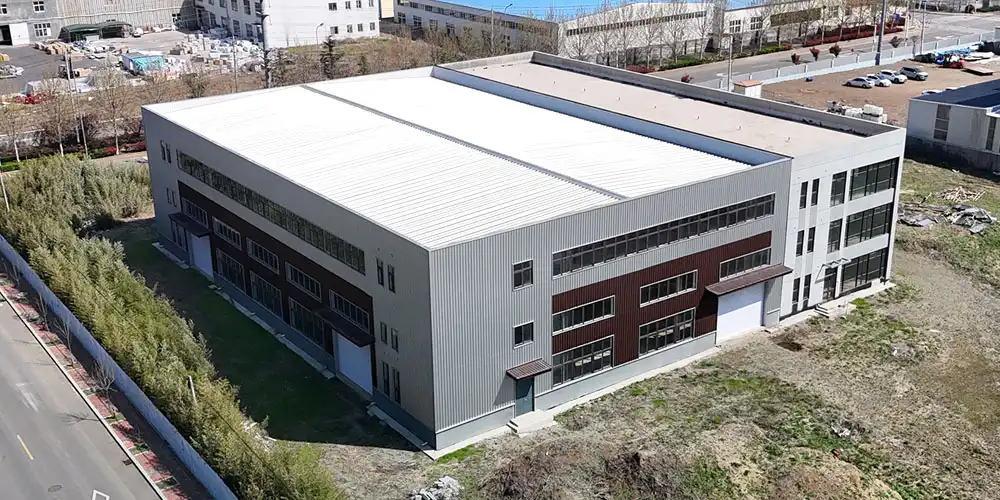
In 2025, a regional sports body in Kenya asked Qingdao Director Steel to design a multi-use indoor arena that would accommodate basketball and volleyball games and community activities with a 32-meter clear span and a 12-meter interior clearance height. The customer had received two competitive bids for price per ton with little breakdown, and neither supplier could provide a documented sports facility reference project.
Our team provided a detailed bid that separated out the mainframe, secondary members, roofing, corrosion protection, and erection supervision. We also supplied a portal frame design built for the wind zone in that location and a secondary load allowance for a scoreboard and complete lighting grid. The resulting construction employed 165 tons of Q345B steel, finished 6% below the initial budget ceiling, and completed erection in 38 days from column set to weathertight enclosure. The client’s project manager said the detailed bid structure sped up board approval since decision-makers could see where their money was going rather than trusting one aggregated amount.
What Should Be Included in a Steel Sports Hall Contract?
A well-structured contract for a steel structure sports hall, including provisions specific to a steel gymnasium building, protects both parties by making scope, timeline, and responsibility explicit rather than assumed.
Scope and Specification Detail
The contract should reference the specific steel grade, coating thickness, membrane certificates such as ISO9004, CE, COC, and PVOC, and the applicable load design code by name. Vague language like "industry standard materials" leaves too much room for interpretation once a dispute arises over delivered quality.
Delivery and Payment Milestones
Payment schedules tied to verifiable milestones, such as design approval, fabrication completion, and shipment, protect the buyer from paying too far ahead of actual progress. Made-to-order fabrication timelines should be stated explicitly in the contract, since sports hall components are rarely available from stock and delivery dates depend entirely on production scheduling at the time of order.
How Do Logistics and Installation Support Affect Project Success?
A structurally sound indoor sports hall steel structure design still fails to deliver value if the components arrive late, damaged, or without proper erection guidance.
Erection Supervision Versus Full-Crew Installation
Confirm whether the supplier's erection support means sending a supervisor to guide a local labor crew or providing a full installation team. Federal steel erection regulations, such as OSHA's 29 CFR 1926 Subpart R, set specific requirements for site layout, hoisting, and fall protection during structural steel assembly, and a supplier familiar with these standards helps local crews avoid safety violations that could halt work (OSHA).
Shipping Documentation and Customs Support
International steel shipments need accurate packing lists, certificates of origin, and conformity documentation to clear customs without delay. For projects involving an indoor sports hall steel structure, a supplier experienced in exporting to your specific region can flag documentation requirements before shipment rather than leaving the buyer to discover missing paperwork once containers reach the port.
Which Questions Should You Ask Before Choosing a Supplier?
A short, direct set of questions during the bidding process reveals more about a supplier's actual capability than a glossy brochure ever will.
- Can you show me a completed sports hall project with a clear span similar to mine? This question filters out suppliers whose portfolio is entirely warehouses or workshops, since sports facilities carry distinct clearance and span requirements that a generic industrial building rarely tests to the same degree. Ask for the exact span, interior height, and completion date on any project offered as a reference, since a vague answer here usually means the supplier is stretching a loosely related project to fit your inquiry.
- What certifications does your production facility hold, and can I see the certificates? A supplier confident in their quality systems will produce ISO 9001, CE, or EN 1090 documentation without hesitation, while reluctance or vague answers here often signal gaps in actual compliance rather than simple paperwork delays. When reviewing multi-purpose sports hall steel frame specifications, confirm that the certificate lists the exact production facility building your order, not just a parent company name that may cover a different plant entirely.
- Will you itemize fabrication, corrosion protection, shipping, and erection separately in the quote? This question tests transparency directly, since a supplier unwilling to break down pricing this way makes it far harder to compare their bid fairly against a competitor's itemized quote. A supplier who answers this readily, with specific line-item numbers rather than percentages or ranges, is signaling genuine confidence in their own cost structure.
These three questions alone can eliminate suppliers who are not genuinely equipped for a steel structure sports hall project before you invest further time in the bidding process. Buyers who ask them consistently report fewer surprises once fabrication and erection actually begin.
Conclusion
Choosing the Right Steel Structure Sports hall contractors and suppliers depend on verifying real sports facility experience, confirming in-house engineering and quality control capability, and insisting on itemized, transparent quotations rather than a single bundled price. Buyers who skip these checks often discover the gaps only after fabrication begins, when correcting a design or material shortfall costs far more than catching it during supplier selection. A short, specific set of questions during the bidding process protects the project far more effectively than choosing based on price alone.
FAQ
1. How long does it take to build a steel structure sports hall?
A typical mid-size sports hall takes 45 to 60 days for fabrication once drawings are approved, followed by 30 to 45 days for on-site erection, depending on span and complexity.
2. What clear span can a steel structure sports hall achieve?
Portal frame designs commonly achieve clear spans of 24 to 40 meters without internal columns, with larger spans possible using more advanced truss or space-frame configurations.
3. Do I need a local engineer to review the supplier's design?
Yes, having a local structural engineer review the design against your country's building code is good practice, even when the supplier's own engineering team has already confirmed compliance.
4. What is the typical lifespan of a steel structure sports hall?
With proper corrosion protection and routine maintenance, a steel sports hall commonly lasts 30 to 50 years, with coastal sites needing more frequent coating inspections.
Get an Itemized Quote for Your Sports Hall Project
Transparent pricing and verified sports facility experience protect your project budget and timeline far better than a low headline number ever will. Qingdao Director Steel, a Steel Structure Sports Hall manufacturer with its own membrane certification and 40,000 square meters of production capacity, provides concept design, fabrication, surface treatment, and erection support under one contract. Email jason@bigdirector.com with your span and height requirements for span tables and load reference material.
References
1. DNV. EN 1090 - Certification of Steel Structures. Referenced for structural steel execution and CE marking certification requirements. https://www.dnv.com/services/en-1090-certification-of-steel-structures-28473/
2. American Galvanizers Association. HDG Specifications: ASTM Specifications for Hot-Dip Galvanizing. Referenced for hot-dip galvanizing coating thickness requirements under ASTM A123. https://galvanizeit.org/designing-for-hot-dip-galvanizing/hdg-specifications-astm-specifications
3. International Organization for Standardization (ISO). (2015). ISO 9001:2015 - Quality Management Systems Requirements. Referenced for quality management certification standards. https://www.iso.org/standard/62085.html
4. American Institute of Steel Construction (AISC). (2022). Seismic Provisions for Structural Steel Buildings, ANSI/AISC 341-22. Referenced for ductile seismic connection design standards.
5. National Institute of Standards and Technology (NIST). (2023). Design Guide for New Tornado Load Requirements in ASCE 7-22. Referenced for updated wind and tornado load design criteria. https://www.nist.gov/publications/design-guide-new-tornado-load-requirements-asce-7-22
6. Occupational Safety and Health Administration (OSHA). 29 CFR 1926 Subpart R – Steel Erection. Referenced for field erection safety requirements during structural steel assembly. https://www.osha.gov/laws-regs/regulations/standardnumber/1926/1926SubpartR
About the Author
Leon is the Purchasing Department Supervisor at Qingdao Director Steel Structure Co., Ltd., where he manages supplier evaluation and procurement documentation for structural steel export projects across Africa, Southeast Asia, Oceania, and South America. He works directly with EPC contractors and facility owners to build itemized quotations and coordinate quality documentation, and he has supported procurement on projects spanning sports facilities, warehouses, and agricultural steel structures.