- English
- French
- German
- Portuguese
- Spanish
- Russian
- Japanese
- Korean
- Arabic
- Greek
- German
- Turkish
- Italian
- Danish
- Romanian
- Indonesian
- Czech
- Afrikaans
- Swedish
- Polish
- Basque
- Catalan
- Esperanto
- Hindi
- Lao
- Albanian
- Amharic
- Armenian
- Azerbaijani
- Belarusian
- Bengali
- Bosnian
- Bulgarian
- Cebuano
- Chichewa
- Corsican
- Croatian
- Dutch
- Estonian
- Filipino
- Finnish
- Frisian
- Galician
- Georgian
- Gujarati
- Haitian
- Hausa
- Hawaiian
- Hebrew
- Hmong
- Hungarian
- Icelandic
- Igbo
- Javanese
- Kannada
- Kazakh
- Khmer
- Kurdish
- Kyrgyz
- Latin
- Latvian
- Lithuanian
- Luxembou..
- Macedonian
- Malagasy
- Malay
- Malayalam
- Maltese
- Maori
- Marathi
- Mongolian
- Burmese
- Nepali
- Norwegian
- Pashto
- Persian
- Punjabi
- Serbian
- Sesotho
- Sinhala
- Slovak
- Slovenian
- Somali
- Samoan
- Scots Gaelic
- Shona
- Sindhi
- Sundanese
- Swahili
- Tajik
- Tamil
- Telugu
- Thai
- Ukrainian
- Urdu
- Uzbek
- Vietnamese
- Welsh
- Xhosa
- Yiddish
- Yoruba
- Zulu
Key Features of a Grade 12 Windproof Steel Structure Teaching Building
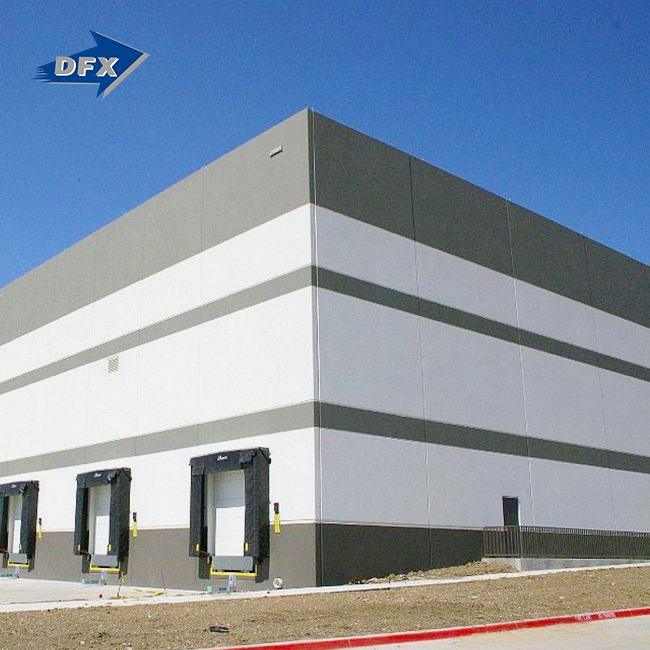
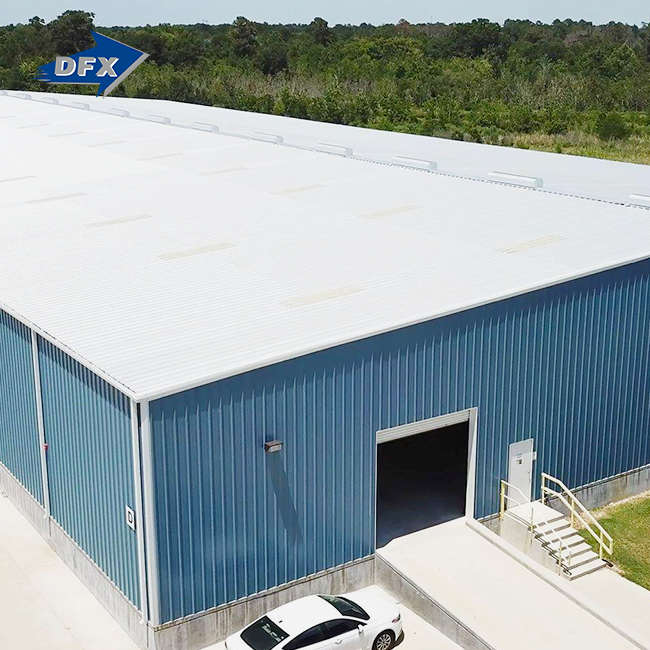
A grade 12 windproof steel structure teaching building is engineered to withstand sustained wind speeds exceeding 32.7 m/s, the threshold classified under Grade 12 on the Beaufort scale. These buildings use high-strength Q235 or Q355 steel column-beam frames, reinforced lateral bracing, and composite floor systems to distribute wind-induced loads safely. Designed for educational environments where occupant safety is paramount, such structures integrate curtain wall or metal panel façades, precise joint detailing, and seismic-resistant connections. They represent a reliable, code-compliant solution for schools and campuses located in typhoon-prone or high-wind coastal regions.

Understanding Grade 12 Windproof Steel Structures in Teaching Buildings
What Grade 12 Wind Resistance Actually Means
On the Beaufort wind scale, Grade 12 means winds that are strong enough to cause a hurricane and are at or above 32.7 m/s (118 km/h). A building designed to meet this classification must be able to take and shift lateral wind loads without permanently deforming. The main way the structure works is with a rigid column-beam frame and diagonal steel brace bays. These bays change the horizontal wind pressure into axial member forces. High-strength fixed links at each node stop the structure from falling apart when the wind blows in different directions. This is an important safety feature for buildings that students and staff use every day.
How Wind Forces Move Through the Structure
When wind hits a metal panel or curtain wall façade, it pushes through the cladding rails, secondary purlins, main portal frames, and finally the reinforced concrete supports through anchor bolts. The accuracy of every part that is made is needed for this load path. Before leaving Qingdao Director Steel Structure Co., Ltd., every welded H-beam and column goes through dimensional tolerance checks and NDT weld inspection. This makes sure that there are no weak links in this important force chain.
Maintenance is also important. Anti-corrosion coatings should be checked on a regular basis, bolt torque should be checked every five years, and any damage to the building's seals should be fixed right away. This will help the building keep its rated wind resistance for the full 50 years it was designed to last.
Core Benefits of Using Grade 12 Steel Structures for Teaching Buildings
Grade 12 windproof steel structure teaching buildings always perform better than lower-grade options when project managers and procurement engineers compare structural options for educational buildings in three important ways: safety margin, speed of delivery, and long-term economy.
The minimum yield strength of Q355 structural steel is 355 MPa, which is about 51% higher than Q235. This means that structural parts can be made smaller without losing their ability to hold weight. This means that the building will be lighter overall, have a smaller base area, and cost less to engineer. A prefabricated steel frame cuts on-site construction time by up to 40% compared to reinforced concrete. This means that schools can open sooner and cause less trouble for the communities around them.
For high-wind school buildings, Grade 12 steel is the best choice because of the following:
- Extended structural lifespan: If you use the right hot-dip galvanized coatings (minimum 600 g/m²) or a three-coat epoxy paint system, the framework won't rust in coastal and humid conditions, and it will last longer than 50 years with regular upkeep.
- Superior thermal performance: Metal panel composite walls with insulation cores achieve U-values that meaningfully lower HVAC loads, lowering operational energy costs throughout the building's lifespan—a real benefit for institutions that are trying to stick to tight facility budgets.
- Procurement flexibility: With project-based manufacturing, clients get exactly the spans, heights, and layout configurations their school needs, instead of having to modify a standard product to fit a floor plan that doesn't work.
These structural and economic benefits directly meet the needs of EPC contractors and institutional buying managers who have to weigh the costs of capital investments against the dependability of long-term operations.
Key Technical Specifications and Compliance Requirements
Steel Grade and Frame Configuration
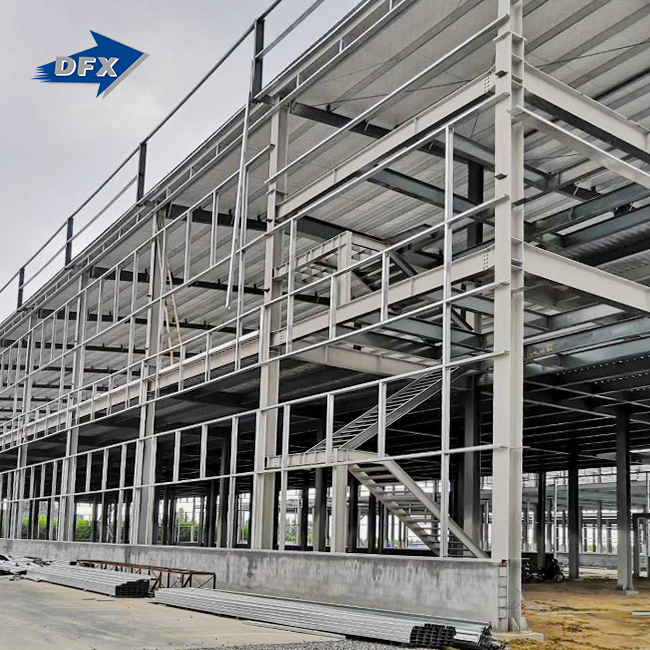
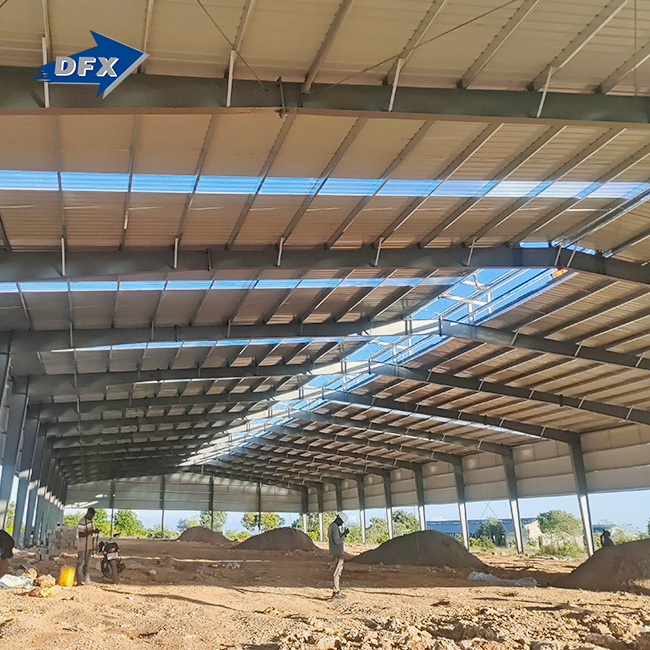
Director Steel's windproof classroom buildings are made with hot-rolled and welded H-beam poles and beams that are either Q235B or Q355B. These are in line with GB/T 1591 and are the same as EN 10025 S355. The portal frame or multi-story column-beam configuration is chosen based on the wind zone classification at the project site, the height of the building, and the number of people who will be living in it. On higher levels, the composite floor decking is made up of profiled steel sheets and cast-in-place concrete. This gives the diaphragm strength and good load transfer to the main frame.
Compliance Standards and Certifications
For school projects, regulatory alignment is a must. Director Steel has ISO 9001 quality management certification and CE marking under EN 1090, which proves that the way they make things meets European standards for putting together structural steel. There are also products with COC and PVOC certifications for markets that need third-party confirmation of conformity. For projects in the US, structural calculations are made according to ASCE 7 wind load provisions. In Europe, they are made according to Eurocode EN 1991-1-4, and in Africa, Southeast Asia, and Oceania, they are made according to national standards.
Intumescent coating systems offer R60 to R120 ratings for fire protection, based on the usage needs. Seismic detailing uses ductile connection design principles to absorb energy without breaking easily.
Comparing Top Solutions: Grade 12 Steel Structures vs Alternatives
Teams in charge of buying things often look at three different types of structures: Grade 10 steel, grade 12 windproof steel structure teaching building s, and reinforced concrete. Grade 10 systems work well in areas with low wind speeds, but they aren't as safe in areas that are likely to be hit by typhoons because the members have to be larger and heavier to provide the same amount of load resistance. This makes up for any initial material cost benefit.
Even though reinforced concrete is more common and doesn't catch fire, it takes a lot longer to build, makes a lot more waste on-site, and can't be taken apart and moved if the needs of the campus change. Steel, on the other hand, can be recycled in its entirety when it's no longer useful. This makes it compatible with the green purchasing policies that many organizations now apply.
Grade 12 windproof steel structure teaching buildings are the best because they are certified to be resistant to wind, can be put up faster, give architects more freedom with their designs, and have a lower total cost of ownership over 30 to 50 years than concrete structures. When choosing a supplier, give more weight to companies that have proof of their CE and ISO certifications, the ability to create their own products, and a collection of finished educational or public-use projects that can be checked out.
Procurement and Lifecycle Management of Grade 12 Windproof Steel Structures
From Inquiry to Installation
Director Steel is there for clients at every stage. The process starts with talking about the design plan and making sure the site is in a wind zone. Next, structural calculations are made, and drawings are approved before any work on the structure can begin. All steel parts are made in Director Steel's 40,000 m² enclosed workshop following ISO quality standards. They are then shot-blasted to a Sa 2.5 surface profile and coated to the required dry film thickness before being packed up and sent overseas.
On-site erection instructions are given by skilled technical staff who make sure that high-strength friction-grip bolted connections are torqued properly and that the finished frame fits the load path assumptions that were made during the engineering process. This all-in-one service model, which includes design, fabrication, and installation support, makes it easier for procurement managers to handle large, complicated school projects.
Maintenance and Warranty Considerations
The value over its entire life depends on how well it is maintained. The building stays at its rated wind resistance level with regular visual checks of the seals and drainage features on the outside, as well as torque checks on structural bolted connections every five years and measurements of the thickness of the paint film. Director Steel gives clients project-specific upkeep paperwork and makes sure they have access to spare parts for as long as the building is in use.
Conclusion
A grade 12 windproof steel structure teaching building is more than just a nice-to-have item; it's an institution's promise to protect its students, follow the rules, and be fiscally responsible in the long run. When it comes to important performance metrics for school buildings, Q355 steel frame systems with approved windproof details are better than both lower-grade steel and concrete. When the right maker handles planning, manufacturing, and installation all in one, the buying process is much more predictable, and the structure is much more likely to last.
FAQ
1. What makes Grade 12 steel superior to Grade 10 for teaching buildings?
For wind classification Grade 12, you need to be able to withstand hurricane-force winds of more than 32.7 m/s. Grade 10 steel systems aren't designed or tested to this level, so the connection details and member sizes aren't right for coastal areas with a lot of wind. Using a Grade 12-rated system in a place where typhoons are likely is not an option; it is required by code and directly responsible for the safety of the people who live there.
2. How does the lifecycle cost compare to reinforced concrete?
When you look at the total cost of ownership over 30 to 50 years, steel structures usually match or beat concrete because they are easier to build, don't need as much support, and can be recycled when they're done. It takes longer to build a school building out of concrete, which delays occupancy and lengthens the time it takes to pay for the building.
3. What certifications should I require from a supplier?
You should demand ISO 9001 for quality management, CE marking under EN 1090 for structural fabrication standards, and project-specific compliance paperwork that shows the structural formulas match the building code in your area. In some foreign markets, you may need to have COC or PVOC approval.
4. Can these structures be customized for specific campus layouts?
Yes. When you use project-based fabrication, each part is custom-made to fit the exact spans, heights, and floor plans that are needed. There are both single-story and multi-story plans that can have enclosed metal panel or curtain wall façades.
Get a Custom Quote for Your Grade 12 Windproof Steel Structure Teaching Building
Qingdao Director Steel Structure Co., Ltd., also known as DFX, has been providing approved waterproof steel building solutions on three continents since 2011. As an experienced grade 12 windproof steel structure teaching building manufacturer, we offer a full service that includes designing the structure, making it to CE and ISO 9001 standards, and helping with the installation on-site. Get in touch with our team at jason@bigdirector.com to get a custom cost quote for your job.
References
1. American Society of Civil Engineers. ASCE 7-22: Minimum Design Loads and Associated Criteria for Buildings and Other Structures. ASCE, 2022.
2. European Committee for Standardization. EN 1991-1-4: Eurocode 1 – Actions on Structures, Part 1-4: Wind Actions. CEN, 2010.
3. British Standards Institution. EN 10025-2: Hot Rolled Products of Structural Steels – Technical Delivery Conditions for Non-Alloy Structural Steels. BSI, 2019.
4. American Institute of Steel Construction. AISC 360-22: Specification for Structural Steel Buildings. AISC, 2022.
5. World Meteorological Organization. Guide to Meteorological Instruments and Methods of Observation, WMO-No. 8, 2021 Edition. WMO, 2021.
6. International Organization for Standardization. ISO 9001:2015 – Quality Management Systems: Requirements. ISO, 2015.
Learn about our latest products and discounts through SMS or email