- English
- French
- German
- Portuguese
- Spanish
- Russian
- Japanese
- Korean
- Arabic
- Greek
- German
- Turkish
- Italian
- Danish
- Romanian
- Indonesian
- Czech
- Afrikaans
- Swedish
- Polish
- Basque
- Catalan
- Esperanto
- Hindi
- Lao
- Albanian
- Amharic
- Armenian
- Azerbaijani
- Belarusian
- Bengali
- Bosnian
- Bulgarian
- Cebuano
- Chichewa
- Corsican
- Croatian
- Dutch
- Estonian
- Filipino
- Finnish
- Frisian
- Galician
- Georgian
- Gujarati
- Haitian
- Hausa
- Hawaiian
- Hebrew
- Hmong
- Hungarian
- Icelandic
- Igbo
- Javanese
- Kannada
- Kazakh
- Khmer
- Kurdish
- Kyrgyz
- Latin
- Latvian
- Lithuanian
- Luxembou..
- Macedonian
- Malagasy
- Malay
- Malayalam
- Maltese
- Maori
- Marathi
- Mongolian
- Burmese
- Nepali
- Norwegian
- Pashto
- Persian
- Punjabi
- Serbian
- Sesotho
- Sinhala
- Slovak
- Slovenian
- Somali
- Samoan
- Scots Gaelic
- Shona
- Sindhi
- Sundanese
- Swahili
- Tajik
- Tamil
- Telugu
- Thai
- Ukrainian
- Urdu
- Uzbek
- Vietnamese
- Welsh
- Xhosa
- Yiddish
- Yoruba
- Zulu
How Is a Grade 12 Windproof Steel Structure Teaching Building Designed?
A grade 12 windproof steel structure teaching building is engineered to resist extreme wind loads—typically corresponding to sustained wind speeds exceeding 32.6 m/s—through a precisely calculated column-beam framework using high-strength steel grades such as Q355. The structural system integrates lateral bracing, moment-resisting frames, and composite floor systems to distribute wind pressure evenly across the building envelope. Design compliance with standards like ASTM, Eurocode, or local building codes ensures both occupant safety and regulatory approval. With proper material specification, protective coatings, and quality fabrication, these buildings routinely achieve service lifespans exceeding 50 years.

Understanding the Fundamentals of Grade 12 Windproof Steel Structures
Different places have different ways of classifying wind, but in general, Grade 12 means Beaufort Scale Force 12, which means hurricane-force winds with speeds over 32.6 m/s (about 73 mph). To make a Grade 12 windproof steel structure teaching building that can stand up to these conditions, engineers have to make careful decisions from the very beginning.
What Makes a Steel Structure "Windproof"?
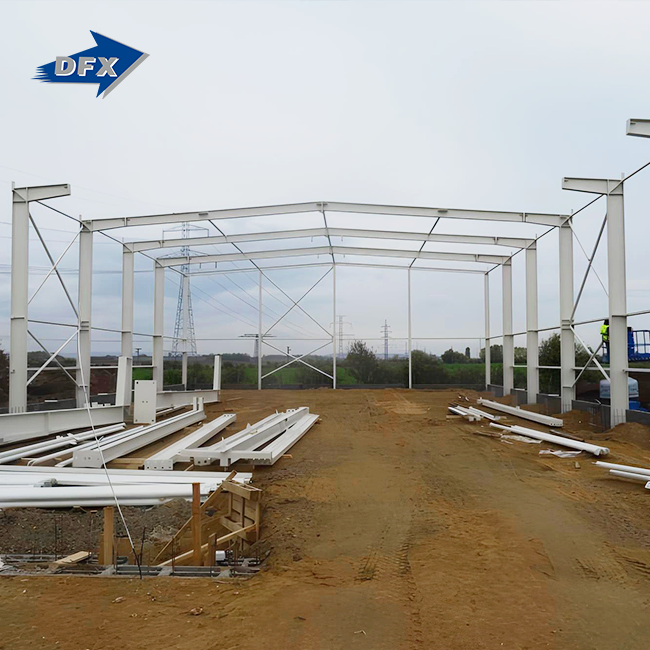
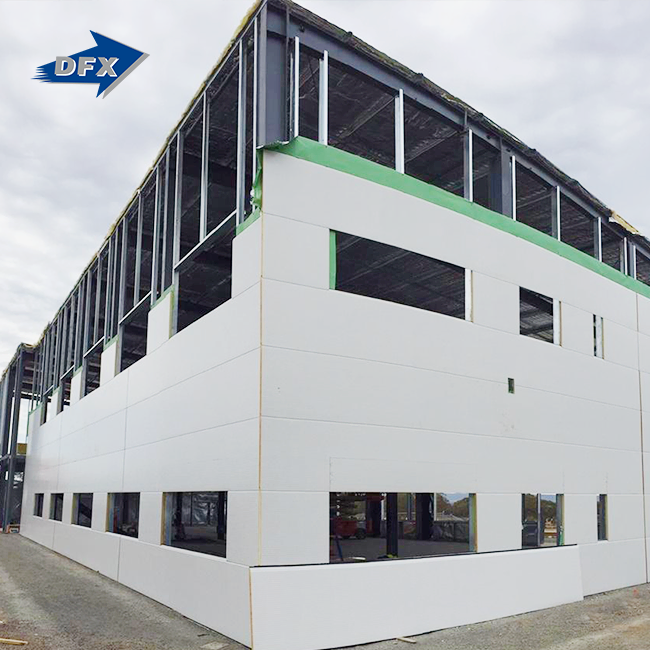
It's not a coincidence that some things are windproof. It comes from carefully lining up the frame's shape, the materials used, and the details of the connections. When building a Grade 12 windproof steel structure the right way, you use rigid portal frames and diagonal steel bracing to stop horizontal forces before they cause the structure to move. The enclosed facade, which is usually a curtain wall or metal panel system, acts as a second load-distributing skin that sends wind pressure into the main frame instead of building up stress at the edges of the panels.
The fact that steel is naturally flexible is a big plus in this case. When sudden dynamic loads are put on concrete, it breaks. But structural steel deforms plastically, taking energy without falling apart. This behavior, controlled by yield values between 235 MPa (Q235) and 355 MPa (Q355), makes steel the best choice for schools and public buildings in places where wind blows a lot.
Core Design Principles of Grade 12 Windproof Steel Structure Teaching Buildings
Structural Load Analysis and Lateral Force Systems
A thorough wind load analysis is the first step in designing any grade 12 windproof steel structure teaching building. Engineers figure out the design wind forces by looking at where the building is located, how tall it is, what kind of exposure it has, and how many people are living in it. Then, these pressures are put on a 3D model of the structure to find places where stress is high and patterns of deformation.
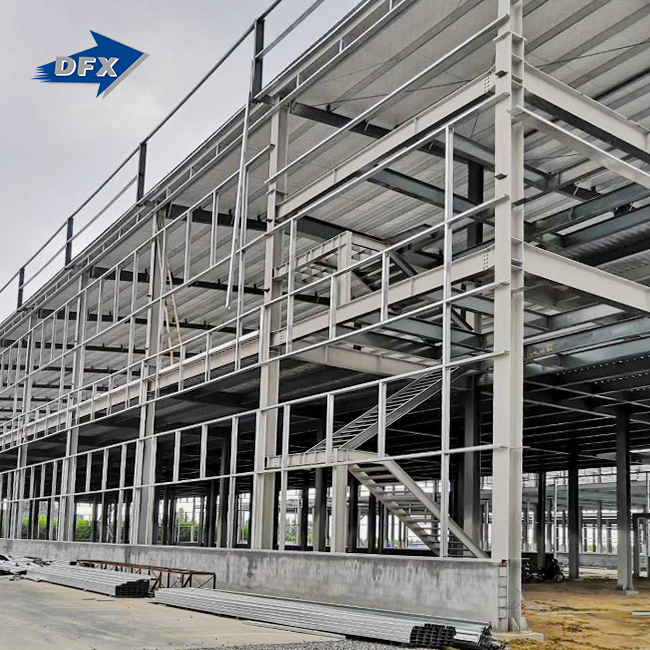
The lateral force-resisting system usually has three parts: moment-resisting frames around the outside, cross-braced bays along the building's longitudinal line, and composite floor diaphragms that connect the different levels. This backup makes sure that even if one part gets too heavy, the other systems will still be able to hold up the structure.
Material Specification and Corrosion Protection
Q355 steel, which is similar to ASTM A572 Grade 50, has a yield strength of 355 MPa and controlled carbon equivalent values that make it possible to weld and tough at low temperatures. If an educational building is near the coast or an industrial area, a hot-dip galvanized coating (minimum 85 μm) and a marine-grade epoxy topcoat will keep the building corrosion-free for many years.
Following the rules for ISO 9001, CE marking, and project-specific certifications like COC and PVOC gives buying teams objective proof that the built parts meet the design requirements before they leave the plant floor.
Comparative Advantages of Grade 12 Steel Structure Versus Alternatives
Usually, when purchasing managers look at different materials for Grade 12 windproof steel structure teaching buildings, they come down to three main options: reinforced concrete, metal frames, and wood. In Grade 12 wind conditions, each option has real downsides.
Concrete is heavy, and its own weight makes foundations more expensive, and buildings take longer to build. Even though aluminum doesn't rust, it's not stiff enough to keep tall or wide structures from moving side to side. Even though wood can last for a long time in mild conditions, it breaks down quickly when it stays wet for a long time and can't compare to steel's tensile strength per unit weight.
Here are the principal performance advantages that a high-quality steel-framed teaching building delivers over these alternatives:
- Superior strength-to-weight ratio: Q355 steel frames are about 60–70% lighter than similar concrete buildings while still holding the same or more weight, which lowers the need for foundations and the total cost of the project.
- Prefabrication efficiency: Making modular parts in a controlled factory environment can cut down on construction time on-site by up to 40%. This means that schools can open on time, even if bad weather causes delays.
- Full recyclability: When its time is up, structural steel still has value that can be recovered, which is in line with green building certifications and institutional sustainability goals.
- Design flexibility: Column-beam framing holds big clear spans—often more than 30 meters—without internal columns. This lets you set up classrooms and halls in a variety of ways that concrete shear walls would not allow.
These advantages translate directly into lower lifecycle costs and fewer operational disruptions across the building's 50-plus-year service life.
Construction and Maintenance of Grade 12 Windproof Steel Structure Teaching Buildings Prefabrication and On-Site Assembly
A grade 12 windproof steel structure teaching building is usually put together starting with the fabrication plant. This is where automatic welding lines make sure that the H-beams, box columns, and bracing sections are built to exact specifications. High-strength friction-grip (HSFG) bolted connections are faster to put together and easier to check than field welds because the bolt patterns are already drilled into the parts before they arrive on site.
Once the erection starts, each step in the process puts stability first. Before the interior bays are put in, perimeter moment frames are put up and braced. This makes sure that the partially finished structure can withstand wind loads during the construction phase, which is a very important detail on exposed sites.
Routine Maintenance to Preserve Structural Integrity
Steel buildings don't take care of themselves automatically. To keep the building's wind resistance over its useful life, it needs a structured inspection schedule. Important care tasks include checking the state of the coating once a year, making sure that the bolt torque on the main connections is checked every five years, and fixing any paint flaws right away that let water get to the bare steel. Check composite floor decks for cracks at re-entrant corners, which are places where stress builds up over time. If you fix small problems as soon as you notice them, you can avoid the rising costs of repairs that come with putting off maintenance.
Procurement Guide and Brand Selection for Grade 12 Windproof Steel Structures
Comparing unit prices is not enough to find a trusted Grade 12 windproof steel structure teaching building manufacturer. The people in charge of buying things should look at fabricators based on their certified production capacity, their documented quality management systems, and their track record on similar projects.
China is now a major center for making structural steel parts that are exported. The biggest fabricators there run ISO 9001-certified plants with automated H-beam lines, CNC cutting tools, and in-house architectural design services. When design and manufacturing are done by different companies, there are coordination gaps that happen. This integrated capability, which includes structural calculation, fabrication, and installation guidance, gets rid of those gaps.
Project-based manufacturing usually takes between 30 and 60 days, but this depends on the amount of work and how complicated it is. To avoid expensive design changes late in the procurement process, procurement managers should confirm early on the scope of customization, especially when it comes to façade systems (curtain wall vs. metal panel), and local code compliance documentation.
Conclusion
To make a grade 12 windproof steel structure teaching building, you need to do a lot of research on the structure, be very specific about the materials you use, and make sure that quality is controlled at every step of the process, from planning to building. With its Q355 steel frame, HSFG bolted connections, integrated horizontal bracing, and approved protection coatings, this building protects people from extreme weather and provides long-term value through lower lifecycle costs and design flexibility. The most reliable way to get a long-lasting result that meets regulations is to work with a manufacturer that has both ISO 9001 and CE approval and can help with design, manufacturing, and installation.
FAQ
1. How does Grade 12 steel resist extreme wind loads better than standard structural steel?
Grade 12 windproof steel structure teaching building design is not just a feature of steel; it is a success at the system level. While Q355 steel has a high yield strength and is easy to shape, the real performance comes from moment frames, diagonal bracing, and diaphragm action working together to stop lateral drift and spread wind pressure across the whole frame.
2. What maintenance does a windproof steel teaching building require?
Three maintenance tasks must be done every year: checking the coatings, checking the torque on the major connection bolts on a regular basis, and fixing any rust patches right away. These tasks don't cost much compared to the cost of the structure and directly protect the building's certified wind resistance over its lifetime.
3. Can these structures be adapted to different climate zones and local building codes?
Yes. The structure system can be changed easily. Engineers change the sizes of the members, the ways they are braced, and the coating standards to match wind maps, earthquake zones, and national code rules for each site. Fabricators who have their own design teams can make the signed figures and compliance paperwork that the local government needs to approve the project.
4. How long does project-based fabrication typically take?
Depending on how complicated they are, most jobs that need 500 to 3,000 tons of steelwork built in the factory take 30 to 60 days. Site erection times vary, but because the connections are already made, they are usually a lot shorter than the same work done in concrete.
Partner With DFX for Your Next Wind-Resistant School Project
Since 2011, DFX (Qingdao Director Steel Structure Co., Ltd.) has built certified steel structures. Each project has ISO 9001 and CE certification to back it up. If you need a grade 12 windproof steel structure teaching building manufacturer for a school on the coast or a multi-story office complex, our in-house design, fabrication, and installation guidance team can help you through the whole process. Contact us at jason@bigdirector.com to request a custom structural proposal and competitive quotation.
References
1. American Institute of Steel Construction (AISC). Steel Construction Manual, 16th Edition.
2. British Standards Institution. Eurocode 3: Design of Steel Structures — EN 1993-1-1.
3. American Society of Civil Engineers. Minimum Design Loads and Associated Criteria for Buildings and Other Structures — ASCE 7-22.
4. World Steel Association. Steel in Educational Buildings: Performance and Sustainability.
5. International Organization for Standardization. ISO 9001:2015 Quality Management Systems — Requirements.
6. Zhang, L., & Chen, W. Structural Behavior of Steel Frames Under Extreme Wind Loading in Tropical and Coastal Regions.
Learn about our latest products and discounts through SMS or email