- English
- French
- German
- Portuguese
- Spanish
- Russian
- Japanese
- Korean
- Arabic
- Greek
- German
- Turkish
- Italian
- Danish
- Romanian
- Indonesian
- Czech
- Afrikaans
- Swedish
- Polish
- Basque
- Catalan
- Esperanto
- Hindi
- Lao
- Albanian
- Amharic
- Armenian
- Azerbaijani
- Belarusian
- Bengali
- Bosnian
- Bulgarian
- Cebuano
- Chichewa
- Corsican
- Croatian
- Dutch
- Estonian
- Filipino
- Finnish
- Frisian
- Galician
- Georgian
- Gujarati
- Haitian
- Hausa
- Hawaiian
- Hebrew
- Hmong
- Hungarian
- Icelandic
- Igbo
- Javanese
- Kannada
- Kazakh
- Khmer
- Kurdish
- Kyrgyz
- Latin
- Latvian
- Lithuanian
- Luxembou..
- Macedonian
- Malagasy
- Malay
- Malayalam
- Maltese
- Maori
- Marathi
- Mongolian
- Burmese
- Nepali
- Norwegian
- Pashto
- Persian
- Punjabi
- Serbian
- Sesotho
- Sinhala
- Slovak
- Slovenian
- Somali
- Samoan
- Scots Gaelic
- Shona
- Sindhi
- Sundanese
- Swahili
- Tajik
- Tamil
- Telugu
- Thai
- Ukrainian
- Urdu
- Uzbek
- Vietnamese
- Welsh
- Xhosa
- Yiddish
- Yoruba
- Zulu
Luxury Equestrian Hangar Construction for Large Projects
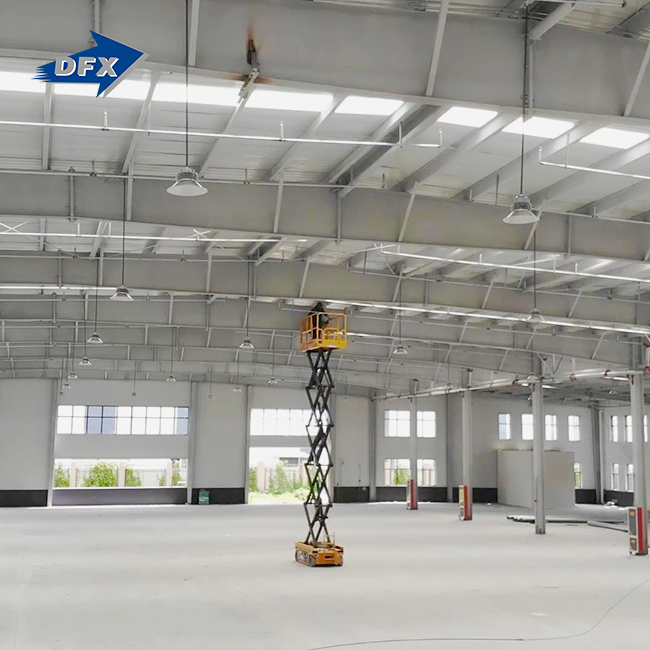
It takes more than just a roof over the stalls to make a world-class horse centre. A luxury equestrian hangar uses aviation-grade engineering and high-quality materials to make clear, climate-controlled areas that are more than 200 feet long. These are perfect for top training grounds, show jumping courses, and boarding operations. Traditional wooden barns can rot and catch fire, but these steel buildings are made with welded H-section frames that meet ISO9007 and CE standards. This means that the buildings will stay strong for decades. The end result is a building that keeps valuable horses safe, raises the worth of the land and makes operations run more smoothly. Since we started working with Luxury Equestrian Hangars twelve years ago, we've learned that the people who make decisions put three things at the top of their list: clear-span design to get rid of internal columns, advanced ventilation systems to keep ammonia from building up, and acoustic treatments to keep animals from being stressed out by noise.

Understanding Luxury Equestrian Hangars for Large Projects
What Sets Luxury Equestrian Facilities Apart?
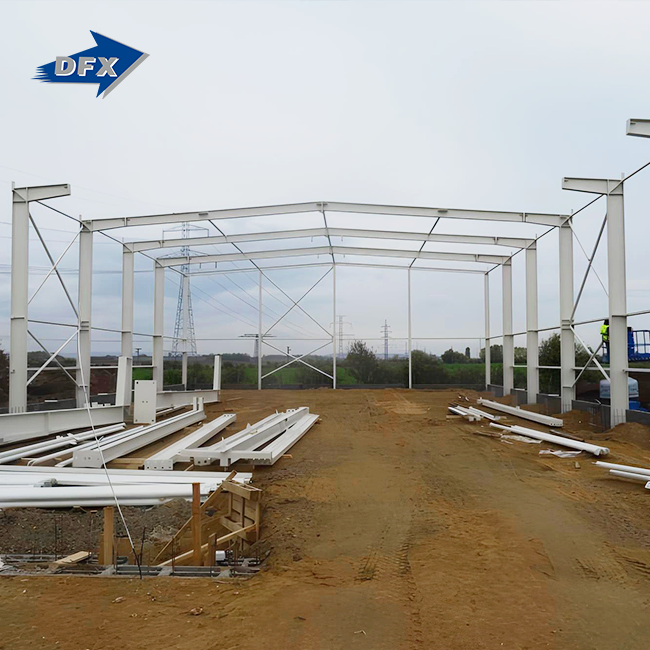
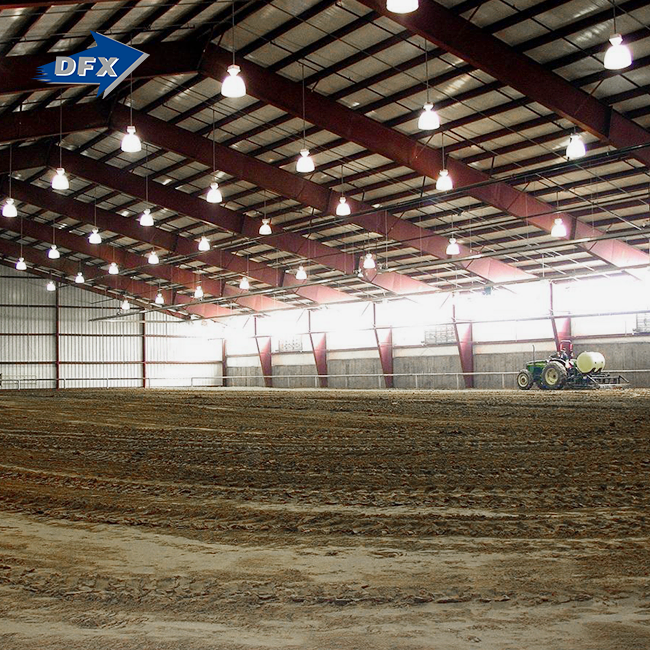
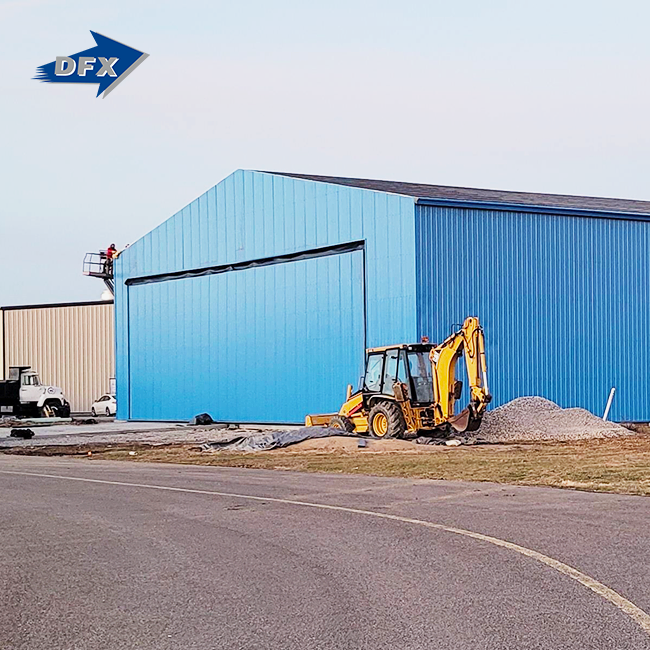
Normal barns can't solve all the problems that high-performance luxury equestrian hangars can. The main difference is in the building of the structures. Steel that has been cold-formed or hot-rolled and has a yield strength of more than 50 ksi can make huge clear spans without centre posts, which lets arena plans go on without interruption. This way of thinking about engineering comes from the way aeroplane hangars are built, where structural beams would get in the way of activities. Hot-dip galvanisation shields steel parts from the corrosive conditions made by horse waste and wet wash racks, which makes them last longer than 50 years.
Material Selection Drives Performance
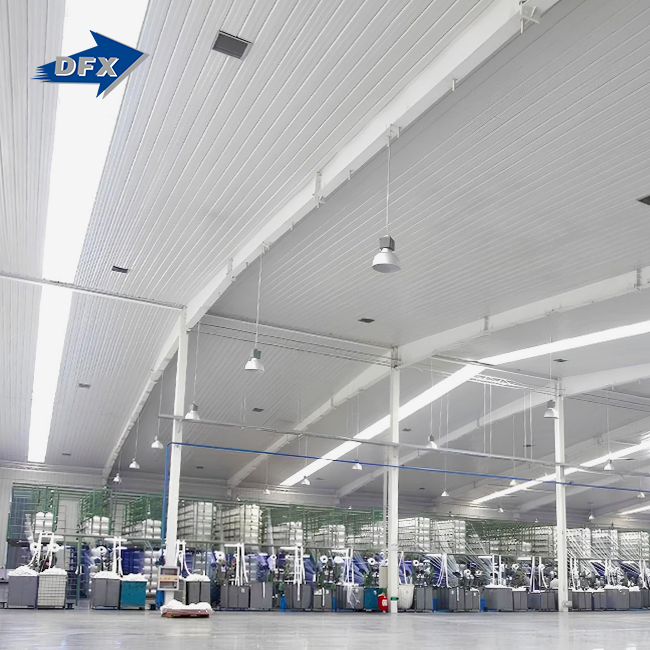
Performance is driven by the choice of materials. Luxury equestrian hangars have insulated metal panels with R-30 roof ratings and R-25 wall ratings. This temperature performance stops mist that damages expensive arena flooring and makes breathing dangerous. Clear panels with UV filters let in as much natural light as possible without letting in too much heat. This saves money on power costs while giving horses the full range of light they like. Acoustically perforated liner walls stop sound from bouncing around, making calm spaces that are important for teaching sport horses that are easily frightened and holding competitions.
Investment Value for Commercial Operations
Turnkey solutions that include structural calculations, custom design, fabrication, and fitting advice are helpful for large horse businesses. As we've seen, luxury equestrian hangars that are built with good temperature control and long-lasting materials get more boarders and cost less to maintain. Because they are less likely to catch fire and fight wind better than wood buildings, insurance rates are much lower. These buildings are appealing to both business training centres and private farms looking for the best infrastructure because they are easy to run and last a long time.
Key Design and Construction Considerations for Large-Scale Luxury Equestrian Hangars
Structural Specifications and Load Requirements
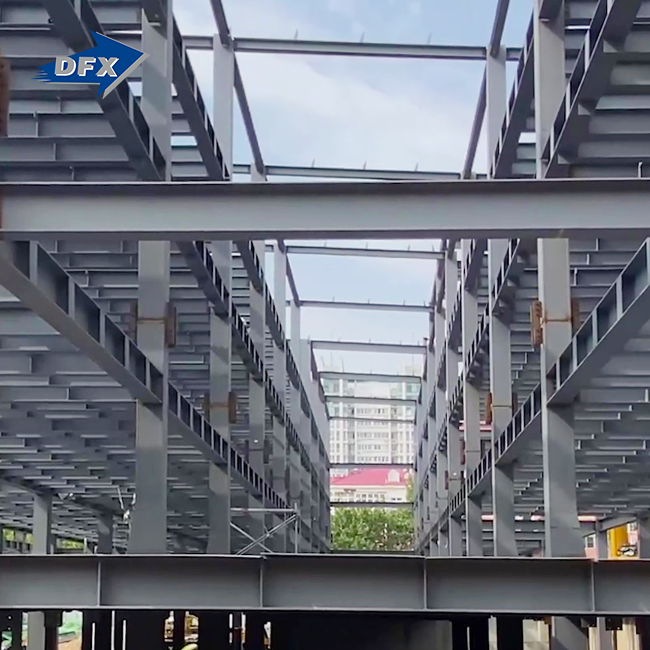
When engineers do their math, they have to take into account things like snow loads, wind uplift forces, and earthquake rates that are unique to each project site. Roof truss systems need to be able to support extra weight, like arena lights, high-volume low-speed fans, sprinkler systems, and equipment that hangs from the ceiling, like automatic dust-suppression misting systems. We ask for major frames made of welded H-section steel and strengthened bracing systems that meet or go beyond local building codes. When foundation plans are made, they include concrete grade rings that hold up arena footings and stop water from entering from the outside.
Climate Control and Air Quality Systems
For lung health to be maintained, the whole luxury equestrian hangar needs to have 4–8 air changes per hour. Modern systems for airflow get rid of dead zones where ammonia can build up near the ground. Ridge vents and roof inlets work together to make natural convection currents. When the weather gets really bad, mechanical systems help the air flow even more. Temperature control systems keep muscles healthy in cold places, and protected metal panels keep the inside above freezing even in places below zero. If the warm side of the insulation has the right air barriers, the inner steel skin doesn't get to the point where it starts to dew, which is when condensation starts to drip onto the field surfaces.
Space Planning for Operational Efficiency
Stabling, riding grounds, storage, grooming stations, tack rooms, service areas, and the Luxury Equestrian Hangar should all have their own places in the best plans. Viewing halls, VIP rooms, and judges' booths are often all part of the same climate-controlled envelope for big projects. In places with stables, wall heights should be at least 14 feet, and in riding grounds, they should be at least 24 feet to allow for jumping obstacles. Separated entry points keep dust from moving into animal areas and help keep feed and bedding stored in separate areas. For keeping tractors and field maintenance equipment, equipment storage areas need to be able to hold an overhead crane.
Step-by-Step Guide: How to Build a Luxury Equestrian Hangar for Large Projects?
Project Planning and Requirements Analysis
A thorough needs assessment that includes client goals, site features, budget limits, and finishing dates is the first step to any successful luxury equestrian hangar project. Site review looks at the soil's state, how it drains, how easy it is to get to utilities, and any rules that need to be followed. We work with project managers and sourcing teams to come up with performance standards that include clear-span sizes, door configurations, climate control goals, and finish materials. When making a budget, work on the foundations, structural steel, outer systems, industrial installations, and site preparation is all taken into account. Timeline planning arranges activities in a way that makes building as efficient as possible while also taking into account supply dates and weather conditions.
Supplier Selection and Procurement Strategy
Picking qualified steel building makers has a big effect on the success of a project. We suggest that you look at a supplier's ISO certification, production capacity, ability to provide technical help, and history of working on projects like yours. Our factory has 40,000 square metres of sealed production space with six automatic welded H-beam lines that make 20,000 tonnes of steel every year. They also make 50,000 square meters of sandwich panels. Customised manufacturing lets you precisely match the needs of the luxury equestrian hangar instead of adopting standard designs. Suppliers that offer combined design-build services that make it easier for engineers, manufacturing, and installation teams to work together and share responsibility are good for procurement managers.
Installation and Project Execution
Delays that cost a lot of money can be avoided if base builders, steel erectors, and mechanical trades work together. Steel parts are sent out in a certain order to make assembly easier, and joints have already been drilled to speed up work in the field. We provide installation instructions, documentation, and expert help during the whole process to make sure that everything is lined up correctly and that the connections are solid. After the structure is finished, the envelope is put in place, and insulation walls are put in to keep the thermal barriers continuous. Mechanical rough-in happens at the same time as exterior work. Stall fronts, flooring, lights, and arena footing are some of the internal touches that come next. Final approval makes sure that all systems work as planned before the client accepts the facility.
Maintenance, Cost Factors, and Long-Term Management of Luxury Equestrian Hangars
Proactive Maintenance Strategies
Routine inspections keep luxury equestrian hangars in good shape and keep them from needing expensive fixes. Once a year, inspections look at the links between structures, the state of coatings, the integrity of roof membranes, and the performance of mechanical systems. High-traffic places, like wash racks, need to be re-coated every so often to keep the rust protection up. Track and door locking systems need to be adjusted and oiled so they work smoothly. Filters should be changed every six months, and fan bearings should be checked and fixed as needed. We suggest setting up maintenance plans as soon as the project is finished and keeping records of all service actions so that you can see how the building is holding up over time.
Understanding Cost Drivers
The biggest factor that affects cost is the choice of material. Insulated metal panels are more expensive than basic corrugated sheets. Engineering and manufacturing costs for the luxury equestrian hangar are affected by how complicated the customisation is, especially for buildings with multiple working zones. Conditions of the site affect the cost of the base. For example, weak soils need deeper footings or stabilisation of the earth. Regional work costs and how easy it is to get to the project affect how much it costs to install. It takes careful transportation preparation to get things from factories in China to project sites. Total lifecycle costs, on the other hand, support premium building because it lasts longer and needs less upkeep, which makes up for the higher original cost within 10 to 15 years.
Performance Verification Through Case Studies
The long-term benefit is shown by a 40,000-square-foot training centre that was finished in 2021. The client said that their heating costs were 30% lower than in their old wood barn, and they didn't have to do any luxury equestrian hangar maintenance for the first three years. Insurance rates went down by 25% because the buildings were more resistant to fire and wind. Due to its temperature control and current services, the facility charges high boarding fees in its market. These confirmed results back up choices to buy things that put quality building over the lowest original bid. We keep in touch with past clients to record success data that helps us plan future projects and help potential clients understand how things work in the real world.
Making the Right Choice: Comparing Luxury Equestrian Hangars and Market Solutions
Steel Structures Versus Traditional Construction
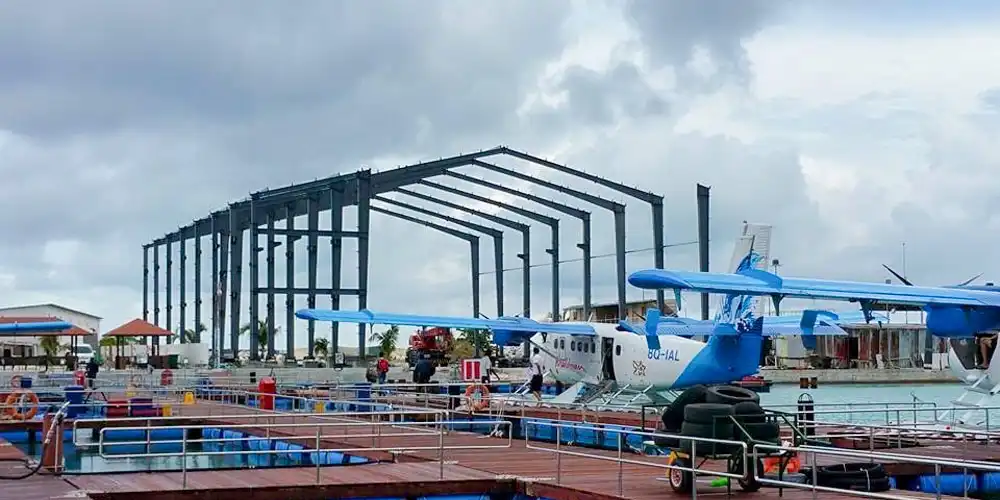
When you look at how long manufactured luxury equestrian hangars last, how much upkeep they need, and how much they cost over their whole life, you can see that they are very different from traditional wood barns. Wooden buildings are always at risk of rot, termites, bending, and fire, and most of the important parts need to be replaced every 20 to 30 years. When properly protected against rust, steel buildings often last longer than 50 years with little upkeep. The clear-span possibilities are very different. A wood building can only span up to 80 feet, while a steel building can easily reach 200 feet. This extra room makes it possible to have show jumping courses and dressage fields that would not be possible in a normal barn. The cost of fire insurance depends on the type of material used. For example, luxury equestrian hangars can get big discounts on their premiums.
Evaluating Suppliers and Service Quality
A market study shows that suppliers' skills and after-sales service vary a lot. Leading makers have their own architectural design teams that do engineering work on all stages of a luxury equestrian hangar project, from coming up with ideas to writing up the plans for building. When it comes to big projects that need a lot of steel, production capacity decides how reliably deliveries can happen. We run twenty corrugated steel sheet lines and two sandwich panel lines to make sure that all of our projects are delivered on time. Getting certified to foreign standards like CE, COC, and PVOC shows that you care about quality management systems. Procurement teams should check that suppliers are financially stable, that their production facilities are in good shape, and that they have good client references before signing a contract.
Custom Versus Prefabricated Solutions
The choice between fully customised engineering and modified premade designs is based on how complicated the luxury equestrian hangar is. Custom design methods work best for places that aren't perfectly round, have specific artistic needs, or need to fit in with other buildings. Standard field sizes and plans may be able to save money by using prefabricated options that are based on tried-and-true designs. Design, production, and installation are all handled by a single source in turnkey setups. This makes project management easier and lowers the risk of coordination problems. We offer integrated services that include structural calculations, custom design, manufacturing, and installation help. Clients can choose the level of service that best fits their project needs and their own skills.
Conclusion
Premium luxury equestrian hangars are smart investments that protect valuable assets and improve operating skills. Advanced temperature control systems, aviation-grade structure engineering, and long-lasting materials all work together to make places where horses can perform at their best all year long. We have been in the equestrian building business for twelve years and have seen a growing need for facilities that don't have to choose between usefulness, durability, and good looks. If project managers and procurement workers know a lot about design factors, construction methods, and lifetime management, they can safely choose buildings that will perform well for decades. Investing in high-quality buildings pays off in lower upkeep costs, higher property values, and operational benefits that set top equestrian businesses apart.
FAQ
1. How do steel luxury equestrian hangars deal with noise problems?
Luxury equestrian hangars can make a lot of noise that can scare horses when it rains or when people are inside doing things. In order to do this, we use perforated steel inner plates with open-cell padding on the back that traps sound waves. This multi-layered method greatly lowers the effects of slap echo, making calm spaces that are good for training and competition. The soundproofing works with thermal insulation systems without any problems, giving you two benefits without affecting the open-plan design.
2. Can these structures maintain comfortable temperatures in extreme climates?
In insulated metal panels, there are continuous thermal walls that stop thermal bridging that happens where structures are joined together in regular building. We usually ask for systems with R-30 roof values, which are enough to keep the inside of the Luxury Equestrian Hangar above freezing during long periods of subzero weather. This thermal performance keeps horse muscles healthy and saves water systems from freeze damage. When it comes to cooling in hot areas, high R-values, reflective roof finishes, and planned natural airflow all work well together.
3. What lifespan should owners expect from premium steel facilities?
Luxury equestrian hangars with hot-dip galvanised parts often last longer than 50 to 75 years if they are well taken care of. This advantage comes from not being affected by organic rot, insect damage, and structure warping, all of which shorten the life of wood buildings. Periodic inspections and small coating touch-ups in places that get a lot of use keep the rust protection in place. The longer service life explains the higher initial investment through better lifecycle economics than traditional building, which needs major rebuilds every 20 to 30 years.
Partner with DFX for Your Next Equestrian Infrastructure Project
For high-end Luxury Equestrian Hangars, you need to work with experienced makers who know how to handle big projects. We at DFX have been specialising in structural steel manufacturing for twelve years, which means we can provide full solutions from the first idea to the final installation. Our 40,000-square-meter factory makes welded H-section steel frames, insulated walls, and whole building systems that meet ISO9007 and CE standards. We offer full structural calculations, personalized design services, and installation help that make projects go more smoothly and ensure good results. Email our team at jason@bigdirector.com to talk about the details of your project and find out how our tech skills can help you make your idea come true.
References
1. American Institute of Steel Construction. (2022). Steel Design Guide 25: Frame Design Using Web-Tapered Members. Chicago: AISC Publications.
2. National Research Council. (2007). Nutrient Requirements of Horses: Sixth Revised Edition. Washington, DC: The National Academies Press.
3. Midwest Plan Service. (2000). Structures and Environment Handbook. Ames: Iowa State University.
4. Blackwell, T.E. & Pugh, D.G. (2021). Equine Internal Medicine: Fourth Edition. St. Louis: Elsevier Health Sciences.
5. American Society of Agricultural and Biological Engineers. (2019). ASAE EP270.5: Design Loads for Agricultural Buildings. St. Joseph: ASABE Standards.
6. Federation Equestre Internationale. (2020). FEI Guidelines for Stable Construction and Management. Lausanne: FEI Publications.
Learn about our latest products and discounts through SMS or email