- English
- French
- German
- Portuguese
- Spanish
- Russian
- Japanese
- Korean
- Arabic
- Greek
- German
- Turkish
- Italian
- Danish
- Romanian
- Indonesian
- Czech
- Afrikaans
- Swedish
- Polish
- Basque
- Catalan
- Esperanto
- Hindi
- Lao
- Albanian
- Amharic
- Armenian
- Azerbaijani
- Belarusian
- Bengali
- Bosnian
- Bulgarian
- Cebuano
- Chichewa
- Corsican
- Croatian
- Dutch
- Estonian
- Filipino
- Finnish
- Frisian
- Galician
- Georgian
- Gujarati
- Haitian
- Hausa
- Hawaiian
- Hebrew
- Hmong
- Hungarian
- Icelandic
- Igbo
- Javanese
- Kannada
- Kazakh
- Khmer
- Kurdish
- Kyrgyz
- Latin
- Latvian
- Lithuanian
- Luxembou..
- Macedonian
- Malagasy
- Malay
- Malayalam
- Maltese
- Maori
- Marathi
- Mongolian
- Burmese
- Nepali
- Norwegian
- Pashto
- Persian
- Punjabi
- Serbian
- Sesotho
- Sinhala
- Slovak
- Slovenian
- Somali
- Samoan
- Scots Gaelic
- Shona
- Sindhi
- Sundanese
- Swahili
- Tajik
- Tamil
- Telugu
- Thai
- Ukrainian
- Urdu
- Uzbek
- Vietnamese
- Welsh
- Xhosa
- Yiddish
- Yoruba
- Zulu
How to Choose the Right Market Stall Steel Shed Manufacturer
Selecting the appropriate market stall steel shed manufacturer determines the operational success and longevity of your retail or storage infrastructure. A reliable manufacturer delivers engineered solutions that combine structural integrity with cost-effectiveness, providing galvanized steel structures designed to withstand environmental stressors while accommodating diverse commercial applications. The decision involves evaluating production capabilities, certification compliance, material quality, and after-sales support to ensure your investment aligns with project timelines and performance expectations. Understanding the technical specifications and manufacturer credentials enables procurement managers to secure structures that meet safety standards and deliver measurable return on investment across agricultural, commercial, and industrial sectors.

Understanding Your Market Stall Steel Shed Needs
Defining Purpose and Application Requirements
Making it clear what you want to do with your steel shed building is the first step to a good purchase. For example, on a farm, it can be used to store hay, park cars, protect tools, or make maintenance buildings. Each of these uses requires a different set of planning considerations. For farming, you need ventilation systems and coatings that don't peel or crack in the weather. For business market stands, you need safe shelters with ways for customers to get in and out. For moving equipment, manufacturing facilities value large-span construction, while event vendors value features that make their products portable and easy to put together. By writing down operational requirements like daily use patterns, environmental exposure, and storage space, manufacturers can suggest the right structural configurations that improve functionality without making costs go up needlessly.
Evaluating Size, Configuration, and Customization Options
Both functionality and budget are directly affected by dimensional planning. Standard shed designs usually have a width of 6 to 15 meters, but the length can be extended to fit your needs. The height can be adjusted to meet your needs for stacking or vehicle clearance. When you choose between fully enclosed structures and designs with open sides, the level of security, ventilation, and weather protection changes. Some customisation options are adding roller shutters, putting up partition walls, installing electrical conduit ahead of time, and changing the foundation to fit uneven ground. Standardisation can help with things like shorter lead times and lower costs, but buyers also need to weigh the pros and cons of customisation, which can help with site-specific issues and practical processes that are unique to their business.
Material Quality and Structural Durability Factors
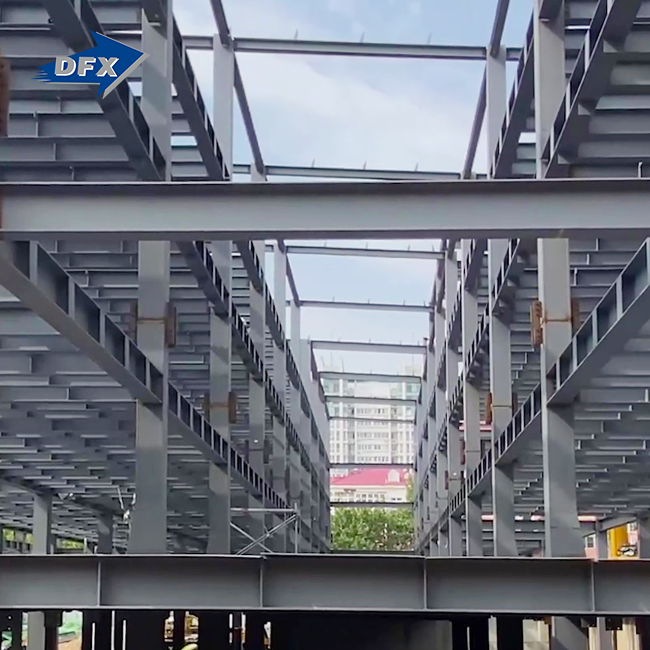
Material choice has a big impact on how long a structure lasts and how often it needs to be maintained. High-quality market stall steel sheds are made with H-section beams and columns made from Q235B or Q355B grade steel, which can hold more weight than lighter gauge options. Hot-dip galvanisation methods that apply zinc coats of 275g/m² or more keep C/Z galvanised purlins from rusting. This makes them last longer than 20 years in humid areas. Corrugated steel sheets with a thickness of 0.4mm to 0.6mm or insulated sandwich panels with EPS, PU, or rock wool bases can be used to cover the roof and walls. To make sure that materials meet the standards for grades and treatments, procurement teams should check the licenses of the materials and ask for mill test results that show the tensile strength, yield strength, and coating thickness.
Key Criteria to Evaluate Market Stall Steel Shed Manufacturers
Production Capacity and Technical Capabilities
A manufacturing company's foundation depends on delivering high-quality items consistently. Experienced fabricators have production facilities with automated welding lines, CNC cutting systems, and quality control labs. Qingdao Director Steel Structure Co., Ltd. was founded in 2011 and has 40,000 square meters of enclosed manufacturing area. Six automated welded H-beam, two sandwich panel, and two C/Z section steel lines. Welded structural parts may be produced annually at 20,000 tonnes; therefore, the firm can handle large orders. Technical teams that design buildings provide engineering calculations and fabrication drawings. To remove coordination gaps between design intent and produced components. Buyers should request facility visits or manufacturing process paperwork to ensure modern equipment and experienced labour.
Certification Compliance and Quality Assurance Systems
Products with international approvals satisfy worldwide safety and manufacturing requirements. ISO 9001 accreditation demonstrates a quality management system that checks raw materials, monitors manufacturing, and tests completed products. The CE mark proves a product satisfies European safety, health, and environmental standards, which is significant for overseas markets. Extra certifications like COC and PVOC make customs clearance simpler in several African markets. Director Steel has ISO quality standards and CE accreditation, ensuring structural sections satisfy load-bearing criteria. Buyers should verify the licence, review third-party audit reports, and ensure that systems can link produced parts to material batch numbers and quality test records throughout the manufacturing chain.
Product Range and Design Flexibility
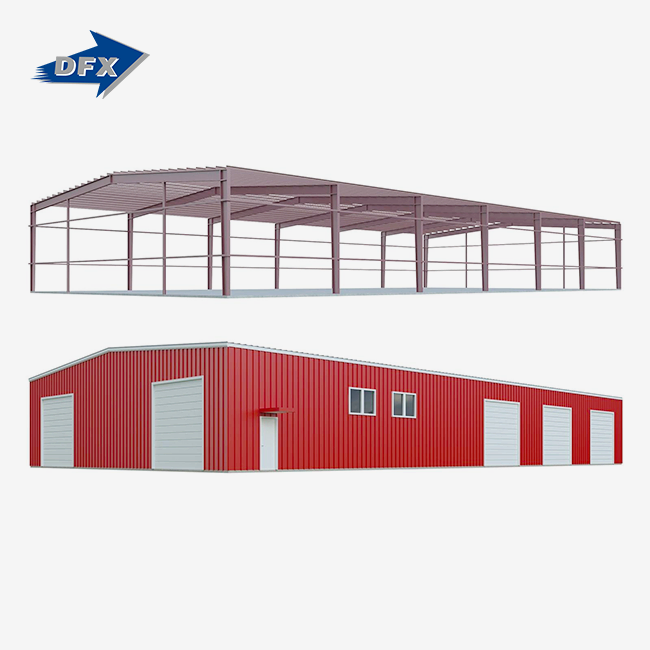
A company's product variety displays its flexibility and problem-solving. The finest providers offer conventional setups for immediate usage and specialised engineering for particular needs. Traditional single-slope, gable-roof, and multi-bay designs have set span widths and heights. Custom engineering can accommodate odd-shaped locations, integrated crane systems, and seashore wind bracing. Modular design allows for future extension with bolt-on additions without structural adjustments. Director Steel provides standard design, manufacturing, and installation drawings to aid clients from concept to on-site assembly. A manufacturer's earlier initiatives in diverse industries demonstrate their flexibility and familiarity with comparable jobs.
Lead Times, Logistics, and Installation Support
Project duration and cost depend on delivery success. Short manufacturing cycles assist in keeping projects on time and save inventory expenses for rapid orders. After order confirmation, standard layouts take 15–30 days. Custom designs, depending on complexity, might take 45 days. Complete logistical service comprises export packaging, container loading optimisation, and port shipment coordination. Installation help ranges from full assembly drawings with step-by-step instructions to on-site expert supervision. Buyers should make sure the products are properly packaged to avoid shipping damage, know the delivery terms, such as FOB or CIF pricing, and can find local installation partners or training programs to assemble them themselves.
Comparing Market Stall Steel Sheds: Material and Design Considerations
Steel Versus Alternative Construction Materials
Comparing materials shows how stability, care, and investment vary over time. Steel constructions are stronger than wood ones; thus, they may have vast spans without interior support columns, maximising floor space. Galvanised steel resists corrosion, vermin, and fire better than wood, making it cheaper to maintain. Wooden shelters need constant rot and termite treatment, whereas plastic sheds can't support heavy tools or snow heaps. Recycling steel helps the environment since aged structures retain their scrap value and reduce landfill waste. Metal structures cost more than wood, but lifetime cost analysis always supports steel since it lasts longer, requires less care, and is replaced less frequently.
Enclosed Versus Open-Sided Configurations
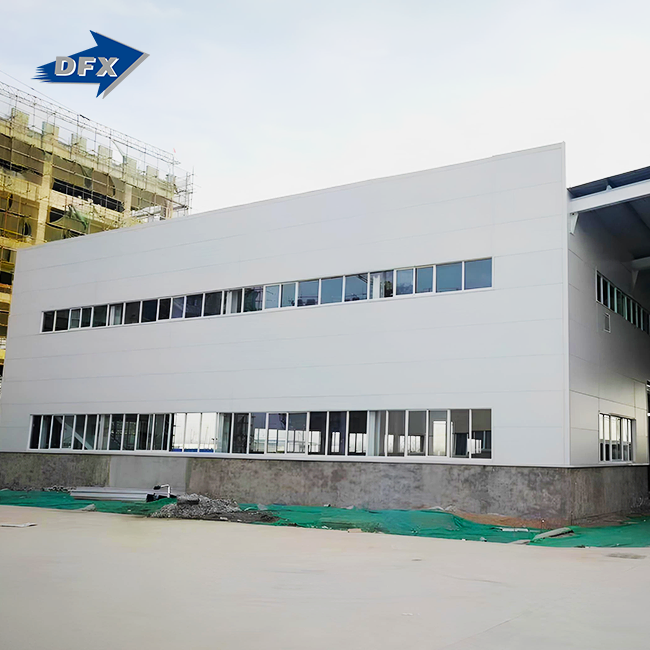
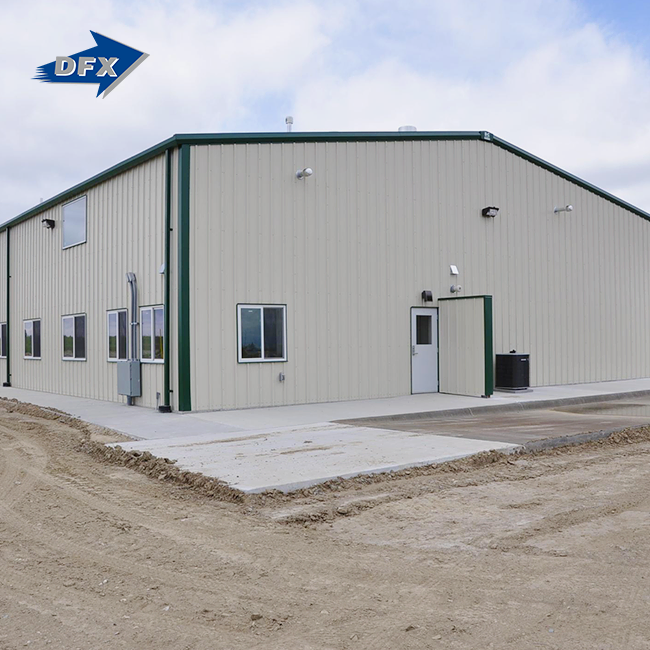
Design influences setting control, safety, and flexibility. Fully covered shelters keep criminals out, protect you from the elements, and maintain a steady temperature with insulated panel systems. This layout is ideal for storing valuable tools, cooling farming goods, or keeping customers comfortable in retail spaces. Open-sided designs bring in natural light, cover the roof, making it easier for cars to enter and exit, and save money on materials. Airflow prevents moisture and heat buildup in agricultural purposes, including hay storage and animal shelters. Wall panels or roller doors may be removed and reinstalled in hybrid designs. This allows the building to be aired in summer and closed in winter. The most common usage and security risk should guide configuration decisions.
Pricing Structures and Total Cost of Ownership
Understanding the parts of a cost makes it possible to make accurate budget predictions and compare suppliers. The base price usually includes the structural steel framework, the purlins, the cladding materials, the fasteners, and any standard accessories. Customisation options, better cladding materials, insulation packages, base building, long shipping distances, and installation services all add to the cost. To find out what costs the most and where they can save money, buyers should ask for itemised quotes that break down the costs of materials, fabrication, logistics, and services. The total cost of ownership includes more than just the purchase price. It also includes the cost of preparing the base, putting the house together, keeping it in good shape, and eventually getting rid of or moving the house. Hot-dip galvanised market stall steel sheds require less upkeep, and modular bolt-together designs make it easy to take apart and put back together at different locations, protecting the asset's value as it goes through different stages of its working lifecycle.
Steps to Engage and Procure from Market Stall Steel Shed Manufacturers
Preparing Comprehensive Requests for Quotation
With detailed RFQs, it's easier to make accurate proposals, and there are fewer revisions needed. Important details include the size and clearance requirements, the planned uses describing the types of loads and how often they will occur, the foundation's limitations, the ease of entry for transport vehicles, and the expected completion date. Technical add-ons should list the building codes that apply, the best grades of materials, the ways that the surface must be treated, and any extras that are needed, like doors, windows, ventilation systems, or electrical provisions. Photographs of installation sites help makers figure out problems with the environment or problems with getting to the sites. Clear business terms that spell out payment plans, inspection rights, guarantee standards, and ways to settle disagreements help everyone understand each other. By sending RFQs to three to five approved makers, you can get competitive prices and keep the evaluation task reasonable.
Evaluating Proposals and Supplier Credentials
Systematic proposal review finds the best mix between technical compliance and business viability. A technical review proves that the structural calculations show enough safety factors, that the material specs match the grades that were asked for with confirmed paperwork, and that the fabrication drawings show accurate measurements. A commercial assessment looks at how competitive the prices are compared to market standards, how well the delivery dates fit with the project schedule, how well the payment terms are structured, and how well the warranty covers both the materials and the work. As part of supplier due diligence research, the validity of the business registration, signs of financial stability, client reference contacts, and project portfolio proof showing similar scope experience are all looked at. Site visits to manufacturing sites check claims about production ability and quality control. With this multidimensional evaluation method, the best makers are found based on their technical ability, cost-effectiveness, and operating dependability.
Negotiating Terms and Finalizing Contracts
Strategic negotiation gets you good terms while keeping your relationships with suppliers that work together. If you agree to buy a lot of something, you might be able to get better prices or get your production scheduled first. Longer payment terms make it easier to handle cash flow, and early payments can lower unit costs. For critical applications, warranty extensions that go beyond the standard coverage periods reduce risk even more. Buyers should discuss clear acceptance criteria that spell out how to check items, how much leeway there is, and how to fix items that don't meet the criteria. Logistics terms that make it clear who is responsible for clearing customs, paying port fees, and transporting goods within the country keep costs from going up without warning. Including ways for design changes to be made during fabrication lets site conditions be found without starting a fight. Technical specs, business terms, delivery schedules, and quality standards can all be written down in agreements that are legally binding and protect both parties' interests during the procurement process.
Maintaining a Strong Partnership with Your Steel Shed Manufacturer
Establishing Long-Term Supply Agreements
Long-term ties have benefits that go beyond the business of individual transactions. Framework deals set prices, technical standards, and service levels ahead of time for a number of projects, so there is no need to negotiate over and over again. As a preferred supplier, you may get priority production during times of high demand, access to dedicated technical support resources, and chances to work together on product development. Consistent order numbers help manufacturers get the best deals on materials and schedule production, which saves them money that they can share through competitive prices. Buyers get a stable supply chain, reliable quality, and quick service that speeds up the completion of projects. Every year, reviews look at success measures, talk about ways to make things better, and change the terms to reflect changes in the market or in the needs of the business. This keeps the relationship strong.
Implementing Quality Monitoring and Feedback Systems
Quality management that is proactive stops mistakes before they happen and makes everyone more accountable. Meetings before production make sure that the understanding of specifications, the rules for replacing materials, and the inspection steps are all clear. Before committing to ship, in-process tests at key points in the production process check the accuracy of the dimensions, the quality of the welds, and the compliance of the surface treatment. Delivery checks make sure that the package is intact, that all the parts are included, and that there is no damage in transport that needs to be fixed right away. After installation, tests are done to see how well the structure worked, how clear the instructions were, and how quickly the service team responded. Formal feedback systems that record lessons learned help improve processes and make products better, which helps future projects. Clear communication during quality incidents fosters trust and a culture of working together to solve problems, which gets things done quickly without hurting relationships.
Conclusion
To pick the best market stall steel shed maker, you need to carefully look at their technical skills, quality certifications, product flexibility, and service promises. A good procurement process balances short-term cost concerns with long-term performance expectations, knowing that investments in structures that will last for decades require careful supplier screening. Manufacturers with ISO certification, a wide range of production capabilities, and a history of successful projects can provide the dependability that mission-critical apps need. Creating detailed specifications, evaluating competitive proposals, and negotiating strategically are all ways to get the most value for money while building relationships that work together. As the needs for infrastructure change, keeping flexible relationships with suppliers protects your operational investments and your company's image by giving you access to new solutions and consistent quality.
Frequently Asked Questions
1. What factors most significantly affect market stall steel shed durability?
The main thing that determines durability is the quality of the material. The grade of steel directly affects how much weight it can hold and how well it stays together. For example, Q355B is stronger than smaller grades. In humid or seaside areas, rust protection and service life are controlled by the quality of galvanisation, which is measured by the thickness of the zinc coating. Adding a powder finish or epoxy primer to the surface protects it even more against UV damage and chemical contact. Design elements like base support, structure bracing, and drainage systems all have an impact on how well a building resists wind and water. When you install something correctly and follow the manufacturer's instructions, it will work the way it's supposed to. If you don't, stress builds up and parts fail before they're supposed to.
2. Can manufacturers accommodate custom dimensions for unique site requirements?
Reliable manufacturers often design custom configurations that work with the limitations of the site. Custom options include non-standard widths to fit uneven lots, height changes to allow for machine passage or to meet local zoning laws, and length extensions to meet storage needs. Specialised features, like built-in crane rails, mezzanine floors, or the placing of dividing walls, help with practical processes. Manufacturers with their own design teams figure out how to make structural changes that meet building codes and safety standards. Custom orders usually have longer lead times than standard goods by two to three weeks. This is because technical work and getting non-standard materials cost more.
3. How do I verify a manufacturer's credibility and production capacity?
Verification includes both reading documents and checking things out in person. Ask for up-to-date ISO and CE certificates that prove the product and quality system are compliant. Look over the papers that were used to register the business and find out its legal standing and history of operations. Look at project portfolios that include client references that you can call directly to talk about delivery performance and quality satisfaction. Facility tours show how advanced the production equipment is, how skilled the workers are, and how the quality control system is set up. Independent evaluations of manufacturing processes are found in audit reports from certification groups that are sent by a third party. Credit ratings or bank references are examples of financial security signs that show operations will continue. This multi-source verification method lowers the risk of choosing a provider and makes sure that claimed capabilities and real performance ability are in line with each other.
Partner with DFX for Premium Steel Structure Solutions
Director Steel Structure offers designed market stall steel shed options that are backed by more than 12 years of experience making high-quality products that meet international standards. Our 40,000-square-meter factory has high-tech automatic lines that make 20,000 tonnes of galvanised structure parts every year that meet ISO 9001 and CE standards. From the first design to the final installation, we help our clients with a wide range of services, such as structural engineering, fabrication, export packing, and assembly drawings. Whether you need storage buildings for farms, shelters for your vehicles, or business buildings for stores, our technical team can help you find the best options that will last and save you money. Email our procurement specialists at jason@bigdirector.com to talk about your project needs and get detailed quotes from a reputable market stall steel shed manufacturer that is dedicated to quality and on-time delivery.
References
1. American Institute of Steel Construction. (2022). Steel Construction Manual, 15th Edition. Chicago: AISC Publications.
2. British Standards Institution. (2021). BS EN 1090-2: Technical Requirements for Steel Structures. London: BSI Standards.
3. International Organization for Standardization. (2020). ISO 9001:2015 Quality Management Systems - Requirements. Geneva: ISO Central Secretariat.
4. National Steel Bridge Alliance. (2023). Guidelines for Prefabricated Steel Building Systems. Chicago: NSBA Technical Publications.
5. World Steel Association. (2023). Steel Solutions in the Green Economy: Sustainable Construction Practices. Brussels: Worldsteel Committee on Economic Studies.
6. Zhang, L., & Chen, M. (2021). Structural Performance of Cold-Formed Steel Buildings in Agricultural Applications. Journal of Constructional Steel Research, 186, Article 106891.
Learn about our latest products and discounts through SMS or email