- English
- French
- German
- Portuguese
- Spanish
- Russian
- Japanese
- Korean
- Arabic
- Greek
- German
- Turkish
- Italian
- Danish
- Romanian
- Indonesian
- Czech
- Afrikaans
- Swedish
- Polish
- Basque
- Catalan
- Esperanto
- Hindi
- Lao
- Albanian
- Amharic
- Armenian
- Azerbaijani
- Belarusian
- Bengali
- Bosnian
- Bulgarian
- Cebuano
- Chichewa
- Corsican
- Croatian
- Dutch
- Estonian
- Filipino
- Finnish
- Frisian
- Galician
- Georgian
- Gujarati
- Haitian
- Hausa
- Hawaiian
- Hebrew
- Hmong
- Hungarian
- Icelandic
- Igbo
- Javanese
- Kannada
- Kazakh
- Khmer
- Kurdish
- Kyrgyz
- Latin
- Latvian
- Lithuanian
- Luxembou..
- Macedonian
- Malagasy
- Malay
- Malayalam
- Maltese
- Maori
- Marathi
- Mongolian
- Burmese
- Nepali
- Norwegian
- Pashto
- Persian
- Punjabi
- Serbian
- Sesotho
- Sinhala
- Slovak
- Slovenian
- Somali
- Samoan
- Scots Gaelic
- Shona
- Sindhi
- Sundanese
- Swahili
- Tajik
- Tamil
- Telugu
- Thai
- Ukrainian
- Urdu
- Uzbek
- Vietnamese
- Welsh
- Xhosa
- Yiddish
- Yoruba
- Zulu
How to Choose the Best Steel Horse Barns
Find out how many horses you have, what the site is like, and how much weight is allowed by local code before you look for steel horse barns. Next, look at each proposal and rate it on engineering, coatings, ventilation, scope, and delivery. I suggest that you get a detailed quote from each supplier so that you can see the foundations, insulation, doors, and installation support before you sign. Steel frames don't catch fire, don't rot, and are resistant to damage from termites and chewing. They also let you have clear-span layouts without interior columns. So you can find a barn that fits your property and your budget, read on to learn how I figure out which ones are the best.
Start With Your Needs Before Comparing Barns
What Steel Horse Barns Include
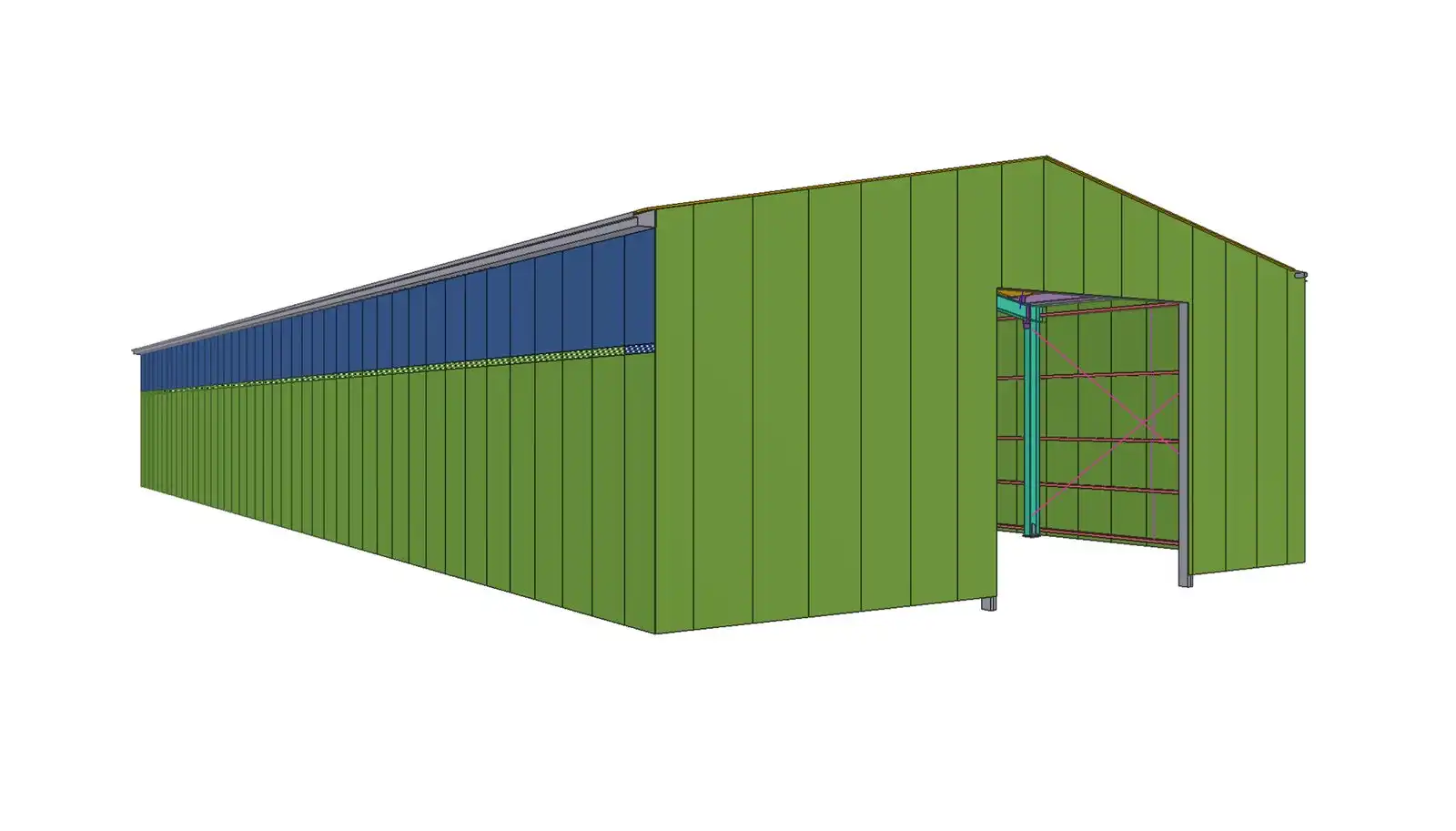
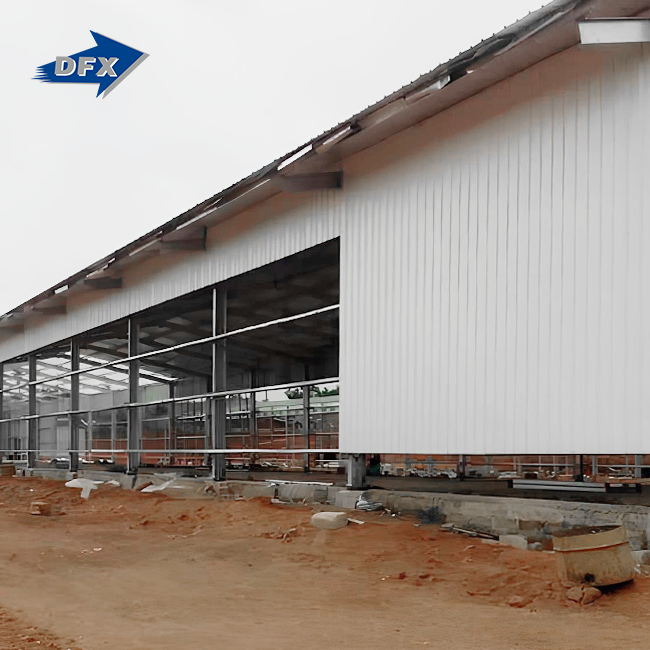
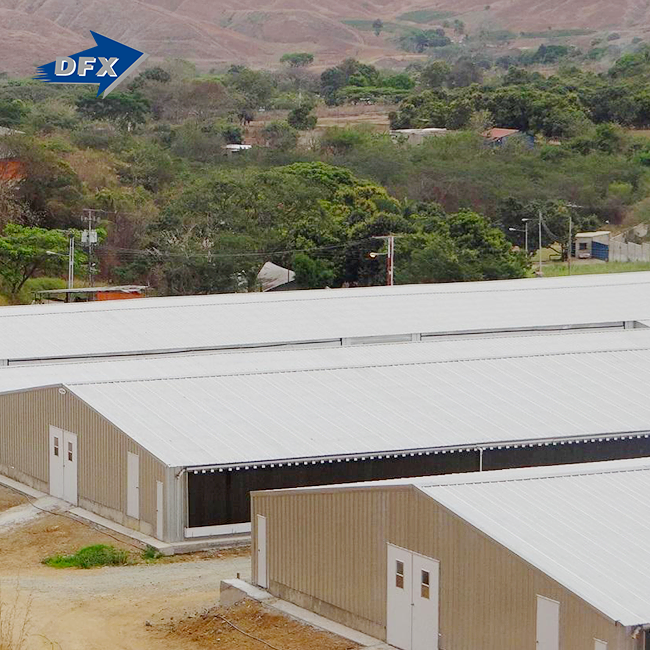
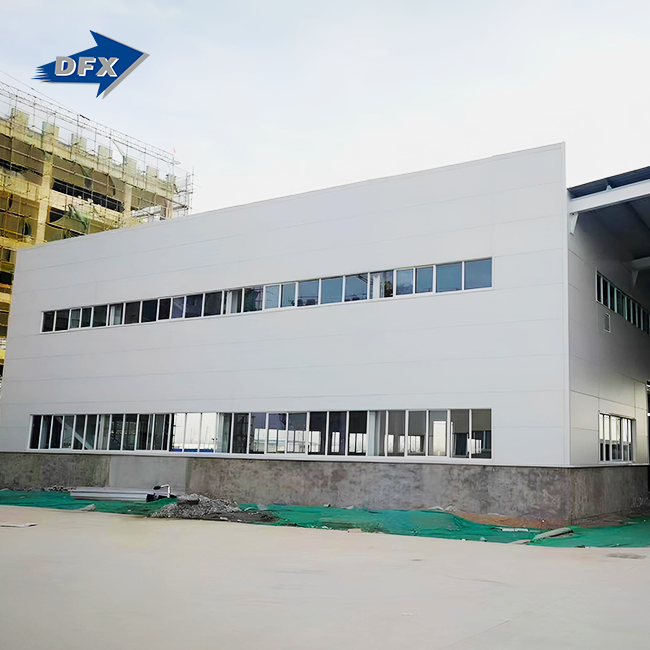
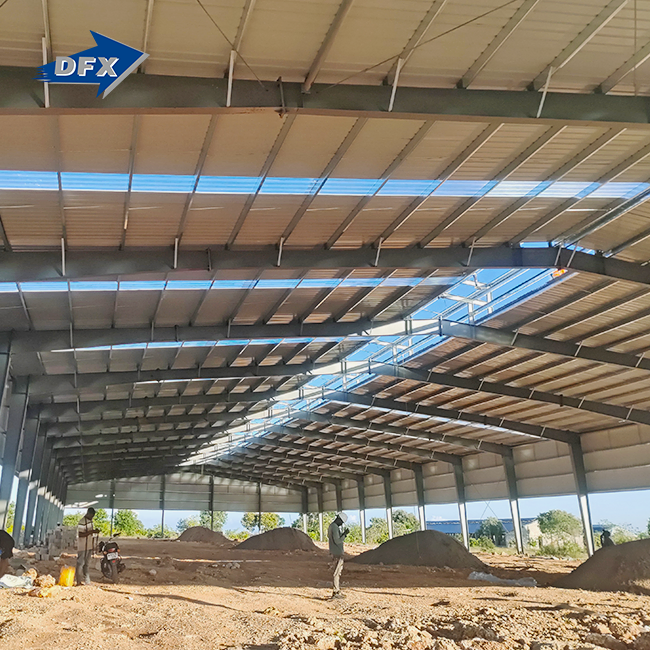
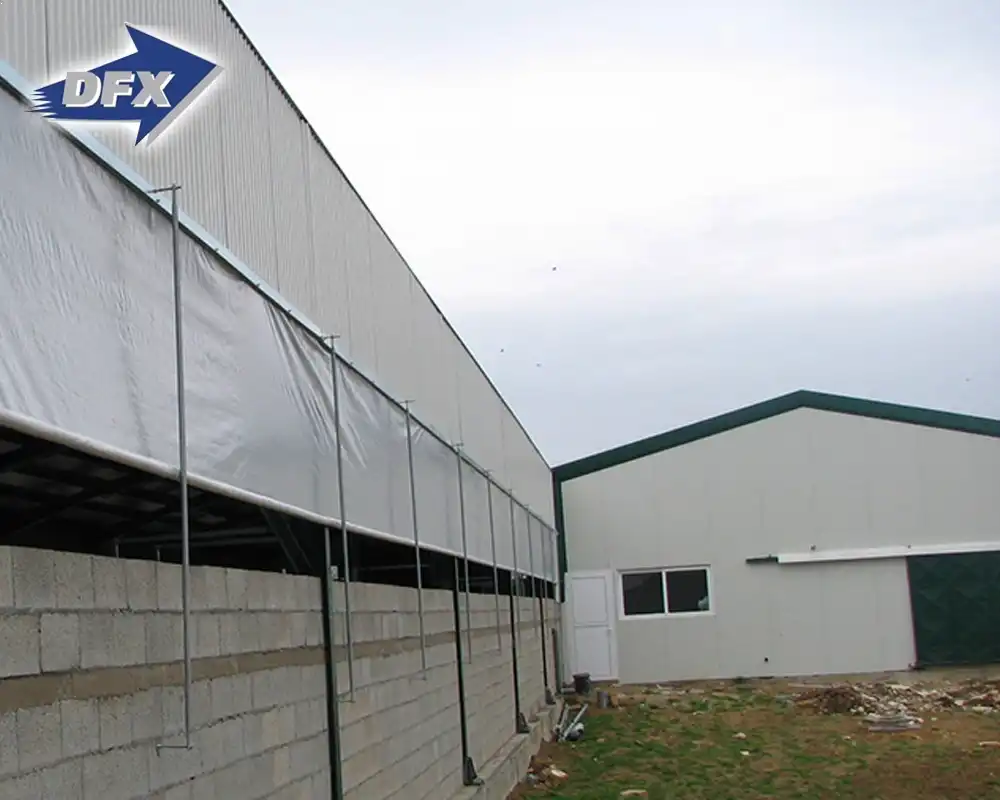
It is called a steel horse barn if it has a steel frame, a steel roof, steel wall panels, and fittings that are made for horses. Market terms are different. A pre-engineered barn comes with fully assembled parts, a kit only has the building materials, and a custom design lets the frame be adjusted to fit oddly sized spans or loads. DFX sells animal housing made of steel with a welded steel frame and an insulated wall system that can be added as an extra. It works well for horse farms, training centers, and breeding grounds. Make up your mind early on whether you need a package of materials or full support. DFX offers custom design, fabrication, and installation help.
Capacity, Aisles, and Layout
You can keep as many horses as you want in five years. Write down how many you need to keep now. Most stalls for one horse are 12 feet by 12 feet, and many owners choose aisles that are 12 feet wide to make leading and getting to equipment safe. Center-aisle plans are good for traffic flow and airflow. Straight-aisle plans are cheaper to build, and U-shaped plans work well on sites with little frontage. Make room for a wash stall, an office, feed, hay, and tack. A slightly bigger footprint that can be changed usually costs less than adding on later.
Site Conditions That Shape the Design
Before you ask for drawings, walk around the property. Check the slope, drainage, utilities, truck access, paddock connections, and how far away the neighbors are. Not a catalog, but the type of soil and the depth of the frost determine how the foundation is built. Also, the snow and wind loads are based on your county. A lot of places in the US follow the International Building Code, and engineers use ASCE 7 to figure out how much weight something can hold. Get in touch with your local building department early to find out how to get a permit and if stamped drawings are needed. When these things aren't checked first, good designs can be lost for weeks.
Check Performance and Compare Building Types
Structure, Steel, and Coatings
The frame is where the quality of the structure starts. DFX makes welded steel frames for steel horse barns. Welds in a structural shop should follow a standard, like AWS D1.1. For wall and roof panels, ask what kind of coating they have and how thick it is. Galvanized sheet is ranked by how much zinc it has. G90 has 0.90 ounces of zinc per square foot. Urine can also give barns ammonia, so ask about paint systems like Kynar 500 or silicone-modified polyester. Ask for ASTM B117 salt spray data for sites near the coast. The way DFX makes things is based on ISO9001, and its products have CE, COC, and PVOC certificates.
Ventilation, Insulation, and Condensation
The air quality in a barn is more important than any other comfort factor. You can help horses breathe better by adding ridge vents, eave openings, gable louvers, or fans, depending on the weather where you live. When warm, damp air hits a cold surface, steel panels can sweat. Dripping is stopped by an insulation layer or an anti-condensation liner under the roof. DFX has an optional insulated wall system that keeps the inside of your home at a steady temperature in hot summers and cold winters and muffles the sound of rain. A barn that is too tight and doesn't have any vents will trap moisture. On the drawings, ask the supplier to show where the vents will go.
Steel Versus Wood and Pole Barns
Metal that is made of steel doesn't rust or bend, and horses can't chew it. Class A fire ratings can also be reached with steel roof panels, while wood adds fuel to a building full of hay. Wood has a classic look and is easy to change on-site. At first, pole barns often cost less. Steel frames, on the other hand, let you have wider clear spans and put them up faster because the parts are already made. See how much it costs to own something over twenty years, not just the first bill. For indoor arenas, attached living quarters, hard sites, or bad weather, choose custom engineering.
Choose Features and Build a Realistic Budget
Stalls, Doors, and Safety Details
Every day, the fittings inside the barn decide how safe it feels. Put about 4-foot-tall kick walls inside the steel shell. These can be made of heavy lumber or HDPE liners and will absorb impact. Pick walls that are made up of separate modules, feeders that are strong, floors that don't slip, and drains that take water away from the stalls. The type of door is also important. Dutch doors let more air flow, sliding doors take up less room, and overhead doors work well for tractors and trailers. Make sure there are enough openings for horses, equipment, and emergency exits, and choose hardware that will last for years of use.
Indoor Arenas and Clear-Span Space
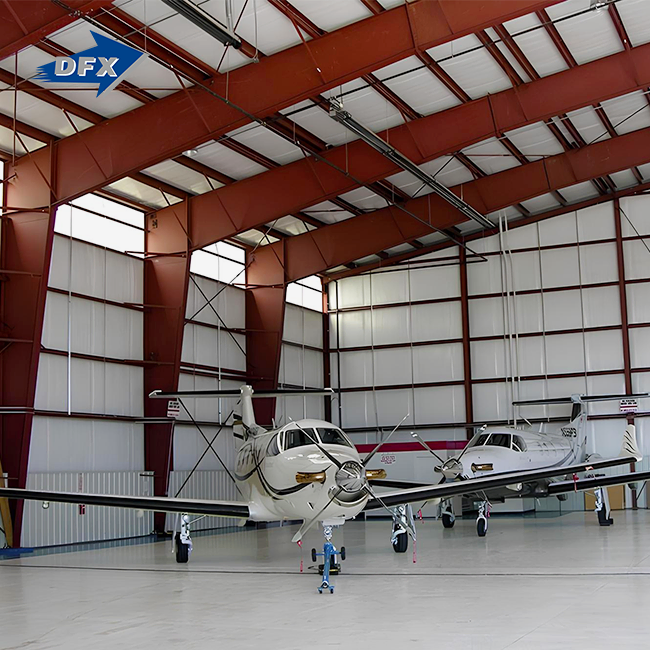
A clear-span frame gets rid of the interior columns, which lowers the risk of a crash and lets you ride under cover. Many commercial boarding and event centers have an indoor arena, tack rooms, and stabling all under one roof. An arena that is 100 feet by 200 feet is a common size. Check the soundproofing, lighting, footing, dust control, and height of the roof. When there is a lot of snow or wind, wide spans need stronger steel members, so share site data early on. DFX helps training centers and breeding facilities with custom design, fabrication, and installation.
Total Cost Beyond the Quote
A low price for steel horse barns rarely pays for the whole project. A lot of the time, the first quote doesn't cover things like foundations, engineering, insulation, stalls, utilities, freight, installation, permits, and site work. Make a cost sheet with a line for each thing: the frame, the panels, the doors, the equipment, the electrical work, the plumbing, the logistics, and the labor. It depends on the soil, the depth of the frost, how well it drains, and how easy it is to get to. Then add up the years after the building was built, taking into account repairs, energy use, growth, and resale value. Because DFX production is tailored to each client, I suggest getting a quote with a list of items that are included, those that are optional, and those that are not.
Select the Supplier and Manage the Project
Evaluate Manufacturers and Builders
Dealers, suppliers of materials, contractors, and manufacturers all have different jobs to do, so make sure the model fits your needs. Founded in 2011, Qingdao Director Steel Structure Co., Ltd. is the company behind DFX. It has more than 200 employees and a production area of 40,000 square meters. Six automatic welded H-beam lines, two sandwich panel lines, two C/Z section lines, and twenty corrugated sheet lines are among its lines. DFX barns are made in China and have designs made by people in the company. Talk to each supplier about their engineering, quality systems, experience exporting, references, warranty, and spare parts. For imports, make sure the Incoterms, packaging, customs documents, duties, and code compliance are all correct.
Score Proposals Side by Side
A scoring sheet keeps price from making the choice for you. From 1 to 5, rate at least three suppliers on how safe the structure is, how well it meets codes, how well it ventilates, how resistant it is to corrosion, how well it fits your needs, how fast they deliver, how helpful they are, and how much it all costs. It's up to you how much weight to give each category. In a boarding stable, workflow and growth may be important, while in the country, weather resistance and engineering may be more important. Then, put all the items that are included, optional, or not included in one table, along with the lead time, payment terms, and scope of the installation. When all suppliers answer the same questions, it's easier to compare their bids.
Installation, Handover, and Mistakes to Avoid
Write down the project's location, size, number of horses it can hold, weather, accessories, budget, and due date. Plan out the drawings from the suppliers, the local engineering, the permits, the utilities, the drainage, and the foundation work. To make sure that base plates fit, anchor bolts often need to be within a 1/8-inch range. When the parts arrive, count them and check the coatings before putting them together. When you hand over the keys, check the frame's alignment, the torque on the bolts, the panels, the flashing, the doors, the vents, the drainage, and the warranty records. Quotes that don't include foundations, insulation, freight, or installation, or that don't take into account local snow and wind loads, or that don't leave any room for growth are the ones that cost the most.
Conclusion
You can find the best steel horse barns by making sure the building fits your horses, your property, and the building codes in your area before you compare prices. Room for growth should be built into the layout and the capacity. How long the barn lasts depends on its coatings, ventilation, and welded frames. Insulation controls temperature and condensation. To keep out fire, rot, and pests, steel is better than wood, and clear spans work well in indoor arenas. Kick walls, the right doors, and floors that don't slip all help keep people safe. A reasonable budget includes things like foundations, utilities, freight, installation, and upkeep over the long term. A weighted scoring sheet and careful checks before handover lower the risk of the project. The owners are better protected by full specifications and itemized comparisons than by the lowest initial quote.
FAQ
1. Is steel better than wood for a horse barn?
Steel doesn't catch fire, rot, termites, or chewing damage, and it doesn't need as much upkeep. Wood has a classic look and is easy to work with. The best choice is based on climate, budget, and use.
2. How long does a steel horse barn last?
Service life is based on engineering, coating grade, weather, and upkeep. Instead of relying on general claims, get written information about the coating and the warranty terms.
3. Does a steel horse barn need insulation?
Most of the time, yes, because insulation helps keep temperature changes and condensation under control. You can choose to have an insulated wall system from DFX.
4. Can I install a prefabricated barn myself?
Some owners do, but frames need accurate anchor bolts, the right amount of torque on the bolts, and the right way to brace them. DFX can help with installation, and your local law may require a licensed professional.
Request Steel Horse Barns Design and Quotation From DFX
Are you planning a barn project and need a steel horse barns manufacturer who can help with design, fabrication, and installation? Send DFX your site's location, climate, size, number of horses, insulation needs, and schedule. We'll get back to you with layout options, specifications, and a quote with all the necessary details. We have ISO9001, CE, COC, and PVOC certificates for our goods. To start your question, email jason@bigdirector.com.
References
1. International Code Council, International Building Code, 2021
2. American Society of Civil Engineers, ASCE 7-22 Minimum Design Loads and Associated Criteria for Buildings and Other Structures, 2022
3. American Welding Society, AWS D1.1/D1.1M Structural Welding Code–Steel, 2020
4. ASTM International, ASTM B117 Standard Practice for Operating Salt Spray (Fog) Apparatus, 2019
5. ASTM International, ASTM A653/A653M Standard Specification for Steel Sheet, Zinc-Coated (Galvanized) or Zinc-Iron Alloy-Coated (Galvannealed) by the Hot-Dip Process, 2020
6. National Fire Protection Association, NFPA 150 Standard on Fire and Life Safety in Animal Housing Facilities, 2019
Learn about our latest products and discounts through SMS or email