- English
- French
- German
- Portuguese
- Spanish
- Russian
- Japanese
- Korean
- Arabic
- Greek
- German
- Turkish
- Italian
- Danish
- Romanian
- Indonesian
- Czech
- Afrikaans
- Swedish
- Polish
- Basque
- Catalan
- Esperanto
- Hindi
- Lao
- Albanian
- Amharic
- Armenian
- Azerbaijani
- Belarusian
- Bengali
- Bosnian
- Bulgarian
- Cebuano
- Chichewa
- Corsican
- Croatian
- Dutch
- Estonian
- Filipino
- Finnish
- Frisian
- Galician
- Georgian
- Gujarati
- Haitian
- Hausa
- Hawaiian
- Hebrew
- Hmong
- Hungarian
- Icelandic
- Igbo
- Javanese
- Kannada
- Kazakh
- Khmer
- Kurdish
- Kyrgyz
- Latin
- Latvian
- Lithuanian
- Luxembou..
- Macedonian
- Malagasy
- Malay
- Malayalam
- Maltese
- Maori
- Marathi
- Mongolian
- Burmese
- Nepali
- Norwegian
- Pashto
- Persian
- Punjabi
- Serbian
- Sesotho
- Sinhala
- Slovak
- Slovenian
- Somali
- Samoan
- Scots Gaelic
- Shona
- Sindhi
- Sundanese
- Swahili
- Tajik
- Tamil
- Telugu
- Thai
- Ukrainian
- Urdu
- Uzbek
- Vietnamese
- Welsh
- Xhosa
- Yiddish
- Yoruba
- Zulu
How to Choose an energy assembly steel display hall
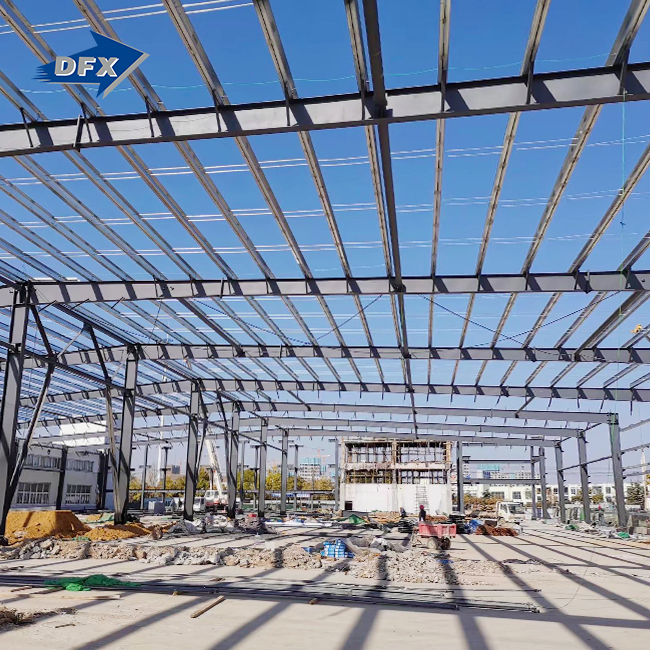
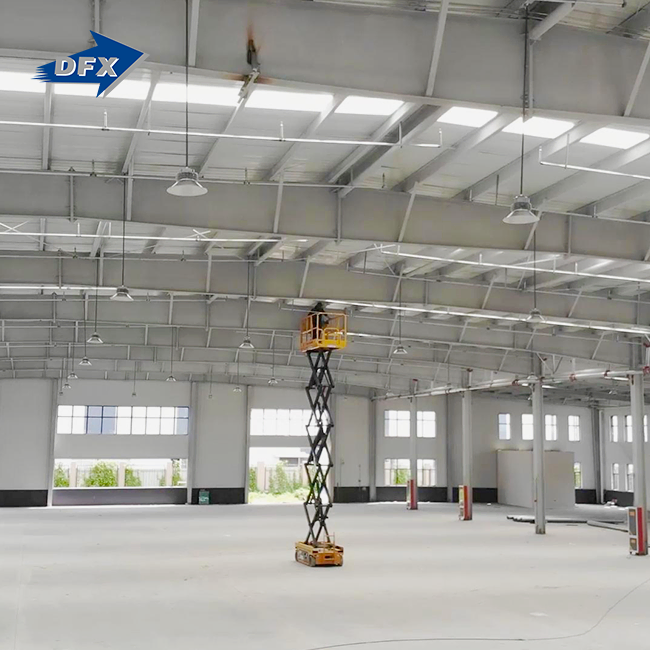
To choose an energy assembly steel display hall, start with your use case, then match span, loads, and climate to a structural system. Verify steel quality and code compliance, and compare suppliers against the same written scope. I use five checks: a written project brief, a suitable portal frame or beam-column layout, documented fire and insulation performance, a transparent quotation, and clear installation support. This guide walks through each check in plain language, so project managers, procurement teams, and EPC contractors can shortlist a builder with confidence and avoid costly changes after the order. At DFX, also known as Qingdao Director Steel Structure Co., Ltd., we have fabricated and erected steel structures since 2011. You may also see this building called a prefabricated steel display hall, energy exhibition hall, or energy equipment showroom. I wrote this guide from the questions buyers ask us most often.

Define Your Needs and Choose the Right Structure
Start With a Written Project Brief
Before you request prices, I think you should write a one-page summary. Write down the floor space, clear span, eave height, and what the building is used for, and say whether the hall is temporary or for good. Include the sizes of the equipment, the number of people who will be there, the weather, and the plan you want to make. There might need to be places to compare goods and roofs in a solar store. For a battery or wind show, the floors and doors might need to be bigger and stronger. As long as you tell all the suppliers the same thing, you can compare their quotes line by line without having to pay extra to make changes after the fact.
Match the Structural System to Span and Loads
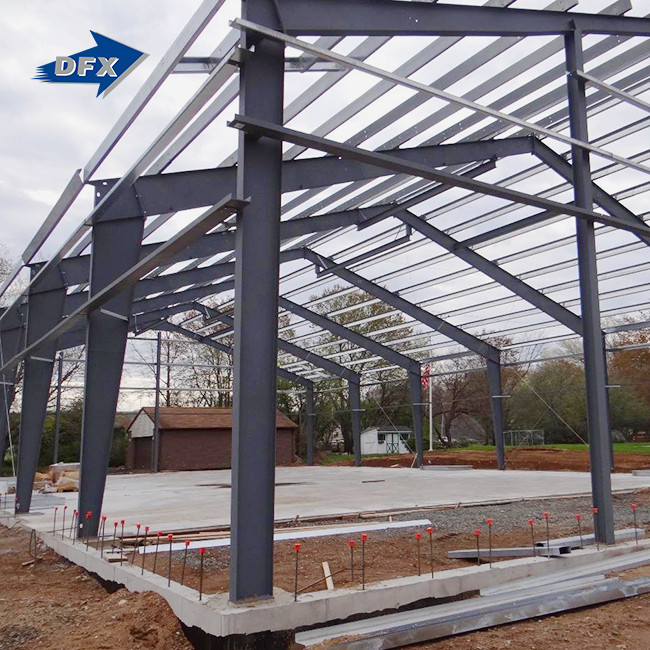
There are many display halls that work well with beam-column and portal frames. With a portal frame, the floor is wide, and there are no poles, which is great for an open gallery area. A beam-column plan is good when you need more than one span, mezzanines, or extra weight on the roof. ASCE 7-22 tells engineers how to figure out the size of the members based on wind, snow, and earthquakes in their area. People who work with steel should use AISC 360. So that you can change your mind later, ask each provider to show you the column spacing, the roof load calculations, and any space for lights, signs, or screens that can hang from the ceiling.
Plan the Roof, Walls, and Façade Early
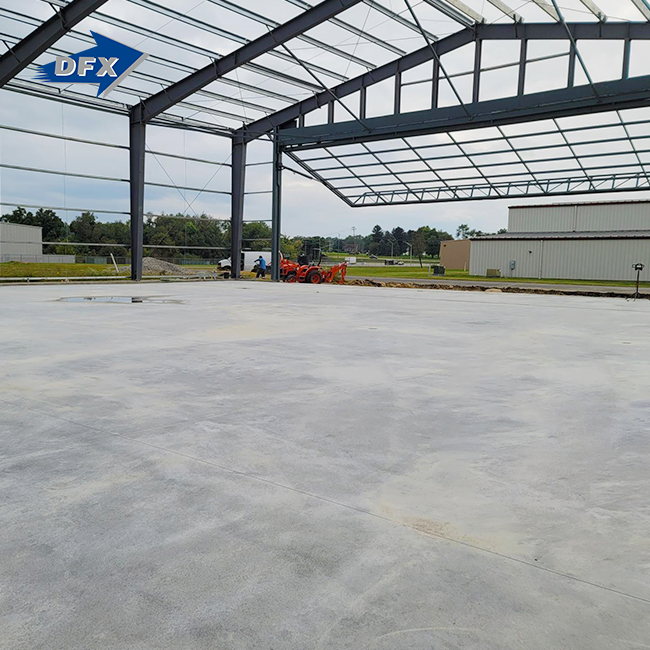
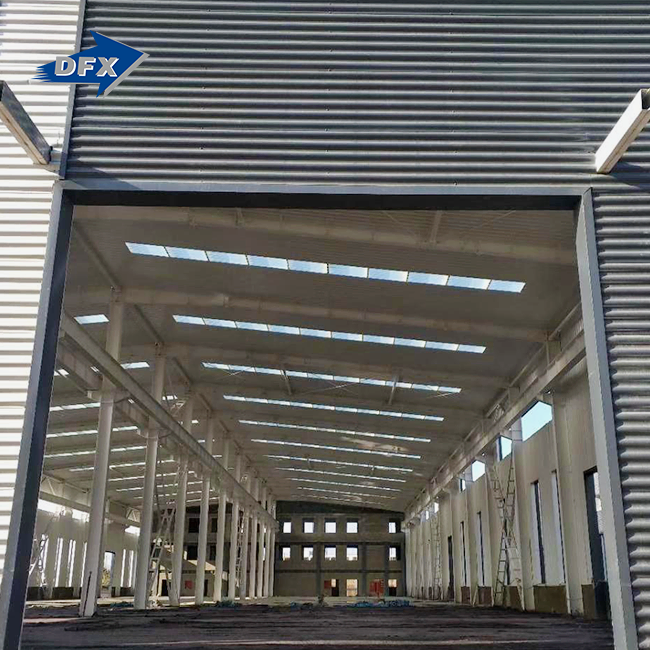
To sell things, the front of a store is just as important as the back. There are big windows on the front of our commercial energy assembly steel display hall building with open space. These windows let light in and let people see your products from the street. If there are big gaps, make sure they are clear during the planning phase so that wind loads and wall supports can move in the right way. For the strengthened roof system, you can choose wall plates that keep out fires, keep heat in, and keep water out. Glass, doors, and branding walls can all be bought together. That makes sure that the building plans and the finished building look the same.
Compare Steel Against Alternatives and Check Performance
Steel Versus Concrete Over the Full Lifecycle
There's more to it than the price per square foot. In the workshop, steel parts are made, and on the job site, supports are put together. In other words, both jobs are going on at the same time. Most of the time, pre-engineered steel takes 30–50% less time to put together than regular concrete. However, the exact time savings depend on the design and the site conditions. Steel frames are also lighter, which can cut down on the work needed for the foundation. It is also easier to add on to them later because they are bolted together. But concrete can still be used for big fixed buildings or projects that need a lot of thermal mass. You should add up the costs of planning, building, moving, putting it together, furnishing, maintaining, and making changes in the future.
Verify Steel Grades, Coatings, and Certificates
Find out from the mill what grade of steel each main member is made of. There are a lot of different structural grades, like ASTM A572 Grade 50 and Q355B, which has a break strength of at least 345 MPa. Hot-dip galvanizing needs a zinc layer that is at least 85 μm thick on average to keep steel that is more than 6 mm thick from rusting. There may be places near the coast that need a bigger setup. DFX takes care of the surface as part of its services, and our products have ISO9001, CE, COC, and PVOC certificates. Ask for records of the checks that were done on the welding and coating before the shipment.
Review Fire, Insulation, and Climate Performance
Clear plans for life safety are needed in halls that people can see. Check the fire exits, alarms, emergency lights, and steel parts that work in case of a fire. When needed by code, these properties can be provided by intumescent coats. Check how well the house is insulated, how well it stops condensation, how well air flows, and how much glare comes in through big windows. To make sure you follow the rules in the US, get a licensed engineer involved early on. The International Building Code and the body in charge of your area decide what the end rules are. Stationary energy storage systems are covered by NFPA 855 if the hall wants to show off battery storage. The National Electrical Code (NFPA 70) says that parking lots for electric vehicles must follow its rules.
Evaluate Suppliers, Budget, and Installation
Compare Manufacturers on Proven Capability
Do not only glance at the photographs in the catalog and the lowest price. Learn how many manufacturing lines there are at the factory, how they verify measurements, and who designs the outfits. The director of Steel is in charge of more than 200 personnel living in a 40,000 square meter plant. We have 20 corrugated sheet production lines, 2 sandwich panel production lines, 6 automated H-beam production lines, and 2 C/Z section steel production lines. The plant can produce roughly 50,000 m2 of sandwich panels and 20,000 tons of welded H-beams and columns annually. This figure tells you whether a provider can deliver your items on schedule. Our halls are made-to-order in China for you.
Build a Transparent Budget and Request Comparable Quotes
Ask each source for a written plan, giving them the same framework. In a complete quotation, you have design, steel frame, roof and wall systems, insulation, doors, windows, surface treatment, packaging, shipping, and support with setting up the building. It doesn’t cover things like building foundations, HVAC, electrical work, taxes, and import costs. Stocking components and having items manufactured in a factory are smart methods to save money. “Buying thinner steel, weak coatings, or unclear restrictions now will save money but is risky. It will hurt in the long run.” Our energy assembly steel display halls are custom-made; thus, there is no fixed pricing from a catalog for each job. Instead, we compute the pricing depending on your loads and sizes.
Understand the Fabrication and Installation Steps
A typical project begins by determining what needs to be done and coming up with a concept. Then it goes to structural engineering, shop drawings, manufacturing, inspection, shipping, assembly, and handover. Before using the equipment, make sure you know the layout of the anchor bolts, how they link to the foundation, and how much weight they can carry. Fixing problems on site costs extra. DFX has an architectural design and detailing team to aid with concept design, manufacturing, surface treatment, and setup. Once the frame is up and the secondary steel is in place, the site teams install the roof panels, wall panels, and windows. Get the installation manuals, supervisors, and as-built drawings together before the project begins. This way everyone understands what they have to do.
Match the Hall to Your Application Before You Sign
Fit the Layout to Solar, Wind, Battery, and EV Displays
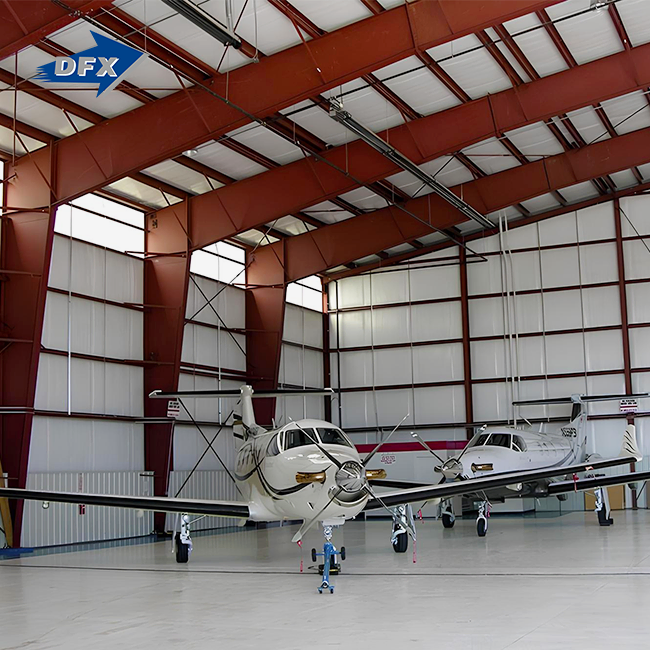
People and commodities should be arranged to match. Solar booths require meeting rooms, models of rooftops, and mechanisms to vary their exposure to the light. The wind conditions need tall structures with large entrances and floors capable of supporting heavy components. Battery displays must provide fire safety, airflow, and simple access for visitors. Plug-in electric cars (EVs) require adequate electricity, room to move about, and a mechanism to keep their cords in order. Our hall is perfect for a trade exhibition, a store, or somewhere to sell products. The hall is available for you to adjust the displays as your items change. The span, height, and apertures will be designed to suit the technology that you wish to display. Tell us what they are.
Use a Simple Supplier Scorecard
Here, a scorecard assists a group to determine what to do. Things like safety of the construction, assistance with design, quality of the materials, capacity to build them, delivery timetable, aid with installation, transparent costs, warranties, and contact. Each provider should be rated from 1 to 5 stars. Then you should determine how significant each thing is to you. Engineers could have calculations and supply as the most critical things. For procurement managers and engineers, the most crucial items can be clear plans and support with construction. Ask the specific questions to the top two firms and total up all the points. And often the way they respond is a measure of how well they know your work.
Run a Final Checklist Before Approval
Make sure these things are in writing and that you agree with them before you sign. Write down what it will be used for, how long it will be utilized, the amount of space it takes up, its height, and whether there are any plans for development. Show length, weight, quality of steel, fire and insulation requirements, and corrosion protection. Check the supplier’s list of items they won’t offer you. Check the delivery conditions, the guarantee, and the payment terms. You could also ask for project references that have solid track records. When you are finished, you should discuss the plan with management, engineering, and buying to ensure that it will operate technically, comply with the regulations, and clearly state the cost. The expense of such evaluation is far less than fixing a mistake after the fact.
Conclusion
Before you look at prices for an energy assembly steel display hall, you should make sure the building is right for the job. A written brief shows the span, height, loads, and plan. After that, portal frame or beam-column systems make the floor space for showrooms and display halls open. Factory-made steel can be made faster than concrete, and it can also grow bigger more easily. Long-lasting performance is guaranteed by steel grades, coatings, fire protection, and insulation that have been tested. The International Building Code, ASCE 7, AISC 360, and local governments in the US decide if a project is in line with the rules. NFPA 855 and NFPA 70 explain how to make displays for batteries and EVs. One brief and a weighted evaluation should be used to rate providers on their ability to produce, help with design, clear scope, and installation instructions. This method makes it less likely that you'll need to change your mind, and it keeps safety, cost, and schedule in check.
FAQ
1. What is an energy assembly steel display hall?
It's an energy assembly steel display hall that can be bought already put together or quickly put together. It displays solar, wind, battery storage, EV charging, and other energy products. Portal frames or beam-column structures make the inside open so that sellers can move displays around without having to change the columns.
2. When is steel more economical than concrete?
Steel is often the best choice when you need a long clear span, a short schedule, or room for growth in the future. This is because factory building can happen at the same time as site work. Concrete might be a good choice for projects that need a lot of thermal mass. Costs depend on the size of the project, the site, how hard the design is, and how far the goods have to be shipped.
3. Does DFX provide installation support?
It does, yes. For as little as a small fee, we can help you with everything from planning your idea to making it and finishing the outside. What kind of help you get depends on where your project is, how hard the design is, and what was agreed upon as the scope of supply. We write it down before we start making it; that's why.
Request Your Energy Assembly Steel Display Hall Quote From DFX
Are you building a store or a place to show things? DFX has ISO9001, CE, COC, and PVOC certifications and makes energy assembly steel display halls that use less energy. Their factory is 40,000 square meters big, and they can build any hall you need. Tell us where you are, how big it is, how you plan to use energy, the temperature, and any local building codes. You'll get back to us with a rough plan, an idea of how it will be put together, and a clear scope. Email jason@bigdirector.com to learn more.
References
1. International Building Code (International Code Council), 2021
2. ASCE/SEI 7-22 Minimum Design Loads and Associated Criteria for Buildings and Other Structures (American Society of Civil Engineers), 2022
3. ANSI/AISC 360-22 Specification for Structural Steel Buildings (American Institute of Steel Construction), 2022
4. NFPA 855 Standard for the Installation of Stationary Energy Storage Systems (National Fire Protection Association), 2023
5. NFPA 70 National Electrical Code (National Fire Protection Association), 2023
6. ISO 1461 Hot Dip Galvanized Coatings on Fabricated Iron and Steel Articles (International Organization for Standardization), 2022
Learn about our latest products and discounts through SMS or email