- English
- French
- German
- Portuguese
- Spanish
- Russian
- Japanese
- Korean
- Arabic
- Greek
- German
- Turkish
- Italian
- Danish
- Romanian
- Indonesian
- Czech
- Afrikaans
- Swedish
- Polish
- Basque
- Catalan
- Esperanto
- Hindi
- Lao
- Albanian
- Amharic
- Armenian
- Azerbaijani
- Belarusian
- Bengali
- Bosnian
- Bulgarian
- Cebuano
- Chichewa
- Corsican
- Croatian
- Dutch
- Estonian
- Filipino
- Finnish
- Frisian
- Galician
- Georgian
- Gujarati
- Haitian
- Hausa
- Hawaiian
- Hebrew
- Hmong
- Hungarian
- Icelandic
- Igbo
- Javanese
- Kannada
- Kazakh
- Khmer
- Kurdish
- Kyrgyz
- Latin
- Latvian
- Lithuanian
- Luxembou..
- Macedonian
- Malagasy
- Malay
- Malayalam
- Maltese
- Maori
- Marathi
- Mongolian
- Burmese
- Nepali
- Norwegian
- Pashto
- Persian
- Punjabi
- Serbian
- Sesotho
- Sinhala
- Slovak
- Slovenian
- Somali
- Samoan
- Scots Gaelic
- Shona
- Sindhi
- Sundanese
- Swahili
- Tajik
- Tamil
- Telugu
- Thai
- Ukrainian
- Urdu
- Uzbek
- Vietnamese
- Welsh
- Xhosa
- Yiddish
- Yoruba
- Zulu
How to Choose a Steel Structure Exhibition Hall Manufacturer
Choosing the right steel structure exhibition hall manufacturer shapes the entire outcome of your project—from structural safety to delivery timelines and long-term maintenance costs. A well-built exhibition hall relies on high-strength steel framing, certified fabrication processes, and experienced engineering support. Whether you are sourcing for a trade fair center, a corporate pavilion, or a modular expo facility, the manufacturer you select determines both the quality of the build and the reliability of your investment. This guide walks you through every critical decision point so you can procure with confidence.

Defining Your Decision Scenario: Understanding Your Project Needs
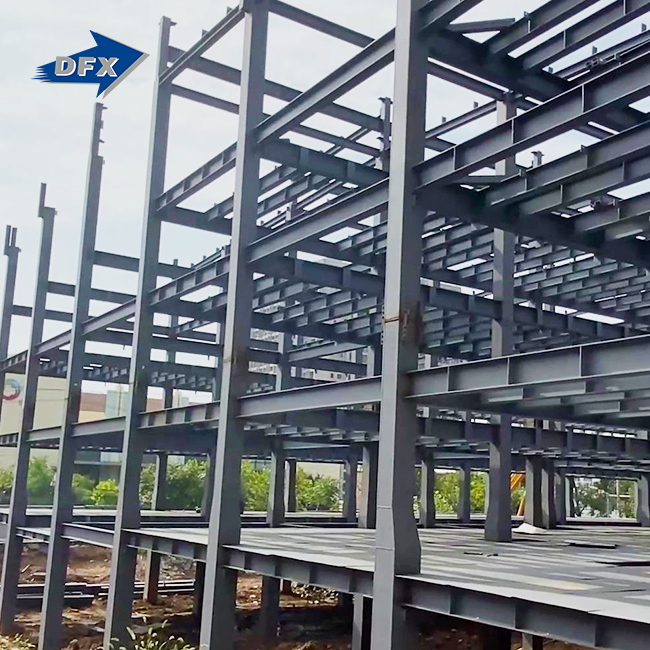
You need to have a clear idea of what your project needs before you talk to any suppliers. Some steel structure exhibition hall projects need single-story open spans that are longer than 80 meters so that heavy equipment can be shown. Other steel structure exhibition hall projects involve multi-story business buildings with covered facades, composite floor systems, and curtain wall cladding. Knowing your own scope keeps you from getting offers that don't fit and wasteful procurement processes.
Matching Manufacturer Capabilities to Your Project Profile
Each person who makes decisions has their own set of priorities. Cost control and source dependability are two things that procurement managers usually worry about. Seismic rates, steel grade compliance, and weld soundness are the most important things for structural engineers. EPC workers and project managers need to know for sure when things will be delivered and how to place them. To match these different standards with what a single manufacturer can do, they need to be honest with themselves before they send out their first request.
Key project parameters worth defining upfront include:
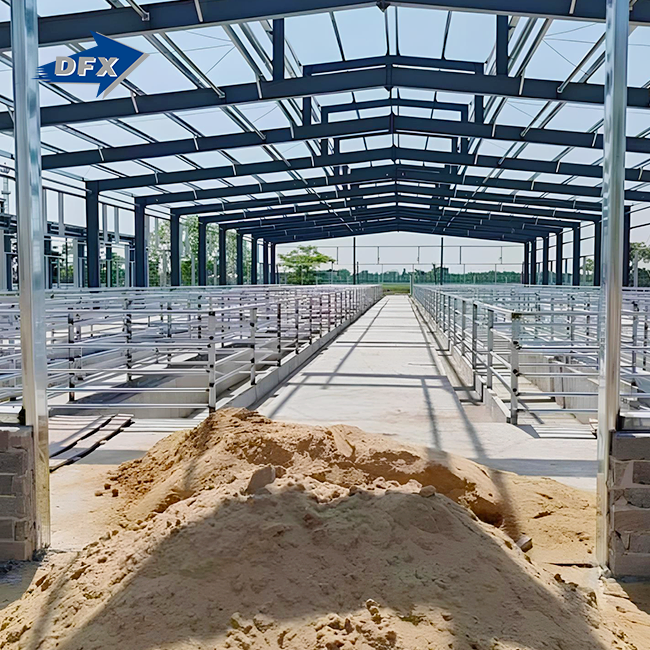
- Scale and span requirements: Clear spans of more than 60 meters without columns need space frame or truss systems, not normal portal frames. Check to see if your place wants single-span or multi-bay setups.
- Design complexity and customization: Manufacturers of iconic curved shapes or branded architectural facades need to be able to use BIM to drive detailing and have experienced drafting teams that can turn ideas into fabrication drawings.
- Budget and timeline boundaries: Because project-based manufacturing is based on the size of the order and the supply of steel, wait times change. Scheduling problems later on can be avoided by setting a realistic deadline early on.
Once these parameters are documented, your vendor shortlist becomes far more manageable.
Establishing Core Metrics to Evaluate Manufacturers
Once you have a clear picture of your project, the next step is to create an organized set of review standards. Not every company that says they are good at manufacturing steel buildings can actually meet the needs of a steel structure exhibition hall.
Steel Grade, Certification, and Manufacturing Technology
You can't skimp on material quality. Manufacturers you can trust use Q235B or Q355B structural steel, which is the same as ASTM A36 or A572 and has the right strength-to-weight ratio to lower base loads while keeping the structure's integrity under changing crowd and machine loads. If you want to buy something, make sure that the company has either ISO 9001 or ISO 9004 quality control approval and the CE marking, which shows that it meets European building standards. Extra certifications like COC and PVOC show that the import meets the requirements of the destination market.
Pricing Transparency and After-Sales Support
The way prices are set is just as important as the price itself. You can really see how much something costs if the manufacturer gives you detailed quotes that break down the steel tonnage, fabrication costs, anti-corrosion treatment, and logistics. The guarantee coverage and support system after delivery are just as important. Ask if there are instructions for installation and if the manufacturer can send technical staff to help with the setup.
Analyzing Metric Weights: Prioritizing Your Selection Criteria
It is really hard to find a good balance between quality and cost, and a lot of buying teams don't realize how a lower initial price can lead to higher costs over time. Failures of anti-corrosion coatings on steel that don't meet specifications can happen within five years, causing upkeep costs that are much higher than any savings made at the start. A standard anti-corrosion treatment at the C3 level using hot-dip galvanization or an epoxy zinc-rich primer should be seen as the starting point, not an improvement.
Lead Times as a Decisive Factor
For steel structure exhibition hall sites that have to stick to set event schedules, delivery delays cost a lot of money. When compared to traditional concrete construction, pre-engineered steel components that are made off-site cut on-site labor by about 40%. This directly affects the reliability of the schedule. Before signing a deal with a supplier, make sure you get a milestone-based output schedule and see how many orders they already have.
Manufacturer Reputation as a Proxy for Reliability
Case studies that have been checked, client recommendations, and industry certifications are all signs of business maturity. As an example, a manufacturer with experience in industrial plants, business buildings, and airport hangars shows that they can react to projects in a variety of sectors. You can check what a supplier says on paper by looking at third-party review sites and asking for Mill Test Certificates (MTC) for raw steel.
Evaluating and Comparing Manufacturer Options
Total landing cost, not just unit price, is what decides whether to source from within or outside the country. Chinese factories that make a lot of things, like those with 40,000 square meters of enclosed production space and many automated H-beam welding lines, can always meet large orders at competitive prices without lowering the quality of their products. The important thing is to choose a company whose quality control system meets international standards.
Turnkey Providers vs. Specialized Fabricators
As part of their service, turnkey providers create building layouts, do structural calculations, make things, and help with installation. This unified model gets rid of the problems that happen when design firms and producers can't work together, which is a common cause of project delays. Specialized manufacturers, on the other hand, may be great at making a certain type of product, but they require you to handle multiple seller relationships on your own.
Here are the core advantages of choosing a turnkey steel structure manufacturer:
- Single-source accountability: Design mistakes and problems with the production are fixed by the same company. This lowers your risk and makes managing contracts easier throughout the project's lifecycle.
- Faster design-to-delivery cycles: When architectural drawings are approved, in-house detailing teams can go straight to fabrication schedules, cutting weeks off the normal lead time for procurement.
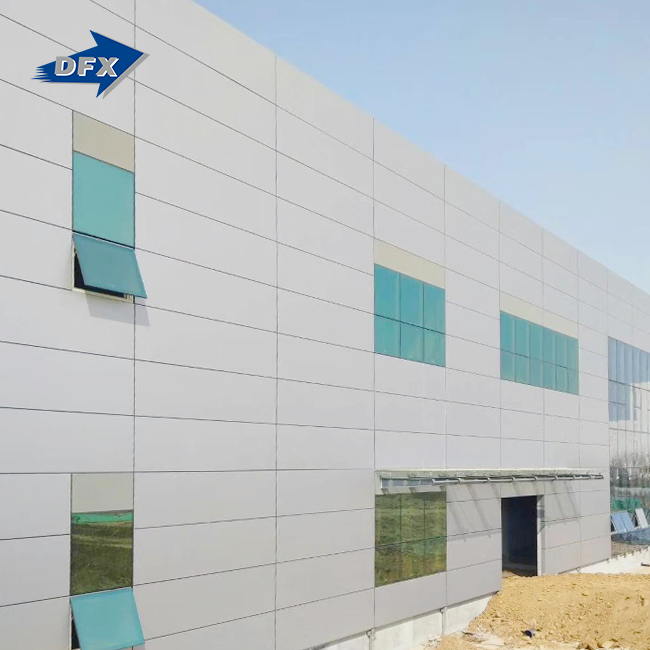
- Integrated cladding and envelope solutions: Companies that make sandwich panels, corrugated steel sheets, and curtain wall systems can also provide the whole building environment, not just the main steel frame.
These advantages directly reduce the coordination burden on your project management team and lower the risk of material specification mismatches during installation.
Final Decision Suggestions and Best Practices for Long-Term Satisfaction
It is a good idea to either visit the factory or ask for a thorough quality audit report before signing any supply agreement. If you want to see if a maker can actually carry out projects of a similar size, like trade show centers, business pavilions, or public-use buildings, you shouldn't just look at their marketing materials.
The most common problems in procurement can be avoided with clear contracts that clearly describe the scope of the work. These problems include scope creep, unclear payment targets, and unclear delivery terms. Your contract should clearly state the types of steel, how they should be treated on the outside, the size tolerances required by ISO 13920, and who is responsible for providing support during installation.
Support after the sale is often what makes the difference in long-term project satisfaction. A maker that offers ongoing maintenance advice and quick expert support can help you keep the hall's structure strong for its 50-year or more design life.
Conclusion
Choosing a steel structure exhibition hall manufacturer is a big deal that involves a lot more than just price. Your project's ability to stay valuable for decades depends on its structural grade, approval history, manufacturing capacity, and who is responsible for it after the sale. By following the steps in this guide—project scoping, metric benchmarking, supplier comparison, and contract rigor—you will be able to make a procurement decision that your team will stand by long after the building is finished.
FAQ
1. What steel grades are used in exhibition hall construction?
Most trustworthy companies use Q235B or Q355B steel, which is the same as ASTM A36 and A572. These types are good for large-span column-beam frame systems because they have a good yield strength and can be welded. In areas prone to earthquakes or where better load-bearing ability is needed, Q355B is the best choice.
2. How long does fabrication typically take for a large exhibition hall?
Project-based manufacturing timelines depend on how much steel is needed and how complicated the design is. Most medium-sized projects (10,000 to 15,000 square meters) need 60 to 90 days of lead time for fabrication after the plans are approved. Before hiring a manufacturer, it's important to find out how much work they already have.
3. What certifications should I look for in a steel structure manufacturer?
The most important ones are ISO 9001 or ISO 9004 quality management certification and CE marking. At the port of destination, COC and PVOC certifications may be needed for projects going to certain export markets. To check the specs of raw materials, you should always ask for Mill Test Certificates.
4. Can a steel exhibition hall be expanded after initial construction?
Yes. Modularity is built into pre-engineered steel frame designs. With the right structural recalculation, it is technically possible to add mezzanines, extend bays, and improve the front of the building. This ability to be changed is one of the main long-term value advantages over concrete construction.
Partner with DFX for Your Next Steel Exhibition Hall Project
DFX, or Qingdao Director Steel Structure Co., Ltd., has been building approved steel structure exhibition halls for businesses, factories, and infrastructure projects since 2011. With six automated H-beam production lines, CE and ISO 9004 certification, and an in-house design team that does everything from structural calculations to installation advice, DFX is a trusted steel structure exhibition hall provider for project-based procurement around the world. To get a quote that fits your project, email our team at jason@bigdirector.com.
References
1. American Institute of Steel Construction (AISC). Steel Construction Manual, 16th Edition. AISC, 2023.
2. European Committee for Standardization. Eurocode 3: Design of Steel Structures (EN 1993-1-1). CEN, 2022.
3. International Organization for Standardization. ISO 9001:2015 Quality Management Systems — Requirements. ISO, 2015.
4. International Organization for Standardization. ISO 13920:1996 Welding — General Tolerances for Welded Constructions. ISO, 1996.
5. Metal Building Manufacturers Association (MBMA). Metal Building Systems Manual. MBMA, 2022.
6. World Steel Association. Steel's Contribution to a Low Carbon Future and Climate Resilient Societies. World Steel Association, 2021.
Learn about our latest products and discounts through SMS or email