- English
- French
- German
- Portuguese
- Spanish
- Russian
- Japanese
- Korean
- Arabic
- Greek
- German
- Turkish
- Italian
- Danish
- Romanian
- Indonesian
- Czech
- Afrikaans
- Swedish
- Polish
- Basque
- Catalan
- Esperanto
- Hindi
- Lao
- Albanian
- Amharic
- Armenian
- Azerbaijani
- Belarusian
- Bengali
- Bosnian
- Bulgarian
- Cebuano
- Chichewa
- Corsican
- Croatian
- Dutch
- Estonian
- Filipino
- Finnish
- Frisian
- Galician
- Georgian
- Gujarati
- Haitian
- Hausa
- Hawaiian
- Hebrew
- Hmong
- Hungarian
- Icelandic
- Igbo
- Javanese
- Kannada
- Kazakh
- Khmer
- Kurdish
- Kyrgyz
- Latin
- Latvian
- Lithuanian
- Luxembou..
- Macedonian
- Malagasy
- Malay
- Malayalam
- Maltese
- Maori
- Marathi
- Mongolian
- Burmese
- Nepali
- Norwegian
- Pashto
- Persian
- Punjabi
- Serbian
- Sesotho
- Sinhala
- Slovak
- Slovenian
- Somali
- Samoan
- Scots Gaelic
- Shona
- Sindhi
- Sundanese
- Swahili
- Tajik
- Tamil
- Telugu
- Thai
- Ukrainian
- Urdu
- Uzbek
- Vietnamese
- Welsh
- Xhosa
- Yiddish
- Yoruba
- Zulu
How Low Carbon Mall Steel Structures Cut Costs and Emissions
A low carbon mall steel structure is reshaping how developers and contractors approach commercial construction. By combining high-strength steel grades like Q355 with thermally efficient façade systems and composite floor decks, these buildings deliver measurable reductions in both embodied carbon and operational energy costs. Unlike conventional concrete-heavy builds, prefabricated steel framing cuts on-site waste, accelerates project schedules by 30–50%, and supports green certifications such as LEED and BREEAM. For procurement managers and EPC contractors evaluating long-term value, this construction method represents a compelling convergence of fiscal discipline and environmental responsibility.

Understanding Low Carbon Steel Structures in Mall Construction
Steel-framed commercial buildings are much more than just strong structures. Today, the goal is to reduce carbon emissions as much as possible throughout the whole project lifetime, from getting the materials to tearing them down.
What Makes a Steel Structure "Low Carbon"
Low-carbon mall steel structures rely on High-Strength Low-Alloy (HSLA) types like Q355B or ASTM A572 Gr. 50 because they have strengths over 345 MPa. These types need less material volume per unit of load-bearing than regular mild steel, which directly lowers the amount of carbon that is built into the steel. Electric Arc Furnace (EAF) steel production makes about 75% less CO₂ than Basic Oxygen Furnace methods, so when recycled steel is added, the carbon footprint drops a lot before even a single beam is put up on site.
Design Principles That Reinforce Sustainability
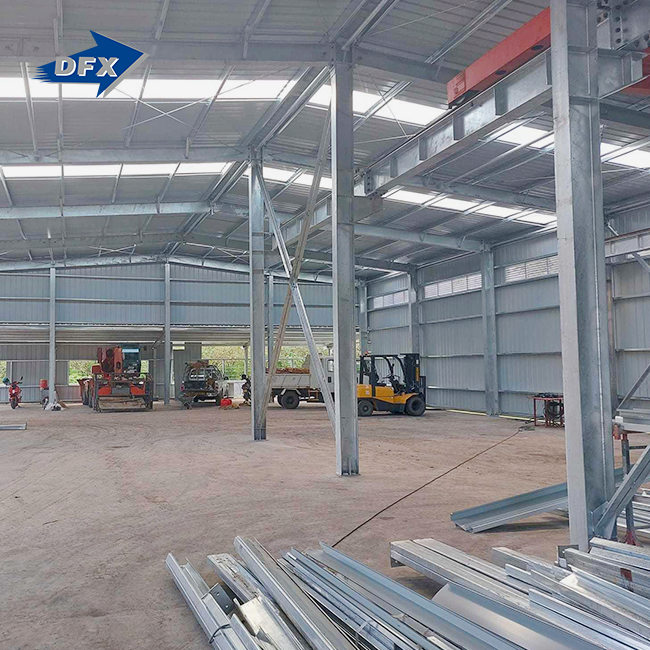
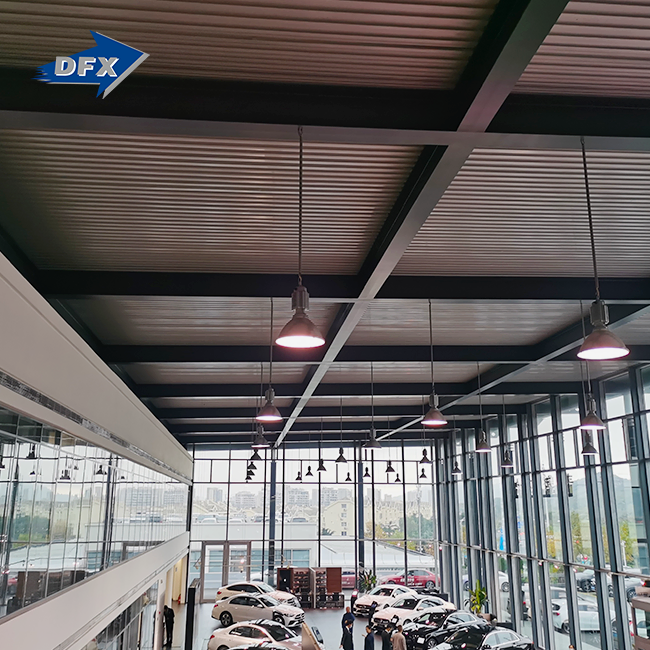
The structure usually has H-beam supports, lattice trusses, and steel bracing. On top of that, there are composite floor decks (steel decking bonded with concrete) that improve soundproofing and diaphragm stiffness. Curtain walls and metal panels on the outside of buildings keep heat in and lower the building's HVAC needs over its lifetime. These design decisions were not made by accident; they are the result of careful engineering that saves money on energy bills and carbon reporting.
Comparing Low Carbon Steel vs. Traditional Steel Structures for Malls
People who work in procurement often wonder if the work that goes into finding a low carbon mall steel structure is worth it. The data always backs up the case.
Performance and Lifecycle Cost Analysis
Compared to fresh steel, conventional reinforced concrete buildings have a higher embodied carbon of about 410 kg CO₂e per ton. However, the difference is much smaller for EAF-produced structural steel. Over the course of their lifetime, steel-framed malls have lower foundation costs (because steel is about a third as heavy as concrete), shorter construction times, and less ongoing maintenance. Over 85% of structural steel is recycled when it's no longer useful, according to the World Steel Association. This makes it one of the most environmentally friendly building materials you can use.
Comparing lifecycle costs also shows that steel is better when energy efficiency is taken into account. When compared to concrete walls that aren't insulated, a well-insulated metal panel facade and composite floors can cut annual HVAC energy use by 15–25%.
Green Certifications and Environmental Benchmarking
Projects aiming for LEED v4 or BREEAM Excellent scores benefit directly from buying low-carbon steel. Documents that show what materials are used, Environmental Product Declarations (EPDs), and proof of recycled content all help build credit. As a minimum, procurement teams should ask for steel that is CE-certified and ISO paperwork from suppliers. These certifications aren't just paperwork; they protect the value of the project and lower the risk of being fined by regulators as carbon disclosure rules get stricter in North America and Europe.
Procurement and Supply Chain Insights for Low Carbon Steel Mall Structures
Finding an industrial steel building that is good for the environment takes more work than usual procurement processes. Buyers should not only look at price when deciding which suppliers to buy from, but also at their professional skills and environmental records.
When purchasing managers choose a low-carbon steel structure source, these are the main things they should look at:
- Certification depth: Check for ISO 9001, CE marking, and compliance with area building rules (IBC, Eurocode 3, or something similar). Suppliers who have both COC and PVOC certifications show that their quality control systems have been checked and work in foreign markets.
- Fabrication capability: Give priority to makers with automatic H-beam production lines and well-documented weld inspection processes, such as Ultrasonic Testing (UT) and Magnetic Particle Inspection (MPI) according to AWS D1.1, to make sure that the dimensions are accurate to within ±2mm.
- Service scope: Full-service suppliers who offer architectural layout design, structural calculations, fabrication, and installation guidance lower the risk of coordination problems and speed up the delivery of projects.
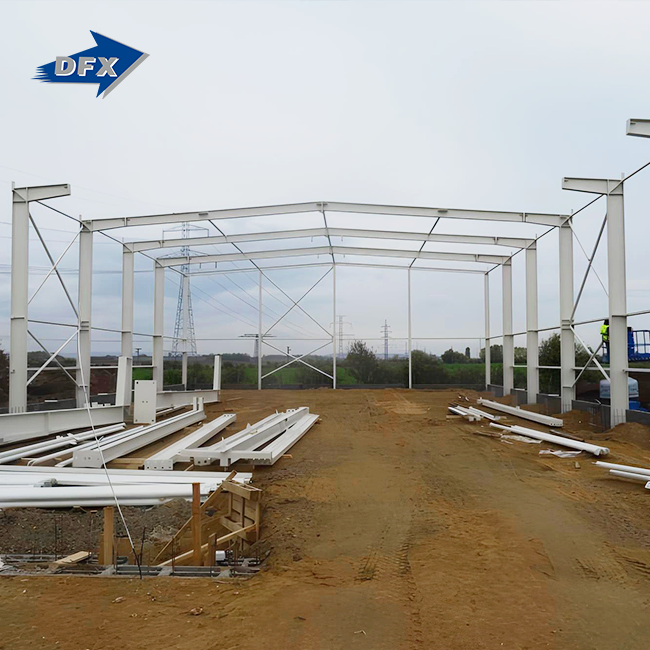
- Delivery reliability: If you are buying something for a project, make sure that the lead times match up with the plans for preparing the site. Off-site fabrication lets foundation work happen at the same time, which shortens the overall build time.
Together, these criteria protect both project budgets and promises to be environmentally friendly. When a seller meets all four criteria, procurement teams can move from RFQ to contract without worrying about the quality of the materials or the risk to the schedule.
When sending out RFQs, make sure to include the steel grade (Q235 or Q355), the span needed, the fire resistance rating, and the standards for anti-corrosion treatment. This level of detail gets rid of any confusion and makes plans that are directly comparable.
How Low Carbon Steel Structures Drive Cost Reduction and Emission Cuts
The financial case for using a low carbon mall steel structure in a commercial building is not just an idea; it can be seen in a number of different cost categories.
Lifecycle Savings in Practice
The fastest lever is construction speed. Prefabricated steel frames usually allow projects to finish their structures 30–50% faster than concrete ones. This means that mall owners can get tenants in sooner and start making money faster. Using steel parts that are made off-site, a project manager in charge of a 20,000-square-meter shopping center can cut the construction phase from 18 months to 10–12 months.
Operational savings add up over time. Composite floor systems lower the height between floors, which lowers the overall volume of the building and the amount of energy needed to cool the inside. Energy bills for steel-framed malls can be 15–25% less than those for conventional concrete malls when high-performance curtain wall systems are added. That difference is big for any portfolio investor or long-term mall operator over the course of 30 years.
Maintenance costs also favor steel. Hot-dip galvanization that meets ISO 1461 standards and intumescent fire coatings that provide 2–4 hour fire resistance ratings protect structural parts for decades with little maintenance. This is in contrast to concrete, which can carbonate and rebar can corrode in humid conditions.
Carbon Emission Reductions at Scale
The amount of embodied carbon in a square meter of mall floor space drops by 30–40% when structural steel is bought from EAF producers that use a lot of recycled steel. For a medium-sized retail building of 15,000 to 30,000 m², that reduction means hundreds of tons of CO₂ are not released into the air. This number is becoming more important for companies' ESG reports and for city permitting processes.
Future Trends and Strategic Considerations in Low Carbon Steel Mall Construction
Green structural steel is being used more and more in business buildings because of changes in regulations and technology. The EU's Carbon Border Adjustment Mechanism and the U.S. Securities and Exchange Commission's climate disclosure rules are giving early adopters of low-carbon procurement real financial incentives.
Digital production tools, such as BIM-integrated structure detailing and robotic welding, are making manufacturing more precise in terms of size and waste by cutting down on material loss. When manufacturers invest in these capabilities, they can deliver more complex structural geometries without raising prices by the same amount. This gives architects and developers more design options.
Publicly traded developers and institutional investors no longer have a choice but to align their procurement strategy with their companies' ESG frameworks. In new mall projects, specifying low-carbon mall steel structures directly supports Scope 3 emissions reduction goals, improves sustainability reporting, and puts assets in a good position for green finance tools like sustainability-linked bonds.
Conclusion
It is clear that using sustainable structural steel in the building of malls makes business sense. A low carbon mall steel structure is a good choice for procurement managers, EPC contractors, and business developers because it can be built faster, has lower lifetime costs, less embodied carbon, and more certification benefits. As rules get stricter and ESG pledges get stronger, early adoption pays off in both money and image. With composite floors, metal panel facades, and approved steel frames, the structural systems we have access to today can easily handle the performance needs of big store spaces.
FAQ
1. How much can a low-carbon mall steel structure reduce construction costs?
Steel-framed malls usually have lower overall project costs because they are built faster, have lighter foundations, and need less workers on-site. Build schedules can be cut by 30–50%, which lets tenants start making money earlier. Studies that compare steel and concrete commercial buildings have shown that the former can save 15–25% on their annual energy costs.
2. What certifications should I require from a steel structure supplier?
Need to have ISO 9001 certification, CE marking, and follow all local building codes. For foreign markets, COC and PVOC certificates show that quality management has been checked. If you want to get LEED or BREEAM points for your project, you should ask for Environmental Product Declarations (EPDs).
3. Is steel viable in humid or coastal climates?
Yes. Hot-dip galvanization that meets ISO 1461 standards and marine-grade coating systems are good ways to keep structural steel from rusting because of chlorides. Make it clear in your RFQ what kind of rust protection you need.
4. Can the floor plan be reconfigured after construction?
Because steel has a big clear span, it needs fewer load-bearing walls inside. Steel-framed malls are much more flexible than concrete ones because they can change tenant layouts and full floor plans without having to change the structure.
Partner with Director Steel for Your Next Low Carbon Mall Project
Director Steel (DFX), founded in 2011, has fabricated and delivered steel structures for commercial buildings, shopping centers, and business centers across multiple continents. As a certified low carbon mall steel structure manufacturer with CE, ISO, COC, and PVOC credentials, DFX operates 40,000 m² of production space with automated H-beam lines and full in-house design capability — from structural calculation to installation guidance. Reach out directly to discuss your project specifications and receive a competitive quote. Contact our engineering team at jason@bigdirector.com to take the next step.
References
1. World Steel Association. Steel's Contribution to a Low Carbon Future and Climate Resilient Societies. 2021.
2. American Institute of Steel Construction (AISC). AISC 360-22: Specification for Structural Steel Buildings. 2022.
3. U.S. Green Building Council. LEED v4 Reference Guide for Building Design and Construction. 2019.
4. BRE Global. BREEAM International New Construction Technical Standard. 2016.
5. International Energy Agency (IEA). Iron and Steel Technology Roadmap: Towards More Energy-Efficient and CO₂-Reduced Steel Production. 2020.
6. Ellen MacArthur Foundation. Completing the Picture: How the Circular Economy Tackles Climate Change. 2019.
Learn about our latest products and discounts through SMS or email