- English
- French
- German
- Portuguese
- Spanish
- Russian
- Japanese
- Korean
- Arabic
- Greek
- German
- Turkish
- Italian
- Danish
- Romanian
- Indonesian
- Czech
- Afrikaans
- Swedish
- Polish
- Basque
- Catalan
- Esperanto
- Hindi
- Lao
- Albanian
- Amharic
- Armenian
- Azerbaijani
- Belarusian
- Bengali
- Bosnian
- Bulgarian
- Cebuano
- Chichewa
- Corsican
- Croatian
- Dutch
- Estonian
- Filipino
- Finnish
- Frisian
- Galician
- Georgian
- Gujarati
- Haitian
- Hausa
- Hawaiian
- Hebrew
- Hmong
- Hungarian
- Icelandic
- Igbo
- Javanese
- Kannada
- Kazakh
- Khmer
- Kurdish
- Kyrgyz
- Latin
- Latvian
- Lithuanian
- Luxembou..
- Macedonian
- Malagasy
- Malay
- Malayalam
- Maltese
- Maori
- Marathi
- Mongolian
- Burmese
- Nepali
- Norwegian
- Pashto
- Persian
- Punjabi
- Serbian
- Sesotho
- Sinhala
- Slovak
- Slovenian
- Somali
- Samoan
- Scots Gaelic
- Shona
- Sindhi
- Sundanese
- Swahili
- Tajik
- Tamil
- Telugu
- Thai
- Ukrainian
- Urdu
- Uzbek
- Vietnamese
- Welsh
- Xhosa
- Yiddish
- Yoruba
- Zulu
Why Steel Cladding is the Best Choice for Sports Facilities
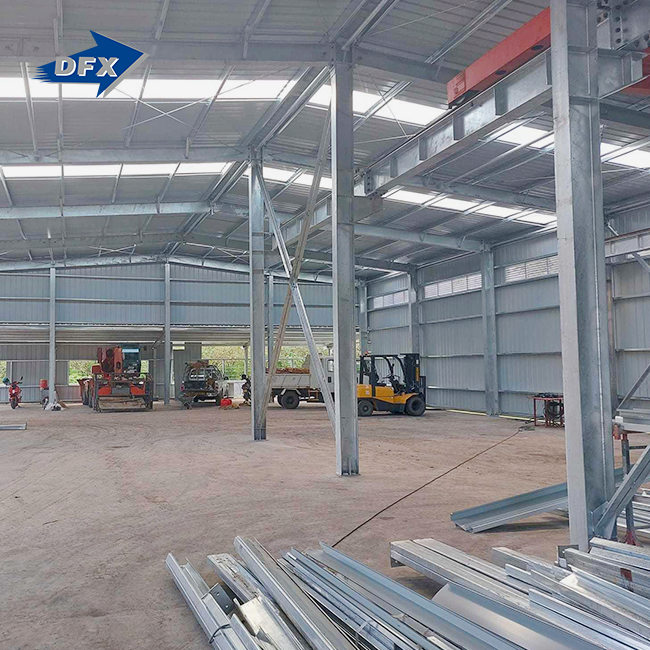
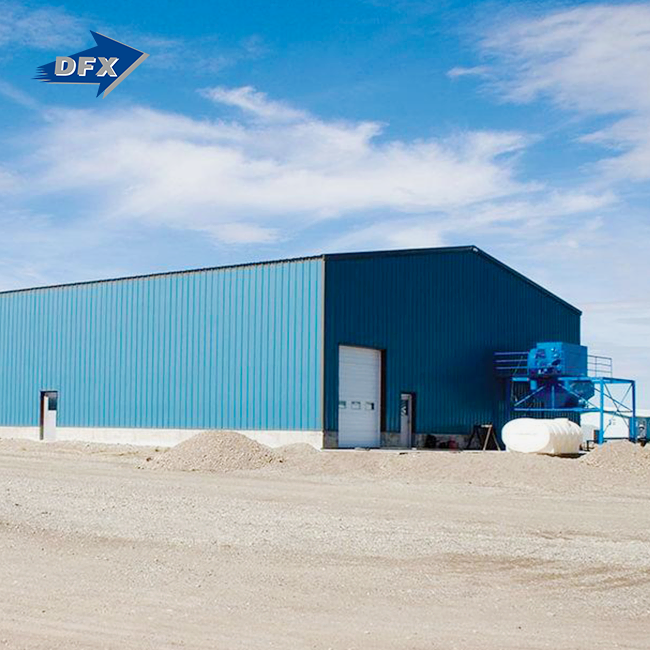
Steel sports facilities have become the preferred solution for project managers and procurement teams worldwide because they deliver unmatched durability, design flexibility, and cost efficiency. Steel cladding systems—comprising insulated panels, corrugated sheets, and composite panels—provide superior weather resistance and thermal performance while requiring minimal maintenance over decades. These structures offer clear-span designs ideal for indoor arenas and outdoor stadiums, accommodating everything from basketball courts to grandstands without obstructive columns. The modular construction method reduces project timelines significantly compared to traditional concrete or wood, making steel the smart choice for B2B clients seeking reliable, scalable infrastructure.

Understanding Steel Cladding and Its Role in Sports Facilities
Defining Steel Cladding Systems
When high-tensile steel is used to make the outside of a building, this is called steel cladding. Most of the time, these systems are made of G450 or G550 grade steel, which has yield strengths between 450 and 550 MPa. They are covered in aluminum-zinc alloy coatings that keep them from rusting even in humid coastal areas. The wrapping supports the structure and keeps out the weather. It fits perfectly with steel portal frames or beam-column systems.
Common Types Used in Sports Construction
There are three main types of covering used to build steel sports facilities. When you put steel faces on insulated sandwich panels and foam cores inside them, you get great thermal performance for climate-controlled spaces. Corrugated steel sheets are a cheap way to protect outdoor structures and grandstands from the weather. Composite panels combine good looks with useful features, so builders can make walls that look great while still keeping the structure strong.
Primary Applications Across Sports Infrastructure
We see steel covering used in a wide range of sports venues. Indoor arenas with basketball courts and gyms can have clear-span capabilities of 30 meters or more without having to use internal columns. Steel cladding is used for seating areas, protective canopies, and storing equipment in outdoor stadiums. Athletic training centers show how the material can be used to make air systems, natural lighting features, and soundproofing solutions look and feel like they were always there.
Durability Advantages in Athletic Environments
High foot traffic, equipment damage, and constant exposure to the environment are some of the problems that sports venues have to deal with. Concerns like these can be eased by steel plating, which is naturally resistant to fire, biological damage like termite damage or fungal rot, and impacts. The material keeps the structure strong even in extreme temperatures and bad weather, which protects expensive sports equipment and keeps the facility running smoothly.
Why Steel Cladding Outperforms Traditional Materials in Sports Facility Construction?
Comparative Strength and Structural Performance
Traditional concrete construction takes a long time to cure and makes a lot of waste on-site. Wooden buildings need chemical treatments to keep them from rotting and catching fire. These problems are solved by steel cladding, which also has a higher load-bearing capacity. A recent comparison of projects showed that steel structures were finished 40% faster than concrete ones, and they could withstand more wind load. Because it's strong for its weight, architects can make large open areas that would need expensive support systems in concrete or wood buildings.
Scalability and Future Expansion Potential
As sports programs grow, so do their facility needs. These changes can be easily made to steel sports facilities. Facility managers can add practice courts, more seats, or new training areas with modular bay designs that don't require major structure changes. As part of our work with a university, they added a 5,000-square-foot training wing to their existing steel sports center in just six weeks. Using traditional building methods would have meant tearing down some parts and working around them for months.
Lifecycle Cost Analysis and Long-Term Value
Procurement teams have to look at the total costs of ownership, which go beyond the initial costs of building. Steel cladding saves a lot of money over the course of its lifetime in a number of ways. Because steel doesn't rot or attract pests, it usually costs 60–70% less to maintain than wood structures. Modern insulated panel systems cut heating and cooling costs by 25–30% compared to single-layer concrete walls, making buildings more energy efficient. Because steel doesn't catch fire, fire risk scores go down, which means insurance rates go down too. A full cost study over 30 years regularly shows that steel gives a 20–35% better return on investment than other materials.
Accelerated Construction Timelines
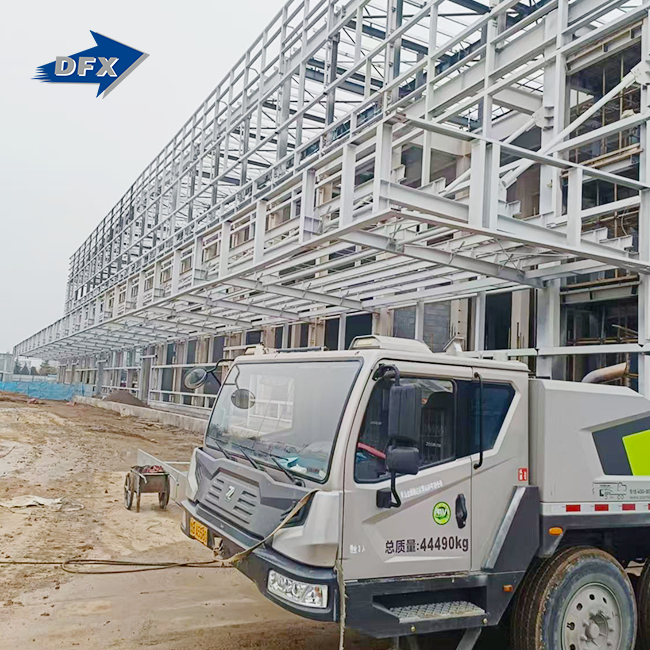
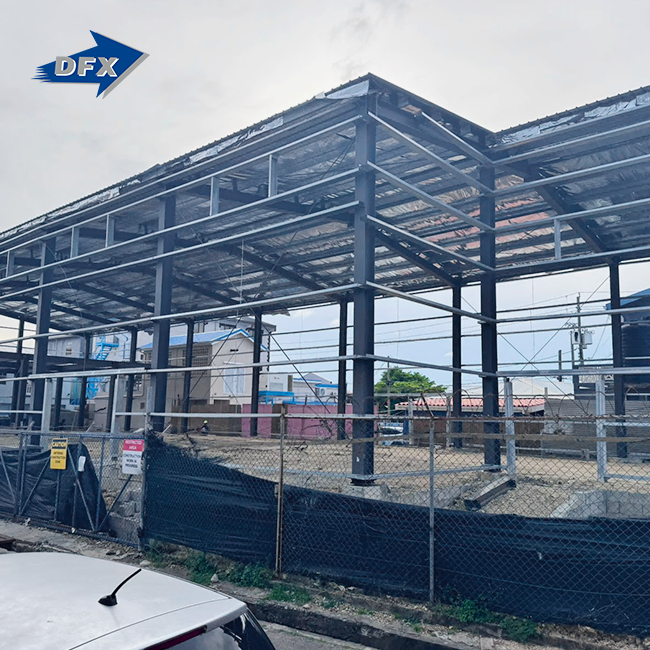
The plans for projects have a direct effect on running budgets and the times when money is made. Steel cladding parts are made ahead of time to exact specs and then sent to building sites to be put together quickly by smaller teams. While it might take 8–10 months for a concrete building to be finished from the ground up, it only takes 4–6 months for similar steel sports facilities to be ready for use. Because of this shortened plan, sports programs can start using buildings earlier, which means they can start making money and helping athletes months before normal construction schedules.
Design Flexibility and Customization Options for Steel-Clad Sports Facilities
Architectural Aesthetic Possibilities
Steel cladding systems allow for almost endless design options. Color-coated steel panels come in dozens of standard styles, and it's easy to request custom colors for team or school branding. Panel profiles range from simple flat sheets to dramatic ribbed patterns that give outside walls more depth. Some buildings have metal panels with holes in them that let air flow through and create interesting shadow effects. The surface can be treated in a number of ways, such as powder coating, anodizing, and special weather-resistant paints that keep their look for decades.
Integration of Building Systems
Modern sports buildings need complicated systems for sound, electricity, and mechanics. These needs can be met better by steel buildings than by brick ones. The framing system supports HVAC ductwork, electrical conduit runs, and plumbing systems without affecting the building's strength. In gyms and swimming pools, acoustic panels that are attached directly to steel framing members stop sound from reverberating. Large openings in the facades of steel buildings naturally let in a lot of natural light, which lowers energy use during the day and makes training spaces look nice.
Adapting to Diverse Sports Requirements
For different sports, the space needs to be set up in certain ways. For basketball, the roof must be at least 25 feet high and allow for clear sightlines. For indoor soccer, you need an area that is at least 40 meters wide. These requirements are easily met by steel portal frames used in steel sports facilities. We've designed and built everything from small 8,000-square-foot wrestling centers to huge 60,000-square-foot multi-sport buildings, all of which were tailored to the specific needs of each school. The structure works well for specific uses like swimming pool shelters that need to be resistant to high humidity or ice rinks that need to be very good at insulating.
Advanced Engineering and Visualization Tools
Building Information Modeling (BIM) software is used in modern steel buildings to make accurate 3D models of projects before they are built. These computer models find possible clashes between building systems and structural elements, which keeps expensive changes from having to be made in the field. With precision that can't be reached with traditional drawing methods, engineering teams fine-tune member sizes, connection details, and load paths. Virtual walkthroughs that correctly show finished spaces are shown to clients, which helps them make decisions during the design process. When compared to traditional building methods, this use of technology cuts down on change orders by 45 to 50 percent.
Cost Factors and Procurement Tips for Purchasing Steel Cladding Sports Buildings
Primary Cost Drivers in Steel Construction
The total project spending is affected by a number of factors. Choosing the right steel grade affects both the cost of the materials and the performance of the structure. For example, higher-grade metals cost more but can be used to make longer spans with less material. Steel cladding's thickness usually falls between 0.4mm and 1.2mm. Thick gauges last longer but cost more. How hard it is to install depends on the site conditions, the height of the building, and the architectural details. Specialized finishes, unique colors, or integrated insulation systems add to the cost of a project but improve its efficiency in the same way.
Evaluating Supplier Qualifications
It takes a lot of work to find qualified steel structure manufacturers. Checking for ISO quality management certification is a good idea because it makes sure that production standards are always met and that materials can be tracked. The CE mark shows that a product meets European safety standards, which is becoming more and more important for foreign projects. Ask for specific guarantee paperwork that covers both the products and the work. For good steel sports facilities suppliers, this should be between 10 and 25 years. Location is important. Manufacturers near ports save money on shipping costs for foreign projects and make it easier to talk to each other during the design planning stages.
Understanding Delivery and Project Timelines
After technical approval, it takes 6 to 10 weeks to build a made-to-order steel building system. Shipping can add 3–6 weeks, depending on where the package is coming from and where it is going. These deadlines need to be planned ahead of time, but the quality is better than with faster options. When making a production schedule, you should include activities like preparing the spot by laying foundations, installing utilities, and building entry roads. Coordinating these activities that happen at the same time makes the overall project last longer. It's been possible for well-planned projects to finish in 16 to 20 weeks for medium-sized sports facilities.
Financing Strategies for Large Infrastructure Projects
Creative ways to finance investments in sports facilities that require a lot of money are helpful. Staged payment plans that are matched with project goals help keep working capital up and make sure that suppliers do their jobs. Leasing agreements can help some buying teams turn big capital expenses into more manageable running costs. Bond funding, which spreads costs over several years, is often used for municipal projects. When procurement managers understand these processes, they can push for needed infrastructure changes without putting too much pressure on the organization's finances.
Maintenance, Environmental Impact, and Longevity of Steel Cladding in Sports Infrastructure
Routine Maintenance Protocols
Steel sports facilities don't need as much upkeep as structures made of other materials. Panel bolts, sealant joints, and the quality of the coating should all be checked once a year. Pressure washing gets rid of built-up dirt and organic matter. Depending on the climate where you live, this should be done every two to three years at least. Coastal sites should be cleaned more often to keep salt from building up. Minor harm to the covering can be fixed with touch-up paint that is applied in the field. This stops rust from starting. It doesn't take long or cost much to do these simple steps, so facility budgets can put programming ahead of building upkeep.
Corrosion Prevention Strategies
Modern protective coatings make steel cladding last a lot longer. When zinc and steel are heated together, a metallurgical bond is formed between them. This bond acts as a sacrificial barrier and helps small scratches heal on their own. Coatings made of an aluminum-zinc alloy (sold as Galvalume or Zincalume) are 2-4 times more resistant to corrosion than regular galvanizing. This makes them very useful in damp or industrial settings. Topcoat paint methods give more protection and let you change the color. Coating systems that are properly defined usually last 30 to 50 years with little to no upkeep.
Sustainability and Recyclability Benefits
Environmental concerns are becoming more and more important in buying choices. Steel is the most recyclable material in the world. Most steel buildings have 90% or more recovered content. When their useful life is over, steel parts still have a lot of value as trash and can be recycled over and over again without losing any of their quality. Through process changes, the amount of energy needed for manufacturing has gone down by 35% in the last 30 years. These things help make Environmental Product Declarations more positive and help with LEED approval. Steel construction helps projects get more credits in the Materials and Resources, Energy Performance, and Innovation categories, which are all important for getting LEED Silver or Gold status.
Energy Efficiency During Operational Phases
When steel building frames are well-designed, they use a lot less energy to run. Insulated metal panel systems have R-values of 16 to 30. This means that walls and roofs don't let as much heat through. Solar heat gain can be cut by up to 40% with reflective coatings on the outside. This means that less air conditioning is needed during the warmer months. Thermal break technology stops heat from moving through structural members that are made of conductive material. A detailed study of similar buildings found that properly insulated steel buildings used 22% less energy each year than older brick buildings. This saved a lot of money on power costs over many years of use.
Conclusion
Steel framing has become the most popular way to build modern sports facilities because it has been shown to work well in key performance indicators that buying professionals care about. When you combine quick building times, high durability, design freedom, and lower lifecycle costs, you get a great deal for athletic facilities ranging from community exercise centers to professional sports complexes. As a structural steel fabricator with more than 12 years of experience, we've seen how good construction of steel sports facilities changes sports programs by building long-lasting, low-maintenance facilities that serve communities for years to come. The material's natural eco-friendliness fits with today's environmental concerns, and its easy upkeep means that operational funds can be used for programs instead of building repairs. When project partners look at different building options based on performance, cost, and durability, steel cladding always comes out on top as the best choice for sports facilities.
FAQ
1. What makes steel cladding more cost-effective than concrete for sports buildings?
Total project costs go down with steel cladding because it speeds up building, requires less labor, and lowers base costs because the structure is lighter. The cost of materials is comparable, and maintenance costs over the life of the structure are 60–70% lower than those of concrete alternatives. When you add up the savings from less building time and lower ongoing upkeep for steel sports facilities, you get a 20–35% better return on your investment over 30 years.
2. How long does a steel-clad sports facility typically last?
When built and taken care of properly, steel sports buildings usually last 40 to 60 years or more. The main things that affect how long something lasts are the quality of the finish, how often it is maintained, and the weather in the area. Buildings that are in mild areas and get regular checks often last longer than 50 years. Steel can be recycled over and over again, so even when a building is no longer needed, it still has a lot of value. This is not the case with concrete removal trash.
3. Can steel buildings accommodate future expansions?
Through modular design principles, steel construction gives you a lot of options for how to grow. Adding more bays, wings, or vertical extensions doesn't affect the way the current buildings look. We've finished a lot of growth projects that linked new buildings to existing ones with little trouble, and they were usually done when the business wasn't busy. This flexibility protects long-term investments in facilities as sports programs change and grow.
Partner with DFX for Your Next Sports Facility Project
DFX is ready to help you with your steel sports facilities project from the first idea to the final installation. Our factory in Qingdao has 40,000 square meters of production space with six automatic welded H-beam lines and modern panel assembly systems. Each year, they make 20,000 tons of structural steel. We are committed to meeting world quality standards, as shown by our ISO9004, CE, COC, and PVOC certificates. As a supplier of steel sports facilities with a lot of experience, we offer a full range of services, such as architectural design, structural engineering, fabrication, surface treatment, and help with setting up the facilities. Our technical team has built show halls, business buildings, and specialized sports infrastructure all over the world. Our made-to-order method guarantees that your project gets custom solutions that meet all of your exact needs, whether you need a small training facility or a large multi-sport complex. Get in touch with our team at jason@bigdirector.com to talk about how our steel portal frame systems and strengthened roof structures can help you build the sports center of your dreams while staying within your budget and time frame.
References
1. American Institute of Steel Construction. Steel Design Guide Series: Low-Rise Building Systems. AISC, 2020.
2. Metal Construction Association. Energy Performance of Insulated Metal Panels in Commercial Buildings. MCA Technical Bulletin, 2019.
3. International Code Council. International Building Code Requirements for Steel Structures. ICC Publications, 2021.
4. Green Building Council. LEED Reference Guide for Building Design and Construction. USGBC, 2020.
5. Steel Recycling Institute. Sustainability Benefits of Steel in Construction Applications. SRI Industry Report, 2021.
6. National Institute of Building Sciences. Life Cycle Assessment of Building Materials: Comparative Analysis. NIBS Research Publication, 2022.
Learn about our latest products and discounts through SMS or email