- English
- French
- German
- Portuguese
- Spanish
- Russian
- Japanese
- Korean
- Arabic
- Greek
- German
- Turkish
- Italian
- Danish
- Romanian
- Indonesian
- Czech
- Afrikaans
- Swedish
- Polish
- Basque
- Catalan
- Esperanto
- Hindi
- Lao
- Albanian
- Amharic
- Armenian
- Azerbaijani
- Belarusian
- Bengali
- Bosnian
- Bulgarian
- Cebuano
- Chichewa
- Corsican
- Croatian
- Dutch
- Estonian
- Filipino
- Finnish
- Frisian
- Galician
- Georgian
- Gujarati
- Haitian
- Hausa
- Hawaiian
- Hebrew
- Hmong
- Hungarian
- Icelandic
- Igbo
- Javanese
- Kannada
- Kazakh
- Khmer
- Kurdish
- Kyrgyz
- Latin
- Latvian
- Lithuanian
- Luxembou..
- Macedonian
- Malagasy
- Malay
- Malayalam
- Maltese
- Maori
- Marathi
- Mongolian
- Burmese
- Nepali
- Norwegian
- Pashto
- Persian
- Punjabi
- Serbian
- Sesotho
- Sinhala
- Slovak
- Slovenian
- Somali
- Samoan
- Scots Gaelic
- Shona
- Sindhi
- Sundanese
- Swahili
- Tajik
- Tamil
- Telugu
- Thai
- Ukrainian
- Urdu
- Uzbek
- Vietnamese
- Welsh
- Xhosa
- Yiddish
- Yoruba
- Zulu
The Advantages of a steel cow shed
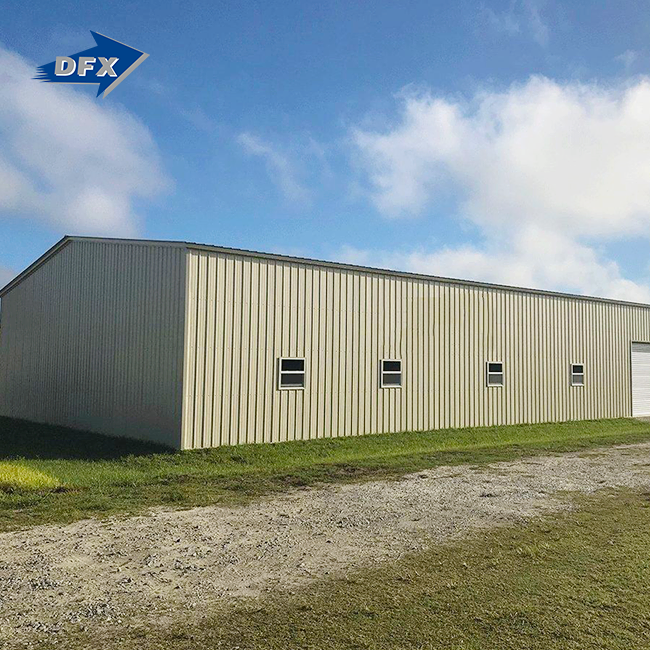
These days, raising cattle requires buildings that keep animals safe while also helping the business run smoothly and make money in the long run. These benefits are all delivered by a steel cow shed, which combines strong building with a form that works well for modern dairy and beef farms. A steel cow shed is made of heavy-duty steel columns and beams with coatings that resist corrosion. It can last for decades in harsh agricultural environments, while traditional wooden or concrete barns break down when exposed to water and ammonia. These pre-engineered metal buildings have clear-span interiors, can be put up quickly, and can be configured in a variety of ways to meet changing farm needs. This is why they are becoming more and more popular with North American farmers, construction companies, and livestock facility managers.

Understanding Steel Cow Sheds and Their Core Benefits
What Defines a Modern Steel Cow Shed
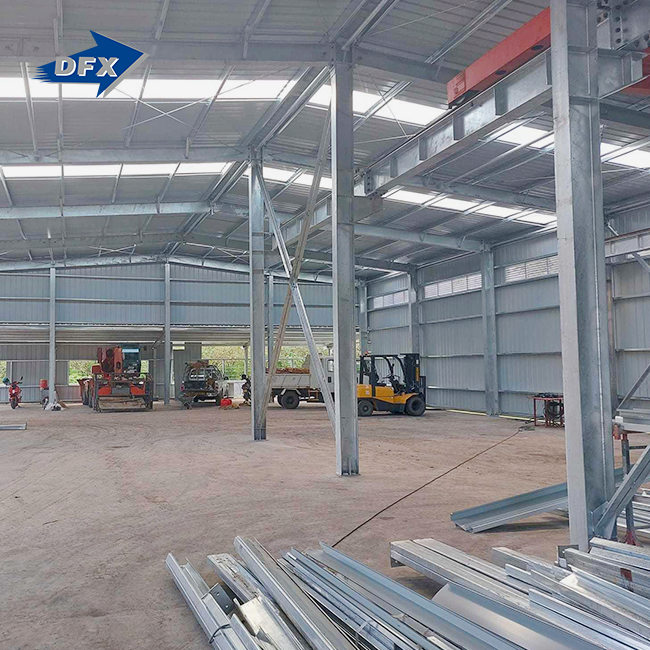
There is a special kind of pre-engineered building system called a steel cow shed that is made just for keeping cows in controlled environments. The framework is made up of high-strength H-section steel beams and columns, which are usually made from Q235B or Q355B grade steel. Instead of welding these parts together on-site, high-strength pins connect them. This makes assembly faster and gives the structure more flexibility. The open or partially enclosed design lets natural air flow through and supports ventilation systems that are mounted on the roof. These structures are mostly made in places with advanced steel manufacturing skills. They come to the job site as movable parts that are ready to be put together, which cuts down on construction times by a large amount compared to traditional methods.
Core Material Advantages for Livestock Housing
The properties of structural steel make it a great material for building housing for cattle. Due to its high physical stability, steel doesn't bend or crack like wood buildings do when the temperature changes. Coatings that don't rust, usually hot-dip galvanisation with zinc layers thicker than 80 microns, are put on during production to protect against the acidic environment that manure and urine create. This galvanisation acts as a sacrificial barrier, which makes it last 25 to 50 years without needing much maintenance. The non-porous surface of steel stops water from absorbing, which stops mould from growing. This helps keep the air healthy for animals. The material's natural resistance to fire adds an extra layer of safety that wooden alternatives don't have.
Scalability and International Standards Compliance
Steel cow sheds are the most scalable option for businesses that manage multiple farm sites or are looking to grow. The flexible bay spacing, which is usually set at 6- or 7.5-meter intervals, lets facilities grow along the length by adding parts without stopping operations that are already going on. This modular approach also makes it easier to keep track of spare parts and replacement parts. The factories that make these structures use ISO9001 quality management systems, and the products they make have CE certification, which means they meet European safety standards. Extra certificates, such as COC and PVOC, make it easier to launch projects internationally by meeting the legal needs of different markets. This standard compliance is especially helpful for building companies and EPC firms that are in charge of farming projects that span multiple jurisdictions.
Design and Construction Insights for Optimal Steel Cow Sheds
Climate-Adapted Ventilation and Thermal Performance
Effective temperature control tells the difference between cow farms that do a good job and those that don't. Building with a steel frame lets you add complex ventilation systems that control temperature and humidity and get rid of harmful gases. Ridge vent systems use natural convection to their advantage. Warm air rises and escapes through higher openings, bringing in fresh air through sidewall openings. This "chimney effect" is stronger when the roof pitch is right—usually 4:12 or steeper—and the eaves are higher than 4.5 meters. Insulated sandwich panels made of polyurethane foam, expanded polystyrene, or rock wool act as thermal shields, which lower energy costs in cold places and keep people from getting too hot in the summer. Rock wool is better at keeping fires out, while polyurethane has the best R-values for saving energy.
Prefabricated Versus Site-Built Considerations
When procurement teams are looking at different ways to build something, they should know the pros and cons of both fully premade systems and solutions that are put together on-site. When you buy a prefabricated steel cow shed, the parts are already precisely cut and drilled at the factory. This means that you don't have to hire as many workers on-site, and the building process takes 40 to 60 percent less time than with traditional methods. This method cuts down on delays caused by bad weather and improves quality control through factory checks. Assembly on-site only requires connecting bolts and putting up panels, which are tasks that general contractors with basic steel erection experience can handle. The reliable installation schedule is especially helpful when working with breeding cycles or operations that happen at certain times of the year. Manufacturers usually include thorough construction instructions and, if needed, on-site expert help during the most difficult parts of the installation process.
Maintenance Protocols for Longevity
Taking care of a steel cow shed involves simple steps that keep the structure's strength and good looks. Every year, you should check the connection points, make sure the bolts are tight, and look for damage to the coating on galvanised surfaces. Any cuts or scratches that leave bare steel must be fixed right away with zinc-rich paint to stop rust from spreading. Cleaning ventilation systems on a daily basis is important to keep the airflow working well. This includes removing dust from fan blades and checking that screen devices work properly. Periodically checking roof panels for loose fasteners is necessary, especially after bad weather. To keep water from pooling near the foundation, the drainage systems around the outside need to be cleared of debris. These maintenance tasks don't take as much time as the constant repairs that need to be done on wooden structures that are prone to rot and insect damage.
Comparative Analysis: Why Steel Cow Sheds Outperform Alternative Structures
Lifecycle Cost Advantages Over Traditional Materials
When you look at the total cost of ownership, steel cow sheds are a great way to save money. The initial cost is usually 15–25% higher than for basic wooden pole barns, but the costs are much lower over the structure's lifetime. Wooden buildings need to be painted every three to five years, the posts need to be replaced because they rot from ground contact, and the roof needs to be rebuilt over time as the materials break down. These buildings are made of concrete and are very sturdy, but they cost a lot to build and can't be easily changed to fit new needs. Steel buildings don't need much upkeep other than regular checks and tightening of the fasteners every so often. Proper insulation saves 20 to 35 percent a year on heating and cooling costs compared to metal or single-wall wooden construction that isn't insulated. These operational savings add up over decades, making steel the more cost-effective choice for operations that need to plan for 20 years or more.
Flexibility for Farm Expansion Strategies
Agricultural businesses don't stay the same for long. Herd numbers change, production methods change, and market conditions change. Steel cow sheds can adapt to these changes because of the way they are built. The clear-span interiors get rid of internal columns that would make it hard to place equipment or set up pens in certain ways. Without any structural restrictions, operators can change the layout of stalls, add robotic milking systems, or change the way animals are fed. When more space is needed, standard connecting features make it easy for new bays to join to existing end walls. This modularity is very different from concrete buildings that need to be torn down, which costs a lot of money, or wooden houses that can only have so many posts spaced out at once. Also, steel buildings have a higher resale value than other options because the materials keep their value even if they are taken apart and moved, which isn't possible with site-cast concrete.
Sustainability and Regulatory Alignment
As rules get stricter and companies make bigger promises to sustainability, environmental concerns become more important in purchasing decisions. Steel is one of the most recycled materials in the world, and structures that are no longer needed still have a lot of value as scrap. In the last few decades, the process of making structural steel has become much more energy efficient. This has led to a smaller carbon footprint per tonne of steel produced. A lot of coating systems now use low-VOC formulas that meet strict environmental standards. These things help farms meet new rules for sustainability reporting and put them in a good position to get environmental certifications. The long-lasting nature of steel buildings also fits with the ideas of the cycle economy because it maximises the useful lives before material recovery, which avoids the waste streams that come with replacing wooden structures all the time.
Procurement Guide: Selecting and Buying Steel Cow Sheds for Your Business
Evaluating Manufacturer Credentials and Capabilities
To find a trusted steel cow shed maker, you need to look at more than just their ability to build things. Verification of ISO9001 approval proves established quality management systems that control where materials come from, how they are made, and how they are inspected at the end. The CE mark shows that a product meets European standards for health, safety, and environmental protection, which is necessary to do business in regulated markets. Check out the manufacturer's production capacity and facilities. Larger workshops with dedicated H-beam welding lines, automatic cutting tools, and a lot of protected production area usually produce better quality. Ask for examples from farming projects that were finished, that were about the same size and in the same region as the one you want to build. A manufacturer that offers full services, from engineering design to fabrication to help with installation, makes project coordination easier and makes it clear who is responsible for what.
Understanding Pricing Structures and Cost Drivers
The price of a steel cow shed depends on a number of linked factors that buying teams should be aware of when making budgets. The base costs start with the specifications of the materials. For example, structural members made of Q355B steel are more expensive than lighter Q235B options, but they can hold more weight, like snow or equipment. The type of coating has a big effect on costs. For example, hot-dip galvanisation raises the cost of raw steel by 15 to 20 percent while providing better corrosion protection. There are different types of insulated panels, each with its own price range. The cheapest is EPS foam, while the most expensive is polyurethane or fire-rated rock wool. Engineering and construction costs are affected by how complicated the design is. For example, custom bay space, integrated crane systems, or specialised door setups need more planning and production time. The cost of installation depends on how easy it is to get to the site, how ready the foundation is, and whether the manufacturer provides direct erection teams or subcontractor coordination. To find ways to save money, ask for itemised quotes that break down the costs of supplies, manufacturing, delivery, and fitting.
Selecting Between Standard and Custom Solutions
Whether to use prefabricated standard designs or fully customised engineering depends on the needs of the operation and the time available. Standard designs save money because they make making easier and allow makers to keep stock of popular sizes and fill orders within 4 to 6 weeks. For operations with simple housing needs and common site conditions, these solutions work well. Custom engineering is needed when there are unusual site constraints, such as uneven lot sizes, the need to integrate with existing structures, or the need for specific equipment clearances for dairy systems. Custom projects take 8–12 weeks longer, but they result in plans that are optimised to get the most out of the site. This decision is also affected by portability; businesses that might have to move profit from standard modular designs that can be taken apart and put back together with little material loss.
Future-Proofing Your Investment: Trends and Innovations in Steel Cow Sheds
Advanced Climate Control Technologies
Agricultural infrastructure is always changing as new tools come out that make things run more smoothly and protect animals in a steel cow shed. Variable-speed HVLS (High Volume Low Speed) fans are a big step forward because they move large amounts of air at low speeds that keep cattle cool without making drafts that stress them out. Environmental monitors that check for temperature, humidity, and ammonia levels are built into these systems. They instantly change the airflow to keep conditions at their best. In dry climates, evaporative cooling systems with steel frames are a cost-effective way to lower the temperature, which uses a lot less energy than refrigeration-based methods. Insulation technologies have come a long way since the days of simple foam boards. Now there are reflective barriers and phase-change materials that keep temperatures inside stable even when temperatures outside change. These new ideas cut down on energy use while raising milk production and feed conversion rates.
Smart Monitoring and Predictive Maintenance
Digital technologies are being used more and more in farming, even in the buildings where animals live. Using strain gauges and accelerometers, structural health monitoring systems find unusual stress patterns or vibrations that could mean a part is wearing out before it breaks. Corrosion sensors built into important connection points let you know quickly when protective coatings start to wear off. This way, you can do targeted maintenance instead of replacing whole parts. When integrated with farm management software, comprehensive dashboards are made that show both building performance and production metrics. This lets you make decisions about facility changes or additions based on data. Remote tracking is especially useful for businesses that are in charge of various places because it lets them keep an eye on the environment and structures from one place. Maintenance used to be reactive fixes, but these technologies change that to proactive actions that reduce downtime and increase asset lifespans.
Regulatory Compliance and Certification Trends
The rules that govern farming structures are getting stricter all the time, especially when it comes to animal welfare and the environment. Investing in a steel cow shed should take into account how needs change over time to avoid expensive upgrades or becoming obsolete too soon. More and more, animal welfare laws require specific amounts of room for each animal, as well as certain levels of air and natural lighting. All of these needs can be more easily met by steel buildings than by retrofitting traditional barns. Manure management is regulated by environmental laws. In some places, these laws require covered storage or treatment systems that are built into housing facilities. New energy-saving guidelines in some areas favour well-insulated construction, which makes it easier for steel buildings to meet the requirements. Working with manufacturers who have worked on projects in more than one jurisdiction ensures that designs are flexible enough to adapt to new standards without having to be completely rebuilt.
Conclusion
Steel cow sheds are an important piece of infrastructure for modern cattle farms because they are long-lasting and can be used in a variety of ways, which is something that traditional materials can't do. Corrosion-resistant frames, clear-span interiors, and flexible expandability are some of the technical benefits that directly help dairy and beef farmers with their problems. Lifecycle cost analysis always favours steel construction, even though it costs more at first. This is because it saves money on maintenance and energy costs. With the ability to react to changing regulations and growing farming activities, well-designed steel buildings can handle operating problems and changes in the market. When purchasing, teams choose certified manufacturers with full design and installation capabilities; they set their companies up for decades of reliable service from these important agricultural assets.
FAQ
1. How long do steel cow sheds typically last compared to wooden barns?
Properly maintained steel cow sheds regularly achieve 40-50 year service lives, with the galvanized structural framework often outlasting initial roofing and cladding panels. Wooden barns average 20-25 years before requiring major structural repairs or replacement, particularly in moisture-rich environments. The corrosion-resistant coatings on quality steel components—specifically hot-dip galvanization with 80+ micron zinc layers—provide superior protection against the ammonia and moisture that rapidly degrade organic materials. This longevity difference significantly impacts lifecycle economics, as steel structures avoid the mid-life reconstruction costs inherent in timber alternatives.
2. What maintenance practices are essential in humid or coastal regions?
Operations in high-humidity or salt-air environments should implement quarterly inspections of galvanized surfaces, examining connection points and panel overlaps where moisture accumulates. Any coating damage requires immediate treatment with zinc-rich repair paint to prevent accelerated corrosion. Ventilation systems demand more frequent cleaning in humid climates to prevent biological growth that restricts airflow. Fasteners should receive semi-annual tightness checks, as thermal cycling in moisture-laden air can cause backing out. Installing gutters and ensuring proper drainage prevents water contact with foundation-level steel components. These targeted practices preserve structural integrity despite challenging environmental conditions.
3. Can steel cow sheds be customized to specific farm layouts and operational needs?
Steel construction offers extensive customization possibilities addressing diverse operational requirements. Bay spacing adjusts from 6 meters to over 9 meters based on equipment dimensions and pen configurations. Eave heights range from standard 4.5 meters to 6+ meters for operations requiring overhead conveyor systems or enhanced natural ventilation. Door placements, window configurations, and equipment access points are positioned according to workflow patterns and site topography. Manufacturers with in-house engineering teams can integrate structural provisions for suspended feed systems, monorail carcass handling, or future robotic equipment installations. This design flexibility ensures facilities align precisely with operational methodologies rather than forcing workflow adaptations to structural constraints.
Partner with DFX for Your Steel Cow Shed Project
Building successful agricultural infrastructure requires more than quality materials—it demands experienced partners who understand the complete project lifecycle. Director Steel Structure brings over 12 years of specialized expertise in engineering and fabricating cattle housing solutions that meet the demanding requirements of modern farming operations. Our 40,000-square-meter manufacturing facility houses dedicated H-beam production lines, sandwich panel systems, and advanced coating equipment, enabling us to deliver steel cow shed structures with ISO9001 quality assurance and CE certification. We support procurement managers and agricultural project developers throughout every phase—from initial engineering design tailored to your site conditions and herd management practices, through precision fabrication using corrosion-resistant materials, to comprehensive erection guidance ensuring proper installation. As a steel cow shed manufacturer committed to long-term client relationships, we provide project-based delivery scheduling that aligns with your operational timelines and budget constraints. Contact our team at jason@bigdirector.com to discuss your specific requirements and receive a detailed technical proposal addressing your cattle housing objectives.
References
1. American Society of Agricultural and Biological Engineers. (2019). "Design of Ventilation Systems for Poultry and Livestock Shelters." ASABE Standards, EP270.6.
2. Bickert, W.G., et al. (2020). "Dairy Freestall Housing and Equipment." Midwest Plan Service Publication MWPS-7, Iowa State University.
3. National Cattlemen's Beef Association. (2018). "Beef Cattle Housing and Environment: Guidelines for Facility Design." NCBA Technical Report Series.
4. Hensen, J.L. and Lamberts, R. (2021). "Building Performance Simulation for Agricultural Structures." Routledge Agricultural Engineering Series.
5. Steel Construction Institute. (2022). "Design Guide for Steel-Framed Agricultural Buildings in North America." SCI Publication P453.
6. University of Wisconsin Extension. (2021). "Economic Comparison of Dairy Barn Construction Materials and Methods." Agricultural Engineering Extension Bulletin A3868.
Learn about our latest products and discounts through SMS or email