- English
- French
- German
- Portuguese
- Spanish
- Russian
- Japanese
- Korean
- Arabic
- Greek
- German
- Turkish
- Italian
- Danish
- Romanian
- Indonesian
- Czech
- Afrikaans
- Swedish
- Polish
- Basque
- Catalan
- Esperanto
- Hindi
- Lao
- Albanian
- Amharic
- Armenian
- Azerbaijani
- Belarusian
- Bengali
- Bosnian
- Bulgarian
- Cebuano
- Chichewa
- Corsican
- Croatian
- Dutch
- Estonian
- Filipino
- Finnish
- Frisian
- Galician
- Georgian
- Gujarati
- Haitian
- Hausa
- Hawaiian
- Hebrew
- Hmong
- Hungarian
- Icelandic
- Igbo
- Javanese
- Kannada
- Kazakh
- Khmer
- Kurdish
- Kyrgyz
- Latin
- Latvian
- Lithuanian
- Luxembou..
- Macedonian
- Malagasy
- Malay
- Malayalam
- Maltese
- Maori
- Marathi
- Mongolian
- Burmese
- Nepali
- Norwegian
- Pashto
- Persian
- Punjabi
- Serbian
- Sesotho
- Sinhala
- Slovak
- Slovenian
- Somali
- Samoan
- Scots Gaelic
- Shona
- Sindhi
- Sundanese
- Swahili
- Tajik
- Tamil
- Telugu
- Thai
- Ukrainian
- Urdu
- Uzbek
- Vietnamese
- Welsh
- Xhosa
- Yiddish
- Yoruba
- Zulu
What are the advantages of using a Heavy-Duty Steel Structure Warehouse in warehouse buildings?
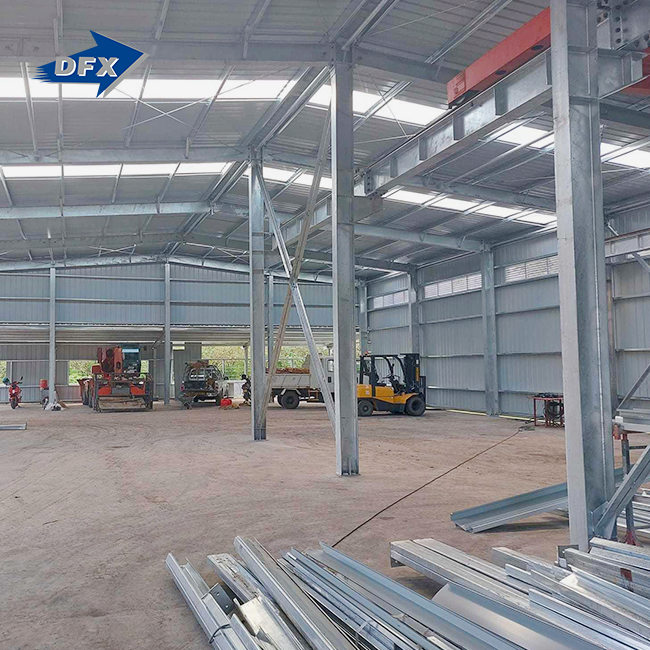
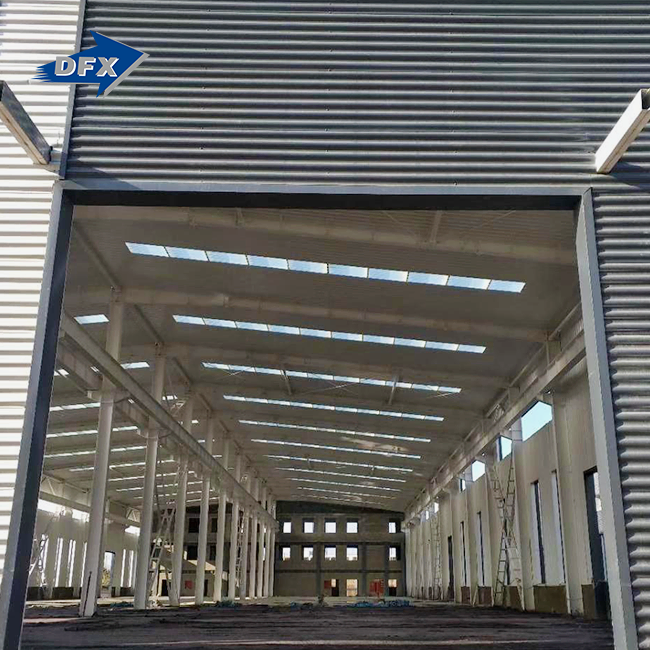
A heavy duty steel structure warehouse represents a transformative solution for modern industrial storage challenges. These specialized facilities utilize reinforced steel frameworks engineered with high-strength materials like Q235 and Q355 grade steel, creating large-span structures capable of supporting substantial loads while maximizing interior space. Unlike conventional warehouses, these buildings deliver exceptional structural integrity, rapid construction timelines, and remarkable adaptability across diverse operational environments, addressing critical needs for businesses requiring reliable, scalable storage infrastructure.

Understanding Heavy-Duty Steel Structure Warehouses
What Defines a Heavy-Duty Steel Structure Warehouse?
The main structure of these industrial buildings is made of welded H-section steel columns and beams that carry the weight of the building. The technical ideas behind these buildings put strength-to-weight ratios first, which lets them have large clear spans without needing interior support columns. These frameworks are made by factories like DFX using Q355B steel, which has a yield strength of more than 345 MPa. This makes sure that the heavy-duty steel structure warehouse can handle both static storage loads and dynamic operational stresses. The steel links that are bolted together make assembly exact, and the C/Z steel purlins support the roof and wall systems well.
Engineering Specifications That Set Them Apart
The way these buildings were built makes them different from smaller options. After going through tough welding steps, the main frames are shot-blasted to get a surface quality of Sa2.5. Epoxy primers that are high in zinc and polyurethane topcoats that have a dry film thickness of more than 150 micrometers are used to protect against corrosion. This process makes sure that the heavy-duty steel structure warehouse will work in tough industrial settings where moisture, temperature changes, and materials that eat away at metals can shorten the life of structures. Protection ratings that meet international safety standards are given by fire resistance measures, such as intumescent coatings.
Modular Design Flexibility
These warehouses can adapt to different weather situations and operating needs thanks to advanced engineering. With the modular approach, buildings can adapt to the needs of each site by having bay spacing that can be changed, height configurations that can be changed, and footprints that can be made bigger or smaller. The structural design meets the needs of its functions without sacrificing safety, whether it's holding overhead cranes in production areas or making sure that transportation operations have clear storage areas. Because they can be changed, they are very useful for EPC workers who are in charge of complicated industrial projects with changing requirements.
Key Advantages of Heavy-Duty Steel Structure Warehouses
Building industrial warehouses with heavy-duty steel frames has measured benefits that affect the success of the project and the efficiency of operations in the long run. These benefits go beyond just providing a place to live; they create value through better performance qualities that are hard for standard building methods to match.
Superior Load-Bearing and Structural Performance
The best thing about these warehouses is that they can handle large groups of heavy things. Welded H-beams with different cross-sections intelligently spread the weight across the structure. Heavy rack systems, tight product storage, and built-in material handling equipment can all be used with this design without affecting the structure. When factories use these buildings, they can put in equipment that weighs many tons because they know that the foundation and frame can handle it. When building facilities with high cranes or specialized production equipment where structural failure could be very bad, project managers like this feature.
Accelerated Construction Timelines
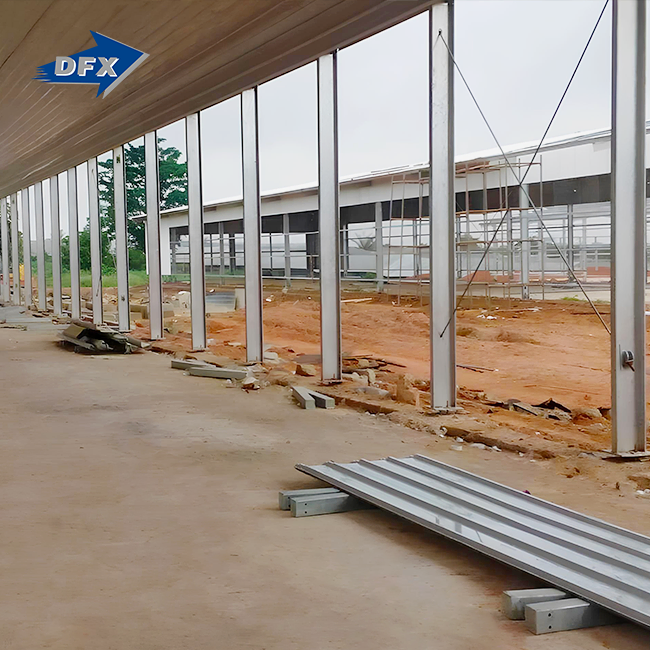
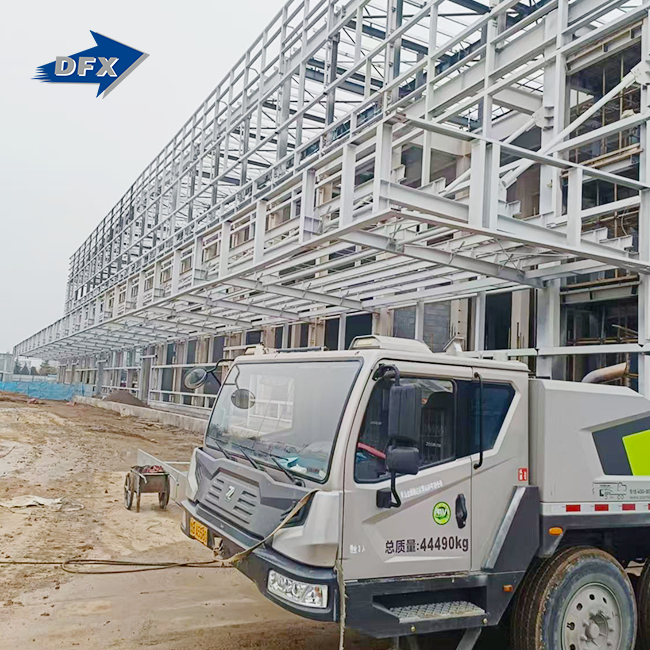
Prefabrication makes huge changes to project schedules. Steel parts made in controlled factories come to the job site ready to be put together, which cuts down on delays caused by bad weather and labor problems. When compared to concrete options, a typical heavy duty steel structure warehouse project can be finished 30 to 50 percent faster. This speed is very important for businesses that are starting up new production lines or increasing their capacity during busy times. Because the buildings are made to order, they ship 25 to 41 days after the order is confirmed, and they are put together on-site in weeks instead of months. This timeline dependability is very important for procurement managers to keep project budgets and working goals.
Cost Efficiency Across the Project Lifecycle
There are several ways that financial benefits can appear. Due to its higher strength-to-weight ratio, a heavy-duty steel structure warehouse needs less substantial ground support than concrete ones, which lowers the costs of site preparation. Labor costs go down because simpler assembly methods need smaller crews. Precision production almost eliminates material waste, unlike cast-in-place concrete, which creates a lot of waste that needs to be disposed of on-site. Maintenance costs stay low over the life of a building as long as the surfaces are properly treated to prevent rusting. Using insulated sandwich panels and mirrored roofing systems together in a smart way can lower energy costs and keep rooms at a comfortable temperature naturally.
Customization and Scalability
As the needs of the business change, so do these warehouses. The structure system lets the building grow by adding more bays in the future without stopping current activities. Non-load-bearing walls can be moved around as work patterns change, making it easy to change the layout of an interior space. For farming purposes, air devices and special equipment mounts can be added. Without adding extra support, manufacturing facilities can combine mezzanine floors or divide up output areas. This adaptability protects investments by making sure buildings keep working even as business needs change over many years of use.
Heavy-Duty Steel Structure Warehouses vs. Traditional Warehouses
Structural Comparison and Performance Metrics
Concrete buildings are durable, but they can't be changed. Heavy-duty steel structure warehouse installations last about as long as other types, often longer than 50 years with proper maintenance, but they are more flexible. Concrete needs a long time to harden, building windows that depend on the weather, and heavy base systems. Steel can be put up quickly in almost any weather, and the fixed links make it easy to take apart and move if business needs require it. Light steel structures are a choice in the middle, but they don't have the load capacity or clear span powers of heavy-duty frameworks. A heavy-duty steel structure warehouse is the only solution that can give industrial plants that work with big materials or heavy tools the strong performance they need.
Energy Efficiency and Environmental Considerations
Modern steel warehouses have features that make them as thermally efficient as traditional buildings. The U-values of insulated sandwich panels with polyurethane or rockwool cores are low enough for climate-controlled storage. In warm places, standing seam roof systems with shiny coats make it easier to keep cool. In contrast to concrete, which is hard to get rid of, the steel framework itself is environmentally friendly because it can be recycled completely when it's done. When components for a heavy-duty steel structure warehouse are made, they produce less carbon dioxide than when cement is made, especially when they come from factories that use electric arc furnaces. As companies try to get green building standards and meet their overall sustainability goals, these environmental factors become more important in their purchasing decisions.
Balanced Assessment of Limitations
Being open about possible downsides helps people make better decisions. When it comes to upfront costs, a heavy-duty steel structure warehouse can be more expensive than lighter options. However, steel usually wins in lifetime analysis because it costs less to maintain and run. In noise-sensitive areas, acoustic qualities need to be taken into account, which can be done with extra soundproofing layers. Ongoing care includes checking bolted connections and protective coatings on a regular basis, though it's not nearly as hard as fixing concrete that has flaked off or fixing structure cracks. As steel is flexible, project engineers must also make sure that the foundation is designed correctly, taking into account wind loads and seismic concerns.
Considerations When Procuring Heavy-Duty Steel Structure Warehouses
Supplier Evaluation and Certification Verification
Choosing a qualified steel structure manufacturer determines project outcomes. Experienced producers like DFX, which has been in business since 2011 and has over 200 trained workers and 40,000 square meters of production space, show that consistency in quality and on-time delivery are possible at a large scale. In the manufacturing process, ISO9001 approval proves that quality control is carried out in a planned way. CE marking makes sure that safety and performance standards in Europe are met, which is very important for international projects. The ASTM material compliance test makes sure that different types of steel meet established metalworking requirements for applications such as a heavy duty steel structure warehouse. When it's possible, project managers should ask for mill test certificates, look at portfolios of past projects, and check the factory's production capabilities.
Cost Structure and Budget Planning
Transparent pricing includes more than just the cost of raw materials. As part of structural design services, engineers turn ideas about what is needed into models that can be built. Material costs depend on the type of steel, the amount needed, and the state of the market at the time. The costs of surface treatment include blast cleaning and protective coating systems that are right for the work environment. For foreign shipments, packing and transportation are important line items. Help with installation, like detailed erection drawings and technical advice, increases value by avoiding mistakes that cost a lot of money in the field. When you know that production takes 25 to 41 days, you can accurately plan your cash flow. Managers of procurement should arrange detailed contracts that spell out the scope of the work, set payment targets, and guarantee performance.
Risk Mitigation Strategies
Industrial projects are plagued by delays in construction and cost overruns. It is clear from the contract who is responsible for delivering materials, making sure the work is done well, and providing expert help. Third-party testing services check the quality of the manufacturing process before it is shipped. They find problems early, when the cost of fixing them is low. Detailed assembly plans with exact connection details keep problems in the field from happening, which would require expensive engineering help. Plan for what to do in case of bad weather when setting up a heavy-duty steel structure warehouse, especially in places where it rains or gets very hot or cold at certain times of the year. Setting up rules for how suppliers, contractors, and project owners can talk to each other will make sure that problems are quickly solved during the construction process.
Environmental and Safety Benefits of Heavy-Duty Steel Structure Warehouses
Sustainable Material Sourcing and Lifecycle Impact
The best thing about steel for the environment is that it can be recycled. Multiple recycling processes don't change the structural properties of the parts, which creates closed-loop material flows that aren't common in building. Fabrication trash from drilling and cutting is sent back to mills to be used again instead of ending up in dumps. Responsible producers are getting more and more steel from electric arc furnaces that use recovered scrap. This has a lot less carbon in it than making steel from scratch. When a heavy-duty steel structure warehouse reaches the end of its useful life, it is demolished to make salvageable materials that have worth on their own. This saves money on disposal costs and avoids trash. Companies in agriculture and manufacturing that want to get sustainability certifications see these traits as being in line with their larger environmental commitments.
Occupational Safety and Structural Resilience
Many parts of the design make it safer for workers. Fire-resistant coatings protect steel members, keeping the structure strong during evacuations and stopping it from falling apart completely. The material's flexibility means it can absorb seismic energy by deforming in a controlled way instead of breaking easily, which is very important in places where earthquakes are common. If the foundations and wind bracing systems are properly designed, the heavy-duty steel structure warehouse can stand up to hurricanes and heavy snow loads. Welds and links should be tested regularly without damaging them. This finds any possible wear problems before they become dangerous. These features protect both construction workers while the building is being put up and people who work in the building while it is being used.
Modern Safety Integration
More and more modern stores have smart monitoring systems that keep track of the health of the buildings in real time. Sensors pick up on strange noises, high loads, or weather conditions that need attention. Automated fire suppression systems work perfectly with heavy-duty steel structure warehouse frameworks because mounting holes were built in from the start. Open floor plans and clear span construction make it easier to plan multiple ways to leave in case of an emergency. Putting up good lighting and ventilation systems on steel purlins and columns makes the workplace safer and lowers the risk of accidents and liability. When taking on government projects with strict safety standards, infrastructure companies like these features.
Conclusion
Construction companies, manufacturing firms, farming operations, and infrastructure makers can all benefit from heavy duty steel structure warehouse buildings in measurable ways. When you combine quick building with structural stability, cost-effectiveness, and environmental responsibility, you get answers to some of the most important questions that modern procurement pros have. It is possible for these buildings to be used in a variety of industrial settings, and heavy duty steel structure warehouse solutions last longer than other options. The success of a project depends on the quality of the materials, the engineering knowledge of the suppliers, and their full support. This makes choosing a vendor carefully very important. Heavy-duty steel structure warehouse frameworks are the obvious choice for businesses that want to grow and stay ahead of the competition because they allow for faster deployment, environmentally friendly practices, and operational flexibility.
FAQ
1. How long do heavy-duty steel warehouses last compared to concrete buildings?
With the right anti-corrosion protection and regular upkeep, these steel structures can last for more than 50 years, and many projects last for 100 years or more. The main difference is how easy it is to maintain. Steel only needs to have its finish checked and its bolts checked for strength on a regular basis, while concrete needs expensive crack repair and spalling removal. The steel is well protected when the surface is properly prepared at the start with industrial-grade finishes that are rated for C4/C5 corrosive conditions.
2. Can these warehouses accommodate climate-specific requirements?
Of course. The covering system can be changed without changing the main frame. In cold climates, thick insulated sandwich panels with high R-values are used for installations. In hot climates, reflective roofs and better airflow systems are helpful. The steel framework works reliably in all kinds of temperatures, from arctic conditions to tropical heat, as long as the right material grades and expansion joint provisions are used to handle thermal movement.
3. What maintenance obligations should operators expect?
Maintenance is mostly about protecting surfaces and making sure connections stay strong. Visual checks done once a year find damage to the coating that needs to be fixed before rust starts. Bolted connections need to be checked every so often, especially in structures that hold up high cranes, where vibrations can loosen the bolts. Compared to concrete maintenance, these chores take less time and money.
Partner with DFX for Your Industrial Warehouse Needs
Heavy duty steel structure warehouse solutions are made by DFX, a company with more than 12 years of experience, for tough industrial uses around the world. Our 40,000-square-meter facility uses modern automatic production lines to make 20,000 tons of welded H-beams every year. This ensures uniform quality that meets ISO9001 and CE certification standards. We offer full turnkey support that procurement managers depend on, from the initial design of the structure to fabrication, surface treatment, and on-site installation guidance. Whether you're an EPC contractor looking for dependable steel structure warehouse suppliers for logistics facilities or an investor in manufacturing needing to quickly set up a factory, our technical team can provide designed solutions that meet your exact operating needs. Get in touch with our skilled project managers at jason@bigdirector.com to talk about how our heavy duty steel structure warehouse for sale can help you with your next industrial construction project. We offer competitive prices and have a track record of success.
References
1. American Institute of Steel Construction. (2017). Steel Construction Manual, 15th Edition. Chicago: AISC.
2. Chen, W.F. & Lui, E.M. (2019). Handbook of Structural Engineering, Second Edition. Boca Raton: CRC Press.
3. European Convention for Constructional Steelwork. (2016). Design of Steel Structures: General Rules and Rules for Buildings. Brussels: ECCS Publications.
4. Galea, Y. & Bureau, A. (2018). Economic Design of Metal Structures: International Practice. London: ICE Publishing.
5. Trahair, N.S. & Bradford, M.A. (2020). The Behavior and Design of Steel Structures to AS 4100, Fifth Edition. Boca Raton: CRC Press.
6. United States Green Building Council. (2019). LEED Reference Guide for Building Design and Construction. Washington: USGBC Press.
Learn about our latest products and discounts through SMS or email