- English
- French
- German
- Portuguese
- Spanish
- Russian
- Japanese
- Korean
- Arabic
- Greek
- German
- Turkish
- Italian
- Danish
- Romanian
- Indonesian
- Czech
- Afrikaans
- Swedish
- Polish
- Basque
- Catalan
- Esperanto
- Hindi
- Lao
- Albanian
- Amharic
- Armenian
- Azerbaijani
- Belarusian
- Bengali
- Bosnian
- Bulgarian
- Cebuano
- Chichewa
- Corsican
- Croatian
- Dutch
- Estonian
- Filipino
- Finnish
- Frisian
- Galician
- Georgian
- Gujarati
- Haitian
- Hausa
- Hawaiian
- Hebrew
- Hmong
- Hungarian
- Icelandic
- Igbo
- Javanese
- Kannada
- Kazakh
- Khmer
- Kurdish
- Kyrgyz
- Latin
- Latvian
- Lithuanian
- Luxembou..
- Macedonian
- Malagasy
- Malay
- Malayalam
- Maltese
- Maori
- Marathi
- Mongolian
- Burmese
- Nepali
- Norwegian
- Pashto
- Persian
- Punjabi
- Serbian
- Sesotho
- Sinhala
- Slovak
- Slovenian
- Somali
- Samoan
- Scots Gaelic
- Shona
- Sindhi
- Sundanese
- Swahili
- Tajik
- Tamil
- Telugu
- Thai
- Ukrainian
- Urdu
- Uzbek
- Vietnamese
- Welsh
- Xhosa
- Yiddish
- Yoruba
- Zulu
How to Find Certified Steel Structure Exhibitors and Partners
Finding the right certified steel structure exhibitors and partners starts with knowing where to look and what to verify. A steel structure exhibition brings together manufacturers, fabricators, and suppliers under one roof, giving procurement professionals direct access to product samples, engineering credentials, and compliance documentation. Whether you are sourcing prefabricated workshop buildings, commercial office frames, or large-span industrial facilities, attending verified trade events and following a structured vetting process can dramatically reduce procurement risk and accelerate project timelines.

Understanding the Steel Structure Exhibition Landscape
Grand View Research says that the global steel construction market was worth about USD 135 billion in 2023. Steel structure exhibitions are still one of the best ways for businesses to find each other. Every year, thousands of recognized manufacturers and component suppliers attend events like the China International Steel Structure Exhibition (CISSE), which takes place every year in Shanghai, and BAU in Munich.
Why These Events Matter for Procurement Professionals
For procurement leaders and project managers, walking the trade floor is more than just a way to meet new people. It's a chance to compare what the seller says about the models with the real thing, look over mill test certificates right then and there, and see the quality of the build for yourself. That can't be found in a catalog or on a website.
Steel Structures Versus General Construction Expos
Steel-specific exhibitions get rid of vendors that aren't relevant and focus on those that sell column-beam frames, space trusses, and pre-engineered building systems. This narrow focus saves a lot of time compared to looking at a large construction trade show where steel fabricators may only take up a small part of the floor space.
Challenges in Finding Certified Steel Structure Exhibitors and Partners
Even though there are a lot of suppliers at any big show, it is still really hard to tell who is real. Certification rules are different in each area. It's possible for a supplier with a local quality license to not have CE marking or meet ASTM A36 equivalency, which are both important when building structures in North America or Europe.
The Risk of Unverified Suppliers
Working with a fabricator who isn't qualified can lead to building problems, insurance claims that aren't paid, and expensive rework. The International Trade Center recorded a case in which a building company in West Africa got steel pieces that were 18% weaker than the grade that was ordered. This was because the supplier's quality management certificate had expired. The cost of fixing things went over the value of the original deal.
Fragmented Regional Certification Systems
In different areas, different accrediting groups are accepted. In some African markets, you need a COC (Certificate of Conformity); in Kenya and Tanzania, you only need a PVOC; and in the European Economic Area, you need a CE mark. Before hiring a participant at a prefabricated steel structure exhibition, procurement managers need to make a list of the regulations that apply in the final target country.
Essential Criteria for Selecting Certified Steel Structure Exhibitors
When you walk onto the trade floor without a checklist, you miss out on a chance. The following criteria are the basic steps I take to do my research on any structural steel supplier I see at an industry show.
Before I walk by a booth, I make sure that the seller has at least an ISO 9001 or ISO 9004 quality control certificate. For projects going to Europe, CE marking under the EN 1090 performance standard is a must. To sell in places like Kenya and Uganda, you need to have COC and PVOC paperwork.
Here are the main selection criteria that should be used consistently:
- Certification traceability: The seller must show original mill test certificates (MTCs) for the raw steel, which prove its chemical make-up and yield strength against grades Q235 or Q355. Photocopies that don't have issuing-lab stamps aren't allowed.
- Engineering design capability: A trustworthy partner does more than just production. They also do structural calculations, building plan design, and detailing in-house. This is very important for commercial buildings with multiple floors that have composite floor systems and curtain wall facades.
- Product portfolio breadth: Check to see if the exhibitor has everything from roofs and siding to windows, doors, and sandwich panels. Integrated supply lowers the risk of coordination issues throughout the whole duration of a project.
- Reference projects and client verification: Ask for at least three completed project references that include photos of the site, contact information for the client, and records of deliveries. Compare these to what the exhibitor said their annual production capacity was.
Step-by-Step Guide: How to Effectively Find and Verify Certified Exhibitors
A steel structure exhibition visit can be turned into an organized sourcing practice by doing things three times: before, during, and after the event.
Phase 1: Pre-Exhibition Research
Two to three weeks before the event, go to the website of the event manager and download the official exhibitor list. Check the names of companies against ISO certification databases (like the IAF CertSearch portal) and the CE marking registry that is kept up to date by recognized notification bodies. Make a list of eight to twelve suppliers that meet the structural grade, span, and destination-market compliance needs of your project.
Phase 2: On-Site Verification
Ask for actual weld examples at the booth and ask the technical representative to talk about their Non-Destructive Testing (NDT) process for making H-beams. A fabricator with fully automated welded H-beam lines should be able to explain the steps for ultrasonic testing right away. Check coating thickness gauges or test results for anti-corrosion systems, especially for projects that will be done in humid or seaside areas that need a three-layer marine-grade paint system.
Phase 3: Post-Exhibition Follow-Up
Ask for a formal technical package within five business days of the event. This should include a structural calculation methodology, fabrication drawings for a similar reference project, insurance certificates, and documentation for export compliance. Check how quickly and accurately the supplier responds. This will give you an idea of how well they will handle contact during a live job. Do not start negotiating the deal until all the documents have been checked.
Case Studies and Verified Partnerships from Steel Structure Exhibitions
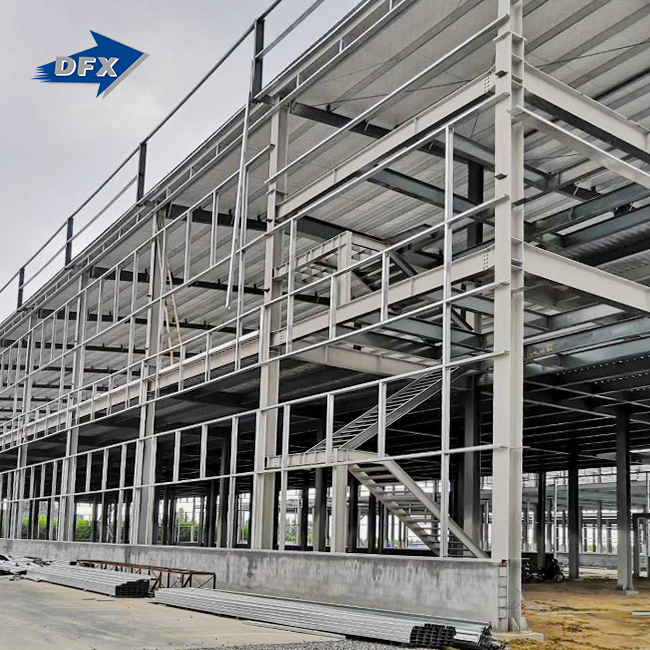
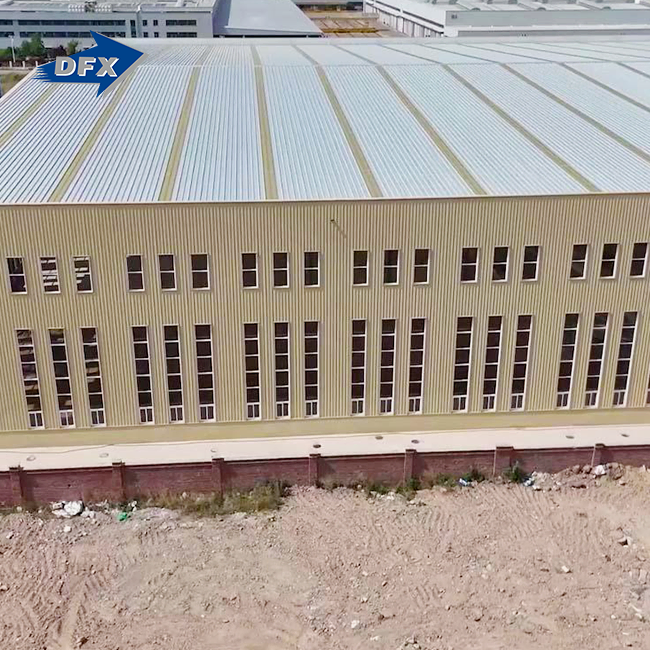
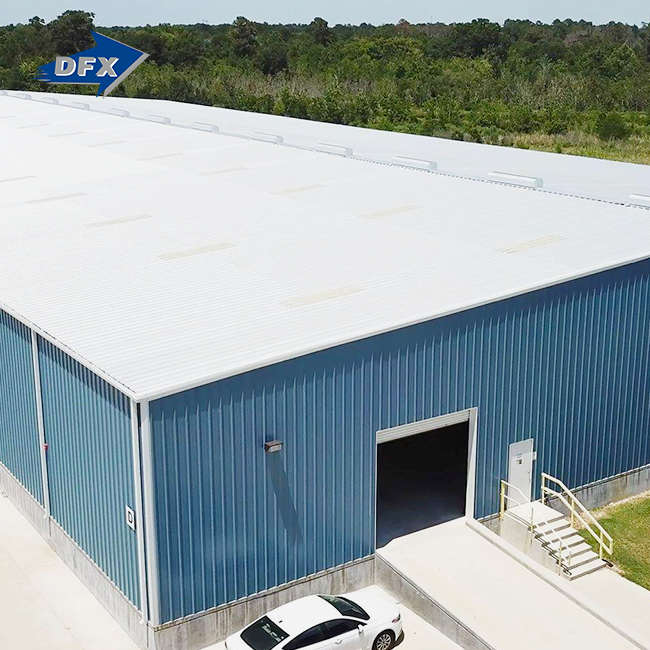
A procurement manager representing a logistics developer in the Philippines sourced a 12,000 m² steel-framed warehouse through a verified Chinese fabricator discovered at a Shanghai steel structure exhibition. The supplier was certified to CE and ISO 9004. They made MTCs for all Q355 parts and supplied the whole structure—columns, beams, roof purlins, and metal panel facade—within the agreed-upon 65-day production window. The project was finished 22% faster than similar reinforced-concrete options, which proved that the buying team's approach of sourcing through exhibitions worked.
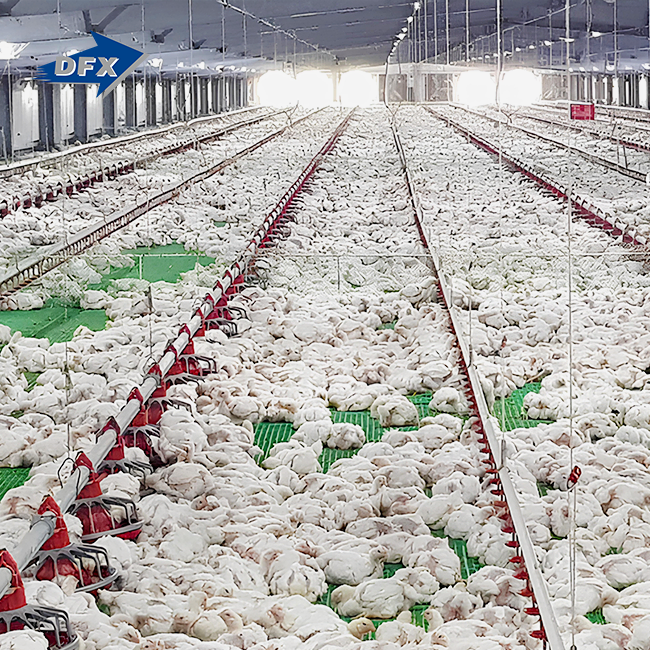
A farm owner in Queensland, Australia, also hired a qualified fabricator through an agricultural steel structure exhibition to build a steel-framed chicken coop. The supplier's sandwich panel line and C/Z section steel production ability meant that the building shell, which included ventilation, could be made as a single-source package, without any communication between subcontractors.
Conclusion
It takes planning, structured criteria, and disciplined follow-up after the event to find certified steel structure exhibitors and partners. Steel structure exhibitions are still the best way to shorten the time it takes to evaluate a supplier, as long as buyers bring written certification requirements and a verification checklist. There is a lot of information about the risks of hiring uncertified makers, and you can avoid them. With the right steps, procurement teams can build relationships with suppliers that help them produce high-quality steel buildings on time and within the budgets of their projects.
FAQ
1. How do I verify that an exhibitor's certifications are current?
For the original certificate with the stamp of the granting body, the expiration date, and the range of accreditation, ask for it. You can cross-check the certificate number on the public registry of the issuing body, like IAF CertSearch for ISO certificates or the EU NANDO database for CE notified bodies.
2. What certifications should a steel structure supplier hold for export to Africa?
A COC (Certificate of Conformity) from a recognized inspection body is needed for most markets in Sub-Saharan Africa. In addition, Kenya and Tanzania require PVOC approval. Check with your freight forwarder to make sure the target country's standards are met before hiring suppliers.
3. Can a Chinese fabricator meet North American structural standards?
Yes. A number of Chinese manufacturers create and make things that meet AISC, AWS D1.1 welding standards, and ASTM material equivalents when asked to by clients. Make sure this is possible and ask for evidence from past North American projects when you visit the booth.
4. What documents should I request before signing a supply contract?
For every certified steel structure supply agreement, there must be at least mill test certificates, fabrication drawings, ISO/CE certificates, weld inspection records, and export packing specifications.
Ready to Source Verified Steel Structure Solutions? Contact DFX Today
DFX — Qingdao Director Steel Structure Co., Ltd. — is a CE-certified, ISO 9004-accredited steel structure manufacturer with over 12 years of fabrication experience and 40,000 m² of enclosed production capacity. Our structural steel commercial buildings, built with Q235/Q355 column-beam frames, composite floor systems, and metal panel façades, are fully compliant with local building codes and suitable for corporate offices, administrative buildings, and business centers. As a steel structure exhibition manufacturer with verified export credentials, including COC and PVOC, we support every project from design through installation. Contact us at jason@bigdirector.com to discuss your project requirements.
References
1. Grand View Research. Steel Construction Market Size, Share & Trends Analysis Report. 2023.
2. International Trade Centre. Inclusive Trade: Supporting SMEs in Global Value Chains. 2022.
3. European Committee for Standardization. EN 1090-2: Execution of Steel Structures and Aluminium Structures. 2018.
4. American Institute of Steel Construction (AISC). Steel Construction Manual, 16th Edition. 2023.
5. International Accreditation Forum (IAF). IAF CertSearch Certification Directory. 2024.
6. China Iron and Steel Association (CISA). Annual Report on Steel Industry Development. 2023.
Learn about our latest products and discounts through SMS or email