- English
- French
- German
- Portuguese
- Spanish
- Russian
- Japanese
- Korean
- Arabic
- Greek
- German
- Turkish
- Italian
- Danish
- Romanian
- Indonesian
- Czech
- Afrikaans
- Swedish
- Polish
- Basque
- Catalan
- Esperanto
- Hindi
- Lao
- Albanian
- Amharic
- Armenian
- Azerbaijani
- Belarusian
- Bengali
- Bosnian
- Bulgarian
- Cebuano
- Chichewa
- Corsican
- Croatian
- Dutch
- Estonian
- Filipino
- Finnish
- Frisian
- Galician
- Georgian
- Gujarati
- Haitian
- Hausa
- Hawaiian
- Hebrew
- Hmong
- Hungarian
- Icelandic
- Igbo
- Javanese
- Kannada
- Kazakh
- Khmer
- Kurdish
- Kyrgyz
- Latin
- Latvian
- Lithuanian
- Luxembou..
- Macedonian
- Malagasy
- Malay
- Malayalam
- Maltese
- Maori
- Marathi
- Mongolian
- Burmese
- Nepali
- Norwegian
- Pashto
- Persian
- Punjabi
- Serbian
- Sesotho
- Sinhala
- Slovak
- Slovenian
- Somali
- Samoan
- Scots Gaelic
- Shona
- Sindhi
- Sundanese
- Swahili
- Tajik
- Tamil
- Telugu
- Thai
- Ukrainian
- Urdu
- Uzbek
- Vietnamese
- Welsh
- Xhosa
- Yiddish
- Yoruba
- Zulu
Storing Gasoline in Your Shed: Guide for Fuel Storage 2026
Storing gasoline in your shed requires careful planning, regulatory awareness, and the right infrastructure to prevent accidents and environmental damage. An industrial fuel storage shed offers a purpose-built solution for safely housing flammable liquids like gasoline, providing secondary containment, fire resistance, and ventilation systems that standard structures lack. This guide walks you through the essential considerations for selecting, installing, and maintaining fuel storage sheds in 2026, helping industrial operators, farm managers, and construction professionals make informed decisions that prioritise safety and compliance.

Understanding Industrial Fuel Storage Sheds for Gasoline
What Makes These Structures Essential?
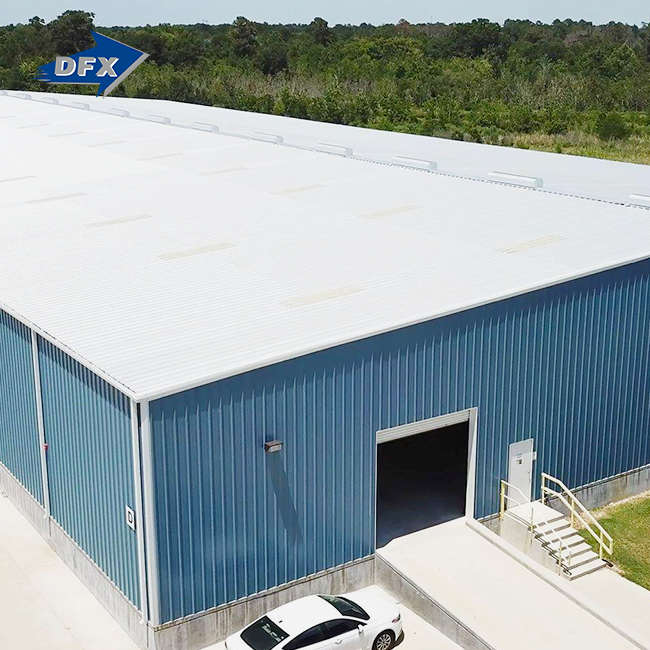
Industrial fuel storage sheds are very different from other types of storage buildings. Because gasoline has a low flashpoint and makes flammable fumes at room temperature, these special shelters are made to handle its instability. The main job is to keep the fuel inside and stop any accidents from letting it out. These buildings are different from regular warehouses because they have spill containment sumps, explosion-relief panels, and chemical-resistant coatings that keep metal from rusting when it comes into contact with hydrocarbons.
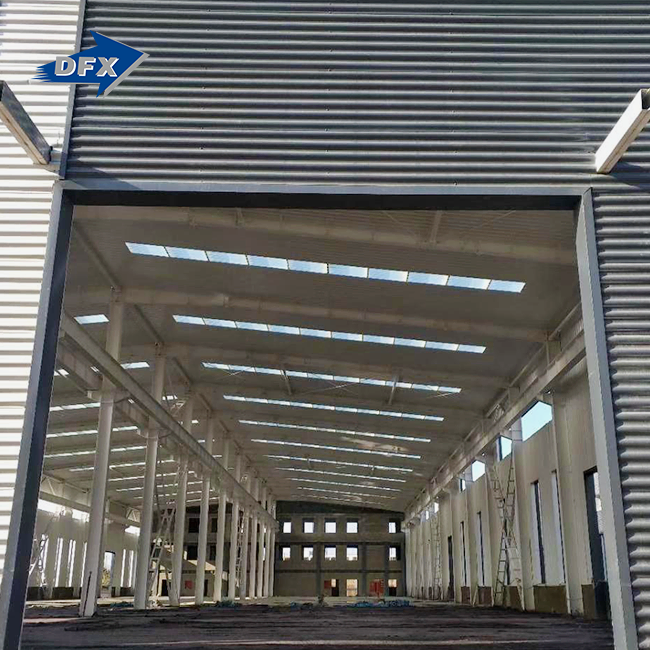
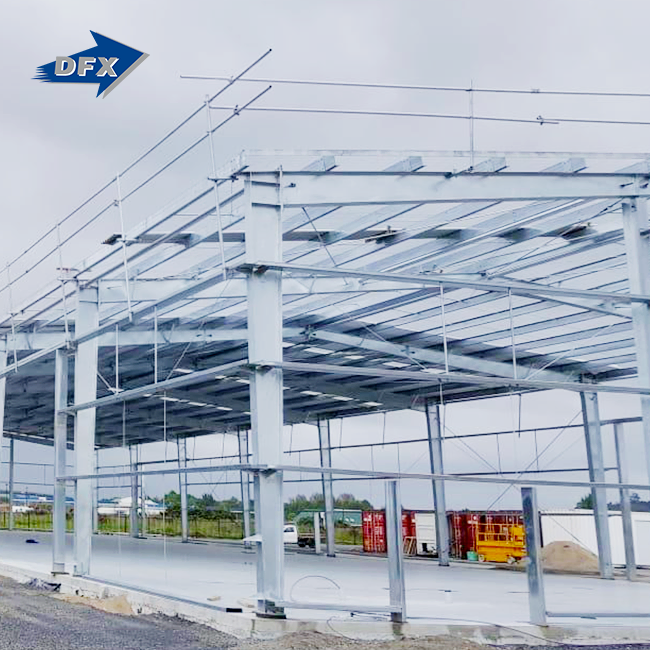
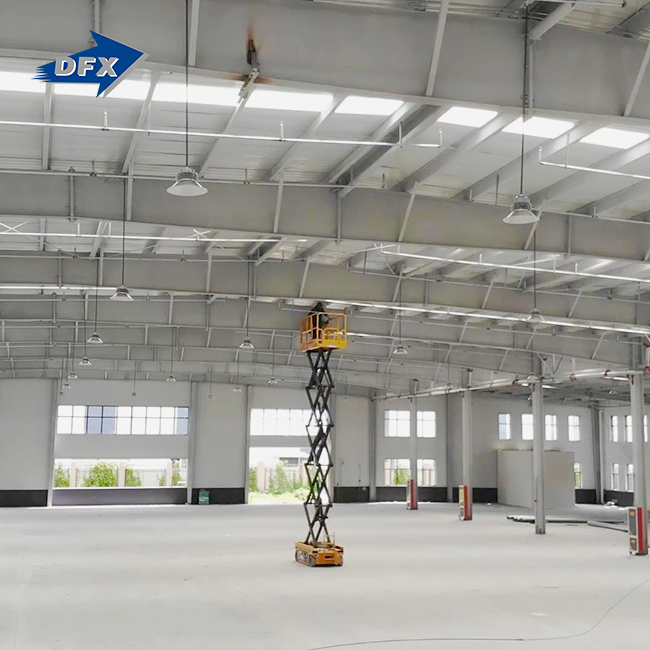
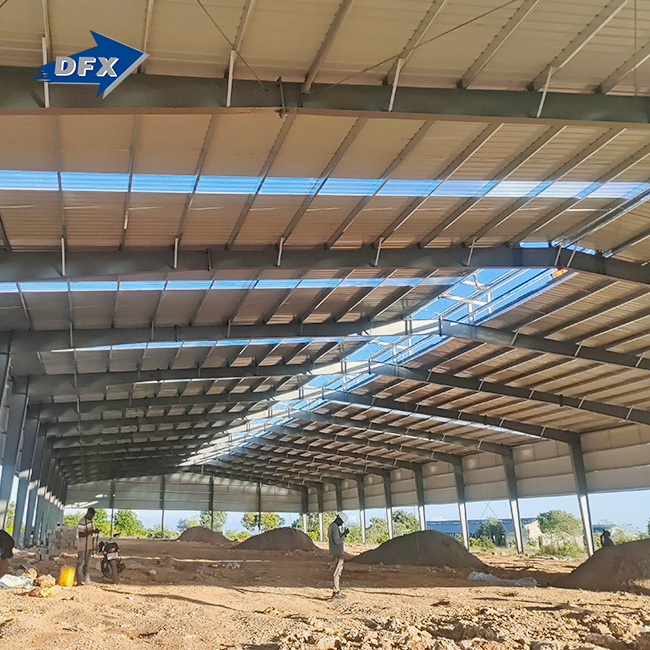
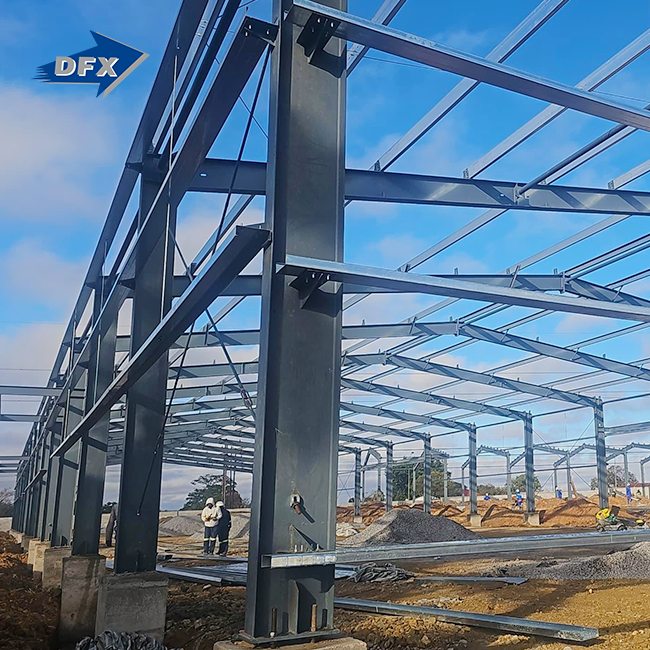
H-section beam frames and columns are often used in construction, along with C/Z-galvanised purlins that keep the structure strong and don't rust. Many designs give you options for how it looks, from fully enclosed layouts to layouts with open sides that let more air flow through. Because they are so flexible, they can be used for a wide range of tasks, from farming activities in remote areas to industry manufacturing sites.
Regulatory Compliance and Design Standards
Following safety rules is the most important part of storing oil correctly. OSHA rules say how far away you must be from buildings that are occupied, and NFPA 30 rules say what materials must be used and how much air flow must be allowed. The EPA's rules are all about protecting the environment, so they need backup containment systems that can hold at least 110% of the biggest container's volume.
When procurement teams look at shed choices, they should make sure that providers have ISO 9001 certification, CE marking, and any country-specific approvals like COC or PVOC that are needed. These certificates show that the company follows foreign standards for product safety and quality management. Structures made in China often meet these standards and are priced competitively, especially if they come from well-known fabricators who have been making structures for over ten years.
Core Benefits for B2B Operations
Industrial fuel storage sheds address multiple operational issues at once. They keep fuel supplies safe from theft and the weather, and they keep the air controlled so that fuel doesn't evaporate too quickly. By putting fuel storage in specific areas, the buildings make it easier to keep track of supplies and lower the risk of misuse or access by people who aren't supposed to be there.
Controlling the temperature is another benefit. Sheds that are properly ventilated keep heat from building up, which speeds up the breakdown of gasoline and raises the vapour pressure. This controlled environment keeps the quality of the fuel stable and stretches its shelf life, which is very important for equipment that needs exact fuel specs.
Best Practices for Safely Storing Gasoline in Your Industrial Shed
Implementing Critical Safety Systems
To store oil safely, you need more than one layer of safety. Ventilation is the most important part. Natural airflow through carefully placed vents keeps vapours from building up below the Lower Explosive Limit (LEL). When storing Class 1A flammable liquids in small spaces, you need mechanical ventilation systems that let one cubic foot of air per minute per square foot of floor space flow continuously.
Spills are stopped before they reach the ground or dirt by secondary containment devices. Usually, these systems include floors that don't leak because they are made with welded cracks and chemical-resistant coats. The containment area has to be big enough to hold all the stored fuel plus a safety cushion. This way, the surroundings will be safe even if the containers explode.
Equipment for putting out fires should be easy to get to and close at hand. This includes having the right fire extinguishers for Class B fires, emergency shutdown valves that stop the flow of fuel in case of an emergency, and grounding systems that get rid of static electricity that builds up during fuel transfer operations.
Strategic Placement and Site Considerations
Safety results depend on where you are. Place your industrial fuel storage shed at least 50 feet away from buildings that are being used, property lines, and things that could start a fire. Think about how the wind blows to make sure that fumes move away from buildings and workplaces. The site should have level ground and good drainage so that spills don't end up in storm drains or water sources.
The requirements for access are important. Emergency vehicles need clear paths to get to the scene of the accident, and daily operations can run more smoothly with forklift access and enough room for fuel delivery trucks to turn. Some prefabricated units come with built-in forklift pockets and crane lifting lugs that make them easy to move as business needs change.
Maintenance Protocols That Extend Service Life
By scheduling regular inspections, small problems are kept from getting worse and becoming dangerous. Visual checks should be done once a week to find clear damage, leaks, or buildups of debris in storage sumps. Every three months, technical inspections check the structure, the integrity of the coatings, and the operation of the ventilation system.
Inspection for corrosion needs extra attention. When exposed to fuel fumes all the time, even galvanised steel can break down, especially in seaside or humid areas. Using dry film scales to measure coating thickness makes sure that protection layers keep enough coverage, usually meeting marine-grade C5-M standards. Every year, containment sumps should be tested for hydrostatic leaks using water-fill methods or dye penetrants to make sure that the seams that were welded are completely sealed.
Comparing Industrial Fuel Storage Options: Choosing the Right Shed for Gasoline
Material Selection: Steel vs. Alternative Construction
Steel is the most common material used to store fuel in factories because it is strong for its weight, doesn't catch fire, and lasts a long time. The rust protection of heavy-gauge galvanised steel is very high, and it keeps its shape even when heated. Quality sheds have welded tube frames that can handle the high winds and snow that often fall on industrial sites that are open to the elements.
Aluminium has some benefits in some situations, especially when weight reduction is important or when rust is a big problem. But because aluminium has a lower freezing point and costs more, steel is usually the better choice for storing gasoline. Some makers use a smart mix of materials, like steel for structural parts and aluminium for non-load-bearing panels in environments that are likely to rust.
Prefabricated vs. Custom-Built Solutions
Prefabricated sheds are quick and don't change the cost. Manufacturing lead times are usually between four and eight weeks for standard designs that can fit common storage sizes and layouts. These units come with CE certification, engineered specifications, and installation drawings that make them easier to set up. The consensus also means that the designs have been tried and improved in many installations, so they are sure to work.
Custom fabrication meets specific operational needs that can't be met by standard products. The extra technical investment is necessary because of the site's complicated limitations, the need to integrate special equipment, or the unusual capacity requirements. Custom projects take longer and cost more, but they provide the best answers for difficult problems. Reliable fabricators with their own design teams can help with all stages of a project, from coming up with ideas to putting them up for the first time.
Evaluating Enclosed vs. Open-Sided Configurations
Fully enclosed sheds, such as an industrial fuel storage shed, offer the highest level of safety and protection for the environment. They keep people from getting in who aren't supposed to, protect fuel tanks from the weather, and keep vapours inside better. This set-up works well for operations in crowded places where safety worries are greater than the benefits of ventilation.
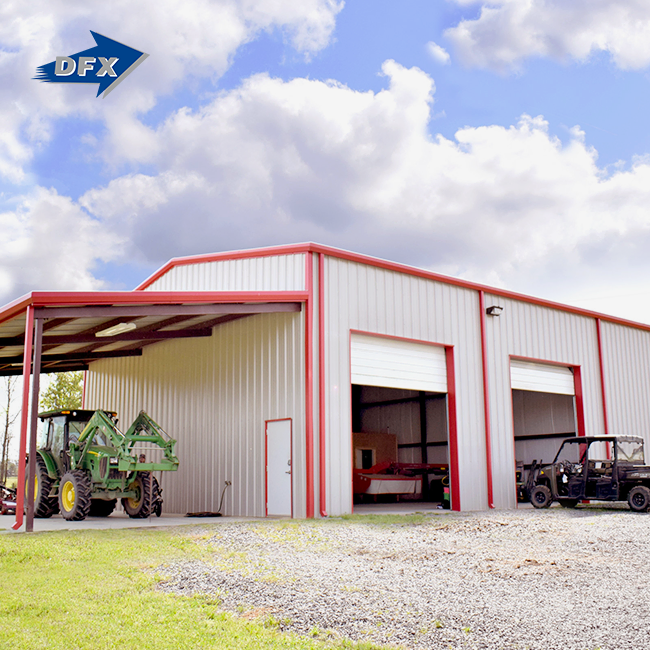
Open-sided designs let in a lot more natural air, which lowers the quantity of vapour without using motorised systems. The extra airflow also helps keep the temperature stable, so it doesn't get too hot in the summer. This method works well for business or farming places that are far away and have good perimeter security. In exchange, the property is more vulnerable to weather and less likely to be stolen.
Procurement Guide: How to Buy Industrial Fuel Storage Sheds in 2026?
Evaluating Supplier Credentials and Capabilities
Thoroughly screening suppliers is the first step to successful procurement. Check that the company that makes the product has the right certifications, such as ISO 9001 quality management systems and product-specific approvals like CE marking. Companies that have been making things for more than ten years usually have more consistent production consistency and a better grasp of how regulations work in different markets.
Production ability affects how long a job takes to finish. Suppliers with more than 40,000 square metres of enclosed production space and more than 200 trained workers can handle large orders without sacrificing quality or delivery times. Modern factories with automatic welded H-beam production lines, sandwich panel lines, and C/Z section steel lines show advanced technology that leads to high-quality products.
Pay close attention to the supplier's list of services. Full services should include standard design development, fabrication, packing that can be shipped internationally, and thorough installation plans. Some makers offer architectural design and finishing services to help customers through the idea, planning, manufacturing, and installation stages.
Understanding Price Structures and Total Cost
Industrial Fuel Storage Shed prices are often broken down into a number of different parts. The costs of the base structure include the main steel frame, the purlins, and the basic siding. Extra costs come from secondary storage systems, special coatings, and air equipment. Fire-rated panels cost more because they need special insulation materials and have to pass strict tests.
Shipping is a big cost factor, especially when buying things from other countries. Optimising containers has an effect on freight costs; good packing cuts down on the number of containers needed, which lowers shipping costs. Some suppliers keep strategic stocks of common parts, which lets buyers have short production cycles and lowers the costs of keeping inventory on hand.
Support for installation varies by supplier. Basic packages come with thorough models and expert support that you can get from afar. Premium services offer on-site guidance or work that is ready to go. Adjust your budget based on what your team can do. For example, building teams with a lot of experience may only need plans, while operations with less experience would benefit from having someone help them with the installation.
Warranty, Service Contracts, and Long-Term Support
Warranty protection keeps your investment safe from flaws in the manufacturing process and early failure. Most standard warranties cover structural parts for 5 to 10 years and coatings for 2 to 5 years. Carefully read the exclusion clauses; coverage is often null and void for things like improper installation, poor maintenance, or unauthorised changes.
Maintenance contracts let you plan ahead for repairs and make sure that only trained technicians do the checks. This method works especially well for businesses that don't know a lot about fuel storage systems. The contract should say how often inspections will happen, what services will be provided, and how long it will take to respond to emergencies.
Conclusion
To store fuel safely, you need infrastructure that is designed to deal with risks of fire, government rules, and operating efficiency. Industrial Fuel Storage Shed solutions are well-designed structures that offer secondary containment, good airflow, and structural stability in a range of designs suitable for a wide range of uses. Whether they're supporting farming operations, factories, or construction projects, these structures make things safer and make it easier to follow the rules that are getting stricter. The choice to buy depends on looking at the quality of the materials, the reliability of the suppliers, and the total prices over their whole life. Smart tracking systems and eco-friendly materials will make professional-grade fuel storage even more valuable as technology improves, opening it up to all kinds of businesses.
FAQ
1. What safety features should I prioritise when selecting a fuel storage shed?
The most important feature is the secondary containment system. Make sure the sump size is at least 110% of the space of your biggest container. Proper ventilation keeps dangerous vapours from building up; make sure the design allows enough airflow for the type of fuel you use. Fire-rated panels slow down thermal failure during fires, giving people more time to get out of the building. Explosion-relief panels protect structures during deflagration events, and grounding systems stop static electricity.
2. Can gasoline and diesel be stored together in the same shed?
Co-storage of suitable fuel products is usually allowed by law, but practical issues are important. If there are leaks, they won't spread germs because the Industrial Fuel Storage Shed has separate holding areas. Clearly marked storage areas cut down on mistakes in handling that could put gasoline into diesel systems or diesel into gasoline systems. Check your local fire codes—some places have stricter separation rules based on the amount of stuff that is stored.
3. How frequently should I inspect my fuel storage shed?
Visual checks should be done once a week to look for clear leaks, damage to the structure, or trash in containment areas. Technical inspections are done every three months to check the air systems, the stability of the coatings, and the electrical grounding connections. Every year, hydraulic testing makes sure that the storage sump is still solid and that the weld seams are still leak-proof. Cleaning up and inspecting right away after a spill keeps the coating from wearing down and the environment from getting dirty.
Contact DFX for Your Industrial Fuel Storage Shed Needs.
DFX, which does business as Qingdao Director Steel Structure Co., Ltd., has been making high-performance industrial fuel storage shed products for more than 12 years. Our 40,000-square-metre factory has more than 200 trained workers who use high-tech automated production lines to make buildings that meet the standards for ISO 9001, CE, COC, and PVOC certification. We can make custom solutions for you using H-section beams, galvanised C/Z purlins, and a variety of cladding options. You can choose enclosed designs for maximum security or open-sided designs for better ventilation.
We work with building companies, farms, and factories all over the world, and our services range from designing structures to helping with installation. Our short production cycles and unified approach, which includes making, packing, and providing detailed installation plans, speed up project timelines while keeping high quality standards. As a reliable provider of industrial fuel storage sheds, we know how important it is to find the right balance between safety, durability, and cost-effectiveness.
Get in touch with jason@bigdirector.com to talk about your specific fuel storage needs. Our engineering team will look at your business needs, suggest the best options, and give you a clear price quote that takes into account every part of the project.
References
1. National Fire Protection Association. NFPA 30: Flammable and Combustible Liquids Code, 2021 Edition. National Fire Protection Association, 2021.
2. Occupational Safety and Health Administration. OSHA Technical Manual, Section IV: Chapter 2 - Storage and Handling of Flammable and Combustible Liquids. U.S. Department of Labour, 2019.
3. Environmental Protection Agency. 40 CFR Part 264.175 - Containment Requirements for Hazardous Waste Storage. U.S. Government Publishing Office, 2020.
4. American Society for Testing and Materials. ASTM E165-18: Standard Practice for Liquid Penetrant Examination for General Industry. ASTM International, 2018.
5. FM Global. Property Loss Prevention Data Sheet 7-29: Ignitable Liquid Storage in Portable Containers. FM Global Research, 2022.
6. Steel Construction Institute. Design Guide for Steel Structures in Hazardous Industrial Environments. The Steel Construction Institute, 2023.
Learn about our latest products and discounts through SMS or email