- English
- French
- German
- Portuguese
- Spanish
- Russian
- Japanese
- Korean
- Arabic
- Greek
- German
- Turkish
- Italian
- Danish
- Romanian
- Indonesian
- Czech
- Afrikaans
- Swedish
- Polish
- Basque
- Catalan
- Esperanto
- Hindi
- Lao
- Albanian
- Amharic
- Armenian
- Azerbaijani
- Belarusian
- Bengali
- Bosnian
- Bulgarian
- Cebuano
- Chichewa
- Corsican
- Croatian
- Dutch
- Estonian
- Filipino
- Finnish
- Frisian
- Galician
- Georgian
- Gujarati
- Haitian
- Hausa
- Hawaiian
- Hebrew
- Hmong
- Hungarian
- Icelandic
- Igbo
- Javanese
- Kannada
- Kazakh
- Khmer
- Kurdish
- Kyrgyz
- Latin
- Latvian
- Lithuanian
- Luxembou..
- Macedonian
- Malagasy
- Malay
- Malayalam
- Maltese
- Maori
- Marathi
- Mongolian
- Burmese
- Nepali
- Norwegian
- Pashto
- Persian
- Punjabi
- Serbian
- Sesotho
- Sinhala
- Slovak
- Slovenian
- Somali
- Samoan
- Scots Gaelic
- Shona
- Sindhi
- Sundanese
- Swahili
- Tajik
- Tamil
- Telugu
- Thai
- Ukrainian
- Urdu
- Uzbek
- Vietnamese
- Welsh
- Xhosa
- Yiddish
- Yoruba
- Zulu
Bonded Area Steel Warehouse: The Hidden Advantage in Modern Supply Chains
In today's rapidly evolving logistics landscape, smart procurement managers are discovering a powerful yet underutilized asset: specialized customs-supervised storage facilities that transform how steel materials move through global supply chains. A bonded area steel warehouse operates within government-designated zones, allowing imported steel products—coils, beams, plates, and structural components—to be stored without immediate duty or VAT payments. This deferred tax mechanism creates unprecedented cash flow flexibility, particularly valuable when steel prices fluctuate wildly or when construction projects face unexpected delays. Unlike conventional storage, these facilities integrate directly with customs systems, enabling traders and manufacturers to release inventory strategically based on market conditions rather than tax deadlines. We've witnessed clients reduce working capital pressure by 20-30% simply by repositioning their steel procurement through bonded zones.

Understanding Bonded Area Steel Warehouses: Definition & Operations
What Makes Bonded Warehousing Different?
When goods come into a traditional warehouse, they have to go through full customs clearance and pay taxes. In bonded facilities, this model is turned on its head. When your steel package gets to a secured warehouse, customs officials watch over it but don't take out the duties right away. The goods are still "in bond," which means they haven't been brought into the country's market yet. This is how things are until you decide to release certain amounts for use. When you do that, taxes only apply to the amounts you remove.
When big construction projects are going on, the operational advantage becomes clear. Imagine that you are in charge of building a multi-phase industrial plant that needs 500 tons of H-beams. You clear only the 50 tons needed for step one instead of paying import duties on the whole package at once, which would tie up capital for months. The rest of the materials are waiting in bond, which keeps your cash on hand for other project costs.
Regulatory Compliance and Safety Protocols
Working in these areas requires a lot of paperwork. Each piece of steel is given a unique number that can be tracked by warehouse management systems that are connected to customs E-Data Interchange platforms. This digital ledger keeps track of everything, from mill test papers to heat numbers, so there are no mistakes that could lead to reports or fines.
The safety standards in bonded steel storage are higher than those in a normal warehouse. Concentrated weights of 5–10 tons per square meter must be able to be supported by floor load capacities that can accommodate coils stacked vertically. Controlling the climate becomes very important. Keeping the relative humidity below 60% stops the horrible "white rust" on galvanized steel and corrosion on carbon steel. Industrial dehumidifiers and systems that record temperature and dew point data every hour are built into our buildings because we know that even short periods of condensation can damage materials and make customers unhappy.
Customs Integration and Documentation Workflow
At first, all the paperwork might seem like a lot of work, but once things are set up, they go much more quickly. When goods arrive at the warehouse, they are inspected by staff who compare the physical inventory to bills of lading and mill test certificates. Any damage to the packaging or differences in the amount sent are recorded right away, with photos shared between customs and the customer portal.
When you're ready to release the goods, the removal request makes a customs statement automatically. The present rates are used to figure out the duties for the exact amounts being cleared. This flexibility is very helpful when trade policies change. For example, if tariff rates go up, goods that are already in bond will stay in their original classification, which could save a lot of money on large orders.
Comparing Bonded Area Steel Warehouses With Other Storage Options
Bonded Zones Versus Regular Warehouses
The cost structures of these plans are very different from one another. Regular stores need duty payments right away, which could be anywhere from 15% to 25% of the order value, based on the type of steel and the country where it came from. Bonded storage puts off this cost forever, turning it from a one-time, fixed cost into an ongoing, variable cost that changes based on usage. Bonded storage facilities usually charge a little more for storage, but the extra cash flow benefit is much greater than the extra rent.
Another big difference is the speed of customs clearance. Standard procedures can take anywhere from 3 to 7 business days to clear a whole 40-foot container. A Bonded Area Steel Warehouse stores goods in the customs zone ahead of time, which cuts the time it takes to release goods and lets important projects get them the same day or the next. This responsiveness has a direct effect on building plans, as delays in delivering steel lead to costly downtime for workers.
Strategic Location Advantages
Most of the best bonded warehouse networks are located in global logistics hubs close to major ports and industrial areas. Being close to deep-water terminals cuts down on the costs and travel times of inland transportation. When looking at places, you should look at how quickly and easily customs clearance is handled. Some ports handle bonded withdrawals in hours, while others take days because of hiring or system issues.
Whether to rent current bonded space or build a new center depends on how often and how much is being done. Flexible short-term leases are good for construction companies that work on projects that come and go. Manufacturing operations that use a lot of steel might need purpose-built facilities. This is especially true if processing steps like slitting or cutting-to-length add value before duty is paid.
Leveraging Bonded Area Steel Warehouses in Your Procurement Strategy
Navigating the Rental and Leasing Process
To get bonded warehouse space, you must first find qualified providers who have the right customs clearances and insurance. Ask to see copies of their customs license, building certificates, and rules on cargo liability. Reliable operators have at least $5 million in coverage per event, which protects your inventory in case of fire, theft, or damage from handling.
Storage rates (usually per ton per month), handling fees for incoming and outgoing moves, and value-added service fees if you need processing should all be clearly stated in lease agreements. Committed amounts give you more negotiating power. For example, providers often lower their prices by 10–15% for clients who promise a minimum monthly flow. Contracts should be flexible, with renewal choices and scalability terms that let you add more space as project processes grow.
Maximizing Cash Flow Through Duty Deferral
It costs more and more over time to use secured storage. Let's look at a steel trader who brings in $2 million a month in 20% duty-free construction steel. In the old way of doing things, you have to pay $400,000 in taxes up front. Through bonded storage with an average inventory turnover time of 60 days, that $400,000 can still be used to buy more inventory, talk to mills about early payment discounts, or pay for operational costs.
We've helped clients set up vendor-managed inventory plans so that steel suppliers own bonded stock until the building company takes the materials out for instant use. This deal gets rid of all of the buyer's inventory-holding costs and makes sure there is no lead time for customs clearance. It's a win-win situation that makes relationships between buyers and suppliers stronger.
Selecting Trustworthy Warehouse Partners
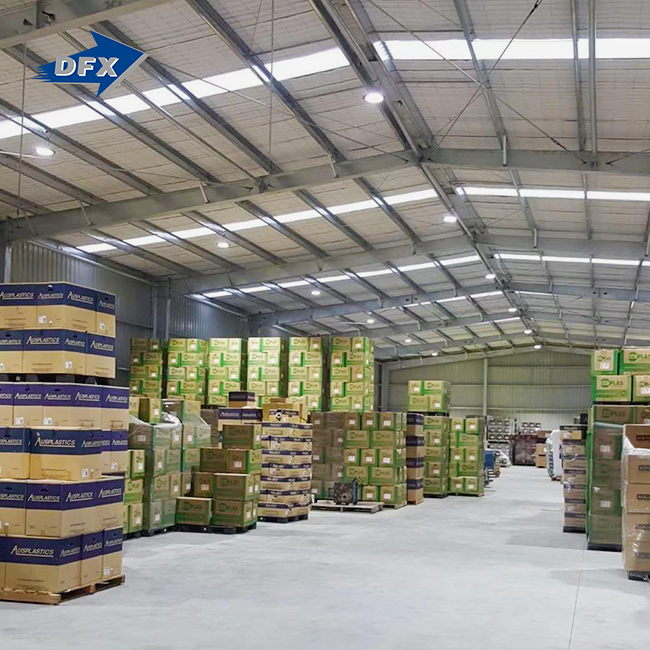
Doing your research divides trustworthy operators from risky ones. When you can, go to the sites in person and check out the security, climate control, and tools used for moving things. Well-secured warehouses have overhead cranes that can lift 20 to 50 tons and special trucks with surfaces that protect against damage like scratches and dents.
Check the operator's record of following customs rules. Repeated violations or differences in inventory show poor management that could put your goods at risk or cause problems with customs. The best providers, especially those operating a Bonded Area Steel Warehouse, do cycle counts that go above and beyond what is required by law and keep clear digital dashboards that let you check on your product state 24 hours a day, seven days a week.
Why Modern Supply Chains Need Bonded Area Steel Warehouses: Benefits & Use Cases?
Enhanced Supply Chain Responsiveness
When buffer stock is kept in sealed zones close to project sites, it allows for just-in-time delivery without having to choose between having cash stuck in paid-duty stock or waiting a long time for shipping goods abroad. Automakers were the first to use this method, saving high-quality steel sheets close to assembly plants. They only pull what they need when production schedules change, which happens a lot in today's volatile markets for demand. This keeps them from having to write down both too much inventory and not enough.
The same kind of unpredictability affects people who work in construction. Material time needs are always changing because of things like bad weather, problems with permits, or changes in the design. With bonded warehousing, these problems go from being crises to manageable changes. Your steel sits safely in bond, collecting only minimal carrying costs while you work out the details of your project without having to worry about duty payment deadlines or demurrage fees at busy ports.
Risk Mitigation in International Steel Trade
In the past few years, trade policies have become more unstable, with quick changes in tariff rates and country-of-origin rules. If you put goods in bonded status, they usually stay in their original duty classifications. This keeps you safe from sudden rate rises. This protection was very helpful when the Section 232 steel tariffs were put in place recently. Bonded inventory kept importers from having to pay retroactive duties, which caught many of them off guard.
Bonded-area steel warehouses also make it easier to settle quality issues. If steel that comes in doesn't meet standards, it can be sent back to the supplier and never enter the local market or cause duty payments to be made. Once your goods clear customs and are stored in a regular warehouse, you no longer have this choice. Rejected goods have to go through complicated duty refund procedures that take time and tie up capital.
Real-World ROI From Leading Companies
A $50 million industrial building that we work with was recently finished by an EPC contractor who used secure storage for all of the structural steel. They didn't have to pay $240,000 in taxes up front because they put off paying duties on 1,200 tons of H-beams and released goods in six stages that were timed with building milestones. The retained capital paid for early mobilization of contractors, which sped up the project schedule by three weeks and earned performance bonuses that were much higher than the small rise in warehousing fees.
Bonded sites change the way distribution companies do business because they can serve more than one building client. Instead of guessing how much inventory they will need months in advance and taking a chance on it, they bring in large shipments of goods on bond and distribute them as customer orders become firm. This method helped a seller cut the amount of old stock they had to throw away by 65% while also increasing the number of items they could fill when demand suddenly went up.
Conclusion
Bonded Area Steel Warehouses are more than just places to store things; they're also important financial and practical tools that smart procurement teams use to get an edge in the market. Deferred duty payments, flexible inventory management, and customs-integrated processes all work together to solve some of the biggest problems that construction companies, manufacturers, and steel distributors face when they try to work their way through today's complicated global supply chains. Along with modern prefabricated steel infrastructure made just for big industrial storage needs, these facilities make a real difference in cash flow, supply chain timeliness, and risk management. The question isn't whether or not bonded warehousing works for your business; it's how quickly you can take advantage of this benefit before your competitors do too.
FAQ
1. How long can steel remain in bonded storage?
Most secured warehouse authorizations let you store things for one to two years, with the option to extend them. This longer period of time is much longer than the few weeks that port terminals allow before demurrage charges start to add up. This gives you real freedom to carefully time your market moves. Limits on how long things can be stored vary by location, so make sure you know the rules in the places you want to store them when you choose a facility.
2. Can we process steel while it's in bonded status?
Customs rules usually allow "simple processing" that doesn't change the Harmonized System classification code of the goods in a basic way. Most of the time, slitting coils, cutting plates to length, or repackaging for custom orders qualify. If you want to do more production that makes new HS code classifications, you need a different license. Before planning value-added services, make sure you know what the customs officials and your warehouse provider allow.
3. What happens if stored steel gets damaged?
If goods are destroyed or made useless for business purposes while being inspected by customs, the broken part may not have to pay duty. For this help to be given, official survey reports must be made with customs officials present, showing that the losses were caused by legal issues and not by selling goods on black markets. Since duty relief only covers taxes and not the value of lost goods in terms of money, full cargo insurance becomes necessary.
Partner With DFX for Your Bonded Warehouse Steel Structure Needs
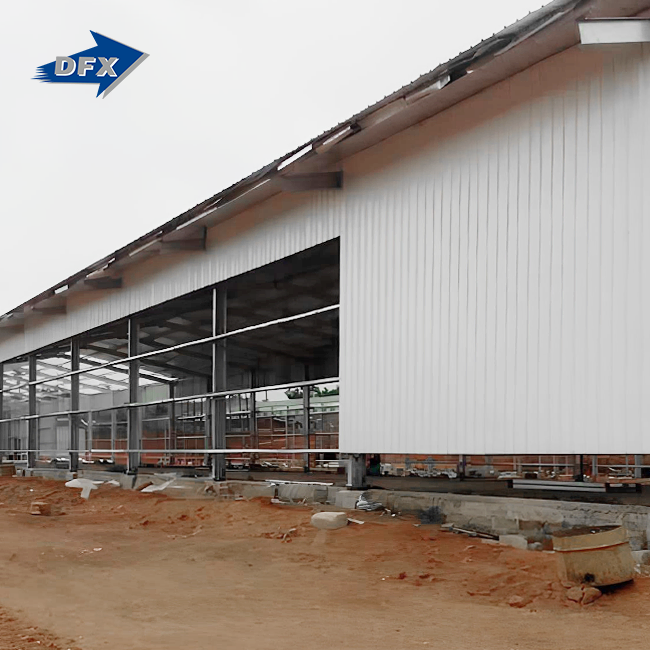
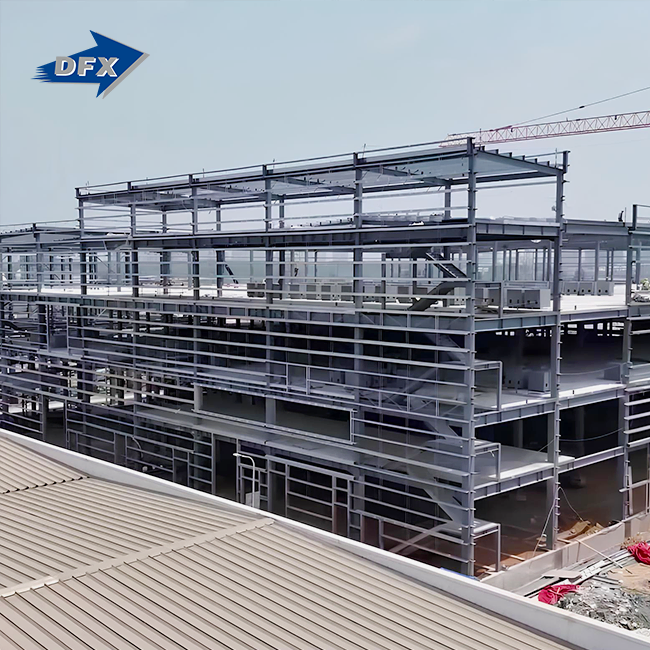
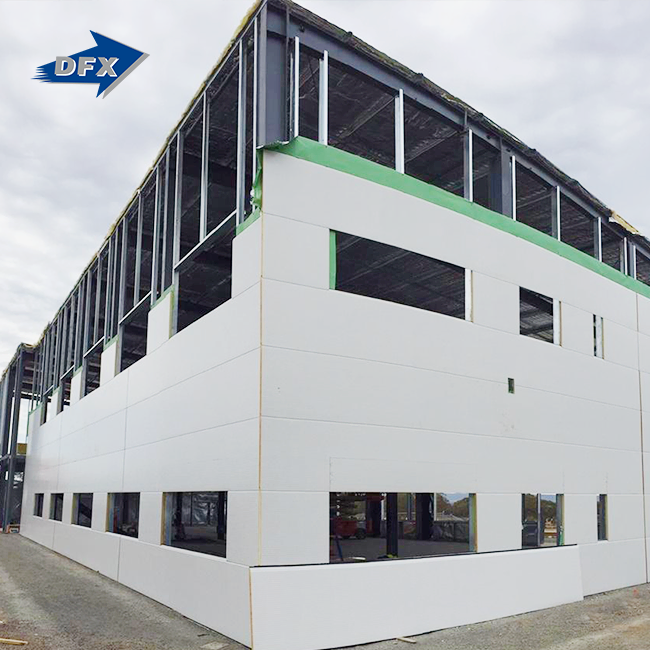
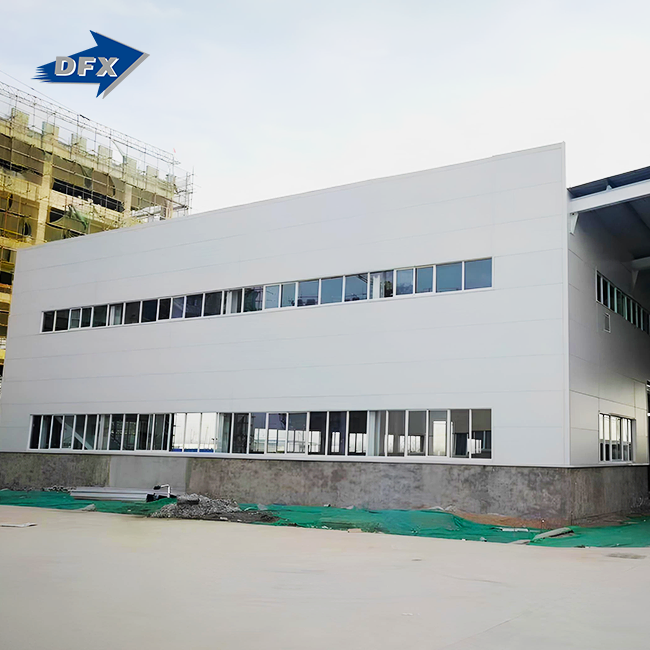
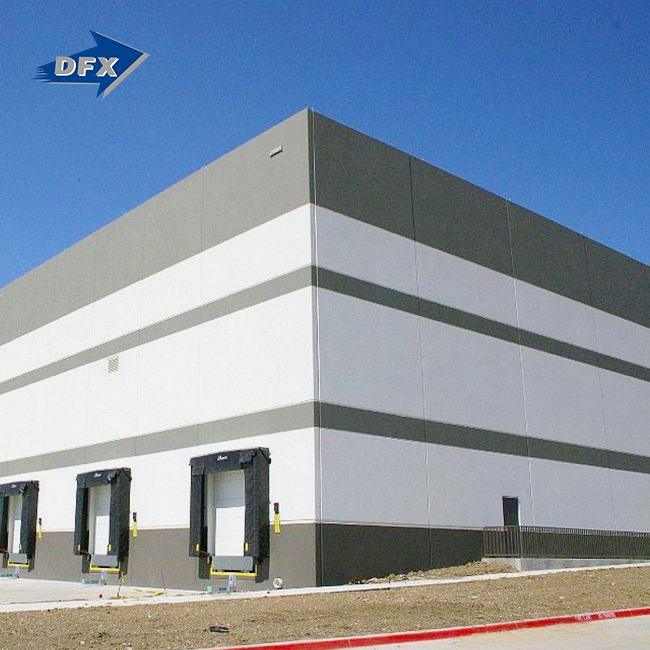
To build or grow a bonded warehouse, you need to know a lot about structural building, steel fabrication, foreign transportation, and customs compliance. With more than 12 years of experience, DFX has made prefabricated steel structures that are perfect for heavy industrial storage needs. Our 40,000-square-meter production facility has six automatic H-beam lines, two sandwich panel systems, and dedicated C/Z section steel production. It has the capacity to make 20,000 tons of welded structural members each year, which are designed to work in tough warehouse environments.
As a bonded area steel warehouse supplier and manufacturer, we know the specific needs of these buildings. Our in-house architectural design and detailing services help you with your whole project, from the idea stage to the final installation. We make sure that the structural systems meet both building codes and the unique needs of bonded customs zones. When customs officials and insurance companies give licenses to bonded businesses, ISO9001 quality systems and CE certification give them the proof and peace of mind they need.
Whether you're a logistics company setting up a new bonded network, a construction company needing temporary storage for a project, or a steel distributor building permanent infrastructure for your inventory, DFX offers integrated solutions that include engineering calculations, precise fabrication, logistics coordination, and on-site erection guidance. Email our team at jason@bigdirector.com to talk about your secured warehouse needs and find out how our modular prefabricated steel systems can help you finish your project faster while still meeting the needs of your operations for structural stability.
References
1. International Chamber of Commerce. "Bonded Warehousing and Customs Procedures: A Guide for International Trade Practitioners." ICC Global Trade Publication Series, 2022.
2. World Customs Organization. "Guidelines for Customs Supervision of Bonded Warehouses and Free Zones. "WCO Technical Standards and Procedures, 2021.
3. American Institute of Steel Construction. "Design Guide for Heavy Industrial Storage Facilities." AISC Steel Construction Manual Supplement, 2020.
4. Journal of Supply Chain Management. "Cash Flow Optimization Through Bonded Inventory Strategies in Global Manufacturing." Volume 58, Issue 3, 2023.
5. International Steel Trade Association. "Best Practices for Steel Storage in Customs-Controlled Environments." ISTA Technical Report Series, 2022.
6. Logistics Management Review. "Comparative Analysis of Bonded Warehousing Models in Major Trade Corridors." Annual Industry Analysis Report, 2023.
Learn about our latest products and discounts through SMS or email